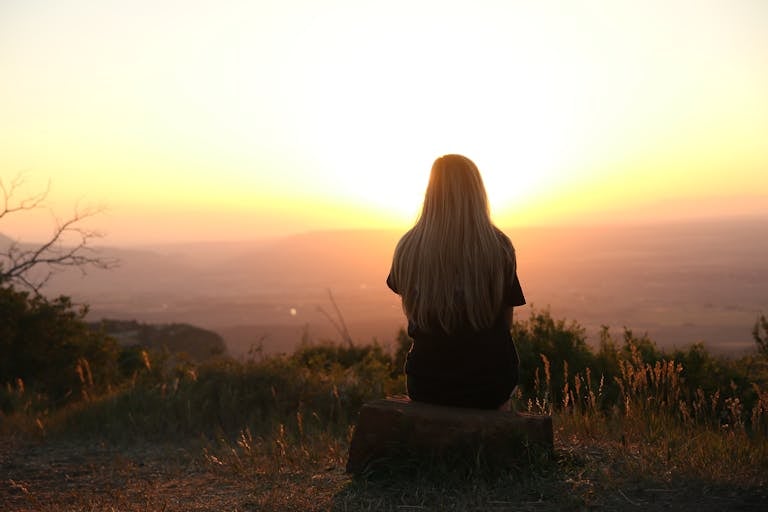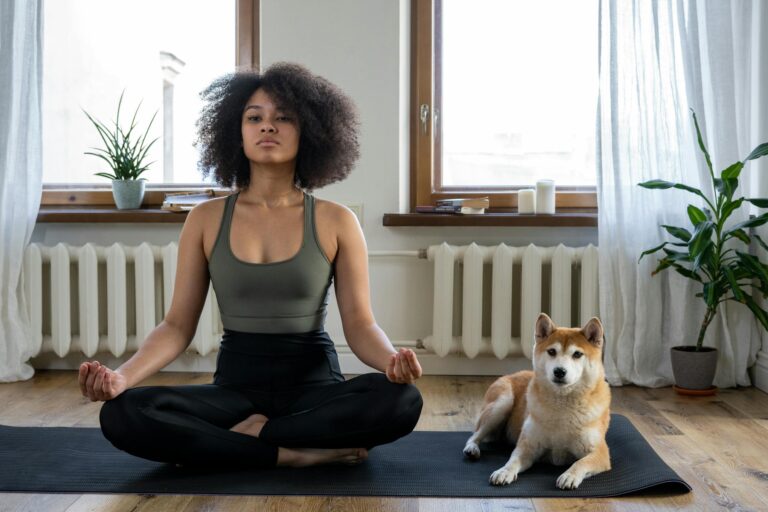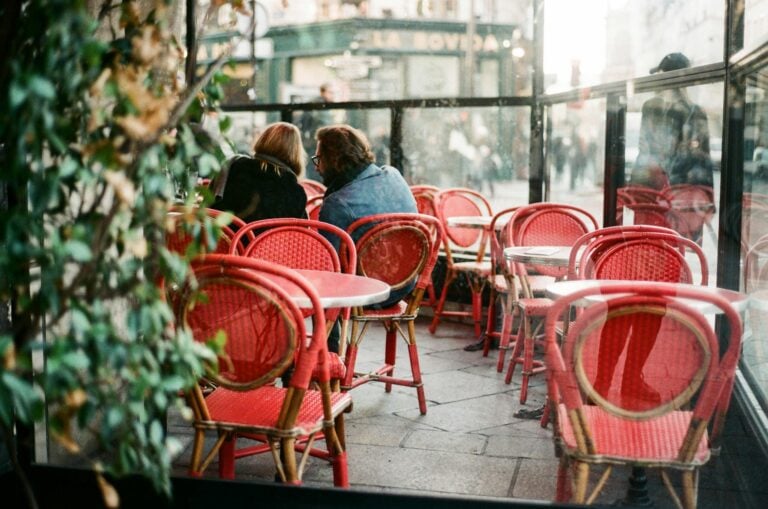

Yes, most introverts are genuinely comfortable being alone, and for many of us, solitude isn’t something we simply tolerate. It’s something we actively need. Being alone gives introverts the space to think clearly, recharge fully, and reconnect with themselves in ways that social interaction rarely allows.
That said, comfortable doesn’t mean identical for everyone. Some introverts feel most at ease in a quiet room with a book. Others prefer solo walks, long drives, or hours spent on a creative project with no one around. What unites us is that being alone doesn’t feel like deprivation. It feels like relief.
I spent more than two decades running advertising agencies, managing teams, presenting to Fortune 500 clients, and filling every hour with meetings, pitches, and decisions. On paper, my life looked like the opposite of solitude. And yet, the moments that kept me functional, that kept me sharp and grounded, were always the ones I carved out alone. Early mornings before anyone arrived at the office. Long drives home after late client dinners. Weekends where I deliberately scheduled nothing. Those weren’t escapes from my life. They were the foundation of it.

If you’re curious about how solitude fits into the broader picture of introvert wellbeing, our Solitude, Self-Care and Recharging hub covers everything from daily practices to the deeper science of why alone time matters so much for people wired like us.
Why Do Introverts Actually Feel Comfortable Alone?
There’s a distinction worth making early: being comfortable alone is not the same as being antisocial, shy, or avoidant. Those are separate traits that sometimes overlap with introversion but aren’t the same thing. Introversion, at its core, is about where you get your energy. And for introverts, energy comes from within, from quiet, from space to think without constant input.
What’s your personality type?
Take our free 40-question assessment and get a detailed personality profile with dimension breakdowns, context analysis, and personalised insights.
Discover Your Type8-12 minutes · 40 questions · Free
When I was building my first agency, I had a business partner who was a textbook extrovert. He could walk into a room of strangers and leave two hours later with six new contacts and three potential clients. He was genuinely energized by that. I watched him come alive in those environments in a way that fascinated me. I could do the same thing, and sometimes I did it well, but I came home from those events feeling hollowed out in a way he never seemed to. He’d want to debrief over drinks. I wanted silence and a dark room.
That difference isn’t a flaw in either of us. It’s simply how our nervous systems work. Many introverts experience social interaction as genuinely stimulating, but in a way that draws on internal reserves rather than replenishing them. Solitude is how those reserves get rebuilt. And when you understand that, being alone stops feeling like something to apologize for.
Psychological research has explored this distinction carefully. Writing in Psychology Today, Dr. Sybil Cummin notes that solitude, chosen and intentional, carries measurable benefits for mental health, including improved mood, clearer thinking, and greater emotional regulation. For introverts, these aren’t abstract findings. They match lived experience almost exactly.
Is Being Comfortable Alone the Same as Being Lonely?
One of the most persistent misconceptions about introverts is that our preference for solitude must signal loneliness or social failure. It doesn’t. Loneliness is a painful sense of disconnection, a gap between the connection you want and the connection you have. Solitude is a chosen state, a deliberate withdrawal that feels restorative rather than painful.
The difference matters enormously. Harvard Health has written about the distinction between loneliness and isolation, pointing out that perceived loneliness, not physical aloneness, is what carries health risks. An introvert who chooses to spend a Saturday alone, reading and cooking and thinking, is not experiencing loneliness. They’re experiencing something closer to contentment.
I’ve had people in my life, well-meaning people, who worried about me during periods when I was deliberately spending more time alone. After a particularly grueling campaign season, I once took three weeks of minimal social contact. I told close friends I was recharging. A few of them interpreted that as depression or withdrawal. What I was actually doing was recovering from months of sustained extroversion that had left me genuinely depleted. By the end of those three weeks, I felt more like myself than I had in months.
That experience is worth understanding, especially for the people in introverts’ lives. Choosing to be alone is not a referendum on the quality of your relationships. It’s a statement about what your nervous system needs.

For highly sensitive introverts, this distinction carries even more weight. The overlap between introversion and high sensitivity means that many of us aren’t just recharging during solitude. We’re also processing the emotional residue of social interaction in ways that require genuine quiet. This piece on HSP solitude and the essential need for alone time explores that dynamic in depth, and it resonates with a lot of what I’ve experienced as an INTJ who also scores high on sensitivity measures.
What Does Comfortable Alone Time Actually Look Like?
There’s no single template. Introvert solitude looks different depending on the person, the season of life, and what kind of depletion they’re recovering from. But there are some patterns worth naming.
For me, the most restorative alone time has always involved some combination of quiet, low-stakes activity and unstructured thinking. In my agency years, that often meant early morning runs before the city woke up. No podcasts, no music, just movement and thought. My best strategic ideas came during those runs, not in brainstorming sessions. The solitude wasn’t empty. It was where my mind did its best work.
Many introverts describe something similar. Alone time isn’t passive. It’s often where we’re most mentally active, processing experiences, generating ideas, working through problems that got shelved during the social demands of the day. The Greater Good Science Center at Berkeley has explored the connection between solitude and creativity, finding that time alone, free from social input, can genuinely enhance creative thinking. That matches what I observed in myself and in the introverted creatives I managed over the years.
I once had a copywriter on my team, a quiet, deeply thoughtful woman who produced some of the most original work I’d seen in twenty years of advertising. She did her best writing alone, early in the morning, before the open-plan office filled up. When we moved to a more collaborative workspace model, her output suffered noticeably. It wasn’t that she couldn’t collaborate. She was generous and engaged in team settings. But her creative engine ran on solitude, and we’d inadvertently cut off her fuel supply.
Comfortable alone time can also look like deliberate disconnection from digital noise. Some introverts find that being physically alone isn’t enough if they’re still fielding texts, scrolling feeds, or half-monitoring email. True solitude, the kind that actually recharges, often requires a clean break from input of all kinds.
How Does Alone Time Fit Into Introvert Self-Care?
Solitude isn’t just pleasant for introverts. It’s genuinely necessary. And that necessity shows up in how we feel when we don’t get enough of it.
I’ve written before about the particular kind of deterioration that happens when introverts are chronically overextended socially. It’s not dramatic at first. It starts as a low-level irritability, a shortened fuse, a sense of going through the motions. Over time it compounds. Concentration frays. Creativity dries up. Emotional reserves run thin. This piece on what happens when introverts don’t get alone time captures that progression in a way that I think many of us will recognize uncomfortably well.
The year I was running two agencies simultaneously, managing a merger while keeping both client rosters happy, I had almost no solitude for about eight months. I was traveling constantly, in back-to-back meetings, hosting client dinners, managing a team that needed visible leadership. By month six, I was making decisions I wouldn’t have made with a clear head. I was shorter with people I cared about. My thinking, which had always been my strongest professional asset, felt cloudy and slow.
What I needed wasn’t a vacation in the conventional sense. I needed sustained, genuine solitude. When I finally got it, a long weekend completely alone at a rented house in the mountains, the recovery was almost physical. I could feel my thinking sharpen again by the second day.
Building solitude into daily life, not just saving it for crisis recovery, is one of the most important things an introvert can do for their wellbeing. These essential daily self-care practices for highly sensitive people offer a useful framework, and much of it applies to introverts broadly, especially the emphasis on building quiet into the structure of your day rather than hoping it appears on its own.
Sleep is part of this picture too. Introverts often process the day’s social experiences during the transition to sleep, which means that insufficient rest doesn’t just leave us tired. It leaves us emotionally unprocessed. These rest and recovery strategies for highly sensitive people address that specific dynamic, and I’ve found several of them genuinely useful in my own routine.
Does Being Comfortable Alone Mean Introverts Don’t Need People?
No, and this is worth saying clearly. Comfort with solitude doesn’t mean indifference to connection. Most introverts care deeply about their relationships. We tend to prefer fewer, deeper connections over many surface-level ones, but those connections matter to us enormously.
The CDC has documented how important social connection is to overall health and wellbeing, noting that social isolation carries genuine risks for both mental and physical health. Introverts aren’t immune to those risks. The difference is that we tend to meet our connection needs through depth rather than frequency, through long conversations rather than constant contact, through quality rather than volume.
Some of my most meaningful professional relationships were built almost entirely through one-on-one conversations. I was never the agency leader who built culture through big team events or spontaneous group lunches. I built it through individual check-ins, through genuine curiosity about each person’s work and thinking, through the kind of focused attention that’s actually easier to give when you’re not performing for a crowd.
Introverts are often more present in one-on-one settings precisely because those settings don’t require the energy management that group environments do. We can give our full attention because we’re not simultaneously managing multiple social inputs and monitoring group dynamics. That depth of presence is something many people find genuinely valuable, even if they don’t understand why the introvert in their life seems to prefer it.
There’s also something worth noting about the relationship between solitude and the quality of connection that follows it. When I’ve had adequate alone time, I’m a better conversation partner, a more patient listener, a more genuinely curious presence. When I haven’t, I’m going through the motions. The solitude isn’t a substitute for connection. It’s what makes real connection possible.
Can Being Alone Too Much Become a Problem?
Yes, and it’s worth being honest about this. Solitude is restorative up to a point. Beyond that point, even for introverts, extended isolation can become genuinely harmful. The difference lies in whether the aloneness is chosen and purposeful or whether it’s a response to avoidance, anxiety, or disconnection from others.
Introversion is a personality trait, not a license for indefinite withdrawal. An introvert who is consistently avoiding social contact out of fear, who is using solitude to escape rather than to recharge, who feels worse rather than better after extended periods alone, may be dealing with something beyond introversion. Social anxiety, depression, and other conditions can wear the costume of introversion and deserve their own attention.
A useful self-check: does your alone time leave you feeling restored and more ready to engage with the world? Or does it leave you feeling more withdrawn, more anxious about contact, more convinced that people are better avoided? The first is healthy introvert recharging. The second might be worth examining more closely.
Research published in PMC has examined how voluntary versus involuntary solitude affects wellbeing differently, finding that the distinction between choosing to be alone and feeling forced into aloneness matters significantly for how that solitude affects mental health. Chosen solitude feels good. Imposed isolation does not, even for introverts.
How Nature Fits Into the Introvert’s Relationship With Solitude
Many introverts find that solitude hits differently in natural settings. There’s something about being alone outdoors, away from the built environment and its constant social cues, that amplifies the restorative quality of the time. I’ve noticed this in myself consistently. An hour alone in a park restores me more than an hour alone in my apartment, even if both involve quiet and no social interaction.
This isn’t just anecdotal. Research in PMC has explored how natural environments affect psychological restoration, with findings suggesting that nature exposure supports attention restoration and stress reduction in ways that indoor environments often don’t match. For introverts already inclined toward solitude, nature adds another layer of recovery.
The connection between nature and introvert wellbeing is something I’ve come to appreciate more as I’ve gotten older. In my agency years, my alone time was often urban and indoor. A quiet office at 6 AM. A solo lunch at a corner table. Those helped, but they weren’t the same as what I find now in a long walk through a state park or an afternoon sitting by water with no particular agenda. This exploration of the healing power of the outdoors for highly sensitive people articulates something I’ve felt but hadn’t fully named until I read it.
Solo travel is another dimension of this worth mentioning. Many introverts find that traveling alone offers a particular kind of freedom, the ability to move at your own pace, follow your own curiosity, and experience new places without the social negotiation that comes with group travel. Psychology Today has written about solo travel as both a growing trend and a genuinely preferred approach for many people, noting that it offers a combination of novelty and autonomy that suits certain personalities particularly well. For introverts, that combination is often exactly right.
What Happens When Introverts Embrace Being Comfortable Alone?
Something shifts when you stop treating your need for solitude as a problem to manage and start treating it as a feature of how you’re wired. I’ve watched this shift happen in myself over years, and I’ve seen it happen in introverts I’ve worked with and mentored.
When I finally stopped apologizing for needing alone time, when I stopped scheduling my calendar to the edges because I thought visible busyness was the mark of a good leader, I became better at everything I was trying to do. My thinking was clearer. My decisions were more considered. My relationships, both professional and personal, were more genuine because I was showing up to them as a rested, present version of myself rather than a depleted one going through the motions.
There’s a particular kind of self-knowledge that develops through time spent alone. You learn what you actually think, separate from what the people around you think. You learn what you value when no one is watching. You learn what kind of work genuinely engages you versus what you’re doing for external validation. That self-knowledge is one of the most valuable things I’ve developed in my adult life, and almost all of it came from quiet.
One of my favorite examples of this comes from a period when I was considering a significant pivot in my business. I had advisors pulling me in different directions, partners with strong opinions, clients with their own preferences about what I should do. In the middle of all that noise, I took a long solo weekend and came back with a clarity I hadn’t been able to find in any of the conversations. The answer had been there all along. I just needed enough quiet to hear it.
There’s also something worth saying about the particular quality of attention that introverts develop through regular solitude. We become better observers. We notice more. We process more deeply. Research published in Frontiers in Psychology has examined how introversion relates to deeper cognitive processing, suggesting that introverts tend to engage more thoroughly with information before responding. That depth is cultivated in solitude. It’s not automatic. It’s practiced.
There’s something quietly freeing about the moment you realize your alone time isn’t a liability. It’s a resource. And like any resource, it works best when you protect it deliberately rather than hoping it appears in the gaps between obligations. This piece on Mac alone time captures that protective instinct beautifully, the idea that solitude is something worth guarding, not just something that happens when everyone else is busy.
If you’re still working out what a sustainable solitude practice looks like for your own life, there’s more to explore across our Solitude, Self-Care and Recharging hub, including practical strategies, deeper dives into the science, and perspectives from introverts at different life stages.
About the Author
Keith Lacy is an introvert who’s learned to embrace his true self later in life. After 20 years in advertising and marketing leadership, including running agencies and managing Fortune 500 accounts, Keith now channels his experience into helping fellow introverts understand their strengths and build fulfilling careers. As an INTJ, he brings analytical depth and authentic perspective to every article, drawing from both professional expertise and personal growth.
Frequently Asked Questions
Are introverts actually happy being alone, or do they just say that?
Most introverts are genuinely happy in solitude, not performing contentment. Alone time isn’t something introverts endure. For most of us, it’s where we feel most like ourselves. That said, introversion exists on a spectrum, and individual preferences vary. An introvert who says they enjoy being alone is typically describing something real, not a coping mechanism for social failure.
How much alone time do introverts typically need?
There’s no universal answer, but most introverts need meaningful solitude daily, not just occasionally. The amount varies based on personality, life circumstances, and how socially demanding the day has been. A day of back-to-back meetings requires more recovery time than a day of independent work. Many introverts find that even thirty to sixty minutes of genuine solitude each day makes a measurable difference in how they feel and function.
Is being comfortable alone a sign of introversion or something else?
Comfort with solitude is strongly associated with introversion, but it’s not exclusive to it. Some extroverts also value alone time, particularly those with high sensitivity or strong creative drives. Conversely, not all introverts feel equally comfortable alone. Social anxiety, depression, or life circumstances can complicate the picture. Comfort with solitude is a common introvert trait, but it’s worth understanding in the context of your full personality rather than as a single diagnostic marker.
Can introverts become too dependent on being alone?
Yes, this is worth watching for. Solitude is healthy and necessary for introverts, but there’s a difference between chosen solitude that restores you and avoidance that isolates you. If alone time is consistently followed by anxiety about re-engaging with people, or if solitude is being used to escape rather than recharge, that pattern deserves closer attention. Healthy introvert solitude leaves you feeling more ready to connect, not more reluctant to.
How can introverts protect their alone time without damaging relationships?
Communication is the most important tool here. People who understand why you need solitude are far less likely to take it personally when you ask for it. Being clear that alone time is about your own needs, not a rejection of theirs, helps significantly. Building solitude into your routine rather than claiming it reactively also helps. When the people in your life know that Sunday mornings or weekday evenings are your recharge time, it becomes part of the expected rhythm rather than a recurring negotiation.