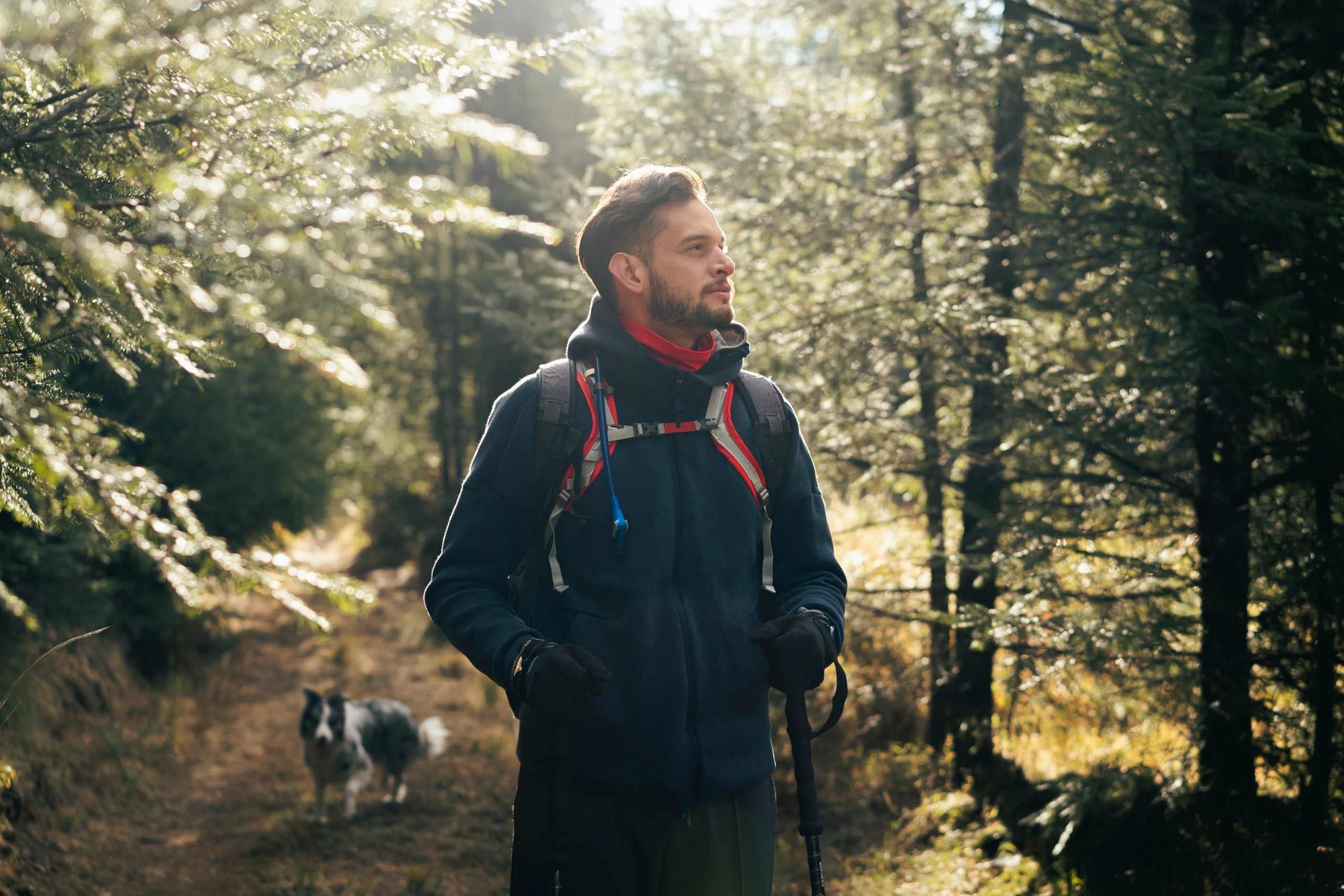

Some of the best places to travel alone as an introvert are the ones that ask nothing of you socially: destinations where silence is the norm, where crowds thin out by mid-morning, and where the pace of a day is entirely your own to set. Iceland’s volcanic landscapes, Japan’s temple districts, Portugal’s coastal villages, and New Zealand’s hiking trails consistently rank among the most rewarding solo destinations for people who recharge in solitude rather than company.
But the destination matters less than you might think. What actually shapes a solo trip for an introvert is the structure around it: how much unscheduled time you protect, how intentionally you choose accommodations, and whether you give yourself permission to spend an entire afternoon doing absolutely nothing that requires conversation.
I’ve been thinking about solo travel differently since I left the agency world. For two decades, nearly every trip I took was a work trip. Client dinners, conference panels, red-eye flights back to pitch rooms. Even the “downtime” was social performance. When I finally started traveling alone for my own reasons, something shifted in ways I hadn’t anticipated. This article is my attempt to share what I’ve learned, both practically and personally, about finding the right places and the right mindset for solo travel as an introvert.
If you’re exploring what genuine rest and solitude look like across different areas of your life, our Solitude, Self-Care and Recharging hub covers the full landscape, from daily practices to deeper questions about what restoration actually means for people wired the way we are.

Why Do Introverts Tend to Travel Alone in the First Place?
There’s a version of this question that sounds like a problem to solve. Why can’t you just travel with friends like everyone else? I heard some version of that for years, usually from colleagues who couldn’t understand why I’d rather spend a free Saturday in quiet than at a team happy hour.
What’s your personality type?
Take our free 40-question assessment and get a detailed personality profile with dimension breakdowns, context analysis, and personalised insights.
Discover Your Type8-12 minutes · 40 questions · Free
Solo travel for introverts isn’t about antisocial behavior. It’s about the math of energy. When you travel with others, even people you genuinely love, a significant portion of your mental bandwidth goes toward coordination, compromise, and social attunement. You’re tracking how everyone feels about the restaurant choice. You’re reading the room when someone’s mood shifts. You’re performing enthusiasm about an activity that doesn’t excite you because the group decided on it.
Alone, that bandwidth goes somewhere else entirely. It goes toward noticing the light on the water at 6 AM. Toward sitting with a thought long enough to actually finish it. Toward the particular kind of clarity that only comes when no one needs anything from you for a few hours.
A piece published by Psychology Today on solo travel frames this well: for many people, traveling alone isn’t a default born from circumstance. It’s a considered preference, often one that took years to feel comfortable claiming. That resonates with me. I spent a long time treating my preference for solitude as something to apologize for before I started treating it as useful information about how I’m built.
There’s also something worth naming about what happens when introverts don’t get enough alone time. It’s not just tiredness. It’s a kind of erosion. Judgment gets cloudier. Patience thins. The internal voice that helps you make good decisions gets drowned out by noise. Solo travel, done intentionally, is one of the most effective resets I’ve found.
What Makes a Destination Actually Good for Introverted Solo Travelers?
Not all quiet places are equal. A remote cabin sounds ideal until you realize it’s a four-hour drive from anywhere with decent coffee and you’ve packed the wrong books. A small European village can be deeply peaceful or unexpectedly claustrophobic depending on the season and your own headspace going in.
After years of both good and poorly planned solo trips, I’ve landed on a few qualities that tend to make a destination genuinely restorative rather than just geographically isolated.
Low-Pressure Social Infrastructure
The best solo travel destinations for introverts have what I’d call low-pressure social infrastructure. Meaning: there are places to be among people without being required to perform. A good independent bookshop. A cafe where solo diners are the norm, not the exception. A museum where you can spend three hours without anyone expecting you to explain yourself.
Japan does this better than almost anywhere I’ve been. The cultural norm of quiet in public spaces, the prevalence of solo dining culture, the fact that a single traveler at a counter seat is completely unremarkable: all of it creates an environment where you can be present without being conspicuous. I spent a week in Kyoto a few years after leaving my last agency role, and it was the first trip in years where I didn’t once feel the low-grade social anxiety of being visibly alone.
Access to Nature Without Requiring Group Activities
There’s something about natural environments that does something specific for introverted nervous systems. Not just aesthetically. Something more fundamental. The research on this is growing, and the connection between nature and healing for highly sensitive people is particularly well-documented. Many introverts share traits with HSPs, including the need for environments that don’t overstimulate.
Destinations that give you easy access to trails, coastlines, or open landscapes without requiring you to join a guided group tour are worth seeking out. New Zealand’s South Island is exceptional for this. Iceland’s ring road lets you stop whenever you want, for as long as you want, with no itinerary to keep. Portugal’s Alentejo region has a stillness to it that feels almost curated for people who need to think.
A Rhythm That Doesn’t Punish Slowness
Some cities are built for speed. New York, London, Tokyo in certain neighborhoods: they have a pulse that demands you match it. That can be energizing in small doses, but it’s not what most introverts are looking for in a solo trip meant to restore them.
Places with a slower cultural rhythm, where lingering over a meal is expected, where afternoons are genuinely quiet, where no one looks at you strangely for sitting in a park for two hours without your phone out: those places tend to serve introverted travelers better. Southern Portugal, rural Japan, much of Scandinavia outside peak tourist season, the smaller Greek islands in early autumn. These are places where doing less doesn’t feel like failure.

Which Specific Destinations Come Up Again and Again for Introvert Solo Travelers?
These aren’t ranked. Different places will resonate differently depending on what you’re carrying when you arrive. But these destinations keep appearing in conversations with fellow introverts who travel alone, and my own experience backs up why.
Iceland
Iceland is almost absurdly well-suited for introverted solo travel. The landscape is so dramatically present that it fills whatever internal space you bring to it. You can drive for an hour without passing another car. The geothermal pools invite a kind of wordless, eyes-closed stillness that’s hard to find elsewhere. And the Icelandic cultural tendency toward quiet directness means you’re never expected to make small talk for its own sake.
Go outside of summer if you can manage it. The shoulder seasons, late April or September and October, give you the landscapes without the tourist density. The northern lights, if you’re lucky enough to catch them, are one of those experiences that genuinely can’t be improved by having someone next to you commenting on them.
Japan (Particularly Kyoto and the Countryside)
I’ve already mentioned Kyoto, but it’s worth expanding on. Japan as a whole has a cultural relationship with solitude and quiet that feels almost designed for introverted visitors. The concept of “ma,” the meaningful pause, the space between things, shows up everywhere from architecture to conversation. You feel it in temple gardens, in the spacing of a kaiseki meal, in the way train cars go quiet without anyone having to ask.
Beyond Kyoto, the rural areas of Japan, particularly the Kumano Kodo pilgrimage trails or the Nakasendo route, offer days of walking through forest and mountain villages with minimal crowds and maximum internal space. Solo hiking culture is deeply respected there. You’re not an oddity for doing it alone. You’re simply doing what the trail is for.
Portugal
Portugal has become something of a quiet favorite among introverted travelers, and I think it’s because the country has a native relationship with a particular kind of melancholy beauty. Fado music, the tiled facades of Lisbon, the long Atlantic coastline: all of it invites reflection rather than performance.
Lisbon itself is walkable in a way that rewards the kind of wandering introverts do best: following a street because it looks interesting, stopping when something catches your attention, eating alone at a tiny restaurant without anyone making you feel like you should be somewhere livelier. The Alentejo region, about two hours east, is one of the quietest landscapes in Western Europe. Rolling cork forests, medieval hilltop towns, almost no one.
New Zealand’s South Island
If your version of restoration involves physical movement through dramatic landscape, the South Island of New Zealand is hard to beat. The Milford Track, the Routeburn, the Abel Tasman coastal walk: these are multi-day trails where the rhythm of walking does something to your thinking that sitting still can’t quite replicate.
There’s a particular quality to long-distance hiking that introverts often respond to strongly. The simplicity of the day’s only question being “how far do I walk today” creates a mental clarity that’s almost impossible to manufacture in ordinary life. Berkeley’s Greater Good Science Center has written about the relationship between solitude and creative thinking, and what they describe maps closely to what I’ve experienced on solo hiking days: the mind, freed from social demands, starts making connections it couldn’t access before.
Scandinavia (Norway and Sweden in Particular)
The Nordic countries have a concept called “friluftsliv,” roughly translated as “open-air living,” that treats time in nature as a basic human need rather than a leisure activity. The cultural infrastructure around this is remarkable: well-maintained public trails, the right of public access to land, an attitude toward outdoor solitude that treats it as completely normal rather than eccentric.
Norway’s fjord region and Sweden’s archipelago both offer the combination of accessible nature, low social pressure, and that particular Scandinavian directness that introverts tend to appreciate. People say what they mean. They don’t fill silence with noise. A quiet dinner alone is unremarkable. It’s a cultural temperament that feels like exhaling.
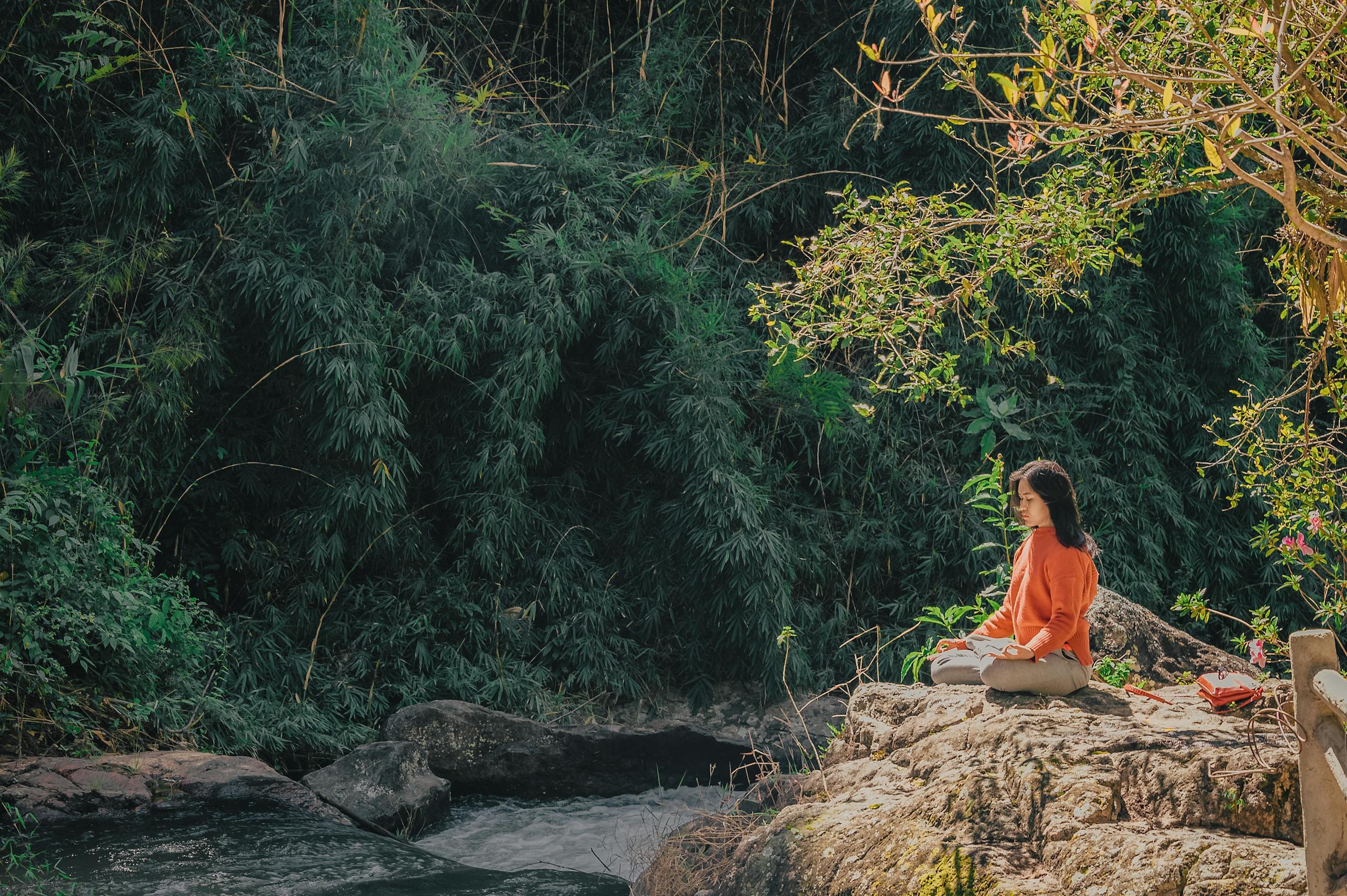
How Do You Actually Structure a Solo Trip to Protect Your Energy?
Planning matters more than most travel advice acknowledges. Not the kind of planning that fills every hour with scheduled activities, but the kind that creates containers for rest and prevents you from accidentally recreating the social exhaustion you were trying to escape.
One of the things I’ve written about at length in other contexts is the importance of daily self-care practices that actually fit how you’re wired. Travel disrupts routine, and for introverts, that disruption can quietly accumulate into depletion if you’re not paying attention. The practices that sustain you at home don’t disappear just because you’re somewhere interesting.
Build in Mandatory Unscheduled Time
My agency years taught me that a packed schedule feels productive and often isn’t. The same principle applies to travel. I used to plan trips the way I planned client presentations: every slot filled, every contingency anticipated. What I actually produced was a different kind of exhaustion in a different location.
Now I plan no more than one major thing per day. A museum, a long hike, a particular neighborhood to explore. Everything else is genuinely open. Some of my best travel memories are from the unscheduled hours: a conversation with a bookshop owner in Lisbon, a two-hour sit in a Kyoto garden watching the light change, a spontaneous detour down a coastal road in Iceland because the sky looked interesting.
Choose Accommodations That Support Solitude
Hostels work brilliantly for extroverted solo travelers who want built-in social opportunity. They’re often actively counterproductive for introverts who need a private space to decompress at the end of the day. A private room in a small guesthouse, a self-catering apartment, or a traditional Japanese ryokan where meals are served in your room: these aren’t luxuries. They’re functional choices that affect how much energy you have for the actual travel.
Sleep is part of this. Recovery through quality sleep is something introverts and highly sensitive people often need to be more deliberate about, especially when the environment is unfamiliar. A noisy shared dorm or a hotel on a busy street isn’t just inconvenient. It’s genuinely erosive over the course of a week.
Give Yourself Permission to Say No Mid-Trip
One of the quieter gifts of solo travel is that no one is waiting for you to show up to the group activity. You can decide the morning of that you’d rather spend the day reading in a cafe than taking the boat tour you thought you wanted. You can leave the museum after an hour because you’ve actually absorbed as much as you can. You can skip the recommended restaurant because what you actually want is soup from the grocery store eaten in your room in silence.
That permission sounds small. It isn’t. Most introverts spend so much of ordinary life managing other people’s expectations that the experience of having none can feel almost disorienting at first. There’s a piece I keep coming back to about making the most of alone time that captures this well: the shift from tolerating solitude to actively using it takes practice, and solo travel is one of the best environments to practice in.
What Does the Research Actually Say About Solitude and Travel?
There’s a growing body of work on solitude that moves it out of the category of “social failure” and into something more nuanced. Research published in PubMed Central on solitude and well-being suggests that chosen solitude, time alone that you’ve actively sought rather than had imposed on you, has meaningfully different effects on psychological health than loneliness or isolation.
That distinction matters for introverts who’ve spent years defending their preference for alone time against the assumption that wanting solitude means something is wrong. Psychology Today’s coverage of solitude’s health benefits makes a similar point: the quality and intentionality of time alone is what determines its effect, not the fact of being alone itself.
It’s also worth being honest about the other side of this. Harvard Health’s work on loneliness versus isolation is a useful reminder that solitude and loneliness are not the same thing, but they can blur into each other if you’re not paying attention. Solo travel is restorative when it’s chosen and structured well. It can tip into something harder if you’re using it to avoid connection entirely rather than to balance it.
The Frontiers in Psychology work on introversion and social behavior adds another layer here: introverts don’t need zero social contact. They need calibrated social contact. Solo travel, paradoxically, often creates better conditions for the kind of brief, meaningful interactions introverts actually enjoy: a real conversation with a stranger you’ll never see again, with no obligation to maintain the relationship afterward.
I’ve had some of the most genuinely connecting conversations of my life while traveling alone. A retired architect in Lisbon who spent an hour explaining the history of a particular tile pattern. A farmer in rural Japan who insisted on showing me his family’s tea field. These interactions work precisely because they’re bounded. There’s no social maintenance required afterward. You can be fully present for an hour and then go back to your own company.
How Does Solo Travel Fit Into a Broader Approach to Introvert Self-Care?
Solo travel isn’t a solution to anything. It’s a tool, and like any tool, its usefulness depends on what you’re trying to do with it and whether you’re using it in the right context.
For introverts who are chronically depleted, a solo trip can feel like a reset. But the reset only holds if you come back to a life that has enough structural space for the kind of restoration you need. A week in Iceland doesn’t fix six months of overextension if nothing changes when you return.
This is where the work on solitude as an essential need rather than a preference becomes practically important. Framing alone time as something you need, not something you’re choosing over better options, changes how you protect it. It changes the conversations you have with colleagues, partners, and friends about why you’re not available for every social invitation. It changes how you plan your schedule.
Solo travel, at its best, is an extended practice of that. A week or two of living entirely according to your own energy rather than anyone else’s expectations. The emerging research on restorative environments suggests that the combination of natural settings, reduced social demands, and voluntary solitude has measurable effects on stress and cognitive restoration. That’s not surprising to anyone who’s come back from a solo trip feeling like themselves again for the first time in months.
What I’ve found, both in my own experience and in conversations with other introverts, is that the benefits of solo travel tend to compound. The first trip is often about proving to yourself that you can do it, that you won’t be lonely, that you won’t miss having someone to share the experience with. The second trip is about starting to understand what you actually want from it. By the third or fourth, you’ve developed something like a personal travel language: the conditions, paces, and types of environments that genuinely restore you versus the ones that just relocate your exhaustion.
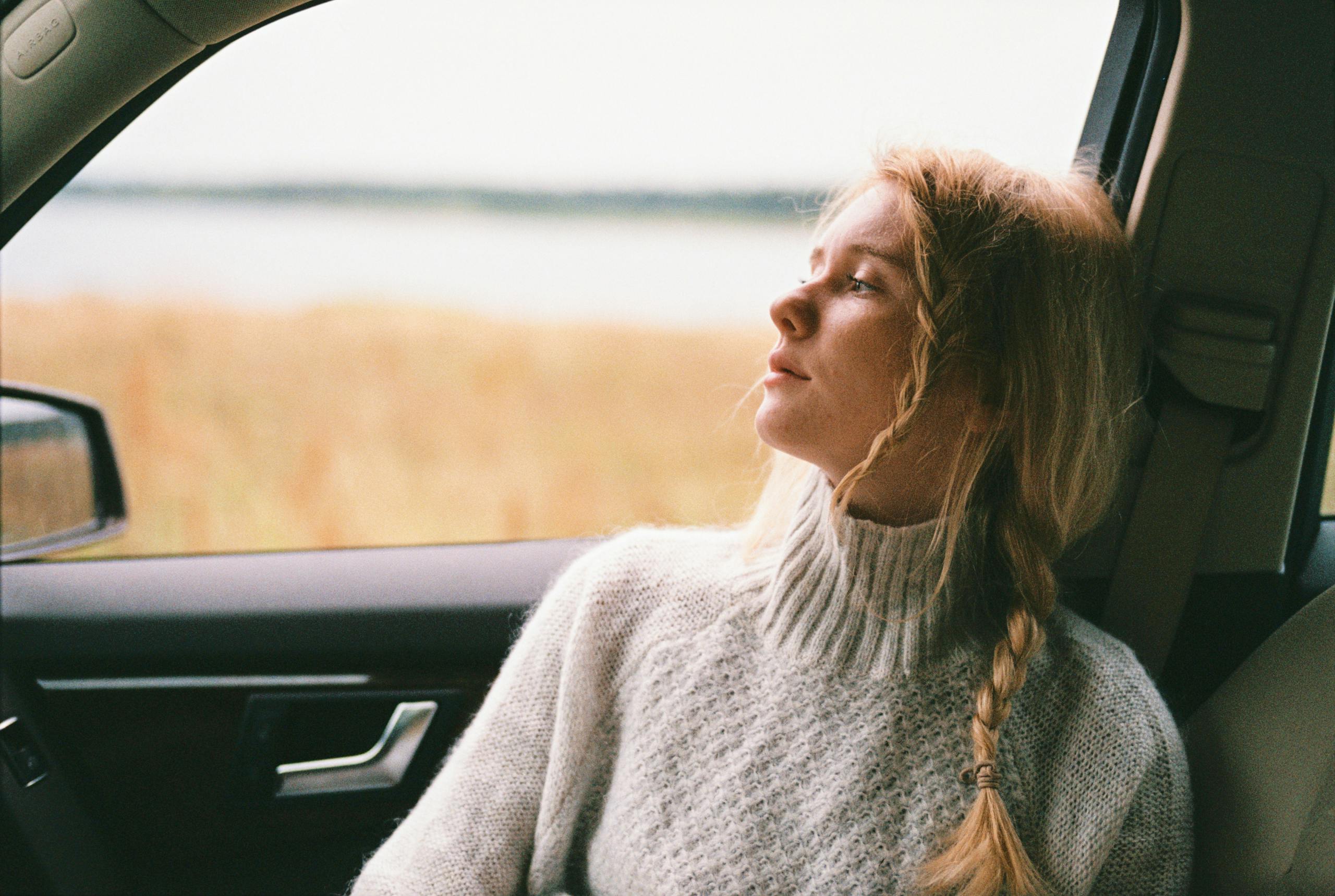
A Few Honest Notes From My Own Experience
I want to be direct about something that travel content rarely acknowledges: the first day of a solo trip is often the hardest. There’s a particular discomfort in sitting down to dinner alone in an unfamiliar city, especially if you’ve spent years in professional environments where being alone in public read as a social deficit. I felt it acutely the first time I traveled solo after leaving my last agency role. I was in Porto, it was my first evening, and I sat at a restaurant table for one and spent the entire meal convinced everyone was noticing me.
By day three, I’d stopped noticing whether anyone was noticing me. By day five, I was genuinely looking forward to those solo dinners as the best part of the day. That arc is pretty consistent across the solo trips I’ve taken since.
There’s also something worth naming about the relationship between solo travel and the kind of deep thinking that introverts often do best. Away from the accumulated context of ordinary life, the mental furniture of deadlines and relationships and obligations, the mind moves differently. I’ve worked through more genuine strategic problems on solo walks in foreign cities than in any conference room. Not because I was trying to. Because the conditions were finally right for the thinking to happen.
In my agency years, I managed teams of extroverts who found this incomprehensible. Why would you go somewhere beautiful and spend half the time in your own head? Because that’s where the good thinking happens. Because the external world, when it’s the right kind of external world, feeds the internal one rather than drowning it out.
If you’re still building the broader framework for how solitude fits into your life, the resources in our Solitude, Self-Care and Recharging hub cover everything from daily practices to the deeper psychology of what it means to genuinely restore yourself as an introvert.
About the Author
Keith Lacy is an introvert who’s learned to embrace his true self later in life. After 20 years in advertising and marketing leadership, including running agencies and managing Fortune 500 accounts, Keith now channels his experience into helping fellow introverts understand their strengths and build fulfilling careers. As an INTJ, he brings analytical depth and authentic perspective to every article, drawing from both professional expertise and personal growth.
Frequently Asked Questions
Is solo travel actually better for introverts than traveling with friends?
Not categorically, but often yes, depending on what you need from the trip. Solo travel removes the social coordination overhead that quietly drains introverted travelers: the compromise on pace, the management of group dynamics, the performance of enthusiasm. That said, traveling with a single close friend who understands your need for quiet time can be deeply rewarding. The issue isn’t company itself. It’s unmanaged social demand. Many introverts find that solo travel, done a few times, clarifies exactly what kind of travel companionship, if any, actually works for them.
How do you handle loneliness on a solo trip as an introvert?
Loneliness on solo trips is real, and it’s worth distinguishing it from solitude. Solitude is chosen and restorative. Loneliness is the ache of feeling disconnected from people who matter to you. The most effective approach I’ve found is building in small, low-pressure social touchpoints rather than trying to avoid loneliness entirely: a brief call home, a conversation with a local, a shared table at a communal restaurant. success doesn’t mean fill the space with social activity. It’s to maintain a thin thread of connection while still protecting the quiet that makes solo travel worth doing.
What are the most practical safety considerations for introverted solo travelers?
The practical safety considerations for solo travel apply regardless of personality type: share your itinerary with someone at home, keep digital and physical copies of important documents, use accommodation with good reviews and clear cancellation policies, and trust your instincts about situations that feel wrong. For introverts specifically, there’s an additional consideration: the tendency to stay in your own head can occasionally mean missing environmental cues. Staying present in unfamiliar neighborhoods, particularly at night, matters. That said, the destinations most introverts gravitate toward, Japan, Scandinavia, Portugal, New Zealand, consistently rank among the safest in the world for solo travelers.
How long should a solo trip be to feel genuinely restorative?
Most introverts I’ve spoken with, and my own experience backs this up, find that the restorative effects of solo travel really kick in around day three or four. The first couple of days are often about decompression and adjustment. The middle days are where the genuine restoration happens. The final day or two often involve a natural mental return to ordinary life. This suggests that trips shorter than four days rarely deliver the full benefit, and that a week to ten days is often the sweet spot. That said, even a long weekend of genuine solitude, with the right structure and the right environment, can meaningfully shift your baseline.
Do introverts need to travel far to get the benefits of solo travel?
No, and this is worth being clear about. The restorative effects of solo travel come from the combination of solitude, reduced social demand, and environmental change, not from the distance traveled. A solo weekend in a quiet town two hours from home can deliver many of the same benefits as an international trip, particularly if you’re deliberate about protecting unstructured time and choosing accommodations that support genuine rest. International travel adds the element of cultural novelty, which has its own value, but it’s not the primary mechanism. Some of the most restorative solo time I’ve had has been in places well within driving distance of home.