

When a boyfriend asks for alone time, it can feel like rejection, even when it isn’t. Reddit threads on this topic reveal something important: many people in relationships with introverts are genuinely confused about why their partner needs space, and many introverted partners don’t know how to explain it without sounding like they’re pushing someone away.
Alone time for an introvert isn’t about the relationship. It’s about how the nervous system works. Introverts recharge in solitude and drain in social contact, even with people they love deeply. That’s not a personal statement about the relationship. It’s just wiring.

If you’ve been searching for answers about a boyfriend who wants alone time, or if you’re the introvert trying to find the words to explain your need for solitude, you’re in good company. These conversations happen constantly on Reddit, and they surface something real about how introverts and extroverts can misread each other’s needs.
Our Solitude, Self-Care & Recharging hub covers the full range of why introverts need alone time and how to build a life that honors that need. This article goes a step further and looks at the specific relational tension that comes up when one partner needs solitude and the other takes it personally.
Why Do Introverts Need Alone Time Even From People They Love?
Spend any time in the Reddit threads about introverted partners and you’ll see the same confusion surface over and over. “He says he loves me but needs time alone. I don’t understand.” Or: “My boyfriend spends all week at work and then wants to be alone on weekends. When do I fit in?”
What’s your personality type?
Take our free 40-question assessment and get a detailed personality profile with dimension breakdowns, context analysis, and personalised insights.
Discover Your Type8-12 minutes · 40 questions · Free
These are honest questions. They come from a real place of hurt. And they usually stem from a fundamental misunderstanding of what social energy actually costs an introvert.
I ran advertising agencies for over two decades. My weeks were packed with client presentations, team meetings, new business pitches, and the constant social performance that agency life demands. By Friday afternoon, I wasn’t tired in the way you get tired from physical labor. I was depleted at a cellular level. My wife would ask what I wanted to do that weekend and my honest answer was: nothing. Not nothing with her. Just nothing. Quiet. Stillness. Room to think without anyone needing anything from me.
That’s not a relationship problem. That’s an energy management problem. And it took me years to be able to articulate the difference clearly enough that the people who loved me could understand it.
The science behind this is worth understanding. Research published in PubMed Central points to meaningful differences in how introverts and extroverts process stimulation, with introverts showing greater sensitivity to external input. What feels energizing to an extrovert can feel genuinely exhausting to an introvert, even when that input is positive and loving.
Knowing this doesn’t make the loneliness of a partner easier to bear. But it reframes the conversation from “you don’t want to be with me” to “I need to refill before I can show up fully for you.”
What Reddit Actually Gets Right About This Dynamic
Reddit is a strange and useful mirror. The threads about introverted boyfriends wanting alone time are messy and sometimes painful to read, but they surface something that most relationship advice articles miss: the communication breakdown usually happens before the alone time request, not during it.
What I see in those threads, over and over, is introverted partners who have never properly explained their need for solitude. They just disappear into another room, or go quiet, or cancel plans, and their partner is left to fill in the blanks. The blanks usually get filled with the worst possible interpretation.

Reddit commenters, at their best, push back on both sides of this. They tell the hurt partner: this isn’t about you. And they tell the introvert: you owe your partner an explanation, not just a closed door.
That’s actually good relationship advice. Solitude is a legitimate need. It’s not a negotiating chip or a punishment. But it does require context, especially in a relationship where one person doesn’t share that need in the same way.
One Reddit thread I came across had a comment that stuck with me. Someone wrote something like: “My boyfriend doesn’t need space from me. He needs space to become the version of himself that wants to be with me.” That’s not a perfect framing, but it’s closer to the truth than most people get.
Understanding what happens to an introvert who doesn’t get that space is equally important. The effects of skipping alone time are real and cumulative. Irritability, emotional flatness, difficulty being present, a creeping resentment that has nothing to do with the relationship itself. An introvert who never gets to recharge becomes a worse partner, not a better one.
How Alone Time Actually Works for an Introverted Partner
One of the things that gets lost in these Reddit conversations is what introverts are actually doing during their alone time. Partners sometimes imagine their boyfriend is sitting in a room resenting them, or secretly relieved to be away. That’s almost never what’s happening.
Solitude for an introvert is active, even when it looks passive from the outside. The mind is processing. Emotions that got filed away during a busy week are finally getting sorted. Creative thoughts that got crowded out by noise are finding room to surface. Berkeley’s Greater Good Science Center has written about how solitude creates conditions for creative thinking, which tracks with my own experience completely.
During my agency years, some of my best strategic thinking happened on Sunday mornings when everyone else was asleep. Not because I was avoiding my family, but because that quiet was the only time my brain could actually work at full capacity. The insights I’d bring into Monday morning meetings often came from those solitary hours.
For highly sensitive introverts especially, solitude isn’t a luxury. It’s maintenance. The kind of daily self-care that HSPs rely on often centers on creating enough quiet to process the day’s emotional and sensory input. Without it, everything starts to feel like too much.
Sleep is another piece of this that rarely comes up in relationship conversations. When introverts are overstimulated and haven’t had enough solitude, sleep quality often suffers. The mind that couldn’t process during the day tries to do it at night. Rest and recovery strategies for sensitive people often start with protecting the hours before bed as genuine decompression time, not social time.
A partner who understands this starts to see alone time differently. It’s not a withdrawal. It’s preparation. The introvert who gets their solitude comes back more present, more emotionally available, more genuinely there. The one who doesn’t gets thinner and more distant over time.
The Conversation Most Introverted Partners Are Avoiding
Here’s the uncomfortable truth that Reddit threads rarely land on: most introverts are bad at asking for alone time directly. We tend to signal it sideways, going quiet, becoming less responsive, finding reasons to stay in separate rooms, hoping our partner will pick up on the cues without us having to say the words.
That’s not fair to anyone involved. It leaves the partner guessing, and it leaves the introvert feeling guilty about a need that’s completely legitimate.
I spent years doing this in my own relationships and professional partnerships. Rather than saying “I need a few hours to myself this weekend,” I’d manufacture reasons. A project I needed to think through. A report I had to review. Anything that sounded more acceptable than “I’m full up on human contact and I need to be alone.”
The shift happened when I stopped treating solitude as something to apologize for and started treating it as a legitimate need to communicate clearly. That sounds simple. It wasn’t. It required accepting that my introversion wasn’t a flaw I was working around. It was part of how I was built, and the people in my life deserved to understand it.

The case for treating solitude as a genuine need, not a preference or a quirk, is worth making clearly to a partner who doesn’t share that wiring. It’s not that you love them less. It’s that your nervous system has a different capacity for sustained social input, and honoring that makes you a better partner, not a worse one.
The CDC’s work on social connectedness and wellbeing underscores something worth noting here: connection quality matters more than connection quantity. An introvert who has adequate solitude tends to bring more genuine presence to their relationships. That’s a data point worth sharing with a partner who worries that alone time means less connection.
What Partners of Introverts Are Actually Asking on Reddit
Dig into the Reddit threads and you find that most partners aren’t asking “why does my boyfriend need alone time?” They’re asking something more specific and more vulnerable than that. They’re asking: “Does this mean he doesn’t love me? Does this mean something is wrong with us? Am I doing something to cause this?”
Those are the real questions. And they deserve real answers.
No, it doesn’t mean he doesn’t love you. Introversion and love are not in competition with each other. An introverted person can love deeply and still need substantial time alone. Those two things coexist without contradiction.
No, it doesn’t mean something is wrong with the relationship. A relationship where one person needs solitude and the other needs connection is not broken. It’s just a relationship between two people with different energy systems. That requires negotiation and communication, not diagnosis.
And no, you’re probably not causing it. Unless the alone time started suddenly after a specific conflict or rupture, an introvert’s need for solitude is almost always about their own internal state, not about something their partner did.
Psychology Today’s writing on solitude and health makes the case that time alone has genuine wellbeing benefits that are separate from relationship dynamics entirely. Solitude isn’t a symptom of relationship trouble. It’s a component of individual health.
What partners of introverts often need most is not less alone time from their boyfriend. It’s more context around what that alone time means and doesn’t mean. When an introvert can say “I need a few hours this afternoon, and it has nothing to do with us,” that sentence does a lot of work.
Finding the Balance That Actually Works in Practice
Practical negotiation around alone time in a relationship is less romantic than it sounds, but it’s more effective than hoping your partner intuits your needs correctly.
What worked for me, both in my marriage and in my professional relationships with people who had very different social energy than I did, was being specific rather than vague. “I need some space” is a phrase that fills with anxiety in the listener’s mind. “I’m going to take a couple of hours Saturday morning for myself, and then I’d love to do something together in the afternoon” is a sentence with a shape. It has an end point. It has a return.
I watched this play out with a creative director I managed at the agency, an INFP who was extraordinarily talented but would go completely dark for days when she was depleted. Her team would spiral into anxiety wondering what they’d done wrong. When I finally sat down with her and helped her see that she needed to communicate her recharge cycles rather than just disappear into them, her relationships with her team changed significantly. She started saying things like “I’m in a heads-down week, it’s not about the work.” That small shift in transparency made everyone around her feel more secure.

Nature is also worth mentioning here, because it shows up in a lot of introvert self-care conversations for a reason. Time outdoors offers a particular kind of restoration that’s different from indoor solitude. Many introverted partners find that a walk alone, or even a walk together in comfortable silence, can serve as a form of alone time that doesn’t read as withdrawal to a partner. It’s shared space without social pressure.
Some couples find that building alone time into the structure of their week, rather than negotiating it case by case, removes a lot of the tension. When Saturday morning is understood to be each person’s individual time, no one has to ask for it and no one has to feel rejected when it happens.
There’s also something to be said for the introvert in the relationship taking genuine interest in their partner’s experience of this dynamic. What does it feel like on your end when I disappear for a few hours? What would help you feel more secure during that time? Those questions open a conversation that “I just need space” closes.
Frontiers in Psychology has published work on how personality differences affect relationship satisfaction, and the consistent finding is that awareness of those differences matters more than the differences themselves. Couples who understand each other’s personality-based needs tend to do better than couples who share similar personalities but never discuss them.
When Alone Time Becomes Something More Serious
One thing the Reddit threads sometimes miss, and that’s worth naming directly, is the difference between introvert recharging and actual emotional withdrawal.
Introverts need solitude. That’s true. And it’s also true that sometimes “I need alone time” is a way of avoiding a harder conversation. Not always. Not usually. But sometimes.
If the alone time requests have increased dramatically and suddenly, if your partner seems distant even when you are together, if the alone time seems less like recharging and more like avoidance, those are worth paying attention to. Not as evidence that introversion is the problem, but as signals that something else might need to be addressed.
The distinction matters because conflating normal introvert behavior with emotional withdrawal is unfair to introverts. And failing to notice when genuine withdrawal is happening isn’t good for either person in the relationship.
As someone who spent years in high-pressure environments, I know what it looks like when someone is recharging versus when someone is hiding. The recharging person comes back. They return to the relationship with more energy than they left with. The person who’s withdrawing doesn’t. They stay flat, stay distant, stay somewhere else even when they’re physically present.
That distinction is worth holding onto. Introversion is not the same as avoidance. Solitude is not the same as distance. And a partner who can tell the difference is a partner who actually understands what they’re working with.
It’s also worth noting that Harvard Health’s work on loneliness versus isolation draws a useful line between chosen solitude and involuntary disconnection. Introverts who choose their alone time aren’t lonely. They’re self-regulating. The risk comes when solitude stops being chosen and starts being a default because connection feels too hard or too costly.
Some introverts, especially those who grew up without permission to be themselves, develop a habit of over-isolation that goes beyond healthy recharging. That’s worth examining honestly, not defensively. The question isn’t “am I an introvert?” but “is my alone time serving me and my relationship, or am I using it to avoid something I need to face?”
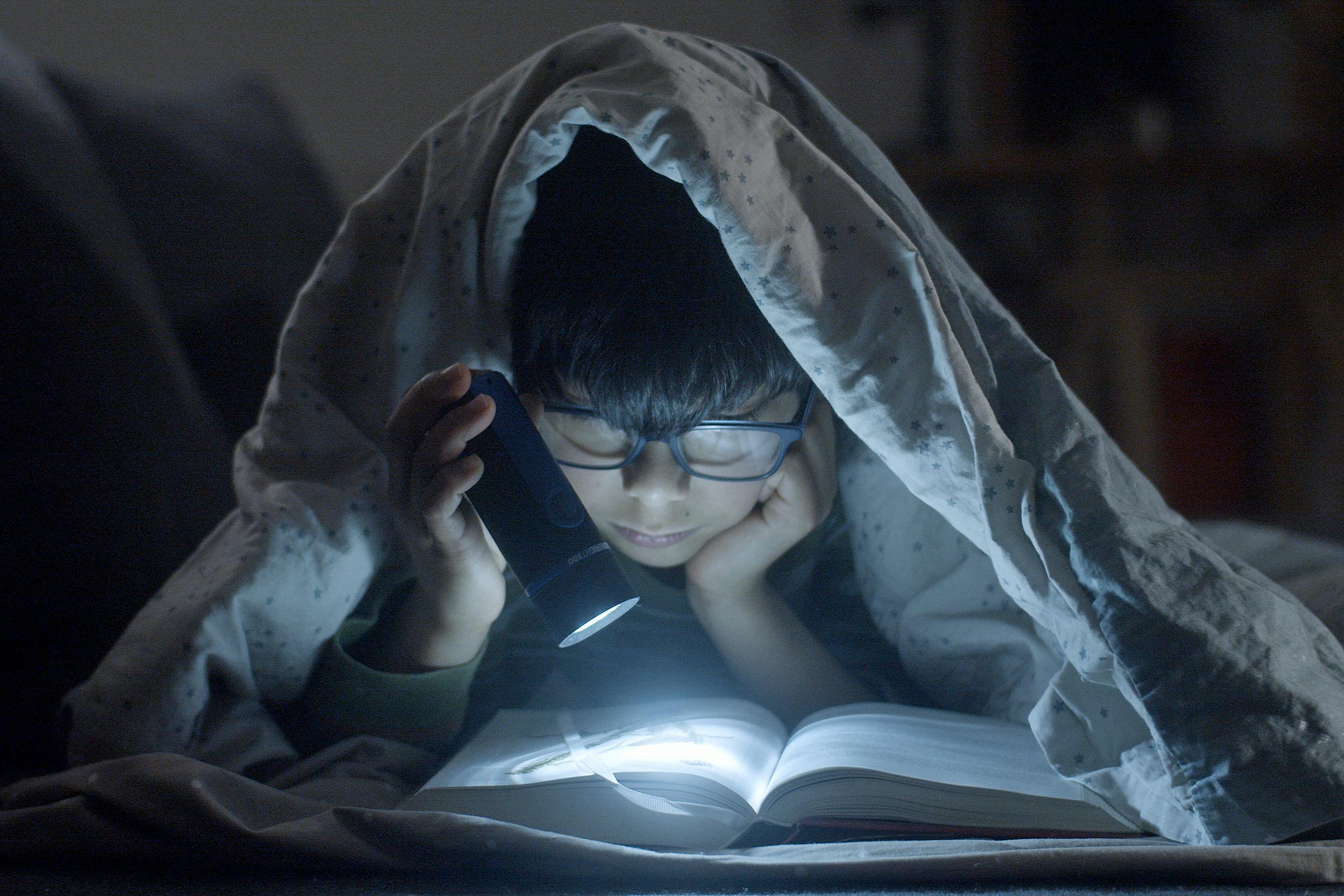
One more angle that deserves mention: the introvert who has never had a partner respect their need for alone time. If every previous relationship treated solitude as a problem to be solved or a rejection to be overcome, an introvert can develop a kind of preemptive defensiveness around the topic. They expect to have to fight for it, so they stop asking and start just taking it. That creates the exact communication gap that generates those Reddit threads in the first place.
Research on personality and wellbeing outcomes suggests that people who can express their authentic traits in their relationships tend to report higher satisfaction and lower stress. For introverts, that means being in a relationship where alone time can be named and honored without drama. That’s not a luxury. It’s a baseline.
There’s a different kind of alone time conversation that sometimes gets overlooked in relationship discussions, and that’s the solo experience that has nothing to do with a partner at all. Mac alone time and similar concepts point to the introvert’s relationship with their own solitary rituals, the specific activities and spaces that feel most restorative. Knowing what those are, and being able to name them, makes it easier to ask for them clearly.
If you’re reading this as the partner of an introvert, the most useful thing you can probably do is ask your boyfriend to describe what his ideal alone time looks like. Not as a challenge, but as genuine curiosity. What does he do? How does he feel before and after? What would make it easier for him to ask for it without worrying about your reaction? Those questions do more than any Reddit thread can.
And if you’re the introvert reading this, consider whether you’ve actually had that conversation. Not the version where you disappear and hope for the best. The version where you sit down and say: this is how my energy works, this is what I need, and here’s how it makes me a better partner when I get it. That conversation is worth having, even if it feels uncomfortable to ask for something so personal out loud.
There’s a lot more to explore about solitude, self-care, and how introverts build lives that work for them. The Solitude, Self-Care & Recharging hub brings together resources across all of these topics, from daily practices to deeper questions about what it means to honor your own nature in a world that often doesn’t make room for it.
About the Author
Keith Lacy is an introvert who’s learned to embrace his true self later in life. After 20 years in advertising and marketing leadership, including running agencies and managing Fortune 500 accounts, Keith now channels his experience into helping fellow introverts understand their strengths and build fulfilling careers. As an INTJ, he brings analytical depth and authentic perspective to every article, drawing from both professional expertise and personal growth.
Frequently Asked Questions
Is it normal for an introverted boyfriend to want alone time even in a happy relationship?
Yes, completely normal. Introverts recharge through solitude regardless of how much they love their partner. The need for alone time reflects how an introvert’s nervous system processes stimulation, not how they feel about the relationship. A happy introvert in a loving relationship still needs regular time to themselves to stay emotionally available and present.
How much alone time is too much for an introverted partner?
There’s no universal number, because it varies by person and by how socially demanding their week has been. The more useful question is whether the alone time is followed by genuine reconnection. If your boyfriend recharges and comes back present and engaged, the amount is probably right for him. If he seems to need more and more time alone and becomes increasingly distant even when together, that’s worth a direct conversation about what’s actually happening.
How do I tell my partner I need alone time without hurting their feelings?
Be specific and include a return. Instead of “I need space,” try “I need a few hours this afternoon to decompress, and then I’d love to spend the evening together.” Explain the why once, clearly: your energy works differently, solitude is how you refill, and getting that time makes you a more present partner. Avoid making it a recurring negotiation. When alone time is understood as a regular part of your rhythm rather than a special request, it stops feeling like rejection to your partner.
Does wanting alone time mean my boyfriend is losing interest?
Not on its own. A consistent need for alone time that has been present throughout the relationship is almost always about introversion, not interest level. What’s worth paying attention to is change: if alone time requests have increased significantly and suddenly, or if your boyfriend seems emotionally flat even during time together, those are worth discussing. But a steady, consistent pattern of needing solitude is a personality trait, not a relationship signal.
What can I do as the extroverted partner to support my boyfriend’s need for alone time?
Start by genuinely accepting that his alone time is not about you. Then ask him to describe what his ideal recharge looks like, what activities, how much time, what conditions help most. Build that into your shared schedule so it doesn’t have to be negotiated each time. Use his alone time for your own social connection with friends, which serves your extroverted need for interaction while he recharges. When he returns from solitude, notice that he’s probably more present and engaged. That pattern, over time, makes the alone time feel like something that benefits the relationship rather than something that takes from it.