
A Cancer man needs alone time the way most people need air. It isn’t moodiness, avoidance, or a sign something is wrong in the relationship. It’s how he processes the emotional weight he carries quietly, restores the inner reserves he gives so freely to the people he loves, and returns to himself after the world has pulled him in too many directions at once.
Cancers are ruled by the moon, which shifts constantly, and that internal rhythm shows up in how they manage their energy. When a Cancer man retreats, he isn’t withdrawing from you. He’s withdrawing toward himself, which is exactly where he needs to be.
If you’ve ever wondered why the Cancer man in your life seems to disappear into himself at regular intervals, or if you’re a Cancer man trying to explain this need to the people around you, what follows might help you put language to something that has always felt instinctive but hard to articulate.
Our Solitude, Self-Care and Recharging Hub explores the many dimensions of restorative alone time, from the science behind it to the personal practices that make it sustainable. The Cancer man’s relationship with solitude fits squarely into that conversation, and it’s worth examining closely.

Why Does a Cancer Man Need So Much Alone Time?
Cancer men are deeply feeling people who absorb emotional information from every room they walk into. They notice the tension in a colleague’s voice, the shift in a partner’s mood, the unspoken disappointment behind a polite smile. That level of emotional attunement is a genuine gift, but it comes with a cost. By the end of a long day, the internal noise can be overwhelming.
What’s your personality type?
Take our free 40-question assessment and get a detailed personality profile with dimension breakdowns, context analysis, and personalised insights.
Discover Your Type8-12 minutes · 40 questions · Free
I’ve worked alongside people like this throughout my career in advertising. As an INTJ, I process information analytically and tend to compartmentalize well. But I managed creative teams where several people had this deeply empathic, emotionally sponge-like quality. One account director I worked with for years at a mid-sized agency was this way. He was brilliant with clients, reading the room with an accuracy that still impresses me. But after a long client day, he needed to go quiet. Not to be antisocial. Not because anything was wrong. He needed to drain the tank before he could fill it again. I didn’t always understand it then. I understand it completely now.
For Cancer men specifically, alone time serves several distinct functions. It allows emotional decompression after absorbing the feelings of others. It creates space for the kind of deep reflection that helps them make sense of complex situations. And it restores the warmth and generosity that define them in relationships, because you can’t keep giving from an empty place.
A piece I’ve found genuinely useful on this topic comes from Psychology Today’s writing on solitude and health, which makes the case that chosen aloneness, distinct from loneliness, carries real restorative benefits. That distinction matters enormously when you’re trying to understand a Cancer man’s need to retreat.
Is This Need for Solitude a Cancer Trait or an Introvert Trait?
Honest answer: it’s often both, and they reinforce each other in ways that are worth separating out.
Introversion, as a psychological construct, describes people who restore their energy through solitude rather than social interaction. That’s not a character flaw or a preference. It’s a fundamental orientation toward the world. Many Cancer men are introverts, and when you combine the emotional depth of the Cancer archetype with the energy management needs of an introvert, the pull toward solitude becomes particularly strong.
Even Cancer men who lean more extroverted still tend to have a rich inner life that requires regular tending. The difference is that an extroverted Cancer might recharge with one trusted person rather than completely alone. The need for withdrawal from the broader social world remains, even if the form it takes looks slightly different.
What I’ve written about on this site before, in the context of what happens when introverts don’t get alone time, applies with particular force to Cancer men. The irritability, the emotional flatness, the sense of being stretched too thin, these aren’t personality defects. They’re the predictable result of a system running without adequate rest.

How Does a Cancer Man’s Alone Time Actually Work?
One thing I’ve noticed, both in myself and in the people I’ve observed over decades of working in high-pressure environments, is that not all solitude is the same. There’s passive alone time, where you’re simply not around other people, and there’s active solitude, where you’re genuinely engaged in restoring yourself. Cancer men tend to need the latter, and they’re often instinctively drawn to it even when they can’t explain why.
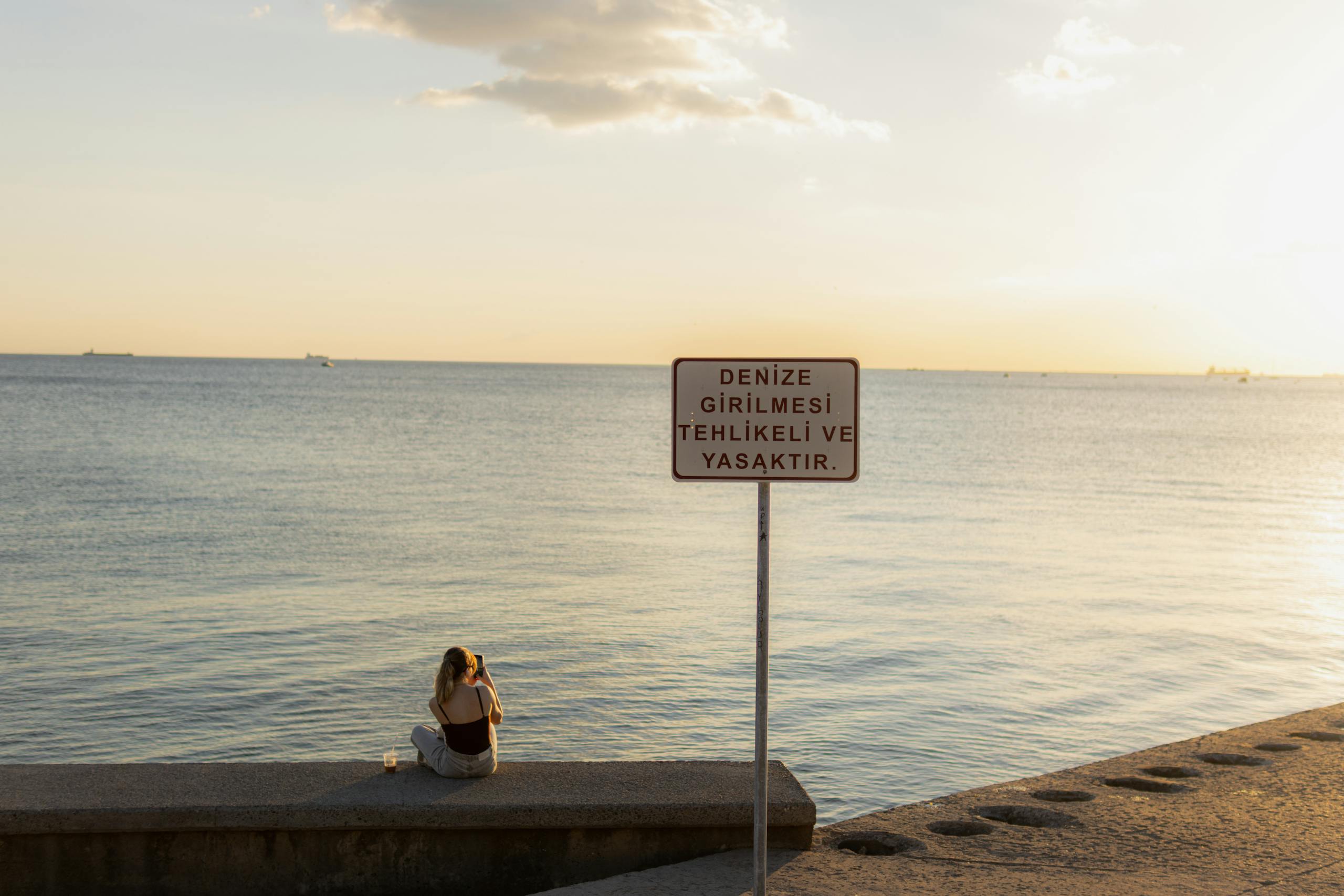
Active restorative solitude for a Cancer man might look like cooking a slow meal alone, reading something absorbing, spending time near water, journaling without a specific purpose, or simply sitting with his own thoughts long enough to sort through them. The activity itself matters less than the quality of the quiet.
The connection to nature shows up consistently in this picture. Many Cancer men find that time outdoors, particularly near water, does something for them that indoor solitude alone doesn’t quite replicate. There’s something about the natural world that helps emotionally attuned people discharge the accumulated weight of human interaction. I’ve explored this in depth through the lens of HSP nature connection and the healing power of the outdoors, and the parallels to what Cancer men describe are striking.
Sleep is also part of this picture in ways people underestimate. Emotionally absorptive people often find that their minds continue processing long after they’ve left a social situation. Getting adequate, quality rest isn’t just a physical need. It’s how the emotional filing system catches up. The strategies outlined in HSP sleep and recovery approaches speak directly to this, and many Cancer men would recognize themselves in that material.
There’s also something worth noting about creativity. The Greater Good Science Center at Berkeley has written compellingly about solitude’s role in creative thinking. Cancer men who are creative, and many are, often find that their best ideas emerge not during collaboration but in the quiet afterward, when they’ve had time to let things settle.
What Happens When a Cancer Man Doesn’t Get the Space He Needs?
I’ll put it plainly: things go sideways, and usually not in dramatic ways. It’s subtler than that, which makes it harder to address.
A Cancer man who’s been running on empty emotionally tends to become guarded where he was once open, short where he was once patient, and distant where he was once warm. Partners and family members often interpret this as a relationship problem. In most cases, it’s an energy problem. The warmth is still there. It’s just buried under a pile of unprocessed experience.
I think about this in terms of something I observed repeatedly during the years I ran agencies. We’d push through a major campaign, all hands on deck for weeks, and certain people on my team would reach a point where their quality of work and their quality of presence both dropped noticeably. Not because they were lazy or uncommitted. Because they’d been running without adequate restoration. The most emotionally intelligent people on my team were often the first to hit that wall, because they’d been giving more of themselves than was visible on any project brief.
For Cancer men in relationships, the cost of chronic solitude deprivation can be significant. The CDC has documented the broader health implications of social and emotional stress, and while their research on social connectedness risk factors focuses on isolation rather than solitude, the underlying message about emotional regulation and wellbeing applies directly.
How Can Partners Support a Cancer Man’s Need for Alone Time?
This is where most of the practical difficulty lives. Because the Cancer man’s need for solitude can feel, to a partner who doesn’t share that need, like rejection. It isn’t. But feelings don’t always respond to logic, and the gap between “I need to be alone” and “I need to be away from you” can be genuinely hard to bridge without some shared understanding.
What I’ve found, both in my own experience as an INTJ who has always required significant alone time, and in watching how other people manage this in relationships, is that the conversation matters more than the logistics. A Cancer man who can say “I need a few hours to myself tonight, and it has nothing to do with us” is giving his partner something to work with. A Cancer man who simply goes quiet and hopes his partner figures it out is setting up a misunderstanding.
For partners, the most useful reframe is this: the alone time isn’t competition for your relationship. It’s what makes the relationship sustainable. A Cancer man who gets adequate solitude comes back more present, more emotionally available, and more genuinely himself than one who’s been grinding through connection without rest.
There’s a useful parallel in how highly sensitive people approach self-care more broadly. The essential daily practices for HSP self-care offer a framework that translates well to Cancer men and their partners, because the underlying principle is the same: consistent, intentional restoration prevents the kind of depletion that damages relationships over time.
I once worked with a creative director, a deeply feeling and perceptive person, who had a standing agreement with her partner that Sunday mornings were entirely hers. No plans, no obligations, no social commitments. Her partner had initially resisted this, interpreting it as a sign she didn’t want to spend time with him. What changed the dynamic was when she explained what she brought back to the relationship because of those mornings. He eventually came to see those Sunday hours as an investment in the version of her he loved most.
Does a Cancer Man’s Need for Solitude Change Over Time?
Yes, and in ways that are worth paying attention to.
Younger Cancer men often don’t have language for what they’re experiencing. They know they feel better after time alone, but they may have absorbed cultural messages suggesting that needing space is somehow weak or antisocial. So they push through, override the signal, and end up more depleted than necessary.
With age and self-awareness, most Cancer men get better at reading their own rhythms. They learn to catch the early signals, the slight edginess, the difficulty concentrating, the sense that everything feels slightly too loud, and respond before they’re running on empty. That proactive approach to solitude is a form of emotional intelligence, not avoidance.
I went through a version of this myself, though my experience as an INTJ is more analytical than emotionally driven. For years, I treated my need for alone time as something to manage around my schedule rather than something to build my schedule around. The shift came when I stopped apologizing for it internally and started treating it as a non-negotiable part of how I function well. The results, in my work and in my relationships, were immediate and clear.
There’s also an interesting dimension here around solitude and identity. Some work published through Frontiers in Psychology has examined how solitude functions differently across life stages and how people’s relationship with aloneness tends to mature as they develop stronger self-concepts. For Cancer men, this often manifests as a growing comfort with their own company and a decreasing need to justify their withdrawal to others.
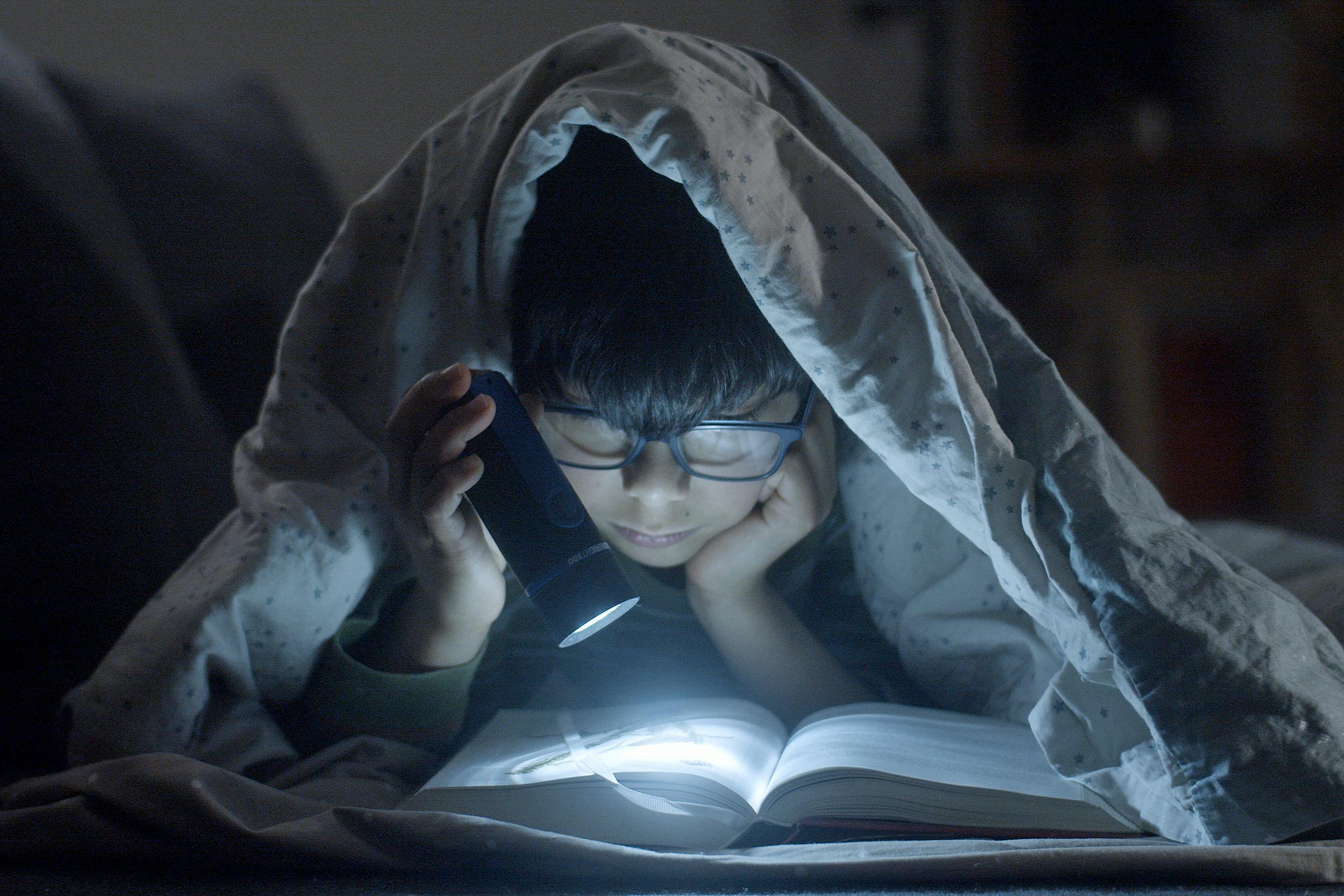
What Kinds of Alone Time Are Most Restorative for Cancer Men?
Not all solitude hits the same. I’ve learned this about myself over years of trial and error, and it holds true for the emotionally attuned people I’ve known and worked with.
Passive solitude, simply being alone without any particular engagement, can feel restful at first but sometimes leaves emotionally active people with their thoughts circling rather than settling. Cancer men often do better with solitude that has a gentle anchor: a walk, a creative project, cooking, music, or time near water. Something that occupies the surface of the mind just enough to let the deeper layers decompress.
There’s also something to be said for the quality of the physical environment. Cancer men tend to be home-oriented, and their home space often functions as an extension of their inner world. Creating a space that feels genuinely restorative, not just physically comfortable but emotionally safe, is part of how they recharge. I’ve written about this kind of intentional alone time in other contexts, including a piece on Mac alone time that explores how environment shapes the quality of solitude.
Emotionally, the most restorative alone time for Cancer men tends to involve some form of processing, whether that’s journaling, reflecting on a conversation, working through a feeling, or simply giving themselves permission to feel something without performing a particular response. That internal work is invisible to others but absolutely essential to how Cancer men maintain their equilibrium.
A related thread worth following is the research on how solitude functions for highly sensitive individuals. The material on HSP solitude as an essential need maps closely onto what Cancer men describe when they talk about their relationship with being alone. The emotional texture is remarkably similar.
One more element worth naming: the difference between solitude that restores and isolation that compounds distress. Harvard Health’s work on loneliness versus isolation draws a distinction that matters here. Cancer men who retreat into chosen solitude with the intention of returning to connection are doing something fundamentally different from those who withdraw because they’ve given up on connection entirely. The former is healthy. The latter is a signal worth paying attention to.
There’s also interesting work on how people with strong internal processing styles experience solitude differently from those who process externally. Research published through PubMed Central on emotional regulation and solitary behavior offers some useful grounding for understanding why internally oriented people like Cancer men don’t just tolerate aloneness, they genuinely need it to function at their best.
Making Peace With the Retreat
What I’ve come to believe, after years of watching people manage energy in high-stakes environments and after years of learning to manage my own, is that the people who understand their restoration needs and honor them consistently are simply better at everything else. They’re better partners, better colleagues, better friends. Not because they’re more talented or more disciplined, but because they’re not running depleted.
A Cancer man who retreats regularly and intentionally is practicing something important. He’s maintaining the inner resources that make him the person his people value. The warmth, the loyalty, the emotional attunement, none of that is renewable without rest. And the retreat, properly understood, is the rest.
If you’re a Cancer man reading this, I hope it gives you some permission to stop treating your need for solitude as a problem to solve. It isn’t a flaw in your character. It’s a feature of how you’re built, and it works best when you work with it rather than against it.
If you love a Cancer man and you’re trying to understand why he disappears into himself, I hope this helps you see that the retreat isn’t about you. It’s about him coming back to himself so he can come back to you.
There’s much more to explore on this topic across our full Solitude, Self-Care and Recharging Hub, where we cover everything from daily restoration practices to the science behind why alone time matters for people wired toward depth and internal reflection.
About the Author
Keith Lacy is an introvert who’s learned to embrace his true self later in life. After 20 years in advertising and marketing leadership, including running agencies and managing Fortune 500 accounts, Keith now channels his experience into helping fellow introverts understand their strengths and build fulfilling careers. As an INTJ, he brings analytical depth and authentic perspective to every article, drawing from both professional expertise and personal growth.
Frequently Asked Questions
Why does a Cancer man suddenly go quiet and pull away?
A Cancer man who goes quiet is usually processing something internally rather than signaling a problem in the relationship. Cancer men absorb emotional information continuously, and when that internal load gets heavy, they instinctively retreat to sort through it. The withdrawal is almost always about restoration rather than rejection. Giving him space without making it a crisis tends to bring him back faster and in better shape than pressing for an explanation before he’s ready to give one.
How much alone time does a Cancer man typically need?
There’s no single answer, because it varies considerably by individual and by circumstance. A Cancer man who’s had an emotionally demanding week will need more restoration time than one who’s been in a relatively low-pressure stretch. What tends to be consistent is the pattern itself: regular, intentional solitude as a non-negotiable part of how he maintains his emotional equilibrium. Daily quiet time, even in small doses, is generally more effective than occasional long retreats.
Does a Cancer man’s need for alone time mean he doesn’t care about his relationship?
No. In most cases, the opposite is closer to the truth. Cancer men invest deeply in their close relationships, and that investment requires them to maintain their inner resources carefully. The solitude is what makes the depth of connection possible. A Cancer man who gets adequate alone time comes back to his relationship more present, more emotionally available, and more genuinely himself. The retreat is part of how he sustains the warmth and attentiveness his partner values.
What’s the difference between a Cancer man needing space and being emotionally unavailable?
The distinction lies in the pattern and the direction. A Cancer man who needs space withdraws temporarily and returns with renewed warmth and engagement. Emotional unavailability, by contrast, is a persistent pattern where connection is consistently avoided regardless of circumstances. If the retreat is cyclical and followed by genuine reconnection, it’s restoration. If the distance is constant and the warmth never returns, that’s a different conversation worth having directly.
How can a Cancer man communicate his need for alone time without hurting his partner?
Clarity and reassurance together do most of the work here. A Cancer man who can name what he needs, “I need a few hours to decompress, and it has nothing to do with us or anything you’ve done” gives his partner something concrete to hold onto rather than a silence to interpret. Over time, as the pattern becomes familiar and the partner sees that the retreat consistently leads to reconnection, the communication becomes less fraught. Building that track record is more effective than any single conversation.