
Some people genuinely can’t get enough alone time, and that’s not a flaw in their wiring. For introverts, solitude isn’t an occasional preference or a mood that passes. It’s a fundamental need, as real and consistent as hunger or sleep. When that need goes unmet, everything else starts to fray.
I spent the better part of two decades running advertising agencies before I understood this about myself. Packed client meetings, open-plan offices, back-to-back calls with Fortune 500 brand managers, and the constant social performance of leadership. I thought my craving for quiet was a weakness I needed to manage. Turns out, I just needed to stop apologizing for it.

Our Solitude, Self-Care and Recharging Hub covers the full spectrum of how introverts restore themselves, but this particular angle, the one where you feel like you can never quite get enough quiet, deserves its own honest look. Because it’s more common than most people admit, and the reasons behind it matter.
Why Do Some Introverts Need More Alone Time Than Others?
Not all introverts experience solitude the same way. Some people recharge after an hour to themselves and feel ready to re-engage. Others, myself included for most of my career, feel like they’re running a deficit that never quite gets paid off. No matter how much quiet they get, it never feels like enough.
What’s your personality type?
Take our free 40-question assessment and get a detailed personality profile with dimension breakdowns, context analysis, and personalised insights.
Discover Your Type8-12 minutes · 40 questions · Free
Part of this comes down to how much social output a person’s daily life demands. When I was managing a team of thirty people at the agency, fielding client calls, running creative reviews, and presenting campaign strategies to boardrooms full of skeptical executives, I wasn’t just tired at the end of the day. I was depleted in a way that sleep alone couldn’t fix. My mind had been processing other people’s energy, expectations, and emotions for ten or twelve hours straight. One evening of quiet wasn’t going to restore that.
Highly sensitive people, in particular, often find that their alone time needs run deeper than average introversion alone would explain. HSP solitude needs operate on a different level entirely, because the nervous system is processing more input with greater intensity throughout the day. The math is simple: more stimulation going in means more recovery time needed coming out.
There’s also the question of what kind of alone time you’re actually getting. Sitting in your car in a parking garage for fifteen minutes between meetings isn’t solitude. It’s a pause. Real restoration requires something quieter, something more sustained, and for many introverts, it requires a quality of presence with yourself that can’t be rushed.
What Happens to Your Mind and Body When You’re Always Running on Empty?
There’s a particular kind of exhaustion that comes from chronic social overload, and it doesn’t look like regular tiredness. You might still be functional on the surface, showing up, meeting deadlines, holding conversations. But underneath, something has gone quiet in the wrong way. The internal voice that helps you process and make sense of things gets harder to hear.
I remember a stretch during one of the agency’s busiest growth periods where I went about six weeks without a single day that felt genuinely mine. We were pitching three major accounts simultaneously, the team was stretched thin, and I was filling every gap personally. By week four, I noticed I’d stopped having opinions. Someone would ask what I thought about a creative direction, and I’d genuinely have no idea. Not because I was indecisive, but because the part of me that forms considered thoughts had gone offline from sheer overuse.
That experience has a name. What happens when introverts don’t get alone time is well-documented among people who understand introversion: cognitive fog, emotional flatness, irritability, and a creeping sense of disconnection from your own life. It’s not dramatic. It’s subtle and cumulative, which makes it easy to dismiss until it becomes impossible to ignore.
The CDC’s work on social connectedness notes that chronic stress from social environments can affect both mental and physical health over time. What’s less often discussed is that for introverts, the stress doesn’t only come from isolation. It can come just as readily from too much connection, too many demands on social energy, and too little time to recover.
Is Wanting More Alone Time a Sign That Something Is Wrong?
This is the question that used to keep me up at night, back when I was trying to lead like an extrovert and wondering why I was so exhausted doing it. Was my need for solitude a symptom of something? Anxiety? Depression? An inability to connect?
It took years of self-examination, and honestly some uncomfortable conversations with a therapist, to understand the difference between choosing solitude and retreating from fear. One is restoration. The other is avoidance. They can look similar from the outside, but they feel completely different from the inside.
Choosing solitude feels like coming home. Avoidance feels like hiding. When I’d carve out a Sunday morning to sit with coffee and my own thoughts, no phone, no agenda, I felt myself settling. When I was avoiding a difficult client conversation by staying late at my desk “working,” I felt worse the longer I sat there.
A Psychology Today piece on solitude and health draws a useful distinction here: solitude chosen freely tends to support wellbeing, while isolation experienced involuntarily or driven by anxiety tends to undermine it. The same physical circumstance, being alone, produces very different outcomes depending on the internal experience surrounding it.
So wanting more alone time isn’t inherently a red flag. It becomes worth examining only when the desire for solitude is accompanied by dread of all social contact, a sense of shame about being alone, or a feeling that you’re disappearing from your own life rather than returning to it.
How Do You Actually Get Enough Alone Time When Life Doesn’t Cooperate?
This is where theory meets the reality most introverts are actually living. You can understand your need for solitude perfectly well and still find yourself two weeks into a stretch where you haven’t had a genuine moment to yourself. Life, especially professional life, doesn’t pause for introvert recovery schedules.
What I found, after years of trial and error, is that the solution isn’t finding more time. It’s becoming more intentional about the time you have. Even small pockets of genuine solitude, treated as non-negotiable rather than optional, can shift the cumulative balance.
At the agency, I eventually started protecting my mornings. Not dramatically, not with a big announcement to the team. I simply stopped scheduling anything before 10 AM and spent the first ninety minutes of every workday doing my thinking work in silence. No meetings, no calls, no Slack. Just me and whatever problem I was trying to solve. The quality of my leadership improved measurably, not because I was more energized in the obvious sense, but because I was actually present when I did show up for other people.
Beyond time management, the quality of alone time matters enormously. Scrolling on your phone in an empty room isn’t solitude in any meaningful sense. Your nervous system is still processing input, still reacting, still performing in some low-level way. Real restoration requires genuine disengagement from external stimulation.
The practices that tend to work best are the ones that give your mind permission to wander without agenda. Reading without a goal. Sitting outside without checking the time. Cooking something slow. Daily self-care practices for highly sensitive people often overlap significantly with what introverts need, because both groups are managing higher-than-average levels of internal processing throughout the day.

Why Does Nature Feel Like Such a Specific Kind of Relief?
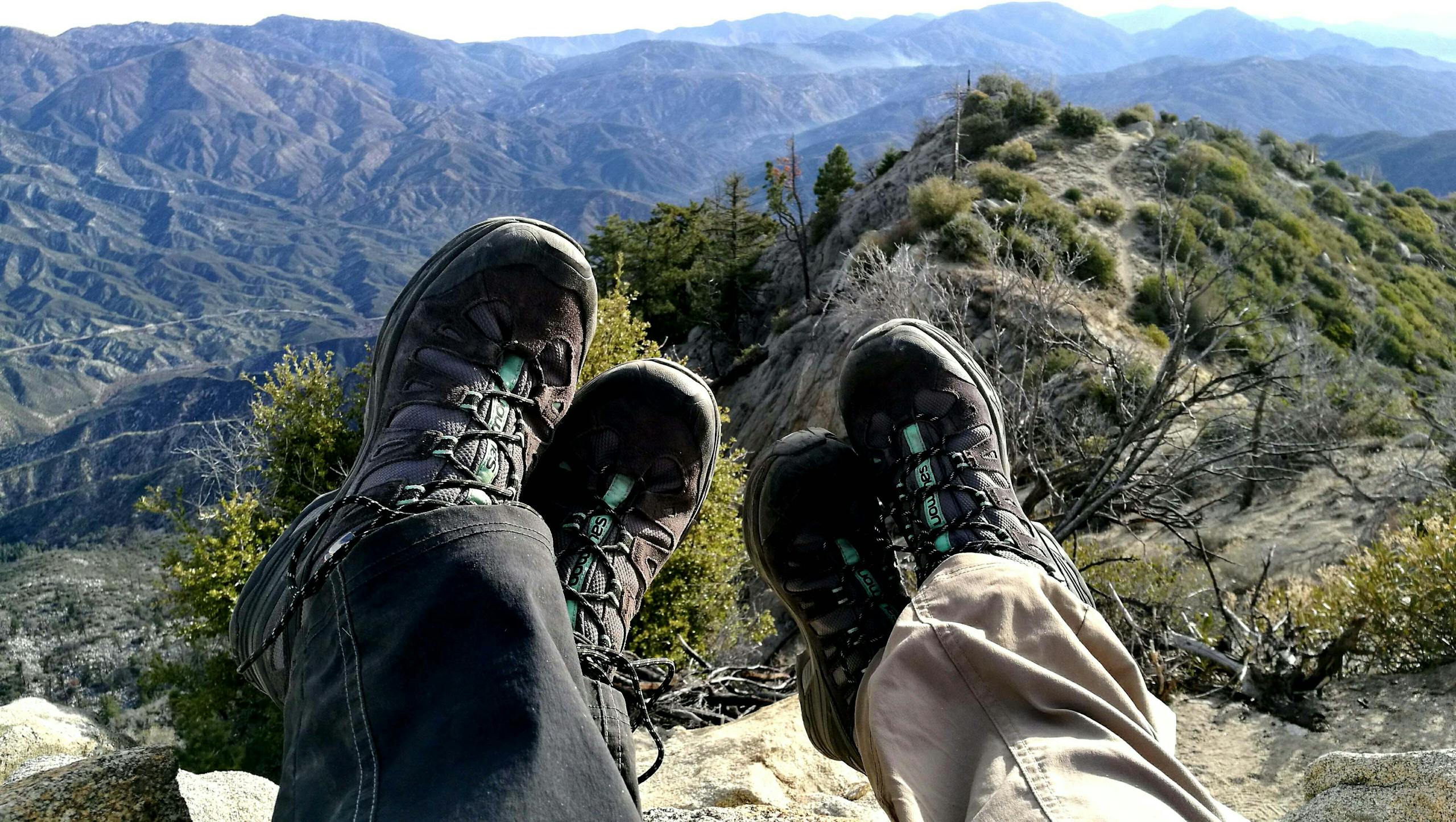
There’s something about being outside, genuinely outside, away from buildings and screens and the ambient hum of other people’s lives, that works differently than any other form of quiet. I’ve noticed this about myself for as long as I can remember, but I couldn’t have explained it until I started paying closer attention to what was actually happening in my body when I was in natural spaces.
My shoulders drop. My breathing slows. The low-grade mental chatter that runs almost continuously during a workday gradually loses its urgency. It’s not that my thoughts stop. It’s that they stop feeling like demands.
The Greater Good Science Center at Berkeley has explored how solitude, particularly in natural settings, can support creative thinking and mental restoration. For introverts who do their best work internally, this isn’t surprising. Nature provides the rare combination of sensory input that doesn’t demand a response. You can watch a stream move or listen to wind in trees without being expected to react, perform, or produce anything.
Many introverts find that their relationship with the outdoors runs deeper than simple preference. The healing power of nature for HSPs and introverts is something that people often sense intuitively long before they have language for it. There’s a reason so many introverts describe hiking, gardening, or simply sitting in a park as genuinely restorative rather than just pleasant.
I started taking solo walks during the lunch hour at the agency, something my team found quietly baffling at first. No podcast, no phone calls, just forty minutes of moving through a neighborhood without any agenda. It became one of the most reliable tools I had for maintaining my sanity during high-pressure periods. Not because the problems went away, but because my relationship to them shifted. Distance, even brief physical distance from the office environment, changed what felt possible.
What Does It Mean When Even Sleep Doesn’t Feel Restorative?
One of the things introverts rarely talk about openly is the experience of waking up already tired. Not physically exhausted, but pre-depleted, as if the day’s social demands have already begun accumulating before you’ve gotten out of bed. If you’ve experienced this, you know exactly what I mean.
This often happens when the day ahead is packed with interaction and you’ve had no recovery time built into the previous day. Your mind has been processing while you slept, running through anticipated conversations, social scenarios, and emotional labor before any of it has actually happened. You wake up having already spent energy you haven’t yet earned.
Sleep quality matters enormously here, and for introverts and highly sensitive people especially, the conditions surrounding sleep can make a significant difference. Rest and recovery strategies for HSPs address this directly, because the same nervous system that processes so much during waking hours needs specific conditions to actually power down at night. Noise, light, emotional residue from the day, all of these can interfere with the depth of rest that genuine restoration requires.
There’s also a broader point worth making: sleep and solitude aren’t the same thing, even though both involve being alone and quiet. Sleep is biological recovery. Solitude is psychological recovery. An introvert who sleeps eight hours but has no waking time to themselves is still running a deficit. The two forms of restoration serve different functions and can’t substitute for each other.
Can You Want Too Much Alone Time?
Honestly, yes. And it’s worth being honest about this, because the introvert community sometimes swings too far in the direction of validating every impulse toward isolation without examining what’s driving it.
There’s a version of alone time that feeds your soul and sharpens your thinking. And there’s a version that becomes a buffer against anything uncomfortable, including the kinds of connection and challenge that actually help you grow. I’ve been in both places at different points in my life, and the difference between them is worth knowing.
Research published in PubMed Central on solitude and wellbeing suggests that the relationship between time alone and psychological health is genuinely complex. Solitude tends to support wellbeing when it’s chosen and purposeful. When it becomes a default response to discomfort or anxiety, the benefits diminish and the costs accumulate.
I had a creative director at the agency, a genuinely talented INFP, who used solitude as a shield. She’d disappear into headphones and closed doors for days at a stretch when a project felt uncertain, and she’d emerge with brilliant work but also with a team that felt increasingly disconnected from her. Her alone time was real and necessary, but the quantity had outpaced the need. What she was actually avoiding was the discomfort of collaborative uncertainty, not the exhaustion of social overload.
Watching her helped me examine my own patterns more honestly. Was I protecting my energy, or was I avoiding something? Often the answer was both, and sorting out which was which required more self-honesty than I was always comfortable with.
A useful check: after your alone time, do you feel more capable of engaging with the world, or more reluctant? Restoration should leave you with something. If every session of solitude leaves you wanting only more solitude, it may be worth asking what you’re recovering from and whether something else is going on.
How Do You Explain This Need to People Who Don’t Share It?
This might be the most practically challenging part of all of it. You can understand your own need for alone time completely and still find yourself in a life surrounded by people who experience your withdrawal as rejection, indifference, or social dysfunction.
Partners, family members, colleagues, friends who lean extroverted, all of them may interpret your need for solitude through their own framework. To someone who recharges through connection, choosing to be alone when you could be together can feel like a statement about the relationship rather than a statement about your nervous system.
What I’ve found works better than explanation is demonstration. When I started protecting my morning quiet time at the agency, I didn’t announce it as an introvert need. I just started doing it and let the results speak. My team noticed that I was sharper, more decisive, and more genuinely present in the meetings I did attend. The behavior made sense to them through its outcomes even if the underlying reason wasn’t something we ever discussed in those terms.
At home, the conversation is different and more personal. My wife is significantly more extroverted than I am, and early in our relationship my need for quiet time created real friction. What helped wasn’t a lengthy explanation of introversion theory. What helped was being specific: “I need about an hour after work before I’m ready to be social, even with you. It’s not about you. It’s how I work.” Concrete, honest, and not framed as a problem with her.
There’s also something worth reading in this exploration of alone time that gets at the texture of what solitude actually feels like from the inside, which can be genuinely useful when you’re trying to find language for something that doesn’t always translate easily into words.
Additional context from Frontiers in Psychology on how personality traits shape the experience of solitude can also be helpful when you’re trying to explain to someone that your need for alone time isn’t personal, it’s structural. Some people genuinely process the world differently, and that difference has real consequences for how much recovery time they need.
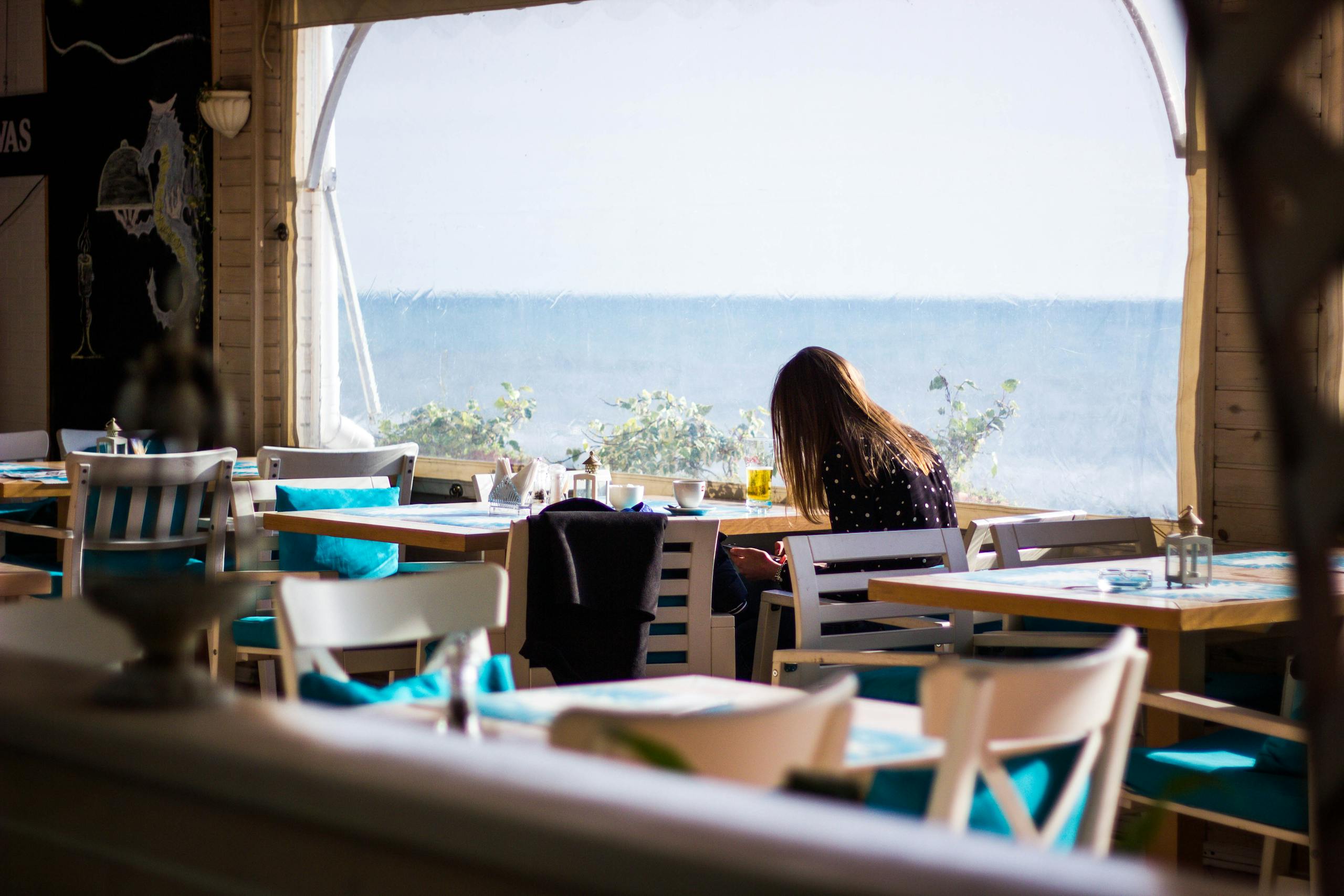
What Does Sustainable Solitude Actually Look Like in a Full Life?
success doesn’t mean maximize alone time at the expense of everything else. It’s to build a life where solitude is woven in consistently enough that you’re never running a catastrophic deficit. That’s a different target, and a more achievable one.
For me, sustainability looked like this: mornings protected before 10 AM, one full day per month that was genuinely unscheduled, and a standing practice of leaving conferences and networking events slightly earlier than felt socially required. None of these were dramatic. Together, they changed the baseline.
The research on introversion and psychological wellbeing points toward something important: introverts who have reliable access to solitude tend to report higher life satisfaction than those who don’t, even when other life circumstances are comparable. The variable isn’t career success or relationship quality or any of the things we typically optimize for. It’s consistent access to restoration.
That’s worth sitting with. Not occasional big retreats or annual vacations. Consistent, regular, reliable access to your own quiet. Built into the structure of your days rather than squeezed in around everything else.
There’s also something to be said for the quality of presence that genuine solitude produces. When I had enough alone time, I was actually better company. More curious, more patient, more capable of genuine attention. The irony of introversion is that protecting your solitude often makes your social time richer, not because you’re performing better but because you have something real to bring to it.
Solo travel is one extreme version of this that many introverts find unexpectedly powerful. Psychology Today’s examination of solo travel notes that traveling alone gives people the freedom to set their own pace, follow their own curiosity, and recover on their own schedule. For introverts, that’s not just logistically convenient. It’s psychologically essential to the experience actually being restorative rather than just different.
And at Harvard Health, the distinction between loneliness and isolation is drawn clearly: being alone and feeling lonely are not the same thing. An introvert spending a weekend alone by choice is not experiencing isolation in any harmful sense. They are, more often than not, doing exactly what their nervous system requires.
You’re not broken for needing more quiet than the people around you. You’re not antisocial, avoidant, or difficult. You’re wired to process the world deeply, and that kind of processing has a cost. Meeting that cost honestly, without apology, is one of the most useful things you can do for yourself and, in the end, for everyone around you.
If you want to go deeper on the full picture of how introverts restore and care for themselves, the Solitude, Self-Care and Recharging Hub brings together everything we’ve written on this topic in one place.
About the Author
Keith Lacy is an introvert who’s learned to embrace his true self later in life. After 20 years in advertising and marketing leadership, including running agencies and managing Fortune 500 accounts, Keith now channels his experience into helping fellow introverts understand their strengths and build fulfilling careers. As an INTJ, he brings analytical depth and authentic perspective to every article, drawing from both professional expertise and personal growth.
Frequently Asked Questions
Is it normal to feel like you can never get enough alone time?
Yes, and it’s more common among introverts than most people acknowledge openly. When your daily life demands a high volume of social interaction, emotional labor, or performance, the recovery debt accumulates faster than occasional quiet can repay. Many introverts find that the feeling of never quite getting enough solitude is a signal that their baseline alone time is consistently below what their nervous system actually needs, not a sign that something is wrong with them fundamentally.
What’s the difference between needing alone time and being antisocial?
Needing alone time is about restoration: you value connection, but you need quiet to recover from it and show up well for it. Being antisocial, in the clinical sense, involves a disregard for or hostility toward social norms and other people. Most introverts who crave solitude aren’t avoiding people out of hostility. They’re protecting the internal resources that allow them to engage meaningfully when they do connect. The distinction matters because one is a healthy personality trait and the other is a relational pattern worth examining.
How much alone time do introverts actually need?
There’s no universal number, which is frustrating but honest. It depends on the intensity of your social demands, your sensitivity level, the quality of the alone time you’re getting, and your overall stress load. A useful approach is to pay attention to your own signals: when you feel restored, what preceded that feeling? When you feel chronically depleted, what’s been missing? Over time, most introverts develop a fairly accurate sense of their own baseline requirements. The goal is building enough consistent solitude that you’re rarely running a significant deficit.
Can wanting too much alone time become a problem?
It can, yes. Solitude that restores you is healthy. Solitude that functions primarily as avoidance of discomfort, anxiety, or difficult relationships is worth examining more carefully. A helpful check is to notice what you feel after alone time: more capable of engaging with life, or more reluctant to? Restoration should leave you with something to give. If solitude consistently produces only a desire for more solitude, and is accompanied by dread of all social contact or a sense of shrinking from life, it may be worth talking to a therapist about what’s driving that pattern.
How do you explain your need for alone time to people who don’t understand it?
Concrete and specific tends to work better than theoretical explanation. Rather than explaining introversion as a concept, try describing what you need and when: “I need about an hour of quiet after work before I’m ready to connect, even with people I love. It’s not about you.” Framing it as a structural need rather than a preference or a mood makes it easier for people to understand without taking it personally. Demonstrating the benefit over time also helps: when the people around you notice that your protected quiet time makes you more present and engaged when you do show up, the behavior tends to make sense on its own terms.