
Celebrating time alone means recognizing solitude not as something to endure or explain away, but as a genuine source of restoration, creativity, and self-knowledge. For many introverts, time spent alone isn’t empty space between obligations. It’s where they actually come alive.
Stories of splendid solitude tend to share a common thread: the moment someone stopped apologizing for needing quiet and started treating it as something worth protecting. That shift changes everything.
My own relationship with solitude took years to get right. Running advertising agencies meant I was surrounded by people constantly, fielding calls, leading pitches, managing creative teams, and entertaining clients. The alone time I carved out felt stolen rather than earned. It took a long time before I understood that protecting that quiet wasn’t selfishness. It was survival.
If you’re exploring what solitude means for your own life and energy, our Solitude, Self-Care and Recharging hub brings together everything we’ve written on the subject, from daily practices to deeper questions about what rest actually looks like for introverts.
What Does Splendid Solitude Actually Feel Like?
There’s a difference between being alone and experiencing solitude. Being alone is a circumstance. Solitude is a state of mind, one where you’re genuinely present with yourself rather than simply absent from others.
What’s your personality type?
Take our free 40-question assessment and get a detailed personality profile with dimension breakdowns, context analysis, and personalised insights.
Discover Your Type8-12 minutes · 40 questions · Free
I remember a particular Saturday morning about eight years into running my second agency. My business partner was traveling, the office was empty, and I had no client calls until Monday. I sat at my desk with coffee and a legal pad, not to work, just to think. No agenda. No deliverables. Just the quiet hum of the building and my own thoughts moving at their natural pace.
What struck me wasn’t the silence itself. It was how much more clearly I could see things. Problems I’d been circling for weeks resolved themselves without effort. Ideas I hadn’t had time to fully form suddenly had room to finish their sentences. That morning, I understood something I’d been too busy to notice: solitude wasn’t the absence of productivity. It was where my best thinking actually lived.
The Greater Good Science Center at Berkeley has explored this connection between solitude and creative thinking, noting that time away from social demands can free up mental space for the kind of associative, generative thought that gets crowded out by constant interaction. For those of us wired toward internal processing, that’s not a surprising finding. It’s a description of something we’ve known in our bones for years.
Splendid solitude feels like permission. Permission to think slowly. Permission to feel something without immediately having to explain it. Permission to simply be, without performing or producing.
Why Do So Many Introverts Struggle to Claim Alone Time Without Guilt?
Most of us grew up in a world that treated sociability as a virtue and solitude as a symptom. If you wanted to be alone, something must be wrong with you. You were shy, antisocial, or sad. The idea that someone might genuinely prefer their own company, not as a consolation prize but as a first choice, rarely made it into the cultural conversation.
That framing gets internalized early. I carried it with me through two decades of agency work, always half-convinced that my preference for quiet mornings and solo lunches was a professional liability rather than a legitimate need. I’d schedule calls during times I’d earmarked for thinking, because saying “I need to be alone to process this” felt like admitting weakness to a client who expected me to be endlessly available.
What I’ve come to understand, and what I see reflected in so many conversations with other introverts, is that the guilt around alone time isn’t about the time itself. It’s about what we believe our need for it says about us. We worry it signals that we don’t care about the people in our lives, or that we’re failing some social expectation we never actually agreed to.
The reality is far simpler. Some people genuinely recharge through connection. Others recharge through quiet. Neither is a character flaw. Understanding what happens when introverts don’t get alone time makes the stakes clearer: it’s not just about preference. It’s about functioning at your best, staying emotionally regulated, and showing up well for the people and work you actually care about.
What Are the Real Benefits of Embracing Time Alone?
When you stop treating solitude as something to apologize for and start treating it as something to design your life around, the benefits compound in ways that are hard to overstate.
Clarity is the first thing that comes back. In the agency world, I made some of my worst decisions during periods of maximum busyness, when I was reacting constantly and never had a moment to step back. The decisions I’m proudest of almost always came after I’d had time to sit with the problem alone, without anyone else’s anxiety or agenda bleeding into my thinking.
Self-knowledge deepens, too. Solitude is where you find out what you actually think, as opposed to what you’ve absorbed from the people around you. For someone like me, whose internal world runs complex and layered, that distinction matters enormously. My values, my instincts, my genuine assessments of situations, all of those become clearer when I’m not filtering them through the noise of constant social input.
There’s also the matter of emotional recovery. Psychology Today has written about solitude as a genuine health practice, noting its role in reducing stress and supporting psychological wellbeing. For highly sensitive people especially, alone time isn’t a luxury. It’s closer to a biological requirement. The essential daily practices for HSP self-care often center on protecting solitude precisely because the cost of neglecting it shows up so quickly in mood, focus, and physical energy.
And then there’s the creative dimension. Some of my best campaign concepts came to me not in brainstorming sessions, but in the quiet hour before the office filled up. Ideas need room to breathe. They don’t always arrive on schedule in group settings. They arrive when the mind is allowed to wander without interruption.
How Do People Actually Build a Practice Around Solitude?
Celebrating time alone doesn’t happen automatically. For most people, it requires intention, and often some deliberate boundary-setting with a world that treats availability as a default expectation.
The introverts I’ve talked to over the years tend to build their solitude practices around specific anchors: a morning routine before the household wakes up, a lunch walk taken alone, an evening wind-down that belongs entirely to them. These aren’t dramatic gestures. They’re small, consistent claims on quiet that accumulate into something meaningful over time.
Sleep is part of it, too, more than most people realize. Rest and recovery strategies for HSPs often emphasize that the quality of your alone time during waking hours directly affects how well you sleep, and vice versa. When I was running at full capacity with no genuine downtime, my sleep suffered noticeably. The mind that never gets to decompress doesn’t suddenly switch off at bedtime.
Nature plays a significant role in many people’s solitude practices. There’s something about being outside, away from screens and social demands, that accelerates the recharging process. The healing power of nature for HSPs is well-documented in lived experience even when it’s hard to quantify precisely. A walk in a park, a morning on a porch, an hour by water, these aren’t small things. They’re often the difference between a week that feels sustainable and one that grinds you down.
Solo travel is another avenue worth mentioning. Psychology Today has explored why solo travel appeals to so many people, and the reasons resonate deeply with introvert experience: the freedom to set your own pace, the absence of social negotiation, the chance to be fully present in a new environment without managing anyone else’s experience of it. Some of the most restorative periods of my adult life have been solo trips, even short ones, where I could move through the world entirely on my own terms.
A practice around solitude also means getting honest about what drains you and building in recovery accordingly. That’s not always easy in a culture that still tends to celebrate busyness as a badge of honor. But the introverts who seem most grounded, most creative, most genuinely present with others, are almost always the ones who’ve figured out how to protect their quiet without constantly justifying it.
Can Solitude Coexist With Deep Connection to Others?
One of the more persistent myths about introversion is that needing solitude means wanting distance from people. That’s not the experience most introverts would describe. The desire for alone time and the capacity for deep connection aren’t in opposition. They’re often interdependent.
When I finally started protecting my solitude more deliberately, about five years into running my first agency, something counterintuitive happened: I became better at being present with the people around me. I had more patience. I listened more carefully. I wasn’t running on fumes and trying to mask it. The quality of my relationships improved because I wasn’t constantly depleted.
The essential need for alone time among highly sensitive people reflects something similar. Solitude isn’t withdrawal from connection. It’s what makes genuine connection possible. You can’t be fully present with someone else when you haven’t had any time to be present with yourself.
There’s also something worth saying about the quality of social interaction that follows good solitude. Introverts who’ve had adequate alone time tend to show up to relationships with more genuine curiosity, more depth, and more energy for the kind of meaningful conversation they actually value. Compare that to the experience of showing up socially depleted, going through the motions, performing presence without actually feeling it.
Solitude, when it’s working well, doesn’t create distance. It creates capacity.
It’s worth noting that the line between solitude and loneliness matters here. Harvard Health has written about the distinction between loneliness and isolation, pointing out that loneliness is about perceived disconnection, not simply being alone. Chosen solitude, experienced with a sense of agency and purpose, is a fundamentally different state than unwanted isolation. One restores. The other depletes. Knowing which you’re experiencing is part of building a healthy relationship with alone time.

What Happens When You Finally Stop Treating Solitude as a Problem?
Something shifts when you stop framing your need for quiet as something to overcome and start treating it as something to work with. It’s not a dramatic moment. It tends to be gradual, a slow reorientation of how you think about your time and energy.
For me, the shift happened in pieces. A conversation with a therapist who pointed out that I’d scheduled every hour of a vacation with activities and people. A period of burnout after a particularly brutal new business season that forced me to actually rest. A morning spent doing absolutely nothing productive, and discovering that the sky didn’t fall.
What I noticed, over time, was that my relationship with solitude had changed from something I defended to something I designed around. I started blocking mornings in my calendar the way I blocked client meetings. I stopped over-explaining why I wasn’t available on Sunday evenings. I started treating my quiet time as non-negotiable in the same way I treated my health.
The research on this is worth paying attention to. A paper in PMC examining solitude and wellbeing found that the relationship between alone time and positive outcomes depends significantly on whether the solitude is chosen versus imposed. Agency matters. When you’re choosing quiet, you’re in a fundamentally different psychological state than when quiet is forced on you. That distinction explains why the same amount of alone time can feel restorative one week and isolating the next, depending on the context around it.
There’s also the identity dimension. Spending time alone, genuinely alone with your own thoughts rather than distracted by screens or background noise, has a way of clarifying who you actually are. The values you hold when no one’s watching. The things you care about when you’re not performing for an audience. The version of yourself that exists independent of everyone else’s expectations.
For introverts especially, that self-knowledge tends to be foundational. It’s what allows you to make decisions that are actually yours, to set boundaries that reflect what you genuinely need rather than what you think you’re supposed to need, and to show up in your relationships and work as something closer to your actual self.
I think about the introverts I’ve managed over the years, the quiet creative director who did her best work between 6 and 9 AM before anyone else arrived, the strategist who needed a solo walk after every major client presentation before he could debrief effectively. Neither of them was broken. Both of them had figured out something essential about how they functioned, and when they were given room to honor that, they were extraordinary.
Celebrating time alone is, in some ways, an act of self-respect. It’s saying: I know how I work. I know what I need. And I’m willing to protect it.
It also helps to have a community of people who understand this experience. One place I’ve found that reflected well is in stories like Mac’s experience of alone time, which captures something true about what solitude feels like when you stop fighting it and start embracing it as part of who you are.
Wellbeing researchers have also noted the physiological dimension of chronic social overstimulation. A more recent PMC study on stress and recovery reinforces what many introverts already know from experience: sustained social demands without adequate recovery time have measurable effects on stress markers. The body keeps score even when the mind is trying to push through. And the CDC’s framework on social connectedness is careful to note that healthy connection looks different for different people. There’s no single template for what a socially healthy life should contain.
What matters is whether your current relationship with solitude and connection is actually working for you, not whether it matches some external standard of how much socializing a person should want.
And if you’re still in the phase of feeling like your need for quiet is something to justify or apologize for, that’s worth examining. The Frontiers in Psychology research on introversion and wellbeing points toward something consistent: introverts who accept their temperament and build lives that accommodate it tend to report higher satisfaction than those who spend their energy trying to become someone else.
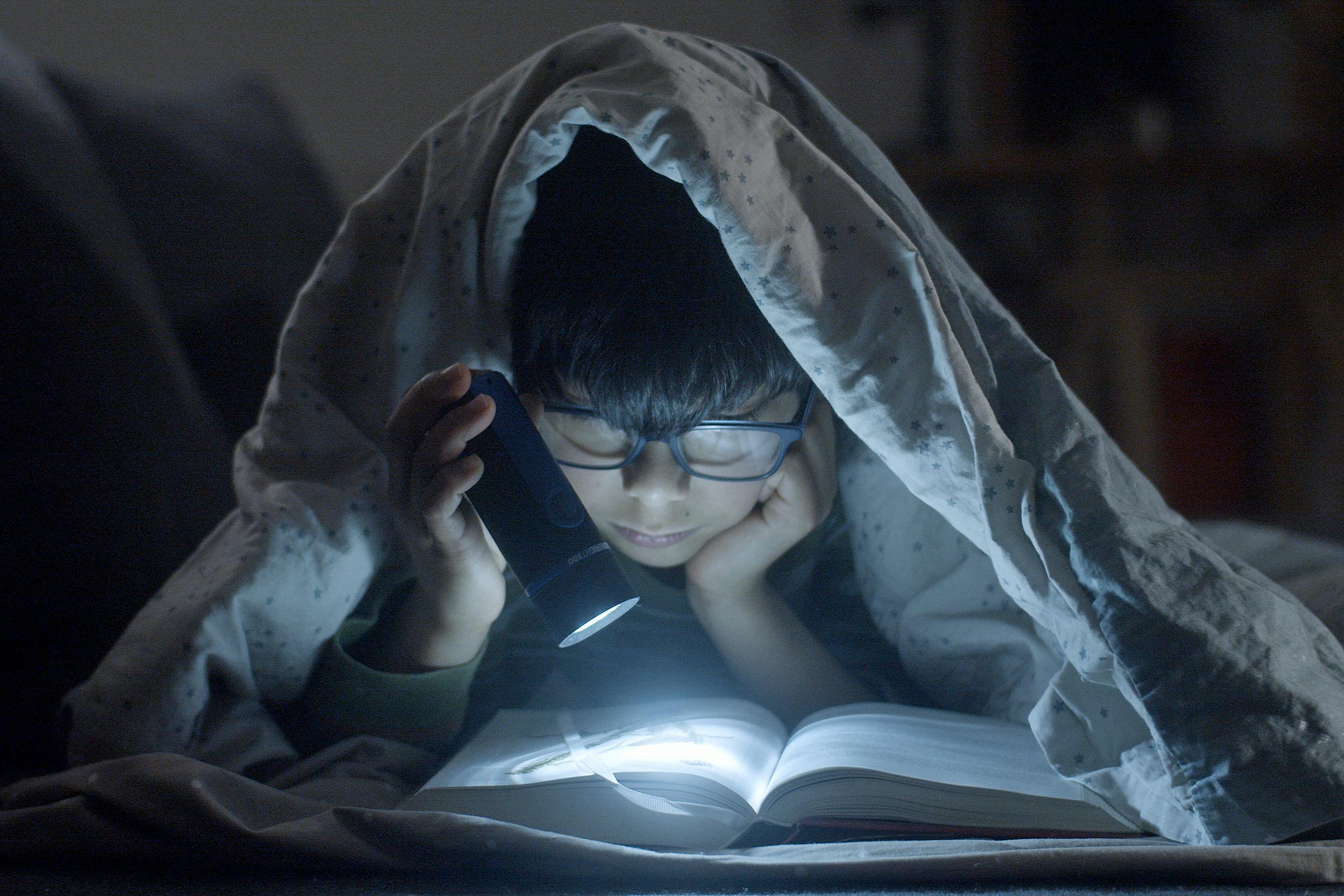
Solitude, approached with intention and without apology, isn’t a retreat from life. It’s one of the ways some of us most fully inhabit it.
There’s more to explore on this topic across our full collection of articles. The Solitude, Self-Care and Recharging hub covers everything from daily practices to the deeper emotional work of learning to rest without guilt.
About the Author
Keith Lacy is an introvert who’s learned to embrace his true self later in life. After 20 years in advertising and marketing leadership, including running agencies and managing Fortune 500 accounts, Keith now channels his experience into helping fellow introverts understand their strengths and build fulfilling careers. As an INTJ, he brings analytical depth and authentic perspective to every article, drawing from both professional expertise and personal growth.
Frequently Asked Questions
Is wanting to spend time alone a sign of depression or antisocial behavior?
Not at all, and this distinction matters. Choosing solitude because it genuinely restores you is a healthy, temperament-driven preference, not a symptom. Depression typically involves a loss of interest in things that used to bring pleasure, including activities you once enjoyed alone. Introversion, by contrast, is about where you draw energy from. Many introverts are deeply engaged with life, creative, socially connected, and emotionally healthy. They simply need more quiet to sustain that engagement. If solitude feels like hiding or withdrawal rather than restoration, that’s worth exploring with a professional. But preferring your own company isn’t inherently a problem to solve.
How much alone time is actually enough for an introvert?
There’s no universal answer, and that’s actually the point. The right amount of solitude varies significantly depending on the person, the week, and the demands of their environment. A useful signal is whether you’re feeling restored or still depleted at the end of your alone time. If you’re consistently running on empty despite having some quiet in your schedule, you may need more than you’re currently getting. Pay attention to your own patterns rather than comparing yourself to someone else’s needs. Some introverts do well with an hour of solitude each morning. Others need several hours of daily quiet to function well. Both are valid.
What’s the difference between solitude and loneliness?
Solitude is chosen. Loneliness is not. When you’re in solitude, you’re alone by preference and experiencing that aloneness as peaceful, restorative, or productive. When you’re lonely, you’re experiencing a gap between the connection you have and the connection you want. The same physical circumstance, sitting alone in a room, can be either solitude or loneliness depending entirely on your internal experience of it. Most introverts who’ve built a healthy relationship with alone time know the difference clearly. Solitude feels like coming home. Loneliness feels like being locked out.
How do you explain your need for alone time to people who don’t understand it?
Honesty tends to work better than elaborate explanations. Saying “I need some quiet time to recharge before I can show up well” is both accurate and relatable to most people, even extroverts who don’t share the same need. What often doesn’t work is over-explaining or apologizing, because both signals suggest you believe there’s something wrong with the need itself. Framing it practically, “I do my best thinking alone, so I’m going to take a walk before we debrief,” tends to land better than philosophical explanations of introversion. People respond well to clarity and confidence. The more settled you are about your own needs, the easier it is for others to accept them.
Can celebrating time alone help with creativity and problem-solving?
Yes, and this is one of the more practical arguments for protecting your solitude. When the mind is freed from social demands and constant input, it tends to engage in the kind of loose, associative thinking that produces original ideas. Many introverts find that their best insights arrive not during structured brainstorming but during walks, quiet mornings, or the in-between spaces of the day. This isn’t accidental. The mental quietude of genuine solitude creates conditions that group settings rarely can. For anyone whose work involves creative or strategic thinking, alone time isn’t a break from the work. It’s often where the most important work actually happens.