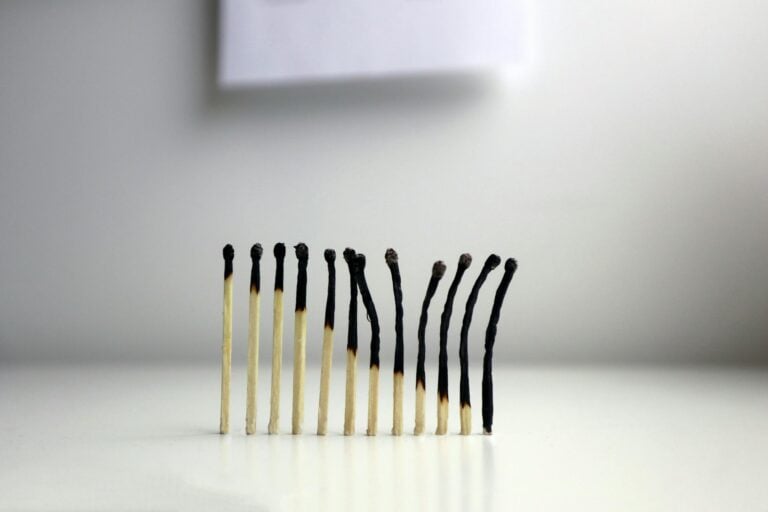

Co-sleeping and having alone time aren’t naturally at odds, but for introverts, the tension between shared sleep and personal solitude can quietly erode the very rest that keeps them functioning. When your nervous system depends on stillness and silence to fully recharge, sharing a bed, a room, or even a breathing space with another person adds a layer of sensory and emotional input that never fully powers down.
Many introverts love their partners, their children, their pets deeply. And many of those same introverts lie awake at 2 AM wondering why they feel so depleted even after eight hours of sleep. The answer often isn’t about the quantity of rest. It’s about whether the rest was actually theirs.
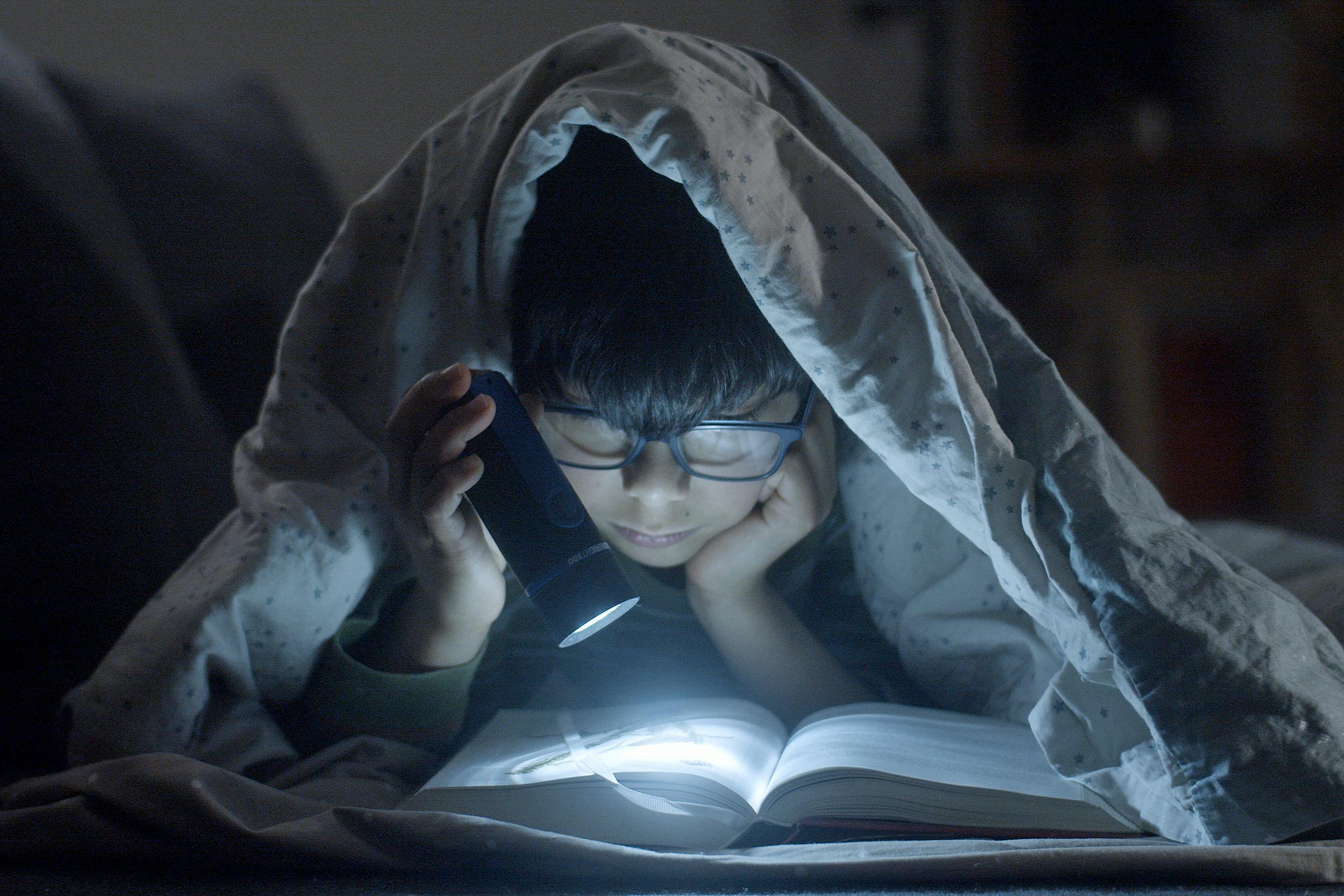
Co-sleeping, whether with a partner, a child, or even a beloved dog who takes up two-thirds of the mattress, is one of those topics that doesn’t get enough honest attention in introvert conversations. We talk about needing alone time during the day. We talk about recharging after social events. But the hours between midnight and morning? Those belong to a different kind of vulnerability entirely. If you’re working through questions about solitude, rest, and what real recovery looks like, our Solitude, Self-Care and Recharging hub explores this territory from multiple angles, and this article adds one that often gets overlooked.
Why Does Shared Sleep Feel So Complicated for Introverts?
There’s a particular kind of awareness I’ve carried most of my adult life. Even in sleep, some part of my mind stays alert, cataloging sounds, tracking movement, noting when the atmosphere of a room shifts. I didn’t fully understand this about myself until I was well into my forties, running an agency with a team of fifteen and coming home every evening feeling like I’d run a marathon in a phone booth.
What’s your personality type?
Take our free 40-question assessment and get a detailed personality profile with dimension breakdowns, context analysis, and personalised insights.
Discover Your Type8-12 minutes · 40 questions · Free
My wife is a warm, expressive person who sleeps soundly and moves frequently. For years, I assumed my poor sleep was stress-related, a byproduct of managing client relationships and creative deadlines. But on the rare occasions I traveled alone for work and slept in a hotel room by myself, I woke up feeling different. Clearer. More like myself. That contrast was information I wasn’t ready to act on, but it stayed with me.
What I’ve come to understand is that introverts, and especially those who are also highly sensitive, don’t simply stop processing during sleep. The nervous system continues registering input. A partner’s breathing rhythm, their body heat, the occasional shift of weight on a mattress, all of it enters the sensory field. For someone whose baseline is already set to high-sensitivity reception, that’s not neutral. It’s load-bearing.
The piece I’ve found most useful on this is the guidance around HSP sleep and recovery strategies, which speaks directly to how highly sensitive people experience nighttime rest differently and what adjustments can actually help. Even if you don’t identify as an HSP, the principles apply broadly to anyone whose nervous system runs a little hotter than average.
Sleep science adds context here too. Research published in PubMed Central points to the relationship between sleep quality and emotional regulation, suggesting that fragmented or shallow rest has measurable effects on how we process social and emotional information the following day. For introverts who already spend considerable energy on emotional processing, degraded sleep isn’t just tiredness. It’s a compounding deficit.
What Actually Happens When Introverts Don’t Get Enough Alone Time?
I’ve watched this play out in myself more times than I’d like to admit. There was a stretch in the mid-2000s when we were pitching a major automotive account, the kind of opportunity that meant all hands on deck for weeks. I was in back-to-back meetings from early morning, managing client calls through the afternoon, and coming home to a house full of energy, conversation, and presence. Good energy. Loving presence. Still, I was drowning.
By the third week, I wasn’t just tired. I was short-tempered in ways that weren’t like me. I was making decisions from a reactive place rather than the measured, strategic thinking I prided myself on. My team noticed. My wife noticed. I told myself it was the pressure of the pitch. And it was, partly. But the deeper issue was that I had gone weeks without a single hour that was genuinely, uninterruptedly mine. Not even at night.
The effects of that kind of sustained deprivation are real and worth taking seriously. The article on what happens when introverts don’t get alone time maps this out clearly, from the cognitive fog to the emotional brittleness to the creeping resentment that can develop toward people you genuinely love. None of it is a character flaw. All of it is a predictable outcome of an unmet need.

What makes co-sleeping particularly complex is that the deprivation is invisible. Nobody sees it happening. There’s no social event to point to, no crowded office to blame. You were in bed. You were supposed to be resting. From the outside, it looks like you had plenty of time to yourself. From the inside, you know that shared sleep is a fundamentally different experience from sleep that belongs entirely to you.
The CDC’s framework on social connectedness acknowledges that isolation and insufficient connection both carry health risks. What gets less attention is the middle ground, the introverts who are surrounded by people they love and still feel profoundly under-resourced because the quality of their solitude, including their sleeping solitude, has been compromised. Connection and restoration aren’t mutually exclusive, but they do require different conditions.
How Do You Protect Alone Time When You Share a Bed?
Practical strategies matter here, and I want to be honest that I arrived at mine through a lot of trial and error rather than any elegant plan. Some of what worked for me won’t work for everyone. But the underlying principle is consistent: protecting your alone time isn’t about withdrawing from the people you love. It’s about being honest with yourself and with them about what you actually need to show up fully.
One of the most significant shifts I made was establishing what I call a buffer window. Thirty to forty-five minutes before bed, I’m alone. Not in a dramatic, door-locked way. Just quietly, in a different room, without conversation or screens, doing something that belongs entirely to me. Reading, sometimes. Thinking, often. Occasionally just sitting in the dark with a cup of tea, which my team at the agency would have found deeply strange given how fast-moving I was during the day. But that window became non-negotiable, and it changed the quality of my sleep considerably.
The broader conversation about why solitude is an essential need, not a preference or a luxury, is one that many introverts haven’t had with their partners. We assume our partners will interpret the need for space as rejection. Sometimes they do, at first. But framing it accurately, as a physiological and psychological requirement rather than a statement about the relationship, changes the conversation entirely.
There are also physical adjustments worth considering. Separate blankets, which sounds minor until you’ve spent years being woken by a partner tugging the duvet at 3 AM, can be genuinely sleep-changing. White noise machines address the sensitivity to sound that many introverts carry. Sleep timing differences, where one partner is an early riser and the other sleeps later, can actually be worked with rather than fought against, giving each person some portion of the night or morning that is authentically their own.
Psychology Today’s writing on solitude and health makes a point I find compelling: solitude isn’t simply the absence of other people. It’s the presence of yourself. That distinction matters enormously when you’re trying to explain to a partner why sharing a bed, even a loving and comfortable bed, doesn’t always provide the restoration that actual aloneness does.
What About Co-Sleeping With Children?
This is where the conversation gets more emotionally loaded, because the needs of children are real and the cultural pressures around parenting are intense. I’m not going to tell any parent what the right choice is for their family. What I will say is that introverted parents who co-sleep with young children are carrying a particular kind of weight that deserves acknowledgment.
A child’s presence in the bed is not just physical. It’s emotionally activating. You’re alert to their breathing, their temperature, their movements. You’re in a state of low-grade vigilance that never fully releases. For an introvert whose nervous system already processes deeply, that vigilance doesn’t simply switch off when the child settles. It becomes the background frequency of the entire night.
I know introverted parents who have built their entire self-care architecture around the thirty minutes before anyone else wakes up. They guard that time fiercely, and they’ve told me it’s the difference between functioning and not functioning. The concept of making alone time work on your own terms, even in unconventional windows, is something I’ve seen help a lot of people who can’t restructure their sleeping arrangements but can restructure how they think about the pockets of time available to them.
There’s also something worth naming about guilt. Introverted parents often feel guilty for needing space from their children, as though needing solitude means loving them less. It doesn’t. What the guilt actually signals, in most cases, is that the parent is already depleted and interpreting their own legitimate needs as moral failings. That’s a painful and unnecessary loop to be caught in.
Building in recovery practices during waking hours, even brief ones, can partially offset what’s lost during shared nights. The essential daily practices for highly sensitive people offer a useful framework here, particularly around micro-restoration, the idea that solitude doesn’t have to come in large unbroken blocks to be meaningful. Five minutes of genuine quiet can shift your nervous system more than an hour of distracted rest.
Can Solitude and Co-Sleeping Genuinely Coexist?
Yes. But it requires intention, and it requires honesty about what you’re actually working with. The fantasy version of this is that you find the perfect arrangement and the problem disappears. The realistic version is that you build a set of practices that honor both your need for connection and your need for genuine restoration, and you revisit those practices as life changes.
One of the most useful reframes I’ve encountered is thinking about alone time not as a block of hours but as a quality of attention. There are moments within a shared life, including a shared bed, where you can be genuinely present with yourself. The ten minutes before your partner wakes up. The particular quality of stillness at 4 AM when everyone else is deeply asleep and the house is quiet. These aren’t substitutes for real solitude, but they’re not nothing either.
What I’ve found most helpful is being deliberate about where I put my alone time rather than assuming it will appear on its own. During the agency years, I had a standing early morning practice that predated any meetings, any emails, any conversations. I was at my desk by 6 AM with coffee and silence, doing the kind of thinking that required no audience. That hour was non-negotiable in a way that nothing else in my schedule was. It didn’t eliminate the challenges of shared evenings and shared sleep, but it meant I was starting each day from a place of relative fullness rather than deficit.
Berkeley’s Greater Good Science Center has written thoughtfully about how solitude supports not just rest but creative thinking and self-knowledge. That resonates with my experience. The ideas that shaped my best strategic work rarely came from meetings. They came from the quiet hours, the walks alone, the mornings before the world turned on. Protecting those hours wasn’t selfishness. It was the precondition for everything else.

What Role Does the Outdoors Play in Recharging When Sleep Falls Short?
There’s something I’ve noticed over decades of paying attention to my own energy patterns: when my nights are compromised, nature compensates in a way that almost nothing else does. Not completely, not permanently, but meaningfully. A walk alone in a park, a quiet stretch of time near water, even a few minutes in a garden without a phone in my hand, these things reach something that indoor solitude sometimes doesn’t.
I used to dismiss this as sentimentality. Now I think it’s physiology. The healing dimension of nature connection for sensitive people is something that research has been catching up to for years, and my own experience has consistently confirmed it. When I couldn’t sleep well because of a busy household or a stressful client situation, a morning walk alone did more to restore my baseline than an extra hour in bed ever did.
This matters in the context of co-sleeping because it offers an alternative pathway. If your nights are shared and you can’t change that right now, the question becomes where else in your day you can find the quality of restoration that genuine solitude provides. For many introverts, nature is one of the most reliable answers to that question. It asks nothing of you. It doesn’t require conversation or performance or presence in the social sense. It simply exists around you while you exist within it.
Frontiers in Psychology has published work on the psychological benefits of time in natural environments, pointing to reductions in rumination and improvements in mood and attention. For introverts who tend toward internal processing and overthinking, those specific benefits are particularly relevant. A walk in the woods isn’t just pleasant. It’s neurologically useful.
How Do You Talk to a Partner About Needing More Alone Time at Night?
This is the conversation many introverts avoid for years, and I understand why. There’s a real fear that saying “I need more space, including at night” will be heard as “I don’t want to be close to you.” Those are very different statements, but they can land the same way if the framing isn’t careful.
What I’ve found works is leading with the outcome rather than the need. Not “I need to sleep alone sometimes” but “I’ve noticed I’m a better partner when I’ve had genuine rest, and I want to figure out together what that looks like for us.” That shift moves the conversation from a request that feels like withdrawal to a collaborative problem with a shared goal.
It also helps to be specific about what you’re actually asking for. “I need to be alone all the time” is a very different request from “I need thirty minutes of genuine quiet before we go to sleep” or “I’d like to try separate blankets this week and see if it helps.” Smaller, concrete adjustments are easier for a partner to hear and respond to than sweeping changes that can feel like a verdict on the relationship.
There’s also something to be said for timing. Having this conversation when you’re already depleted, frustrated, and running on four hours of fragmented sleep is the worst possible moment. Bring it up from a place of relative calm, when you have the emotional bandwidth to be thoughtful and to hear your partner’s response with genuine openness.
The PubMed Central literature on sleep and interpersonal relationships suggests that sleep quality affects not just individual wellbeing but the quality of close relationships themselves. That’s a useful frame to share with a partner who might otherwise interpret your need for sleep solitude as a preference rather than a genuine health consideration. This isn’t about what you want. It’s about what allows you to be present and engaged in the relationship you’re both invested in.

Building a Sleep and Solitude Practice That Actually Works
The practical architecture of this looks different for everyone, but there are a few principles I’ve seen hold consistently across different living situations, relationship structures, and personality profiles.
First, identify where your solitude is actually coming from. If your nights are shared and that isn’t changing, where in your day are you getting genuine alone time? Not distracted time, not time where you’re physically alone but mentally on call. Time that belongs entirely to you. If you can’t name it clearly, that’s important information.
Second, treat your pre-sleep window as seriously as you treat your morning routine. Many introverts have elaborate morning practices and then completely neglect the transition into sleep. That transition, the hour before you close your eyes, shapes the quality of everything that follows. Protecting it from screens, from heavy conversation, from unresolved emotional content isn’t indulgent. It’s foundational.
Third, be willing to experiment. The “right” arrangement for co-sleeping introverts isn’t universal. Some people find that a consistent sleep schedule that aligns with their partner’s reduces the disruption significantly. Others find that separate blankets, separate reading lights, or even occasional nights in different rooms is what actually works. There’s no arrangement that signals a failing relationship. There’s only the honest assessment of what allows both people to rest and show up fully.
Fourth, take the morning seriously. The first thirty to sixty minutes after waking, before the household fully activates, can be a powerful source of solitude even within a co-sleeping arrangement. That time is yours if you claim it. I’ve built some of the most important thinking of my career in those early hours, and I’ve also done some of my most meaningful personal processing there. It doesn’t require a dramatic life restructuring. It requires getting up twenty minutes earlier and treating that time as genuinely protected.
The Psychology Today perspective on solitude as a chosen approach rather than a circumstance is something I return to often. Introverts who thrive aren’t the ones who managed to eliminate all shared space from their lives. They’re the ones who got clear about what they actually need and built their lives around meeting that need with intention rather than waiting for it to happen by accident.
If you’re still working out what your own relationship with solitude and rest looks like, the full range of resources in our Solitude, Self-Care and Recharging hub covers everything from daily practices to deeper questions about what genuine restoration means for introverts.
About the Author
Keith Lacy is an introvert who’s learned to embrace his true self later in life. After 20 years in advertising and marketing leadership, including running agencies and managing Fortune 500 accounts, Keith now channels his experience into helping fellow introverts understand their strengths and build fulfilling careers. As an INTJ, he brings analytical depth and authentic perspective to every article, drawing from both professional expertise and personal growth.
Frequently Asked Questions
Can introverts be happy in co-sleeping arrangements?
Many introverts do find genuine happiness and comfort in co-sleeping, particularly when they’ve built compensating practices that ensure they’re getting adequate alone time elsewhere in their day. The challenge isn’t that shared sleep is inherently incompatible with introversion. It’s that shared sleep adds sensory and emotional input that can compromise the depth of rest introverts need. With intentional adjustments, such as a protected pre-sleep window, a quiet morning routine, and honest communication with a partner, co-sleeping and introvert wellbeing can genuinely coexist.
Why do introverts feel exhausted even after sleeping next to someone they love?
The exhaustion isn’t about the relationship. It’s about how the introvert nervous system processes input, even during sleep. Introverts, particularly those who are also highly sensitive, continue registering their environment at a low level throughout the night. A partner’s movement, breathing, body heat, and presence all enter the sensory field. For someone whose baseline involves deep processing of environmental input, that ongoing registration means the nervous system never fully powers down. The result is rest that feels technically complete but isn’t truly restorative.
What practical adjustments help introverts sleep better in shared beds?
Several adjustments tend to make a meaningful difference. Separate blankets reduce the physical disruption of a partner’s movement. White noise machines help introverts who are sensitive to sound. A consistent pre-sleep routine that includes genuine alone time, even thirty minutes in a different room, can significantly improve the quality of sleep that follows. Aligning sleep schedules where possible reduces the disruption of one partner settling in while the other is already asleep. Some couples also find that occasional nights in separate rooms, framed as a practical sleep tool rather than a relational statement, helps both partners rest more fully.
How do you talk to a partner about needing more space at night without hurting the relationship?
Leading with the shared goal rather than the individual need tends to work best. Framing the conversation around “I want to be a better partner, and I’ve noticed that genuine rest helps me show up that way” is more likely to be received well than “I need to sleep alone.” Timing matters too. This conversation is better had from a place of calm than from a place of depletion and frustration. Starting with small, specific requests, like a protected pre-sleep window or separate blankets, is easier for a partner to respond to than sweeping changes that can feel like a verdict on the relationship.
Are there ways to get enough alone time if co-sleeping with a child can’t change right now?
Yes, and the most reliable approach is building solitude into the edges of the day rather than waiting for a large unbroken block to appear. The thirty to sixty minutes before the household wakes up is one of the most valuable windows available to introverted parents. Brief outdoor walks alone, even ten or fifteen minutes, can shift the nervous system more than a longer period of distracted indoor rest. Micro-restoration practices, short moments of genuine quiet without a phone or any social input, accumulate meaningfully over the course of a day. success doesn’t mean replace the solitude that’s been lost. It’s to build a consistent enough practice that the nervous system has regular opportunities to genuinely reset.