
Craving alone time means your mind and body are signaling a genuine need for restoration, not a personality flaw or social failure. For introverts, this pull toward solitude is a built-in recalibration mechanism, a way the nervous system resets after absorbing the stimulation of the outside world. Paying attention to that signal, rather than overriding it, is one of the most honest forms of self-awareness you can practice.
Most of us spend years misreading that signal. I certainly did. During my years running advertising agencies, I kept scheduling myself into back-to-back client meetings, team brainstorms, and industry events because that’s what leaders were supposed to do. The craving for quiet that surfaced by Wednesday afternoon felt like weakness. It took me longer than I’d like to admit to understand it was actually data.
If you’ve been exploring what solitude, self-care, and recharging look like for your personality type, our Solitude, Self-Care & Recharging hub covers the full terrain. This article focuses specifically on what it means when that craving for alone time shows up, why it’s worth listening to, and what happens when you finally do.
What Is Your Body Actually Communicating?
There’s a moment that became familiar to me over two decades in agency life. It usually happened around day three of a big pitch cycle. The conference room would still be full of energy, people riffing on ideas, phones buzzing, someone ordering the third round of coffee. And I would feel a strange, quiet flatness settle in behind my eyes. Not boredom. Not disengagement. Something closer to saturation.
What’s your personality type?
Take our free 40-question assessment and get a detailed personality profile with dimension breakdowns, context analysis, and personalised insights.
Discover Your Type8-12 minutes · 40 questions · Free
That flatness was my nervous system telling me it had processed enough external input for one stretch. For introverts, the brain doesn’t just experience social interaction as pleasant or unpleasant. It processes it as stimulation, and stimulation has a ceiling. When you’re craving alone time, you’re often bumping against that ceiling.
Psychologists who study introversion describe this as a difference in optimal arousal levels. Introverts tend to reach their stimulation threshold more quickly than extroverts, which means the same environment that energizes one person can genuinely exhaust another. This isn’t a matter of attitude or effort. It’s closer to a physiological reality. A piece published in Frontiers in Psychology examining personality and arousal thresholds supports the idea that introversion involves meaningful differences in how the brain responds to external stimulation, not just a preference for quiet.
When I finally started tracking my own energy patterns, the data was hard to argue with. My best strategic thinking happened in the early morning, before anyone else arrived at the office. My worst decisions happened after long stretches of consecutive meetings. The craving for alone time wasn’t pulling me away from my work. It was protecting the conditions that made my work good.
Why Do Some People Feel This Need More Intensely Than Others?
Not everyone experiences the pull toward solitude with the same urgency. Some people genuinely recharge through social contact. Others, myself included, feel the need for alone time the way you feel the need for water after a long run: not optional, not negotiable, just necessary.
A significant factor is where you fall on the introversion spectrum, and whether you also identify as a highly sensitive person. HSPs process sensory and emotional information at a deeper level than most people, which means their nervous systems are doing more work in the same environment. If you’ve ever felt completely drained after a party that others seemed to breeze through, or found yourself noticing details in a room that nobody else mentioned, you may be dealing with both introversion and high sensitivity working in combination.
The practices that help HSPs restore themselves overlap significantly with what introverts need. Understanding HSP self-care through essential daily practices can give you a more complete picture of why your alone time cravings feel so persistent, and what to do with them when they arrive.
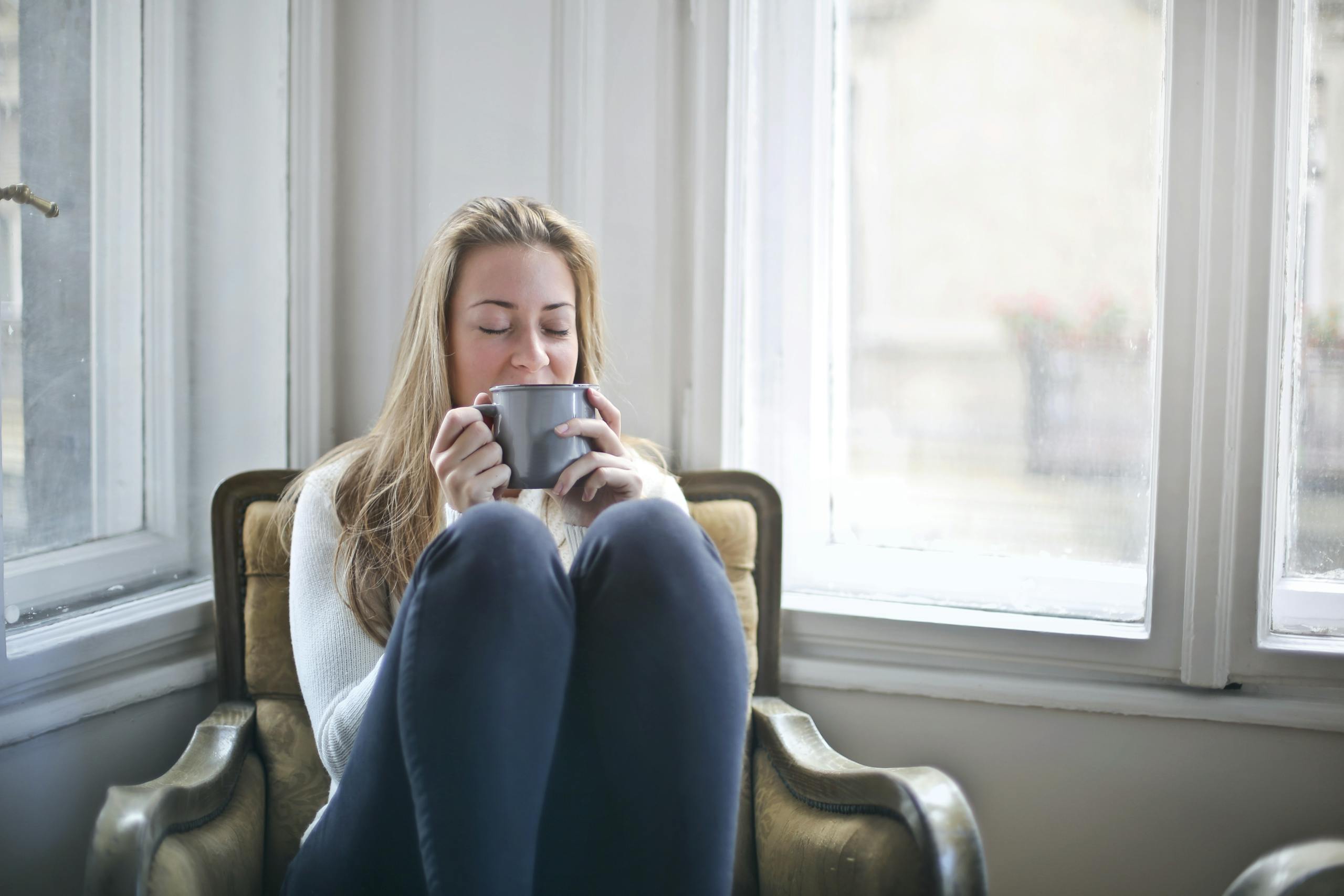
I managed a creative director at one of my agencies who was an INFJ. Watching her work was instructive. She absorbed the emotional temperature of every room she walked into, and by the end of a high-stakes client week, she was visibly depleted in a way that went beyond tiredness. I started noticing the same pattern in myself, though the mechanism was slightly different as an INTJ. My depletion was less about emotional absorption and more about the sheer volume of external demands on my attention. Same outcome, different path to get there.
The intensity of your alone time craving is also shaped by context. A week of unusually high social demands, a difficult interpersonal situation at work, or even a stretch of poor sleep can all amplify the signal. Which is why sleep and recovery strategies for HSPs matter more than they might seem. When your baseline restoration is compromised, the craving for solitude becomes louder, more urgent, and harder to ignore.
Is Craving Alone Time the Same as Loneliness?
One of the most persistent misconceptions about introverts is that wanting to be alone means being lonely. The two states are almost opposites. Loneliness is the painful experience of feeling disconnected from others, of wanting connection and not having it. Craving alone time is the experience of wanting distance from external input so you can reconnect with yourself.
Harvard Health has written clearly on this distinction, noting that loneliness and isolation carry very different psychological weight. Chosen solitude, the kind you seek out because your system needs it, is not the same as involuntary isolation. One restores you. The other depletes you in a different way.
For much of my career, I confused other people’s comfort with my own. My business partners were energized by constant contact. They thrived on the open-door culture we’d built. I valued that culture too, but I needed to carve out protected time within it or I’d slowly lose the clarity that made me useful to the team. Recognizing that difference wasn’t antisocial. It was honest.
The CDC has identified social connectedness as a genuine health factor, noting that isolation and lack of connection carry real risks. That’s true and worth taking seriously. At the same time, there’s a meaningful difference between isolation imposed on you and solitude chosen by you. Introverts who understand this distinction can protect their need for alone time without guilt, knowing they’re not withdrawing from life but preparing to engage with it more fully.
What Happens When You Ignore the Signal?
Ignoring the craving for alone time doesn’t make it go away. It compounds. I watched this happen to myself during a particularly brutal stretch in my mid-forties, when we were managing three major account reviews simultaneously. I kept pushing through the fatigue, telling myself I’d rest when the pitches were done. By the time they were, I wasn’t just tired. I was irritable in ways that surprised me, making reactive decisions I’d normally catch, and losing the ability to think three moves ahead, which is the thing I’d always counted on most.
What plays out when introverts consistently override their need for solitude is worth understanding in detail. The effects go beyond simple tiredness. If you want a clear picture of what’s actually at stake, the article on what happens when introverts don’t get alone time maps it out honestly.
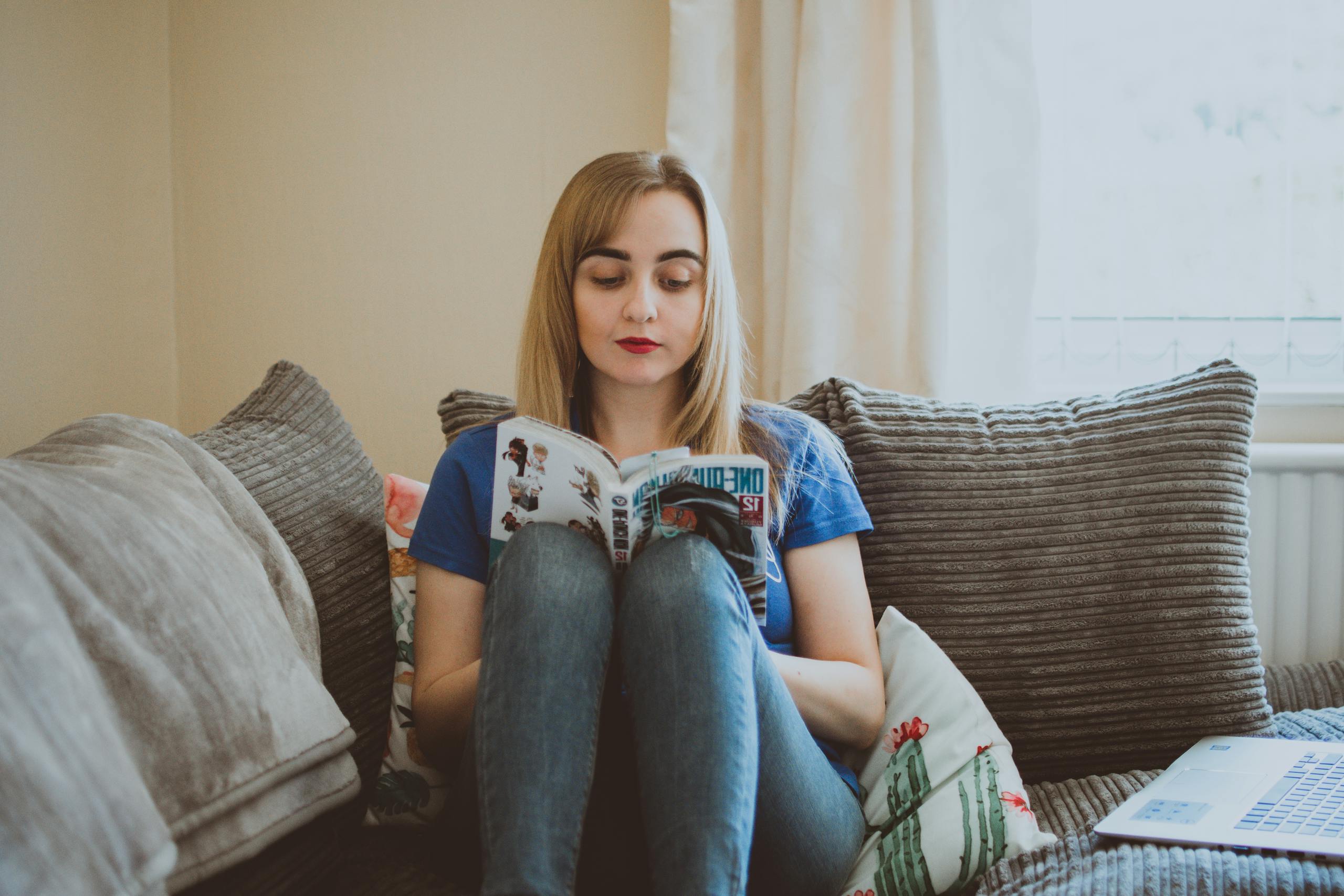
The pattern tends to follow a predictable arc. First comes irritability, a shorter fuse than usual, a tendency to read neutral interactions as negative. Then comes cognitive fog, the feeling that your thinking has become sluggish or reactive rather than proactive. Then, if the depletion continues, something that can look like emotional withdrawal, pulling back from people not because you want distance but because you have nothing left to give.
Research published through PubMed Central examining introversion and wellbeing points toward the idea that alignment between personality traits and lifestyle conditions has meaningful effects on psychological health. When introverts consistently live in ways that contradict their fundamental wiring, the cost is real, even if it accumulates gradually enough to be easy to rationalize.
The hardest part of that mid-forties stretch wasn’t the exhaustion itself. It was that I’d been performing competence for so long that I didn’t know how to ask for the space I needed. I’d built a professional identity around availability and I’d confused that identity with actual leadership. Giving myself permission to step back, even briefly, felt like a failure. It wasn’t. It was the thing that made sustainable performance possible.
What Does Healthy Alone Time Actually Look Like?
Craving alone time is the signal. Knowing how to answer it well is a separate skill, and one worth developing deliberately.
For me, the most restorative alone time has always involved some combination of physical space and mental permission. Physical space means being somewhere genuinely quiet, not just wearing headphones in a busy office. Mental permission means not spending that time mentally rehearsing everything I still have to do. Both conditions matter. One without the other produces a version of solitude that looks right from the outside but doesn’t actually restore.
There’s something worth noting about where alone time happens, not just when. Many introverts find that outdoor solitude carries a particular quality of restoration that indoor quiet doesn’t fully replicate. The relationship between nature and nervous system recovery is well-documented, and for highly sensitive people especially, the natural environment seems to offer something that built environments can’t. The exploration of HSP nature connection and the healing power of the outdoors gets into why this might be true at a deeper level.
Greater Good at Berkeley has explored whether solitude makes people more creative, and the case it builds is compelling. Time alone isn’t just rest. It’s when many people do their most original thinking, when the mind is free to make connections it can’t make under the pressure of social performance. For introverts, this is rarely surprising to hear. Most of us already know our best ideas arrive in quiet. What’s useful is understanding that this isn’t an accident of personality. It’s a feature worth protecting.
Some of the most productive periods of my agency career happened when I protected a specific window of morning time before the office filled up. No meetings before 9:30. No email until I’d had an hour to think. It wasn’t a luxury. It was the condition under which I could do the work that actually mattered. The people on my team who understood that produced better results from me because they got a clearer, more focused version of my thinking.
How Do You Honor This Need Without Disappearing?
One of the real tensions for introverts, especially those in leadership or collaborative roles, is honoring the need for alone time without it reading as disengagement. I spent years trying to solve this problem imperfectly before I found approaches that actually worked.

The first shift was learning to name what I needed without over-explaining it. Early in my career, I’d either push through and resent it or disappear without explanation, which created its own problems. Eventually I learned to be direct: “I need a couple of hours to think through this before we meet.” That framing served the work and served my need simultaneously. Nobody argued with it because it was true.
The second shift was understanding that alone time doesn’t have to come in large blocks to be effective. Fifteen minutes of genuine quiet between meetings can do meaningful work. A lunch hour spent alone rather than in a group can reset the afternoon. success doesn’t mean disappear for days. It’s to insert enough restoration into the rhythm of the day that you’re not running on empty by 3 PM.
For highly sensitive people especially, the need for solitude is something worth examining with some depth and honesty. The exploration of HSP solitude as an essential need offers a framework for understanding why this isn’t a preference you can train yourself out of, and why you probably shouldn’t try.
There’s also something to be said for the way alone time changes in different life stages and contexts. A piece in Psychology Today examining solo travel and solitude preferences notes that many people find themselves drawn more strongly toward chosen solitude as they age, not because they’ve become antisocial but because they’ve become more honest about what actually restores them. That rings true to my own experience. The older I get, the less I apologize for knowing what I need.
What If the Craving Feels Constant?
Sometimes the craving for alone time isn’t just persistent. It feels relentless, like no amount of solitude is ever quite enough. When that happens, it’s worth asking what’s driving the signal, because a constantly-sounding alarm usually means the underlying condition hasn’t been addressed.
Chronic overstimulation is one possibility. If your daily environment consistently demands more than your system can comfortably process, you’ll be perpetually behind on restoration. The craving for alone time will feel constant because the debt keeps accumulating faster than you can pay it back.
Another possibility is that the alone time you’re getting isn’t actually restorative. Scrolling through your phone in a quiet room isn’t the same as genuine mental rest. Sitting alone while mentally rehearsing a difficult conversation isn’t solitude in any meaningful sense. The quality of the alone time matters as much as the quantity.
Psychology Today’s work on embracing solitude for health makes the case that solitude practiced with intention carries different benefits than solitude stumbled into by default. There’s a difference between collapsing into quiet and choosing it. One is recovery from depletion. The other is a practice that builds resilience over time.
There’s also the question of whether something else is happening beneath the craving. Anxiety, burnout, and depression can all manifest as a strong pull toward withdrawal. If the desire for alone time is accompanied by a loss of interest in things that used to matter, persistent fatigue, or a sense of dread about social contact rather than simply a preference for quiet, those are signals worth taking seriously and exploring with professional support.
For most introverts, though, the constant craving is simpler: the environment is asking too much and the restoration isn’t sufficient. Adjusting the balance, protecting more time, improving the quality of the solitude you do get, and being honest with the people around you about what you need, tends to bring the signal back to a manageable level.
What Alone Time Has Actually Given Me
There’s a particular kind of clarity that only arrives in quiet. I’ve experienced it enough times now that I’ve stopped being surprised by it, but I still feel grateful for it. Some of the best strategic decisions I made during my agency years came from hours I spent alone with a legal pad, not from conference room brainstorms. The brainstorms were useful for different things. The solitude was where I could actually think.

What alone time has given me, beyond rest, is access to my own thinking. When I’m constantly in motion, constantly responding, constantly managing the social dynamics of a room, I lose the thread of my own perspective. Solitude gives it back. That’s not a small thing. For an INTJ whose value lies largely in clear, independent thinking, losing that thread is losing the thing I’m actually there to contribute.
One piece of writing that stayed with me was about a man who had developed a genuine practice of solitude, carving out time away from screens, from demands, from the performance of availability. It reminded me of something I’d read about on Mac’s experience with alone time, which captures something honest about what it means to actually protect that space rather than just wish for it.
A piece in PubMed Central examining the benefits of solitude suggests that time alone, when chosen and practiced with some intentionality, is associated with meaningful psychological benefits including greater self-awareness and emotional regulation. For introverts who’ve spent years treating their need for alone time as a problem to manage, that’s worth sitting with. The thing you’ve been apologizing for may actually be one of your most important resources.
Craving alone time means you’re paying attention. It means your system is working the way it’s supposed to, flagging what it needs and asking you to listen. The question worth asking isn’t why you need it. The question worth asking is what you’re going to do about it.
There’s much more to explore across the full range of solitude and self-care topics at the Solitude, Self-Care & Recharging hub, where you’ll find connected articles on everything from HSP recovery to building routines that actually hold.
About the Author
Keith Lacy is an introvert who’s learned to embrace his true self later in life. After 20 years in advertising and marketing leadership, including running agencies and managing Fortune 500 accounts, Keith now channels his experience into helping fellow introverts understand their strengths and build fulfilling careers. As an INTJ, he brings analytical depth and authentic perspective to every article, drawing from both professional expertise and personal growth.
Frequently Asked Questions
Does craving alone time mean something is wrong with me?
No. For introverts and highly sensitive people, craving alone time is a normal and healthy signal from the nervous system. It reflects a genuine need for restoration after processing external stimulation, not a personality deficit or social problem. The more useful question is whether you’re honoring that need or consistently overriding it.
How is craving alone time different from depression or social anxiety?
Introversion and the associated desire for solitude are personality traits, not mental health conditions. The distinction lies in whether the desire for alone time feels restorative or avoidant. Introverts typically feel better after solitude and can engage socially when they choose to. Depression and social anxiety often involve a loss of interest in connection, persistent low mood, or dread of social contact that goes beyond preference. If your alone time craving is accompanied by those experiences, speaking with a mental health professional is worthwhile.
Can you crave alone time even if you’re in a relationship or have a family?
Absolutely, and many introverts do. Living with others doesn’t eliminate the need for solitude. It simply makes protecting that need more complex. Communicating clearly with partners and family members about what alone time means for you, framing it as a restoration need rather than a rejection, tends to make it easier to find. Even brief, consistent periods of genuine quiet can make a meaningful difference in how you show up for the people you love.
What’s the difference between productive alone time and avoidance?
Productive alone time leaves you feeling more resourced, clearer, and more capable of engaging with your life. Avoidance tends to leave you feeling more stuck, more anxious, or more disconnected, because you’re using solitude to escape something rather than restore something. The quality of how you feel coming out of the alone time is usually a reliable indicator of which one you’ve been doing.
How much alone time do introverts actually need?
There’s no universal answer, because the need varies by individual, by context, and by how demanding the preceding stretch of social engagement has been. Some introverts function well with an hour of genuine solitude per day. Others need significantly more. The most reliable approach is to track your own patterns: when do you feel most depleted, what restores you, and how much time does that restoration actually require? Your own data is more useful than any general guideline.