
Yes, women really do want to be alone sometimes, and that desire is completely healthy. Solitude isn’t a sign of unhappiness or social failure. For many women, especially those wired for depth and internal processing, time alone is how they restore clarity, reconnect with themselves, and show up more fully in every relationship they care about.
What surprises people is how rarely this gets talked about honestly. We spend so much cultural energy reassuring women that they need connection, community, and togetherness that the quieter truth gets buried: sometimes the most nourishing thing a woman can do is close the door, exhale, and simply be.
Our Solitude, Self-Care and Recharging hub covers the full spectrum of why alone time matters, but the specific question of whether women genuinely want and need solitude deserves its own honest examination. Because the answer is yes, and the reasons run deeper than most people realize.

Why Does This Question Even Need Asking?
There’s a persistent cultural script that frames women as inherently social creatures, ones who thrive in connection, who process through conversation, who find meaning in relationships above all else. That script isn’t entirely wrong. Connection matters enormously for most people. Yet it leaves almost no room for the woman who genuinely prefers a Saturday morning alone to a brunch with friends, or who feels most like herself when no one is asking anything of her.
What’s your personality type?
Take our free 40-question assessment and get a detailed personality profile with dimension breakdowns, context analysis, and personalised insights.
Discover Your Type8-12 minutes · 40 questions · Free
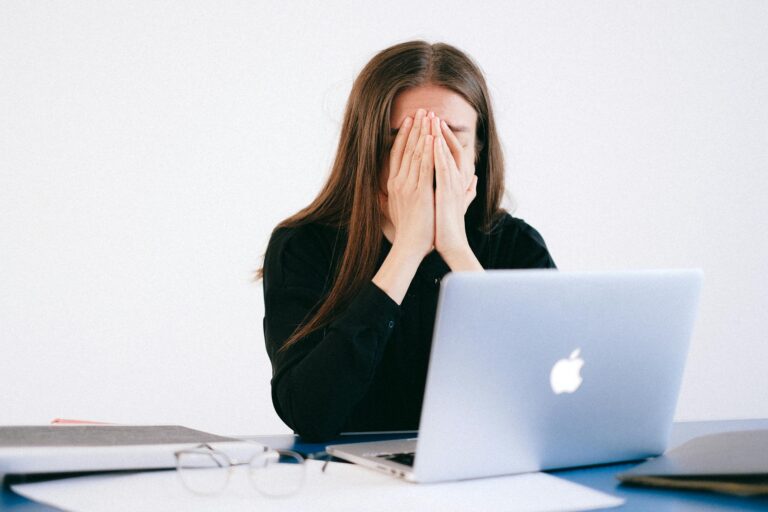
I’ve watched this dynamic play out in workplaces for two decades. Running advertising agencies meant managing large, emotionally complex teams, and the women on those teams who needed quiet processing time were often the most misread. A creative director I worked with in my second agency was brilliant, meticulous, and deeply introverted. She would disappear into her office after a big client presentation, and colleagues assumed she was upset or withdrawing. She was actually doing what she needed to do: decompressing, integrating, recovering. When I finally asked her directly, she said something I’ve never forgotten. She told me that being alone after intense social demands wasn’t a luxury for her. It was maintenance.
That word stuck with me. Maintenance. Not indulgence. Not antisocial behavior. Just the ordinary upkeep of a person who processes the world from the inside out.
The question of whether women want to be alone gets tangled up in guilt, in cultural expectations about caregiving and availability, and in the assumption that solitude signals something broken. None of that is accurate, and it’s worth pulling those threads apart carefully.
What’s Actually Happening When a Woman Wants to Be Alone?
Wanting solitude isn’t the same as wanting to escape people you love. That distinction matters enormously and gets collapsed far too often.
When a woman says she wants to be alone, she’s usually describing a need for mental and emotional spaciousness. The constant low-grade demands of social life, even enjoyable social life, require a kind of ongoing attentiveness that accumulates. You’re reading the room. You’re monitoring tone. You’re tracking how others are feeling and adjusting accordingly. For women who are highly sensitive or deeply introverted, that processing happens at an intensity that most people around them don’t see.
The concept of HSP solitude as an essential need speaks directly to this. Highly sensitive people, and many introverted women fall into this category, aren’t being dramatic when they say they need quiet time. Their nervous systems are genuinely processing more information per interaction than less sensitive people experience. Alone time isn’t a preference. It’s a physiological requirement.
As an INTJ, I recognize this in myself even if my experience differs from what many introverted women describe. My need for solitude is about protecting mental bandwidth for the kind of deep thinking I do best. For the highly sensitive women I’ve managed and collaborated with over the years, the need runs through the emotional and sensory channels too. It’s broader and often more urgent.
What’s actually happening during that alone time is restoration. The nervous system settles. The internal monologue that got crowded out by conversation and obligation finds space again. A sense of self that can feel slightly blurred in social contexts sharpens back into focus. Psychology Today has noted that solitude, when chosen freely, is associated with genuine psychological benefits, including improved mood regulation and a stronger sense of personal identity.

Is Wanting Solitude a Sign Something Is Wrong?
No. And yet this is the fear that keeps many women from honoring their own need for alone time without apology.
There’s an important difference between chosen solitude and loneliness. Loneliness is the painful experience of feeling disconnected when you want connection. Chosen solitude is the deliberate, restorative act of being with yourself. Harvard Health has written about this distinction directly, noting that isolation and loneliness carry genuine health risks, while voluntary solitude operates entirely differently. One is a deprivation. The other is a resource.
The confusion between the two creates a lot of unnecessary worry. A woman who cancels plans to spend a quiet evening reading isn’t isolating herself in a harmful way. She’s exercising judgment about what she needs. A woman who feels most recharged after a solo walk isn’t avoiding her relationships. She’s tending to herself so she can bring something real to those relationships.
That said, there are times when withdrawal does signal something worth paying attention to. If solitude starts feeling less like a choice and more like a hiding place, if it’s accompanied by persistent low mood or a sense of disconnection from things that used to matter, those are signals worth exploring. The CDC has outlined risk factors related to social disconnection, and genuine isolation over long periods does carry health implications. The difference is whether the aloneness feels nourishing or depleting. Most women who want to be alone know exactly which one they’re experiencing.
Understanding what happens when introverts don’t get alone time makes the stakes clearer. Irritability creeps in. Concentration fragments. The ability to be present with the people you love starts to erode. Honoring the need for solitude isn’t selfish. Denying it consistently is what actually damages relationships.
How Does Solitude Show Up Differently for Women?
The experience of solitude isn’t identical across all people, and the specific pressures women face around alone time are worth naming.
Many women carry an ingrained sense of responsibility for the emotional climate around them. In families, in friendships, in workplaces, women are often the ones monitoring whether everyone is okay, whether anyone needs something, whether the mood in the room needs tending. That orientation toward others is frequently a genuine expression of care. It can also make it very hard to step back without guilt.
I saw this in a senior account manager at one of my agencies. She was exceptional at her work, deeply attuned to client needs and team dynamics, and visibly exhausted by the end of most weeks. She’d mention wanting a quiet weekend and then spend half of it answering messages because she felt guilty being unavailable. The solitude she craved kept getting interrupted by her own sense of obligation. What she needed wasn’t just time alone. She needed permission to take it without justifying it.
That permission often has to come from within, because the external culture doesn’t hand it out freely. Women who say they need time alone are sometimes met with concern, sometimes with mild offense from people who take it personally, and sometimes with a kind of bemused skepticism. The framing of solitude as a legitimate need rather than a social quirk is still catching up to the reality of how many women actually experience it.
Practices that support this kind of intentional restoration matter enormously. HSP self-care and essential daily practices offer a useful framework here, particularly for women whose sensitivity means they’re absorbing more from every interaction than they might consciously realize. Building in small, consistent pockets of alone time isn’t a luxury item to be scheduled when everything else is done. It belongs in the structure of the day.
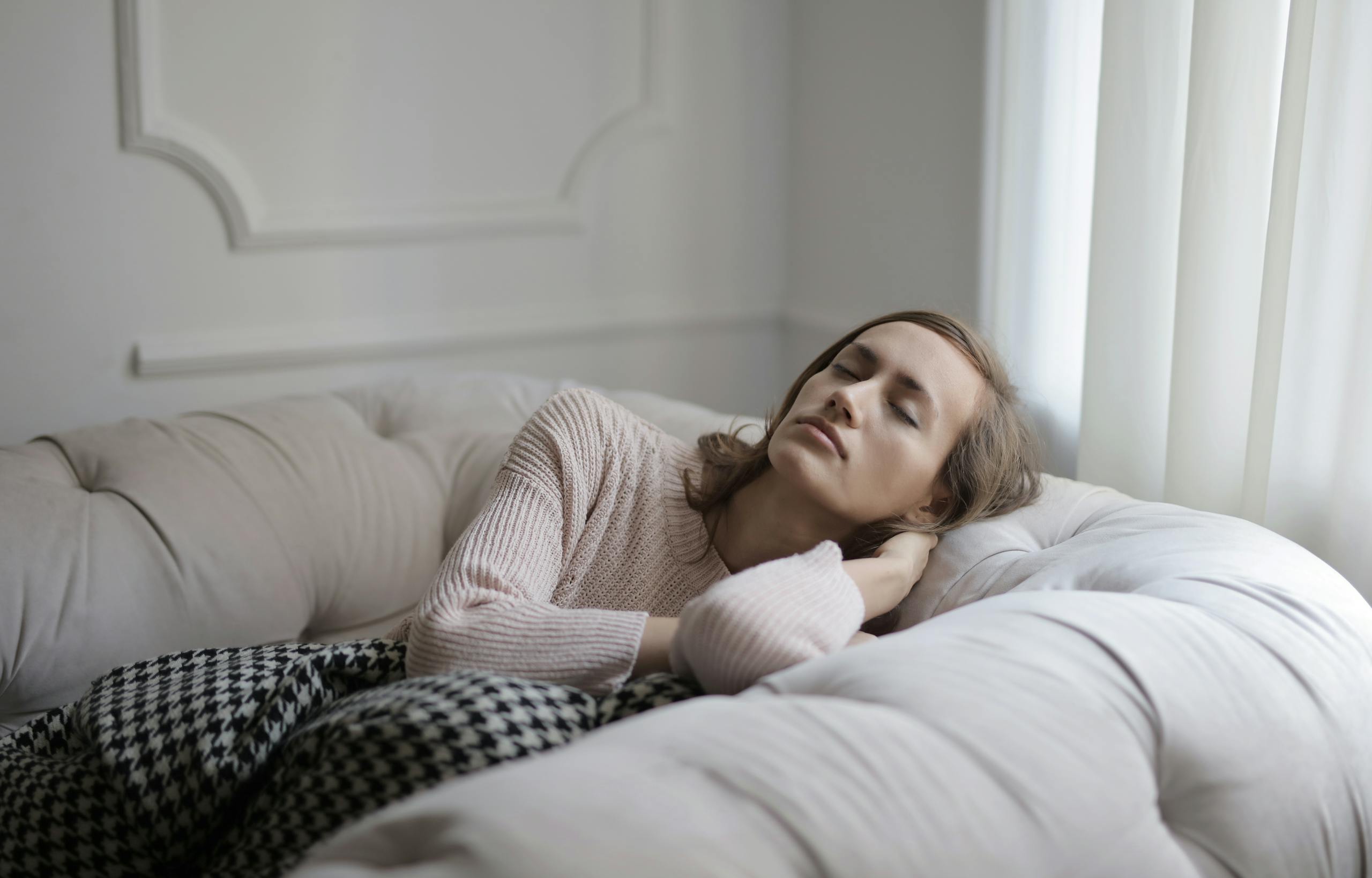
What Does Healthy Solitude Actually Look Like?
Healthy solitude has a particular quality to it. It feels chosen rather than forced. It feels restorative rather than numbing. And it tends to leave a person more available to others afterward, not less.
For some women, it looks like a morning routine that belongs entirely to them before the household wakes up. For others, it’s a solo walk, a long bath, an afternoon at a coffee shop with a book and no agenda. Some women find their deepest restoration in creative work done alone, writing or painting or gardening, where the act of making something becomes a way of returning to themselves.
Nature has a particular power in this context. The healing dimension of nature connection for highly sensitive people is well documented, and the mechanism makes intuitive sense. Natural environments tend to be lower in the kind of social demand that depletes introverted and sensitive people. There’s nothing to read in a forest. No one’s emotional state to track. The stimulation is present but it’s not interpersonal, and that distinction matters for people whose exhaustion is primarily social in origin.
Berkeley’s Greater Good Science Center has explored how solitude can actually support creativity, noting that time away from social input allows the mind to make connections it couldn’t form in the noise of constant interaction. Many women who identify as creative describe their alone time not as passive rest but as active internal work, even when it looks from the outside like simply sitting quietly.
Sleep is another dimension of this that deserves attention. The recovery that happens during quality sleep is deeply connected to how much mental and emotional processing a person has done during the day. HSP sleep and recovery strategies address this directly, because for sensitive people, poor sleep doesn’t just mean tiredness. It means the nervous system never fully completes its processing cycle, which compounds over time into a kind of chronic overwhelm.
Healthy solitude, then, isn’t one thing. It’s a collection of practices and habits that create enough internal space for a person to feel like themselves again. The specific form it takes matters less than the consistency.
What About Women Who Travel or Live Alone by Choice?
Some women take their need for solitude further, choosing solo travel or living alone not as a consolation prize but as a genuine preference. This is more common than the cultural narrative around women and companionship tends to acknowledge.
Psychology Today has examined solo travel as a deliberate lifestyle choice rather than a circumstantial one, noting that for many people, traveling alone offers a quality of presence and self-discovery that group travel simply can’t replicate. You set the pace. You follow your own curiosity. You don’t have to negotiate or accommodate. For a woman who spends most of her life managing the needs and preferences of others, that kind of unmediated autonomy can feel genuinely profound.
Living alone carries similar dynamics. The choice to have a space that is entirely your own, where the rhythms and rules are set by you and no one else, is a form of self-knowledge made physical. I think about this in terms of what I’ve observed in colleagues and friends over the years. The women I’ve known who live alone by preference aren’t lonely. They’re deliberate. They’ve designed a life that matches how they actually function, not how they’re supposed to function.
There’s something worth noting in how Mac, my dog, figures into my own experience of alone time. The piece I wrote about Mac and alone time touches on something real: the presence of a pet during solitude doesn’t disrupt it the way human company does. Many women describe their alone time as most complete when it includes an animal. The companionship is there without the social demand, and that combination turns out to be exactly what some people need.
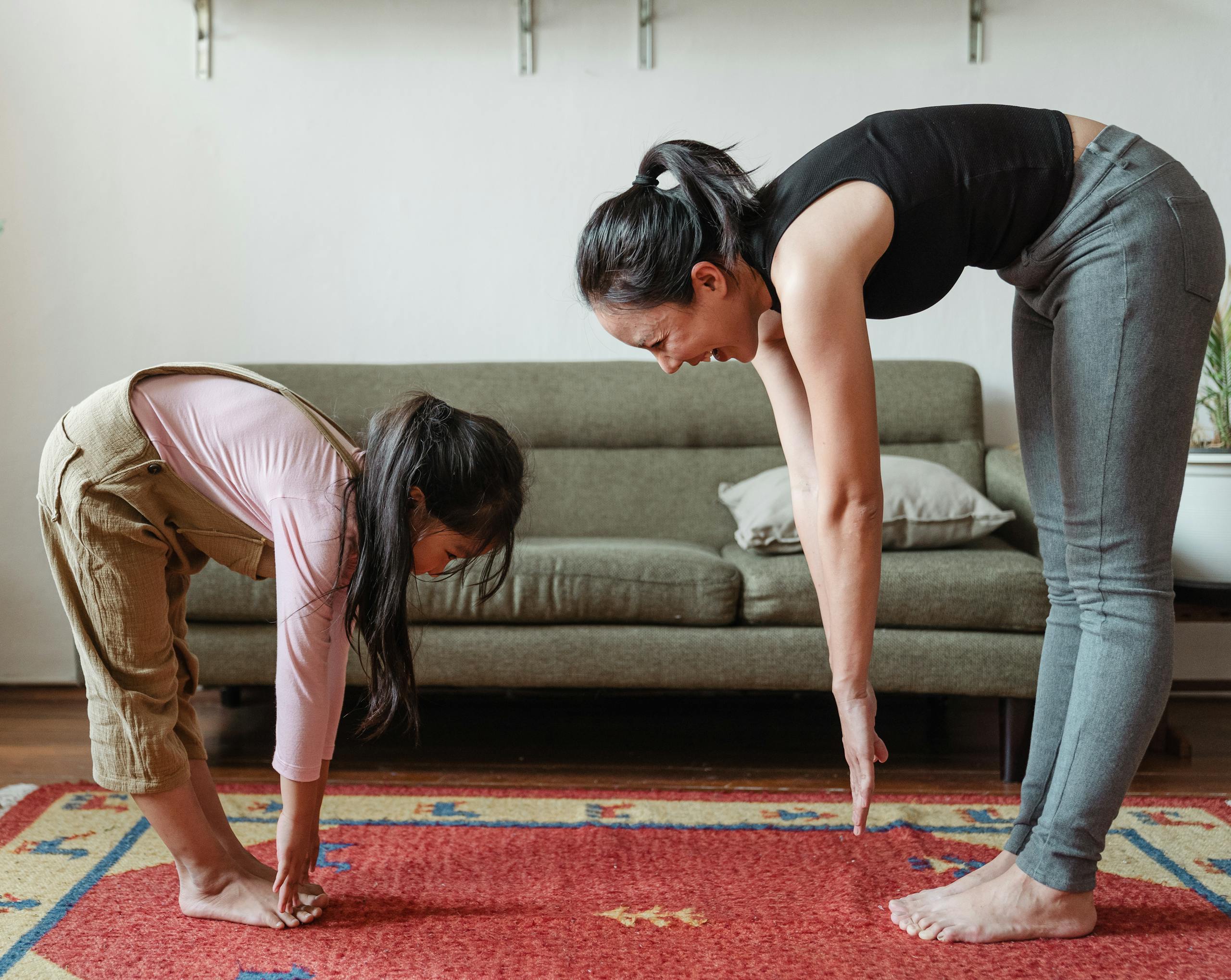
How Do You Honor This Need Without Damaging Your Relationships?
This is the practical question that most women who crave solitude eventually face. How do you take the alone time you need without the people you love feeling rejected or confused by it?
Honesty is the foundation. When a woman can name what she needs directly, “I’m overstimulated and I need a few hours to myself, this isn’t about you,” it removes a lot of the interpretive space where hurt feelings tend to grow. People who care about each other can generally accommodate needs they understand. What’s harder to accommodate is a withdrawal that arrives without explanation.
Consistency helps too. Alone time that’s built into the regular rhythm of a relationship is far less disruptive than alone time that gets grabbed in moments of desperation after too much togetherness has accumulated. When a partner or family member knows that Sunday mornings are yours, that Tuesday evenings you take a solo walk, that certain weekends you need to travel alone, it becomes part of the shared understanding of who you are. It stops being something that requires negotiation every time.
The research on this is encouraging. Published findings in this area suggest that people who are able to spend time alone without distress tend to have stronger self-regulation and are better able to engage meaningfully in their close relationships. Solitude, in other words, doesn’t compete with connection. It supports it.
There’s also something to be said for modeling this behavior openly. Women who take their alone time without excessive guilt or apology are showing the people around them that self-knowledge and self-care are legitimate priorities. That’s not a small thing. In families especially, it can shift the entire household’s relationship to rest and restoration.
What Happens When You Finally Stop Apologizing for Needing Solitude?
Something settles. That’s the best way I can describe what I’ve observed in people who make peace with this need, including myself.
For years, I managed my own need for solitude by framing it as productivity. I wasn’t withdrawing from the team, I was thinking through a strategy. I wasn’t avoiding the after-work social event, I was preparing for an early client call. The need was real, but I wrapped it in justifications because the raw truth, that I needed quiet time simply to function well, felt too vulnerable to say plainly in an industry that rewarded extroverted energy.
Stopping that performance was genuinely freeing. Not dramatic, not a single moment of revelation, just a gradual accumulation of small choices to be honest about how I work best. And what I found was that most people, once they understood it, respected it. A few didn’t, and those relationships revealed themselves as ones that required me to perform rather than simply be.
For women, the stakes of this honesty can feel higher because the cultural pressure to be available and accommodating runs deeper. Yet the destination is the same: a life structured around how you actually function rather than how you’re expected to function. Frontiers in Psychology has explored how voluntary solitude relates to well-being, with findings suggesting that the capacity to be comfortably alone is associated with greater emotional stability over time.
That stability doesn’t arrive all at once. It builds through small acts of self-honesty, through choosing the quiet evening over the obligation you didn’t really want, through saying “I need some time alone” without the apologetic qualifier that usually follows. Each small choice reinforces the understanding that your need for solitude is not a flaw to be managed but a feature of how you’re built.
There’s also something that happens to creativity and clarity when solitude becomes a regular practice rather than a stolen luxury. Research published through PubMed Central has examined the cognitive benefits of restorative alone time, pointing to improvements in self-directed thinking and the kind of reflective processing that gets crowded out by constant social input. Many women describe their best ideas, their clearest decisions, and their most honest self-assessments arriving during or just after time spent alone. That’s not coincidence.
If you’re exploring what solitude, self-care, and recharging look like across different aspects of your life, the full collection of resources in our Solitude, Self-Care and Recharging hub covers everything from daily habits to deeper questions about rest, sensitivity, and what it means to genuinely take care of yourself.
About the Author
Keith Lacy is an introvert who’s learned to embrace his true self later in life. After 20 years in advertising and marketing leadership, including running agencies and managing Fortune 500 accounts, Keith now channels his experience into helping fellow introverts understand their strengths and build fulfilling careers. As an INTJ, he brings analytical depth and authentic perspective to every article, drawing from both professional expertise and personal growth.
Frequently Asked Questions
Is it normal for women to want to be alone?
Completely normal. Many women, particularly those who are introverted or highly sensitive, have a genuine physiological and psychological need for regular alone time. Wanting solitude doesn’t indicate unhappiness or social failure. It reflects how certain people restore their energy and maintain their sense of self. Honoring that need consistently tends to improve mood, relationships, and overall well-being.
What is the difference between healthy solitude and unhealthy isolation?
Healthy solitude is chosen freely and feels restorative. You come out of it feeling more like yourself, more capable of connection, and more emotionally settled. Unhealthy isolation tends to feel compulsive rather than chosen, and it’s often accompanied by persistent low mood, a sense of disconnection from things that used to matter, or a gradual shrinking of your world. The key signal is whether the alone time leaves you more available to life or less.
How can a woman communicate her need for alone time to a partner or family?
Direct and specific communication works better than vague withdrawal. Naming the need clearly, explaining that it’s about restoration rather than rejection, and building alone time into the regular rhythm of the relationship all reduce misunderstanding. When partners and family members understand that solitude is how you recharge rather than a statement about them, it becomes much easier to accommodate without conflict.
Can wanting to be alone affect your mental health positively?
Yes, and the evidence for this is meaningful. Voluntary solitude is associated with better emotional regulation, stronger self-awareness, and improved creative thinking. People who can spend time alone without distress tend to have a more stable sense of identity and are often more genuinely present in their relationships. The distinction is that the solitude be chosen rather than imposed, and that it feel restorative rather than numbing.
Do introverted women need more alone time than extroverted women?
Generally speaking, yes. Introversion describes a pattern of energy flow where social interaction draws down internal resources rather than replenishing them. Introverted women typically need more recovery time after social demands than extroverted women do, and they tend to do their best thinking and feeling in quiet rather than in company. Highly sensitive women, who may be introverted or extroverted, often share this need because of the intensity with which they process sensory and emotional information. The amount of alone time any individual needs varies, but for introverted and sensitive women, it’s rarely optional.