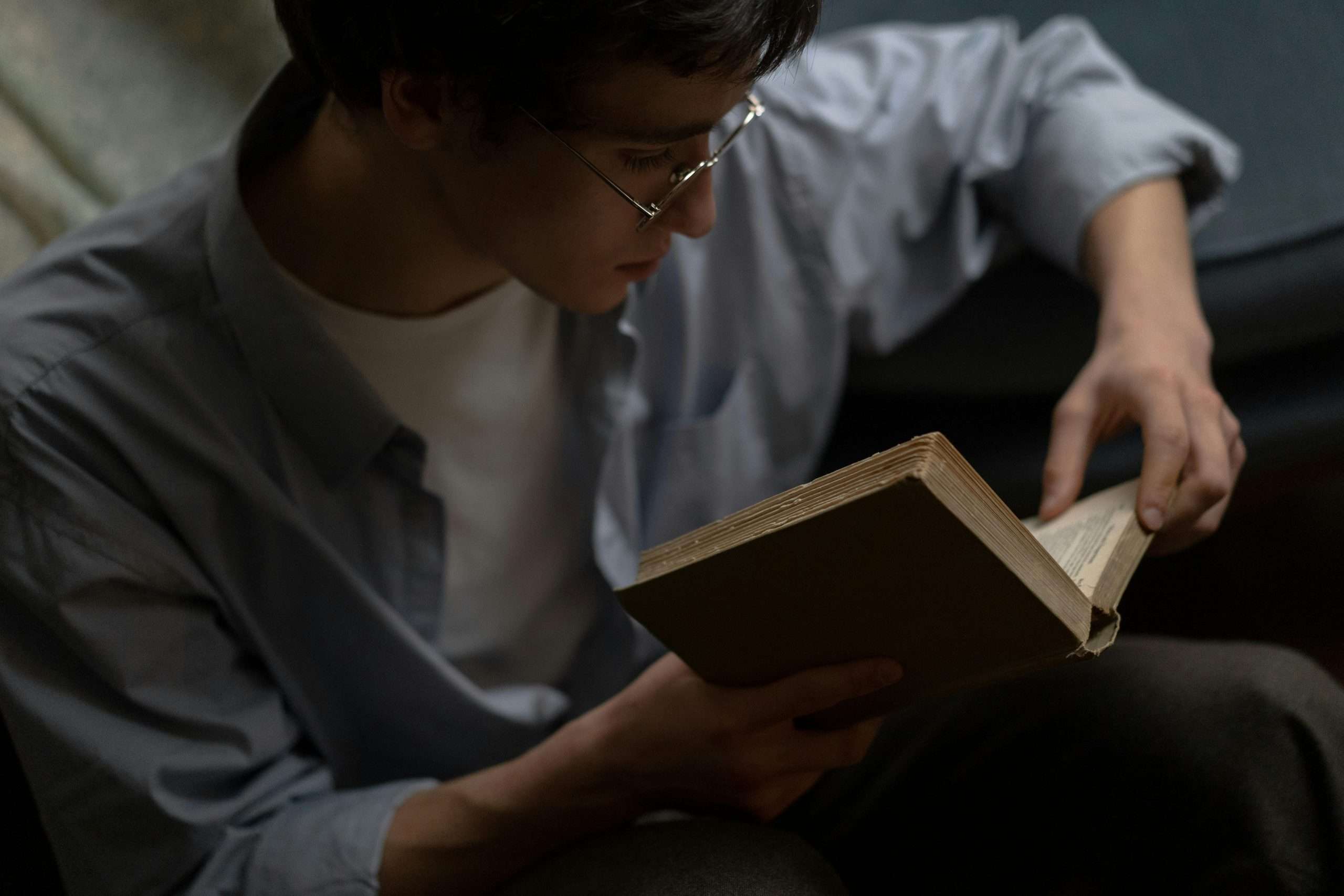

Alone time doesn’t mean something is wrong with you. For introverts, solitude is the condition under which everything works best: thinking sharpens, creativity surfaces, and emotional reserves rebuild. The fear of being alone, or of wanting to be, is one of the most persistent misconceptions introverts carry, often absorbed from a culture that treats stillness as a problem to fix.
Somewhere along the way, many of us started apologizing for needing space. I did it for years. Running advertising agencies meant constant client dinners, brainstorming sessions, and open-door policies that left me exhausted in ways I couldn’t explain to people who seemed to thrive on all of it. It took me longer than I’d like to admit to understand that my need for quiet wasn’t a flaw in my leadership. It was the engine behind everything I produced.

If you’ve ever felt guilty for wanting a quiet evening instead of a social one, or wondered whether your preference for solitude signals something unhealthy, this article is for you. The fear of alone time is worth examining honestly, because once you do, it tends to dissolve.
Much of what I write here connects to a broader conversation about how introverts recharge and care for themselves well. Our Solitude, Self-Care & Recharging hub covers the full landscape of that topic, from daily practices to recovery strategies to the deeper psychology of why rest looks different for people wired the way we are.
Why Does Alone Time Feel Threatening to So Many People?
There’s a cultural story most of us absorbed early: that wanting to be alone is sad, antisocial, or a sign of depression. Busyness became a status symbol. Packed calendars signaled importance. Somewhere in that shift, solitude got rebranded as loneliness, and the two are genuinely not the same thing.
What’s your personality type?
Take our free 40-question assessment and get a detailed personality profile with dimension breakdowns, context analysis, and personalised insights.
Discover Your Type8-12 minutes · 40 questions · Free
Harvard Health draws a clear distinction between loneliness and isolation, noting that loneliness is defined by the absence of desired connection, not by the absence of people. An introvert sitting alone on a Saturday morning with coffee and a book isn’t lonely. They’re home.
Still, the fear persists. Part of it is social conditioning. Part of it is genuinely internalized shame. I watched this play out in my own teams over the years. I managed a senior copywriter who would schedule unnecessary check-ins just to feel visible, even when she’d told me privately that the meetings drained her. She feared that being alone with her work would make her seem disengaged. The irony was that her best copy always came from her solo sessions, the ones she almost apologized for taking.
Another piece of the fear is more existential. Being alone means being with your own thoughts, and for some people, that’s genuinely uncomfortable. The mind fills with unprocessed worries, old regrets, or just the low hum of anxiety that constant stimulation keeps at bay. Solitude surfaces what busyness buries. That’s not a reason to avoid it. That’s actually a reason to practice it.
What Actually Happens When You Stop Running From Solitude?
My relationship with alone time shifted during a particularly brutal stretch of client work. We were managing a campaign for a major retail brand, the kind of account where every stakeholder had opinions and every meeting spawned three more. I was running on fumes. My thinking had gone shallow. My decisions, which I’d always prided myself on, felt reactive instead of considered.
A colleague suggested I take a long weekend. No laptop. No check-ins. I resisted for about forty-eight hours and then gave in. By Sunday afternoon, something had shifted. Not dramatically. Quietly. My mind had stopped running laps and started actually thinking again. I came back Monday with a campaign angle that became one of our strongest that year.
That experience wasn’t unusual. The Greater Good Science Center at Berkeley has explored the relationship between solitude and creativity, noting that time alone can free the mind from the constant social monitoring that collaborative environments demand, creating space for more original thinking. For introverts especially, that freedom isn’t a luxury. It’s a functional requirement.
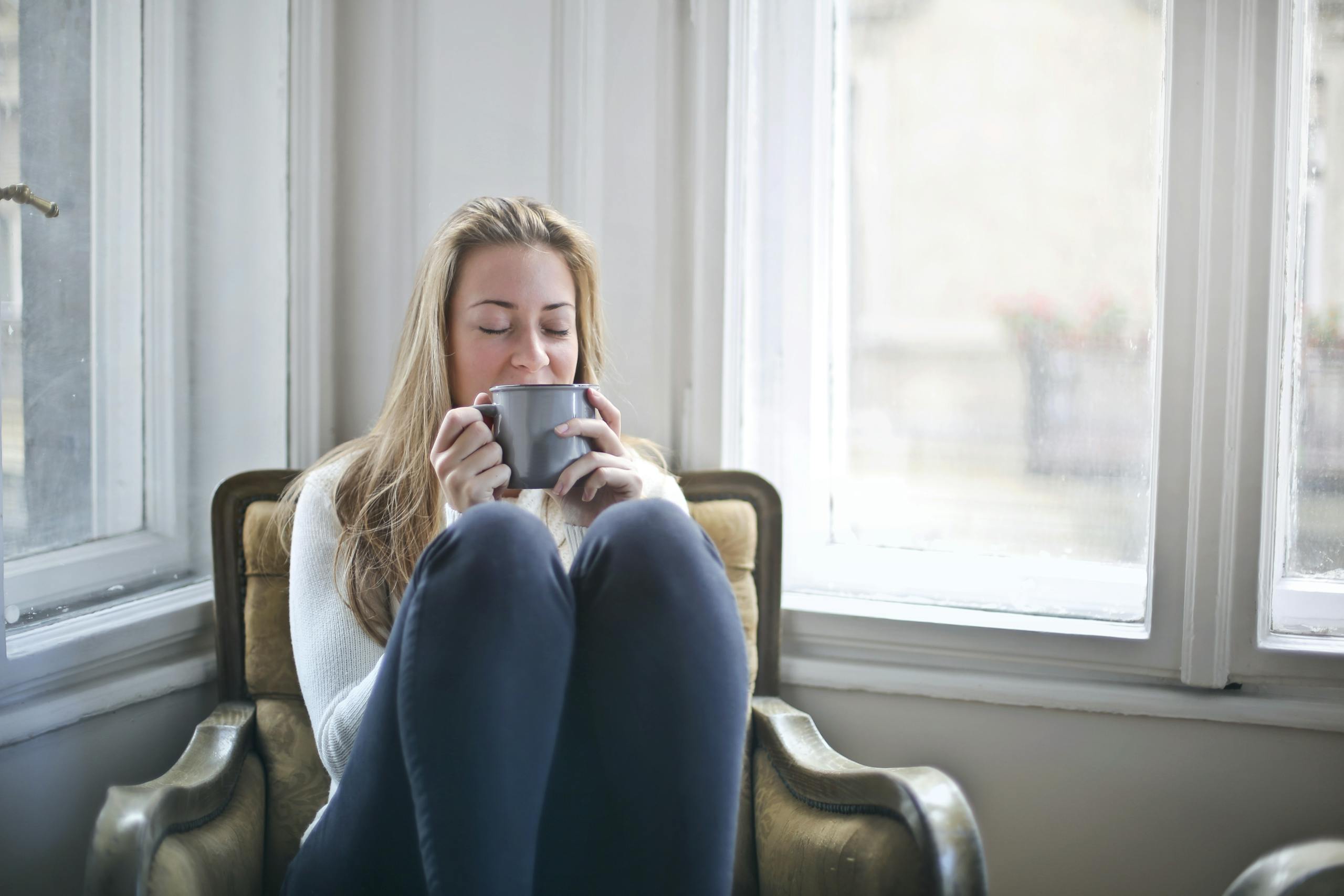
What happens in solitude isn’t nothing. The brain continues processing. Emotional experiences that haven’t been fully absorbed get integrated. Problems that felt stuck in the noise of a busy week suddenly have obvious solutions. Many introverts describe this as the mind “catching up,” and it’s a real phenomenon, not a romanticized one.
There’s also the matter of self-knowledge. Time alone is when I’ve done my clearest thinking about what I actually want, separate from what clients wanted, what my team needed, or what the culture around me expected. That clarity doesn’t come from more meetings. It comes from stillness.
Is the Fear of Alone Time Different for Highly Sensitive People?
Highly sensitive people often carry a particular version of this fear. Because they process stimulation more deeply, solitude is both more necessary and sometimes more intense. The same depth of processing that makes overstimulation exhausting also means that time alone can surface emotions with unusual vividness. That intensity can feel uncomfortable, especially if you haven’t learned to sit with it.
If you’re an HSP wondering how to build sustainable alone time into your days without feeling overwhelmed by it, these HSP self-care practices offer a grounded starting point. success doesn’t mean white-knuckle your way through solitude. It’s to create conditions where it actually feels restorative.
One pattern I’ve observed in highly sensitive people on my teams was a tendency to avoid solitude not because they didn’t want it, but because they were afraid of what they’d feel without distraction. One creative director I worked with, a deeply perceptive woman who caught nuances in client feedback that everyone else missed, would fill every gap in her schedule with activity. When I asked her about it once, she said being alone felt like standing in front of a mirror she couldn’t turn off. That’s a real thing. And it’s exactly why building a gentle, intentional relationship with solitude matters more than just forcing yourself to sit in an empty room.
Sleep is also part of this picture. HSP sleep and recovery strategies address how the sensitive nervous system needs particular conditions to genuinely rest, and poor sleep can make solitude feel more threatening rather than more welcoming. When you’re running on depleted rest, your own thoughts can feel louder and harder to manage.
How Does Society’s Discomfort With Solitude Get Passed Down to Us?
Nobody is born afraid of being alone. That fear is taught, usually indirectly. Children who play alone are asked if they’re okay. Teenagers who prefer books to parties get labeled as loners. Adults who decline social invitations are assumed to be depressed or antisocial. The message compounds over time: being alone is a symptom, not a preference.
The public health conversation around social connection has added another layer to this. The CDC has documented the health risks associated with social disconnection, and those findings are real and important. But the conversation sometimes blurs the line between involuntary isolation and chosen solitude, treating all time alone as a risk factor rather than distinguishing between the two. An introvert who spends a quiet Sunday reading isn’t at risk. An elderly person who hasn’t spoken to another human in two weeks is.

That distinction matters enormously for introverts who are trying to understand their own needs without pathologizing them. Wanting solitude is not the same as withdrawing from life. In fact, Psychology Today has noted that embracing solitude intentionally can support mental and physical health, particularly when it’s chosen rather than imposed.
In my agency years, I watched extroverted colleagues treat my closed office door as a problem to solve. They’d knock unnecessarily, suggest lunch when I’d clearly brought my own, or read my quiet focus as unhappiness. Their discomfort with my solitude said more about their own relationship with it than mine. Over time, I stopped explaining and started protecting that time more deliberately.
What Does Healthy Alone Time Actually Look Like in Practice?
Healthy solitude isn’t passive. It’s not just the absence of other people. It’s an active state of being present with yourself, your thoughts, your environment, your body. That distinction changes how you approach it.
For me, the most restorative alone time has always involved some kind of gentle engagement. Walking. Reading something that challenges me. Sitting outside without a phone. Writing in a journal without any agenda. These aren’t activities designed to produce anything. They’re practices that let my internal world settle and reorganize. The output, whether it’s a clearer perspective on a client problem or simply a better mood, comes as a byproduct, not a goal.
Nature plays a particular role in this for many introverts. The healing dimension of spending time outdoors is well worth exploring if you haven’t yet made it part of your recovery routine. There’s something about natural environments that quiets the kind of mental noise that social interaction generates, without requiring you to be completely disengaged from the world.
One thing I’d push back on is the idea that alone time needs to be perfectly structured to count. Some of my most restorative stretches have been genuinely unplanned. A canceled meeting that gave me two hours I hadn’t expected. A flight delay that meant an hour in an airport corner with no Wi-Fi. Those pockets of accidental solitude taught me something important: I didn’t need to earn the right to be alone. I just needed to stop filling every gap.
There’s also a meaningful difference between solitude that restores and isolation that depletes. When introverts go too long without genuine alone time, the signs are real and cumulative: irritability, difficulty concentrating, a sense of emotional flatness that’s hard to name. Recognizing those signals early is part of what makes solitude a practice rather than an emergency measure.
Can Solitude Be Taught, or Is It Something You Either Embrace or Don’t?
Solitude is absolutely a skill, which means it can be developed. Most people who say they can’t be alone simply haven’t practiced it in conditions that felt safe enough to try. The discomfort they associate with solitude is usually the discomfort of novelty, not evidence that solitude itself is harmful.
Research published in Frontiers in Psychology has examined how people relate to solitude across different contexts, finding that the quality of alone time matters as much as the quantity. Solitude that feels chosen and purposeful tends to be experienced very differently from solitude that feels imposed or punishing.
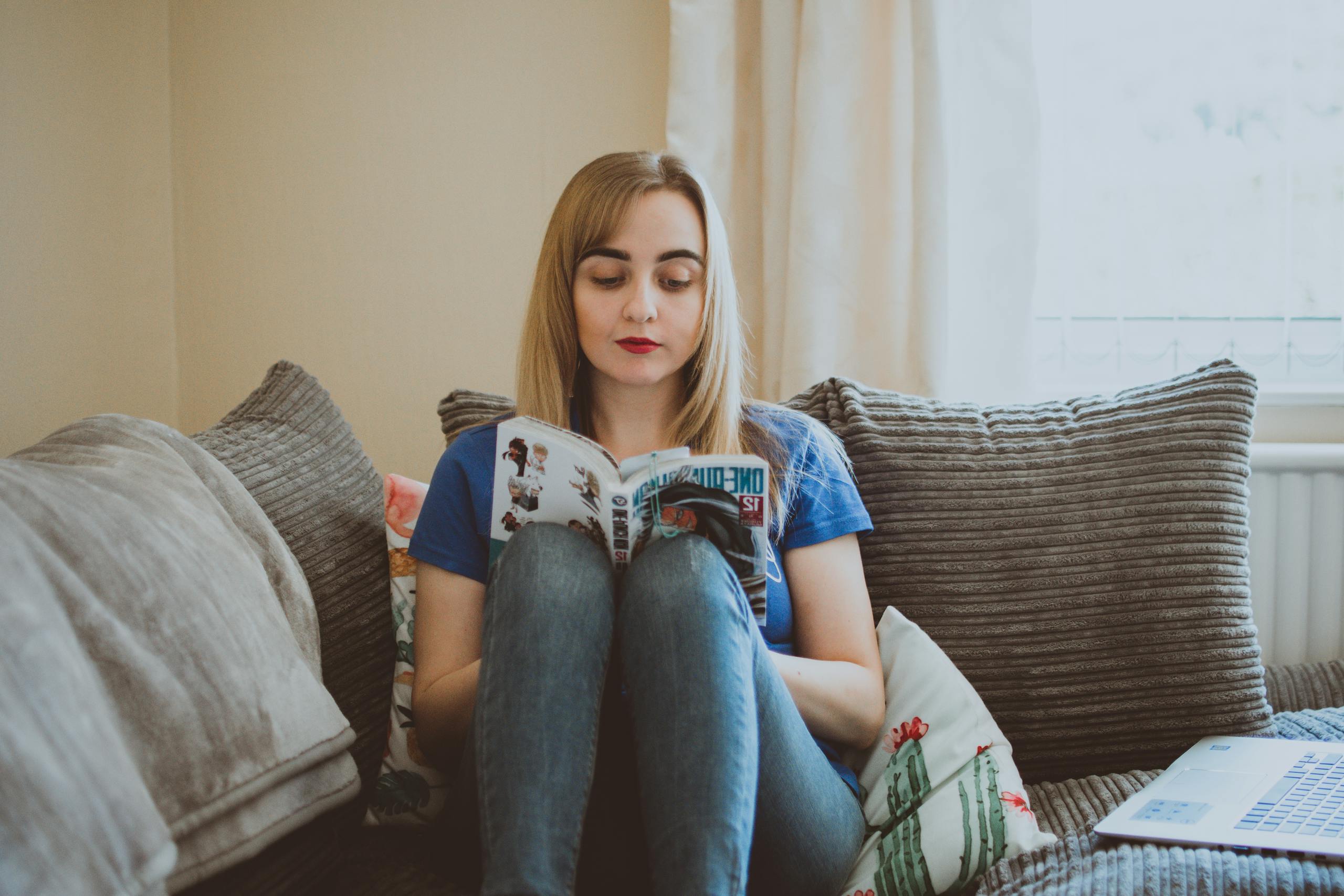
Building a genuine relationship with solitude often starts small. Five minutes of sitting without a screen. A walk without earbuds. A meal eaten alone without the television on. These aren’t dramatic gestures. They’re small acts of tolerance that expand over time into something you actually look forward to.
I’ve seen this progression in myself and in people I’ve mentored. One account manager I worked with, a sharp, driven extrovert who’d recently been through a difficult year, came to me asking how I managed to seem so settled in the middle of chaos. When I told him I protected at least thirty minutes of genuine quiet every day, he looked at me like I’d said something foreign. He tried it reluctantly. Three months later, he told me it had changed how he handled pressure more than anything else he’d tried.
The fear of alone time often softens once you accumulate enough evidence that you survived it, and more than survived. That evidence only comes from actually doing it.
What About the Specific Fear That Alone Time Means You’re Missing Out?
FOMO, the fear of missing out, is one of the more modern flavors of solitude anxiety. Social media amplified it considerably. Seeing other people’s curated social lives while you’re sitting quietly at home can trigger a particular kind of second-guessing that has nothing to do with what you actually need.
What I’ve found, both personally and through conversations with other introverts, is that FOMO tends to be loudest before solitude and quietest during it. The anticipatory anxiety about what you might be missing dissolves fairly quickly once you’re actually in the experience of being alone. The mind that was convinced it needed stimulation often settles into relief within minutes.
Solo time, including solo travel, is increasingly recognized as a legitimate and even preferred way for many people to recharge and gain perspective. Psychology Today has explored solo travel as a growing phenomenon, noting that for many people it represents a deliberate choice toward self-knowledge rather than an absence of social options. The same logic applies to any form of chosen solitude.
There’s also something worth naming about the particular version of FOMO that introverts experience around social events they actually don’t want to attend. The fear isn’t really about missing the event. It’s about what skipping it might signal to others, or to yourself, about your willingness to engage with the world. That’s a different problem, and it’s worth separating from the genuine question of what you need.
One of the more useful reframes I’ve come across is thinking about solitude as an essential need rather than a preference. Needs don’t require justification. You don’t apologize for needing sleep or food. Framing solitude the same way changes the internal conversation from “I’m choosing this over something better” to “I’m giving myself something I actually require.”
What Role Does Alone Time Play in Long-Term Emotional Resilience?
Emotional resilience, the capacity to absorb difficulty without fragmenting, isn’t built in moments of crisis. It’s built in the quiet spaces between them. That’s where processing happens. Where perspective forms. Where the emotional sediment from hard experiences settles enough to be examined clearly.
As an INTJ, my internal processing tends to be thorough and somewhat slow. I don’t come to conclusions quickly in real time. I observe, absorb, and then work through things in my own time, usually alone. That’s not a deficiency in emotional processing. It’s a different rhythm. One that requires space to function properly.
When I was managing large teams through difficult pitches or client losses, I noticed that my resilience was directly tied to whether I’d had adequate time to process between events. When I hadn’t, I was reactive. Shorter with people than I wanted to be. Less able to see the longer arc of a situation. When I had, I could hold the difficulty without being consumed by it.
Research indexed in PubMed Central has examined how solitude relates to self-regulation and emotional processing, with findings suggesting that voluntary solitude can support the kind of internal reflection that helps people manage stress and maintain equilibrium over time. For introverts, this isn’t a surprising finding. It’s a confirmation of something many of us already know from experience.
There’s also a connection between regular solitude and the quality of your relationships. When I’m genuinely rested and recharged from adequate alone time, I’m more present in conversations. More patient. More genuinely curious about what other people are saying. The introvert who protects their solitude isn’t withdrawing from connection. They’re preparing for it.

The fear of alone time, when you trace it back, is often a fear of what you’ll find there. Old worries. Uncomfortable truths. The gap between who you are and who you think you should be. Those things don’t go away when you avoid solitude. They just accumulate. Emerging work on interoception and self-awareness published in PubMed Central points toward the importance of internal attunement for overall wellbeing, and solitude is one of the primary conditions under which that attunement develops.
Facing yourself in solitude isn’t the problem. It’s the practice that makes everything else more manageable.
How Do You Know When Alone Time Has Crossed Into Unhealthy Isolation?
This is a question worth asking honestly. There’s a real difference between solitude that restores and withdrawal that protects you from something you need to face. Both can look similar from the outside, and sometimes from the inside too.
Healthy solitude tends to feel chosen. It has a quality of presence rather than avoidance. You’re with yourself, not hiding from others. When solitude starts to feel like relief from something threatening rather than restoration of something depleted, that’s worth paying attention to.
Some signals that alone time may have tipped into isolation: relationships that feel burdensome rather than just tiring, a growing sense of disconnection from people you used to feel close to, or a reluctance to return to social life even after adequate rest. These aren’t signs that you need more solitude. They’re signs that something else is going on.
Mac, a story worth reading on this site, captures something true about the particular quality of meaningful alone time and what it can hold. Mac’s experience with alone time resonates with anyone who’s had to learn, sometimes painfully, the difference between solitude that opens you up and solitude that closes you down.
The honest answer is that most introverts who are asking this question are probably fine. The very act of questioning whether your solitude is healthy suggests a degree of self-awareness that genuine unhealthy withdrawal tends to erode. Still, checking in with yourself periodically, or with someone you trust, is a reasonable practice regardless of where you fall on the introversion spectrum.
If you’re building a more intentional relationship with solitude and want to explore the full range of how introverts and sensitive people approach rest, recovery, and self-care, the Solitude, Self-Care & Recharging hub brings together everything we’ve written on these themes in one place.
About the Author
Keith Lacy is an introvert who’s learned to embrace his true self later in life. After 20 years in advertising and marketing leadership, including running agencies and managing Fortune 500 accounts, Keith now channels his experience into helping fellow introverts understand their strengths and build fulfilling careers. As an INTJ, he brings analytical depth and authentic perspective to every article, drawing from both professional expertise and personal growth.
Frequently Asked Questions
Is wanting to be alone a sign of depression or social anxiety?
Not on its own, no. Preferring solitude is a personality trait, not a symptom. Depression and social anxiety have distinct characteristics that go beyond simply enjoying time alone, including persistent low mood, loss of interest in things you used to enjoy, or fear-based avoidance of social situations. Many introverts genuinely prefer solitude and experience no distress from it whatsoever. If your alone time feels restorative and chosen rather than driven by fear or emotional flatness, it’s most likely a healthy expression of who you are. If you’re uncertain, speaking with a mental health professional is always a reasonable step.
How much alone time do introverts actually need?
There’s no universal number, and anyone who gives you one is guessing. The amount of solitude an introvert needs varies based on the intensity of social demands, the person’s overall stress levels, their sensitivity, and what’s happening in their life. A useful approach is to pay attention to your own signals: irritability, mental fog, emotional flatness, and difficulty concentrating are all signs that your reserves are depleted. When those appear, more alone time is usually the answer. Building some solitude into every day, even in small amounts, tends to prevent the kind of depletion that requires longer recovery.
Can you be an introvert and still be afraid of being alone?
Yes, absolutely. Introversion describes where you draw your energy from, not how comfortable you are with your own company. Some introverts have absorbed enough cultural messaging about solitude being unhealthy that they feel genuine discomfort with it, even while craving it. Others have had experiences that made being alone feel unsafe or painful, and that association lingers. Being introverted and fearing solitude aren’t contradictory. They’re just two things that coexist in the same person, and the fear is something that can be worked through with practice and, if needed, support.
What’s the difference between solitude and loneliness?
Solitude is the state of being alone. Loneliness is the painful feeling of being disconnected from others, regardless of whether other people are physically present. You can feel deeply lonely in a crowded room if you don’t feel seen or understood. You can feel completely at peace alone on a Saturday afternoon if you feel connected to yourself and to the relationships in your life. The distinction matters because conflating the two leads introverts to treat their need for solitude as a problem, when the actual problem, if there is one, is a lack of meaningful connection, which is a separate issue with separate solutions.
How do you explain your need for alone time to people who don’t understand it?
Keep it simple and frame it in terms of what it does for you rather than what it says about them. Something like: “I recharge by having some quiet time to myself. It’s not about the people I’m with, it’s just how my brain works.” Most people respond better to a straightforward explanation than to elaborate justifications. You don’t owe anyone a full account of your psychology. What helps is being consistent, so the people in your life learn that your need for solitude is a pattern, not a rejection. Over time, the people who matter tend to adjust. The ones who don’t, or can’t, are telling you something useful about the relationship.