
Not getting enough alone time isn’t a minor inconvenience for introverts. It’s a slow drain on your clarity, your patience, and your sense of self. When the hours of solitude you genuinely need keep getting consumed by other people’s demands, schedules, and noise, something essential starts to erode.
The Ask MetaFilter thread that inspired this piece struck a nerve because so many people described the same quiet desperation: wanting desperately to be alone, feeling guilty about it, and not knowing how to make it happen in a life built around other people. If that sounds familiar, you’re in good company, and there are real, practical ways through it.
Our Solitude, Self-Care and Recharging hub covers the full landscape of what introverts need to stay grounded and energized, and this piece fits squarely at the center of it. Because before you can practice any form of self-care, you need the raw material: time that belongs to you.

Why Do Introverts Need Alone Time More Than People Realize?
There’s a version of this conversation that treats introversion as a preference, like preferring tea over coffee. Nice to accommodate, but not exactly urgent. That framing does a lot of damage.
What’s your personality type?
Take our free 40-question assessment and get a detailed personality profile with dimension breakdowns, context analysis, and personalised insights.
Discover Your Type8-12 minutes · 40 questions · Free
Solitude isn’t a lifestyle choice for introverts. It’s a biological and psychological requirement. When you process the world through an inward lens, social interaction, even pleasant social interaction, draws from a finite energy reserve. Alone time is how that reserve gets replenished. Without it, you don’t just feel tired. You feel fragmented.
I spent about fifteen years running advertising agencies before I understood this about myself. My days were structured around other people’s needs: client calls, team check-ins, pitch presentations, creative reviews. I told myself I was managing fine because I could perform well in those settings. What I didn’t acknowledge was the cost. By Thursday of most weeks, I was running on something close to empty, snapping at people I respected, and making decisions I’d second-guess the next morning.
What I was experiencing has a name now. When introverts are consistently deprived of the solitude they need, the effects aren’t subtle. Irritability, difficulty concentrating, emotional flatness, a creeping sense of resentment toward people you actually care about. I’ve written about what happens when introverts don’t get alone time in more depth elsewhere, and the picture isn’t pretty. The point is that this isn’t a personality quirk to work around. It’s a genuine need that deserves to be taken seriously.
A growing body of psychological literature supports the idea that voluntary solitude, time spent alone by choice, carries distinct benefits for wellbeing, creativity, and emotional regulation. Berkeley’s Greater Good Science Center has explored how solitude can enhance creative thinking, suggesting that the quiet many introverts crave isn’t avoidance. It’s a productive state.
What Actually Happens in the Brain When Introverts Are Overstimulated?
One reason the “just push through it” advice fails introverts so consistently is that it misunderstands what’s happening physiologically. This isn’t about shyness or social anxiety, though those can overlap. It’s about how the introvert nervous system processes stimulation.
Introverts tend to have a lower threshold for sensory and social stimulation. What registers as energizing for an extrovert, a packed room, rapid back-and-forth conversation, constant input, registers as draining for someone wired differently. The brain isn’t malfunctioning. It’s doing exactly what it’s designed to do. It’s just hitting its capacity faster.
This is especially true for highly sensitive people, who experience stimulation at an even deeper level of intensity. If you identify as an HSP as well as an introvert, the need for solitude isn’t doubled, it’s compounded. The essential need for alone time among HSPs goes beyond preference into something closer to a survival mechanism for the nervous system.
Research published in PubMed Central examining solitude and psychological wellbeing points to the distinction between chosen solitude and forced isolation. The former tends to support positive outcomes. The latter correlates with distress. That distinction matters enormously when you’re trying to advocate for your own need for quiet in a world that treats aloneness with suspicion.
Why Is It So Hard to Actually Get Alone Time in Real Life?
The Ask MetaFilter thread that prompted this article was full of people who knew they needed solitude and simply couldn’t get it. Partners who wanted to spend every evening together. Kids who needed constant presence. Roommates who treated shared space as perpetually communal. Open-plan offices with no quiet corners. The logistical reality of modern life is genuinely hostile to introvert needs.
But there’s a second layer beneath the logistics, and it’s the one that doesn’t get talked about enough: the guilt.
Many introverts, myself included for a long time, have internalized the message that wanting to be alone is a form of rejection. That needing quiet means something is wrong with you, or that you don’t love the people in your life enough. So even when a window of solitude opens up, you fill it with something productive to justify it, or you spend it feeling vaguely anxious about the people you’re not currently attending to.
I remember a period in my early forties when I started blocking an hour on my calendar every Tuesday and Thursday morning before the agency day began. No calls, no meetings, just time to think and process. My assistant at the time asked me what those blocks were for, and I felt genuinely embarrassed to explain. I told her they were for “strategic planning.” Which, in a roundabout way, was true. But what I couldn’t say out loud was: I need this time to exist as a human being, not just as a CEO.
That embarrassment is worth examining. Extroverts don’t apologize for wanting social time. They don’t need to justify filling their weekends with people. Introverts have been conditioned to feel that their equivalent need, time alone, requires explanation, negotiation, or at minimum a productive outcome to make it acceptable.
How Do You Create Alone Time When Your Life Doesn’t Naturally Allow for It?
Practical solutions matter here. Knowing why you need solitude doesn’t automatically create it. So let’s get specific.
Treat It Like an Appointment, Not a Hope
The calendar blocks I started keeping in my forties weren’t a luxury. They were a management decision. I applied the same logic to my own energy that I applied to client deadlines: if it isn’t scheduled, it doesn’t happen. Alone time that exists only “when things calm down” will never arrive, because things don’t calm down. You have to carve the space deliberately.
This might mean waking up thirty minutes before the rest of your household. It might mean a firm end time on your workday that you defend without apology. It might mean one evening per week that you protect from social commitments. The form matters less than the consistency.
Name the Need Clearly With the People in Your Life
Vague requests for “space” tend to land badly. They sound like complaints rather than needs. What works better, and this took me years to figure out, is being specific and non-defensive about what you’re asking for and why.
“I need about an hour to myself after work before I’m ready to connect” is a different conversation than sighing heavily and retreating to another room. One is a request. The other is a mystery that the people around you will probably interpret as a problem they caused.
The people in your life can’t support a need they don’t understand. And most of them, if they care about you, will make room for something that’s been clearly explained rather than something they’re left to guess at.
Use Physical Space Strategically
Environment shapes behavior. If every room in your home is shared space with no signal that you’re unavailable, you’ll constantly be interrupted regardless of your intentions. Creating even a small physical cue, a closed door, a specific chair that means “I’m in my own head right now,” a set of headphones that everyone in your household learns to respect, can make a meaningful difference.
Outside the home, the same principle applies. I used to do my best thinking on long walks around the neighborhood near our agency’s office. No phone calls, no podcasts, just movement and quiet. My team eventually learned that when I came back from one of those walks, I’d usually have solved whatever problem had been stalling us. The alone time wasn’t separate from my work. It was part of it.
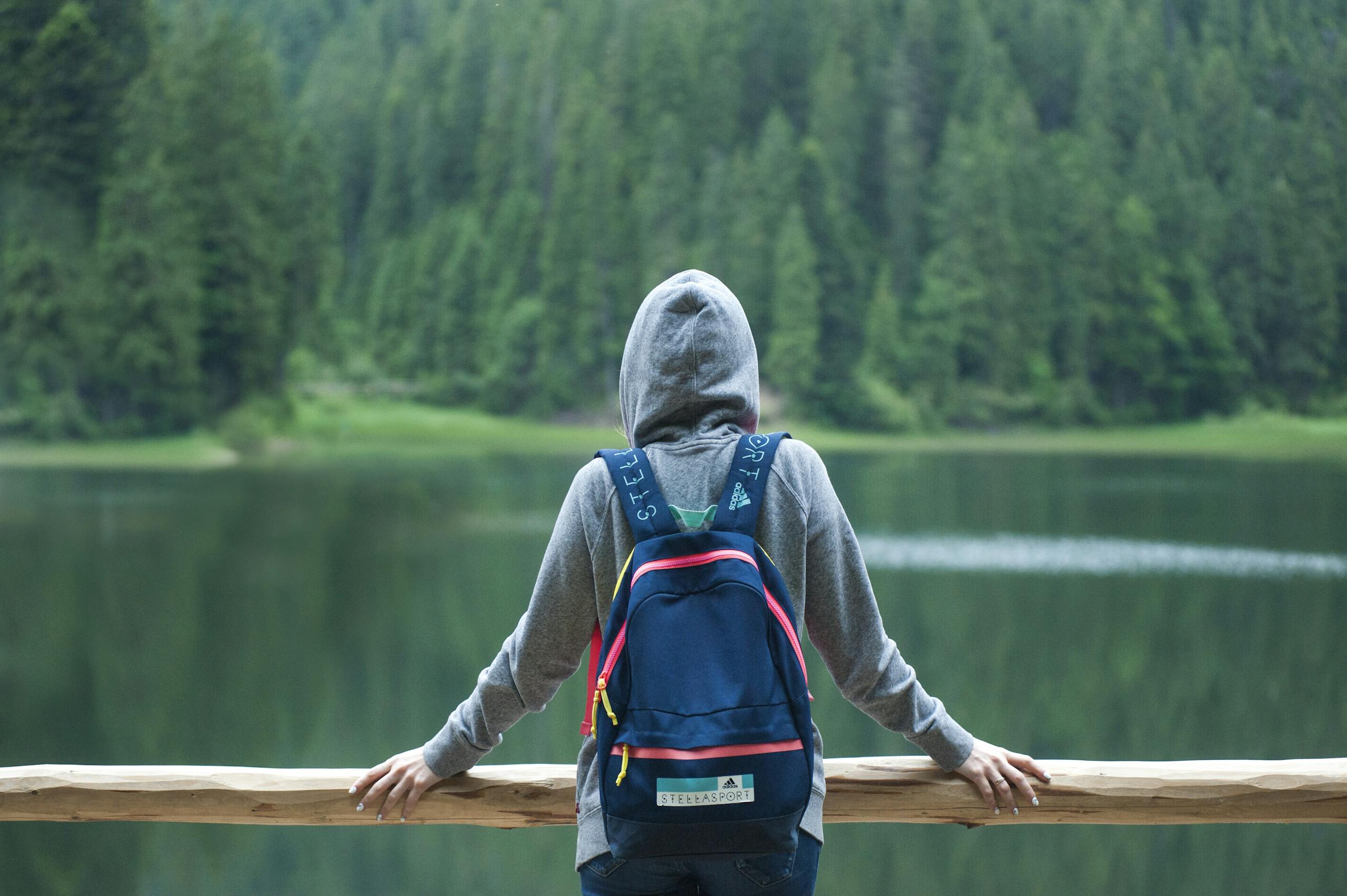
There’s something worth noting about the relationship between nature and introvert recharging. The restorative quality of outdoor solitude is something many introverts describe as qualitatively different from indoor alone time, more complete somehow, as if the scale of the natural world provides a kind of perspective that four walls can’t.

What About When the People You Love Are the Problem?
This is the part that gets complicated, and it deserves honesty.
Sometimes the obstacle to alone time isn’t a demanding job or a chaotic schedule. It’s a partner who experiences your need for solitude as withdrawal. A parent who reads your closed door as rejection. A friend who takes your canceled plans personally. The people who love you most can sometimes be the biggest barrier to the quiet you need.
I’ve watched this dynamic play out in my own life and in conversations with people who’ve reached out through this site. The introvert feels guilty for needing space. The partner or family member feels hurt by the request. Neither person is wrong, exactly. They’re just operating from different baseline needs, and nobody taught them how to negotiate that gap.
Psychology Today’s coverage of solitude and health makes a point worth sharing with the people in your life: choosing solitude is not the same as rejecting connection. Introverts who get adequate alone time are generally more present, more patient, and more genuinely engaged when they are with others. The solitude isn’t a retreat from relationship. It’s what makes relationship sustainable.
That reframe can help, though it takes repetition. You may need to have the same conversation more than once. You may need to demonstrate over time that you come back from your alone time more available, not less. That evidence tends to be more persuasive than any amount of explaining.
It’s also worth distinguishing between loneliness and solitude, a distinction that often gets muddled in these conversations. Harvard Health’s analysis of loneliness versus isolation draws a clear line between the two: loneliness is an unwanted absence of connection, while solitude is a chosen, restorative state. You can be alone without being lonely. You can be surrounded by people and feel profoundly isolated. The two experiences have almost nothing to do with each other.
How Does Sleep Fit Into the Alone Time Equation?
One thing the MetaFilter thread touched on that I found particularly resonant was the number of people who described staying up late, long after everyone else in their household had gone to bed, just to have a few hours to themselves. Late-night solitude as the only solitude available.
I did this for years. Agency life meant my days were rarely my own, so my evenings became the space where I could finally exhale. The problem, as anyone who’s done this knows, is that you pay for it the next morning. And sleep-deprived introverts are worse at everything: more reactive, less creative, more easily overwhelmed by exactly the kind of stimulation that already taxes them.
The connection between sleep and introvert recovery is real and worth taking seriously. Rest and recovery strategies for highly sensitive people address this directly, and many of the principles apply broadly to introverts who are running chronically depleted. Quality sleep isn’t separate from the alone time question. For many introverts, it’s the foundation everything else rests on.
If you’re sacrificing sleep to get solitude, that’s a sign the daytime structure of your life needs to change, not a sustainable long-term solution. The quiet hours after midnight feel like freedom, but they’re borrowed time, and the debt comes due.

What Does Productive Alone Time Actually Look Like?
There’s a version of this conversation that implies alone time is only valuable if you’re doing something with it. Journaling, meditating, creating, strategizing. That framing is worth pushing back on.
Some of my most restorative alone time over the years has looked, from the outside, like nothing at all. Sitting with a cup of coffee watching the light change. Reading something with no practical application. Letting my mind wander without directing it anywhere in particular. That kind of unstructured quiet isn’t wasted time. It’s often where my best thinking eventually surfaces, without me forcing it.
That said, there are practices that many introverts find particularly nourishing during solitude. Daily rituals that create a reliable container for alone time, rather than leaving it to chance, tend to make a real difference. Essential daily self-care practices for sensitive people offer a useful starting point if you’re trying to build more intentional structure around your solitude, rather than just hoping for it.
The Mac Alone Time framework is another angle worth considering, particularly for introverts who struggle with the guilt of “doing nothing.” The Mac alone time approach reframes solitude as a legitimate and necessary part of a functioning life, not a reward you have to earn by being sufficiently productive first. That shift in framing matters more than most people realize.
What I’ve come to believe, after years of treating my own solitude as something to apologize for or justify, is that the most important thing about alone time isn’t what you do during it. It’s that you protect it consistently enough that your nervous system learns it can count on it. Predictable solitude is qualitatively different from stolen solitude. One restores you. The other just keeps you slightly less depleted than you’d otherwise be.
Is There a Point Where Wanting Alone Time Becomes a Problem?
This question comes up a lot, and it deserves a straight answer.
Wanting solitude is healthy. Needing solitude to function is normal for introverts. Neither of those things is a problem. Where it can tip into something worth paying attention to is when the desire for alone time is driven by anxiety, avoidance, or depression rather than genuine restorative need.
There’s a difference between choosing solitude because it genuinely restores you and retreating from life because engagement feels too frightening or too painful. The former leaves you feeling better. The latter tends to leave you feeling worse, more isolated, more disconnected, more convinced that the world outside your door is too much to handle.
Research published in Frontiers in Psychology examining solitude and wellbeing points to voluntary solitude as broadly positive, while noting that the quality of the experience, whether it feels chosen and restorative or forced and isolating, shapes the outcome significantly.
The CDC’s work on social connectedness and health risk factors is a useful reminder that humans, including introverted ones, are social creatures with genuine needs for connection alongside their needs for solitude. success doesn’t mean minimize contact with other people. It’s to find the right ratio for your particular nervous system, and then defend it.
If you’re finding that solitude no longer restores you, or that you’re using it to avoid something rather than to replenish yourself, that’s worth exploring, ideally with a therapist who understands introversion and doesn’t treat the need for quiet as the problem itself.
What Can You Do Right Now If You’re Running on Empty?
If you’ve been reading this in a state of quiet recognition, nodding along because you are genuinely depleted and not sure how to change it, here’s where I’d start.
First, stop treating alone time as optional. It isn’t. It’s as essential to your functioning as sleep and food, and you wouldn’t negotiate those away indefinitely out of politeness or guilt.
Second, pick one concrete change you can make this week. Not a complete restructuring of your life. One thing. A morning walk before anyone else is awake. A lunch break spent alone instead of at your desk with colleagues. A single evening protected from plans. Small and consistent beats ambitious and abandoned.
Third, have the conversation you’ve been avoiding. Whether that’s with a partner, a roommate, a boss, or yourself, name the need clearly and without apology. You don’t need to justify needing air to breathe. You don’t need to justify this either.
One of the most freeing realizations I’ve had in the years since I stopped trying to perform extroversion is that the people who matter most in my life are better served by a version of me who has had adequate solitude than by a version of me who is perpetually present but increasingly hollow. My best work, my clearest thinking, my most genuine connection with other people, all of it has come from a place of having first spent time alone.
Emerging research on introversion and psychological functioning continues to support what many introverts have known intuitively for years: the architecture of the introvert mind is not a deficit to overcome. It’s a different way of processing a world that wasn’t designed with you in mind. Solitude is how you maintain that architecture. It deserves to be protected accordingly.
If you want to go deeper on the full range of practices that support introvert recharging, from solitude to sleep to self-care rituals, the Solitude, Self-Care and Recharging hub is where I’d point you next. Everything you need to build a life that actually works for the way you’re wired is there.
About the Author
Keith Lacy is an introvert who’s learned to embrace his true self later in life. After 20 years in advertising and marketing leadership, including running agencies and managing Fortune 500 accounts, Keith now channels his experience into helping fellow introverts understand their strengths and build fulfilling careers. As an INTJ, he brings analytical depth and authentic perspective to every article, drawing from both professional expertise and personal growth.
Frequently Asked Questions
How much alone time do introverts actually need?
There’s no universal number, and anyone who gives you one is guessing. The honest answer is that you need enough to feel restored rather than depleted, and that amount varies by person, by season of life, and by how socially demanding your days are. A useful starting point is noticing when you start feeling irritable, scattered, or emotionally flat, and working backward to identify how long it’s been since you had genuine solitude. That gap is usually more telling than any prescribed amount.
Is it selfish to prioritize alone time when people in your life want to spend time with you?
No. Protecting your solitude is not a rejection of the people you love. It’s what makes you capable of genuinely showing up for them. An introvert running on empty is less patient, less present, and less emotionally available than one who has had adequate time to recharge. Framing alone time as selfish misunderstands the relationship between rest and connection. You cannot sustainably give what you haven’t first replenished.
What’s the difference between needing alone time and being antisocial?
Needing alone time is about energy management. Antisocial behavior involves hostility toward or active avoidance of social connection. Most introverts enjoy connection and value their relationships deeply. They simply require recovery time after social engagement in a way that extroverts don’t. An introvert who needs two hours of quiet after a dinner party is not antisocial. They’re processing the evening in the way their nervous system requires.
How do you explain your need for alone time to a partner who doesn’t understand introversion?
Concrete and specific tends to work better than abstract. Rather than saying “I need space,” try explaining what happens when you don’t get it: you become irritable, you struggle to concentrate, you feel increasingly overwhelmed. Then connect the dots: alone time isn’t about not wanting to be with them. It’s what allows you to be genuinely present when you are with them. Many partners respond well to that framing once they understand the mechanism, rather than interpreting the request as emotional distance.
Can introverts get enough alone time even in very social jobs or living situations?
Yes, though it requires more intentionality. what matters is finding micro-moments of solitude within demanding environments: a lunch break spent alone, a commute without podcasts or calls, a morning routine that starts before the household wakes up. These smaller windows don’t replace longer periods of genuine solitude, but they can prevent the kind of acute depletion that makes everything harder. Over time, even small consistent pockets of alone time accumulate into something meaningful.