
Going without alone time as an introvert isn’t just inconvenient. It’s a slow erosion of something essential, like trying to function without sleep and wondering why everything feels harder than it should. When the quiet moments disappear from your days, you don’t just feel tired. You start to lose the thread of who you actually are.
If you’ve been saying “I never have alone time anymore” and brushing it off as a minor complaint, it’s worth taking seriously. Solitude isn’t a luxury for introverts. It’s the mechanism through which we process experience, recover from social demands, and reconnect with our own thinking. Without it, something fundamental breaks down.
Solitude, self-care, and genuine recovery are deeply connected for people wired the way we are. Our Solitude, Self-Care and Recharging hub covers the full landscape of what it means to protect your energy as an introvert, and this piece goes straight to the heart of what happens when that protection disappears entirely.
Why Does Losing Alone Time Feel So Catastrophic for Introverts?
There’s a particular kind of desperation that sets in when you haven’t had a quiet hour to yourself in days. Other people might not understand it. They’ll say things like “you were just sitting in the car alone for twenty minutes” or “we didn’t even talk that much at dinner.” They’re not wrong about the facts. What they’re missing is that proximity isn’t the same as solitude, and surface-level quiet isn’t the same as genuine alone time.
What’s your personality type?
Take our free 40-question assessment and get a detailed personality profile with dimension breakdowns, context analysis, and personalised insights.
Discover Your Type8-12 minutes · 40 questions · Free
For introverts, alone time serves a specific neurological and psychological function. Our brains process social interaction differently. We’re not antisocial, we’re inward-processing. Social engagement, even enjoyable social engagement, draws from a finite internal reserve. Solitude is how that reserve gets rebuilt. Without it, we’re operating on a deficit that compounds over time.
I saw this play out clearly during a particularly brutal stretch at my agency. We’d landed a major automotive account, which sounds like a win, and it was, but it came with a six-week sprint of back-to-back client meetings, internal reviews, and team check-ins. My calendar was a wall of orange blocks from 8 AM to 6 PM, and evenings were spent on calls with the client’s East Coast team. I was performing well on the outside. Inside, I felt like I was dissolving. My thinking got foggy. My patience thinned. I started dreading conversations I would normally have found interesting. That’s what sustained social saturation does to an INTJ who hasn’t had space to think in weeks.
The effects aren’t just emotional. Research published in PubMed Central has examined how voluntary solitude, time alone chosen intentionally rather than imposed, is associated with improved emotional regulation and reduced stress. The operative word is “voluntary.” Being surrounded by people who mean well is still being surrounded by people. It still costs something.
What Actually Happens to Your Mind and Body When Solitude Disappears?
Most introverts can feel the warning signs before they can name them. A low-grade irritability that seems disproportionate to whatever triggered it. Difficulty finishing thoughts. A strange flatness in things that normally bring pleasure. A sense of watching yourself from a slight distance, like you’re present but not quite inhabiting your own life.
These aren’t personality flaws. They’re symptoms. And they tend to escalate the longer the deprivation continues. My piece on what happens when introverts don’t get alone time maps out this progression in detail, because understanding the stages matters. What starts as irritability can slide into genuine exhaustion, then into something that starts to look like anxiety or depression if the pattern goes on long enough.
Physically, chronic overstimulation takes a toll. Sleep quality often suffers first. An overstimulated nervous system doesn’t simply switch off at bedtime. You lie there replaying conversations, running mental inventories of tomorrow’s demands, unable to find the quiet that sleep requires. If you’re also highly sensitive, the physical dimension of this gets amplified considerably. HSP sleep and recovery strategies address this specifically, because for highly sensitive people, poor sleep and insufficient solitude create a feedback loop that’s genuinely difficult to interrupt.
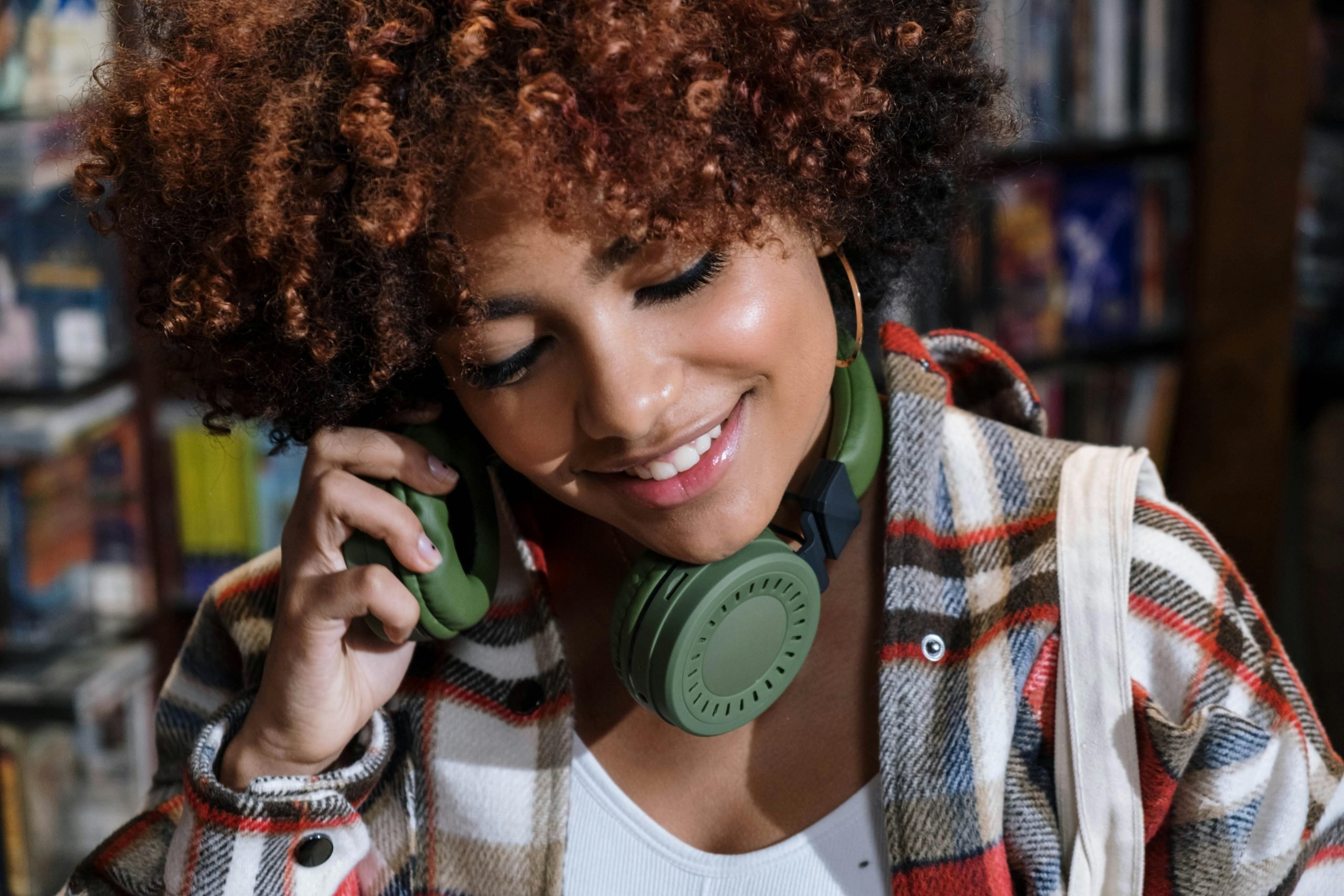
Beyond sleep, the cognitive effects are real. Introverts tend to do their best thinking in quiet, unhurried mental space. Strip that away and you’re not just tired, you’re functionally less capable. Decision quality drops. Creative thinking stalls. The ability to see patterns, which is often a genuine strength for introverts, gets muddied when the mental environment is too noisy. The Greater Good Science Center at Berkeley has explored the connection between solitude and creative capacity, noting that time alone gives the mind room to make the associative leaps that social environments tend to interrupt.
There’s also an identity dimension that doesn’t get talked about enough. Introverts tend to know themselves through internal reflection. We process our own values, preferences, and responses in the quiet. When that quiet is consistently absent, self-knowledge starts to blur. You stop being sure what you actually think about things because you haven’t had time to think about them without external input shaping the outcome.
Why Is It So Hard to Protect Alone Time in Modern Life?
There’s a particular cultural pressure that makes claiming alone time feel selfish. We live in an era that valorizes constant connection, perpetual availability, and visible productivity. Taking time to be alone, genuinely alone, not multitasking, not scrolling, not “catching up” on something, reads to many people as withdrawal or laziness or social failure.
For introverts, this creates a painful bind. We know we need solitude. We feel the deficit acutely. Yet we’ve often internalized enough of the dominant extroverted cultural message that we feel guilty claiming it. I spent years in advertising where the open-plan office was a point of pride. Collaboration was the stated ideal, which meant that sitting quietly at a desk with headphones on was subtly coded as not being a team player. I adapted. I got good at performing availability even when every instinct was screaming for a closed door and two hours of uninterrupted thought.
Relationships add another layer of complexity. Partners, children, friends, and family all have legitimate claims on your time and presence. Saying “I need to be alone tonight” can feel like a rejection, even when it’s anything but. The introvert ends up managing not just their own energy but the emotional response of the people around them to their need for space. That management itself is exhausting.
Work-from-home arrangements, which many introverts initially welcomed as a reprieve from open offices, have paradoxically made some of this worse. When home becomes the office, the physical boundary that used to separate “on” from “off” disappears. Partners or family members are present. Notifications don’t stop. The commute, which for many introverts was genuinely useful decompression time, is gone. The result is a kind of ambient availability that never fully switches off.
The CDC’s work on social connectedness reminds us that isolation and solitude are genuinely different things. Involuntary isolation carries real health risks. Chosen solitude, by contrast, is a restorative practice. The distinction matters, but it gets lost in conversations that treat all time-alone as inherently problematic.
How Do You Reclaim Alone Time When Life Feels Completely Full?
The honest answer is that reclaiming solitude usually requires treating it with the same seriousness you’d give any other non-negotiable commitment. Not as something you’ll get to when the schedule clears, because the schedule rarely clears on its own. As something you protect proactively, even when it’s inconvenient.
What that looks like in practice varies enormously. For some people it’s a morning ritual before anyone else is awake. For others it’s a lunch hour spent genuinely alone rather than eating at the desk while answering emails. Some people need a dedicated room with a door that closes. Others find that a walk, taken without earbuds and without a destination, provides the quality of mental space they need.

Nature is worth mentioning specifically here. There’s something about being outdoors, away from screens and human noise, that provides a particular quality of restoration that indoor solitude doesn’t always replicate. The healing power of nature for sensitive people speaks to this directly. Even a short time in a natural setting can shift the internal state in ways that feel disproportionate to the time invested. I’ve taken ten-minute walks around the block during brutal agency days and come back noticeably more capable of thinking clearly.
There’s also the question of quality versus quantity. An hour of genuine solitude, phone off, no half-tasks running in the background, is worth more than three hours of technically being alone while mentally processing the day’s interactions. What you’re looking for is the kind of quiet where your own thoughts can actually surface and settle. That requires some intentionality about how you structure the time, not just carving it out but actually inhabiting it.
One thing I’ve learned is that communicating the need clearly matters as much as actually finding the time. For years I’d disappear into my office at home without explanation, and my family would read it as mood or withdrawal. When I started framing it honestly, “I’ve been on all day and I need an hour to decompress before I can be present with you,” the dynamic shifted. People who care about you generally want to understand what you need. They just can’t meet a need they don’t know exists.
What Does Healthy Solitude Actually Look Like in Practice?
Healthy solitude isn’t just the absence of other people. It’s an active state of being with yourself in a way that allows genuine restoration. That distinction is worth sitting with, because a lot of introverts are technically alone but not actually resting. We’re ruminating. We’re reviewing. We’re mentally rehearsing conversations or replaying what went wrong in the 2 o’clock meeting. That’s not restorative solitude. That’s social overstimulation continuing in a different room.
Genuinely restorative alone time tends to involve some element of absorption in something that engages the mind without draining it. Reading, creative work, physical movement, listening to music, sitting quietly with a cup of coffee and no agenda. The specific activity matters less than the quality of presence it creates. You’re not performing for anyone. You’re not managing anyone’s expectations. You’re simply being, without the layer of social self-monitoring that most introverts maintain constantly in company.
For highly sensitive introverts, building a consistent daily structure around solitude is less optional than it is for others. Essential daily self-care practices for HSPs emphasize regularity precisely because the nervous system benefits from knowing that restoration is coming. It’s harder to white-knuckle through an overstimulating day when you have no idea when the next quiet moment will arrive. Knowing that you have protected time, even if it’s just thirty minutes in the morning, changes how you hold the rest of the day.
I built a version of this into my agency life eventually. Regardless of what the day held, I kept my first hour in the morning clear. No meetings before 9:30. That hour was mine to think, plan, write, or simply sit with coffee and let my mind settle before the demands started. It wasn’t always possible during crunch periods, and on the days it got swallowed by an early client call, I felt the difference immediately. That hour wasn’t indulgence. It was infrastructure.
There’s also a meaningful difference between being alone and feeling alone. Harvard Health’s examination of loneliness versus isolation draws this out clearly. Solitude chosen freely and inhabited with intention is a fundamentally different experience from isolation that feels imposed or punishing. The introvert who takes a solo walk because they need to think is in a completely different psychological state than the person who is alone because they feel disconnected from everyone around them. Both involve physical aloneness. The internal experience couldn’t be more different.
What If the People in Your Life Don’t Understand Your Need for Solitude?
This might be the most practically difficult piece of all of this. You can understand your own need for solitude with complete clarity and still find it nearly impossible to protect when the people around you interpret it as rejection, indifference, or something to fix.
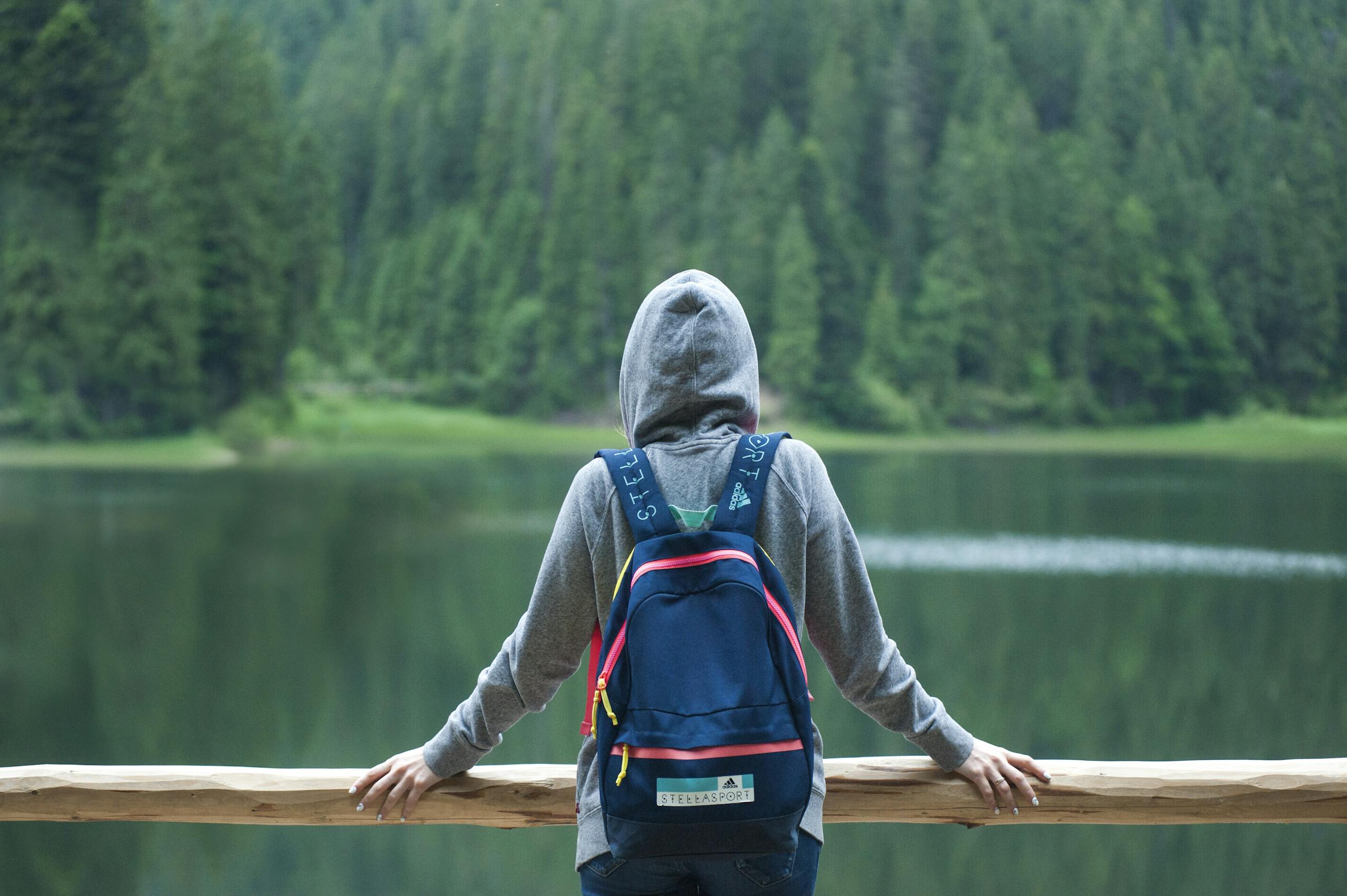
Partners who are more extroverted often experience an introvert’s withdrawal as a signal that something is wrong in the relationship. Children, especially younger ones, have no framework for understanding why a parent needs to be in a room alone. Colleagues may read solitary lunch breaks as unfriendliness. The introvert ends up in the position of constantly justifying a need that feels as basic and obvious as needing food or sleep.
What tends to help is shifting the conversation from absence to presence. When I take time to recharge properly, I’m genuinely more available to the people in my life afterward. I’m more patient. More engaged. More capable of actually listening rather than nodding while mentally somewhere else. The alone time isn’t a retreat from connection. It’s what makes connection possible. Framing it that way, not as “I need to get away from you” but as “this is how I come back to you,” changes the dynamic considerably.
The essential need for solitude among highly sensitive people addresses this relational dimension thoughtfully, because the need doesn’t exist in a vacuum. It exists inside relationships and families and workplaces, and handling it requires both self-advocacy and some capacity for helping others understand what’s actually happening.
One thing worth acknowledging is that this is genuinely hard. There’s no framing that makes every partner or family member immediately comfortable with your need for space. Some relationships require ongoing negotiation. Some workplaces will never fully accommodate it. Research published in Frontiers in Psychology has explored how solitude preferences interact with relationship quality, and the findings suggest that the quality of alone time matters as much as the amount, which is useful when you’re working within constraints that limit how much time you can actually claim.
Can Small Pockets of Solitude Actually Make a Difference?
When your life is genuinely full, the idea of protecting large blocks of alone time can feel laughable. You’re not going to carve out a weekend retreat when you have two kids, a demanding job, and a partner who also needs your attention. So the question becomes whether smaller, more frequent pockets of solitude can actually move the needle, or whether you’re just kidding yourself.
My honest experience is that they can, but only if you treat them as real rather than as consolation prizes. Five minutes of genuine solitude, phone face-down, no half-tasks, actually present with yourself, is worth more than an hour of technically-alone-but-actually-still-on. The nervous system responds to quality of presence, not just duration.
There’s something worth learning from people who’ve made solitude work in unconventional contexts. Mac’s approach to alone time is a good example of finding solitude in unexpected places, which is often what’s required when the obvious routes are blocked. Solitude isn’t always a room with a closed door. Sometimes it’s a specific kind of attention you bring to an ordinary moment.
What I’ve found is that micro-moments of solitude work best when they’re consistent and protected, even when they’re brief. A ten-minute walk at the same time every day builds something that a random hour grabbed occasionally doesn’t. The nervous system learns that quiet is coming. That anticipation itself is calming. You stop holding your breath through the overstimulating parts of the day because you know when the exhale is coming.
Solo time in transit can also be genuinely restorative if you let it be. Many introverts report that commutes, even stressful ones, provided a useful buffer between work-self and home-self. If that buffer has disappeared from your life, it might be worth thinking about how to recreate it artificially, even if that means sitting in the parked car for five minutes before going inside, or taking the long route home on foot when you can.
Psychology Today’s coverage of solitude and health makes a useful point about the cumulative effect of small restorative practices. No single moment of quiet fixes sustained depletion. But consistent, intentional solitude, even in modest amounts, creates a different baseline. You’re not recovering from a deficit. You’re maintaining a reserve.

How Do You Know When You’ve Finally Had Enough Alone Time?
There’s a particular feeling that signals genuine restoration, and once you’ve experienced it enough times, you start to recognize it reliably. It’s not just the absence of exhaustion. It’s a return of genuine curiosity. A willingness to engage. A sense that your own thinking has texture and direction again rather than just being noise.
For me, the clearest signal has always been the return of what I’d call productive interiority. When I’ve had enough alone time, I start generating ideas again. Connections form between things I’ve been observing. Problems that felt stuck start to move. That’s the INTJ engine running the way it’s supposed to, and it only runs that way when it’s had space to operate without constant interruption.
The other signal is emotional availability. After genuine restoration, I find myself actually wanting to engage with the people in my life rather than just tolerating it. That shift is significant. It means the reserve has been rebuilt. The introvert who dreads every social interaction isn’t fundamentally antisocial. They’re depleted. Fill the reserve and the dread lifts.
What this means practically is that success doesn’t mean maximize alone time for its own sake. It’s to find the amount that keeps you functioning as your actual self rather than a depleted version of it. That amount varies by person and by season of life. It changes when your circumstances change. The skill is learning to read your own signals accurately enough to know when you’re running low and act before you hit empty.
Solo time in nature tends to accelerate the restoration process for many introverts. Psychology Today’s exploration of solo time as a restorative practice touches on why being alone in natural or novel environments can produce a quality of reset that’s harder to achieve at home, where the visual cues of undone tasks and domestic demands are always present.
If you’ve been running on empty for a while, it’s also worth being patient with the restoration process. A single quiet evening won’t undo weeks of sustained overstimulation. Recovery takes time. What matters is establishing the conditions that allow it to happen, and then protecting those conditions consistently rather than treating them as a one-time fix.
There’s more to explore on this topic across the full range of what it means to genuinely care for yourself as an introvert. Our Solitude, Self-Care and Recharging hub brings together everything from daily practices to sleep strategies to the specific challenges highly sensitive introverts face in protecting their energy.
About the Author
Keith Lacy is an introvert who’s learned to embrace his true self later in life. After 20 years in advertising and marketing leadership, including running agencies and managing Fortune 500 accounts, Keith now channels his experience into helping fellow introverts understand their strengths and build fulfilling careers. As an INTJ, he brings analytical depth and authentic perspective to every article, drawing from both professional expertise and personal growth.
Frequently Asked Questions
Is it normal to feel desperate for alone time as an introvert?
Completely normal, and worth taking seriously rather than dismissing. Introverts restore their energy through solitude, not social interaction. When alone time disappears from your life, the resulting depletion is real, not dramatic. Many introverts describe the feeling as urgency rather than preference, which accurately reflects what’s happening neurologically. Your system is signaling a genuine need, not a personality quirk.
How do I explain my need for alone time to my partner without it feeling like rejection?
Framing matters enormously here. Shifting the conversation from “I need to get away” to “this is how I come back to you more fully present” changes the dynamic. Be specific about what you need and why, rather than leaving your partner to interpret the withdrawal. Many couples find that agreeing on a consistent structure, a protected hour each evening, for example, works better than ad hoc requests, because it removes the guesswork and the sense that alone time is a response to something they did.
Can short periods of alone time actually help, or do I need large blocks of time?
Short periods can be genuinely restorative if they’re consistent and treated as real rather than as leftovers. The quality of attention matters more than the duration. Five minutes of genuine solitude, fully present with yourself and without competing demands, can shift your internal state meaningfully. what matters is regularity. Brief daily solitude that your nervous system learns to anticipate builds a different kind of resilience than occasional longer stretches grabbed unpredictably.
What’s the difference between needing alone time and being antisocial?
Needing alone time is about energy management, not social preference. Introverts can genuinely enjoy and value connection with other people while also needing regular solitude to function well. Antisocial behavior involves actively avoiding or being hostile toward social interaction. An introvert who loves their friends but needs two hours of quiet after a dinner party isn’t antisocial. They’re simply wired to process social experience differently and require recovery time that extroverts typically don’t.
How do I protect alone time when my schedule is genuinely packed?
Treat it as a non-negotiable commitment rather than something you’ll get to when things calm down, because things rarely calm down on their own. Start small and be consistent. A protected morning hour before others wake, a lunch break spent genuinely alone, a walk without earbuds at the end of the day. Communicate your needs clearly to the people around you so they’re not interpreting your boundaries as mood or withdrawal. And accept that some periods of life are genuinely harder than others. The goal isn’t perfect solitude every day. It’s enough, consistently, to keep the reserve from hitting empty.