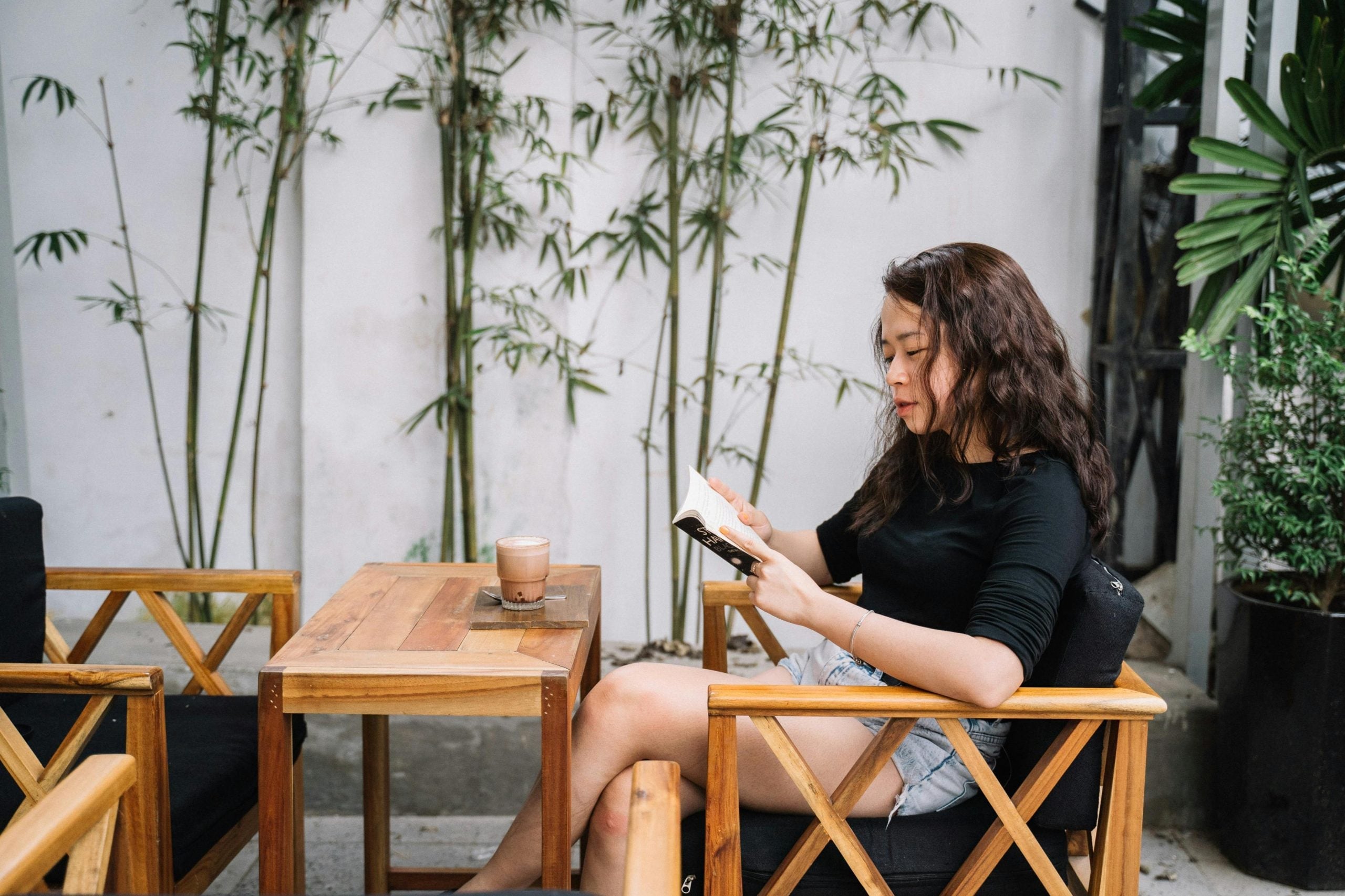

Introversion and extreme sensitivity are not separate quirks that happen to coexist in the same person. For many of us, they are two expressions of the same underlying wiring: a nervous system that processes experience deeply, absorbs more than most, and genuinely requires solitude to recover, think, and feel whole again. Alone time isn’t a preference or a luxury in this context. It’s a biological and psychological necessity.
What took me years to accept is that this combination, introversion layered with heightened sensitivity, isn’t a liability to manage. It’s a lens that sharpens perception, deepens empathy, and fuels the kind of careful, considered thinking that produces real insight. The problem was never the sensitivity itself. The problem was the environment that treated it like a weakness.
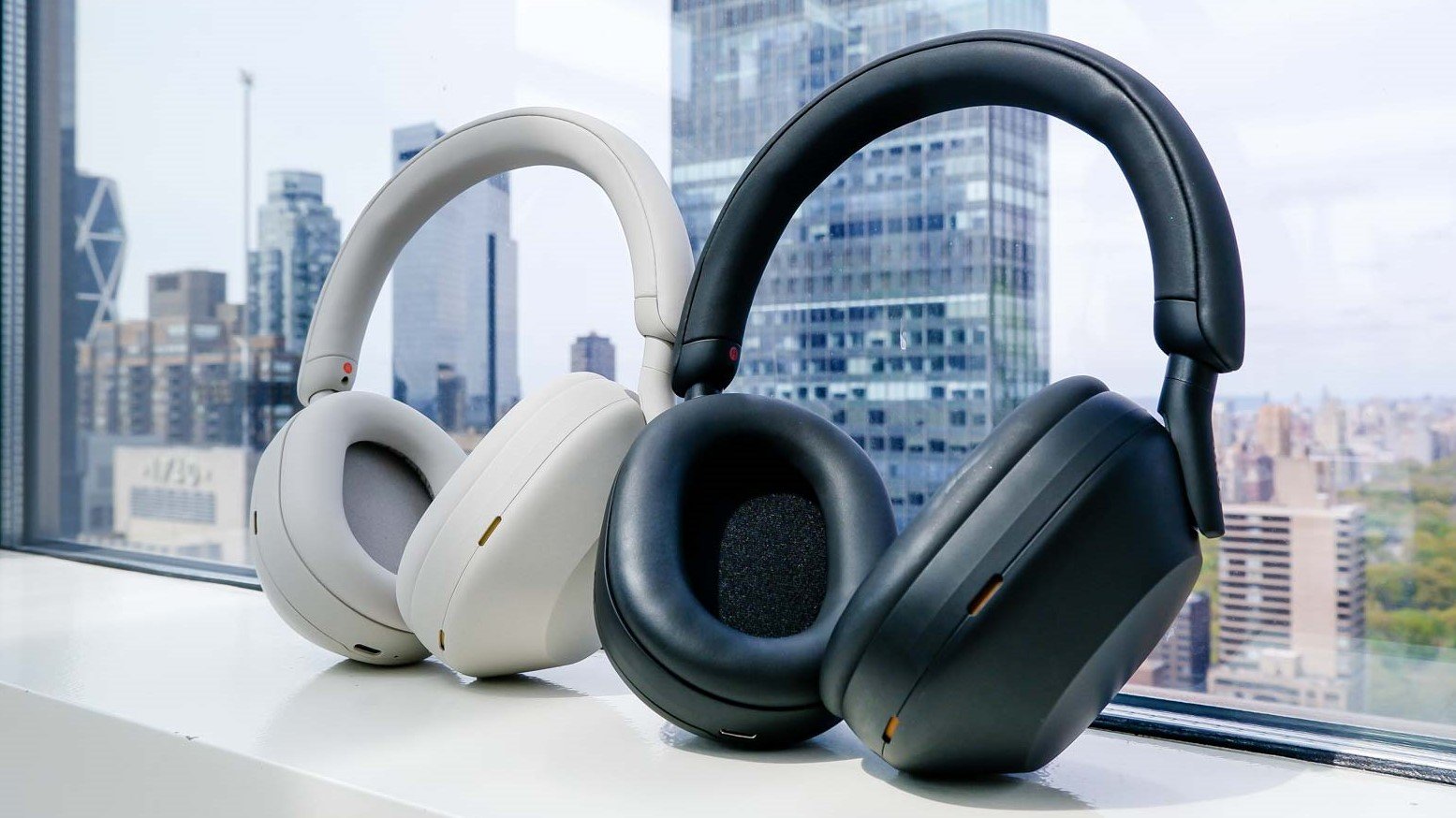
If you’re someone who feels things intensely, notices what others miss, and finds crowded or noisy environments genuinely draining rather than merely inconvenient, you’re in the right place. Our Solitude, Self-Care & Recharging hub is built around exactly this kind of inner life, covering everything from daily recovery practices to the deeper psychology of why alone time isn’t optional for people wired like us.
What Does It Actually Mean to Be an Introvert with Extreme Sensitivity?
Introversion, at its core, describes where you draw your energy. Introverts recharge through solitude and are drained by prolonged social interaction. That’s the standard definition, and it’s accurate as far as it goes. But extreme sensitivity adds another dimension entirely.
What’s your personality type?
Take our free 40-question assessment and get a detailed personality profile with dimension breakdowns, context analysis, and personalised insights.
Discover Your Type8-12 minutes · 40 questions · Free
Elaine Aron’s research on Highly Sensitive Persons, or HSPs, identified a trait called sensory processing sensitivity: a deeper processing of stimuli, both external and internal. HSPs notice subtleties in their environment, feel emotions more intensely, and are more easily overwhelmed by high stimulation. Many HSPs are also introverts, though not all introverts are HSPs.
When you combine the two, you get something specific. You’re not just someone who prefers quiet. You’re someone whose entire system, perceptual, emotional, and cognitive, is calibrated to a finer frequency than most. A loud open-plan office isn’t merely annoying. It’s genuinely exhausting. A tense meeting doesn’t just feel uncomfortable. It lingers in your body for hours afterward. A casual comment from a colleague lands with more weight than the person who said it probably intended.
I spent the first decade of my advertising career treating this as a personal failing. Running agencies means managing people, pitching clients, handling conflict, absorbing pressure, and doing it all in fast, loud, high-stakes environments. I watched extroverted colleagues seem to thrive on the chaos. I assumed my need to decompress after a big client presentation meant I wasn’t cut out for leadership. What I didn’t understand then is that I was processing those experiences at a fundamentally different depth. That depth had real value. It just came with real costs if I didn’t honor what my system needed afterward.
Why Do Introverts with High Sensitivity Need More Alone Time Than Others?
The short answer is that more input requires more processing time. But the fuller picture is worth sitting with.
When you move through the world absorbing more, noticing more, and feeling more, your cognitive and emotional resources deplete faster. Social interaction, even pleasant interaction, generates more internal activity for someone with this combination than it does for someone with a less sensitive nervous system. You’re not just tracking the conversation. You’re reading the room, sensing undercurrents, noticing the slight tension in someone’s voice, and filtering all of it through your own emotional response simultaneously.
That’s a lot of parallel processing. And it doesn’t stop when you leave the room.
One of the more honest pieces I’ve written on this site explores what happens when introverts don’t get alone time, and the effects are more serious than most people realize. Irritability, difficulty concentrating, emotional flooding, physical tension, and a growing sense of being fundamentally out of sync with yourself. For someone with high sensitivity layered on top of introversion, those effects arrive faster and hit harder.
I remember a stretch during a major agency merger, probably eighteen months of near-constant meetings, negotiations, and team restructuring. My alone time essentially evaporated. I told myself I’d catch up on rest on weekends. But I was so depleted by Friday that weekends barely made a dent. By month eight, I was making decisions I’d normally never make, reacting instead of thinking, missing things I would have caught when I was functioning at full capacity. The sensitivity that made me good at reading clients and anticipating problems was offline because I’d given it nothing to run on.
Alone time, for people like us, isn’t downtime. It’s maintenance. It’s the interval during which everything you’ve absorbed gets sorted, integrated, and released so you can show up fully again.
Is There a Difference Between Healthy Solitude and Avoidance?
Yes, and it’s worth being honest about this distinction because it matters.
Healthy solitude is restorative. You emerge from it clearer, calmer, and more capable of genuine connection. It’s the two hours on a Sunday morning with coffee and a book that leaves you feeling like yourself again. It’s the solo walk that untangles whatever got knotted during the week. It’s the quiet evening at home that resets your nervous system before a demanding day ahead.
Avoidance masquerades as solitude but doesn’t restore anything. You’re alone, but you’re also anxious, ruminating, or numbing out. You’re not processing. You’re hiding. The distinction often shows up in how you feel when you emerge from it. Healthy solitude leaves you with more capacity. Avoidance leaves you with the same problems, plus the added weight of having not dealt with them.
Solitude as a genuine psychological resource is something researchers and psychologists have been examining more seriously in recent years. Work published in Greater Good Magazine at UC Berkeley suggests that intentional time alone can support creativity, self-awareness, and emotional regulation, outcomes that sound familiar to anyone who has experienced what good alone time actually feels like.
The article on HSP solitude and the essential need for alone time goes deeper into this distinction and offers a useful framework for recognizing which kind of solitude you’re actually getting. If you find yourself retreating but not recovering, that’s worth paying attention to.
My own version of avoidance used to look very productive. I’d stay late at the agency, ostensibly working, but really just postponing the social demands of going home to a full household after an already overwhelming day. I convinced myself it was dedication. It took a therapist pointing out that I was using work as a buffer to realize I wasn’t actually recharging. I was just delaying.
How Does Extreme Sensitivity Shape the Way You Need to Spend Alone Time?
Not all solitude is created equal, especially when sensitivity is part of your makeup. The quality of your alone time matters as much as the quantity.
Someone with a highly sensitive nervous system often finds that passive consumption, scrolling through social media, watching intense or emotionally loaded content, reading news, doesn’t actually restore them. The nervous system is still receiving input. Still processing. Still reacting. The body is alone but the mind is not at rest.

What tends to work better for people with heightened sensitivity involves low-stimulation activities that allow the nervous system to genuinely downshift. Journaling. Gentle movement. Sitting in natural environments. Creative work done without pressure or deadline. Silence, actual silence, without background noise or media.
There’s a reason so many HSPs and sensitive introverts find themselves drawn to nature specifically. It offers sensory input that doesn’t demand interpretation or response. A bird doesn’t need you to say the right thing. A tree doesn’t have an agenda. The piece on HSP nature connection and the healing power of the outdoors captures this beautifully, exploring why green spaces and natural environments have such a measurable effect on nervous systems wired like ours.
Sleep is another dimension of alone time that gets underestimated. For sensitive introverts, poor sleep doesn’t just make you tired. It strips away the emotional buffering that keeps you functional in a demanding world. The HSP sleep and recovery strategies resource is one I’d point anyone to who finds that their sensitivity spikes when they’re underrested, which, in my experience, is most of us.
After the agency merger I mentioned earlier, the first thing that actually helped me recover wasn’t a vacation. It was rebuilding a consistent morning routine that gave me forty-five minutes of genuine quiet before the day started. No phone, no email, no news. Just coffee, a notebook, and whatever was on my mind. That small pocket of intentional solitude changed everything about how I moved through the rest of the day.
What Happens in Your Body When You’re Overstimulated and Under-Restored?
The effects of chronic overstimulation without adequate recovery aren’t just psychological. They show up physically, and for people with high sensitivity, the physical signals often arrive before the emotional ones do.
Tension in the shoulders and jaw. Headaches that seem to appear from nowhere. A low-grade fatigue that sleep doesn’t fully fix. Digestive disruption. Heightened startle responses. These are the body’s signals that the nervous system has been running hot for too long without a reset.
There’s a growing body of work connecting chronic stress and social overstimulation to measurable health outcomes. The CDC’s work on social connectedness and risk factors acknowledges the bidirectional relationship between our social environments and our physical health, a reminder that how we structure our time and relationships isn’t a soft concern. It has real physiological consequences.
A review published in PubMed Central examining sensory processing and emotional regulation points toward the ways that individual differences in sensory sensitivity affect how people experience and recover from stress, lending some clinical grounding to what many HSPs and sensitive introverts have known intuitively for years.
I’ve learned to read my own signals now in a way I couldn’t in my thirties. When my jaw is tight by Tuesday morning, I know I didn’t get enough real recovery over the weekend. When I find myself snapping at people I respect, that’s not a character flaw. It’s information. My system is telling me something needs to change before the week goes further off the rails.
How Do You Protect Alone Time When the World Keeps Demanding Your Presence?
This is where things get practical, and also where many sensitive introverts struggle most. Because the world, especially the professional world, is not designed around our need for recovery. It’s designed around availability, responsiveness, and visible engagement.
Protecting alone time requires something that doesn’t come naturally to most introverts: asserting the need directly, without apology, and without over-explaining it. That’s harder than it sounds when you’ve spent years absorbing the message that your need for solitude is somehow antisocial or indulgent.
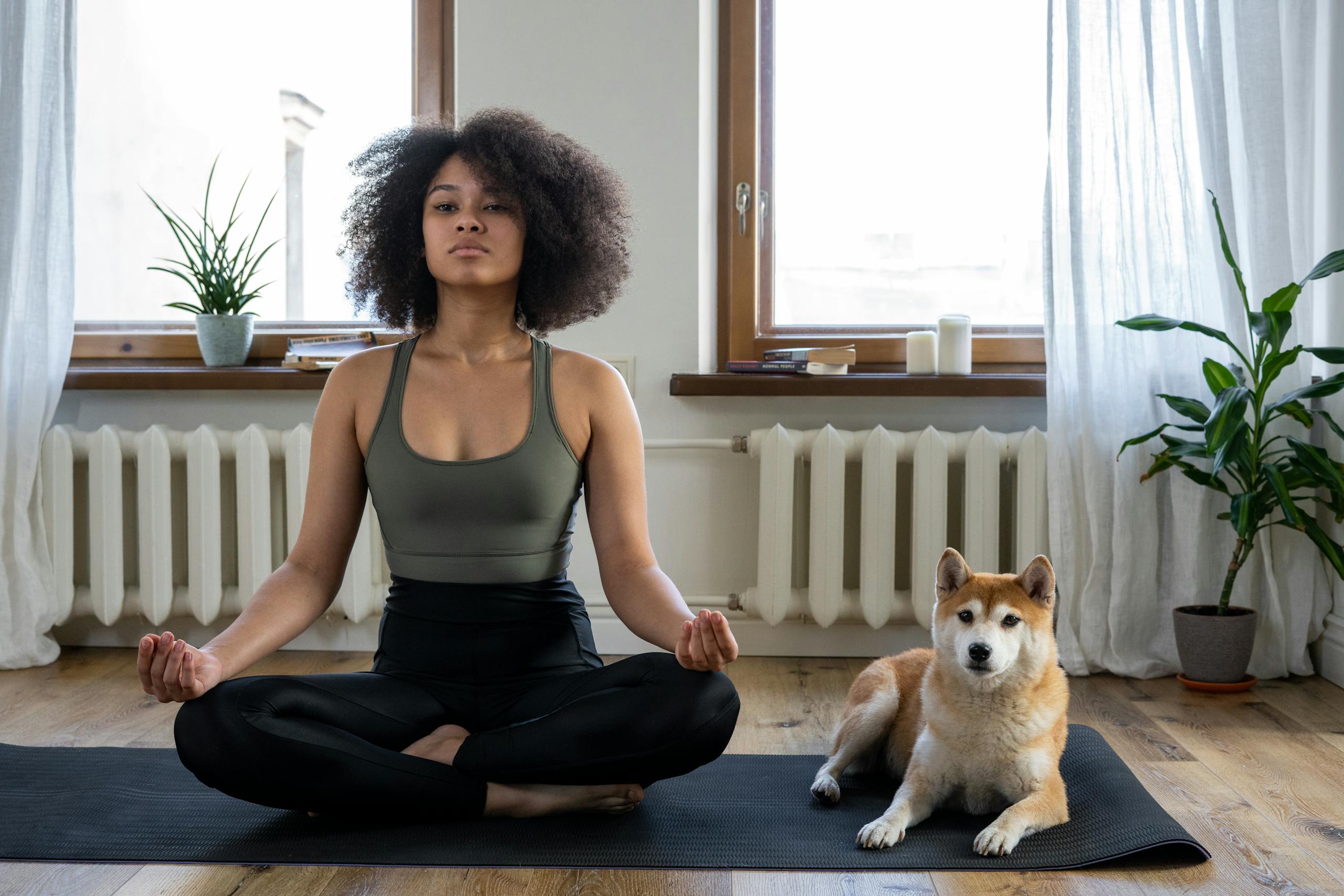
A few things that have actually worked for me over the years:
Treating recovery time as a non-negotiable appointment on my calendar, not a hope or an intention. When I ran my last agency, I blocked the first hour of every morning as a no-meeting zone. My team learned quickly that this wasn’t about being unavailable. It was about showing up better for everything that came after.
Being honest with the people closest to me about what I need, without framing it as rejection. My need to decompress after a long day isn’t about not wanting to be around the people I love. It’s about having something left to give them. That reframe changed a lot of conversations.
Building what I think of as micro-solitude into the seams of the day. A five-minute walk between meetings. Eating lunch alone twice a week. Sitting in the car for a few minutes before going into a social event. These small intervals add up and prevent the kind of full depletion that takes days to recover from.
The HSP self-care and essential daily practices resource offers a more structured look at building these kinds of habits into a sustainable routine, especially for people who tend to put their own needs at the bottom of the list until they have no choice but to deal with them.
There’s also something worth saying about permission. Many sensitive introverts I’ve talked to over the years don’t struggle primarily with strategy. They struggle with giving themselves permission to need what they need. That permission has to come from inside. No one else is going to give it to you.
Can Spending Time Alone Actually Make You Better at Being With Others?
Counterintuitively, yes. And this is one of the arguments I find most useful when talking to people who see alone time as selfish or avoidant.
When a sensitive introvert is well-rested and adequately restored, their capacity for genuine connection is remarkable. The depth of attention, the ability to truly listen, the emotional attunement, these are real gifts. But they require fuel. They don’t run on empty.
A drained, overstimulated, under-restored sensitive introvert is a diminished version of themselves. Reactive rather than thoughtful. Withdrawn rather than present. Irritable rather than warm. The people around them get less, not more, when alone time gets sacrificed.
Work published in Frontiers in Psychology examining the positive functions of solitude found that intentional time alone is associated with greater emotional balance and improved quality of social interactions afterward. That aligns with what many introverts experience but rarely articulate clearly: solitude isn’t a retreat from relationship. It’s what makes real relationship possible.
I think about a creative director I managed in my last agency, an INFJ with a sensitivity level that was almost palpable in the room. She was extraordinary with clients when she was in good shape, perceptive, warm, and able to read what they actually needed beneath what they were saying. But when she was depleted, she became flat and withdrawn in exactly the moments when her gifts would have been most valuable. We worked together on building alone time into her workflow, protecting her prep time before client meetings and her recovery time after. The difference in her performance was immediate and significant. Not because she changed who she was. Because she finally had the conditions she needed to be who she was.
What About the Guilt That Comes with Needing So Much Time Alone?
Let’s name this directly because it’s real and it’s common.
Many sensitive introverts carry a persistent, low-grade guilt about their need for solitude. The feeling that they’re letting people down by not being more available. That their need for recovery is a burden on the people around them. That wanting to be alone means something is wrong with them relationally.
None of that is accurate, but it’s remarkably sticky.
Some of it comes from cultural messaging that equates availability with love and engagement with value. Some of it comes from years of being told, explicitly or implicitly, that the way you’re wired is inconvenient. Some of it comes from internalizing other people’s discomfort with your introversion as evidence that your introversion is the problem.

One piece I keep coming back to on this site is the story of Mac and alone time, which approaches this question from a different and genuinely touching angle. Sometimes it takes seeing our own need reflected in someone else’s experience to recognize that it’s not a flaw. It’s just how some of us are built.
The guilt, in my experience, tends to ease when you connect your alone time to what it actually produces. Not just rest, but better thinking, better relationships, better work. When you can see the direct line between the solitude you protect and the quality of what you bring to everything else, it becomes easier to hold the boundary without apology.
That said, the guilt doesn’t always disappear entirely. Some days I still catch myself feeling vaguely selfish for taking the morning I need. What’s changed is that I don’t let that feeling make the decision for me anymore.
A piece from Psychology Today on embracing solitude for your health makes the case that reframing solitude as a health practice rather than a social preference can help shift the internal narrative. When you treat it as something you do for your wellbeing rather than something you do instead of connecting with others, the guilt has less to grip onto.
There’s also something worth acknowledging about the difference between loneliness and chosen solitude. Harvard Health’s examination of loneliness versus isolation draws a useful distinction: loneliness is the distress of unwanted disconnection, while chosen solitude, when it genuinely restores you, is something quite different. Sensitive introverts often know this intuitively, but having it articulated clearly can help in conversations with people who conflate the two.
You can deeply value connection and still need substantial time alone. Those two things are not in conflict. They never were.
If you want to keep building on what we’ve covered here, the full Solitude, Self-Care & Recharging hub brings together everything from daily practices to deeper frameworks for understanding why your nervous system works the way it does and how to work with it rather than against it.
About the Author
Keith Lacy is an introvert who’s learned to embrace his true self later in life. After 20 years in advertising and marketing leadership, including running agencies and managing Fortune 500 accounts, Keith now channels his experience into helping fellow introverts understand their strengths and build fulfilling careers. As an INTJ, he brings analytical depth and authentic perspective to every article, drawing from both professional expertise and personal growth.
Frequently Asked Questions
Are all introverts highly sensitive?
No. Introversion and high sensitivity are related but distinct traits. Introversion describes where you draw your energy: from solitude rather than social interaction. High sensitivity, or sensory processing sensitivity, describes the depth at which your nervous system processes stimuli. Many highly sensitive people are also introverts, but some HSPs are extroverts, and many introverts don’t identify as highly sensitive. The overlap is significant but not total.
How much alone time do sensitive introverts actually need?
There’s no universal number, and anyone who gives you one is oversimplifying. The amount varies by individual, by how stimulating your environment has been, by the quality of the alone time you’re getting, and by what else is happening in your life. A useful signal is whether you feel restored after your alone time. If you’re getting time alone but still feeling depleted, the issue may be the quality of that solitude rather than the quantity. Pay attention to how you feel when you emerge from it, not just how much time you logged.
What’s the best way to explain this need to people who don’t share it?
The most effective framing I’ve found is to connect your alone time to what it produces for the relationship rather than what it takes away from it. Something like: “When I have time to decompress, I’m genuinely present with you. When I don’t, I’m physically here but mentally somewhere else.” Most people respond better to understanding what they gain from your recovery than to an explanation of your neurological wiring. Keep it concrete and relational rather than technical.
Can you be too introverted or too sensitive?
The traits themselves aren’t problems. What can become problematic is when either trait leads to chronic avoidance of things that matter to you, significant impairment in daily functioning, or persistent distress that doesn’t improve with self-care. If your sensitivity or your need for solitude is preventing you from building the life you want, that’s worth exploring with a therapist who understands introversion and sensory processing. The trait isn’t the issue. How it’s being expressed and supported might be.
Does needing a lot of alone time mean something is wrong with your relationships?
Not inherently. Sensitive introverts can have deeply fulfilling, close relationships while also needing substantial solitude. The need for alone time is a feature of how your nervous system works, not a reflection of the quality or depth of your connections. Where it can signal a relational issue is if you’re using solitude primarily to avoid conflict, intimacy, or difficult conversations rather than to restore yourself. Healthy solitude supports connection. Avoidance undermines it. The distinction is worth examining honestly.