
Going out alone is neither an extrovert skill nor an introvert skill. It’s a human capacity, but introverts tend to experience it differently, often more comfortably and more richly, because solitude is already woven into how they process the world. Where an extrovert might go out alone as a social warm-up or a temporary state between interactions, many introverts find that going solo is actually their preferred mode of being present in public spaces.
I’ve eaten alone at restaurants, attended concerts by myself, and wandered through cities without an agenda or a companion. Not because I couldn’t find someone to join me, but because going alone let me actually experience what I came for. There’s a real difference between those two things, and it took me a while to understand that distinction wasn’t a personality flaw.
Solitude in public spaces sits at an interesting crossroads of personality, self-awareness, and social conditioning. If you’ve ever felt guilty for preferring a solo museum visit or wondered whether needing alone time makes you somehow broken, you’re asking the right questions. Our Solitude, Self-Care and Recharging hub explores the full landscape of how introverts restore themselves, and going out alone is one of the most misunderstood pieces of that picture.
Why Do People Assume Going Out Alone Takes Extrovert Confidence?
There’s a persistent cultural story that says walking into a restaurant alone, sitting in a movie theater without a companion, or traveling solo requires a certain boldness. That boldness gets coded as extroversion. The assumption is that extroverts are socially fearless, and therefore they’re the ones who can handle being seen alone in public without feeling self-conscious.
What’s your personality type?
Take our free 40-question assessment and get a detailed personality profile with dimension breakdowns, context analysis, and personalised insights.
Discover Your Type8-12 minutes · 40 questions · Free
That framing gets almost everything backwards.
Extroverts often feel uncomfortable alone in public because solitude drains them. They’re energized by interaction, so a solo dinner can feel like a punishment, something to endure rather than enjoy. Many extroverts I’ve worked with over the years would rather eat lunch at their desks than sit alone in a restaurant. Not because they lacked confidence, but because the absence of social stimulation felt genuinely depleting to them.
Introverts, on the other hand, often feel most like themselves when they’re not performing for an audience. The act of going out alone removes the social management layer entirely. You’re not tracking someone else’s mood, not calibrating your conversation, not wondering whether your companion is bored or hungry or ready to leave. You can simply be present with whatever you came to experience.
What gets mistaken for extrovert confidence is actually just comfort with visibility. And that’s a learned skill, not a personality trait. Any introvert who’s spent enough time going solo knows that the discomfort of being seen alone fades quickly. What remains is something much more valuable: full presence without social noise.
What Does Going Out Alone Actually Feel Like for Introverts?
Early in my advertising career, I used to force myself into every team lunch, every after-work gathering, every client dinner that ran three hours longer than it needed to. I told myself that was what leaders did. Visible, social, always available. By the time I got home, I had nothing left. Not for my family, not for my own thinking, not for the strategic work that actually required my best mind.
At some point, I started protecting a single lunch hour each week. Just me, a good meal somewhere quiet, no agenda. I’d watch people, think through problems that had been nagging at me, or sometimes just eat without producing anything at all. Those hours were disproportionately restorative. I came back sharper, calmer, and genuinely more effective in the afternoon than on days when I’d spent every minute in social mode.
That’s what going out alone tends to feel like for introverts: permission to exist without output. You’re present in the world, absorbing it, but you’re not managing anyone’s experience of you. The sensory richness of a busy café or a crowded farmers market becomes interesting rather than overwhelming because you’re not also tracking a social dynamic on top of it.
There’s good reason to think this kind of chosen solitude supports deeper thinking. Berkeley’s Greater Good Science Center has explored how solitude can support creativity, suggesting that time alone, even in stimulating environments, creates mental space that group settings rarely allow. For introverts who already do their best thinking internally, going out alone amplifies that natural tendency rather than fighting it.
That said, going out alone isn’t automatically comfortable for every introvert. Social anxiety and introversion are different things, and some introverts carry significant self-consciousness about being seen without company. The good news, if you’re in that camp, is that comfort with solo outings tends to build gradually. Each time you do it, the imagined judgment of strangers fades a little more. Most people in public spaces are far too absorbed in their own experience to notice or care whether you’re alone.
Is There a Connection Between Solo Outings and Introvert Self-Care?
Absolutely, and it’s more direct than most people realize. Going out alone isn’t just a personality preference. For many introverts, it’s a genuine self-care practice, a way of recharging that works precisely because it combines the stimulation of being in the world with the restoration of being free from social demands.
Think about what happens when introverts don’t get enough alone time. The irritability creeps in. Focus deteriorates. Small social interactions start feeling enormous. I’ve written before about what happens when introverts don’t get alone time, and the picture isn’t pretty. Chronic social overload doesn’t just make you tired. It erodes your capacity to show up as yourself in any context, personal or professional.
Solo outings offer a specific flavor of restoration that staying home doesn’t always provide. There’s something about being in motion, being in a real environment with texture and light and ambient sound, that engages the senses without demanding anything social. It’s the difference between passive recovery and active restoration. You’re not just resting. You’re replenishing.
This is especially true for highly sensitive introverts. If you identify as an HSP (highly sensitive person), the practices that support your wellbeing often overlap significantly with what solo outings provide. The HSP self-care practices that tend to be most effective share a common thread: they offer sensory engagement without social performance. A solo walk, a solo coffee, a solo gallery visit all fit that profile naturally.
I’ve also noticed that the quality of my sleep is meaningfully better on days when I’ve had genuine solitude, not just quiet time at home scrolling, but actual chosen aloneness in the world. There’s a body of thinking around how adequate mental decompression during the day supports nighttime rest, which connects to why HSP sleep and recovery strategies so often emphasize protecting quiet time during waking hours, not just at bedtime. Going out alone mid-day can be part of that larger rhythm.
Does Solo Time in Nature Hit Differently Than Urban Solo Outings?
Yes, and the difference is worth paying attention to.
Urban solo outings, a coffee shop, a bookstore, a city street, offer stimulation that’s interesting to observe but doesn’t demand participation. You’re a witness to human activity, which suits the introvert’s natural tendency toward observation. There’s a kind of energizing quality to that, watching the world without being required to engage with it.
Nature solo outings work differently. The restoration is deeper, quieter, and often more complete. When I started building regular solo walks into my schedule during the agency years, I noticed that the ones through parks or along the water left me in a fundamentally different state than the ones through commercial neighborhoods. Less mentally active, more settled. Like something had been wrung out and smoothed back down.
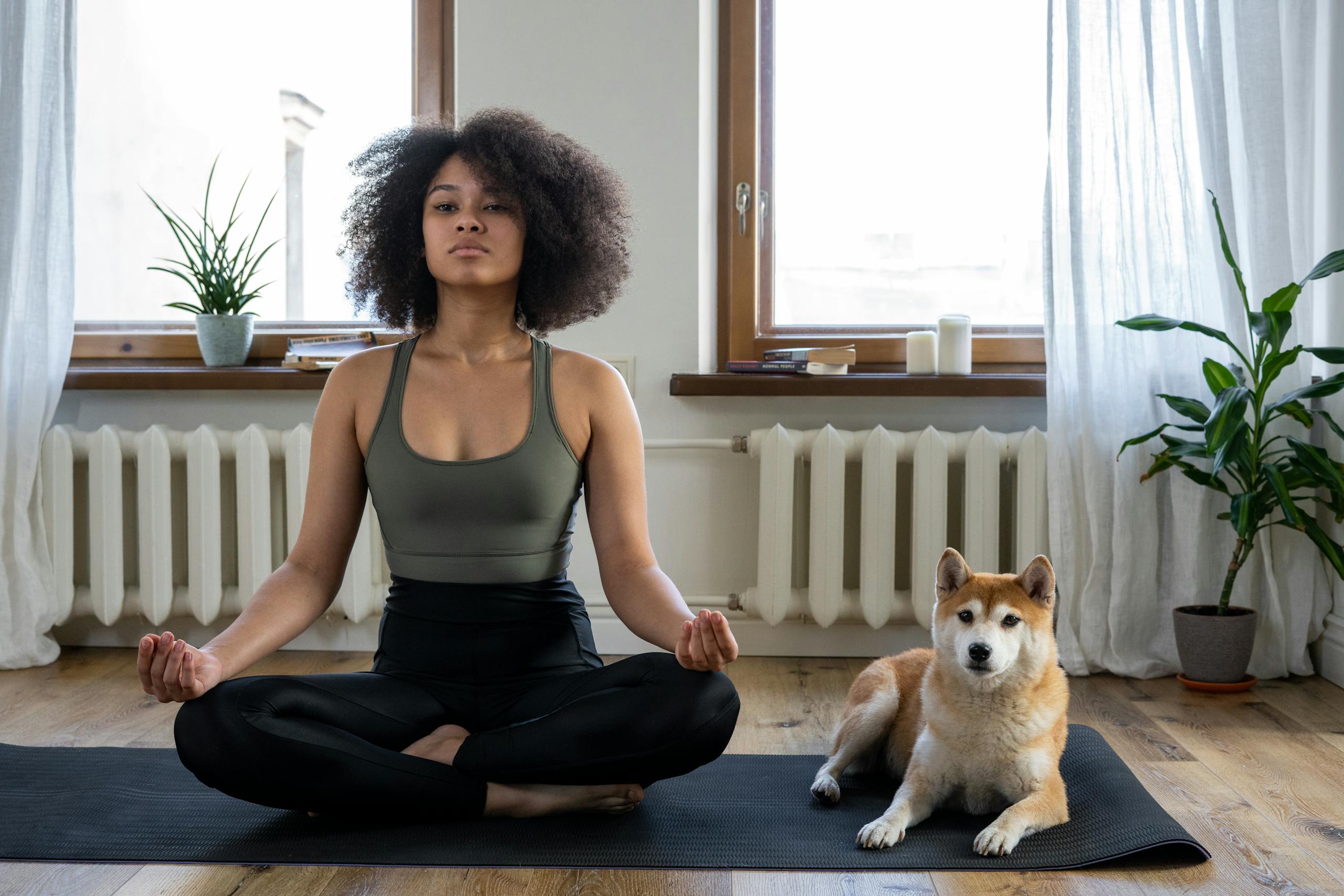
The healing power of nature connection for HSPs is well-documented within that community, and many of those insights apply broadly to introverts. Natural environments tend to reduce the cognitive load of being in public. There’s no social signaling to decode, no ambient conversation to filter out, no visual complexity that carries social meaning. Just light, texture, sound, and space.
A Frontiers in Psychology study on solitude and wellbeing found that the quality of alone time matters as much as the quantity. Solitude that feels chosen and purposeful produces different outcomes than solitude that feels imposed or lonely. Going out alone in nature checks both boxes: it’s chosen, and the environment itself tends to support a sense of purpose and presence.
Both types of solo outings have their place. On days when I need to think through a complex problem, an urban solo walk with ambient noise actually helps. On days when I need to stop thinking and simply recover, nature wins every time.
How Does Going Out Alone Differ From Loneliness?
This is the question that carries the most emotional weight, and it’s worth sitting with carefully.
Loneliness is the experience of unwanted aloneness. It’s the gap between the connection you want and the connection you have. Going out alone, by contrast, is chosen aloneness, solitude that you’ve selected because it serves something in you. Those two experiences share the same surface appearance, a single person at a table, a solo figure on a path, but they feel completely different from the inside.
Harvard Health has written about the distinction between loneliness and isolation, noting that the subjective experience of aloneness matters far more than the objective fact of being alone. Someone surrounded by people can feel profoundly lonely. Someone sitting alone at a restaurant can feel completely at peace. The internal state is what defines the experience.
Introverts tend to understand this distinction intuitively, though they don’t always have language for it. I spent years explaining to colleagues and family members that I wasn’t lonely when I chose to do things alone. I was full. There’s a particular kind of satisfaction in going to a film you wanted to see, without negotiating the choice, sitting where you want, leaving when you’re ready, carrying your own thoughts home without having to debrief the experience immediately. That’s not loneliness. That’s freedom.
That said, it’s worth being honest with yourself about which one you’re experiencing. Chosen solitude restores. Loneliness depletes. If going out alone consistently leaves you feeling worse rather than better, that’s worth paying attention to. The CDC’s work on social connectedness makes clear that chronic loneliness carries real health consequences, which is why the distinction between solitude and loneliness isn’t just philosophical. It matters practically.
Introverts who have a rich inner life and meaningful connections, even if those connections are fewer and deeper than average, typically find solo outings genuinely restorative. The capacity to be alone without feeling lonely is one of introversion’s real strengths, not a coping mechanism, but a genuine feature of how introverts are wired.
What Does Solo Travel Reveal About Introvert Strengths?
Solo travel is going out alone, scaled up. And it tends to reveal introvert strengths in ways that a solo lunch never quite does.
I’ve done a fair amount of solo travel, mostly for work initially, then increasingly by choice. The work trips were useful training. You learn quickly how to be comfortable in unfamiliar spaces without a social buffer. You develop a relationship with your own company that becomes genuinely enjoyable rather than merely tolerable. By the time I started choosing solo travel for pleasure, I already knew I was good at it.

What introverts bring to solo travel is a capacity for observation and self-direction that makes the experience genuinely rich. Without a companion to negotiate with, you follow your own curiosity completely. You spend an extra hour in the museum room that actually interests you. You eat at the place that looked right, not the one that was easiest to agree on. You move at your own pace, which for many introverts means slower and more attentive than group travel allows.
Psychology Today has noted that solo travel is increasingly recognized as a preferred approach rather than a fallback option for many people, particularly those who value self-direction and deep experience over social facilitation. That profile maps closely onto introvert strengths.
There’s also something that happens to introverts in solitude over extended periods, like a multi-day solo trip, that’s harder to access in daily life. The internal voice gets clearer. Priorities sort themselves out. The constant low-level noise of managing other people’s needs and moods goes quiet, and what’s left is a cleaner sense of who you are and what matters to you. That’s not just pleasant. It’s genuinely clarifying.
The deeper research on why solitude supports this kind of clarity connects to what peer-reviewed work on solitude and self-concept has explored: time alone, particularly chosen and purposeful solitude, supports identity consolidation in ways that constant social engagement doesn’t. For introverts who already process identity internally rather than through external feedback, solo time amplifies a natural strength.
Can Going Out Alone Be Part of a Larger Introvert Rhythm?
Yes, and building it intentionally makes a real difference.
One of the shifts I made in my mid-forties, after years of running agencies and running myself into the ground, was treating solo time as a structural element of my week rather than a reward I’d get to eventually. It stopped being something I squeezed in and became something I planned around. That shift changed everything about how I showed up in the rest of my life.
Going out alone works best when it’s part of a broader rhythm of solitude and engagement. It’s not a replacement for meaningful connection, and it’s not a substitute for genuine rest. It sits in its own category: active, restorative, present, and free from social obligation. When you combine it with other forms of intentional solitude, the cumulative effect is significant.
The concept of solitude as an essential need rather than a preference is important here. Framing alone time as a need changes how you protect it. You don’t apologize for a need. You don’t feel guilty about scheduling it. You recognize it as part of what makes you functional and present in the rest of your life.
I’ve also found that the Mac concept of alone time, the idea of making alone time genuinely meaningful rather than just empty, applies directly to solo outings. Mac alone time is about quality and intention, not just absence of other people. A solo outing where you’re fully present, curious, and engaged gives you something that passive solitude at home doesn’t always provide. Both matter. They work differently.
Building a rhythm might look like one solo lunch per week, one solo walk on weekend mornings, one solo cultural outing per month. The specifics matter less than the consistency. When solo outings become a regular part of your life rather than an occasional indulgence, they stop feeling like something you have to justify and start feeling like something you simply do, the way you’d maintain any other practice that keeps you well.
One thing worth noting: if you find that even solo outings leave you feeling overstimulated rather than restored, that’s useful information. Some introverts, particularly those who are also highly sensitive, need more calibration around environment and timing. The same principles that apply to HSP daily self-care apply here: pay attention to what actually works for your nervous system, not what’s supposed to work in theory.

What Gets in the Way of Introverts Going Out Alone?
Mostly, it’s the story we’ve been told about what it means.
There’s a persistent cultural message that doing things alone in public signals that you couldn’t find anyone to join you. That you’re somehow less, socially deficient, pitied by the people around you. That story is almost entirely projection. Most people in public spaces are not watching you or drawing conclusions about your social life. They’re managing their own experience.
Even so, the story has power. I watched a junior copywriter at one of my agencies eat lunch alone in her car every day for months because she was too self-conscious to sit in a restaurant by herself. She wasn’t antisocial. She was an introvert who’d absorbed the message that visible aloneness was embarrassing. When I started being more open about my own solo lunches and what I got from them, she eventually started doing the same. Last I heard, she’d taken a solo trip to Portugal. The shift started with permission, not courage.
Other obstacles are more practical. Restaurants with “two or more” seating policies. Social pressure from friends or partners who interpret solo plans as rejection. The internal guilt of choosing alone time when other demands feel pressing. These are real, and they require real responses, clear communication about your needs, and some practice at holding your ground without over-explaining yourself.
The research on solitude and wellbeing consistently points to one factor that determines whether alone time is restorative or distressing: whether it’s freely chosen. Introverts who go out alone because they want to report very different experiences than those who do it because they feel they have no other option. Protecting your capacity to choose solitude, including the social and practical conditions that make that choice possible, is part of what makes it work.
And if the self-consciousness is significant enough to consistently prevent you from doing things you’d genuinely enjoy, that’s worth addressing directly. Psychology Today’s writing on embracing solitude for health makes a useful distinction between introversion, which is a stable personality orientation, and social anxiety, which is a fear-based pattern that responds well to gradual exposure. Knowing which one you’re working with helps you approach it correctly.
So Is Going Out Alone an Introvert Skill or Something Else Entirely?
It’s a human capacity that introverts tend to develop more naturally and benefit from more deeply. Calling it an introvert skill isn’t quite right, because extroverts can learn to enjoy it too, and some introverts struggle with it significantly. But the alignment between introvert wiring and the experience of going out alone is real and worth naming.
Introverts already live much of their internal life in a kind of productive solitude. Their thinking happens internally. Their processing happens after the fact, in quiet. Their energy is restored by time away from social demands. Going out alone simply extends that natural orientation into the physical world. It’s not a workaround for social discomfort. It’s an expression of how introverts actually engage with experience most authentically.
What I’ve come to understand, after twenty-plus years of managing large teams and running client relationships and attending more events than I can count, is that the moments I was most present, most observant, most genuinely engaged were usually the ones when I was alone. Not isolated. Not hiding. Alone in the way that let me actually pay attention without splitting my focus across social obligations.
Going out alone isn’t something introverts do because they’ve given up on company. It’s something they do because they’ve figured out that certain experiences are better, richer, more fully themselves, when they’re not shared. That’s not a limitation. It’s a form of self-knowledge that takes most people years to develop.
If you haven’t tried it yet, or if you’ve tried it and felt guilty about enjoying it, consider this: the capacity to be genuinely good company for yourself is one of the quieter strengths that introversion offers. Going out alone is one of the most direct ways to practice it.
There’s a lot more to explore about how introverts restore themselves and build lives that actually fit how they’re wired. The full Solitude, Self-Care and Recharging hub covers the range of those practices, from daily rhythms to deeper recovery strategies, and it’s worth spending time there if this topic resonates with you.
About the Author
Keith Lacy is an introvert who’s learned to embrace his true self later in life. After 20 years in advertising and marketing leadership, including running agencies and managing Fortune 500 accounts, Keith now channels his experience into helping fellow introverts understand their strengths and build fulfilling careers. As an INTJ, he brings analytical depth and authentic perspective to every article, drawing from both professional expertise and personal growth.
Frequently Asked Questions
Is going out alone a sign of introversion?
Going out alone is not exclusively an introvert behavior, but introverts tend to find it more natural and more restorative than extroverts do. Extroverts can enjoy solo outings, but they’re typically energized by social interaction, so being alone in public often feels like a gap to fill rather than an experience to savor. Introverts, who restore energy through solitude, often find that going out alone lets them engage more fully with whatever they came to experience, without the social management layer that comes with company.
Does going out alone mean you’re lonely?
No. Loneliness is the experience of unwanted aloneness, the gap between the connection you want and what you have. Going out alone is chosen solitude, which feels completely different from the inside. Many introverts report feeling most like themselves when they’re alone in public spaces, present and engaged without social obligation. That said, it’s worth being honest with yourself: if solo outings consistently leave you feeling worse rather than better, that’s worth paying attention to, because chosen solitude restores while loneliness depletes.
Why do introverts prefer going out alone sometimes?
Because going out alone removes the social management layer. When you’re with someone else, part of your attention is always on them, tracking their mood, calibrating your conversation, negotiating choices. Going alone means your full attention can go toward the experience itself. For introverts who already process the world internally and find social interaction energy-intensive, that shift is significant. Solo outings offer the stimulation of being in the world without the social demands that typically come with it.
How do you get comfortable going out alone if it feels awkward?
Start small and build gradually. A solo coffee at a café is lower stakes than a solo dinner at a restaurant. A solo walk through a park requires no social visibility at all. Each time you go out alone, the imagined judgment of strangers fades a little more, because you discover quickly that most people in public are far too absorbed in their own experience to notice or care whether you’re alone. The discomfort is mostly anticipatory. The experience itself tends to be much more comfortable than you expect, and often genuinely enjoyable.
Is going out alone good for your mental health?
For introverts, chosen solo outings tend to be genuinely restorative and support mental wellbeing. They combine the sensory engagement of being in the world with the restoration of freedom from social demands, which is a combination that passive rest at home doesn’t always provide. The quality and intentionality of alone time matters: solitude that’s freely chosen and purposeful produces different outcomes than solitude that feels imposed. For introverts who regularly feel depleted by social demands, building solo outings into a weekly rhythm can meaningfully improve mood, focus, and overall sense of wellbeing.