
Spending time alone isn’t something I stumbled into by accident. At some point, after years of filling every gap in my schedule with meetings, calls, and client dinners, I made a deliberate choice to stop. Not to withdraw from life, but to actually return to myself. What I found in that quiet was something I hadn’t expected: clarity, creativity, and a version of my thinking that the noise had been drowning out for years.
Alone time, for those of us wired the way I am, isn’t a luxury or a sign of antisocial behavior. It’s a fundamental need. And the longer I went without honoring it, the more depleted I became, even when everything on the outside looked like success.

If you’re someone who craves solitude but has spent years feeling vaguely guilty about it, you’re in the right place. Our Solitude, Self-Care and Recharging hub covers this terrain from multiple angles, and this piece goes deeper into what actually happens when you start making alone time a real, consistent part of your life.
Why Did I Start Spending More Time Alone in the First Place?
The honest answer is that I hit a wall. Not a dramatic breakdown, nothing cinematic about it. Just a slow erosion of energy that I kept attributing to the wrong causes. I thought I needed a better diet. A different exercise routine. Maybe a vacation. What I actually needed was silence.
What’s your personality type?
Take our free 40-question assessment and get a detailed personality profile with dimension breakdowns, context analysis, and personalised insights.
Discover Your Type8-12 minutes · 40 questions · Free
Running advertising agencies meant I was rarely alone. My calendar was a monument to other people’s needs. Client presentations in the morning, agency reviews in the afternoon, networking events in the evening. I was good at all of it. I’d built a career on being present, sharp, and responsive in rooms full of people who expected exactly that. But somewhere in my mid-forties, I noticed that the sharpness was dulling. Not because I’d lost my edge, but because I’d stopped giving myself any time to sharpen it.
As an INTJ, I process the world internally. My best thinking doesn’t happen in brainstorming sessions or on calls. It happens in the margins, in the quiet hours before the office filled up, in the car before I walked into a building. When I eliminated those margins to squeeze in more productivity, I didn’t get more productive. I got shallower. And shallower wasn’t going to cut it at the level I was operating.
So I started protecting time alone the same way I’d protect a meeting with a major client. Non-negotiable. Calendared. Defended.
What Actually Happens to Your Brain When You’re Alone?
There’s something worth understanding about what solitude does to the mind, not as a theory but as a lived experience. When I started spending genuine time alone, not scrolling, not half-listening to a podcast, but actually alone with my own thoughts, the first thing I noticed was discomfort. My brain had been conditioned to constant input. Quiet felt strange. Almost wrong.
That discomfort didn’t last. Within a few weeks of consistent alone time, something shifted. Ideas that had been hovering just out of reach started landing. Connections between problems I’d been wrestling with started forming. My writing got cleaner. My strategic thinking got sharper. I wasn’t doing anything differently in the work itself. I was simply giving my mind the space it needed to do what it does best.
The Greater Good Science Center at Berkeley has written about how solitude may support creative thinking by allowing the mind to wander productively, something that constant social engagement tends to suppress. That matched everything I was experiencing firsthand.
There’s also a restoration element that’s hard to overstate. Many introverts find that social interaction, even enjoyable interaction, draws down a kind of internal reserve. Alone time refills it. This isn’t weakness. It’s neurology. And understanding that distinction changed how I approached my own self-care entirely.
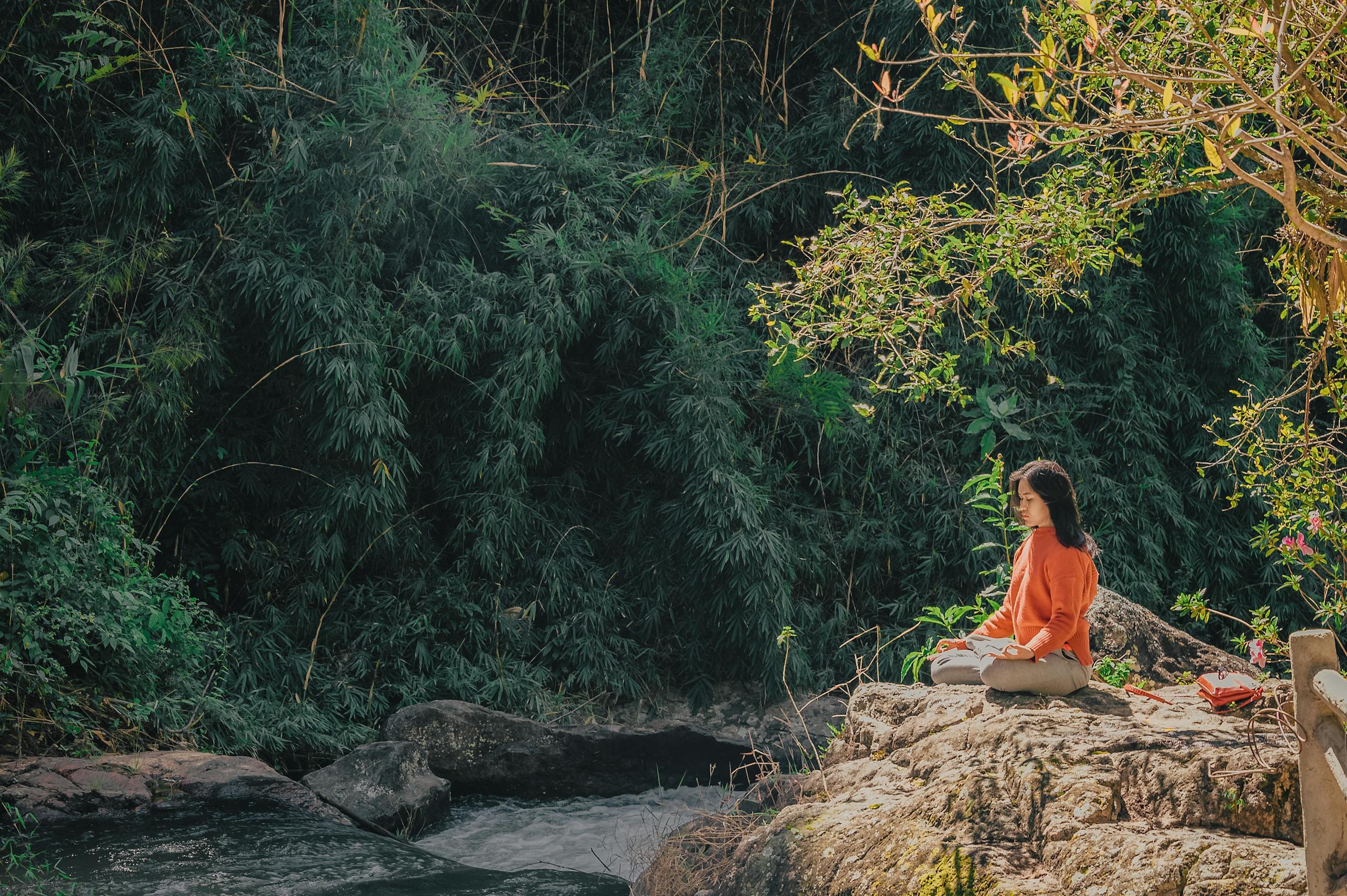
I’ve also noticed that spending time in nature amplifies everything alone time offers. There’s something about being outside, away from screens and other people’s agendas, that deepens the restoration. If you’re curious about that specific connection, the piece on HSP nature connection and the healing power of the outdoors explores it in a way that resonated deeply with my own experience.
How Do You Know You’ve Been Neglecting Your Need for Solitude?
The signs aren’t always obvious. I missed them for years. What I thought was stress from overwork was actually something more specific: the depletion that comes from never getting enough time inside your own head.
consider this it looked like for me. I’d finish a long day of client work and feel not tired exactly, but hollow. Like I’d been pouring from a pitcher that no one was refilling. Small irritations would land harder than they should. I’d find myself dreading events I used to enjoy, not because the events had changed, but because I had no reserves left to bring to them. My patience in meetings shortened. My writing felt forced. My instincts, usually reliable, started feeling muddy.
The psychological cost of chronic social overstimulation is real. A piece published in PubMed Central examining psychological well-being points to the role that restorative experiences play in maintaining cognitive and emotional function. When those restorative experiences are absent, the deficit compounds over time.
The article on what happens when introverts don’t get alone time maps this out in specific detail. Reading it was one of those moments where I felt like someone had finally named something I’d been experiencing but couldn’t articulate. If you recognize yourself in what I’m describing, start there.
For highly sensitive people, the depletion can be even more acute. The nervous system processes more intensely, which means the need for recovery time is proportionally greater. The resource on HSP solitude and the essential need for alone time addresses this with a level of specificity I found genuinely useful.
What Does Meaningful Alone Time Actually Look Like?
This is where I want to push back against a common misconception. Alone time isn’t just the absence of other people. Sitting in a coffee shop with your phone in your hand, half-watching strangers and half-scrolling social media, is not alone time. It’s ambient social stimulation with a different backdrop.
Real solitude, the kind that actually restores and regenerates, requires genuine disengagement from external input. That looks different for everyone, but for me it includes morning hours before anyone else is awake, long walks without earbuds, time at my desk with no notifications and no agenda beyond thinking. Sometimes it’s reading something that has nothing to do with work. Sometimes it’s just sitting with a cup of coffee and letting my mind go where it wants to go.
What I’ve found is that the quality of the solitude matters more than the quantity. An hour of genuine, undistracted alone time does more for me than an entire afternoon of half-present isolation. My mind needs permission to actually disengage, and that permission has to be real, not just a gap between scheduled obligations.
Sleep is also part of this equation in ways I underestimated for a long time. The mind processes and consolidates during sleep in ways that extend the restorative work of waking solitude. The resource on HSP sleep and rest and recovery strategies frames this connection clearly, and it changed how I thought about the relationship between daytime solitude and nighttime rest.
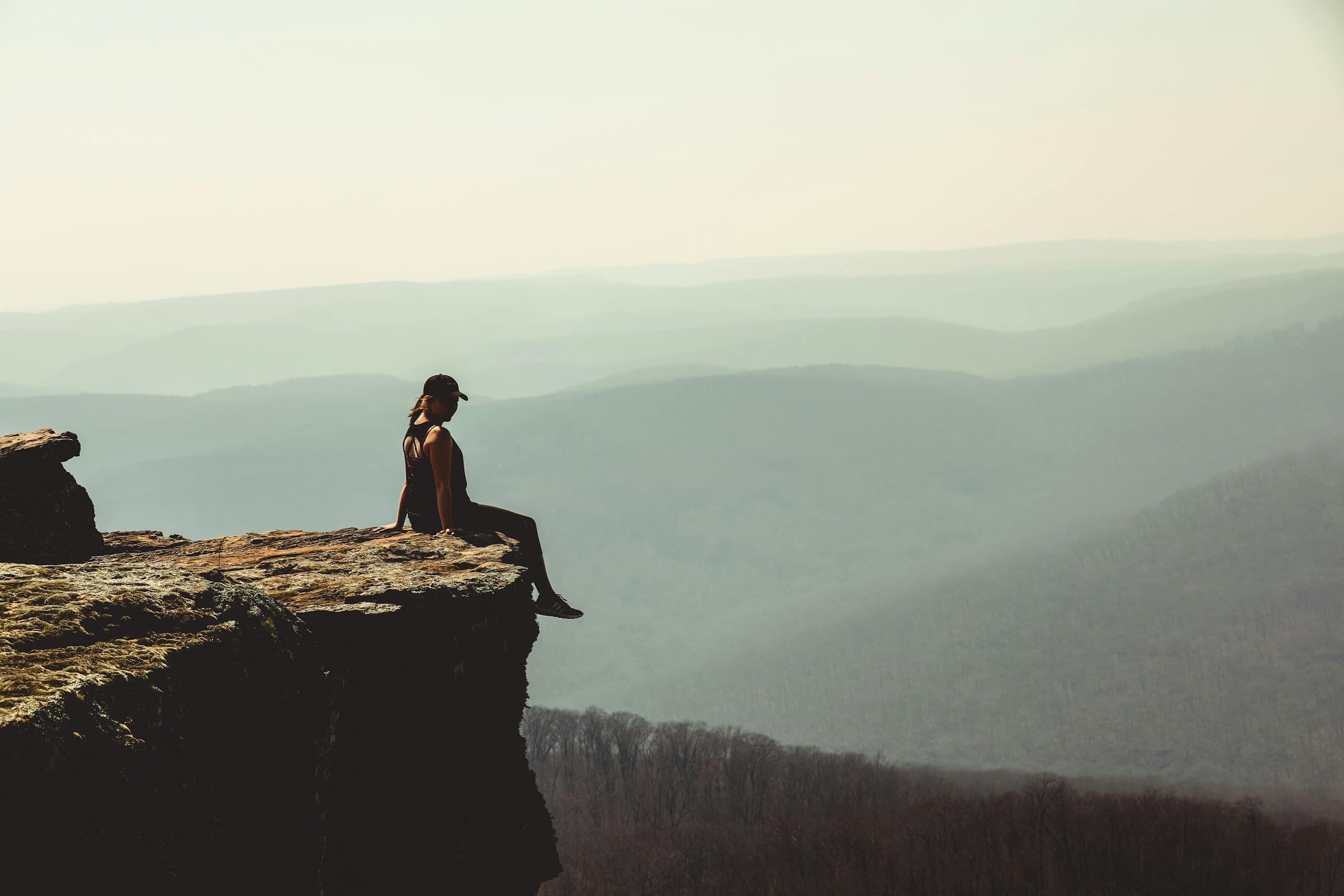
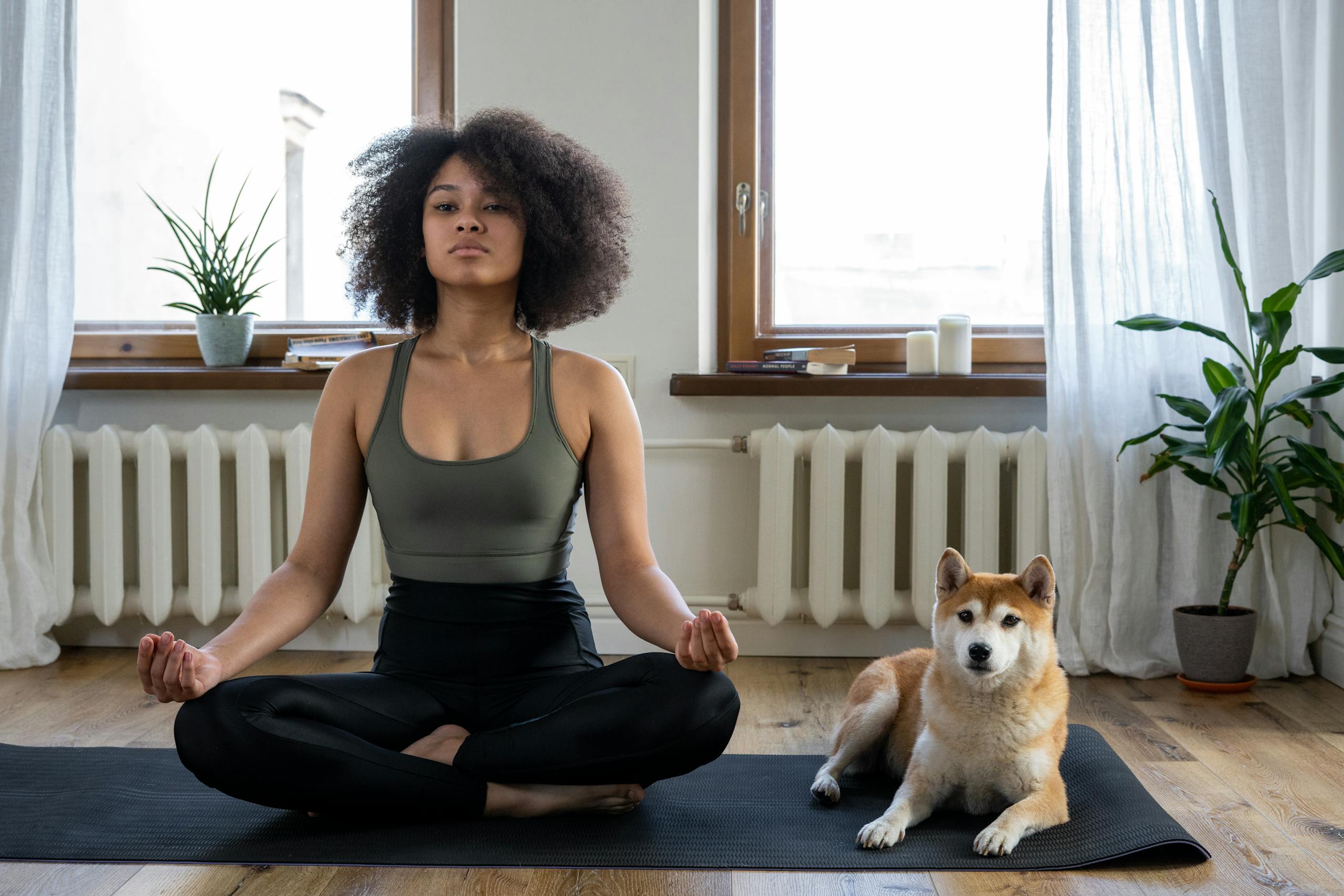
I also want to mention something that took me a while to accept: alone time can include an animal companion without losing its restorative quality. My dog has been present for some of my most genuinely restorative mornings. There’s no social performance required, no emotional labor, just presence. The piece on Mac and alone time captures this dynamic in a way that felt personal and true.
Is Spending Time Alone the Same as Being Lonely?
No. And conflating the two is one of the most damaging things our culture does to introverts.
Loneliness is a state of unwanted disconnection. It’s the feeling of wanting connection and not having it. Solitude is a chosen state of being with yourself. One is a deficit. The other is a resource. The emotional texture of each is completely different, and most introverts know this distinction viscerally even if they struggle to explain it to people who don’t share their wiring.
Harvard Health has written thoughtfully about the difference between loneliness and isolation, and the distinction matters for how we think about our own mental health. Choosing to be alone is categorically different from being excluded or cut off.
I spent years defending my need for alone time to colleagues, partners, and friends who interpreted it as withdrawal or sadness. One particularly memorable conversation happened after a major campaign launch. We’d wrapped a successful pitch for a Fortune 500 retail client, and the team wanted to celebrate. I genuinely wanted to go home and sit quietly for three hours. My creative director at the time looked at me like I’d said I wanted to spend the evening alphabetizing receipts. But that quiet evening was what I needed to process what had happened, to feel the satisfaction of it, to let it land properly. Celebration in a loud bar would have washed it away.
The CDC has noted that social connectedness and its absence affect health outcomes in measurable ways, but connection doesn’t require constant togetherness. Introverts often maintain deep, meaningful relationships precisely because their alone time makes them more present when they are with others.
How Do You Build a Real Alone Time Practice Without Feeling Guilty?
The guilt piece is real. I’ve felt it. Many people who identify as introverts carry a low-grade sense that their need for solitude is somehow selfish or antisocial. That they should want more togetherness, more availability, more presence in the social fabric of their workplace or family.
What helped me was reframing alone time not as something I was taking away from others, but as something I was investing in so I could show up better for them. When I was consistently getting the solitude I needed, I was sharper in meetings, more patient with my team, more creative in client work, and genuinely warmer in personal relationships. The alone time wasn’t making me less available. It was making the availability I offered more valuable.
Practically speaking, consider this building a real practice looked like for me. I started small. Thirty minutes in the morning before checking anything. No phone, no email, no news. Just coffee and quiet. Within two weeks, I was protective of that window in a way that surprised me. Within a month, I’d extended it to an hour. Eventually, I restructured my entire morning routine around it, pushing my first meeting to 9:30 AM so I had genuine space before the day’s social demands began.
The framework in the piece on HSP self-care and essential daily practices gave me useful language for thinking about this as a structured practice rather than an occasional indulgence. Treating alone time as a daily non-negotiable, the same way I’d treat exercise or sleep, changed my relationship to it entirely.

There’s also a boundary-setting dimension to this that can’t be glossed over. Protecting your alone time means communicating its importance clearly and sometimes disappointing people who don’t understand it. That’s uncomfortable. I’m not going to pretend otherwise. But the alternative, perpetually sacrificing your restoration for other people’s comfort, is a slow drain that eventually empties you completely.
Frontiers in Psychology has published work on the positive psychological effects of solitude, particularly around self-regulation and identity. What the research points to is something many introverts already sense: time alone isn’t just rest. It’s a form of self-knowledge that social environments simply can’t provide.
What Changed When Alone Time Became Non-Negotiable?
Everything, gradually and then noticeably.
My decision-making improved. As an INTJ, I rely heavily on internal processing to reach conclusions I trust. When I was constantly surrounded by other people’s input, opinions, and energy, that internal processing got crowded out. Alone time gave it room to operate. Decisions that used to feel murky became clearer. I stopped second-guessing myself as much, not because I’d become overconfident, but because I’d actually done the thinking required to trust my own conclusions.
My writing, which has always been central to my work, found a different quality. Agency life demands a lot of written communication, proposals, positioning documents, creative briefs, strategic recommendations. When I was depleted, my writing was technically competent but flat. When I was consistently rested and restored through regular solitude, something more genuine came through. Clients noticed. My team noticed. I noticed.
My relationships improved as well, which is the irony that extroverts never quite believe when I describe it. Spending more time alone made me a better partner, a better friend, a better leader. Because I wasn’t running on empty, I had something real to offer when I was present. I wasn’t performing engagement. I was actually engaged.
There’s also something that happened at a deeper level that’s harder to articulate but feels important. I started to know myself again. Years of constant social and professional performance had created a gap between who I actually was and who I was presenting to the world. Alone time closed that gap slowly, steadily. I became more comfortable with my own company, more at ease in my own skin, more certain of what I actually valued versus what I’d absorbed from the environments around me.
Psychology Today has explored how embracing solitude supports overall health, and the framing there aligns with what I experienced personally. Solitude isn’t withdrawal from life. It’s a way of returning to it more fully.
What If Your Life Doesn’t Easily Allow for Alone Time?
This is the practical question that most people circle back to, and it deserves a direct answer. Most lives aren’t structured around the needs of introverts. Open offices, shared living spaces, demanding family schedules, always-on professional cultures. These are real obstacles, not imagined ones.
What I’d say, from experience, is that alone time almost always has to be carved out rather than found. Nobody is going to hand you solitude. The world defaults to togetherness. You have to be intentional about it in a way that might feel strange at first.
Early mornings worked for me. For others it’s late nights, lunch hours spent somewhere quiet, commutes treated as thinking time rather than podcast time. Some people find that solo travel creates a particular quality of solitude that their daily life can’t replicate. Psychology Today has a piece worth reading on solo travel as a preferred approach that speaks to this directly.
The key insight, for me, was that even small amounts of genuine solitude matter. A thirty-minute walk alone does something meaningful. A morning without the phone does something meaningful. You don’t need a week-long retreat to feel the difference, though those are wonderful when possible. You need consistency more than duration.
And you need to stop apologizing for needing it. That part took me the longest. But once I stopped treating my need for solitude as a personality flaw to manage and started treating it as a legitimate requirement to honor, everything else got easier.
Additional perspectives on solitude, self-care, and what it means to genuinely recharge are gathered throughout our Solitude, Self-Care and Recharging hub. If this article opened something up for you, that’s a good place to keep going.
About the Author
Keith Lacy is an introvert who’s learned to embrace his true self later in life. After 20 years in advertising and marketing leadership, including running agencies and managing Fortune 500 accounts, Keith now channels his experience into helping fellow introverts understand their strengths and build fulfilling careers. As an INTJ, he brings analytical depth and authentic perspective to every article, drawing from both professional expertise and personal growth.
Frequently Asked Questions
Is spending a lot of time alone healthy for introverts?
Yes, for most introverts, regular solitude is genuinely restorative rather than harmful. The distinction worth making is between chosen solitude, which supports mental clarity, creativity, and emotional regulation, and unwanted isolation, which can contribute to loneliness. Introverts who deliberately protect time alone typically find it improves their focus, their relationships, and their overall sense of well-being. The concern arises only when solitude becomes a way of avoiding connection entirely rather than a means of replenishing the energy needed to engage with it.
How much alone time do introverts actually need?
There’s no universal number, and anyone who gives you one is oversimplifying. The amount varies significantly based on personality, sensitivity level, the intensity of your social obligations, and how genuinely restorative your alone time actually is. Many introverts find that even thirty to sixty minutes of genuine, undistracted solitude daily makes a noticeable difference. Others need several hours. The most reliable guide is your own experience: if you’re consistently feeling depleted, irritable, or mentally foggy, you likely need more alone time than you’re currently getting.
How do you explain your need for alone time to family or a partner who doesn’t understand it?
Frame it in terms of what it makes possible rather than what it requires you to avoid. Instead of saying “I need to be alone,” try explaining that alone time is how you recharge so you can be genuinely present and engaged when you’re together. Most people respond better to understanding the positive outcome than to feeling like they’re being retreated from. It also helps to be specific: “I need an hour in the morning before I’m ready to engage with the day” is clearer and less personal than a vague request for space. Consistency matters too. When the people in your life see that your alone time makes you more patient and connected, not less, the conversation becomes easier over time.
What’s the difference between productive solitude and just avoiding life?
Productive solitude leaves you feeling restored, clearer, and more ready to engage with the world. Avoidance tends to leave you feeling stuck, anxious, or increasingly disconnected. The internal experience is usually the tell. If alone time genuinely refreshes you and you return to social or professional life with more capacity than you left with, that’s restoration. If you’re using solitude to escape anxiety, conflict, or responsibility without ever addressing those things, that’s avoidance. Both can look similar from the outside, but they feel quite different from the inside, and they produce very different outcomes over time.
Can you spend too much time alone even as an introvert?
Yes. Introversion describes where you get your energy, not a preference for complete isolation. Most introverts still need and value meaningful connection, even if they need less of it than extroverts and require more recovery time afterward. When solitude tips into prolonged isolation, particularly if it’s accompanied by increasing anxiety about social situations, a shrinking sense of identity, or difficulty functioning in normal social contexts, that’s worth paying attention to. The goal is a balance that honors your genuine need for quiet while keeping you connected to the relationships and experiences that give life depth and meaning.