
People with a Virgo moon carry a quiet, almost invisible need for solitude that runs deeper than most astrology articles acknowledge. The lunar Virgo placement shapes how a person processes emotion, and because Virgo is an analytical, detail-oriented earth sign, that emotional processing happens internally, methodically, and best of all, alone. If you have this placement and feel a persistent pull toward quiet spaces and uninterrupted time, that pull is not a flaw in your personality. It is the moon doing exactly what it is supposed to do.
As an INTJ who spent two decades running advertising agencies, I recognize this pattern immediately, not because I share the Virgo moon placement, but because I have worked alongside and managed people who do. They were my most precise strategists, my sharpest editors, my most reliable account leads. They were also the people who disappeared into their offices after a long client day and came back the next morning visibly restored. I watched that cycle repeat itself for years before I understood what was actually happening.
Solitude for a Virgo moon is not escapism. It is the mechanism through which they sort, refine, and make sense of everything they have absorbed during the day. Without it, the inner world becomes cluttered. With it, clarity returns. If you have been wondering why you crave alone time so intensely, the answer may be written in your chart, and it deserves to be taken seriously.
My Solitude, Self-Care and Recharging hub explores the full range of why quiet time matters for people wired toward introspection, but the lunar Virgo angle adds its own specific texture. This placement is not simply about being introverted, though the two often overlap. It is about an emotionally intelligent inner system that requires regular maintenance, the same way a precision instrument needs calibration to stay accurate.
What Does It Mean to Have a Virgo Moon?
In astrology, your moon sign describes your emotional nature, your instinctive responses, and what you need to feel safe and settled. While your sun sign reflects your conscious identity, the moon operates beneath the surface, shaping how you feel rather than how you present. A Virgo moon means that your emotional world is filtered through Virgo’s core qualities: discernment, analysis, a preference for order, and a deep sensitivity to imperfection and chaos.
What’s your personality type?
Take our free 40-question assessment and get a detailed personality profile with dimension breakdowns, context analysis, and personalised insights.
Discover Your Type8-12 minutes · 40 questions · Free
Virgo is ruled by Mercury, the planet of communication and mental processing. When Mercury governs the moon, emotional experience becomes something the mind wants to sort through rather than simply feel. People with this placement often describe their inner life as a kind of continuous editing process. They notice what is wrong before they notice what is right. They replay conversations and scan for what could have gone better. They carry a low-grade awareness of everything that still needs to be done, adjusted, or improved.
This is not anxiety in the clinical sense, though it can tip that direction without proper care. It is more accurately described as a mind that is always running quality checks on the world around it. That is genuinely useful in professional settings. In my agencies, the people who caught errors before campaigns went live, who flagged inconsistencies in data before a client presentation, who quietly noticed when a team dynamic was starting to fracture, those were often the people with strong Virgo energy in their charts. They were invaluable. They were also the people who needed the most deliberate recovery time.
Why Does the Lunar Virgo Placement Create Such a Strong Need for Solitude?
The Virgo moon’s need for alone time is not arbitrary. It comes directly from how this placement processes emotional information. Because Virgo is an earth sign, it grounds emotional experience in the physical and practical world. Feelings need to be categorized, understood, and resolved before they can be released. That is not a quick process, and it cannot happen effectively in the middle of a crowded room or a busy household.
Consider what happens when a person with this placement spends a full day in high-stimulation environments. They are absorbing not just their own emotional experience but the ambient stress of everyone around them. They are cataloguing small inconsistencies, noticing when something feels slightly off, and quietly managing their own reactions to all of it. By the end of the day, their inner processing system is at capacity. What they need is not distraction. They need space to run the sort.
My colleague at the agency who fit this description most precisely was a creative director I managed for several years. She would sit in a full-agency brainstorm, contribute thoughtfully, and then go completely quiet for the rest of the afternoon. I initially read this as disengagement. Over time, I understood it as integration. She was processing the session, separating what was useful from what was noise, and organizing her own thinking. By the following morning, she would arrive with ideas that were sharper and more fully formed than anything that had emerged in the room the day before. Her alone time was not a retreat from work. It was where her best work actually happened.
There is something worth noting here about the difference between loneliness and chosen solitude. Harvard Health has written about this distinction, pointing out that isolation becomes harmful when it is involuntary, but that chosen solitude serves fundamentally different psychological functions. For people with a Virgo moon, solitude is chosen and purposeful. It is the condition under which they become most fully themselves.

People who identify as highly sensitive persons often describe a similar dynamic, and there is genuine overlap between HSP traits and the emotional sensitivity of a Virgo moon. If you recognize yourself in both descriptions, the piece on HSP solitude and the essential need for alone time speaks directly to this experience and is worth reading alongside this one.
What Happens When a Virgo Moon Does Not Get Enough Alone Time?
The consequences of chronic overstimulation without adequate recovery are real, and they show up in specific ways for this placement. A Virgo moon that is not getting enough solitude tends to become hypercritical, both of others and of itself. The inner editor, deprived of its quiet processing time, starts operating in real time and out loud. Small irritations become disproportionately large. The usual patience for imperfection shrinks. The mind that is normally precise becomes scattered and anxious.
I have seen this pattern play out in professional settings more times than I can count. A team member who was normally measured and thoughtful would start sending clipped emails, missing details they would usually catch, or expressing frustration in ways that felt out of proportion to the situation. When I learned to recognize those signals, my response changed. Instead of addressing the behavior directly, I would find a way to create breathing room. I would cancel a meeting, give them a project that required independent work, or simply stop scheduling things that required their presence. The shift was almost always immediate.
What I was doing intuitively, I now understand more clearly through the lens of what happens physiologically and psychologically when introverts and sensitive people are denied recovery time. The article on what happens when introverts don’t get alone time maps out this process in detail, and it aligns closely with what I observed in my teams over two decades of agency leadership.
Beyond the behavioral signs, there is a deeper cost. A Virgo moon that is chronically overstimulated loses access to its most valuable quality: discernment. The ability to sort signal from noise, to identify what actually matters in a complex situation, requires a clear inner environment. When that environment is cluttered with unprocessed experience, the sorting mechanism stops working reliably. The person becomes reactive rather than reflective, which is the opposite of what this placement does best.
How Should a Virgo Moon Structure Their Alone Time?
Solitude for a Virgo moon is most restorative when it has some degree of structure. This is not because structure is universally necessary for recovery, but because Virgo is an earth sign that finds comfort in order. Unstructured time can actually increase anxiety for this placement if it feels formless or purposeless. The sweet spot is solitude that has a container without being rigid.
Morning routines work particularly well. A Virgo moon that begins the day with quiet time before the demands of the world arrive tends to carry that calm-focus state into everything that follows. This might look like thirty minutes with coffee and a journal, a slow walk before checking a phone, or simply sitting in silence before the household wakes up. The content of the ritual matters less than its consistency and its quietness.
Evening routines serve a different function. They are where the day’s accumulated experience gets processed and released. Journaling is particularly well-suited to this placement because it externalizes the inner editorial process, giving the mind a place to put its observations rather than cycling through them indefinitely. The act of writing out what happened, what was noticed, what felt unresolved, creates the closure that a Virgo moon needs to actually rest.
Sleep is where this becomes especially important. A Virgo moon that has not processed the day before bed tends to carry that unfinished business into the night. The mind continues running its quality checks during what should be recovery time. Strategies for HSP sleep and recovery address this pattern directly and offer practical approaches that translate well to the Virgo moon experience, particularly around winding down the analytical mind before sleep.
Physical space matters as well. A Virgo moon recovers best in environments that are clean, ordered, and free from visual clutter. This is not superficial preference. Disorder in the physical environment registers as unfinished business to this placement, which means a cluttered room can actively interfere with the mental decluttering that alone time is supposed to provide. Creating a dedicated space for solitude, even if it is just a corner of a room with a chair and good light, can make a meaningful difference in the quality of recovery.
Does Nature Play a Role in Virgo Moon Recovery?
Virgo is an earth sign, and that elemental quality has a direct bearing on where this placement feels most restored. Many people with a Virgo moon describe a particular kind of settling that happens when they are outside, especially in natural environments that are quiet and ordered in their own way: a garden, a forest path, a stretch of coastline with few people on it.
There is something about the sensory experience of nature that bypasses the analytical mind and reaches the nervous system more directly. The Virgo moon’s inner editor does not have much to work on when there is only birdsong and wind. The absence of human complexity, the absence of things that need to be assessed or improved, creates a kind of mental white space that is genuinely rare in daily life.
A piece from Berkeley’s Greater Good Science Center explores how solitude, particularly in natural settings, can expand creative capacity and restore mental clarity. For a Virgo moon, this is not a luxury. It is maintenance. The connection between nature and emotional restoration is something the HSP nature connection resource explores in depth, and the overlap with Virgo moon needs is substantial.
My own version of this, as an INTJ rather than a Virgo moon, is a long walk without my phone. Not a podcast, not music, just the physical rhythm of movement and whatever is outside. I came to this practice late in my agency career, when I finally admitted that my best strategic thinking happened not in conference rooms but somewhere between my front door and a park two miles away. I suspect many Virgo moons arrive at a similar discovery, that their most useful mental work happens when the mind is ostensibly at rest in nature.
How Does the Virgo Moon Interact With Social Demands?
One of the more challenging aspects of this placement is the gap between what the Virgo moon genuinely needs and what is socially expected. Virgo placements often present as composed, capable, and quietly helpful. People around them frequently assume they are fine, that they are managing, that they do not need much. The truth is that the composure is partly a product of adequate alone time, and when that time is consistently eroded, the composure starts to crack in ways that confuse everyone, including the person experiencing it.
Social settings are particularly taxing because the Virgo moon’s observational nature does not switch off in a crowd. Every interaction generates data that needs to be processed. Every conversation leaves behind something to be analyzed. A dinner party that looks like simple socializing is, from the inside of this placement, an extended data-collection exercise that will require significant quiet time to sort through afterward.
This is not a problem to be solved. It is a feature of the placement that requires accommodation. The practical implication is that a Virgo moon needs to build recovery time into their social calendar, not as an afterthought but as a deliberate commitment. Scheduling a quiet morning after a social evening is not antisocial. It is how this placement stays functional and genuinely present in relationships over the long term.
The Frontiers in Psychology research on solitude offers useful framing here, distinguishing between solitude that is chosen and experienced as positive versus isolation that is unwanted. For a Virgo moon, the former is a consistent need. Managing it proactively is far more sustainable than waiting until depletion forces the issue.

What Does Healthy Self-Care Look Like for This Placement?
Self-care for a Virgo moon is most effective when it addresses the specific ways this placement depletes and restores. Generic wellness advice, while well-intentioned, often misses the mark because it does not account for the analytical, detail-oriented nature of this emotional signature. A Virgo moon does not necessarily need to relax in the conventional sense. They need to process, organize, and clear.
Practices that support this include anything that engages the mind in a low-stakes, pleasurable way: organizing a physical space, tending a garden, working through a puzzle, reading something absorbing, cooking a meal with attention to each step. These are not passive activities, but they are self-directed and free from the social complexity that makes other environments so draining. They give the Virgo moon’s inner editor something benign to work on while the deeper processing happens in the background.
Body-based practices also matter more than this placement sometimes acknowledges. Virgo is an earth sign with a strong connection to the physical body, and the body often carries the tension that the mind is too busy analyzing to notice. Gentle movement, stretching, time outside, or even just paying deliberate attention to physical sensation can interrupt the mental loop and create genuine rest. The essential daily self-care practices for HSPs maps out a rhythm that translates well to this placement, particularly the emphasis on consistency over intensity.
One thing I have observed, both in myself as an INTJ and in the analytically oriented people I managed over the years, is that self-care tends to get deprioritized precisely when it is most needed. The busier and more depleted a person becomes, the more the recovery practices fall away because there is no time. The Virgo moon is particularly susceptible to this pattern because it is wired to be useful and productive, and rest can feel like a failure to be either. Reframing alone time as essential maintenance rather than indulgence is not just semantics. It is the cognitive shift that makes consistent self-care possible for this placement.
There is also something worth saying about the quality of attention during alone time. A Virgo moon that spends their solitude scrolling through social media or consuming content that generates more to analyze is not actually recovering. The alone time that restores this placement is genuinely quiet: low stimulation, low demand, low complexity. Findings published in PubMed Central on the relationship between mental recovery and low-demand environments support what many Virgo moons discover intuitively, that true rest requires a genuine reduction in cognitive load, not just a change of scenery.
Can Solitude Become a Strength Rather Than Just a Need?
There is a reframe available here that I think is worth sitting with. The Virgo moon’s need for alone time is often discussed as a limitation, something to manage around or apologize for. A different way to hold it is as the source of this placement’s most distinctive strengths.
The precision, the discernment, the ability to identify what is actually wrong and articulate it clearly, these qualities do not emerge from busyness. They emerge from quiet. A Virgo moon that is regularly given the space to process and integrate comes back to the world with a kind of clarity that is genuinely rare. They see what others miss. They catch what others overlook. They offer the kind of considered perspective that only comes from a mind that has had time to settle.
My most analytically gifted team members over the years were also, without exception, the ones who most fiercely protected their quiet time. One account director I worked with for nearly a decade had a standing rule that she did not take meetings before ten in the morning. Her mornings were hers. By the time she walked into a client meeting, she was sharper than anyone else in the room. The clients noticed. I noticed. What looked like a personal quirk was actually the operating system that made her exceptional at her work.
Solitude as a source of creative and professional strength is something that Psychology Today has explored in the context of overall wellbeing, and the argument is compelling: people who make peace with their need for alone time tend to use that time more intentionally and return from it more resourced. For a Virgo moon, making that peace is not optional. It is the foundation of everything else.
I think about my own experience with this as an INTJ. The years I spent trying to match the pace and social energy of extroverted colleagues were the years I was least effective. The years I gave myself permission to work in ways that suited my actual wiring, more independent, more reflective, more deliberate, were the years my work was most genuinely useful. The Virgo moon’s relationship to solitude follows a similar logic. Honoring the need does not diminish the contribution. It is what makes the contribution possible.
There is even something to be said about the experience of solitude as its own form of connection, to self, to what matters, to a quieter sense of purpose. The research available through PubMed Central on psychological wellbeing and inner resources suggests that people who cultivate a rich inner life tend to show greater resilience and more stable emotional regulation over time. A Virgo moon that treats its alone time as sacred is, in a very real sense, investing in its own long-term capacity to show up fully in the world.
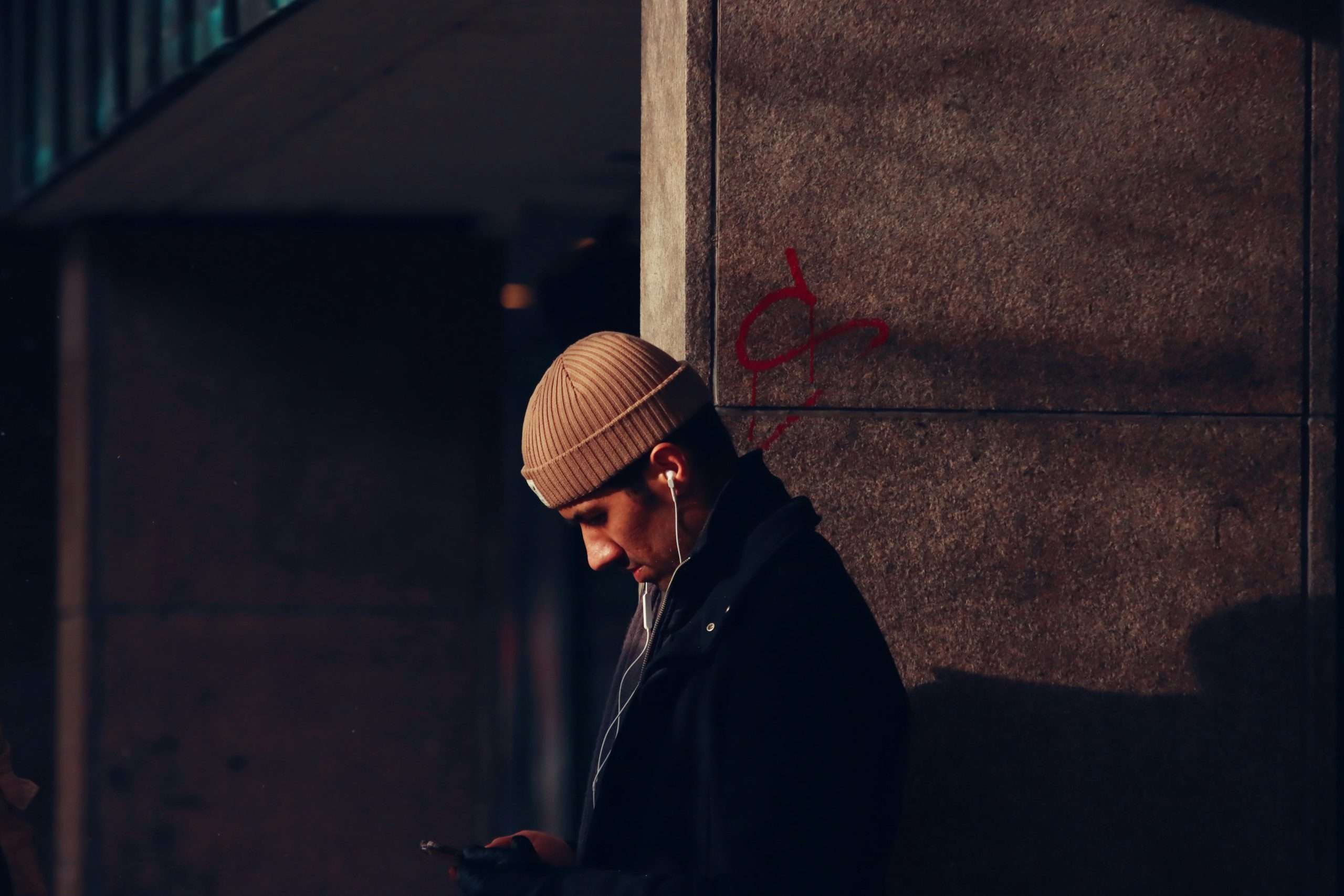
And there is one more dimension worth naming. Solitude for a Virgo moon is not only about recovery from the demands of others. It is also where this placement connects most authentically with its own inner life. The inner world of a Virgo moon is rich, precise, and constantly generating insight. The alone time is when that inner world gets to speak without interruption. Some of the most important conversations a Virgo moon will ever have are the ones they have with themselves, in quiet, without an audience.
My own version of this, practiced differently as an INTJ, is the long stretch of unscheduled Sunday morning that I came to protect fiercely in my later agency years. Not productive in any visible sense. No deliverables, no calls, no agenda. Just thinking, reading, letting ideas move around without pressure. What came out of those mornings was often the clearest strategic thinking I did all week. The Virgo moon’s alone time works similarly, not as emptiness but as the condition for something fuller.
If you want to explore more of what solitude, rest, and intentional self-care look like for people wired toward introspection, the full Solitude, Self-Care and Recharging hub brings together resources on all of these themes in one place.
One final note on the subject of pets and alone time: if you have ever noticed that your cat or dog seems to find you during your quiet periods and simply sits nearby without demanding anything, you are not imagining it. There is something about the quality of presence that emerges during solitude that animals respond to. The piece on Mac alone time touches on this dynamic in a way that resonates, and it is a gentle reminder that solitude does not have to mean total isolation. It means choosing the company you keep with care.
About the Author
Keith Lacy is an introvert who’s learned to embrace his true self later in life. After 20 years in advertising and marketing leadership, including running agencies and managing Fortune 500 accounts, Keith now channels his experience into helping fellow introverts understand their strengths and build fulfilling careers. As an INTJ, he brings analytical depth and authentic perspective to every article, drawing from both professional expertise and personal growth.
Frequently Asked Questions
Why do people with a Virgo moon need so much alone time?
The Virgo moon processes emotion analytically, filtering experience through a Mercurial, detail-oriented lens. This means that every interaction, social situation, and emotionally charged moment generates internal data that needs to be sorted and resolved. Alone time is the condition under which that sorting happens most effectively. Without it, the inner processing system becomes overloaded, which shows up as anxiety, hypercriticism, or scattered thinking. Solitude is not a preference for this placement. It is a functional requirement.
Is the Virgo moon’s need for solitude the same as introversion?
There is significant overlap, but they are not identical. Introversion describes how a person gains and loses energy in social contexts. A Virgo moon describes the emotional processing style shaped by this particular lunar placement. Many Virgo moons are also introverts, and the two reinforce each other. A Virgo moon who is also extroverted, for example, might still need substantial alone time to process their emotional experience, even if they gain energy from social interaction. The Virgo moon’s need for solitude is specifically about emotional and cognitive processing, not energy orientation alone.
What are the signs that a Virgo moon is not getting enough alone time?
Common signs include increased irritability or hypercriticism, difficulty concentrating, a sense of mental clutter or overwhelm, sleep disturbances, and a loss of the usual precision and discernment that characterizes this placement at its best. The person may also become unusually anxious about small things or find themselves replaying conversations without resolution. These are signals that the inner processing system is at capacity and that solitude is needed, not as a reward for getting through the day, but as an urgent form of maintenance.
How can someone with a Virgo moon explain their need for alone time to others?
Framing alone time as a practical necessity rather than a social preference tends to land better with people who do not share this wiring. Explaining that you process experience internally and need quiet time to think clearly, the same way some people need to talk things through out loud, gives others a framework they can understand. It also helps to be specific: saying “I need a quiet morning after social events to feel like myself” is more actionable for the people around you than a general statement about needing space. Consistency in honoring this need also communicates its importance more effectively than any single conversation.
Are there specific times of day that are most restorative for a Virgo moon?
Many people with this placement find that early morning solitude, before the demands of the day arrive, sets a tone that carries through everything that follows. Evening solitude serves a different function: it allows the day’s accumulated experience to be processed and released before sleep. Both windows matter, and protecting at least one of them consistently tends to make a noticeable difference in overall wellbeing. The specific timing is less important than the regularity. A Virgo moon that can count on quiet time at a predictable point in the day tends to manage the demands of the rest of the day with considerably more ease.