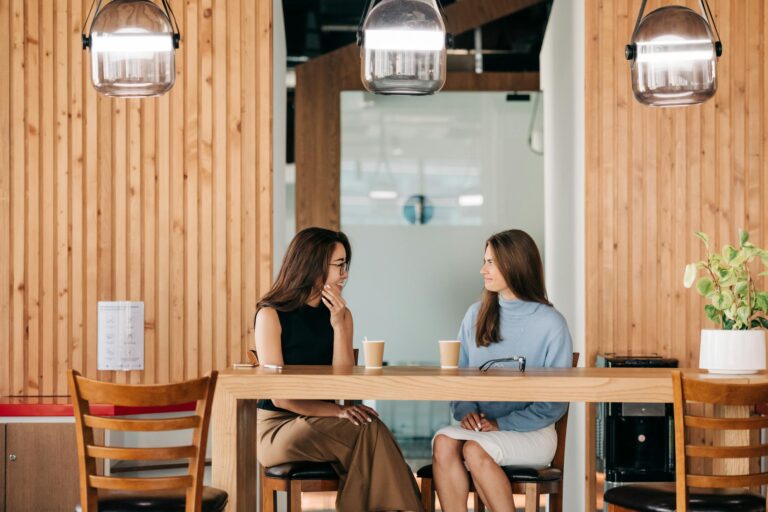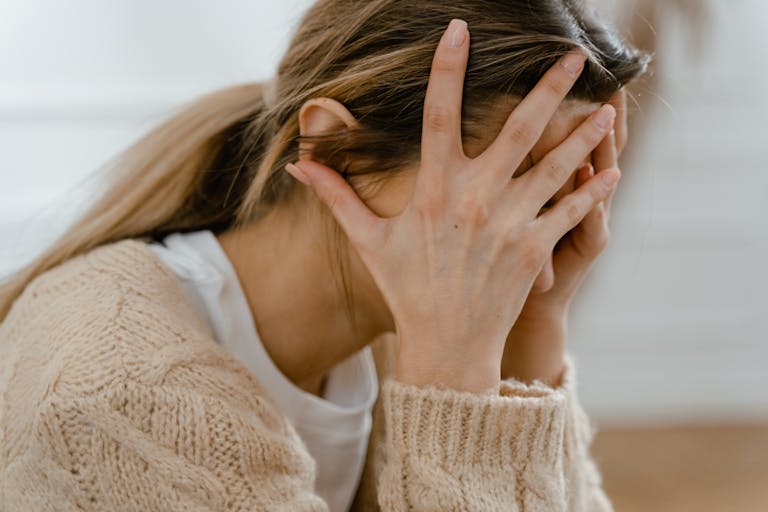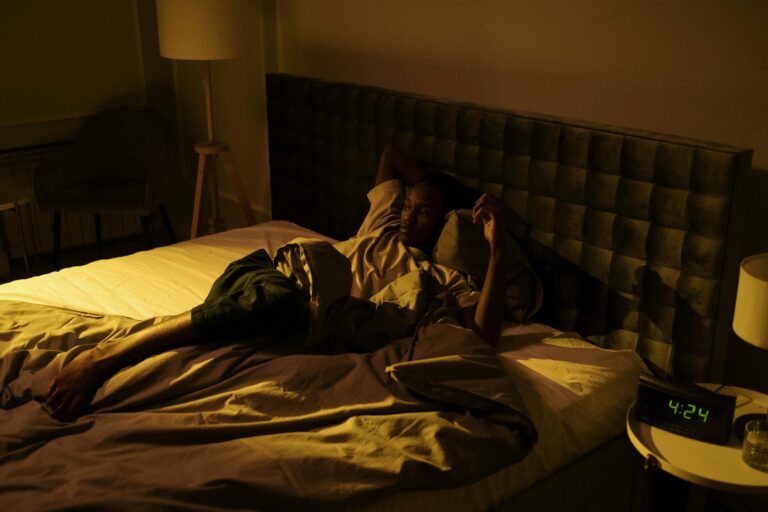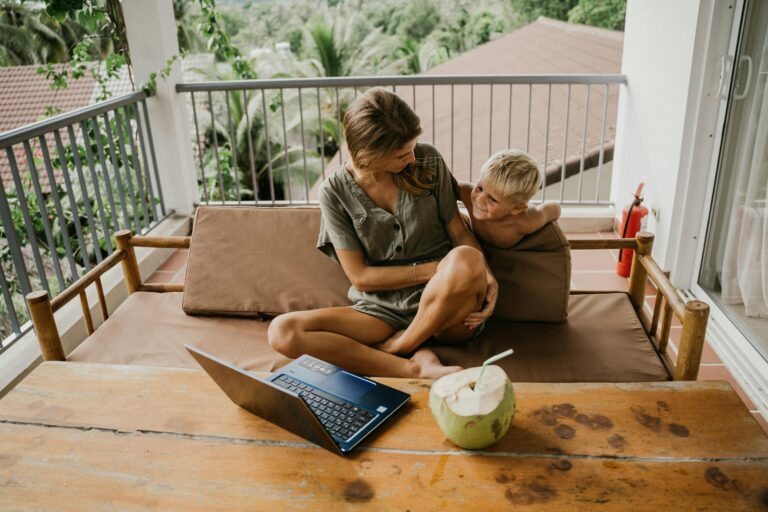

Preferring to be alone most of the time, or even all of the time, doesn’t mean something is wrong with you. For many introverts, solitude isn’t a symptom of dysfunction. It’s a genuine, deeply felt need that shapes how they think, create, and recover. The question worth asking isn’t whether you prefer being alone too much, but whether that preference is serving your life or quietly limiting it.
That distinction matters more than most people realize. And it’s one I spent a long time figuring out myself.
If you’re someone who genuinely prefers your own company, you’ve probably spent years fielding comments about it. “You should get out more.” “Don’t you get lonely?” “That can’t be healthy.” I heard versions of all of those during my agency years, usually from colleagues who couldn’t imagine choosing a quiet Friday night over a team happy hour. What they didn’t understand, and what I was still figuring out myself, was that my preference for solitude wasn’t avoidance. It was how I functioned best.
There’s a lot of nuance in this territory, and our Solitude, Self-Care & Recharging hub covers the full range of what it means to honor your need for alone time, from daily practices to deeper questions about how introverts restore themselves. This article takes a specific angle: what it really means when you prefer being alone most or all of the time, why that preference exists, and how to know when it’s a strength versus when it might be worth examining more closely.
Is Preferring to Be Alone All the Time Normal?
Yes, and more common than most people admit out loud. The social pressure to want connection, to crave company, to feel incomplete without a full social calendar, is so pervasive that many introverts spend years assuming their preference for solitude is a flaw rather than a feature of how they’re wired.
What’s your personality type?
Take our free 40-question assessment and get a detailed personality profile with dimension breakdowns, context analysis, and personalised insights.
Discover Your Type8-12 minutes · 40 questions · Free
What the research on solitude increasingly suggests is that time spent alone, when chosen freely, produces measurable benefits for creativity, emotional processing, and mental clarity. A piece from Berkeley’s Greater Good Science Center makes the case that voluntary solitude can actually enhance creative thinking, partly because it removes the social performance layer that comes with being around others. When you’re alone, you’re not managing impressions. You’re just thinking.
That resonates with me deeply. Some of my best strategic work during my agency years happened not in brainstorming sessions, but in the early morning hours before anyone else arrived, when the office was quiet and my mind could actually move without interruption. The open-plan office culture that became fashionable in the 2000s was, for me, a productivity nightmare dressed up as collaboration. I was producing my sharpest thinking in isolation, then bringing it into the room.
So yes, preferring to be alone is normal. What varies is the degree, and whether that preference leaves room for the kinds of connection that actually matter to you.
What’s the Difference Between Healthy Solitude and Isolation?
This is the question that deserves the most honest attention, because conflating the two is where introverts sometimes get stuck, and where well-meaning people sometimes get it wrong in the other direction.
Healthy solitude is chosen. It feels restorative, generative, peaceful. You emerge from it feeling more like yourself, not less. Isolation, by contrast, tends to be driven by avoidance, fear, or circumstances outside your control. It often carries an undercurrent of longing or numbness rather than contentment.
Harvard Health has written thoughtfully about the distinction between loneliness and isolation, noting that the two don’t always overlap. You can be physically alone and feel completely whole. You can be surrounded by people and feel profoundly disconnected. The internal experience is what matters most.
I’ve been in both places. There were stretches during my agency years when I was genuinely alone by choice, protecting my energy, doing my best thinking, and feeling grounded. There were also periods, usually during high-pressure pitches or after difficult client losses, when I withdrew not because I was recharging but because I was avoiding the discomfort of vulnerability. Those felt different from the inside, even when they looked the same from the outside.
The honest check-in question is this: does your preference for being alone feel like moving toward something (peace, clarity, creativity), or moving away from something (conflict, rejection, social anxiety)? Both can coexist, but knowing which one is driving the bus matters.
For highly sensitive introverts especially, this distinction can be harder to parse. If you identify as an HSP, the piece on HSP solitude and the essential need for alone time goes deeper into why the nervous system of a highly sensitive person often requires more deliberate time apart from others, and why that’s not pathology. It’s physiology.
Why Do Some Introverts Prefer Being Alone Almost All the Time?
There’s a spectrum here, and it’s worth naming. Some introverts need a few hours alone each day to recharge. Others function best with entire days of solitude, punctuated by selective social contact. And some genuinely prefer to spend the vast majority of their time alone, with minimal social interaction beyond what’s necessary.
Several overlapping factors can push someone toward the higher end of that spectrum. Introversion itself is part of it, but so is high sensitivity, past social experiences, neurodivergence, and simply temperament. Some people’s nervous systems are calibrated in a way that makes sustained social interaction genuinely costly in terms of mental and physical energy.
A study published in PubMed Central examining the psychological benefits of solitude found that people who report higher levels of positive solitude also tend to report greater autonomy and self-knowledge. The preference for alone time, when it’s genuinely chosen, often reflects a well-developed inner life rather than a deficit in social functioning.
I think about some of the most capable people I worked with over two decades in advertising. Several of them were what I’d call extreme introverts, people who kept their social interactions minimal, who rarely attended optional agency events, who communicated best in writing rather than conversation. They were also often the most original thinkers in the room when they did show up. The depth of their inner work was evident in the quality of what they produced. Their preference for solitude wasn’t holding them back. It was part of how they did their best work.
At the same time, it’s worth being honest that the degree of alone time you prefer can shift depending on what’s happening in your life. Grief, burnout, and anxiety can all amplify the pull toward solitude in ways that aren’t always about introversion. Paying attention to whether your preference has intensified recently, and what might be driving that, is worth the self-examination.
What Happens to Introverts Who Don’t Get Enough Alone Time?
The short answer: things start to unravel. Not dramatically, usually. More like a slow leak. Irritability creeps in. Concentration gets harder. Small interactions that would normally be manageable start feeling like enormous impositions.
I wrote about this in more detail in the piece on what happens when introverts don’t get alone time, but the core of it is that solitude isn’t optional for introverts. It’s maintenance. Without it, the system starts degrading.
My most difficult period running an agency wasn’t during a financial crisis or a major client loss. It was during a stretch when I had back-to-back travel, constant client entertainment, and almost no time to myself for about six weeks. By the end of it, I was making decisions I’d normally never make, reacting rather than responding, and feeling a kind of hollow exhaustion that sleep alone wasn’t fixing. What I needed wasn’t more rest. I needed solitude, actual time alone with my own thoughts, without agenda or obligation.
That experience taught me to treat alone time as non-negotiable, the same way I treated client deadlines. It went on the calendar. It was protected. And it made me a significantly better leader in the hours when I did need to be present with people.
Can You Prefer Being Alone and Still Have Meaningful Relationships?
Absolutely, and this is where the cultural narrative around solitude tends to do the most damage. The assumption is that preferring to be alone means you don’t value connection, or that you’re incapable of intimacy. Neither is true.
What many introverts actually want is fewer, deeper relationships rather than a wide social network. The preference for being alone most of the time doesn’t eliminate the desire for connection. It changes the form that connection takes. A two-hour conversation with someone you trust deeply can be more nourishing than an entire weekend of casual socializing.
The CDC’s work on social connectedness emphasizes that the quality of social bonds matters significantly to wellbeing, not just the quantity or frequency of social contact. That framing is actually quite validating for introverts who prefer limited but meaningful connection.
My closest friendships are with people who understand that I might go weeks without reaching out, not because I don’t care, but because I’m living deeply inside my own world. When we do connect, it matters. There’s no performance, no small talk obligation, no social maintenance for its own sake. Those friendships have lasted decades precisely because they don’t require constant tending.
One thing worth noting is that the people around you, partners, family members, close friends, may need reassurance that your preference for solitude isn’t about them. That communication, while uncomfortable for many introverts, tends to protect the relationships that matter most.
How Do You Build a Life That Actually Honors This Preference?
This is where the rubber meets the road, because preferring to be alone is one thing. Structuring your actual life around that preference, in a world that defaults to extroversion, requires intentionality.
Start with your physical environment. Where you live, how your home is arranged, whether you have a space that’s genuinely yours, all of this matters more than most productivity advice acknowledges. I’ve worked from a dedicated home office for years, and the difference between having a door I can close and working in a shared space is not subtle. It’s the difference between feeling like myself and feeling like I’m constantly performing.
Work structure is the next layer. Remote work, flexible hours, roles with significant independent work components, these aren’t just nice perks. For someone who prefers being alone most of the time, they’re often the difference between thriving and grinding through every day. If your current work situation requires constant collaboration and social presence, it’s worth asking honestly whether that’s sustainable long-term.
Daily rhythms matter too. The piece on HSP self-care and essential daily practices offers concrete structure for building alone time into each day, not as a reward for getting through obligations but as a foundation everything else is built on. Even if you’re not highly sensitive, the framework applies broadly to anyone who needs significant solitude to function well.
Sleep deserves its own mention here. Introverts who prefer significant alone time often find that their sleep quality is closely tied to how much social stimulation they’ve absorbed during the day. The more overstimulated the day, the harder it is to wind down. The guidance in HSP sleep and rest recovery strategies speaks directly to this, offering approaches for creating the kind of evening wind-down that actually allows your nervous system to settle.
And then there’s nature. I’ve found over the years that time outdoors, specifically time alone outdoors, does something that indoor solitude doesn’t quite replicate. There’s a quality of restoration in it that feels different from simply being in a quiet room. The writing on HSP nature connection and the healing power of outdoors explores this in depth, but even if you’re not an HSP, the principle holds: solitude in nature tends to restore more completely than solitude in built environments.
When Should You Actually Be Concerned About Preferring Solitude?
Honesty matters here, even when it’s uncomfortable. Preferring to be alone is valid and healthy for many introverts. And there are circumstances where that preference can shade into something that deserves attention.
Watch for these signals. If your preference for solitude has intensified significantly over a short period, especially following a loss, a rejection, or a period of high stress, that shift is worth examining. If being alone has stopped feeling peaceful and started feeling like relief from something frightening, that’s a meaningful distinction. If you find yourself actively avoiding situations you used to handle fine, or if the idea of any social contact produces significant anxiety, those patterns suggest something beyond introversion may be at play.
A paper published in Frontiers in Psychology examining solitude and wellbeing draws a useful distinction between what researchers call “positive solitude” and solitude driven by social withdrawal related to anxiety or depression. The former tends to correlate with autonomy and satisfaction. The latter tends to correlate with avoidance and distress. Both can look like the same behavior from the outside.
There’s also the question of functioning. If your preference for being alone is interfering with your ability to meet basic obligations, maintain the relationships that matter to you, or engage with work that you actually care about, that’s a signal worth taking seriously. Not because solitude itself is the problem, but because something underneath it may need attention.
I’ve had periods where I told myself I was just honoring my introversion when I was actually hiding. The difference, for me, was whether I felt settled and purposeful in my solitude or whether I felt a low-grade dread about re-entering the world. Both states involved being alone. Only one of them was actually restorative.
What About Solo Living and Choosing to Be Alone Long-Term?
More people are choosing to live alone than at any point in modern history, and for many introverts, solo living isn’t a consolation prize. It’s a deliberate, deeply satisfying choice.
Psychology Today has explored how solo living and solo travel are increasingly understood not as default states for people who couldn’t find partnership, but as preferred approaches for people who know themselves well enough to choose them. That reframe matters. Choosing to be alone is different from ending up alone.
For introverts who live alone by choice, the experience of coming home to a quiet space, of having full control over the environment, of not needing to negotiate sensory inputs or social schedules with another person, can be genuinely life-giving. Mac, whose experience I wrote about in the piece on Mac alone time, captures something of what that deliberate solitary life can look like when it’s built with intention rather than fallen into by default.
Solo living also tends to sharpen self-knowledge. When you’re not constantly adapting to another person’s presence, you get very clear on your own rhythms, preferences, and needs. That clarity can be one of the quiet gifts of a life spent largely in your own company.
The caveat, again, is intentionality. A solitary life that’s been consciously chosen and actively shaped tends to look very different from one that’s been drifted into through avoidance. The former tends to feel full. The latter tends to feel empty, even when the external circumstances look identical.
Research published in PubMed Central examining voluntary solitude and psychological wellbeing suggests that the key variable isn’t how much time someone spends alone, but whether that time feels chosen and purposeful. People who report high satisfaction with their solitary time tend to also report strong sense of self and clear personal values, regardless of how much social contact they have.
And there’s this from Psychology Today’s writing on embracing solitude for health: the capacity to be comfortably alone, genuinely at ease in your own presence, is associated with psychological maturity and emotional stability. That’s a very different frame than the cultural one that treats aloneness as something to be fixed.
How Do You Stop Apologizing for Preferring Your Own Company?
This might be the most practically useful question in the whole article, because many introverts who genuinely prefer being alone spend enormous energy managing other people’s discomfort with that preference.
The apology habit usually starts early. You decline an invitation and immediately feel the need to over-explain. You choose a quiet Saturday over a group event and preemptively justify it. You mention that you spent the weekend alone and brace for the pity or the concern. Over time, that pattern internalizes. You start to believe that your preference is something that requires explanation, that it’s a burden on others, that it would be better if you were different.
What helped me most was a shift in framing that took longer than I’d like to admit. My preference for solitude isn’t a personality defect that I’m managing. It’s a feature of how I’m built, one that serves me and, indirectly, the people I work with and care about. When I’m adequately alone, I’m more present, more generous, more clear-headed in the interactions I do have. My solitude makes my connection better.
That reframe doesn’t require you to explain yourself to anyone. It just needs to be true for you internally. When you stop treating your preference as a problem, you stop performing apology around it. And when you stop performing apology, other people often stop expecting one.
You’ll still encounter people who don’t understand it. That’s fine. You don’t need everyone to understand. You need enough self-knowledge to hold your ground without aggression or defensiveness, simply as someone who knows what they need and has stopped pretending otherwise.
After two decades of trying to perform extroversion in boardrooms and client dinners and agency all-hands meetings, that’s the thing I most wish I’d figured out sooner. The energy I spent trying to want what I didn’t want, to need what I didn’t need, was energy that could have gone into actually doing something worth doing. Preferring to be alone isn’t a limitation to overcome. For many of us, it’s the condition under which we become most fully ourselves.
If you want to go further into the practices and philosophy around solitude and self-care as an introvert, the full Solitude, Self-Care & Recharging hub brings together everything we’ve written on this topic in one place.
About the Author
Keith Lacy is an introvert who’s learned to embrace his true self later in life. After 20 years in advertising and marketing leadership, including running agencies and managing Fortune 500 accounts, Keith now channels his experience into helping fellow introverts understand their strengths and build fulfilling careers. As an INTJ, he brings analytical depth and authentic perspective to every article, drawing from both professional expertise and personal growth.
Frequently Asked Questions
Is it unhealthy to prefer being alone all the time?
Not necessarily. Preferring significant amounts of alone time is a natural feature of introversion and is associated with positive outcomes like creativity, self-knowledge, and emotional clarity when the solitude is freely chosen. The distinction that matters is whether your preference feels like moving toward peace and restoration or away from fear and social anxiety. The former is healthy solitude. The latter may signal something worth examining, such as anxiety or depression, that goes beyond introversion.
Can you prefer being alone and still have good relationships?
Yes. Many introverts who prefer extensive alone time maintain deep, meaningful relationships. The preference for solitude typically changes the form of connection rather than eliminating the desire for it. Introverts often gravitate toward fewer, deeper relationships rather than broad social networks, and those bonds can be highly satisfying and durable. Clear communication with people close to you about your need for alone time tends to protect rather than damage those relationships.
What’s the difference between being an introvert who prefers solitude and being socially anxious?
Introversion is a personality trait characterized by a preference for less stimulating environments and a need to recharge through solitude. Social anxiety is a condition characterized by fear of social situations and worry about judgment or embarrassment. The two can overlap, but they’re distinct. An introvert who prefers being alone typically feels content and purposeful in solitude. Someone driven by social anxiety tends to feel relief from avoiding social situations, but that relief is often accompanied by ongoing distress rather than genuine peace.
How much alone time is too much?
There’s no universal threshold. What matters is whether your level of solitude is serving your wellbeing and functioning. Signs that alone time may have tipped into problematic territory include: a significant recent increase in your desire to withdraw, feeling numb or empty rather than peaceful when alone, avoiding situations or relationships you used to value, or difficulty meeting basic obligations. If your solitude leaves you feeling grounded and capable, the amount is probably right for you, regardless of what others think about it.
How do you explain your preference for being alone to people who don’t understand it?
Keep it simple and frame it in terms of energy rather than preference. Saying “I recharge by spending time alone, and when I get enough of that, I’m a much better version of myself in the time we do spend together” tends to land better than explanations that sound like rejection. You don’t owe anyone a lengthy justification. A brief, warm explanation that connects your need for solitude to the quality of your presence with them is usually enough. Most people respond better to honesty than to apology or avoidance.