
Self-care for introverts works best when it’s built around how you actually recharge, not how wellness culture says you should. That means less forced socializing, fewer crowded fitness classes, and more intentional time alone. When you design your health habits around your wiring instead of fighting it, everything from your energy to your mood shifts in ways that feel sustainable.
Most self-care advice was written for people who feel energized by activity and connection. If you’re an introvert, you’ve probably tried following that advice and ended up more depleted than when you started. What actually works looks quieter, more deliberate, and deeply personal.
Our Solitude, Self-Care and Recharging hub covers the full range of what it means to restore yourself as an introvert. This article focuses on the practical, the personal, and the honest: what staying healthy actually looks like when you’re someone who processes the world from the inside out.

Why Does Standard Self-Care Advice Fall Flat for Introverts?
Somewhere along the way, self-care became synonymous with social wellness. Spin classes with friends. Group meditation retreats. Team yoga at the office. I sat through more than a few of those in my agency years, and I can tell you with complete honesty: I left every single one of them more tired than when I arrived.
What’s your personality type?
Take our free 40-question assessment and get a detailed personality profile with dimension breakdowns, context analysis, and personalised insights.
Discover Your Type8-12 minutes · 40 questions · Free
That’s not a character flaw. That’s just how introverted nervous systems work. We process stimulation more deeply than most people. A room full of noise, movement, and social expectation isn’t restorative for us. It’s a drain on a battery that was already running low.
The wellness industry, for all its good intentions, has largely built its messaging around extroverted ideals. Rest looks like a weekend trip with friends. Exercise looks like a group class with an instructor shouting encouragement. Even therapy gets framed around “opening up” in ways that assume talking more is always better. None of that maps cleanly onto how introverts actually recover.
What introverts need is permission to design something different. Not a lesser version of wellness, but a version built around depth, quiet, and genuine restoration. Understanding what happens when introverts don’t get alone time makes it painfully clear that skipping this isn’t a minor inconvenience. The consequences show up in your mood, your health, your relationships, and your ability to function at work.
What Does Genuine Rest Actually Look Like?
Real rest, for an introvert, rarely looks like what people expect. I’ve had colleagues assume I was antisocial or depressed because I spent lunch breaks alone. What I was actually doing was recovering from four hours of back-to-back client calls so I could show up fully for the afternoon. That quiet hour wasn’t withdrawal. It was maintenance.
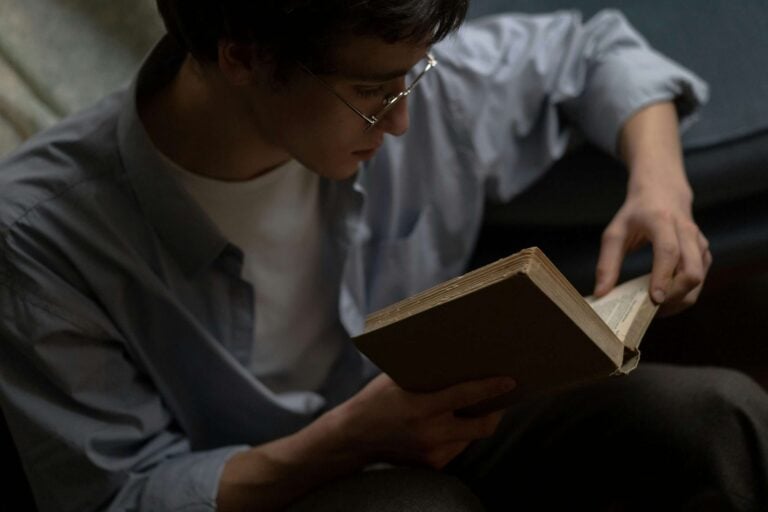
Genuine rest for an introvert tends to involve a few consistent elements: solitude, low stimulation, and the freedom to follow your own internal rhythm without social performance. That might look like a long walk without earbuds. A Sunday morning reading without checking your phone. An hour of cooking something from scratch with no one else in the kitchen.
The restorative power of solitude is something I came to appreciate late. For most of my agency career, I treated alone time as something I had to earn after enough productivity, not as something that made the productivity possible. Flipping that understanding changed how I structured my entire week.
If you’re someone who identifies as a highly sensitive person alongside your introversion, the need for intentional rest runs even deeper. The essential need for solitude that HSPs carry isn’t a preference. It’s a biological requirement for functioning well. Dismissing it as laziness or avoidance misses what’s actually happening in your nervous system.
Psychology Today’s writing on solitude makes a point worth sitting with: choosing to be alone and being isolated are fundamentally different experiences. Embracing solitude intentionally is associated with better emotional regulation and a stronger sense of self. That’s not the same as loneliness, and conflating the two does introverts a disservice.
How Should Introverts Approach Physical Health Without Draining Themselves?
Movement matters. That’s not in question. What’s worth examining is whether the format of your exercise is adding to your energy or quietly depleting it before you even start your day.
I spent years forcing myself through gym routines that felt more like social obligations than physical care. Crowded weight floors, unsolicited advice from strangers, the ambient noise of forty people working out simultaneously. My body got the exercise, but my mind came home wrung out. Eventually I started running alone, early in the morning, before the city woke up. That small shift changed everything about how I related to physical health.
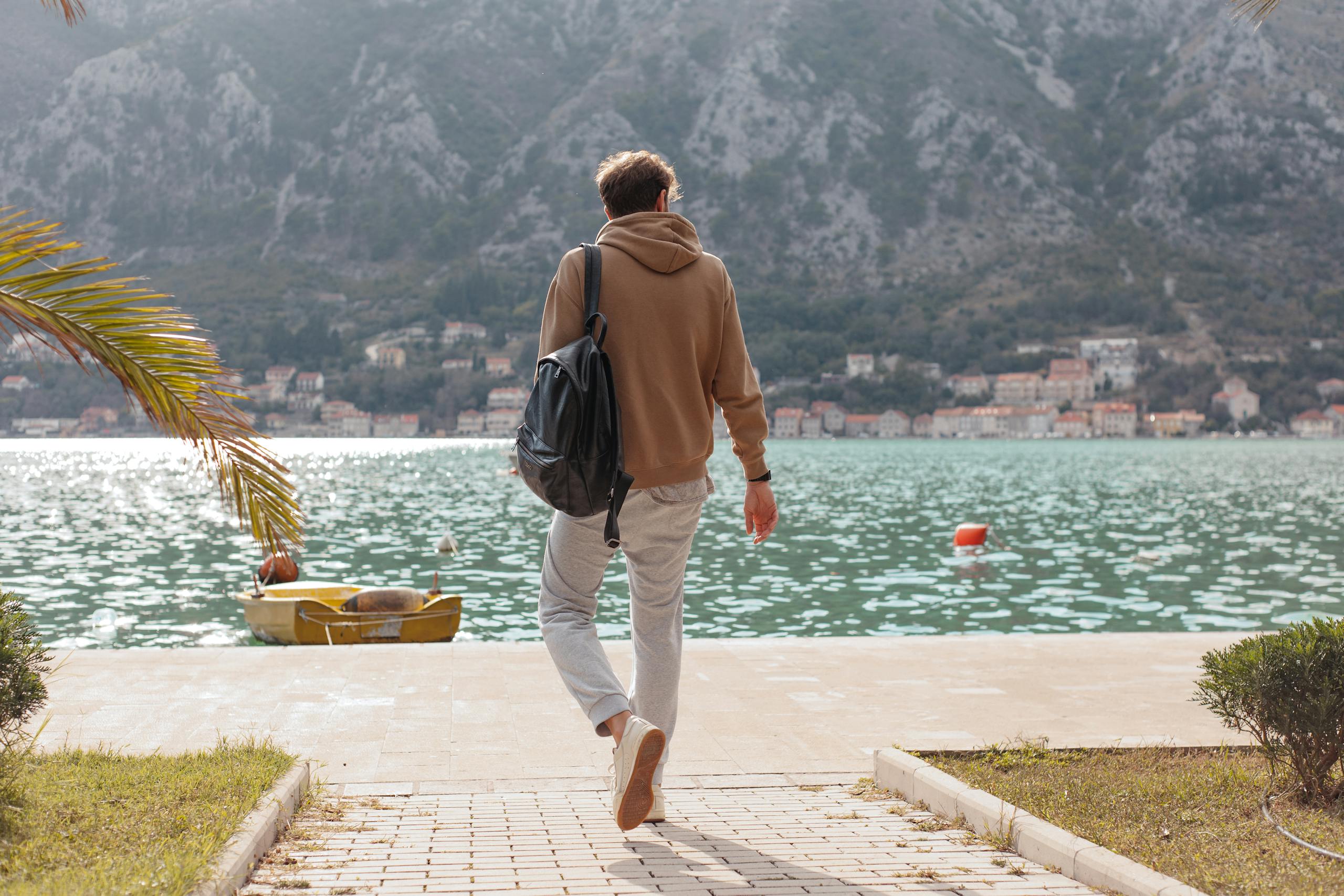
Solo movement, whether that’s running, swimming, cycling, hiking, or even a long walk through a quiet neighborhood, tends to suit introverted wiring. You control the pace, the environment, and the level of stimulation. You can think, or not think. You can process the morning’s emails or let your mind go completely blank. That freedom is itself restorative.
Nature adds another layer to this. There’s something about being outside, away from screens and social demands, that resets the nervous system in ways that indoor exercise often can’t replicate. The research on nature’s effect on mental health is substantial, and for introverts who are already sensitive to overstimulation, the calming effect of natural environments is particularly pronounced. The healing power of the outdoors for highly sensitive people speaks directly to this, and much of it applies to introverts more broadly.
A peer-reviewed study published in PubMed Central found meaningful connections between time spent in natural environments and reduced psychological stress. For introverts managing overstimulation from work and social demands, that’s not a trivial benefit. It’s a practical tool.
What Role Does Sleep Play in Introvert Self-Care?
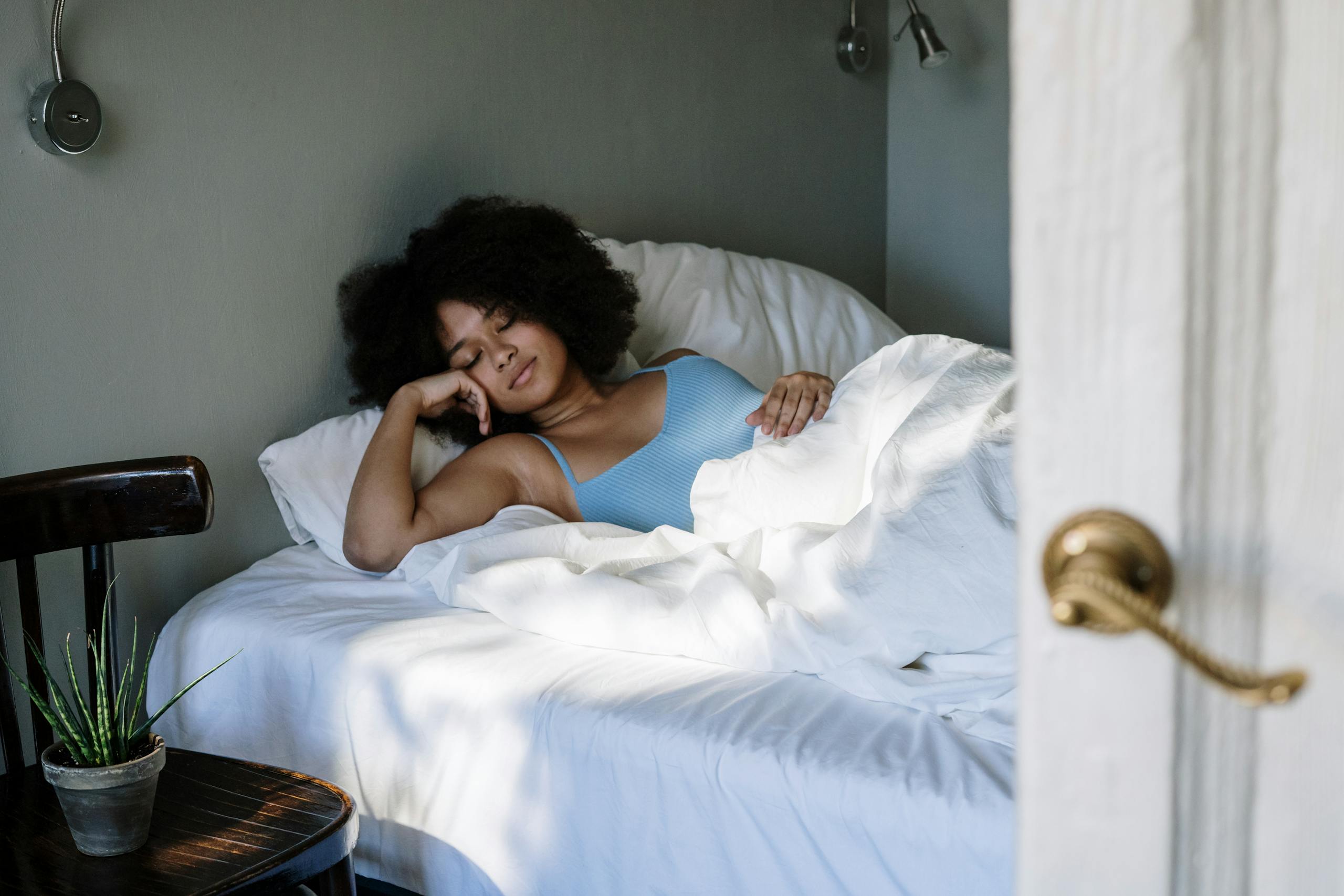
Sleep is where introverts often underestimate how much is at stake. When you spend a significant portion of your day managing stimulation, performing socially, and operating in environments designed for extroverts, your nervous system accumulates a kind of debt. Sleep is how that debt gets paid.
During my agency years, sleep was the first thing I sacrificed when deadlines hit. I told myself I could push through on six hours, then five. What I didn’t understand was that I was borrowing against a reserve that introverts, particularly those with high sensitivity, can’t afford to deplete. The cognitive sharpness that makes introverts valuable, the ability to think deeply, notice patterns, synthesize complex information, degrades faster under sleep deprivation than most people realize.
The wind-down matters as much as the sleep itself. Jumping from a high-stimulation evening directly into bed rarely works well for introverts. Your mind is still processing. It needs a transition, something that signals the shift from engagement to rest. That might be thirty minutes of reading fiction. A short meditation. Dimming the lights an hour before bed and stepping away from screens.
The strategies outlined in HSP sleep and recovery approaches translate well to introverts generally, especially around creating low-stimulation evening routines and protecting sleep as a non-negotiable health priority rather than a luxury you earn after you’ve done enough.

How Do You Build Daily Routines That Actually Restore You?
Routines are one of the most underrated self-care tools available to introverts, and one of the most misunderstood. People often frame routines as rigid or boring. What they actually provide is something introverts genuinely need: predictability that reduces the cognitive load of decision-making and creates space for depth.
When I was running my agency, the days that drained me most weren’t the ones with the heaviest workloads. They were the days with no structure, where I was constantly reacting to whatever came at me. Every interruption required a mental pivot. Every unexpected meeting meant recalibrating. By 3 PM I had nothing left, not because I’d worked too hard, but because I’d been context-switching all day with no anchor points.
Building intentional anchors into your day, a quiet morning before anyone else in the house is awake, a midday break that’s genuinely restorative rather than just a different kind of screen time, an evening ritual that marks the end of “on” time, creates a structure that protects your energy rather than spending it.
The specific practices matter less than the consistency and the intentionality. Some introverts find journaling in the morning clears their head for the day ahead. Others prefer it in the evening as a way to process what happened. Some need movement to shake off the residue of social interaction. Others need complete stillness. The essential daily practices for highly sensitive people offer a useful framework for thinking about this, covering everything from morning routines to sensory management throughout the day.
What I’d add from my own experience: don’t underestimate the power of protecting your mornings. Before the emails start, before the Slack messages, before anyone needs anything from you, there’s a window of time that belongs entirely to you. Guard it. What you do in that window sets the tone for everything that follows.
Can Solitude Be a Form of Social Health, Not Just Withdrawal?
One of the most persistent misunderstandings about introvert self-care is the assumption that choosing solitude means rejecting connection. It doesn’t. It means understanding what kind of connection actually nourishes you and protecting the conditions that make genuine connection possible.
I’ve watched introverts on my teams over the years burn out not from overwork, but from constant low-grade social performance. Open offices. Mandatory team lunches. Brainstorming sessions that never ended. They weren’t antisocial. They were exhausted. And when they finally got space, they showed up for the people around them in ways that surprised everyone, including themselves.
Solitude replenishes the capacity for genuine connection. When you’re running on empty, every interaction becomes transactional. You’re managing the conversation rather than being present in it. Time alone restores the reserves that make depth possible.
There’s also something worth noting about the creative and intellectual benefits of time alone. Berkeley’s Greater Good Science Center has explored how solitude can actually enhance creative thinking by allowing the kind of uninterrupted reflection that crowded environments make impossible. For introverts who do their best thinking in quiet, this isn’t surprising. But it’s worth naming as a legitimate benefit rather than a guilty pleasure.
My dog Mac taught me something about this that I didn’t expect. There’s a piece I wrote about Mac and the art of alone time that captures what I mean. Animals don’t apologize for needing rest. They don’t perform busyness to seem more valuable. They just rest when they need to, fully and without guilt. Watching that was a small revelation for someone who spent two decades treating his own need for quiet as something to be managed rather than honored.
How Do You Handle the Social Pressure Around Self-Care?
Self-care has a PR problem. It’s been marketed as something you do with other people, in groups, on social media, with visible effort and photogenic results. For introverts, that framing creates a strange kind of pressure: your actual self-care, the quiet, private, unglamorous kind, doesn’t look like self-care to anyone watching.
I’ve been in professional environments where taking a lunch break alone was read as a sign that something was wrong. Where declining after-work drinks was interpreted as not being a team player. Where needing a quiet office to think was treated as a personality quirk to be accommodated rather than a legitimate working style. The social cost of introvert self-care is real, and pretending otherwise doesn’t help anyone.
What helped me was getting clear on the distinction between what I needed and what I owed. I owed my clients excellent work. I owed my team clear communication and genuine support. I didn’t owe anyone a performance of extroversion that left me less capable of delivering on the things that actually mattered.
The CDC’s work on social connectedness is clear that isolation is a genuine health risk. That’s worth taking seriously. At the same time, meaningful connection and constant social exposure are not the same thing. Introverts can maintain deep, healthy relationships while still protecting the solitude that makes them well. Those two things aren’t in conflict.
Harvard’s writing on the difference between loneliness and isolation is useful here. Loneliness is a subjective experience of feeling disconnected. Isolation is objective separation from others. An introvert who spends Saturday morning alone and feels completely content is neither lonely nor at risk. An introvert who spends Saturday morning alone and aches for connection is experiencing something different. Knowing which one you’re dealing with matters for how you respond.
What About Mental and Emotional Self-Care?
Introverts tend to live a significant portion of their lives in their own heads. That’s a feature, not a bug. The capacity for internal reflection, for sitting with complex emotions rather than immediately externalizing them, for thinking through problems with depth and patience, is genuinely valuable. It’s also a space that needs tending.
When I was managing large agency teams, I carried a lot internally. Client tensions, staff conflicts, financial pressures. I processed most of it alone, which is how I’m wired. What I didn’t do well for a long time was create any kind of outlet for what I was carrying. The processing happened, but it didn’t always resolve. It just circulated.
Journaling was the practice that changed that for me. Not therapy-style journaling where I was trying to solve problems, but the kind where I was simply putting words to what was happening inside. Getting it out of my head and onto a page created a kind of distance that made it easier to see clearly. Many introverts find something similar, whether through writing, drawing, music, or any other form of expression that externalizes the internal without requiring an audience.
Mindfulness practices also tend to suit introverts well, partly because they’re solitary by nature, and partly because they work with the introvert’s existing tendency toward internal awareness rather than against it. Frontiers in Psychology has published research on the relationship between mindfulness and emotional regulation that’s worth reading if you’re looking for evidence-based grounding for these practices.
Therapy, when you find the right fit, can be powerful for introverts. The one-on-one format suits us. The depth of conversation suits us. What can feel harder is the vulnerability of speaking things aloud that you’ve only ever processed internally. That’s a real barrier, and it’s worth naming. Finding a therapist who understands introversion and doesn’t pathologize your need for quiet makes a significant difference.
How Do You Sustain Self-Care When Life Gets Busy?
The hardest part of introvert self-care isn’t knowing what you need. Most introverts have a fairly clear sense of that. The hardest part is protecting it when external demands ramp up, which is precisely when you need it most and when it’s most likely to get sacrificed.
Busy periods in agency life were when I abandoned every good habit I’d built. The morning quiet disappeared. The lunch breaks alone stopped. The evenings wound down with a glass of wine in front of a screen instead of anything genuinely restorative. And then I’d wonder why I was making worse decisions, snapping at people I respected, and feeling like I was running on fumes by Wednesday.
What eventually worked was treating the non-negotiables as genuinely non-negotiable. Not aspirational habits that got dropped when things got hard, but baseline requirements that I protected the same way I protected client deliverable deadlines. The morning quiet wasn’t something I did when I had time. It was something I made time for, even if it meant getting up earlier or saying no to something else.
Scale matters here. When you can’t have an hour, take twenty minutes. When you can’t take twenty minutes, take five. The goal isn’t perfection. It’s maintaining the thread of intentional self-care even when circumstances make the full version impossible. A five-minute walk outside between meetings does something. It’s not nothing.
There’s also something to be said for building recovery into the structure of busy periods rather than waiting until after them. Recent research on psychological recovery and well-being supports the idea that micro-recovery throughout the day is more effective than trying to compensate for accumulated depletion at the end of it. For introverts managing high-stimulation work environments, that’s a practical insight, not just a theoretical one.
Self-care for introverts isn’t a weekend project. It’s a daily practice woven into the structure of ordinary life. The more naturally it fits your actual rhythms, the more sustainable it becomes. That’s what makes it yours rather than someone else’s template borrowed and poorly fitted.
There’s much more to explore on this topic across the full range of introvert wellness practices. Our Solitude, Self-Care and Recharging hub pulls together everything from daily routines to sleep strategies to the deeper work of building a life that fits who you actually are.
About the Author
Keith Lacy is an introvert who’s learned to embrace his true self later in life. After 20 years in advertising and marketing leadership, including running agencies and managing Fortune 500 accounts, Keith now channels his experience into helping fellow introverts understand their strengths and build fulfilling careers. As an INTJ, he brings analytical depth and authentic perspective to every article, drawing from both professional expertise and personal growth.
Frequently Asked Questions
Is self-care for introverts really different from general wellness advice?
Yes, in meaningful ways. Most mainstream wellness advice is built around social activity, group exercise, and external engagement as the primary tools for health. Introverts recharge through solitude and low stimulation, which means following standard advice can actually increase depletion rather than reduce it. Effective self-care for introverts prioritizes alone time, quiet routines, and environments with manageable stimulation levels, not as a compromise, but as the actual foundation of wellbeing.
How much alone time do introverts actually need?
There’s no universal answer, and it varies based on how socially demanding your work and personal life are. A useful starting point is paying attention to your own signals: irritability, difficulty concentrating, feeling emotionally flat, and a strong pull toward quiet are all signs that your reserves are depleted. Many introverts find they need at least one to two hours of genuine solitude daily to function well, with longer recovery periods after unusually demanding social situations. The specific amount matters less than the consistency of protecting it.
Can introverts practice self-care while still maintaining close relationships?
Absolutely, and in fact, regular solitude tends to improve the quality of an introvert’s relationships rather than diminish them. When you’re not running on empty, you show up more fully for the people you care about. The challenge is communicating your needs clearly so that your need for alone time isn’t misread as disinterest or withdrawal. Most people, once they understand the recharging dynamic, are more accommodating than introverts expect.
What types of exercise tend to work best for introverts?
Solo and low-stimulation forms of movement tend to suit introverts best. Running, swimming, hiking, cycling, yoga practiced at home or in small classes, and strength training in quieter gym environments all allow you to get the physical benefits of exercise without the social overhead of group fitness. Outdoor movement has the added advantage of combining physical activity with nature exposure, which many introverts find particularly restorative. The best exercise is the one you’ll actually do consistently, so finding a format that doesn’t drain you socially is worth prioritizing.
How do you practice self-care as an introvert when you live with other people?
Living with others requires more intentional boundary-setting around your alone time, but it’s entirely workable. Establishing a consistent morning routine before others are awake, claiming a specific space in your home as your quiet zone, and communicating clearly with the people you live with about what you need and why, all make a significant difference. It also helps to identify the moments in your day that can serve as micro-recovery points: a short walk, time in a room with the door closed, an early bedtime a few nights a week. Small, consistent pockets of solitude add up.