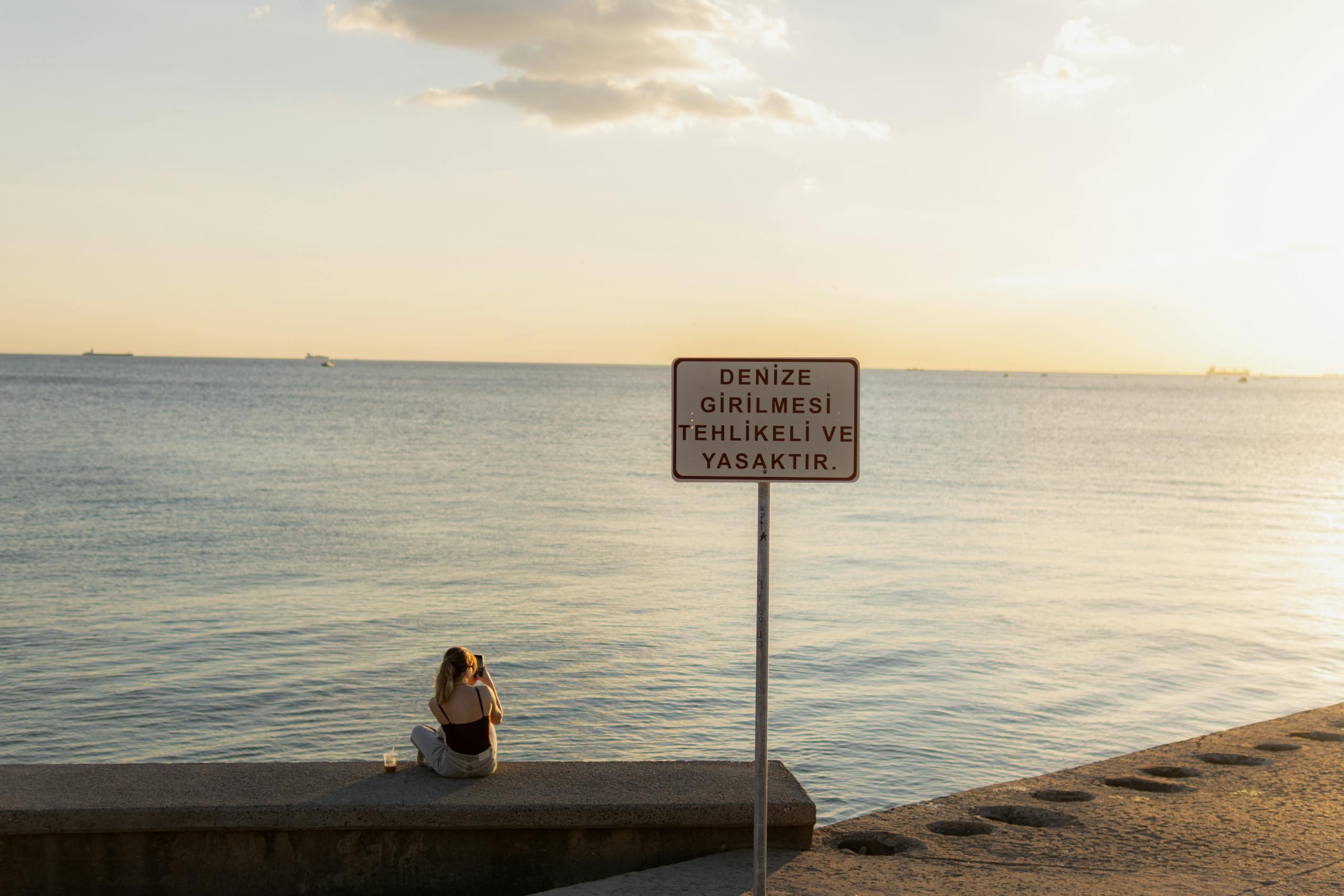

Some women are simply wired to need solitude the way others need conversation. She is the type of woman who needs alone time not because something is wrong with her, but because her inner world is rich, complex, and requires space to breathe. Solitude is not her escape from life. It is where she finds herself again.
If you love someone like this, or if you are someone like this, what follows might feel like the first honest description you’ve encountered of what this actually looks like from the inside.
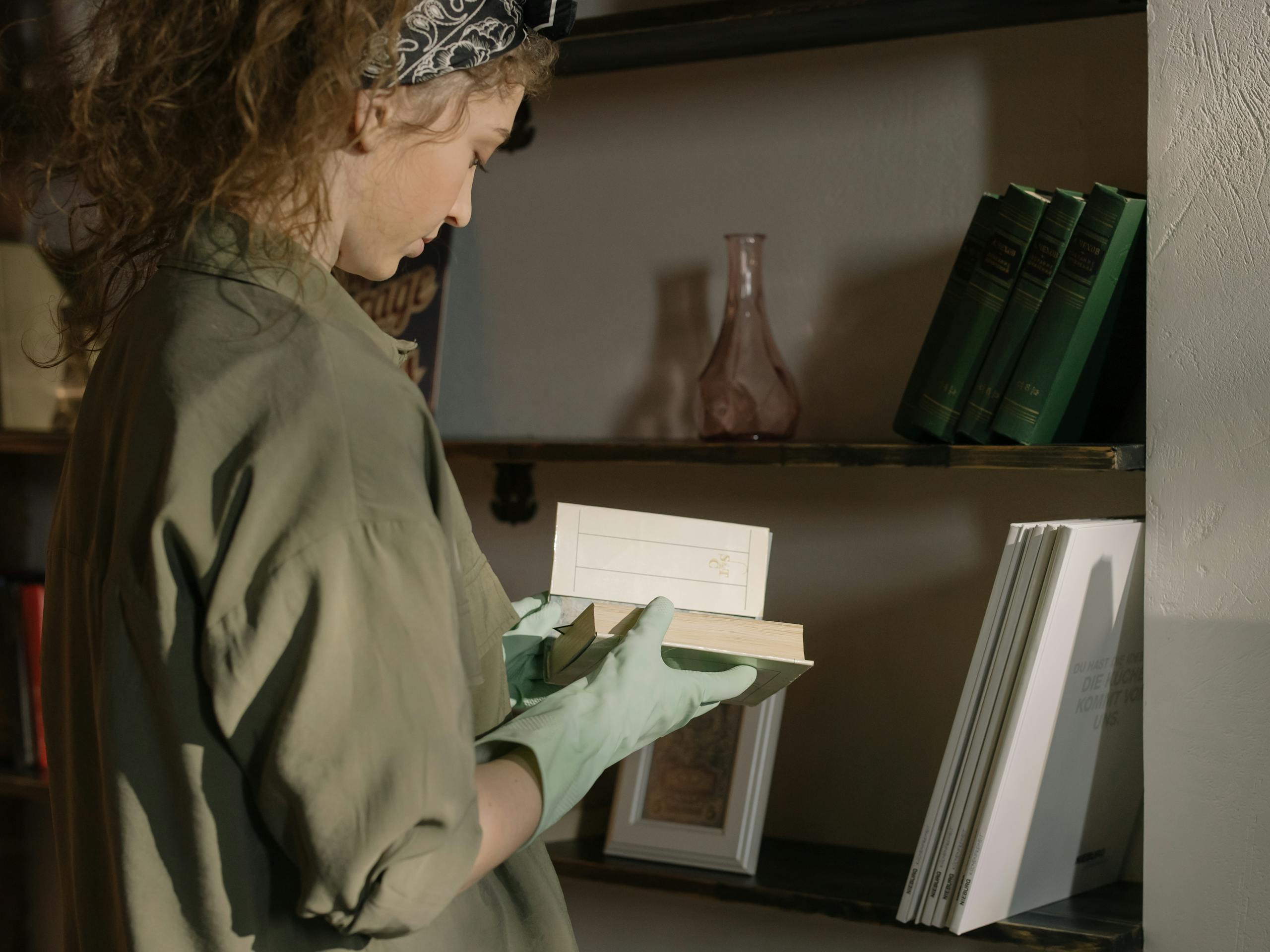
Solitude for introverted women touches nearly every part of life, from how they recharge after social events to how they process grief, make decisions, and build identity. Our Solitude, Self-Care and Recharging hub explores this terrain across many angles, and this piece focuses on something specific: what it actually means to be a woman whose need for alone time is not a quirk or a phase, but a fundamental part of who she is.
What Does It Really Mean to Need Alone Time?
There is a version of this conversation that gets it wrong from the start. It frames alone time as a preference, a personality flourish, something nice to have when the schedule allows. That framing misses the point entirely.
What’s your personality type?
Take our free 40-question assessment and get a detailed personality profile with dimension breakdowns, context analysis, and personalised insights.
Discover Your Type8-12 minutes · 40 questions · Free
For introverted women, and for highly sensitive women in particular, solitude is not optional. It is physiological. Their nervous systems process stimulation more deeply than most, which means social environments, loud spaces, emotional conversations, and even bright lighting cost them something real. Time alone is how that cost gets paid back.
I watched this play out in my agencies for years without fully understanding it. Some of the most gifted people on my teams, strategists, writers, account leads, were women who would disappear into a quiet corner of the office after a particularly charged client meeting. I used to read that as disengagement. Eventually I understood it as the opposite. They were doing the most important work: integrating what had just happened so they could come back sharper.
As an INTJ, I recognized something of myself in that pattern. My own need for solitude was always high, but I spent years suppressing it because leadership culture told me that visibility equaled value. The cost of that suppression was real. The women I observed who honored their need for alone time, without apology, were consistently more creative, more emotionally steady, and more effective over time than those who pushed through without rest.
Understanding what happens when introverts don’t get alone time clarifies why this matters so much. It is not just fatigue. It is a cascade: irritability, difficulty concentrating, emotional reactivity, a creeping sense of disconnection from your own values and instincts. For women who are already handling high social and emotional demands, that cascade can arrive faster and cut deeper.
Why Does Society Make This So Hard for Women?
Men who need alone time are often described as focused, driven, or independent. Women who need the same thing are more likely to be described as cold, difficult, or emotionally unavailable. That asymmetry is worth naming plainly, because it shapes how introverted women feel about their own needs.
Women are socialized from early childhood to be relational, available, and responsive. A girl who prefers reading in her room to playing with the neighborhood kids is often treated as a problem to be solved rather than a child expressing a legitimate temperament. That early messaging does not disappear in adulthood. It becomes an internal voice that says your need for solitude is selfish, antisocial, or a sign that something is broken in you.
One of the women I worked with most closely during my agency years was a senior creative director. Brilliant, perceptive, and deeply introverted. She had built an entire performance around seeming extroverted, staying late for drinks she didn’t want, volunteering for presentations she found draining, laughing louder than felt natural. When she finally told me she was burning out, she said something I’ve thought about many times since. She said, “I’ve been apologizing for my wiring my entire career.”
That sentence landed hard. Because I had done the same thing, in my own way, for years before I stopped.

The social pressure on introverted women is compounded by the fact that many of them are also highly sensitive people. HSPs, a term coined by psychologist Elaine Aron, process sensory and emotional information more deeply than most. That depth is a genuine strength, but it comes with a cost in high-stimulation environments. The need for solitude among HSPs is not a preference. It is a biological necessity, and understanding that reframes everything.
A piece published in Psychology Today on embracing solitude for health makes the point clearly: solitude is not the same as loneliness, and conflating the two does real harm to people who need time alone to function well. Loneliness is the pain of unwanted isolation. Solitude is the restoration that comes from chosen quiet. The distinction matters enormously for introverted women who have spent years defending their need for the latter against accusations of the former.
How Does She Actually Experience Alone Time?
From the outside, alone time can look passive. She is sitting quietly. She is reading. She is taking a long walk by herself. What is actually happening inside is anything but passive.
Introverted women tend to have rich, layered inner lives. When they are alone, they are not simply resting. They are processing the week’s conversations, extracting meaning from what felt incomplete, rehearsing what they want to say next time, building mental models of situations that felt confusing. Solitude is where their thinking gets done.
My own experience as an INTJ tracks with this closely. My best strategic thinking has never happened in a conference room. It has happened on long drives, in the early morning before anyone else is awake, or during walks I take specifically to let my mind work without interruption. The alone time is not the absence of productivity. It is where the real productivity lives.
For many introverted women, alone time also carries a creative dimension. Solitude creates the conditions for original thought in ways that constant social stimulation cannot. Berkeley’s Greater Good Science Center has explored how solitude supports creativity, noting that time away from social input allows the mind to make novel connections and access deeper imaginative states. This is not abstract theory for women who paint, write, compose, design, or solve complex problems. It is lived experience.
There is also an emotional dimension that often goes unacknowledged. Many introverted women are deeply empathic, absorbing the emotional states of the people around them without always meaning to. Time alone allows them to sort through what is theirs and what belongs to someone else. Without that sorting time, they can lose track of their own emotional baseline entirely.
I managed a team of account managers at one of my agencies, and several of the women on that team described exactly this experience after particularly intense client weeks. They weren’t just tired. They were emotionally saturated, carrying fragments of other people’s stress and anxiety that had accumulated over days of close contact. Solitude was how they found themselves again.
What Does Her Self-Care Actually Look Like?
Self-care for introverted women is not a spa day, though it might include one. It is a consistent, intentional practice of creating conditions in which her nervous system can recover and her inner life can breathe.
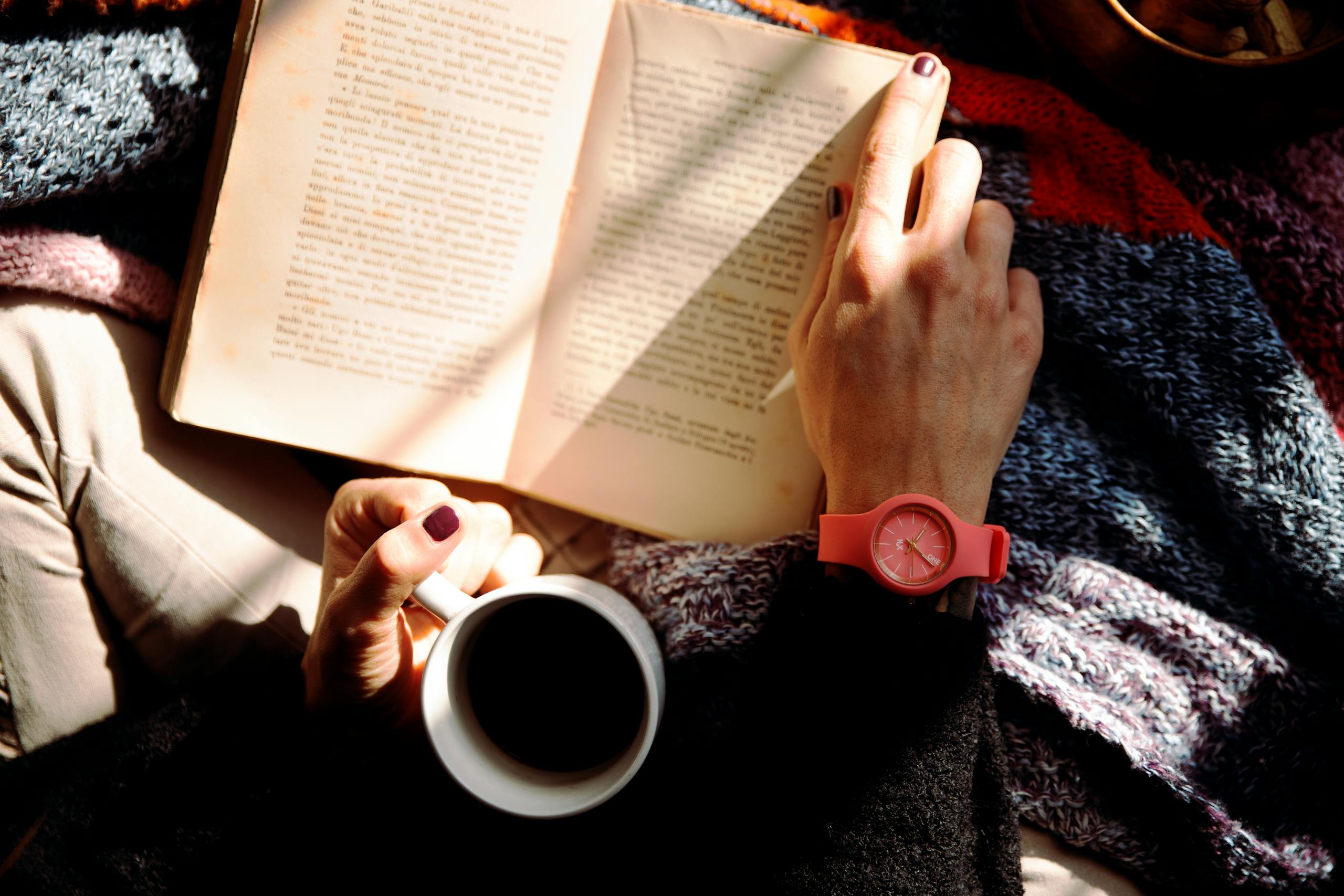
The specifics vary by person, but certain patterns show up consistently. Morning routines that begin before the household wakes. Evenings spent in quiet rather than social obligation. Weekends that include at least one full afternoon with no plans and no people. Saying no to things that feel draining without needing to justify the refusal at length.
For highly sensitive women, the self-care practices that work tend to be gentler and more sensory-aware than mainstream wellness culture typically recommends. Crowd-based fitness classes, noisy social events framed as “fun,” or high-stimulation experiences marketed as stress relief can actually increase rather than decrease their load. The essential daily practices for HSP self-care tend to be quieter, more deliberate, and more attuned to what the nervous system actually needs rather than what looks good on social media.
Sleep deserves its own mention here. Introverted women who are also highly sensitive often find that sleep is one of the most critical elements of their functioning, and that disrupted sleep has outsized consequences for them compared to people with less sensitive nervous systems. The connection between deep rest and emotional regulation is direct and significant. Rest and recovery strategies for HSPs address this specifically, recognizing that quality sleep is not a luxury for this group. It is foundational.
Nature also plays a recurring role in how introverted women recharge. There is something about natural environments, their relative quiet, their lack of social demand, their sensory richness without social complexity, that works particularly well for people who are both introverted and highly sensitive. The healing power of nature for HSPs is well-documented in the experiences of people who find that even a short time outdoors resets something that indoor environments cannot. A walk in the woods, a morning on a quiet beach, an hour in a garden: these are not indulgences. They are maintenance.
Emerging work in environmental psychology supports this. Research published in PubMed Central has examined the restorative effects of natural environments on psychological well-being, finding consistent benefits for stress reduction and attentional recovery. For introverted women who spend significant portions of their days in high-stimulation indoor environments, access to nature is not a nice-to-have. It is part of the recovery equation.
How Does Her Need for Solitude Affect Her Relationships?
This is where things get complicated, and where introverted women often carry the most unresolved guilt.
She loves the people in her life. She genuinely does. And she also needs to be away from them on a regular basis in order to show up as her best self when she is with them. Those two things are not in conflict, but they can feel that way when the people she loves interpret her need for solitude as rejection.
Partners who are extroverted often struggle with this dynamic. They experience her withdrawal as distance or disinterest. They take it personally in ways that are understandable but not accurate. The conversation that needs to happen, the one that says “I need time alone because it makes me more present with you, not less,” is one that many introverted women have not yet found the words for. Or they have found the words and discovered that their partner keeps needing to hear it again.
I think about my own marriage and the years it took me to articulate clearly that my need for solitude was not about unhappiness with my family. It was about being the kind of husband and father I wanted to be. When I had enough alone time, I was genuinely present. When I didn’t, I was physically there but mentally somewhere else, going through the motions while my inner world churned with unprocessed everything. The people I loved deserved better than that version of me.
For introverted women, this same dynamic plays out across friendships, family relationships, and romantic partnerships. The woman who cancels plans at the last minute because she is overwhelmed is not unreliable. She is managing a real capacity limit that she may not yet have the language to explain. The woman who seems distant at family gatherings is often working very hard just to stay regulated in a high-stimulation environment. The woman who needs a day alone after a wonderful weekend with friends is not ungrateful. She is refilling.
What makes relationships work for introverted women is not partners and friends who never need anything from her. It is people who understand that her solitude is how she sustains her capacity to give. That understanding changes everything.

Is There a Difference Between Solitude and Isolation?
Yes, and the distinction matters more than most conversations acknowledge.
Solitude is chosen. It is purposeful. It leaves you feeling restored, clearer, more yourself. Isolation is something different: a withdrawal driven by pain, avoidance, or circumstance, one that tends to deepen distress rather than relieve it. The two can look identical from the outside, which is part of why introverted women sometimes face concern from people who love them when they are simply doing what they need to do.
Harvard Health has written clearly about the difference between loneliness and isolation, and the distinction applies here. An introverted woman who chooses solitude regularly and emerges from it feeling connected to herself and ready to engage with others is not isolated. She is well-regulated. The concern is warranted only when alone time stops being restorative and starts being a way of avoiding the world entirely.
That said, the line is worth monitoring. Introverted women who are also dealing with depression, anxiety, or chronic stress can find that their legitimate need for solitude gets hijacked by avoidance. The alone time that once restored them starts to feel like hiding. That shift is worth paying attention to, not because solitude is the problem, but because something else may need addressing.
The CDC’s research on social connectedness underscores that human beings need both: meaningful connection with others and meaningful time alone. The goal is not maximum solitude any more than it is maximum social engagement. It is a balance calibrated to who you actually are, not who you feel pressured to be.
How Does She Protect Her Alone Time Without Feeling Guilty?
Guilt is the tax that introverted women pay for having needs that don’t fit the social script. And it is a tax worth refusing.
Protecting alone time starts with internalizing that it is not selfish. It is structural. An introverted woman who does not protect her solitude will eventually have nothing left to give. Her patience will thin. Her creativity will stall. Her emotional presence will hollow out. Protecting her alone time is not about prioritizing herself over others. It is about maintaining the conditions that allow her to show up for others at all.
In practical terms, this means building solitude into the architecture of the day rather than hoping it will appear in the gaps. It means having direct conversations with partners, family members, and close friends about what she needs and why. It means learning to decline social invitations without elaborate justification. And it means, over time, finding community with people who understand this about her.
One thing that helped me enormously in my own agency years was finding other introverted leaders who had found ways to protect their processing time without apologizing for it. There was something powerful about seeing someone else model that behavior without apparent guilt. It gave me permission I hadn’t known I was waiting for. I think introverted women often need the same thing: not advice, but evidence that someone else has done this and it worked.
There is also something worth saying about the difference between protecting alone time and disappearing from your life. The introverted women I’ve known who do this most gracefully are not hermits. They are present and engaged when they are with people. They laugh, they connect, they contribute. They simply do not pretend that they can do it indefinitely without cost. They know their limits, they communicate them, and they act accordingly.
That combination of self-awareness and honest communication is, in my experience, one of the most underrated forms of emotional maturity.
It is also worth noting that some introverted women find their alone time in unexpected places. Not always at home, not always in silence. Some find it in the particular solitude of solo travel, the freedom of being in a new place with no social obligations and no one who knows you. Psychology Today has explored solo travel as a chosen approach for people who find genuine restoration in the independence it offers. Others find it in the quiet companionship of a pet, which is something worth its own consideration. The particular peace that comes from being with an animal who makes no social demands on you is real and significant. Mac’s story about alone time captures something of that dynamic beautifully.
What Does Science Tell Us About Why Solitude Matters?
The case for solitude has been building in psychological research for years, and it goes well beyond personality type.
Time alone appears to support self-regulation, identity development, and the kind of deep thinking that social environments tend to interrupt. A paper published in Frontiers in Psychology examined solitude and its relationship to well-being, finding that the benefits of alone time are real and measurable, particularly when solitude is chosen rather than imposed. The quality of the solitude matters, as does the individual’s attitude toward it. People who view solitude as restorative tend to benefit from it more than those who experience it primarily as loneliness.
This is consistent with what introverted women report from their own experience. The alone time that works is the kind they have chosen, protected, and entered with some intention. The alone time that doesn’t work is the kind that arrives by default, surrounded by guilt, or interrupted before it can do its job.
Additional research in PubMed Central has examined the psychological dimensions of solitude more broadly, pointing to its role in emotional processing, creativity, and self-concept development. For introverted women who have spent years feeling that their need for alone time was a liability, this body of work offers something important: evidence that what they have always known about themselves is real.
What the science cannot fully capture is the texture of the experience itself. The particular quality of a morning spent entirely alone. The way a long walk without headphones lets thoughts untangle. The feeling of returning to yourself after a week of being pulled in too many directions. That is not data. That is life, and it matters just as much.
If you want to go deeper into the full landscape of solitude, recharging, and self-care for introverts and HSPs, the Solitude, Self-Care and Recharging hub brings together everything we’ve written on these themes in one place. It is worth bookmarking.
About the Author
Keith Lacy is an introvert who’s learned to embrace his true self later in life. After 20 years in advertising and marketing leadership, including running agencies and managing Fortune 500 accounts, Keith now channels his experience into helping fellow introverts understand their strengths and build fulfilling careers. As an INTJ, he brings analytical depth and authentic perspective to every article, drawing from both professional expertise and personal growth.
Frequently Asked Questions
Is needing alone time a sign of introversion or something else?
Needing alone time is most commonly associated with introversion, but it also shows up strongly in highly sensitive people regardless of where they fall on the introversion-extroversion spectrum. Some people are both introverted and highly sensitive, which amplifies the need for solitude considerably. The need for alone time is not a disorder or a flaw. It is a temperament trait that reflects how a person’s nervous system processes stimulation and restores itself.
How do you explain your need for alone time to a partner who doesn’t understand it?
The most effective approach is usually to frame solitude in terms of what it gives your relationship rather than what it takes from it. Explaining that alone time is how you recharge so you can be genuinely present, rather than physically there but mentally depleted, tends to land better than abstract explanations of introversion. Consistency helps too. When your partner sees that you reliably return from alone time warmer and more engaged, the behavior starts to make sense to them in a lived way that explanations alone cannot achieve.
Can you need too much alone time?
Yes, though the threshold varies significantly by person. Solitude becomes concerning when it stops being restorative and starts being avoidant, when you are withdrawing not to recharge but to escape difficult emotions, relationships, or situations you need to address. If alone time leaves you feeling more disconnected, more anxious, or more stuck rather than clearer and more grounded, that is worth paying attention to. A therapist who understands introversion can be a valuable resource for sorting out what is healthy solitude and what might be something else.
Why do introverted women often feel guilty about needing alone time?
The guilt usually comes from a combination of socialization and social pressure. Women are often raised with strong messages about availability and relational responsiveness, making any form of withdrawal feel like a violation of those expectations. Add to that a culture that frames extroversion as the default mode of healthy adult functioning, and introverted women can end up internalizing the message that their needs are somehow wrong. Recognizing that solitude is a legitimate biological and psychological need, not a character flaw, is often the first step toward releasing that guilt.
What are the best ways for introverted women to protect their alone time?
The most effective strategies tend to be structural rather than reactive. Building alone time into your daily and weekly schedule before social commitments fill the space works better than hoping for leftover time. Communicating your needs directly to the people closest to you, rather than managing them silently, reduces the friction that comes from misunderstanding. Learning to decline invitations without over-explaining removes a significant source of social pressure. And finding even small pockets of solitude during busy days, a quiet lunch, an early morning, a walk without your phone, can help maintain your baseline even when longer stretches are not available.