
Something has changed in the cultural fabric of American life, and it’s not subtle anymore. Staying home has moved from being a personality quirk to a widespread lifestyle preference, and millions of people are discovering what introverts have always quietly known: the home isn’t a retreat from real life. It is real life.
America is becoming a nation of homebodies in a measurable, documented, and deeply personal way. What’s driving this shift isn’t laziness or social failure. It’s a growing recognition that depth, comfort, and intentional living carry genuine value, and that the relentless pressure to be everywhere and do everything was never as fulfilling as advertised.
If you’ve always preferred a quiet evening at home over a crowded bar, you’re not behind the times. You may have been ahead of them.
Our Introvert Home Environment hub looks at the full range of how introverts relate to their living spaces, but this cultural shift adds a broader layer worth examining. When society starts moving toward your natural preferences, it raises an interesting question: what does that mean for those of us who were already living this way?
What Does It Actually Mean to Be a Homebody?
The word “homebody” used to carry a faint whiff of judgment. It implied someone who lacked ambition, social skills, or the courage to engage with the world. That framing was always unfair, and it’s finally starting to crack.
What’s your personality type?
Take our free 40-question assessment and get a detailed personality profile with dimension breakdowns, context analysis, and personalised insights.
Discover Your Type8-12 minutes · 40 questions · Free
A homebody isn’t someone who fears the outside world. A homebody is someone who genuinely prefers the richness of home life, who finds more meaning in a well-curated evening at home than in a packed social calendar. There’s a difference between avoidance and preference, and that distinction matters enormously.
I ran advertising agencies for over two decades. My job, ironically, was to help brands connect with people in public spaces, on screens, in stores, at events. I was good at it. But every Sunday evening, when I had a rare stretch of unscheduled time, I’d feel something settle in my chest when I stayed home. Not relief from exhaustion, though that was part of it. Something more like alignment. Like I was finally moving at my own pace.
That feeling is what homebodies are chasing. Not isolation. Alignment.
If you want a deeper sense of what it means to build a life around that feeling, the homebody book recommendations I’ve put together are worth exploring. Reading about this lifestyle through the eyes of writers who understand it can reframe the whole conversation.
Why Is the Homebody Lifestyle Growing So Rapidly?
Several forces are converging at once, and none of them are going away.
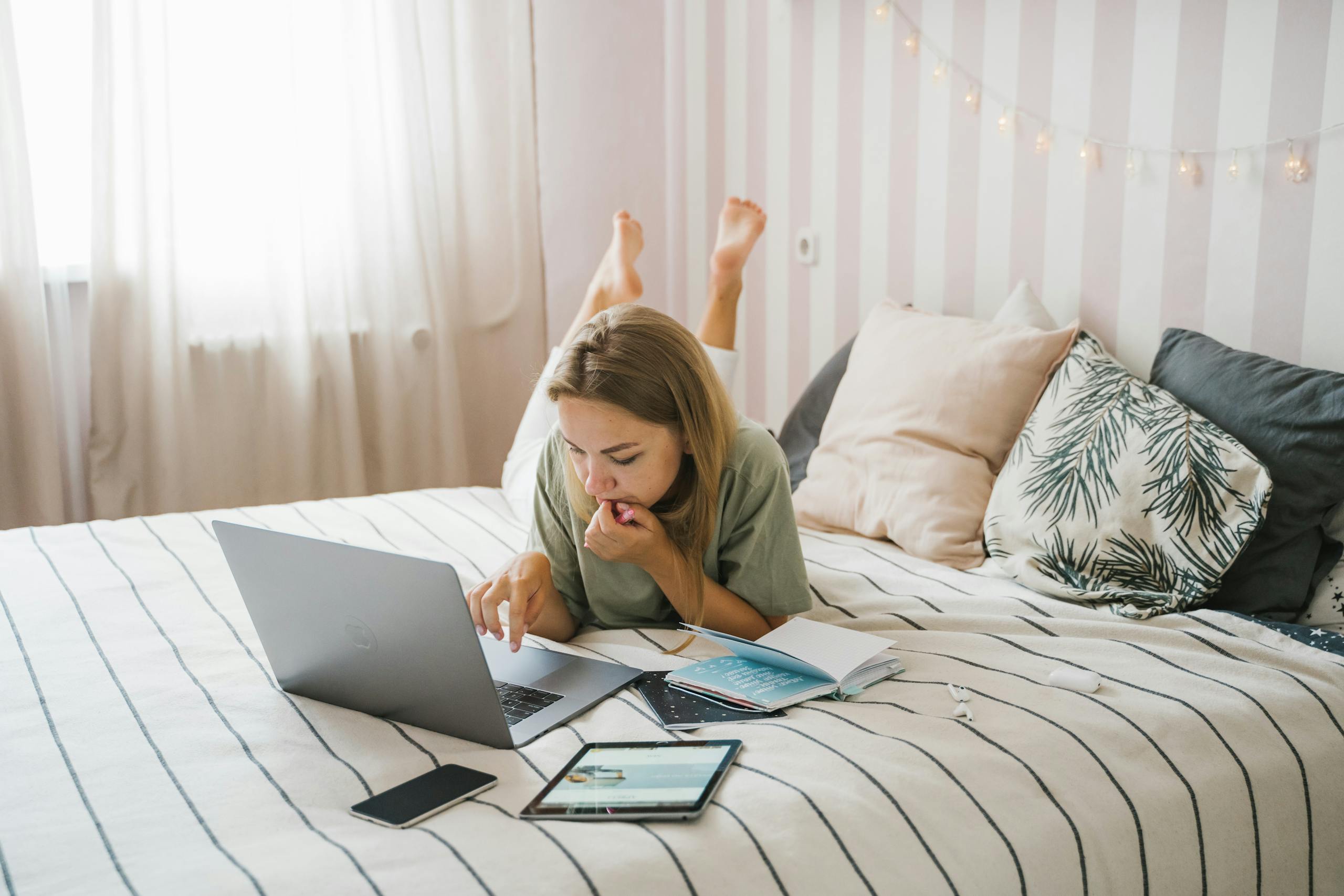
Remote work fundamentally changed the architecture of daily life for millions of Americans. When commuting disappeared for a significant portion of the workforce, people reclaimed hours they had never expected to have. Some filled those hours with more socializing. Many filled them with something quieter: cooking real meals, reading, gardening, redecorating, sitting still long enough to notice what they actually enjoyed.
The economic pressures of the last several years also played a role. Going out is expensive. A night at a restaurant or bar can cost what some families spend on groceries for a week. Staying home became a financial necessity for many, and in the process, people discovered it was also a genuine preference.
There’s also a generational dimension worth acknowledging. Younger Americans, particularly millennials and Gen Z, have been vocal about rejecting hustle culture and the performative busyness that defined earlier decades. The “soft life” aesthetic, the “cozy” movement, the rise of slow living content online, all of these reflect a cultural appetite for something more intentional and less exhausting.
What’s interesting is that this isn’t entirely new territory. Research published in PubMed Central has long examined how environment and personal space affect wellbeing, and the findings consistently point to the restorative power of environments where people feel genuinely safe and in control. Home, for many people, is that environment.
How Does This Shift Connect to Introversion Specifically?
Introverts didn’t invent the homebody lifestyle, but we’ve been practicing it for a long time. And there’s something both validating and worth examining carefully in watching the broader culture move toward what we’ve always needed.
As an INTJ, I’ve spent most of my adult life processing the world internally. My mind works by filtering experience through layers of observation and pattern recognition before reaching any conclusion. That process needs quiet. It needs space. It doesn’t happen well in loud, crowded, overstimulating environments. Home, for me, isn’t a place to hide. It’s a place to actually think.
What I find genuinely interesting about this cultural moment is that extroverts are discovering some of this too. Not because they’ve become introverted, but because the relentless pace of modern life was exhausting everyone, not just those of us wired for quiet. The homebody movement is, in part, a collective exhale.
That said, introverts and homebodies aren’t synonymous. Plenty of extroverts are embracing home-centered living for practical or economic reasons. And some introverts still love travel, adventure, and novelty. What connects introverts to this movement isn’t a shared fear of going out. It’s a shared appreciation for the particular quality of life that a well-tended home environment makes possible.
Psychology Today has written thoughtfully about why introverts crave depth over breadth in their social lives, and that same principle extends to how we inhabit our physical spaces. We don’t want more rooms. We want to know each room deeply.
What Are People Actually Doing at Home?
One of the most consistent misconceptions about homebodies is that staying home means doing nothing. The reality is almost the opposite.
People building home-centered lives are cooking elaborate meals, starting herb gardens, learning instruments, reading deeply, building creative practices, hosting small intimate gatherings, and yes, spending genuine quality time on a good couch. There’s nothing passive about any of that.
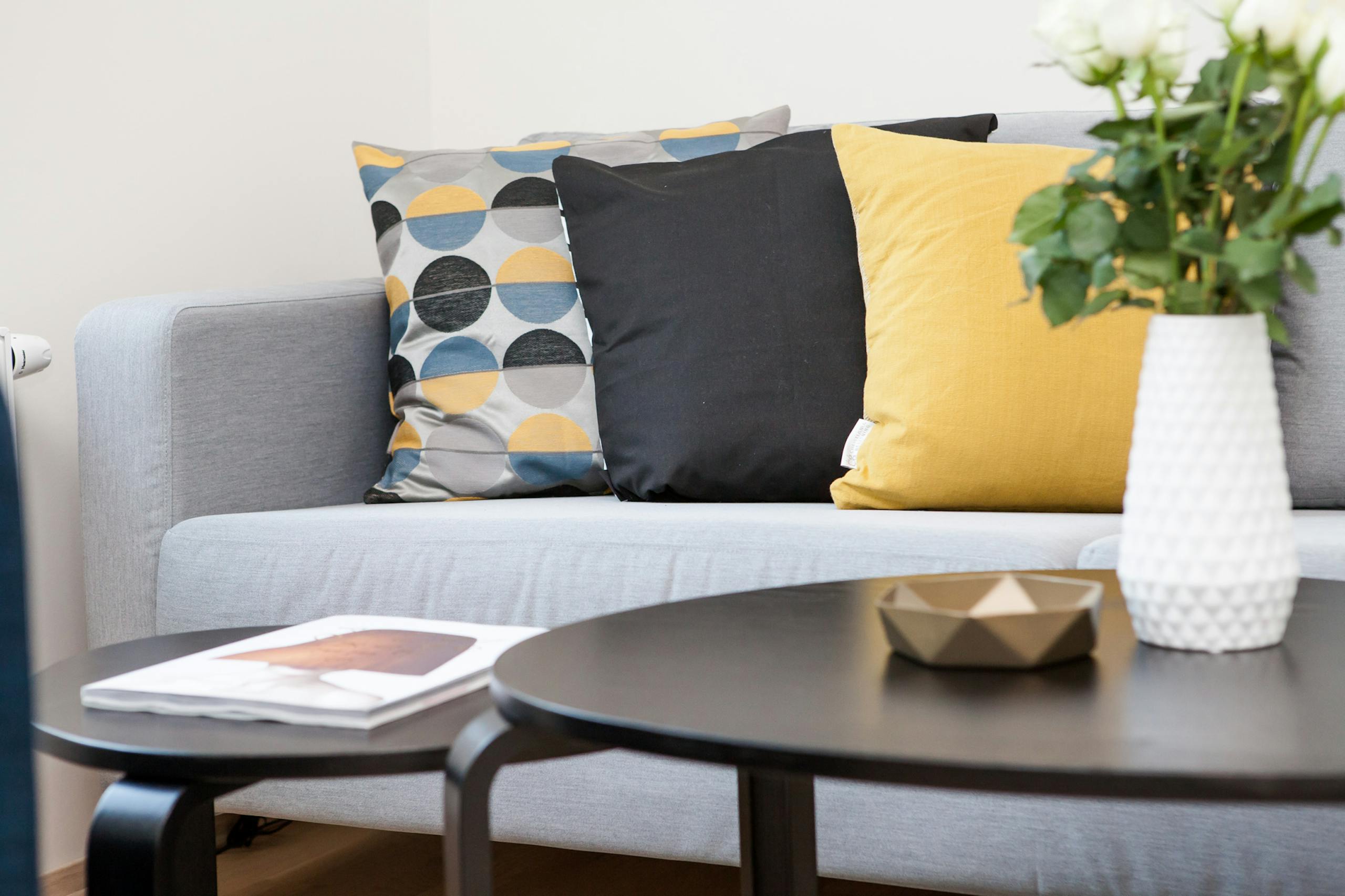
I’ve written before about the humble centerpiece of homebody life, the homebody couch, and I stand by the idea that where you choose to rest and think says something real about your values. My own home office couch has hosted more genuinely productive thinking than most of the conference rooms I’ve sat in over the years.
The activities people pursue at home have also become more sophisticated. Streaming has replaced going to the movies for many. Home fitness setups have replaced gym memberships. Online communities have replaced some forms of in-person socializing. Whether that last one is a net positive is worth examining, but the point is that home life has become genuinely rich, not a consolation prize for people who couldn’t get out.
For those who are highly sensitive, the appeal of home life runs even deeper. HSP minimalism offers one framework for understanding how sensitive people create home environments that actively support their nervous systems rather than working against them. It’s not about having less. It’s about having what genuinely serves you.

Has Technology Made the Homebody Life More Sustainable?
The honest answer is yes, with some important caveats.
Technology has made it genuinely possible to work, socialize, shop, learn, create, and be entertained without leaving home. That’s a structural change in what home life can be, and it’s not going away. For introverts and homebodies, many of these tools feel like genuine gifts.
Online social spaces have been part of this. Chat rooms and online communities designed for introverts offer something that in-person socializing often doesn’t: the ability to engage at your own pace, on your own terms, without the sensory and social overhead of a physical gathering. Many introverts have found genuine community through these spaces, not as a substitute for human connection, but as a form of it that actually fits how they’re wired.
During my agency years, I watched the rise of digital communication with a kind of quiet personal relief. Email gave me time to think before responding. Slack threads let me engage with my team without the constant interruption of open-office noise. I was a better leader through those tools than I ever was in the spontaneous, loud, real-time environments that extroverted leadership culture seemed to prize. The technology wasn’t making me antisocial. It was letting me be social in a way that actually worked for my brain.
The caveats matter, though. Technology can also enable avoidance rather than preference. There’s a meaningful difference between choosing to stay home because it genuinely serves you and staying home because anxiety or depression has made leaving feel impossible. The homebody movement at its healthiest is about positive choice, not retreat. Paying attention to that distinction in your own life is worth the effort.
Work published in PubMed Central examining social isolation and wellbeing draws a clear line between chosen solitude and involuntary loneliness. The psychological outcomes of those two states are very different, and that distinction is central to understanding whether a home-centered life is thriving or struggling.
How Is the Market Responding to This Cultural Shift?
When a cultural shift reaches a certain scale, the market follows. And the market has absolutely followed the homebody movement.
Home goods, candles, premium loungewear, indoor plants, kitchen equipment, smart home technology, subscription boxes, streaming services, home fitness equipment, all of these categories have seen significant growth as people invest more in the quality of their home experience. This isn’t coincidence. It reflects a genuine reallocation of how people want to spend their time and money.
I spent years in advertising helping brands reach consumers in the moments that mattered to them. Watching the homebody shift from a marketing perspective, it’s clear that “home” has become one of the most valuable contexts a brand can occupy. The spending happening in and around the home environment is substantial and growing.
For those who want to lean into this lifestyle more intentionally, there are thoughtfully curated options worth knowing about. Our homebody gift guide covers items that genuinely enhance home life rather than just filling space, and our broader gifts for homebodies collection approaches the same territory from a slightly different angle, with more focus on what the people in your life who love home might actually appreciate receiving.
The point isn’t consumerism for its own sake. It’s that the homebody lifestyle, when lived with intention, involves curating an environment that genuinely supports the life you want to live. That takes some thought, and sometimes some investment.

What Does This Mean for How We Think About Social Health?
Here’s where things get genuinely complex, and where I think it’s worth being honest rather than just celebratory.
The homebody movement is, in many ways, a healthy cultural correction. We were overscheduled, overstimulated, and under-rested as a society. Slowing down and investing in home life has real psychological and physical benefits for many people. That part deserves to be said clearly.
At the same time, genuine human connection matters. Not the performative kind, not the exhausting obligation kind, but the real kind. The kind where you’re actually known by someone, where conversation goes somewhere meaningful, where you feel less alone in the world. That kind of connection doesn’t always happen on a couch by yourself, even a very good couch.
As an INTJ, I’ve had to be honest with myself about the difference between needing solitude and avoiding vulnerability. Those aren’t the same thing. Solitude restores me. Avoiding vulnerability just keeps me small. The homebody lifestyle supports the former beautifully. It can enable the latter if I’m not paying attention.
What I’ve found works is being intentional about the social connection I do seek out. Fewer interactions, but deeper ones. Small gatherings rather than large parties. Conversations that actually go somewhere. Emerging work in psychology supports the idea that quality of social connection matters more than quantity for wellbeing, which is something introverts and homebodies have understood instinctively for a long time.
The homebody lifestyle done well isn’t about withdrawing from human connection. It’s about being more selective and intentional about where and how that connection happens.
Is the Homebody Shift Permanent or Just a Phase?
Cultural pendulums swing. That’s worth acknowledging.
Some of what’s driving the homebody movement is circumstantial: the aftermath of a global pandemic, economic pressures, the maturation of remote work infrastructure. Some of those circumstances may shift over time. Offices are calling people back. Cities are recovering. The pressure to be out in the world is reasserting itself in various ways.
Yet I don’t think this shift fully reverses. What’s changed isn’t just behavior. It’s expectation. Millions of people now know what it feels like to have genuine control over their daily environment, and they’re not going to surrender that willingly. The genie, as they say, doesn’t go back in the bottle.
For introverts specifically, this moment has offered something valuable beyond the practical conveniences. It’s offered cultural permission. The social narrative around staying home has shifted from “you should get out more” to something more like “maybe getting out all the time wasn’t the point.” That’s a meaningful change in the air, even if it’s imperfect and incomplete.
I spent years in corporate environments where the unspoken rule was that visibility equaled value. Being seen at events, at networking dinners, at the right conferences, that was how you signaled that you mattered. It took me longer than I’d like to admit to recognize that my actual value, the strategic thinking, the careful listening, the pattern recognition, none of that required being the loudest person in the room. The homebody shift is, in a small way, part of a larger cultural reckoning with what actually constitutes a good life.
A perspective from Rasmussen University on how introverts approach professional life touches on this broader theme: that introvert strengths have often been undervalued in cultures that equate outwardness with competence. The homebody movement is, in part, a cultural acknowledgment that inward-facing strengths have always mattered.
What Can Introverts Teach the Rest of the Country About This?
Quite a lot, actually.
Introverts have been practicing intentional home life for generations, not because we were forced to, but because we understood its value before the culture caught up. We know how to create environments that restore rather than deplete. We know how to find genuine richness in a quiet evening. We know how to be alone without being lonely, and how to choose depth over breadth in our relationships and our activities.
Those aren’t small things. In a society that’s just beginning to question the assumption that more activity, more socializing, and more visibility equals more fulfillment, introverts have hard-won wisdom to offer.
What I’d offer to anyone newly embracing a home-centered life, introvert or not, is this: the quality of your home environment matters more than you might expect. Not in a decorating magazine sense, but in a genuine psychological sense. The spaces you inhabit shape how you think, how you feel, and what you’re capable of. Investing attention in that environment, making it genuinely yours, is one of the more meaningful things you can do for your own wellbeing.
That investment doesn’t have to be expensive. It has to be intentional. And intentionality, as most introverts know well, is something we tend to be quite good at.
The broader conversation about introvert-extrovert dynamics in Psychology Today is worth following as this cultural shift continues to unfold. How introverts and extroverts negotiate shared spaces, whether homes, workplaces, or communities, will be one of the defining social conversations of the next decade.
America becoming a nation of homebodies isn’t the end of social life or ambition. It’s a recalibration toward what actually sustains people. And for those of us who were already living this way, it’s a quiet, satisfying kind of vindication.
There’s much more to explore about how introverts relate to their home environments, from design choices to daily rhythms to the psychology of restorative spaces. Our complete Introvert Home Environment hub brings all of that together in one place.
About the Author
Keith Lacy is an introvert who’s learned to embrace his true self later in life. After 20 years in advertising and marketing leadership, including running agencies and managing Fortune 500 accounts, Keith now channels his experience into helping fellow introverts understand their strengths and build fulfilling careers. As an INTJ, he brings analytical depth and authentic perspective to every article, drawing from both professional expertise and personal growth.
Frequently Asked Questions
Is being a homebody the same as being an introvert?
Not exactly, though there’s meaningful overlap. Introversion is a personality trait describing where you get your energy, specifically from solitude and internal reflection rather than social interaction. Being a homebody is more of a lifestyle preference, a genuine enjoyment of home-based activities and environments over constant going out. Many introverts are homebodies, but some extroverts embrace home-centered living for practical or economic reasons. And some introverts genuinely love travel and external adventure. The connection between the two is real but not absolute.
Why are more Americans choosing to stay home?
Several forces are converging at once. Remote work gave millions of people back the hours they used to spend commuting, and many filled that time with home-based activities they genuinely enjoyed. Economic pressures have made going out expensive for many families, making home life more attractive by comparison. There’s also a broader cultural shift, particularly among younger generations, away from performative busyness and toward slower, more intentional living. Technology has also made home life richer than it used to be, with streaming, online communities, and digital creative tools all contributing to a fuller home experience.
Is the homebody lifestyle psychologically healthy?
When chosen freely and lived intentionally, yes. Psychological wellbeing research consistently points to the importance of environments where people feel safe, in control, and genuinely comfortable. Home can be that environment. The important distinction is between chosen solitude, which tends to be restorative and positive, and involuntary isolation, which carries real risks for mental health. A homebody who has meaningful relationships, pursues engaging activities, and chooses home life from a place of genuine preference is in a very different position from someone who stays home because anxiety or depression has made leaving feel impossible.
How can introverts make the most of the homebody lifestyle?
Introverts tend to thrive when their home environment is genuinely designed to support their natural rhythms. That means creating spaces that feel restorative rather than chaotic, curating activities that provide genuine depth and engagement, and being intentional about the social connection they do seek out, prioritizing quality over quantity. It also means being honest about the difference between healthy solitude and avoidance. The homebody lifestyle at its best is an active, engaged, intentional way of living, not a passive withdrawal from the world.
Will the homebody trend continue or fade?
While some of what’s driving the homebody movement is circumstantial, the deeper shift in expectations seems durable. Once people experience genuine control over their daily environment and discover that home life can be rich and fulfilling, that preference tends to persist even when external pressures ease. The infrastructure supporting home-centered living, remote work tools, streaming services, online communities, home fitness options, has also become deeply embedded in daily life. The pendulum may swing somewhat, but a full return to the pre-pandemic cultural assumption that constant outward activity equals a good life seems unlikely.