

Being an introvert and a homebody are not the same thing, yet for many of us, the two overlap in ways that feel almost inseparable. An introvert recharges through solitude and inner reflection. A homebody finds genuine pleasure and meaning in the domestic world, in the rituals, textures, and quiet rhythms of home life. When those two tendencies live in the same person, something interesting happens: home stops being just a place to sleep and starts becoming the primary stage for a rich, full life.
That combination gets misread constantly. People assume you’re antisocial, avoidant, or stuck. What they’re actually looking at is someone who has found, often after years of pretending otherwise, that their best thinking, deepest connections, and most meaningful experiences happen within their own four walls.

If you’ve been quietly building a life that centers on home, you’re in good company, and there’s far more to examine here than most people realize. Our Introvert Home Environment hub covers the full landscape of how introverts relate to their living spaces, from design to sensory needs to the psychology of sanctuary. This article goes a layer deeper, into what it actually means to be both an introvert and a homebody at the same time, and why that combination is worth understanding on its own terms.
Why Do Introverts and Homebodies Overlap So Much?
Not every introvert is a homebody, and not every homebody is an introvert. But the overlap is significant, and it’s not accidental. Both orientations share a common thread: a preference for depth over breadth, for environments you can control, and for experiences that don’t require constant performance.
What’s your personality type?
Take our free 40-question assessment and get a detailed personality profile with dimension breakdowns, context analysis, and personalised insights.
Discover Your Type8-12 minutes · 40 questions · Free
When I ran my first advertising agency, I spent years believing the myth that effective leadership required constant visibility. I attended every industry event, hosted client dinners, worked the room at conferences. On the outside, I probably looked like someone who thrived in those spaces. On the inside, I was counting the minutes until I could get back to my home office, pour a cup of coffee, and actually think.
What I eventually understood was that my best work happened at home, not because I was hiding, but because my mind operates better in low-stimulation environments. The noise and social energy of those events wasn’t neutral for me. It was expensive. It cost concentration, clarity, and the kind of focused attention that my clients were actually paying for.
That experience mirrors what many introverts describe. Research published in PubMed Central on personality and environmental sensitivity suggests that introverts tend to process stimuli more thoroughly than extroverts, which means busy, high-input environments require more cognitive resources to manage. Home, with its familiar sensory landscape and absence of social performance demands, simply costs less. And when something costs less, you naturally gravitate toward it.
The homebody tendency often emerges from that same calculus. Staying home isn’t laziness. It’s an efficient allocation of energy toward the things that matter most.
What Does Being a Homebody Actually Feel Like From the Inside?
There’s a specific quality to the contentment a homebody feels at home that’s hard to explain to someone who doesn’t share it. It’s not passive. It’s not boredom dressed up as preference. It’s a genuine sense of rightness, of being exactly where you’re supposed to be.
I notice it most on weekend mornings. The house is quiet. My coffee is hot. I might be reading, or sketching out ideas in a notebook, or simply sitting with my thoughts. There’s no agenda, no performance, no audience. And in that space, something in me settles in a way it never quite does anywhere else.
That settling is worth paying attention to. It’s not withdrawal. It’s restoration. And for those of us who spend significant portions of our professional lives managing the demands of extroverted environments, that restoration is functional, not indulgent.
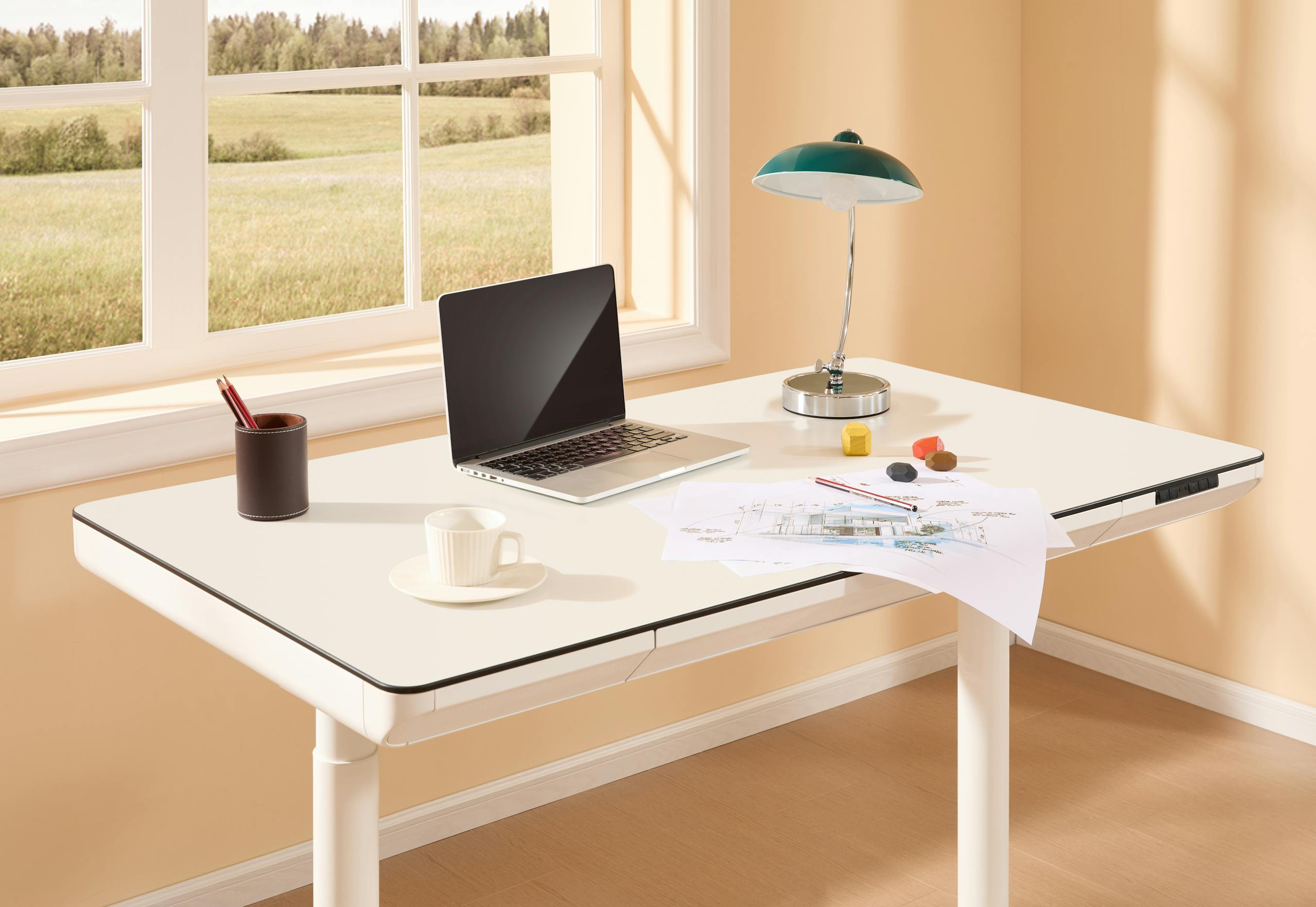
The physical environment matters enormously in this. Many introverts who identify as homebodies put real thought into their spaces, not because they’re obsessed with aesthetics, but because the sensory quality of home directly affects their inner state. The homebody couch is a perfect example of this. That specific piece of furniture becomes something almost symbolic, a dedicated space for reading, thinking, watching, resting. It’s not just furniture. It’s infrastructure for the kind of life a homebody actually wants to live.
Some of the most thoughtful approaches to this kind of intentional home design come from the HSP (Highly Sensitive Person) community, where the relationship between environment and wellbeing is taken seriously. The principles behind HSP minimalism offer genuinely useful guidance for any introvert homebody trying to create a space that supports rather than drains them. Fewer objects, calmer colors, less visual noise. The goal isn’t deprivation. It’s creating conditions where your nervous system can actually relax.
Is Being a Homebody a Personality Trait or a Lifestyle Choice?
This question comes up more than you’d expect, and the honest answer is: both, and the distinction matters less than people think.
Some people are wired with a strong preference for familiar, low-stimulation environments from early in life. That preference shows up consistently across contexts and doesn’t shift much regardless of circumstances. For those people, being a homebody is closer to a temperament than a choice.
For others, the homebody orientation develops over time, shaped by experience, by learning what genuinely restores them versus what depletes them, by discovering that the life they’d been performing for others wasn’t actually their life. That was closer to my experience. I spent two decades building an identity around being visible, social, and externally driven. The shift toward valuing home came gradually, as I accumulated enough self-knowledge to recognize what I’d been trading away.
What emerging work in personality psychology suggests is that the traits underlying introversion and related preferences are relatively stable, but how we express and accommodate those traits is shaped by self-awareness and intentional choice. You can’t change your wiring, but you can stop fighting it. And stopping the fight often looks a lot like coming home.
That shift, from seeing homebodiness as something to apologize for to recognizing it as a legitimate orientation, is a form of identity growth. It’s not dramatic. It doesn’t announce itself. It accumulates quietly, the way most meaningful changes do.
How Do Introverted Homebodies Build Meaningful Social Connection?
One of the most persistent misconceptions about introverted homebodies is that they don’t want connection. That’s wrong. What they want is connection on terms that don’t require them to sacrifice everything that makes them functional.
The quality of conversation matters enormously here. Psychology Today’s work on deeper conversations points to something most introverts already know intuitively: surface-level social interaction is exhausting in a way that genuine, substantive conversation simply isn’t. A two-hour dinner with one person you can really talk to leaves you feeling more energized than a two-hour networking event with fifty people you barely know.
Introverted homebodies often build their social lives around small, intentional gatherings rather than large, spontaneous ones. A dinner party for four people you genuinely like. A standing phone call with a close friend. A book club that meets monthly. These structures provide connection without the chaos of open-ended social situations.
Digital spaces have also created genuinely useful options for people who find in-person socializing draining. Chat rooms and online communities designed for introverts offer something that face-to-face interaction often doesn’t: the ability to engage thoughtfully, at your own pace, without the sensory and performative demands of physical presence. That’s not a lesser form of connection. For many introverts, it’s actually a better fit for how they naturally communicate.
During one particularly demanding period running my second agency, I had a small group of peers in the industry I’d stay in touch with almost entirely through long email threads. We rarely saw each other in person. Yet those conversations were among the most substantive professional relationships I had. The format suited all of us. Nobody had to perform. We just thought out loud together.
What Does the Inner Life of an Introvert Homebody Actually Look Like?
From the outside, a homebody’s Saturday might look unremarkable. Reading, cooking, puttering around the garden, watching something good. What that view misses is the interior richness of what’s happening.
Introverts process experience internally in ways that can be hard to articulate. We notice things. We turn observations over, examine them from different angles, connect them to other things we’ve noticed. A quiet afternoon at home isn’t empty time. It’s when a lot of the actual thinking gets done.
I’ve had some of my clearest strategic insights while doing something that looked completely unproductive from the outside. Walking around my neighborhood. Reorganizing a bookshelf. Cooking a meal that required just enough attention to quiet the surface noise. The mind needs that kind of low-demand engagement to do its deeper work. Constant stimulation and social input actually get in the way.
Books play a particular role in this interior life. For many introverted homebodies, reading isn’t just a hobby. It’s a primary mode of engagement with the world. A good homebody book isn’t just entertainment. It’s a conversation with another mind, conducted at exactly the pace and depth you choose. You can stop, think, go back, sit with something. It’s the opposite of a cocktail party.
That interior life is also where a lot of identity work happens. Away from the noise of other people’s expectations, you get clearer on what you actually value, what you want, what kind of person you’re becoming. For introverted homebodies, home is often where the most significant personal growth occurs, not in workshops or retreats, but in the accumulated quiet of ordinary days.
How Do You Explain Your Homebody Nature to People Who Don’t Get It?
At some point, most introverted homebodies face this conversation. A friend who keeps pushing you to come out more. A family member who reads your preference for home as depression or social anxiety. A colleague who interprets your absence from after-work events as aloofness.
The challenge is that the explanation that makes perfect sense from the inside often sounds like an excuse from the outside. “I just need to recharge” doesn’t land the same way for someone who recharges by being around people.
What I’ve found useful, both in my own life and in conversations with other introverts, is framing it in terms of what you’re moving toward rather than what you’re avoiding. You’re not skipping the party because you’re scared of people. You’re choosing an evening that genuinely restores you. That’s a different posture, and it tends to land differently.
It also helps to be specific about what you do value socially. When people understand that you do want connection, just in smaller doses and in formats that suit you, the conversation shifts. You’re not rejecting them. You’re inviting them into a version of connection that actually works for you.
That said, handling conflict between introverts and extroverts around social expectations is genuinely tricky. There’s no script that works every time. What matters most is coming from a place of self-understanding rather than defensiveness. When you’re clear on why you make the choices you make, you can explain them without apologizing for them.

How Do You Curate a Home That Supports Both Introversion and the Homebody Life?
If home is your primary environment, the quality of that environment matters more than it would for someone who’s rarely there. This isn’t about having expensive things. It’s about having the right things, arranged in a way that supports how you actually live.
Introverted homebodies tend to be intentional about their spaces in a way that people who spend most of their time elsewhere simply aren’t. Every object, every piece of furniture, every corner of the house either contributes to or detracts from the quality of daily life. That awareness drives a kind of ongoing curation that others might find excessive but that makes complete sense when home is where your real life happens.
The gifts that resonate most with people in this category reflect that intentionality. A homebody gift guide built around quality rather than novelty tends to land far better than generic options. The same principle applies when you’re thinking about your own space. Invest in the things you use every day. The reading lamp. The chair. The coffee setup. These aren’t luxuries. They’re tools for the life you’re actually living.
When thinking about gifts for homebodies, the most thoughtful choices tend to enhance specific rituals rather than add clutter. A beautiful tea set for someone who has a morning tea ritual. A quality notebook for someone who processes through writing. Something that says “I see how you actually spend your time” rather than “here’s something generically nice.”
Beyond objects, the spatial arrangement of home matters. Having dedicated zones for different kinds of activity, a reading corner, a workspace, a spot that’s purely for rest, creates a kind of internal navigation that supports focus and transition. When everything happens in the same undifferentiated space, it’s harder for your mind to shift modes. Distinct spaces give distinct mental states permission to exist.
What Does Professional Life Look Like When You’re an Introverted Homebody?
This is where things get genuinely complicated, because most professional environments were not designed with introverted homebodies in mind. Open-plan offices, mandatory team socializing, the expectation of constant availability and visible engagement. All of it runs counter to how introverted homebodies do their best work.
I spent years managing this tension as an agency CEO. The role required visibility. Clients expected energy and presence. Staff needed leadership that looked engaged and available. And I genuinely cared about all of it. The problem wasn’t motivation. It was that the format of the work was expensive in ways that weren’t visible to anyone but me.
What eventually changed things was getting honest about where I actually added the most value. My best strategic thinking happened alone, usually at home, usually early in the morning. My best client conversations happened in small settings, not large presentations. My best management happened through one-on-one conversations, not all-hands meetings. Once I stopped trying to perform extroverted leadership and started designing my work around how I actually functioned, the quality of my output improved significantly.
The shift toward remote work has been genuinely significant for people in this category. Research on workplace wellbeing and environment points to the meaningful impact that control over one’s work environment has on performance and satisfaction. For introverted homebodies, working from home isn’t just convenient. It removes a constant source of friction and allows energy to go toward actual work rather than managing the social and sensory demands of an office.
That said, remote work requires its own discipline. The boundaries between work and rest can blur in ways that are genuinely problematic. Having a dedicated workspace within the home, with clear start and end rituals, matters more than most people realize until they’ve experienced the alternative.
When Does the Homebody Life Become a Problem?
Honesty requires acknowledging this. Being an introverted homebody is a legitimate way to live, and it doesn’t need to be fixed. Yet there are versions of it that tip into something less healthy, and being able to distinguish between them matters.
The line worth watching is between preference and avoidance. Preferring home because it genuinely restores you and supports your best life is healthy. Staying home because the outside world has started to feel threatening, because anxiety has narrowed your world rather than your values having shaped it, is a different thing. One is self-knowledge. The other is contraction.
I’ve noticed this distinction in myself at different points. There were periods during particularly stressful stretches of agency life when my preference for home started to feel less like restoration and more like hiding. The difference was subtle but real. In the healthy version, I came home to something. In the less healthy version, I was retreating from something. Same behavior, very different internal experience.
If you find that your world has been getting consistently smaller, that obligations you once handled without much distress now feel overwhelming, or that your preference for home comes with significant anxiety about what lies outside it, those are worth paying attention to. Not as evidence that your homebody nature is wrong, but as signals that something else might need addressing.
The goal is a life that feels genuinely chosen, not one that feels like the only option left after everything else became too hard. That distinction is worth returning to periodically, with honesty.
What Does Thriving Look Like for an Introvert Who’s Also a Homebody?
Thriving, for this combination of traits, doesn’t look like the version of success most of us were sold growing up. It doesn’t require a packed social calendar, constant novelty, or visible achievement in the ways extroverted culture tends to celebrate.
It looks like a life built around genuine preferences rather than performed ones. Work that allows for depth and focused attention. Relationships that prioritize quality over frequency. A home environment that actively supports the kind of thinking, creating, and resting that replenishes rather than drains.
It also looks like enough self-awareness to know when you need to push yourself out of comfort and when you need to honor your limits. The introverted homebody who never leaves the house and the one who forces themselves to attend every social obligation they’re invited to are both out of balance. The calibrated version, the one that takes your nature seriously without using it as a permanent excuse, is where the real quality of life lives.
After two decades of trying to be a version of myself that fit the external expectations of my industry, the most significant professional and personal growth I’ve experienced came from doing the opposite. From taking my introversion seriously. From building systems that worked with my nature rather than against it. From accepting that home is not a consolation prize for people who can’t hack it out in the world. It’s a legitimate center of gravity for a life well lived.
There’s a whole ecosystem of resources, perspectives, and community built around this way of living. If you want to go deeper into how introverts relate to their home environments, the full range of ideas, from sanctuary design to sensory sensitivity to the psychology of home, is waiting in our Introvert Home Environment hub.
About the Author
Keith Lacy is an introvert who’s learned to embrace his true self later in life. After 20 years in advertising and marketing leadership, including running agencies and managing Fortune 500 accounts, Keith now channels his experience into helping fellow introverts understand their strengths and build fulfilling careers. As an INTJ, he brings analytical depth and authentic perspective to every article, drawing from both professional expertise and personal growth.
Frequently Asked Questions
Are all introverts homebodies?
No, not all introverts are homebodies, though the overlap is common. Introversion refers specifically to how a person gains and spends energy, with introverts recharging through solitude and inner reflection. Being a homebody is about finding genuine pleasure and meaning in domestic life and home-centered activities. Many introverts are also homebodies, because home tends to offer the low-stimulation, socially low-demand environment that suits their energy needs. Yet some introverts enjoy travel, outdoor adventures, or frequent movement while still needing alone time to recover. The two traits complement each other but aren’t identical.
Is being a homebody a sign of social anxiety?
Not inherently. Preferring home because it genuinely restores you and aligns with your values is a healthy orientation, not a symptom. Social anxiety involves distress and avoidance driven by fear of social situations, which is different from simply preferring quieter, more controlled environments. That said, the two can coexist, and it’s worth being honest with yourself about whether your preference for home feels like a genuine choice or like avoidance of something that has become threatening. If your world has been consistently narrowing and social situations feel increasingly overwhelming, speaking with a mental health professional can help clarify what’s driving that.
How do introverted homebodies maintain friendships?
Introverted homebodies tend to maintain fewer but deeper friendships, prioritizing quality of connection over frequency of contact. Practical approaches include hosting small gatherings at home rather than attending large events, maintaining regular one-on-one contact through calls, messages, or video chats, and being honest with friends about your social preferences. Digital spaces, including online communities and chat platforms designed for more thoughtful interaction, can also support meaningful connection without the sensory and performative demands of in-person socializing. The most sustainable friendships for introverted homebodies are usually with people who respect their energy limits and don’t interpret less frequent contact as disinterest.
Can you have a successful career as an introverted homebody?
Absolutely, and in many cases the traits that define introverted homebodies, depth of focus, preference for thoughtful over reactive communication, comfort with solitude and independent work, are genuine professional assets. The shift toward remote and hybrid work has made it significantly easier to build careers that accommodate these traits. The most important factor is finding work structures and environments that allow you to do your best thinking, whether that means negotiating remote arrangements, seeking roles that emphasize independent contribution, or building your own practice. The challenge isn’t the traits themselves. It’s finding or creating professional contexts where those traits are recognized as strengths rather than liabilities.
How do you stop feeling guilty about being a homebody?
The guilt most homebodies feel comes from internalizing cultural messages that equate busyness, social activity, and constant outward engagement with value and success. Releasing that guilt starts with examining where it came from and whether those messages actually reflect your values or someone else’s. Getting clear on what genuinely restores you, what kind of life you actually want to live, and what you’re moving toward rather than away from helps reframe the homebody orientation from avoidance to intentional choice. It also helps to find community, whether in person or online, with others who share this orientation. Recognizing that many thoughtful, productive, deeply engaged people live primarily home-centered lives makes it easier to stop treating your own preferences as something that needs to be corrected.