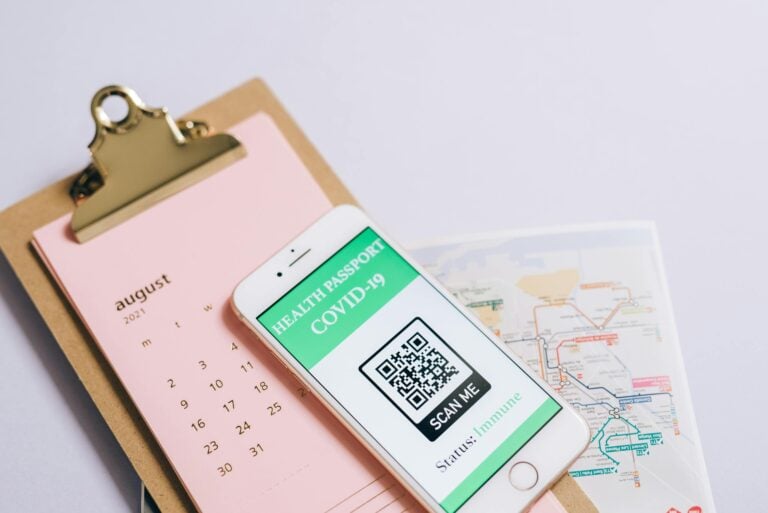

My phone showed seventeen unread messages, three work emails marked urgent, and a calendar reminder for tomorrow’s 8 AM client call. The fluorescent lights in my home office buzzed at a frequency most people claim they cannot hear. After twenty years in advertising, I had grown accustomed to pushing past exhaustion, treating my heightened sensitivity like an obstacle to overcome. Evenings became extensions of the workday, my nervous system never receiving the signal that it was safe to rest.
Highly sensitive people process information more deeply than others, and this depth of processing continues long after the day officially ends. Dr. Elaine Aron’s foundational research on sensory processing sensitivity reveals that HSP brains work differently, filtering and analyzing stimuli at a level that creates both remarkable insight and significant exhaustion. An evening routine specifically designed for this neurological reality becomes essential for sustainable wellbeing.
Creating a wind-down ritual that honors your sensitive nervous system requires understanding why traditional relaxation advice frequently falls short. Your mind continues processing the emotional weight of conversations, the sensory input from crowded spaces, and the cognitive demands of decision-making well into the night. A thoughtful evening routine creates the buffer zone your brain needs to transition from high alert to genuine rest.
Why HSPs Need Intentional Evening Transitions
The sensory experiences accumulated throughout a typical day affect highly sensitive individuals at a cellular level. The science behind the HSP brain reveals why this occurs. Research from the Sensitivity Research initiative demonstrates that people with high sensory processing sensitivity show increased activation in brain regions associated with deeper cognitive processing. This enhanced neural activity means your brain continues working overtime, even when you consciously attempt to relax.
What’s your personality type?
Take our free 40-question assessment and get a detailed personality profile with dimension breakdowns, context analysis, and personalised insights.
Discover Your Type8-12 minutes · 40 questions · Free
During my years managing Fortune 500 accounts, I noticed a pattern among the most effective team members I supervised. Those who identified as highly sensitive produced extraordinarily nuanced work, catching details others missed entirely. Yet these same individuals struggled with afternoon energy crashes and evening anxiety that seemed disconnected from their actual circumstances. The connection between their sensitivity and their inability to wind down became increasingly clear as I observed their work patterns.
Your nervous system operates on a spectrum between sympathetic activation (the alert, responsive state) and parasympathetic rest (the calm, restorative state). Understanding the full meaning of high sensitivity helps explain why this transition proves more challenging for HSPs. For most people, this transition happens relatively automatically as environmental cues shift. Highly sensitive people require more deliberate intervention because their systems register subtle stimuli that keep the alert response engaged. A car passing outside, the hum of appliances, or residual tension from an afternoon meeting can all prevent the natural downshift into evening calm.
Behavioral research published in the American Physiological Society’s journal confirms that establishing a bedtime routine helps transition the brain for sleep by winding down central nervous system activity approximately thirty to forty-five minutes before bed. For HSPs, this window may need to extend significantly longer, sometimes beginning hours before actual sleep time.
Building Your Sensory Transition Period
The most effective HSP evening routines begin with what I call sensory decompression, a gradual reduction of stimulation that allows your nervous system to recognize safety. Bright screens, loud sounds, and busy environments all signal to your brain that engagement is still required. Systematically reducing these inputs tells your system that the demanding portion of the day has concluded.
Start by assessing your current evening environment with fresh awareness. Walk through your home during the hours between dinner and bedtime, paying attention to every sensory input. Note the lighting levels in each room, background noise from electronics or street traffic, visual clutter that draws attention, and any scents present in your space. Many HSPs discover that their evening environments contain far more stimulation than they consciously realize.

Lighting adjustments create one of the most impactful changes for sensitive nervous systems. Harvard Health research emphasizes that light exposure, particularly blue light from screens, can delay melatonin production and interfere with sleep onset. Dimming lights throughout your home as evening progresses sends powerful signals to your circadian system. Consider replacing overhead lights with lamps, using warm-toned bulbs, and creating distinct lighting zones for different evening activities.
One client project taught me an unexpected lesson about environmental sensitivity. We were developing a campaign for a wellness brand, and I spent weeks researching how physical environments affect mood and behavior. The science was compelling, yet I failed to apply those same principles to my own living space. My home office remained fully lit until midnight, screens glowed from every room, and I wondered why sleep felt elusive despite genuine exhaustion.
The Power of Predictable Evening Rituals
Consistency functions as a powerful anchor for the HSP nervous system. Performing the same sequence of calming activities each evening creates neurological associations that help your brain anticipate and prepare for rest. Over time, the mere act of beginning your routine triggers a relaxation response, making the transition increasingly effortless.
Sleep medicine specialist Dr. Nancy Foldvary-Schaefer from the Cleveland Clinic emphasizes that a consistent bedtime routine and sleep environment encourage healthy sleep. She recommends protecting the hour before bedtime as dedicated wind-down time, following the same sequence of steps each night. This predictability proves especially valuable for sensitive individuals whose systems crave reliable patterns.
Your evening ritual might include specific activities that engage your senses in gentle, calming ways. Herbal tea prepared in the same mug, soft music from a familiar playlist, or light stretching in a designated corner of your home all contribute to the pattern recognition that signals approaching rest. The specific activities matter less than their consistency and their calming effect on your particular nervous system.
After leading teams for two decades, I discovered that my most productive mornings followed evenings with predictable wind-down routines. The correlation became undeniable once I began tracking both sleep quality and next-day performance. Evening chaos consistently predicted morning struggle, regardless of how many hours I technically spent in bed.
This connects to what we cover in introvert-evening-routine-winding-down.
Processing the Day Before Releasing It
Highly sensitive individuals accumulate emotional and cognitive material throughout each day, and this accumulation requires active processing before genuine rest becomes possible. Attempting to sleep while carrying unprocessed experiences leads to restless nights, vivid dreams, and morning exhaustion. Building a processing practice into your evening routine prevents this buildup from disrupting your rest.

Journaling offers one effective approach to evening processing. Spend ten to fifteen minutes writing about the day’s experiences, emotions, and any unresolved thoughts. This practice externalizes the mental content your brain would otherwise attempt to process during sleep. Some HSPs find it helpful to end their journaling session with gratitude observations or intentions for the following day, creating a sense of completion.
Research from UC Berkeley’s Greater Good Science Center explores how sensitive individuals can manage the deep processing that characterizes their experience. The key lies not in suppressing this processing but in creating designated space for it, allowing the mind to complete its work before rest becomes the priority.
In my agency experience, I discovered that evening mental dumps dramatically improved my ability to be present the next morning. Carrying yesterday’s concerns into today’s meetings created a cumulative burden that eventually manifested as burnout. The simple act of writing everything down, acknowledging each thought, and consciously setting it aside transformed my relationship with work and rest.
Physical Practices for Nervous System Regulation
Your body holds tension from the day’s experiences, and releasing this physical component proves essential for quality rest. Highly sensitive people accumulate muscular tension in response to environmental stimuli, emotional interactions, and cognitive demands. Evening physical practices help discharge this accumulated stress, preparing your body for the stillness of sleep.
Gentle stretching activates the parasympathetic nervous system, signaling safety to your brain. Understanding whether you identify as HSP, introvert, or both helps clarify which practices will serve you best. Focus on areas where you personally carry tension, commonly the shoulders, neck, jaw, and hips. Hold each stretch long enough for the muscle to genuinely release, typically fifteen to thirty seconds. Avoid vigorous exercise during this period, as intense activity can reactivate the alert response you are working to calm.
Warm baths create a powerful relaxation response by raising body temperature, which then drops as you cool down. This temperature decrease mimics the natural drop that occurs as part of your sleep cycle, reinforcing circadian signals. Adding calming elements like Epsom salts or subtle essential oils engages additional sensory pathways in service of relaxation.
Breathwork offers perhaps the most direct route to nervous system regulation. Slow, deep breathing activates the vagus nerve, which directly influences parasympathetic activation. Try inhaling for four counts, holding for four counts, and exhaling for six to eight counts. This extended exhale signals safety to your brain, actively shifting your physiological state toward calm.

Creating Your Sleep Sanctuary
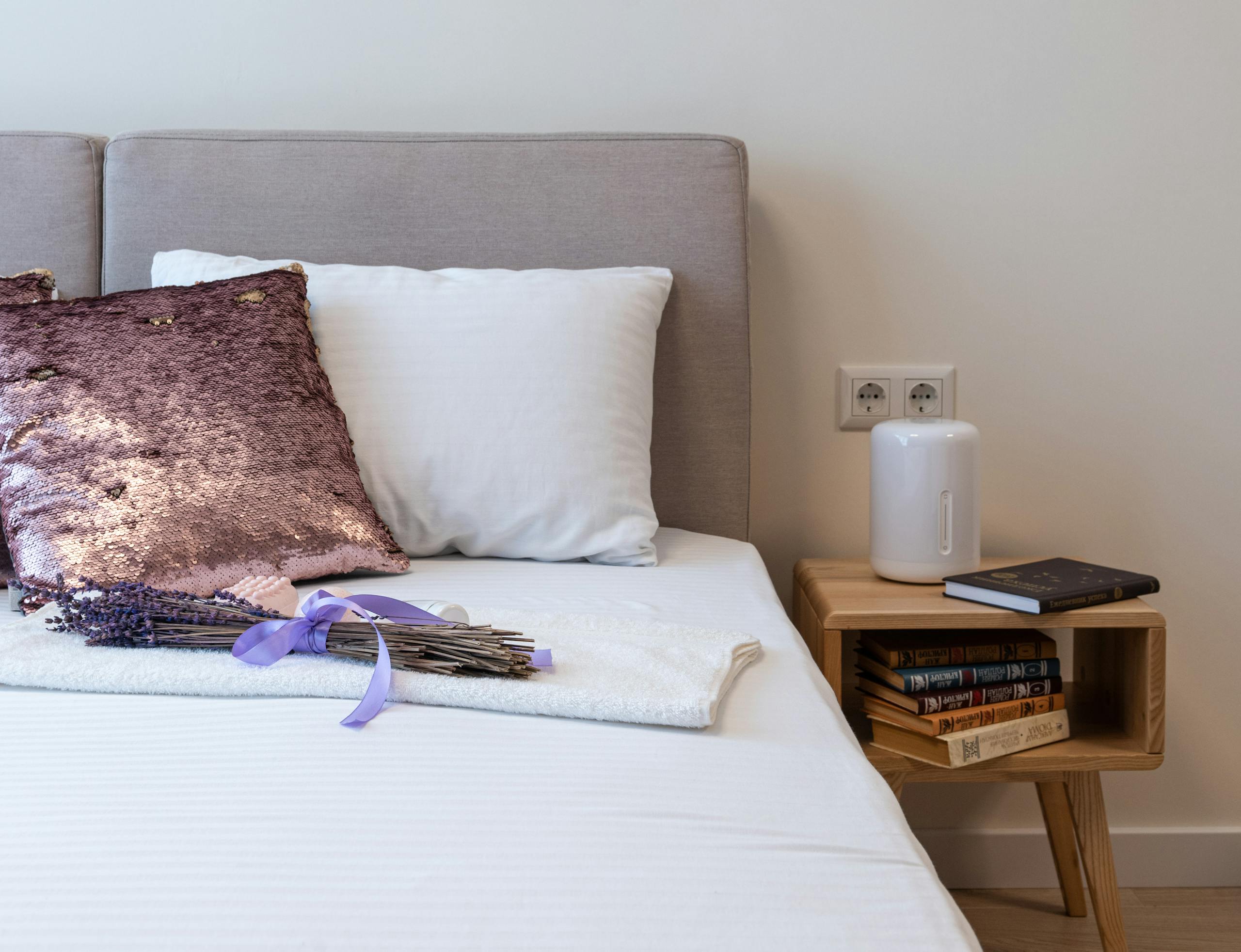
The environment where you sleep deserves careful attention from HSPs seeking quality rest. Your bedroom should function as a refuge from stimulation, a space where your nervous system can fully relax. This requires addressing factors that might seem minor but carry significant weight for sensitive systems.
Temperature plays a crucial role in sleep quality for all people, and HSPs may be particularly affected by even small variations. Sleep research consistently recommends keeping bedroom temperatures between sixty-five and sixty-eight degrees Fahrenheit. Experiment within this range to find your personal optimal temperature, noting that your preference may change seasonally.
Sound management requires honest assessment of your particular sensitivities. Some HSPs find complete silence unsettling, preferring white noise or natural sounds to mask unpredictable environmental noises. Others need absolute quiet and benefit from earplugs or soundproofing measures. Neither approach is superior; the goal is matching your environment to your specific nervous system needs.
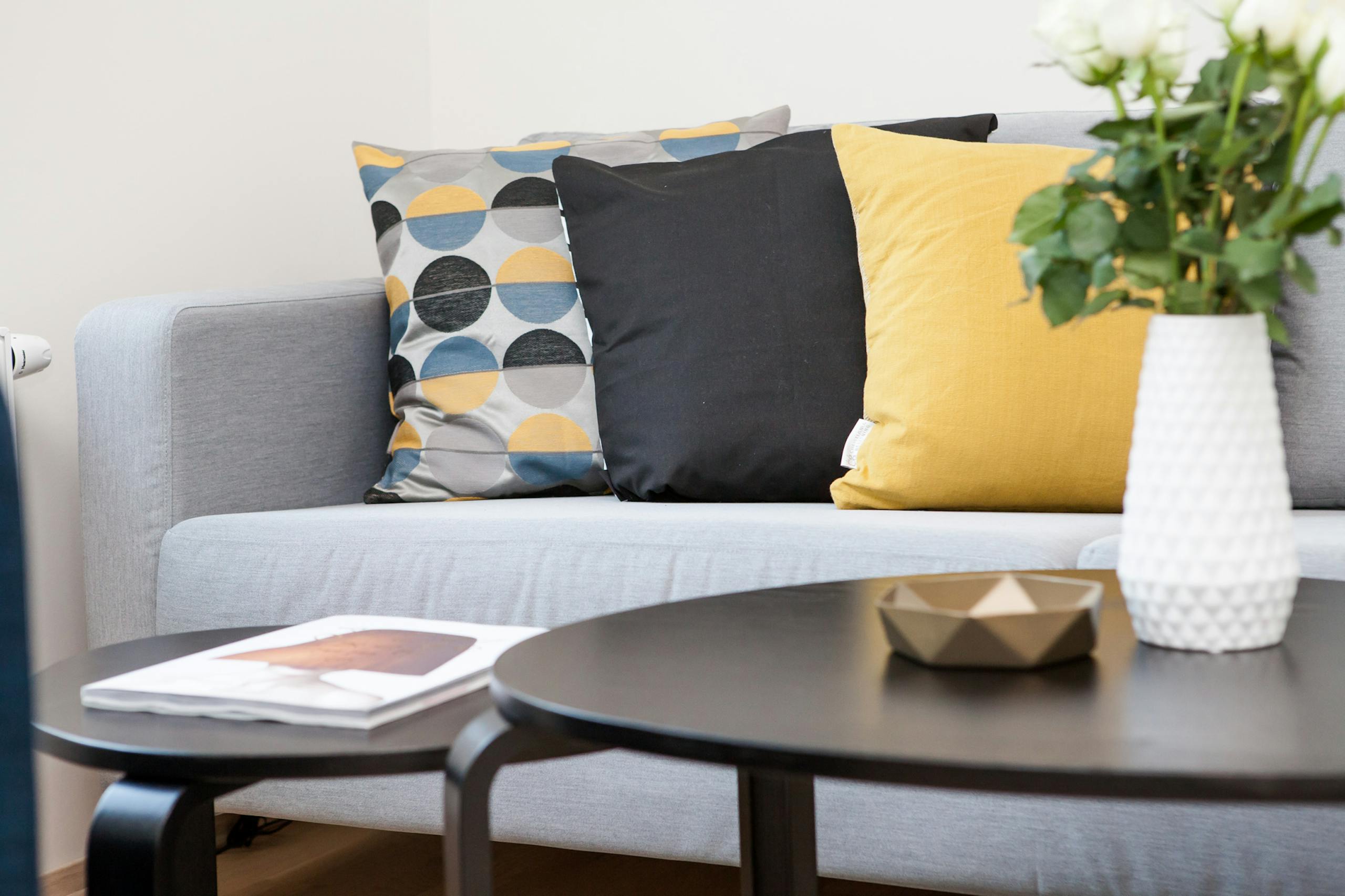
Visual stimulation continues affecting HSPs even with eyes closed. Dark curtains, removal of electronics with standby lights, and generally minimizing visual complexity in your bedroom support deeper rest. Your sensitive system registers these inputs even during sleep, so reducing them allows more complete recovery.
Managing Digital Overstimulation
Electronic devices present particular challenges for HSP evening routines. Screens emit blue light that suppresses melatonin production, content often triggers emotional responses that activate the alert system, and the constant availability of information prevents the mental closure that supports sleep. Establishing clear boundaries around evening technology use protects your sensitive nervous system.
Consider implementing a digital sunset, a time after which you avoid screens entirely. This boundary might begin one to two hours before your intended sleep time, depending on your personal sensitivity. During this period, replace screen-based activities with alternatives that support your wind-down routine, like reading physical books, gentle conversation, or creative pursuits that engage your hands.
Notifications deserve specific attention. The anticipation of potential interruptions can prevent your nervous system from fully relaxing, even when no actual notifications arrive. Switching devices to airplane mode or using do-not-disturb settings removes this low-level vigilance, allowing deeper calm.
Adapting Your Routine to Life’s Demands
Perfect conditions rarely exist, and your evening routine must accommodate the reality of demanding schedules, family obligations, and unpredictable circumstances. The goal is not rigidity but rather having reliable tools you can deploy even when circumstances are imperfect. A shortened version of your routine proves infinitely more valuable than abandoning it entirely during busy periods.
Identify the most essential elements of your wind-down practice, the components that provide the greatest benefit for the smallest time investment. These become your non-negotiables, the practices you maintain regardless of external pressures. Additional elements can flex based on available time and energy, expanding during peaceful periods and contracting when demands increase.
Communication with household members about your evening needs supports consistency. Highly sensitive people sometimes hesitate to advocate for their requirements, but clear communication prevents the resentment and exhaustion that build when needs go unmet. Framing your routine as a practice that benefits the entire household, by helping you show up more fully, can ease these conversations.
Building Sustainable Evening Habits
Transforming your evening experience requires patience and self-compassion. Your nervous system developed its current patterns over years or decades, and sustainable change happens gradually. Begin with one or two modifications to your current routine, allow these to become habitual, and then consider additional changes. This incremental approach prevents overwhelm and supports lasting transformation.
Track your experiences as you implement changes, noting which practices provide the most noticeable benefits. This data helps you refine your routine over time, doubling down on what works and releasing what does not serve you. Your ideal evening routine will be uniquely yours, shaped by your specific sensitivities, preferences, and circumstances.
The investment you make in your evening routine pays dividends across every area of your life. Quality rest supports clearer thinking, more stable emotions, and greater resilience when facing daily challenges. For individuals who identify as both highly sensitive and introverted, this foundation of genuine rest makes the difference between surviving and genuinely flourishing.
Explore more resources for managing your sensitive nature in our complete HSP and Highly Sensitive Person Hub.
About the Author
Keith Lacy is an introvert who’s learned to embrace his true self later in life. With a background in marketing and a successful career in media and advertising, Keith has worked with some of the world’s biggest brands. As a senior leader in the industry, he has built a wealth of knowledge in marketing strategy. Now, he’s on a mission to educate both introverts and extroverts about the power of introversion and how understanding this personality trait can reveal new levels of productivity, self-awareness, and success.
Frequently Asked Questions
How long should an HSP evening routine take?
Most highly sensitive people benefit from evening routines lasting sixty to ninety minutes, though some require longer transition periods depending on the intensity of their day. The key is beginning early enough that you complete your wind-down practices before exhaustion overwhelms your ability to engage with them meaningfully.
What time should HSPs stop looking at screens?
Aim to disconnect from screens at least one to two hours before your intended sleep time. Highly sensitive individuals may find that earlier disconnection provides additional benefit, as the mental stimulation from screen content can linger even after the device is put away.
Can HSPs exercise in the evening?
Gentle movement like stretching or restorative yoga supports evening wind-down for most HSPs. Vigorous exercise should typically conclude at least three hours before bedtime, as intense physical activity elevates heart rate and body temperature in ways that can interfere with sleep onset.
Why do HSPs have trouble sleeping after stressful days?
Highly sensitive nervous systems continue processing daily experiences long after they occur, making it difficult to achieve the calm state required for sleep. Comparing introversion and HSP traits reveals that this deep processing represents a distinctly HSP characteristic. Stressful events trigger deeper processing, which can manifest as racing thoughts, physical tension, or emotional activation that prevents rest. Intentional processing practices help complete this mental work before bedtime.
What should HSPs do if they wake up during the night?
Avoid checking the time or reaching for devices, as these actions activate alertness. Stay in a restful position and use breathing techniques to encourage return to sleep. If sleep does not return within twenty minutes, engage in a quiet, low-stimulation activity like reading until drowsiness returns, then try again.