
A habitual homebody is someone who genuinely prefers spending time at home over going out, not because of fear or avoidance, but because home is where they feel most alive, most focused, and most themselves. For many introverts, this isn’t a temporary preference or a personality quirk to be corrected. It’s a sustainable, deeply satisfying way of living.
There’s a version of this conversation that keeps circling back to judgment, to whether homebodies are missing out or holding themselves back. I’ve had that conversation plenty of times, usually with someone who couldn’t understand why I wasn’t more eager to be out in the world. What I want to explore here is something different: what it actually feels like to be wired this way, and what happens when you stop apologizing for it and start building your life around it intentionally.

Our Introvert Home Environment hub covers the full range of how introverts relate to their physical spaces, from design choices to sensory needs to the psychology of sanctuary. This article adds a specific layer: what it means to be someone whose relationship with home runs deeper than preference, and how to honor that without shrinking from it.
What Does It Mean to Be Wired for Home?
There’s a difference between someone who stays home because they’re tired and someone who stays home because that’s where their inner life breathes. I’ve been both, and they feel completely different from the inside.
What’s your personality type?
Take our free 40-question assessment and get a detailed personality profile with dimension breakdowns, context analysis, and personalised insights.
Discover Your Type8-12 minutes · 40 questions · Free
Running advertising agencies for over two decades meant I was rarely physically at home during the day. I was in client meetings, pitching campaigns, managing creative teams, flying to New York or Chicago to present to brand executives who wanted to see energy and presence. And I delivered it. I got good at performing the version of myself that those rooms required.
But every time I walked back through my own front door, something in me exhaled. Not from exhaustion, though sometimes that too. From something more fundamental: the return to the environment where I could actually think. Where I didn’t have to monitor how I was landing with people, or calibrate my energy to a room, or keep half my attention on the social dynamics running underneath every conversation.
As an INTJ, my best thinking has always happened in solitude. Not isolation, there’s a meaningful difference. Solitude is chosen, purposeful, generative. It’s where my mind makes the connections that don’t happen in open-plan offices or brainstorming sessions. Some of the most valuable strategic thinking I brought to client work was done at home, early in the morning, before anyone else was awake, with a cup of coffee and complete quiet.
Being a habitual homebody isn’t about avoiding the world. It’s about having a primary relationship with a particular kind of space, one that allows depth, concentration, and genuine restoration. For introverts, that space is almost always home.
Why Does the Habitual Part Matter?
The word “habitual” carries some baggage. People hear it and think compulsive, stuck, limited. What it actually describes is something more interesting: a consistent, reliable orientation toward a particular way of living.
Habits, at their core, are the architecture of a life. When your habits consistently pull you toward home, toward quieter evenings and weekends spent reading or cooking or working on something meaningful to you, that’s not a rut. That’s a value system expressing itself through behavior.
I’ve watched people spend enormous energy fighting their natural orientation because they believed their preferences were problems. One of my former account directors, a genuinely introverted person, kept scheduling herself into back-to-back social commitments on weekends because she’d convinced herself that’s what a well-rounded person looked like. By Monday she was depleted in a way that affected her work for days. Her habits weren’t the problem. Her resistance to them was.
There’s real value in understanding what the relationship between personality and well-being looks like in practice. When your habits align with your actual temperament, you function better. You’re more present, more creative, more capable of genuine engagement when you do choose to engage. The habitual homebody who honors that orientation isn’t withdrawing from life. They’re resourcing themselves for it.

How Does a Homebody Build a Life That Actually Fits?
This is the part that took me years to figure out, and I made most of the mistakes before I got it right.
For a long time, I treated my preference for home as something to accommodate around the edges of a life built on extroverted assumptions. Work hard all week in environments that drained me, then try to recover on weekends. Attend every agency social event because that’s what leaders did. Say yes to dinner invitations I didn’t want to accept because turning them down felt like admitting something was wrong with me.
The shift happened gradually, and it started with my physical space. I began treating my home as an actual investment in my functioning, not just a place to sleep between obligations. A dedicated workspace that felt genuinely good to be in. A reading corner that wasn’t also a pile of laundry. A kitchen where I actually cooked instead of ordering out because I was too depleted to care.
If you’re highly sensitive alongside being a homebody, the physical environment matters even more acutely. The principles behind HSP minimalism speak directly to this: when your nervous system is easily overwhelmed, the spaces you inhabit either support you or they don’t. There’s no neutral ground.
Building a life that fits also means making deliberate choices about the furniture that holds your daily life. I spent years with a couch that was technically fine but never quite right, too firm, positioned badly relative to the light, not really a place I wanted to spend time. When I finally replaced it with something that actually suited how I use that space, the difference in how I felt at the end of a long day was noticeable. The homebody couch isn’t a trivial consideration. It’s the physical anchor of your restorative space.
Beyond furniture, it’s worth thinking about the objects and experiences that make your home feel genuinely inhabited rather than just occupied. The gifts that resonate with homebodies tend to be things that deepen the quality of time spent at home: good lighting, sensory comfort, tools for creativity or learning. Not distractions, but enhancements to the kind of presence that home makes possible.
What About Connection? Can a Homebody Have a Rich Social Life?
Yes, and the answer is more interesting than most people expect.
The assumption is that being a habitual homebody means being socially impoverished, that you’re trading connection for comfort. My experience has been almost the opposite. When I stopped forcing myself into social situations that didn’t suit me, the connections I did make became considerably more meaningful.
As a Psychology Today piece on deeper conversations notes, many introverts find that surface-level socializing leaves them feeling emptier than solitude does. What they’re actually hungry for is depth, not frequency. A homebody can have extraordinarily rich relationships built on fewer but more substantive interactions.
Some of my most valued professional relationships were built through long phone calls and written correspondence rather than in-person networking events. I was more present, more thoughtful, more genuinely engaged in those formats than I ever was working a room at an industry cocktail party.
Online spaces have also shifted this conversation significantly. Chat rooms and online communities for introverts have created genuine spaces for connection that work with a homebody’s natural orientation rather than against it. Written, asynchronous, interest-based: these formats let introverts show up as their most articulate, thoughtful selves without the performance overhead of in-person socializing.
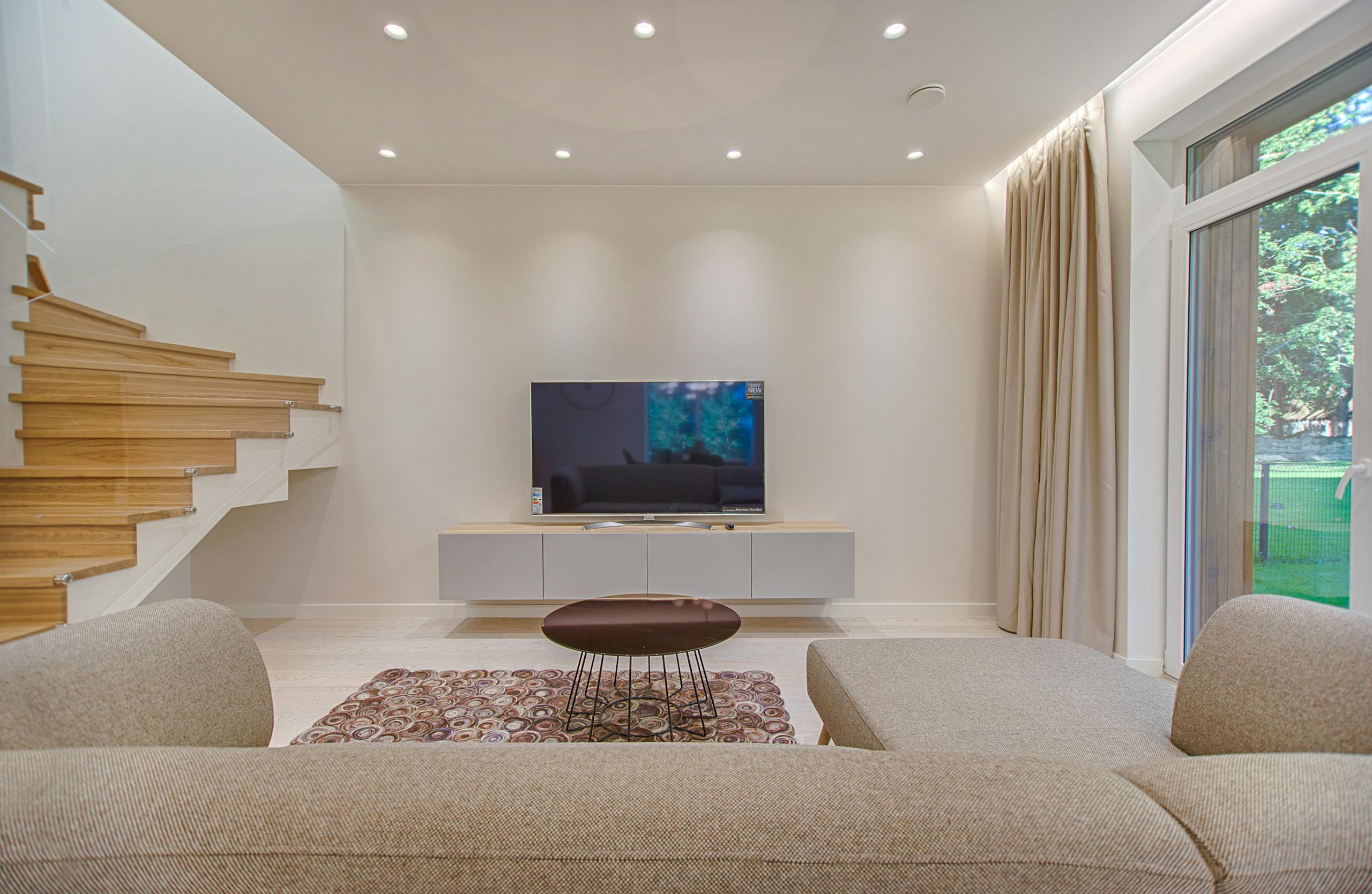
There’s also the option of bringing connection home rather than going out to find it. Hosting a small dinner for people you actually want to spend time with, on your own terms, in an environment you control, is a fundamentally different experience from attending someone else’s gathering where you have no say over the guest list, the noise level, or the exit time. Many habitual homebodies are excellent hosts precisely because they’ve invested in making their space genuinely welcoming.
How Do You Handle the Pressure to Be More Social?
Honestly, this was one of the harder parts of my career. Agency culture, like most client-service industries, runs on relationship-building, and relationship-building was understood to mean going out. Dinners, events, industry conferences, client entertainment. The assumption was that if you weren’t visible in those spaces, you weren’t serious about your career.
What I eventually figured out was that visibility and presence aren’t the same thing. I could be deeply present in the interactions I did choose, more present than most of my more socially active colleagues, because I wasn’t spreading my attention across twenty conversations a night. The clients I worked with longest and most successfully were the ones who valued substance over social performance.
That said, the pressure is real and it doesn’t always come from outside. Some of it comes from internalized beliefs about what a productive, engaged, fully realized person looks like. Unpacking those beliefs takes time. Worth noting is that the relationship between social behavior and well-being is more nuanced than the cultural narrative suggests. Quantity of social contact doesn’t reliably predict life satisfaction. Quality and authenticity of connection matter far more.
When someone in my life pushes back on my preference for staying home, I’ve found the most useful response isn’t defensive justification. It’s honest, low-drama clarity. “I’m genuinely happier this way” is a complete sentence. So is “I’ll catch up with you when I’m in a better headspace for it.” You don’t owe anyone a detailed accounting of your nervous system.
What Do Habitual Homebodies Actually Do With Their Time?
This question always amuses me a little, because the implicit assumption is that staying home means staring at the ceiling. The reality for most introverted homebodies is closer to the opposite: home is where the actual work of a life gets done.
Reading, for one. The homebody book isn’t just a cozy concept. Books are how many introverts process the world, develop ideas, and maintain a relationship with thinking that the pace of modern professional life tends to crowd out. My reading life has always been one of the most intellectually productive parts of my existence, and it happens almost entirely at home.
Beyond reading, homebodies tend to invest in skills and practices that require sustained attention: cooking, writing, music, gardening, coding, craft. These aren’t lesser activities because they happen at home. They’re often the pursuits that generate the most genuine satisfaction and the most lasting personal development.
There’s also the underrated practice of simply thinking. Not scrolling, not consuming, not being entertained. Actually sitting with ideas, letting problems develop, making connections between disparate things. This is where a lot of my best strategic work happened during my agency years, not in meetings, but in the quiet hours at home when I could actually hear myself think.
A thoughtful homebody gift guide reflects this reality: the things that make a homebody’s life richer tend to be tools for depth rather than novelty. Quality over quantity, substance over stimulation, experiences that reward sustained attention rather than just momentary engagement.

Is There a Point Where Homebody Habits Become Limiting?
Worth being honest about this, because the answer is yes, and pretending otherwise doesn’t help anyone.
There’s a version of habitual homebody living that’s genuinely healthy: chosen, intentional, generative, and balanced with enough external engagement to keep your perspective fresh and your relationships alive. And there’s a version that slides into avoidance, where home becomes a hiding place rather than a sanctuary.
The difference, in my experience, is usually about what you’re moving toward versus what you’re moving away from. When I’m at home because it’s where I do my best work, where I feel most like myself, where I’m actively engaged with things that matter to me, that’s healthy. When I’ve stayed home because I was afraid of something, afraid of conflict, afraid of judgment, afraid of performing in front of people, that’s avoidance wearing the costume of introversion.
Avoidance tends to shrink your world over time. Genuine homebody preference, the kind rooted in knowing what you need rather than fearing what’s outside, tends to expand it. You go out when it matters, you engage deeply when you do, and you come home to a space that makes all of that possible.
A good check-in question: Am I staying home because I genuinely want to be here, or because I’m avoiding something I know I need to face? The answer matters. And most habitual homebodies, being the reflective people they tend to be, are capable of telling the difference if they’re willing to look honestly.
Perspectives from Frontiers in Psychology on introversion and social behavior suggest that the healthiest introverts aren’t those who never go out, but those who have a clear, self-aware relationship with their own needs and act accordingly. That’s the actual goal: not maximum time at home, but maximum alignment between your choices and your genuine temperament.
How Do You Make Peace With Being This Way Long-Term?
Peace, in my experience, comes from stopping the argument with yourself.
For years I carried a low-grade internal debate about whether my preferences were acceptable. One side of the argument pointed to all the evidence that I was functioning well, contributing meaningfully, maintaining relationships that mattered. The other side kept replaying every comment anyone had ever made about me being too quiet, too private, not a team player, hard to read.
What ended that argument wasn’t a single insight. It was accumulated evidence. Evidence that my way of working produced results. That my relationships, though fewer than some people’s, were genuinely close. That the life I was building at home, the reading, the thinking, the slow mornings, the evenings without obligations, was a life I actually wanted rather than a consolation prize for failing to be more extroverted.
There’s something worth noting about the role of self-knowledge in all of this. Introverts who understand their own wiring tend to make better decisions about their time, their environments, and their relationships. The habitual homebody who knows why they prefer home, who can articulate it to themselves clearly, is in a fundamentally different position than someone who just feels vaguely guilty about not wanting to go out more.
That self-knowledge extends to recognizing what you actually need from the world versus what you’ve been told you should need. Many of the most satisfied people I know are those who stopped performing someone else’s version of a full life and started building their own. For introverts, that often means a life that’s quieter, more home-centered, and more internally rich than the cultural default. That’s not a lesser life. It’s a different one, and for many of us, it’s the right one.
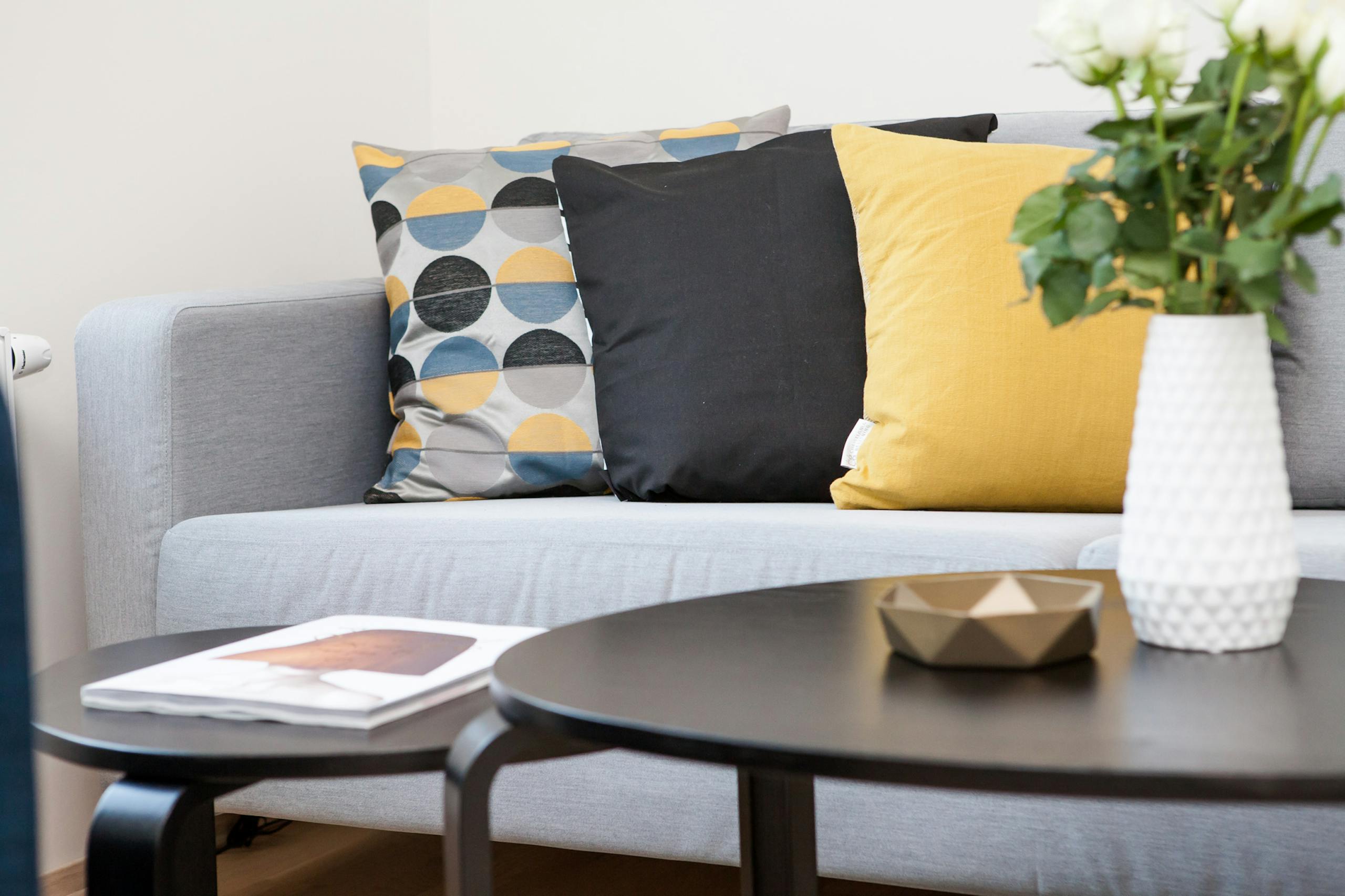
If you’re building or refining the environment that supports your homebody life, the full Introvert Home Environment hub is worth exploring. It covers everything from sensory design to the psychology of why certain spaces restore us, with resources for every stage of building a home that genuinely works for how you’re wired.
About the Author
Keith Lacy is an introvert who’s learned to embrace his true self later in life. After 20 years in advertising and marketing leadership, including running agencies and managing Fortune 500 accounts, Keith now channels his experience into helping fellow introverts understand their strengths and build fulfilling careers. As an INTJ, he brings analytical depth and authentic perspective to every article, drawing from both professional expertise and personal growth.
Frequently Asked Questions
Is being a habitual homebody the same as being introverted?
They overlap significantly but aren’t identical. Introversion is a personality orientation involving how you process stimulation and restore your energy. Being a habitual homebody is a lifestyle pattern that often, though not always, flows from introversion. Some extroverts are homebodies by circumstance or preference for particular activities. Most introverts find that their natural energy management makes home their preferred base. The two traits reinforce each other, but one doesn’t automatically mean the other.
Can being a habitual homebody affect your career?
It can, in both directions. Careers that reward deep focus, independent work, written communication, and sustained concentration tend to suit habitual homebodies well, especially as remote work has expanded what’s possible. Where homebodies sometimes struggle is in industries or roles that heavily reward in-person visibility and social networking. The solution isn’t to become someone else, but to find environments where your natural strengths are valued, and to develop selective, high-quality versions of the skills that require more social engagement.
How do you know if your homebody habits are healthy or avoidant?
The most reliable indicator is whether your home-centered life feels expansive or contracting. Healthy homebody habits support a rich inner life, meaningful relationships (even if fewer), and genuine engagement with work and interests you care about. Avoidant patterns tend to feel like relief from something threatening rather than movement toward something good. If staying home consistently feels like hiding, if your world is getting smaller rather than deeper, that’s worth examining honestly, possibly with a therapist or counselor who understands introversion.
What are the best ways to make your home work better for an introverted homebody?
Start with the spaces you use most and ask whether they actually support how you want to feel. Good lighting, minimal clutter, comfortable furniture, and designated areas for different activities all contribute to a home that restores rather than drains you. For highly sensitive introverts, reducing sensory overwhelm through simplification and intentional design matters enormously. Investing in quality over quantity in the objects you surround yourself with tends to pay off in how the space feels day to day.
Is it possible to have a fulfilling social life as a habitual homebody?
Absolutely, and for many introverted homebodies, their social lives become more fulfilling once they stop trying to match an extroverted social template. Fewer but deeper relationships, connection through writing and online communities, hosting rather than attending, and choosing quality interactions over frequent ones all make for a social life that genuinely satisfies rather than depletes. The measure of a good social life isn’t how often you go out. It’s whether the connections you have feel real and reciprocal.