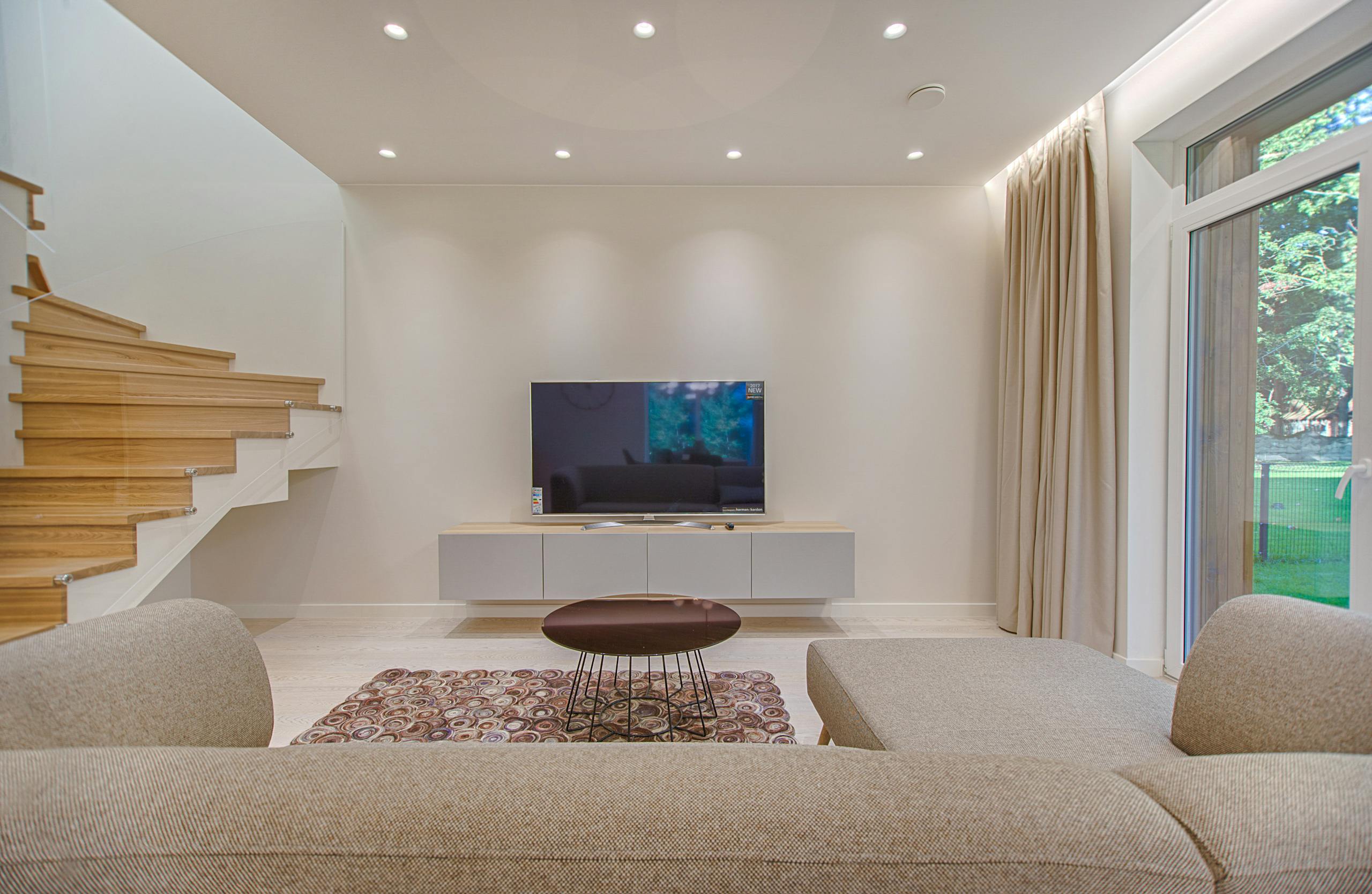

Homebody behavior describes the consistent preference for spending time at home over seeking stimulation outside of it. It’s not avoidance, anxiety, or laziness. It’s a genuine orientation toward the domestic environment as a source of restoration, creativity, and meaning.
For many introverts, this preference runs deep. The home isn’t just where you sleep. It’s where you actually live, think, and recharge in ways that public spaces simply cannot replicate.

My agency years were loud. Not just literally, though the open floor plans and client events were relentless. They were loud in the sense that almost everything I did was externally directed. Presentations, pitches, performance reviews, team meetings, client dinners. The calendar was a constant negotiation between what the business needed and what my nervous system could sustain. Home, in those years, wasn’t a preference. It was a survival mechanism. What I didn’t understand then was that the pull I felt toward my own space wasn’t weakness. It was information about how I’m actually wired.
If you’re exploring what it means to live more intentionally as someone who loves being home, our Introvert Home Environment hub covers the full range of that territory, from designing your space to understanding the psychology behind why home matters so much to people like us.
What Does Homebody Behavior Actually Look Like Day to Day?
People often assume homebody behavior means sitting on the couch doing nothing. That’s not the reality for most people who identify this way. The behavior is more layered than that.
What’s your personality type?
Take our free 40-question assessment and get a detailed personality profile with dimension breakdowns, context analysis, and personalised insights.
Discover Your Type8-12 minutes · 40 questions · Free
A genuine homebody tends to structure their life around minimizing unnecessary outings. They batch errands. They decline social invitations that feel optional. They find ways to bring experiences home rather than going out to find them. Cooking instead of restaurants. Streaming instead of theaters. Deep conversations over text or video instead of crowded bars.
There’s also a strong relationship with objects and rituals. The homebody couch isn’t just furniture. It’s a command center, a reading nook, a thinking space, and a recovery zone. Homebodies tend to invest emotionally and practically in their immediate environment in ways that more socially oriented people sometimes find puzzling.
I noticed this about myself gradually. During my agency years, I’d come home from a long client day and immediately begin a kind of decompression ritual. Tea, silence, maybe thirty minutes of reading before I could function as a human being again. My wife learned to read this. She’d give me the space without comment. What I was doing, without naming it, was restoring the internal reserves that external performance had depleted. That’s homebody behavior at its most functional.
Is There a Psychological Basis for Preferring Home?
There’s meaningful psychological grounding for why some people are strongly home-oriented. Introversion, as a trait, involves a different relationship with external stimulation. Where extroverts tend to gain energy from social engagement and environmental novelty, introverts often find those same inputs draining. The home, by contrast, offers a controllable sensory environment, familiar social demands (usually minimal), and the freedom to direct attention inward.
For highly sensitive people, this preference is even more pronounced. The HSP trait, identified by psychologist Elaine Aron, describes a nervous system that processes sensory and emotional information more deeply than average. For people with this trait, the outside world can feel genuinely overwhelming in ways that aren’t dramatic or exaggerated. They’re simply picking up more signal. Home provides a way to manage that input. Practices like HSP minimalism take this further, intentionally reducing visual and sensory noise in the home environment to support wellbeing.
There’s also a body of work on restorative environments suggesting that spaces which feel safe, familiar, and low-demand allow the brain to shift out of vigilance and into a more reflective, restorative state. A paper published in PubMed Central examining attention restoration theory outlines how certain environments support cognitive recovery in ways that stimulating or socially demanding environments cannot. For introverts, the home often functions as exactly this kind of restorative space.

What I find interesting, looking back at my career, is how much my best strategic thinking happened at home. Not in the conference room. Not during brainstorms. The ideas that actually moved client businesses forward usually came to me in the quiet of my own space, often early in the morning before the noise of the day started. That wasn’t accidental. My brain was doing its best work in the environment where it could actually function at full capacity.
How Does Homebody Behavior Differ From Social Anxiety or Avoidance?
This distinction matters, and it’s one that gets muddled constantly. Homebody behavior is a preference. Social anxiety is a fear response. They can coexist, but they’re not the same thing, and conflating them does a disservice to people who genuinely love being home for entirely healthy reasons.
A person with social anxiety avoids social situations because they fear judgment, embarrassment, or some negative outcome. The avoidance is driven by distress. A homebody stays home because they genuinely prefer it. The choice is driven by positive pull toward the home environment, not fear of what’s outside it.
The practical test is fairly simple. Can you go out when you want to? Do you enjoy certain social situations without significant anxiety? Do you feel content at home rather than trapped? If yes, you’re likely describing a preference, not a disorder. Research accessible through PubMed Central on social withdrawal distinguishes between voluntary and involuntary social disengagement, and the outcomes associated with each are meaningfully different.
I managed a copywriter at one of my agencies who rarely attended optional team events. People assumed she was anxious or antisocial. She wasn’t. She was one of the most confident people on the team in one-on-one settings. She just valued her evenings and weekends enough to protect them. She had clear priorities, and socializing with coworkers didn’t make the list. That’s a homebody operating with self-awareness, not someone in need of intervention.
What Role Does Connection Play for People Who Prefer Home?
One of the most persistent myths about homebodies is that they don’t want connection. That’s not accurate. Most people who identify as homebodies want meaningful connection deeply. What they don’t want is the format that connection often gets packaged in: loud venues, large groups, surface-level small talk, and the social performance that comes with public settings.
Homebodies tend to prefer depth over breadth in their social lives. A long conversation with one trusted friend outweighs a party with fifty acquaintances. As Psychology Today has written, the drive for deeper, more meaningful conversation is a genuine psychological need for many introverts, not simply a stylistic preference.
The rise of digital connection has genuinely expanded options here. Chat rooms built for introverts and similar online spaces give homebodies a way to engage socially on their own terms, from their own environment, without the sensory and social overhead of in-person gatherings. For some people, this isn’t a consolation prize. It’s actually a better fit for how they connect.
My most meaningful professional relationships were built in one-on-one settings. Lunches with clients where we actually talked about what was going on in their businesses. Long phone calls with creative directors working through a problem together. Not the agency happy hours or the industry conferences. The depth happened in the quieter formats, and I’ve carried that preference into every area of my life since.

How Do Homebodies Build a Life That Actually Supports Their Nature?
Living well as a homebody isn’t passive. It takes some intentional design, both of your physical space and your life structure.
On the physical side, the home environment matters enormously. A space that feels cluttered, uncomfortable, or poorly arranged creates friction that works against the restorative function home is supposed to serve. Homebodies who invest in their spaces, not necessarily expensively, but thoughtfully, tend to report higher satisfaction with their daily lives. Good lighting, comfortable seating, designated areas for different activities, and personal objects that carry meaning all contribute to a home that genuinely supports the person living in it.
Books are a particularly common anchor. There’s a reason the homebody book genre has found such a devoted readership. These titles speak directly to people who want permission and practical guidance for building a life centered on home, and they’ve filled a real gap in how we talk about lifestyle preferences.
On the structural side, building a homebody-compatible life often means making deliberate choices about work arrangements, social commitments, and how you spend discretionary time. Remote work has been genuinely significant for many homebodies, not because they’re avoiding the office out of fear, but because working from home allows them to operate at their cognitive best. The Frontiers in Psychology journal has published work on personality traits and work environment preferences that speaks to why certain people consistently perform better in lower-stimulation settings.
When I finally shifted away from the daily agency grind and started working primarily from home, the quality of my thinking changed noticeably. Not because I was less accountable or less engaged, but because I wasn’t spending enormous energy managing the social environment of an open office. That freed up cognitive resources for actual work. It took me embarrassingly long to make that connection.
What Are the Quiet Pleasures That Define Homebody Life?
Ask a homebody what they actually do at home and you’ll get answers that sound simple but carry genuine weight. Reading. Cooking. Gardening. Listening to music. Working on a creative project. Watching something with a partner. Sitting with a pet. Having a long bath. Puttering around the house doing small maintenance tasks that feel satisfying in their completion.
None of these activities are glamorous. That’s part of the point. Homebodies tend to find satisfaction in the texture of ordinary life rather than in peak experiences. A good meal cooked at home, eaten without hurry, is genuinely more satisfying than a trendy restaurant where you have to shout over the noise. A quiet evening with a book lands differently than a night out that requires two days of recovery.
Gift-giving for homebodies follows the same logic. The things that genuinely land are those that enhance the home experience rather than pull someone out of it. Thoughtful gifts for homebodies tend to be sensory, practical, or creative: quality candles, a beautiful blanket, a subscription to something they’ll enjoy at home, a kitchen tool that makes cooking more pleasurable. Our homebody gift guide covers this territory in detail if you’re shopping for someone who lives this way.
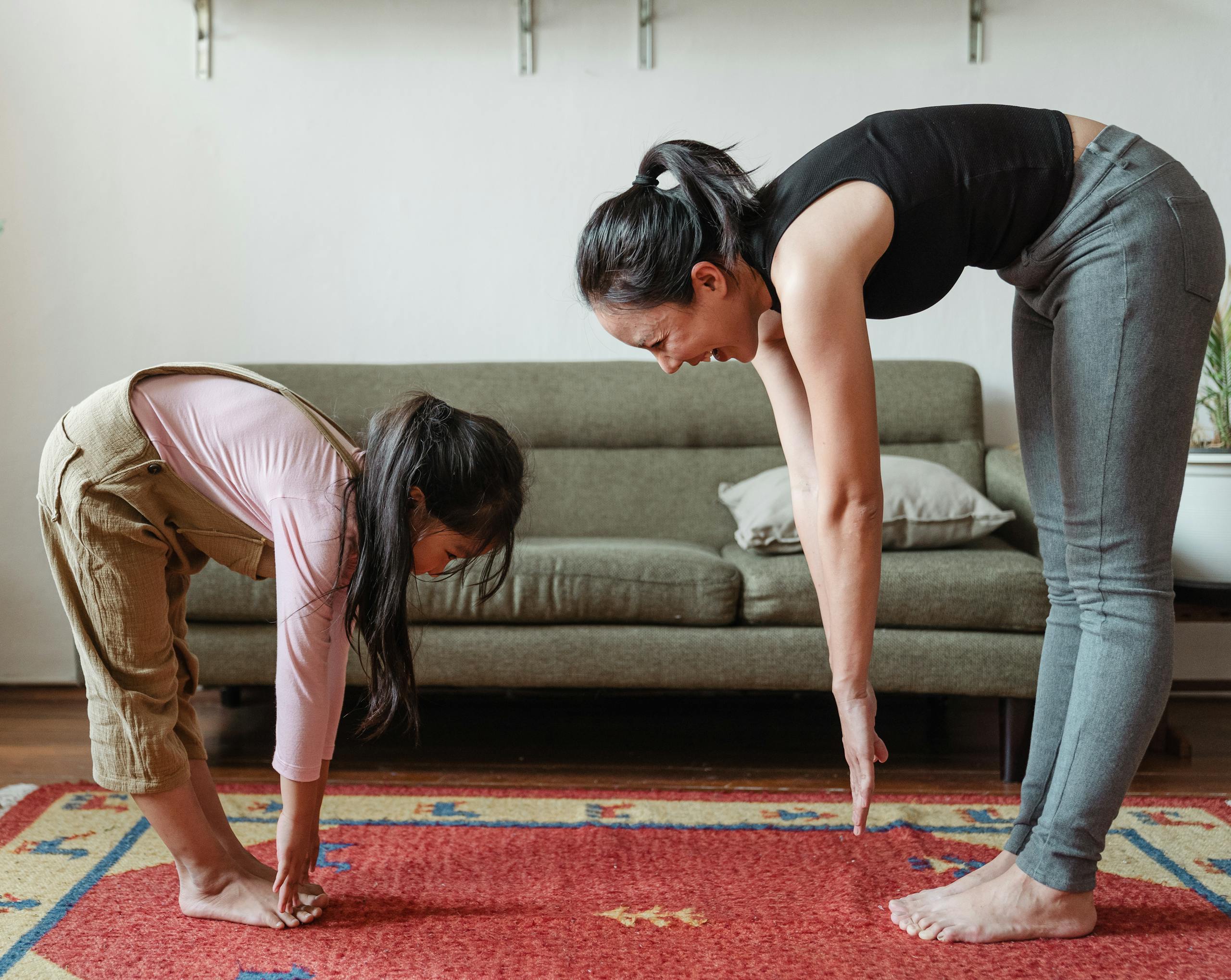
My own version of this is embarrassingly specific. Saturday mornings with good coffee, no schedule, a notebook, and whatever I’m currently reading. No agenda. No output required. Just the pleasure of being in my own space with my own thoughts. After twenty years of running agencies where Saturday mornings were often eaten by client emergencies or pitch prep, I don’t take that simplicity lightly.
Can Homebody Behavior Coexist With Professional Ambition?
There’s an assumption baked into professional culture that ambition requires visibility, presence, and social performance. Attend the events. Network constantly. Be seen. For people wired toward home, this creates a false choice: succeed professionally, or honor your nature. That framing is worth pushing back on.
Many of the most effective professionals I worked with over my career were deeply home-oriented. They weren’t the loudest people in the room. They were the ones who did the work, thought carefully, and delivered consistently. Their professional output didn’t require them to be socially ubiquitous. It required them to be good at what they did.
The negotiation skills required in client work, for instance, don’t belong exclusively to extroverts. As Harvard’s Program on Negotiation has noted, introverts often bring significant strengths to negotiation contexts, including careful preparation, active listening, and the ability to read situations without being driven by the need for social approval. Those are not small advantages.
I ran agencies for over two decades as someone who genuinely preferred being home. I made it work by being strategic about which professional obligations required my presence and which didn’t. I was selective about events. I invested heavily in the relationships that mattered and kept lighter touch on the ones that were purely performative. That selectivity wasn’t antisocial. It was efficient. My introversion, properly understood, was an asset in that work, not a liability I had to overcome.
The same applies in fields that might seem to demand constant social energy. Rasmussen University’s research on marketing for introverts highlights how the traits associated with introversion, depth of focus, careful observation, and strategic thinking, translate directly into professional effectiveness in fields most people assume require extroversion.
What Happens When You Stop Apologizing for Being a Homebody?
Something shifts when you stop treating your preference for home as a character flaw you’re working on. The energy you were spending on managing other people’s perceptions of your lifestyle comes back to you. You stop declining invitations with elaborate excuses and start being honest. You stop performing enthusiasm for social events you don’t actually want to attend.
The relationships that survive that honesty tend to be the ones worth keeping. People who genuinely respect you don’t require you to be someone else. And the people who need you to perform extroversion to validate their own choices were never really offering you the kind of connection that matters.
There’s also a cognitive benefit to this kind of self-acceptance that’s worth naming. Chronic self-monitoring, the constant internal negotiation between who you are and who you think you should be, is genuinely taxing. A Psychology Today piece on introvert-extrovert dynamics touches on how much energy gets spent in personality-based conflict, including the internal kind, when people aren’t clear about their own needs and preferences.
Accepting that you’re a homebody isn’t resignation. It’s clarity. And clarity, in my experience, is where good decisions start.

The year I stopped explaining my weekends to people was a genuinely good year. I’d spent so long offering preemptive justifications for why I wasn’t at the event, the party, the optional team outing. When I stopped, nobody actually cared as much as I’d imagined they would. The social consequences I’d been bracing for didn’t materialize. What did materialize was a lot more time and energy for the things I actually valued.
There’s a whole conversation to be had about how introverts design environments that support this kind of intentional living. Our complete Introvert Home Environment hub brings together everything from space design to the psychology of why home matters so much to people wired the way we are.
About the Author
Keith Lacy is an introvert who’s learned to embrace his true self later in life. After 20 years in advertising and marketing leadership, including running agencies and managing Fortune 500 accounts, Keith now channels his experience into helping fellow introverts understand their strengths and build fulfilling careers. As an INTJ, he brings analytical depth and authentic perspective to every article, drawing from both professional expertise and personal growth.
Frequently Asked Questions
Is being a homebody the same as being introverted?
They overlap significantly but aren’t identical. Introversion is a personality trait describing how someone relates to external stimulation and social energy. Homebody behavior is a lifestyle preference for spending time at home. Many introverts are homebodies because the home environment naturally supports how they’re wired, but some extroverts also prefer home-centered lives for practical or personal reasons. The two often travel together without being the same thing.
How do I know if my homebody behavior is healthy or a sign of something else?
The clearest signal is whether the preference comes with contentment or distress. Healthy homebody behavior feels like a genuine choice. You stay home because you want to, not because you’re afraid of what will happen if you go out. You can engage socially when you choose to, even if you choose to less often than others. If staying home feels compulsive, is accompanied by significant anxiety about the outside world, or is causing real problems in your relationships or work, that’s worth exploring with a mental health professional.
Can homebody behavior change over time?
Yes, in both directions. Life circumstances, relationships, work arrangements, and personal development all influence how strongly someone expresses homebody tendencies. Some people become more home-oriented as they age and their social needs shift. Others find that certain life phases pull them outward more. The underlying personality traits tend to be relatively stable, but how they express in behavior has real flexibility.
What are the most common misunderstandings about homebodies?
The biggest one is that homebodies are lonely, depressed, or socially failed. Most aren’t. They’ve simply organized their lives around a different set of priorities than the socially dominant culture promotes. A second common misunderstanding is that homebodies don’t want connection. They usually want it deeply. They just prefer it in quieter, more intimate formats. A third is that homebody behavior is a phase or a problem to outgrow. For many people, it’s a stable, satisfying way of living that serves them well across their entire adult lives.
How can homebodies maintain social connections without compromising their need for home?
Selective investment works well here. Rather than spreading social energy thinly across many relationships, homebodies often do better by identifying the connections that genuinely matter and putting real attention into those. Hosting at home rather than going out, using digital communication for regular contact, and choosing social formats that don’t require significant recovery time all help. success doesn’t mean eliminate social connection but to find forms of it that don’t cost more than they give back.