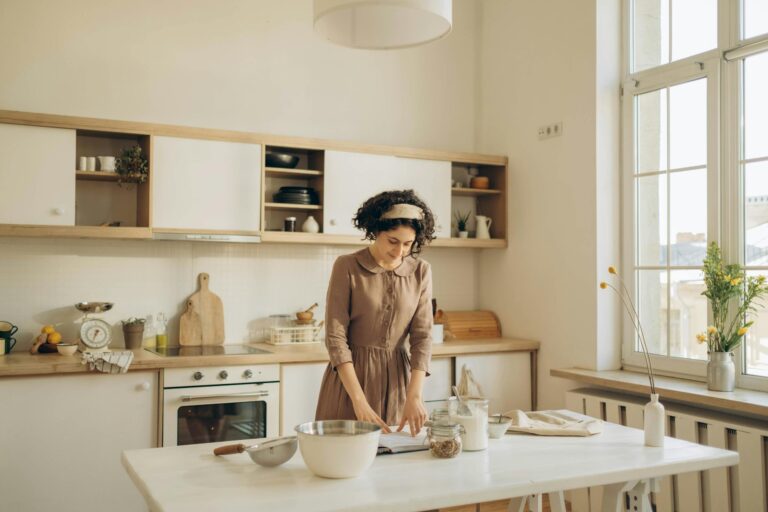

Homebody captions for Instagram are short, honest phrases that reflect what it genuinely feels like to love staying in: the comfort, the quiet, the deliberate choice to build a life centered around home. The best ones don’t apologize for that choice. They celebrate it with warmth, wit, and a little self-awareness.
What surprises most people is how much a single caption can do. A well-chosen line doesn’t just describe a photo of your couch or your candle or your Saturday morning tea. It signals something about who you are and what you value, without needing to explain yourself to anyone.
I’ve thought a lot about why this matters to introverts specifically. We spend so much energy in the world performing for others, code-switching, showing up in ways that don’t quite fit. Instagram can feel like another stage where you’re expected to perform a version of yourself that’s always out, always social, always moving. A good homebody caption quietly refuses that expectation.
If you’re building a home environment that genuinely supports your introverted nature, our Introvert Home Environment hub covers everything from sensory design to cozy rituals, and it’s a good companion to what we’re exploring here.

Why Do Homebodies Even Post on Instagram?
Fair question. And I’ve asked myself a version of it more than once.
What’s your personality type?
Take our free 40-question assessment and get a detailed personality profile with dimension breakdowns, context analysis, and personalised insights.
Discover Your Type8-12 minutes · 40 questions · Free
During my agency years, I watched social media become the dominant currency of professional identity. Everyone was posting conference photos, client dinners, networking events. The implicit message was clear: visibility equals value. If you weren’t seen being busy and social, you weren’t relevant. I played along for longer than I should have, posting photos from client events I barely wanted to attend, captioning them with enthusiasm I didn’t feel.
What I’ve come to understand is that posting as a homebody isn’t contradictory. It’s actually one of the more honest things you can do on a platform built around performance. You’re saying: this is my actual life, and I’m not embarrassed by it.
There’s also something worth acknowledging about connection. Many introverts, myself included, find that deeper, more meaningful conversations happen in writing rather than in crowded rooms. Instagram, used thoughtfully, can be a place where you connect with people who share your values without the social overhead of in-person interaction. A caption that resonates pulls in the right people. It filters out the noise.
That said, not every homebody wants to explain their lifestyle in paragraphs. Sometimes you just want a line that fits the photo and says what you mean without overthinking it. That’s what the rest of this article is for.
Captions for the Cozy, Quiet Days
These are the captions for ordinary Saturdays. The ones where nothing happens, and that’s the whole point.
I’ve spent a lot of time on my couch thinking through problems that took me weeks to solve in conference rooms. There’s something about the physical comfort of being home that loosens the mind. If you’ve found the same thing, you know exactly what these captions are pointing at.
Speaking of which, if you want to think more intentionally about your couch as a space for rest and recharge, the piece on the homebody couch gets into what makes that spot so central to the homebody experience.
Here are captions that capture the quiet, cozy days without irony or apology:
- Soft lighting, no plans. This is the dream.
- My ideal Saturday has a couch and no agenda.
- Doing absolutely nothing, and doing it well.
- The outside world will still be there. Probably.
- Canceled plans feel like a gift I gave myself.
- My home is doing most of the work today.
- Tea, quiet, and the specific peace of nowhere to be.
- Introvert recharge mode: activated.
- Not lazy. Deliberately still.
- This is what recovery looks like for me.
- Some people collect experiences. I collect cozy mornings.
- The best part of any trip is coming home.
- My walls know me better than most people do.
- Staying in is a skill, and I’ve mastered it.
- Home is where the energy stays.

Captions for When You’re Proud of Staying In
There’s a specific feeling that comes with choosing home deliberately, not defaulting to it, not hiding in it, but genuinely preferring it. These captions are for that feeling.
One of the shifts that happened for me after I stopped running agencies was realizing how much of my social activity had been obligation dressed up as preference. I’d told myself I liked client dinners and industry events. Some of them were fine. But the honest truth was that my best thinking, my clearest decisions, and my most genuine moments all happened at home. Once I stopped pretending otherwise, something settled in me.
These captions carry that same energy. Confident, warm, a little self-aware:
- Home isn’t where I end up. It’s where I choose to be.
- I RSVP’d to my couch months ago.
- Not antisocial. Selectively present.
- My home is the most interesting place I know.
- Staying in is its own kind of adventure.
- I built this space for exactly this moment.
- Some people need to go out to feel alive. I need to stay in.
- The quiet here is intentional.
- My energy is finite. I spend it carefully.
- This is what a good Friday looks like to me.
- I’m not missing out. I’m opting in to something else.
- Comfort isn’t a consolation prize. It’s the goal.
- Homebody isn’t a phase. It’s a personality type.
- I know what recharges me, and I’m doing it.
- The best version of me lives here.
Captions With a Sense of Humor
Introverts are often funnier than people expect, especially about themselves. The homebody experience has real comedic texture: the relief of a canceled plan, the mild horror of unexpected guests, the elaborate mental preparation required for a simple errand.
In my agency days, I had a creative director on my team who was one of the sharpest people I’ve ever worked with. She was also deeply introverted, and her captions on her personal Instagram were quietly hilarious. She had this ability to make staying in sound like the most sophisticated choice a person could make. Her audience loved it. People who’d never thought of themselves as homebodies started commenting that she’d described their life exactly.
That’s what good humor does. It creates recognition. Try these:
- I said yes to the invitation. I was lying.
- My plans fell through. I’m devastated. (I’m not.)
- Went out once. Didn’t care for it.
- My social battery is at 4%. Please do not disturb.
- The only party I want to attend is happening in my living room, alone.
- Out of office. Also out of interest in going anywhere.
- I was going to be productive today. Then I sat down.
- My spirit animal is a cat who owns a couch.
- Plot twist: staying home was the right call again.
- Sorry I can’t make it. My couch needs me.
- I peaked when I got home and took my shoes off.
- The audacity of having plans on a Sunday.
- Extroverts: “don’t you get bored?” Me: no.
- My idea of going out is opening a window.
- Current location: exactly where I want to be.

Captions for Sensitive Souls and Deep Thinkers
Not every homebody caption needs to be cozy or funny. Some of the most resonant ones are quieter, more reflective. They speak to the people who feel everything a little more intensely and who need their home as a genuine refuge, not just a preference.
If you’re a highly sensitive person, the way you experience home is different from how most people describe it. The textures matter. The lighting matters. The level of sound matters. There’s a real overlap between HSP experience and the homebody identity, and if you’re drawn to HSP minimalism, you already understand that a simplified space isn’t about aesthetics. It’s about what your nervous system actually needs.
These captions speak to that experience:
- My home absorbs what the world takes from me.
- Quiet isn’t empty. It’s full of what I actually need.
- I feel everything. Home is where that’s okay.
- The world is loud. I made this place soft on purpose.
- Sensitive people need soft spaces. This is mine.
- Not hiding. Restoring.
- My home holds the version of me that nobody else sees.
- I think better in stillness. I live better here.
- Some places drain you. Some fill you back up. I know which this is.
- The light in here is exactly right.
- Depth requires space. I made room for it.
- I notice everything. Home is where that’s a gift, not a burden.
- This space was built around what I actually need.
- Quiet is not nothing. Quiet is everything.
- My nervous system exhales here.
There’s also something worth noting about how online spaces can serve sensitive, introverted people. Chat rooms built for introverts offer a way to connect with others who understand this kind of depth, without the sensory overwhelm of in-person socializing. It’s a different kind of homebody connection, and for many people, it’s exactly right.
Captions for Bookish Homebodies
Books and homebodies have a relationship that deserves its own category. Reading is the quintessential stay-in activity, and there’s a whole aesthetic around it: the stack of unread books, the specific corner you read in, the feeling of losing an afternoon inside someone else’s world.
I’ve read more since leaving agency life than in the previous decade combined. There’s something about the pace of running a business that makes sustained reading feel impossible. Now that my days have more space in them, I’ve rediscovered what books do for my thinking. They slow me down in a way that nothing else quite manages.
If you’re a bookish homebody, you might also appreciate a good homebody book recommendation, something written specifically for people who understand that staying in is a lifestyle, not a limitation.
- Currently in another world. Back never.
- My TBR pile is my social calendar.
- Books are how I travel without leaving.
- One more chapter. (Said at 11 PM. And 1 AM.)
- I don’t need plans. I need pages.
- A good book and nowhere to be. That’s the whole dream.
- Reading is the most social thing I do alone.
- My characters don’t cancel on me.
- Somewhere between the pages, I found exactly what I needed.
- The best conversations I’ve had this week were in a novel.
- I collect books the way other people collect experiences.
- This stack isn’t a problem. It’s a plan.
- Currently unavailable. Please leave a note in a book.
- Homebody with a reading habit and no regrets.
- Lost in a story. Found in the quiet.

Captions for the Aesthetics: Candles, Plants, and Cozy Details
A significant portion of homebody content on Instagram is visual: the candle lit at dusk, the plant in morning light, the perfectly imperfect corner of a room that somehow captures everything. These captions are for those photos.
What I find interesting about this kind of content is how intentional it is. When someone photographs a candle and a book and writes something honest about it, they’re not performing a lifestyle. They’re documenting one. There’s a difference, and audiences can feel it.
The best homebody aesthetic captions are specific without being precious. They point at something real:
- Lit this candle an hour ago and everything improved.
- My plants are the best roommates I’ve ever had.
- This corner of my home does something to my nervous system.
- Soft light, warm room, no agenda. Perfect.
- I arranged this exactly how I needed it to be.
- The details of home are worth paying attention to.
- My space is a reflection of what I actually value.
- Candles burning, world outside, everything fine in here.
- Plants don’t ask anything of me except water. I respect that.
- Made this corner on purpose. Spending time in it on purpose.
- The light here is doing all the work.
- Small rituals, big difference.
- Home is the only place I decorate for myself.
- This is what intentional living looks like to me.
- Nothing here is accidental.
Captions for Seasonal Homebody Moments
Every season gives the homebody something different to work with. Winter is the obvious one, the cultural permission to stay in, to layer up, to hibernate without apology. But autumn has its own pull, and even summer has its version of the homebody aesthetic: open windows, afternoon light, the deliberate choice to skip the crowd.
Seasonal captions work because they’re timely and specific. They give context to an image in a way that generic captions can’t.
Autumn and winter:
- This is my season. I’ve been training for it all year.
- The cold outside makes the inside feel like a reward.
- Blanket weather is my favorite weather.
- November was made for this.
- Hygge isn’t a trend. It’s how I live from October to March.
- The shorter the day, the longer I stay in.
- Winter is just the universe agreeing with me.
Spring and summer:
- Open windows, closed calendar. That’s the balance.
- Summer homebody: I let the light in and stay with it.
- The garden counts as outside. I’m calling it close enough.
- Warm evenings at home hit different.
- Everyone’s at the beach. I’m at my window watching the light change.
- Long days are for long reading sessions.
- My summer is slower and quieter than yours. I prefer it.
What Makes a Homebody Caption Actually Work?
I’ve thought about this from a marketing angle, which is probably the most on-brand thing I can say. Twenty years of writing copy for Fortune 500 brands taught me that the lines that land are the ones that make someone feel seen. Not impressed. Not envious. Seen.
A homebody caption works when it says something true that the reader hasn’t quite articulated yet. “Canceled plans feel like a gift I gave myself” works because it reframes something most people feel guilty about. It gives permission. It names an experience without apologizing for it.
What tends to fall flat is the caption that tries too hard to be relatable. The forced self-deprecation, the “lol I’m such a hermit” energy that’s actually asking for reassurance. The best homebody captions are confident. They’re not asking you to agree. They’re just saying: this is true for me.
A few principles worth keeping in mind:
Be specific, not generic. “Cozy night in” tells nobody anything. “The specific quiet of a Tuesday evening when you have nowhere to be” tells a whole story.
Avoid the apology. Any caption that starts with “I know I should be out but…” has already lost. Own the choice without qualification.
Match the energy of the photo. A soft, warm image needs a soft, warm caption. A funny caption works with a deliberately mundane photo. The mismatch is what makes humor land, or what makes sincerity feel off.
Write it for yourself first. The captions that resonate most widely are the ones that weren’t written to please an audience. They were written because they were true. The audience finds them.
There’s actual psychological grounding for this. Research on authentic self-expression consistently shows that congruence between inner experience and outward expression is connected to wellbeing. When your caption says what you actually feel, you’re not just posting. You’re practicing a kind of honesty that has real value.
And if you’re thinking about the gifts you want to give or receive that support this lifestyle, both the gifts for homebodies guide and the full homebody gift guide are worth a look. They approach the topic from slightly different angles, and together they cover a lot of ground.

A Few Words on Authenticity and Social Media
I want to say something honest here, because I think it matters.
Social media has a complicated relationship with authenticity. The homebody aesthetic, like any aesthetic, can become a performance. You can curate a “staying in” identity just as carefully as you can curate a “jet-setting” one. Neither is inherently more real.
What I’ve noticed in myself, and in the introverts I’ve talked with over the years, is that the best use of Instagram isn’t to build an audience around a persona. It’s to find the people who already understand you. A caption that says something true pulls in exactly those people. It’s a quiet form of community-building, which suits introverts well.
There’s also something worth saying about the difference between connection and comparison. Wellbeing research points to social comparison as a significant driver of anxiety on social platforms. The homebody who posts genuinely, without measuring their life against the highlight reel of someone else’s, tends to have a healthier relationship with the platform. Your caption is not a competition. It’s a statement.
And if Instagram ever starts to feel like too much, there are quieter corners of the internet worth knowing about. Online spaces designed for introverted connection can offer the depth of real conversation without the performance pressure of a public feed.
The broader theme of how introverts build meaningful environments, both physical and digital, is something we explore throughout the Introvert Home Environment hub. It’s worth spending time there if this resonates with you.
About the Author
Keith Lacy is an introvert who’s learned to embrace his true self later in life. After 20 years in advertising and marketing leadership, including running agencies and managing Fortune 500 accounts, Keith now channels his experience into helping fellow introverts understand their strengths and build fulfilling careers. As an INTJ, he brings analytical depth and authentic perspective to every article, drawing from both professional expertise and personal growth.
Frequently Asked Questions
What are the best homebody captions for Instagram?
The best homebody captions are honest, specific, and confident. They don’t apologize for the choice to stay in. Lines like “canceled plans feel like a gift I gave myself” or “home is where the energy stays” work because they name a real experience without qualification. Avoid generic phrases and write toward the specific feeling the photo captures.
How do I write a caption that doesn’t sound like I’m making excuses for staying home?
Drop the apology entirely. Captions that start with “I know I should be out but…” undermine the message before it begins. Write from a place of genuine preference, not defensiveness. “My home is the most interesting place I know” is a statement. “Sorry for not being more social” is an apology. One builds connection. The other invites pity.
Are homebody captions only for introverts?
Not at all. Plenty of people who don’t identify as introverts love staying home and want captions that reflect that. That said, introverts often have a particular fluency with this kind of content because staying in isn’t just a preference for them. It’s a genuine need. The captions that come from that place tend to resonate more widely because they carry real conviction.
Can homebody captions work for professional or lifestyle branding?
Yes, and they often work better than people expect. In a social media landscape full of hustle culture and constant movement, homebody content stands out because it’s calm and confident. If your brand or personal identity is built around intentional living, simplicity, or introvert-friendly values, homebody captions are completely aligned with that positioning. Authenticity reads well in any context.
How do I make a simple “staying in” photo interesting on Instagram?
The caption does more work than the photo in most cases. A photo of a candle is ordinary. A photo of a candle with a caption that says “lit this an hour ago and everything improved” becomes a moment. Focus on specificity: what time of day, what feeling, what small detail made it worth capturing. The more precise the observation, the more universal the response.