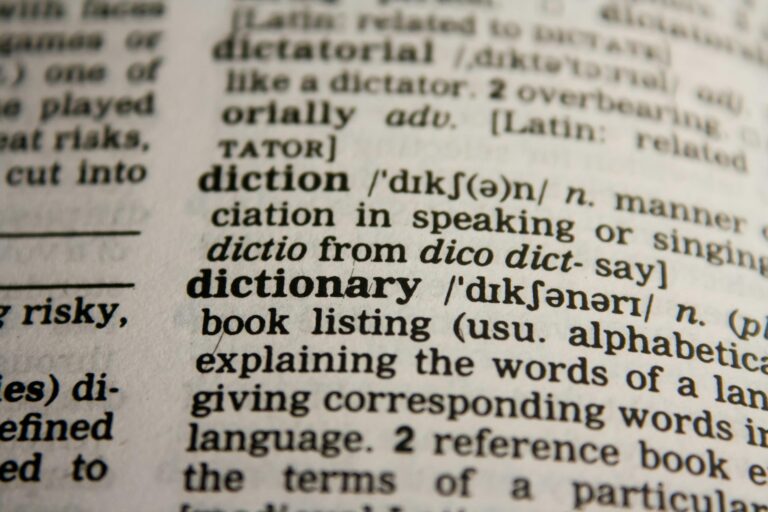

A homebody, at its simplest, is someone who finds genuine comfort, meaning, and restoration in home-centered living. The words people use to describe that experience, words like homebody, homophile, nester, stay-at-home type, and even the more clinical “low-stimulation preference,” each carry a slightly different shade of meaning and a very different emotional charge.
Some of those words feel like compliments. Others get weaponized. And a few, once you sit with them long enough, start to feel like they’re actually describing something true about how you’re wired.
What’s worth exploring is why the language matters, what these synonyms reveal about how society frames home-centered living, and why reclaiming the right vocabulary might be one of the quieter acts of self-acceptance available to introverts who’ve spent years explaining themselves to people who don’t quite get it.
If you want the full picture of how home environments shape introverted life, our Introvert Home Environment hub covers everything from sensory design to cozy rituals to the psychology of why home matters so much to people like us.

What Are the Most Common Homebody Synonyms?
The English language has accumulated a surprising number of ways to describe someone who prefers staying in. Some of them are warm. Some are clinical. A few carry a faint whiff of judgment that the speaker probably doesn’t even notice they’re broadcasting.
What’s your personality type?
Take our free 40-question assessment and get a detailed personality profile with dimension breakdowns, context analysis, and personalised insights.
Discover Your Type8-12 minutes · 40 questions · Free
Nester is one of my favorites. It implies someone who actively creates comfort, who tends to their space with intention. There’s agency in that word. A nester isn’t hiding from the world, they’re building something worth staying in.
Homophile is older and more academic, drawn from the Greek for “lover of home.” It sounds almost literary, which feels appropriate for the kind of person who has a dedicated reading corner and knows exactly how the afternoon light moves through their living room.
Stay-at-home type is more neutral, though it often gets used by people who mean it as a gentle criticism. “Oh, she’s more of a stay-at-home type” usually translates to “she said no to our plans again.” The phrasing positions home-preference as a default, a passive state rather than an active choice.
Recluse is where the language starts to curdle. It implies withdrawal, avoidance, something slightly pathological. Most homebodies aren’t recluses. They have rich social lives, they just tend to conduct them in smaller doses and in spaces they control. The difference matters.
Introvert, of course, is its own category. It’s not a perfect synonym for homebody, since plenty of extroverts love staying in, and some introverts are quite mobile. But the overlap is significant enough that the two words often travel together, and the cultural baggage they share is worth unpacking.
Cozy person, homebody at heart, indoor enthusiast, and even couch philosopher have emerged more recently in internet culture, and they’re doing something interesting. They’re reclaiming the territory with warmth and a little humor, which is exactly the right approach.
Why Does the Word You Use Change How You Feel About Yourself?
Language shapes identity more than most people realize. The words you use to describe yourself, and the words others use about you, create a frame through which you interpret your own behavior. Call yourself a recluse and you start to feel like something is wrong with you. Call yourself a nester and you start to feel like someone with good taste.
I spent a long time in advertising agencies where the culture rewarded a particular kind of person: loud, available, socially omnivorous. The language used to describe people like me, “hard to read,” “keeps to himself,” “not a team player,” wasn’t malicious exactly. But it shaped how I understood myself. It took years to realize those descriptions said more about the culture than about me.
The same dynamic plays out with homebody synonyms. When someone calls you a homebody with a slight edge in their voice, you absorb that framing. You start to see your preference for home as a limitation rather than a feature. You apologize for it. You overexplain it. You make promises to “get out more” that you never quite intend to keep.
Choosing your own vocabulary is a small but real act of self-determination. Saying “I’m a nester” instead of “I’m kind of a homebody, I know that’s boring” shifts the entire emotional register of the conversation. One version apologizes. The other simply describes.
There’s a broader psychological principle at work here. The words we use to describe our traits influence how we evaluate those traits. Research on self-concept and identity consistently shows that the framing of personal characteristics affects both self-esteem and behavior. Positive framing doesn’t mean denial. It means accurate description without the cultural penalty baked in.

What’s the Difference Between a Homebody and a Recluse?
This distinction matters more than people give it credit for, and conflating the two is one of the ways well-meaning people accidentally pathologize normal introvert behavior.
A homebody chooses home because home is good. The preference is positive, oriented toward something rather than away from something. A homebody might genuinely enjoy a dinner party, a walk with a friend, or a weekend trip. They just don’t need those things to feel whole, and they don’t feel deprived when a quiet evening at home is on the calendar instead.
A recluse, in the clinical sense, is withdrawing from connection in ways that cause distress or impairment. That’s a meaningful distinction. One is a lifestyle preference. The other might indicate something worth addressing with a professional.
The problem is that the word recluse gets applied casually to homebodies, especially introverted homebodies, as a way of suggesting their preferences are symptoms. “You’re becoming a recluse” is often code for “I’m uncomfortable with how little you seem to need what I need.”
I watched this dynamic play out in agency life more than once. Introverted team members who declined happy hours or preferred email over impromptu hallway conversations got quietly labeled as difficult or withdrawn. The label stuck even when their work was exceptional and their relationships with clients were strong. The behavior being described wasn’t reclusive. It was just different from the dominant culture’s preferences.
Homebodies who want to connect on their own terms, through thoughtful conversation, through digital spaces, through one-on-one time rather than group settings, aren’t avoiding life. They’re living it differently. Psychology Today’s writing on deeper conversations captures something important here: the quality of connection matters more than the quantity, and many introverts are wired to pursue depth over volume.
Speaking of connecting on your own terms, chat rooms for introverts have become one of the more interesting ways homebodies maintain meaningful social connection without sacrificing the comfort of their own space.
How Do Synonyms Reveal the Cultural Bias Against Staying Home?
Spend five minutes with a thesaurus looking up homebody and you’ll notice something. The synonyms with positive connotations are relatively few. The ones with negative or neutral-to-negative connotations are plentiful. Shut-in. Couch potato. Wallflower. Loner. Hermit. Recluse. Introvert (often used pejoratively despite being a neutral descriptor).
That distribution isn’t accidental. It reflects a cultural bias toward mobility, sociability, and external engagement as markers of a life well lived. The good life, in the dominant cultural narrative, is busy. It’s full of plans, events, travel, and people. Someone who opts out of that narrative needs a word, and the available words mostly carry a faint suggestion that something has gone slightly wrong.
Even the more neutral terms carry assumptions. Stay-at-home implies that home is a fallback position. Homebody itself has a slightly diminutive quality, as if “body” reduces the person to their physical location rather than describing someone with a genuine orientation toward home as a primary space.
Compare this to words we use for people who love being out: social butterfly, bon vivant, life of the party, adventurer. Those words celebrate. They don’t merely describe. The asymmetry is telling.
What’s shifting, slowly, is that internet culture and the broader introvert awareness movement have started generating new vocabulary that doesn’t apologize. Cozy maximalist. Homebody aesthetic. Soft life. These terms reframe home-centered living as a positive identity rather than a retreat. They’re imperfect, and some of them will date badly, but the direction they’re pointing is right.

What Does “Nester” Actually Mean, and Why Do Introverts Resonate With It?
Of all the homebody synonyms in circulation, nester might be the one that best captures what many introverts are actually doing when they invest in their home environment.
Nesting is active. It’s intentional. It implies someone who pays attention to their space, who makes deliberate choices about comfort, warmth, and sensory environment. A nester isn’t someone who just happened to stay home. They’re someone who made home worth staying in.
That resonates with me personally. During my agency years, I traveled constantly. Client meetings in Chicago, presentations in New York, pitches in Los Angeles. The travel was relentless, and while I could perform well in those environments, what sustained me was knowing I had a home that felt genuinely restorative waiting at the other end. I invested in that space in ways my more extroverted colleagues found slightly puzzling. Good lighting. Quiet. A reading chair that was actually comfortable. Books within reach. It wasn’t indulgence. It was maintenance.
Highly sensitive people, a category that overlaps significantly with introverts, often experience this nesting impulse particularly strongly. The sensory environment of home isn’t just pleasant for HSPs, it’s necessary. HSP minimalism explores how sensitive people approach their spaces with that same intentionality, stripping away what overwhelms and keeping what genuinely restores.
The nester identity also connects to something worth examining: the idea that home-centered people are passive. Nesting is the opposite of passive. It requires observation, preference, decision-making, and ongoing attention to what’s working and what isn’t. That’s a form of active engagement with life, just directed inward rather than outward.
And when you’re someone who processes the world deeply, who notices the angle of afternoon light and the way certain textures feel and the particular quality of quiet that comes after a long day, investing in your home environment isn’t optional. It’s how you function.
Can Being a Homebody Be a Strength Rather Than a Limitation?
The framing of homebody as limitation is worth challenging directly, because it rests on an assumption that rarely gets examined: that a preference for home-centered living produces worse outcomes than a preference for external engagement.
My experience suggests the opposite is often true, at least for people who are genuinely wired that way. The introverts I worked with who had strong home environments, who protected their restoration time, who didn’t burn through their social energy on obligations they didn’t care about, tended to show up to work with more focus, more creativity, and more emotional stability than colleagues who were constantly overscheduled and understimulated by their own environments.
One of the best creative directors I ever hired was someone who, by most social metrics, was a committed homebody. She declined most agency events. She worked from home when possible before that was a common option. She had an elaborate home studio setup that she’d clearly spent real thought and money on. And she produced work that consistently outperformed everyone else on the team. Her home wasn’t where she hid from her career. It was where she did her best thinking.
That pattern isn’t unusual. Work on psychological restoration points to the importance of environments that allow genuine recovery from cognitive and social demands. For people who find external environments depleting, home isn’t a retreat from productivity. It’s where productivity becomes possible.
The homebody couch has become something of a cultural symbol for this, and it’s worth taking seriously. What looks like passivity from the outside, someone reading or thinking or simply being still, is often active restoration. The couch isn’t where ambition goes to die. For a lot of introverts, it’s where the next good idea gets born.
There’s also something to be said about the quality of relationships that home-centered people tend to cultivate. Without the social scatter of constant external engagement, many homebodies develop fewer but deeper connections, the kind that psychological research on social connection consistently links to wellbeing more strongly than sheer social volume.

How Do You Describe Yourself Without Apologizing for It?
This is where the vocabulary question becomes practical. Most homebodies have developed some version of the apologetic self-description: “I’m kind of a homebody, I know that’s terrible,” or “I’m not very social, sorry,” or the classic deflection of blaming fatigue or busyness rather than simply owning the preference.
The apology is usually preemptive. You’re apologizing for something the other person hasn’t criticized yet, which means you’ve already internalized the criticism. That’s worth noticing.
Choosing language that describes without apologizing takes some practice. “I’m a homebody” said flatly, without the self-deprecating laugh, lands differently than the apologetic version. “I prefer smaller gatherings” is cleaner than “I’m terrible at parties.” “I recharge at home” explains the behavior without framing it as a flaw.
It took me an embarrassingly long time in my career to stop apologizing for how I operated. I’d preemptively explain why I wasn’t at the after-party, why I preferred a written brief to a brainstorm session, why I needed to think before I responded to a complex question. The explanations weren’t wrong, but the apologetic framing was. What I was doing wasn’t a failure to meet a standard. It was a different way of meeting it.
The same shift is available in how you describe your homebody nature. Nester, homophile, someone who invests in their home environment, someone who recharges at home, someone who prefers depth over volume in social connection. None of those descriptions require an apology. They’re just accurate.
And when the people in your life understand that preference, the right gifts start showing up too. The homebody gift guide exists precisely because the people who love us sometimes need a little direction, and there’s no shame in pointing them there. Similarly, if you’re looking for what to give yourself or someone else who lives this way, the gifts for homebodies collection captures what actually resonates with people who’ve built a life they love staying in.
What Books and Resources Help Homebodies Understand Themselves Better?
One of the things that shifted my own self-understanding wasn’t a therapist or a workshop. It was reading. Finding the right book at the right moment, something that described your inner experience with precision, is one of the more quietly powerful things that can happen to a person.
For homebodies specifically, there’s a growing body of writing that takes the home-centered life seriously as a subject worth examining. Not decorating books, though those have their place, but books that grapple with what it means to find meaning, restoration, and identity through your relationship with home.
A good homebody book doesn’t just validate the preference. It deepens it. It gives you language for what you already know, and it connects your individual experience to something broader about how certain people are wired and what they need to thrive.
That kind of reading is itself a homebody activity, which is part of what makes it so fitting. You’re doing the thing while learning about why you do the thing. There’s a particular satisfaction in that loop that I think most homebodies will recognize.
Beyond books, the broader conversation about introverted and home-centered living has expanded significantly. Podcasts, online communities, and thoughtful writing have all contributed to a vocabulary and a framework that didn’t really exist twenty years ago when I was first trying to understand why I operated so differently from the people around me in agency life.
That expansion of language and community matters. When you can name what you are, and find others who share it, the apologetic self-description starts to feel less necessary. You’re not describing a deficit. You’re describing a way of being that has its own logic, its own strengths, and its own beauty.
The introvert-extrovert dynamic that plays out in relationships and workplaces is easier to manage when you have clear language for your own needs. That clarity starts with knowing what to call yourself and meaning it without apology.

Which Homebody Synonym Fits You Best?
There’s no single right answer here, and that’s actually the point. The richness of available vocabulary means you get to choose the word that fits your particular version of this experience.
If you’re someone who actively designs your space, who thinks carefully about light and texture and what belongs in which room, nester probably resonates. If you’re someone who reads widely and finds your richest experiences in books, ideas, and quiet contemplation, homophile or even the slightly whimsical “indoor enthusiast” might fit. If you’re someone who simply knows that home is where you feel most like yourself, homebody, said plainly and without apology, is probably enough.
What matters less than the specific word is the orientation behind it: a genuine preference for home-centered living, a recognition that this preference reflects something real about how you’re wired, and a willingness to describe that preference without the apologetic framing that most of us learned somewhere along the way.
My own experience with this, and I’m aware that word is overused, but I mean it specifically here, the actual experience of moving from apologetic self-description to accurate self-description, took longer than it should have. It happened gradually, through reading, through therapy, through watching what actually made me feel good versus what I thought was supposed to make me feel good. At some point I stopped explaining why I wasn’t at the party and started simply enjoying the evening I’d chosen instead.
That shift is available to anyone who takes the vocabulary question seriously. Words aren’t just labels. They’re frameworks. Choose the ones that describe you accurately, carry them without apology, and notice what changes.
And if you want to keep exploring what home means for people wired like us, the full Introvert Home Environment hub is a good place to spend some time. It’s built for exactly the kind of person who takes their relationship with home seriously.
About the Author
Keith Lacy is an introvert who’s learned to embrace his true self later in life. After 20 years in advertising and marketing leadership, including running agencies and managing Fortune 500 accounts, Keith now channels his experience into helping fellow introverts understand their strengths and build fulfilling careers. As an INTJ, he brings analytical depth and authentic perspective to every article, drawing from both professional expertise and personal growth.
Frequently Asked Questions
What is another word for homebody?
Common synonyms for homebody include nester, homophile, stay-at-home type, indoor enthusiast, and cozy person. Each word carries a slightly different connotation. Nester implies active investment in creating a comfortable home. Homophile has a more literary, classical feel. Stay-at-home type is neutral but sometimes used with a subtle edge. The word that fits best depends on which aspect of home-centered living resonates most with your experience.
Is being a homebody the same as being an introvert?
Not exactly, though there’s significant overlap. Introversion refers to where you draw your energy, with introverts recharging through solitude and finding social interaction draining over time. Being a homebody refers to a preference for home-centered living. Many introverts are homebodies, and many homebodies are introverts, but the categories aren’t identical. Some extroverts genuinely love staying in, and some introverts are quite mobile. The connection is real but not absolute.
What’s the difference between a homebody and a recluse?
A homebody chooses home because home is genuinely good. The preference is positive and oriented toward something. A recluse, in the clinical sense, is withdrawing from connection in ways that cause distress or impairment. Most homebodies maintain meaningful relationships and social connections, just in smaller doses and on their own terms. The word recluse gets applied casually to homebodies in ways that pathologize normal introvert behavior, which is worth resisting.
Why do some homebody synonyms feel negative?
The negative connotations in many homebody synonyms reflect a broader cultural bias toward external engagement, mobility, and sociability as markers of a life well lived. Words like shut-in, loner, and couch potato carry judgment because the dominant cultural narrative treats staying home as a failure to participate rather than a genuine preference. Choosing vocabulary that describes the experience accurately without baking in that cultural penalty, words like nester or homophile, is one way to push back against that framing.
How can I describe being a homebody without apologizing for it?
Plain, accurate language works best. “I’m a homebody” said without the self-deprecating laugh lands differently than the apologetic version. “I recharge at home” explains the behavior without framing it as a flaw. “I prefer smaller gatherings” is cleaner than “I’m terrible at parties.” The apology is usually preemptive, which means you’ve internalized a criticism before anyone has offered it. Choosing language that simply describes, without the apologetic framing, takes practice but shifts the entire emotional register of how you present yourself.