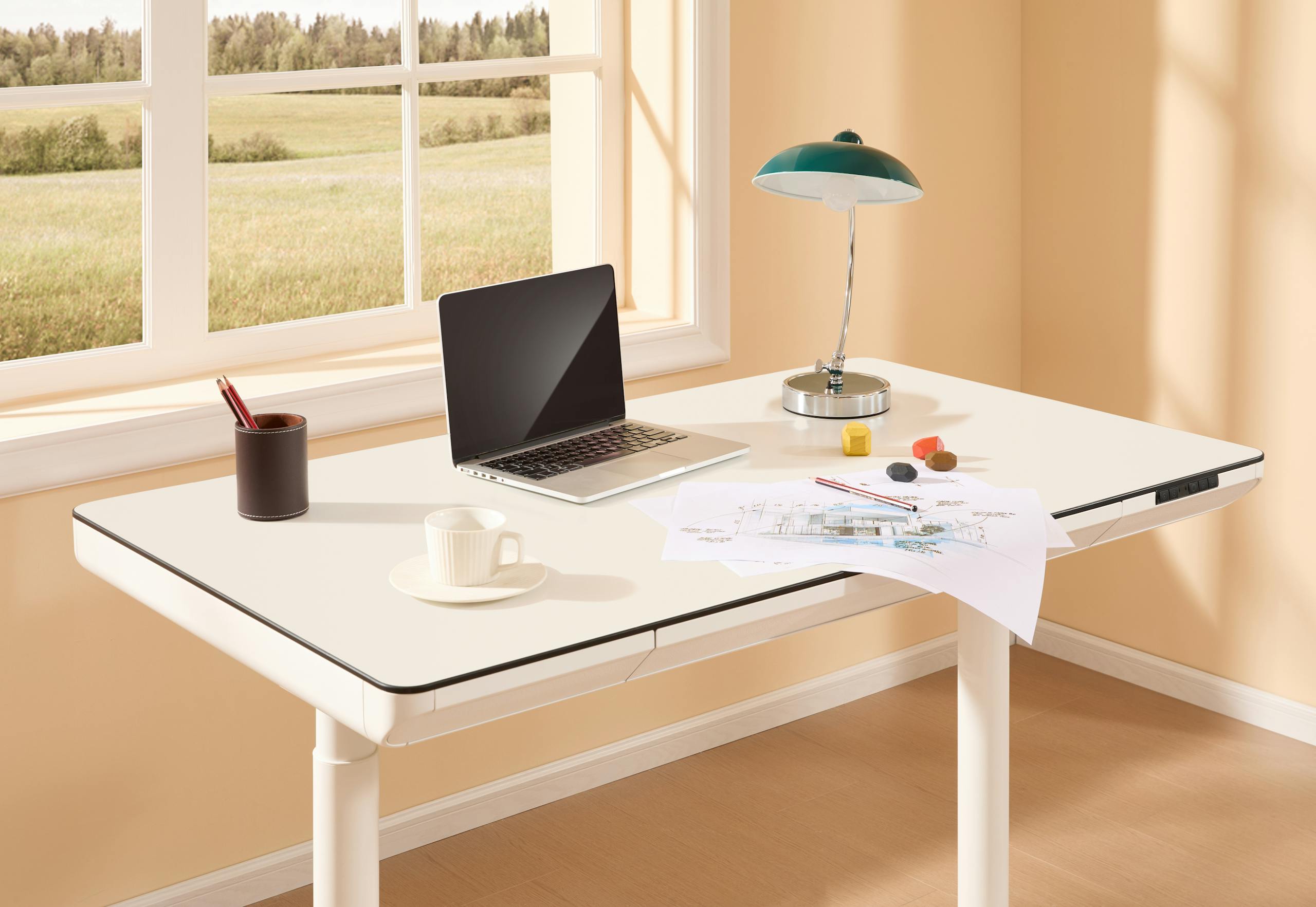

Homebody tendencies describe a consistent preference for spending time at home over seeking out social activity, external entertainment, or constant stimulation from the outside world. For many introverts, this isn’t a phase or a mood. It’s a genuine orientation toward how they restore, create, and feel most like themselves.
My home has always been more than a place to sleep. It’s where my thinking gets clearest, where I do my best work, and where I can finally exhale after a day of performing in a world that often feels calibrated for someone else’s energy level. That’s not avoidance. That’s self-knowledge.

There’s a broader conversation happening around what it means to prefer your own space, and it connects directly to how introverts relate to their environments. Our Introvert Home Environment hub covers that full picture, from how we design our spaces to why certain environments restore us in ways that crowded rooms simply can’t. This article focuses on something more specific: what homebody tendencies actually look like from the inside, why they make psychological sense, and why treating them as a personality defect misses the point entirely.
What Do Homebody Tendencies Actually Look Like Day to Day?
People throw around the word “homebody” casually, often as shorthand for someone who cancels plans or avoids social life. That framing is too shallow. Homebody tendencies are a cluster of preferences that show up consistently across different areas of life, not just on Friday nights when someone declines a party invitation.
What’s your personality type?
Take our free 40-question assessment and get a detailed personality profile with dimension breakdowns, context analysis, and personalised insights.
Discover Your Type8-12 minutes · 40 questions · Free
In my own life, these tendencies showed up in ways I didn’t always have language for. During my agency years, I would schedule back-to-back client meetings on certain days specifically so I could protect other days entirely. I wasn’t being antisocial. I was managing my energy with the same intentionality I applied to managing budgets. The people around me saw a productive workweek. What they didn’t see was the deliberate architecture behind it, built to protect the hours I spent at home thinking, reading, and recovering.
Homebody tendencies often include a strong preference for familiar environments over novel ones, a tendency to find more pleasure in solitary or small-group activities than in large social gatherings, a genuine enjoyment of domestic routines rather than a tolerance of them, and a natural pull toward home as a first choice rather than a fallback. People with these tendencies often describe their home as a place that feels like an extension of their inner world, not just a physical address.
One thing worth noting: homebody tendencies aren’t the same as social anxiety, agoraphobia, or depression. Those are clinical conditions that may include home-preferring behavior as a symptom, but they involve distress and avoidance rooted in fear. Homebody tendencies, by contrast, are rooted in genuine preference. The distinction matters because conflating them leads people to pathologize something that doesn’t need fixing.
Why Do Some People Have Stronger Homebody Tendencies Than Others?
Personality plays a significant role. Introversion, as a trait, involves a lower threshold for stimulation and a preference for internal processing over external engagement. When your nervous system processes social interaction more intensely, home becomes a logical refuge, not because the outside world is threatening, but because it costs more to be out in it.
Highly sensitive people often experience this even more acutely. Sensory input, emotional undercurrents in social situations, background noise, and the unpredictability of public spaces can all add up to genuine exhaustion. If you’re someone who processes the environment deeply, the appeal of a quiet, controlled home space isn’t laziness. It’s a reasonable response to how your nervous system works. The principles behind HSP minimalism capture this well: when you’re sensitive to your surroundings, simplifying those surroundings isn’t a lifestyle trend. It’s a form of self-care with real psychological weight.
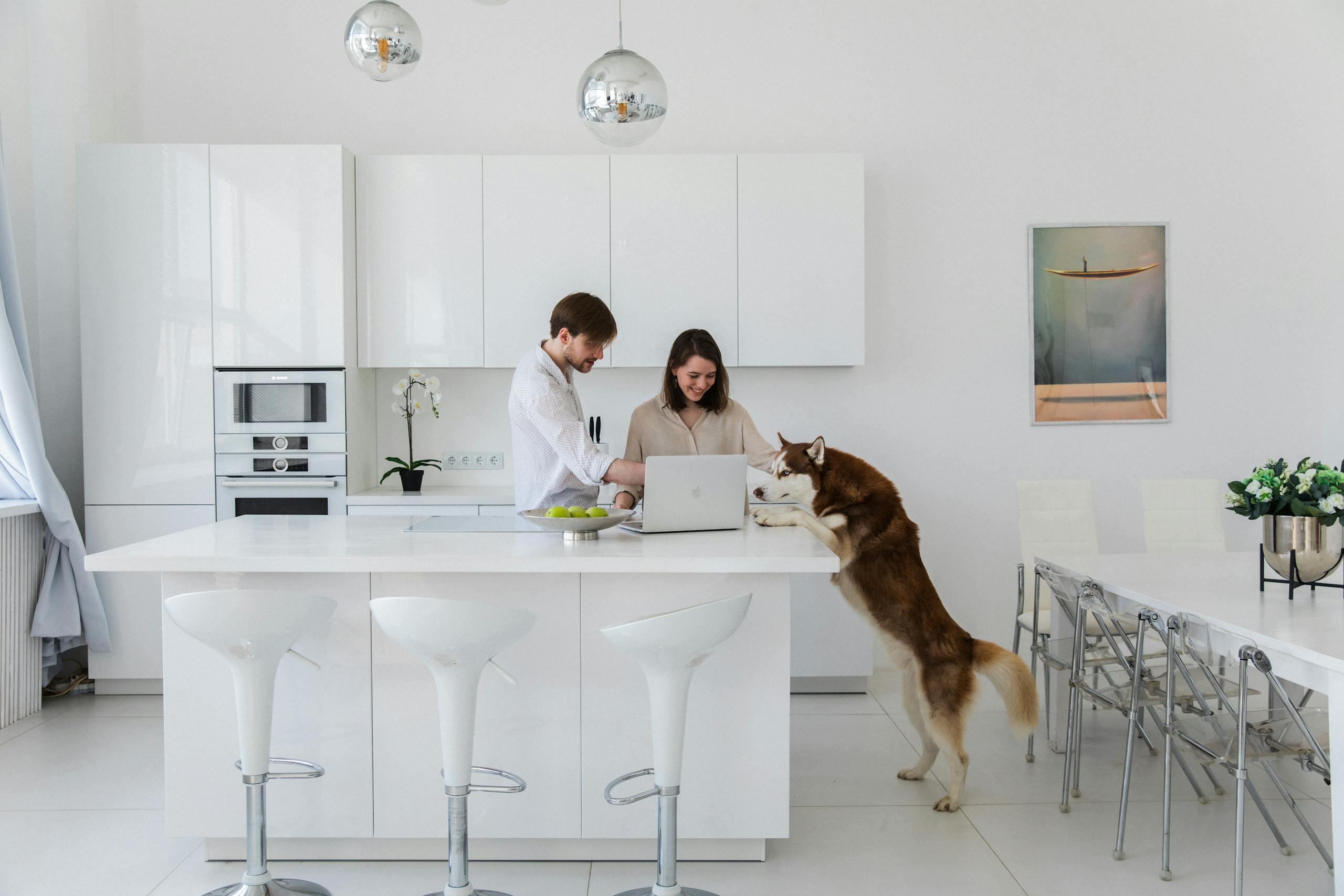
There’s also a cognitive component. People who are naturally drawn to depth of thought, whether through reading, writing, creative work, or analytical problem-solving, often find that home provides the uninterrupted mental space that external environments disrupt. My best strategic thinking as an agency CEO never happened in conference rooms. It happened at my desk at home, or on quiet mornings before the day’s noise started. The ideas that shaped our biggest campaigns came from solitude, not brainstorming sessions.
Neurological research has explored how introverts and extroverts differ in their baseline arousal levels and their responses to dopamine, which helps explain why the same social environment can feel energizing to one person and draining to another. A piece published through PubMed Central examines personality differences in neural reactivity, offering useful context for why these preferences aren’t simply a matter of habit or attitude. The wiring runs deeper than that.
Is Being a Homebody the Same as Being an Introvert?
Not exactly, though there’s significant overlap. Introversion is a personality dimension describing how someone gains and loses energy in relation to social interaction and stimulation. Homebody tendencies are a behavioral pattern that often, but not always, correlates with introversion.
Some extroverts are homebodies, particularly those who have rich creative or intellectual lives they prefer to pursue at home. Some introverts aren’t especially homebodies in the traditional sense. They may prefer hiking alone or exploring quiet coffee shops to staying inside. What ties homebody tendencies to introversion most reliably is the shared preference for low-stimulation environments and the restorative quality of solitude.
What I’ve noticed in myself is that my homebody tendencies aren’t really about the home as a physical place. They’re about the conditions home provides: control over my environment, freedom from social performance, the ability to think without interruption, and the comfort of familiar sensory surroundings. When I’ve traveled for work, I’ve recreated those conditions in hotel rooms as best I could. Quiet evenings, a book, no networking dinners if I could avoid them. The place changes. The need doesn’t.
The couch has its own particular role in this. It sounds mundane, but there’s something worth examining about why a specific piece of furniture becomes so central to a homebody’s sense of comfort and restoration. If you’ve ever wondered why your couch feels like more than furniture, the piece on the homebody couch explores that in a way that actually resonates.
How Do Homebody Tendencies Affect Relationships and Social Life?
This is where things get genuinely complicated, and where a lot of introverts feel the most friction. Homebody tendencies don’t mean someone doesn’t value relationships. They mean someone has a different set of preferences about how, where, and in what quantity they engage socially.
I’ve had this conversation with partners, with colleagues, and with myself. During my agency years, I was often expected to attend industry events, client dinners, and after-hours networking. I did most of it. I was good at it, because I’d learned to be. But the version of me that showed up to those events was performing, while the version of me that sat down to think through a client’s brand problem at home was actually working. The people who knew me well could tell the difference.
For homebodies, the quality of social connection often matters far more than the quantity. A long conversation with one person you trust is genuinely more satisfying than an evening spent cycling through small talk with twenty. Psychology Today has written about why deeper conversations feel more meaningful to introverts, and the reasoning aligns with what many homebodies describe: surface-level socializing feels effortful without feeling rewarding.

Online connection has also become a genuinely meaningful option for people with homebody tendencies, and not in the way critics often frame it. Connecting with people who share your interests from a space where you feel comfortable isn’t a lesser form of socializing. For many introverts, it’s actually more authentic. Well-designed chat rooms for introverts offer exactly this kind of low-pressure, interest-driven connection, without the sensory overload and social performance that in-person large gatherings often require.
Relationships with non-homebodies require honest communication. The friction usually comes not from incompatibility but from misread signals. A homebody’s preference for staying in can look like disinterest to someone who experiences going out as connection. Getting clear on what you actually need, and being able to articulate it without apologizing for it, changes those dynamics considerably.
What Does a Well-Designed Homebody Life Actually Look Like?
There’s a version of homebody life that’s reactive, built around avoiding discomfort, and a version that’s intentional, built around genuinely knowing what restores you and creating the conditions for it. The second version is worth aiming for.
Intentional homebody life starts with the physical environment. The space you inhabit most of your time should actually support the way you think and feel. That means different things for different people. For me, it means a workspace with minimal visual clutter, good natural light, and enough quiet that I can hear my own thinking. It means books within reach, not as decoration but as tools I actually use. It means a home that feels like mine rather than a staged version of what a home is supposed to look like.
Reading is central to how many homebodies engage with the world. There’s a reason the homebody book concept resonates so deeply with this personality type. Books offer depth, immersion, and intellectual engagement on your own terms, without the social overhead of a class, a club, or a conversation you didn’t choose to have. They’re the perfect homebody medium.
The people in your life who understand your tendencies will often want to support them, and knowing what actually helps is useful. Thoughtful gifts for homebodies tend to cluster around comfort, creativity, and solitary enrichment because those are the categories that genuinely land. A great candle, a beautiful journal, a well-chosen book, these aren’t generic gifts. They’re acknowledgments that your way of being at home has value worth celebrating.
Routines matter more than most people admit. Homebodies often thrive on predictable rhythms, not because they’re rigid, but because consistency reduces the low-level decision fatigue that comes from constant novelty. Knowing that your evenings belong to you, that your mornings follow a pattern you’ve chosen, that your home is organized in a way that supports rather than complicates your daily life, these things add up. They create a baseline of calm that makes everything else easier.
Are Homebody Tendencies Linked to Greater Wellbeing or Lesser Wellbeing?
The honest answer is: it depends on how they’re expressed and whether they’re chosen freely or driven by avoidance.
When homebody tendencies reflect genuine self-knowledge and are expressed in a life that includes meaningful connection, purposeful work, and personal growth, they correlate with high wellbeing. Many people who identify as homebodies report feeling deeply content with their lives precisely because they’ve stopped measuring themselves against an extroverted social ideal and started building something that actually fits.
The complication arises when homebody tendencies become a way of avoiding things that actually need addressing: loneliness that’s being masked as preference, anxiety that’s being managed through withdrawal, or a life that’s contracted not because it’s rich but because expansion feels too hard. Those situations deserve attention, not because staying home is wrong, but because the underlying feelings are worth addressing directly.
Psychological research on autonomy and wellbeing suggests that the degree of choice involved in a behavior matters significantly for how it affects us. Choosing to stay home because you genuinely prefer it produces a different psychological outcome than staying home because you feel you have no other option. The behavior looks the same from the outside. The internal experience is completely different.
A relevant piece of work published in PubMed Central examines the relationship between solitude and wellbeing, finding that voluntary solitude, chosen rather than imposed, tends to have positive effects on mood and restoration. That distinction between chosen and imposed solitude is exactly the line between healthy homebody tendencies and something worth examining more carefully.

How Do You Know If Your Homebody Tendencies Are Serving You?
This is the question worth sitting with. Not “am I too much of a homebody?” but “is this version of my homebody life actually working for me?”
A few honest checkpoints: Are you choosing home because it genuinely restores you, or because leaving feels overwhelming? Do you have relationships that feel meaningful, even if they’re fewer than average? Are you pursuing things at home that matter to you, creative work, reading, projects, thinking, rather than just filling time? Do you feel like yourself at home, or are you hiding from a version of yourself you haven’t figured out how to be?
I went through a stretch in my late thirties where I told myself I was being an intentional introvert when I was actually just burned out and using home as a place to disappear. The distinction between restoration and retreat isn’t always obvious from the inside. What helped me was paying attention to whether I was leaving home feeling better or just less tired. Genuine restoration leaves you with something. Avoidance just delays the reckoning.
The Frontiers in Psychology journal has published work examining how personality traits interact with environmental preferences and life satisfaction. What emerges consistently is that alignment between your actual preferences and your daily life matters more than the content of those preferences. Introverts who live in ways that match their nature tend to report higher satisfaction, not because introversion is inherently better, but because congruence between who you are and how you live produces wellbeing across personality types.
How Do You Celebrate and Support a Homebody in Your Life?
If you have a homebody in your life, or if you’re looking for ways to honor that part of yourself, the answer isn’t complicated. What homebodies generally want from the people around them is recognition that their preferences are valid, not a project to fix.
Practically speaking, that can look like suggesting a dinner at home instead of a restaurant, giving gifts that enhance the home environment rather than push someone out of it, or simply not treating every “I’d rather stay in” as a symptom of something wrong. A good homebody gift guide operates on exactly this principle: the best gifts for this personality type are ones that say “I see how you actually live, and I think it’s worth celebrating.”
I’ve had colleagues over the years who genuinely didn’t understand why I didn’t want to extend client dinners into late-night bar visits. Once a few of them understood that it wasn’t about them, that I simply had a finite amount of social energy and I was being deliberate about how I spent it, the dynamic shifted. They stopped taking it personally. Some of them started to recognize similar patterns in themselves.
The most useful thing you can do for a homebody, whether that’s someone you love or the version of yourself you’re still learning to accept, is stop treating home-preference as a consolation prize. Some people’s best life genuinely happens mostly at home. That’s not a smaller life. In many cases, it’s a richer one.
The research on introvert strengths consistently points to qualities that home environments support particularly well: depth of focus, creative output, reflective thinking, and the kind of slow, careful processing that produces insight rather than just activity. A Rasmussen University piece on introverts in professional contexts notes that introverted strengths often show up most clearly in environments that allow for concentration and independent work, which is essentially a description of what a good home environment provides.

There’s also something worth naming about the cultural moment we’re in. Remote work has made homebody tendencies more visible and more socially legible than they were a decade ago. People who always preferred working from home are no longer outliers. The question of what kind of environment actually supports good work and genuine wellbeing is being asked more seriously now, and the answers keep pointing toward the same things introverts and homebodies have been saying all along: quiet, control, and the freedom to do your best thinking without constant interruption.
Being a homebody has never been the problem. The problem was a cultural story that treated it like one. That story is losing its grip, and not a moment too soon.
If you want to go deeper on how introverts relate to their physical spaces and why the home environment matters so much to how we function and feel, the full Introvert Home Environment hub brings together everything we’ve written on this topic in one place.
About the Author
Keith Lacy is an introvert who’s learned to embrace his true self later in life. After 20 years in advertising and marketing leadership, including running agencies and managing Fortune 500 accounts, Keith now channels his experience into helping fellow introverts understand their strengths and build fulfilling careers. As an INTJ, he brings analytical depth and authentic perspective to every article, drawing from both professional expertise and personal growth.
Frequently Asked Questions
Are homebody tendencies a sign of introversion?
Homebody tendencies and introversion overlap significantly but aren’t identical. Introversion describes how someone processes energy in relation to social stimulation, while homebody tendencies describe a consistent preference for home-based environments and activities. Most introverts have strong homebody tendencies because home provides the low-stimulation, high-control conditions that allow them to restore and function well. That said, some extroverts are also homebodies, and some introverts prefer solitary outdoor or public spaces to staying inside. The connection is real and common, but not absolute.
Is being a homebody unhealthy?
Homebody tendencies are not inherently unhealthy. When they reflect genuine preference and are part of a life that includes meaningful connection and purposeful activity, they correlate with high wellbeing. The distinction worth paying attention to is whether staying home feels like a choice or like avoidance. Chosen solitude, backed by research on voluntary versus imposed aloneness, tends to be restorative. Staying home to avoid anxiety or difficult feelings is a different situation and may benefit from professional support. The behavior looks similar from the outside, but the internal experience and outcomes differ considerably.
Can you be a homebody and still have a fulfilling social life?
Yes, and many homebodies do. The key difference is that homebodies tend to prioritize depth over breadth in their social lives, preferring fewer, more meaningful connections over large social networks. They often find that one-on-one conversations, small gatherings at home, or online communities built around shared interests satisfy their social needs more genuinely than large parties or frequent outings. A fulfilling social life doesn’t require a particular quantity of interaction. It requires the quality and type of connection that actually feels meaningful to you.
How do homebody tendencies affect career choices?
Homebody tendencies often point people toward careers that allow for independent work, deep focus, and flexibility around environment. Remote work, writing, research, programming, design, and many analytical roles suit homebodies well because they allow for the kind of concentrated, uninterrupted work that home environments support. That said, homebodies can and do succeed in more externally demanding careers, often by being strategic about how they manage their energy. The most important factor is whether the career allows enough recovery time and autonomy to offset the social demands it places on you.
What’s the difference between being a homebody and having social anxiety?
Social anxiety involves fear and distress around social situations, often including worry about being judged, embarrassed, or rejected. It typically causes significant discomfort and may interfere with daily functioning. Homebody tendencies, by contrast, are rooted in genuine preference rather than fear. A homebody who stays in on a Friday night feels content. Someone managing social anxiety who stays in may feel relieved but also ashamed, anxious, or trapped. The emotional quality of the experience is the most important distinguishing factor. If staying home feels like freedom, that’s preference. If it feels like the only escape from something frightening, that’s worth exploring with a mental health professional.