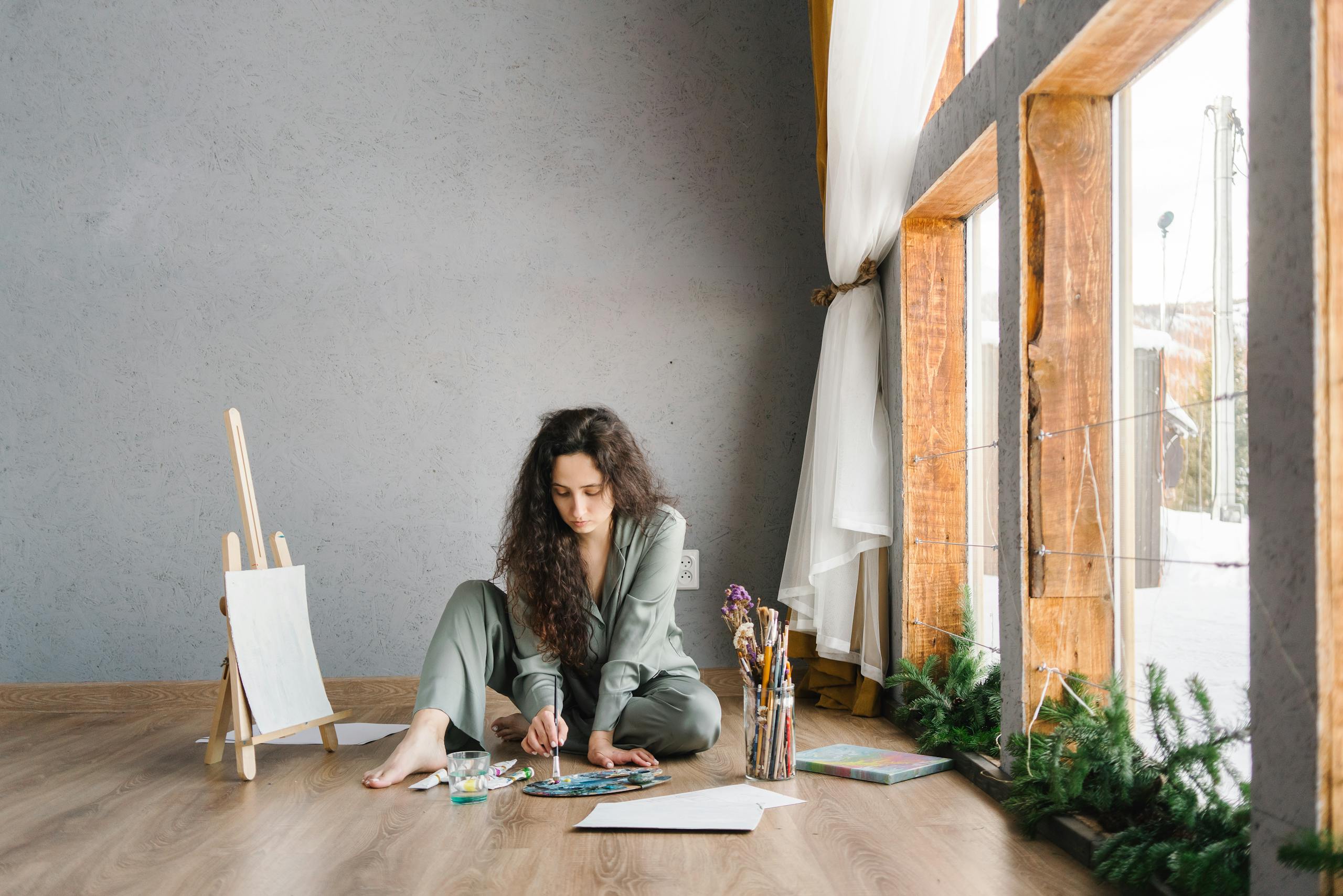

Sensory overload is what happens when your environment demands more from your nervous system than it can quietly process. For many introverts and highly sensitive people, the home isn’t just a place to sleep. It’s the one space where the volume finally gets turned down, where the accumulated weight of a day’s worth of noise, light, conversation, and stimulation can begin to dissolve.
If you’ve ever walked through your front door and felt your shoulders drop two inches, you already understand what’s at stake when that space stops feeling restorative. Designing and protecting a home environment that genuinely supports a sensitive nervous system isn’t a luxury. It’s a form of self-preservation that most people never talk about honestly.
Our Introvert Home Environment hub covers the full range of how introverts create and protect their personal space, and sensory overload sits right at the center of why that space matters so deeply.
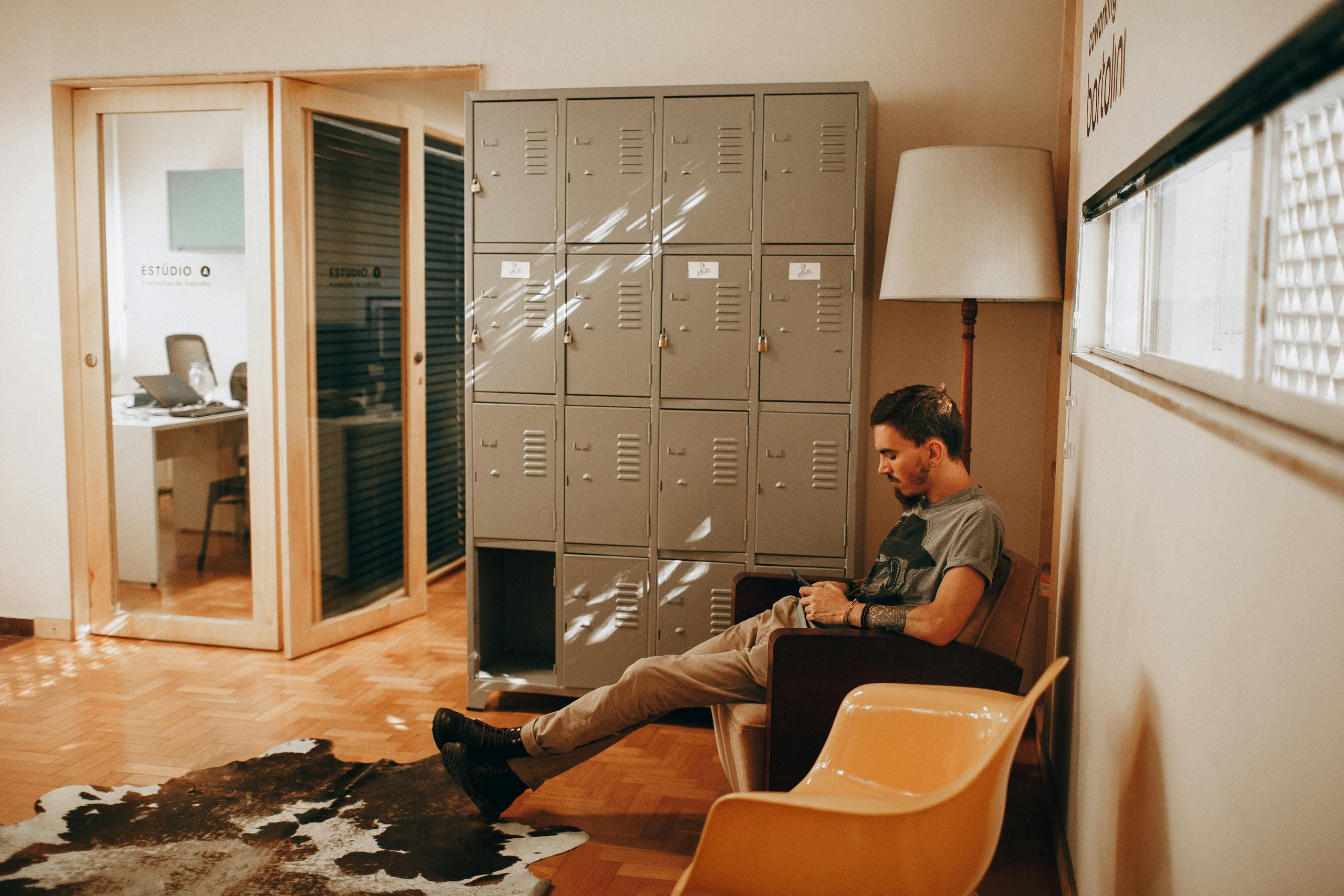
What Does Sensory Overload Actually Feel Like From the Inside?
Most descriptions of sensory overload focus on the obvious triggers: loud concerts, crowded malls, fluorescent-lit offices. What gets skipped over is the subtler version that many introverts live with daily, the slow accumulation of inputs that never quite crosses a dramatic threshold but never fully releases either.
What’s your personality type?
Take our free 40-question assessment and get a detailed personality profile with dimension breakdowns, context analysis, and personalised insights.
Discover Your Type8-12 minutes · 40 questions · Free
My experience with it was gradual enough that I didn’t recognize it for years. Running an advertising agency means living inside a constant stream of input. Client calls, creative reviews, open-plan offices designed to “spark collaboration,” back-to-back presentations where you’re expected to perform energy you don’t have. By the time I got home in the evenings, I wasn’t tired in the ordinary sense. I was depleted at a level that sleep didn’t fully fix. My mind was still processing everything, still filtering, still sorting through the residue of the day.
That’s the part people miss about sensory overload in introverts. It isn’t always acute. It can be chronic. A low-grade overstimulation that compounds across weeks and months until the body starts sending louder signals, irritability, difficulty concentrating, a physical aversion to sounds or lights that wouldn’t have bothered you otherwise.
Elaine Aron’s research on highly sensitive people maps some of this territory carefully, and her framework has helped many people put language to what they’ve been experiencing for years. As outlined in work published through PubMed Central’s research on sensory processing sensitivity, high sensitivity involves deeper processing of sensory and emotional information, which means the nervous system is doing more work with every input, not less. That’s not a flaw. But it does mean the environment you come home to matters enormously.
When I finally started paying attention to my home environment as something I could deliberately shape, rather than just a place I happened to live, everything shifted. Not overnight. But the direction was clear.
Why the Home Environment Hits Differently for Introverts and HSPs
There’s a distinction worth making between introversion and high sensitivity, even though the two frequently overlap. Introversion is primarily about where you draw energy from. High sensitivity is about the depth and intensity with which you process information from your environment. Many introverts are also highly sensitive people, and for that group, the home environment carries a particular weight.
An extrovert who’s had a hard day can often recover by going out, adding more stimulation, socializing their way back to equilibrium. That’s a genuine and valid strategy for how their nervous system works. For an introvert with high sensitivity, more stimulation after an already stimulating day is the opposite of helpful. What restores is reduction. Quiet. Softness. Predictability. Control over the sensory inputs in your immediate space.
This is why the concept of HSP minimalism resonates so deeply with people in this category. It’s not about aesthetic trends or Instagram-worthy interiors. It’s about removing the ambient noise of too much visual clutter, too many competing textures, too many things demanding your attention at once. A simplified home environment is a quieter one, and a quieter one is a restorative one.
I remember visiting a colleague’s apartment years ago, a brilliant creative director I’d worked with on a major retail account. The place was immaculate, not in a cold way, but in a deliberate way. Every surface had breathing room. The lighting was warm and low. She told me she’d spent years trying to figure out why she was always exhausted, and eventually traced a significant part of it back to her previous apartment, which had been cluttered and brightly lit and full of visual noise. The change she described wasn’t dramatic. It was the difference between a space that cost her something every time she walked in and one that gave something back.

What Are the Specific Sensory Triggers That Accumulate at Home?
Sensory overload at home often comes from sources people don’t think to examine because they’ve become part of the background. The refrigerator hum. The neighbor’s television bleeding through a shared wall. The overhead lighting that’s slightly too bright. The pile of unopened mail on the counter that registers as unfinished business every time you walk past it.
Sound is often the most immediate trigger. A study published through PubMed Central examining environmental noise and psychological health found that chronic exposure to ambient noise is associated with measurable increases in stress markers, even when people report having habituated to the sounds. The nervous system responds even when the conscious mind says it’s fine.
Light is the second major category. Harsh overhead lighting activates the same alertness response as daylight, which is useful when you need to be productive and counterproductive when you’re trying to decompress. Many people who struggle to wind down in the evenings are fighting their own lighting without realizing it.
Visual clutter functions as a third category that often gets underestimated. Every object in your field of vision is a small request for cognitive processing. A tidy surface isn’t just aesthetically pleasing. It’s neurologically quieter. When I redesigned my home office after leaving agency life, one of the first things I did was remove everything from the desk that didn’t have an active purpose. The difference in how I felt sitting down to work was immediate and measurable, not placebo.
Temperature and texture round out the picture. Highly sensitive people often report strong reactions to physical discomfort, fabrics that scratch, rooms that are slightly too warm, furniture that doesn’t quite fit the body. These aren’t complaints. They’re information from a nervous system that processes physical input at higher resolution than average.
How Do You Actually Build a Sensory-Safe Home Environment?
The practical work of creating a home that supports rather than depletes a sensitive nervous system starts with an honest audit. Not a design overhaul. Not a shopping list. An audit.
Walk through each room and pay attention to what it costs you. Does the kitchen feel chaotic? Does the living room have too many surfaces competing for your attention? Is there a corner somewhere that already feels calmer than the rest, and if so, what’s different about it? You’re looking for the patterns, the specific inputs that your nervous system flags as load-bearing.
From there, changes tend to fall into a few categories. Sound management might mean rugs and soft furnishings that absorb rather than reflect noise, or a white noise machine in rooms where external sounds bleed in. Lighting adjustments might mean replacing overhead fixtures with lamps, adding dimmer switches, or being more deliberate about transitioning to warmer, lower light in the hours before sleep.
One thing I’ve found genuinely useful is having a specific place in the home that functions as a full decompression zone. Not just a comfortable chair, but a corner or room that has a consistent sensory profile: low light, minimal visual input, soft textures, no screens. The consistency matters because the nervous system learns to associate that environment with safety and rest. Over time, entering that space begins to trigger the physiological shift you’re looking for, rather than requiring you to manufacture it through willpower.
For people who live with others, this is where honest conversation becomes necessary. Partners, roommates, and family members who don’t share the same sensory profile may not understand why certain things matter. Framing it as a health need rather than a preference tends to land better. It’s not that you dislike their music. It’s that your nervous system genuinely cannot process it as background noise the way theirs can.
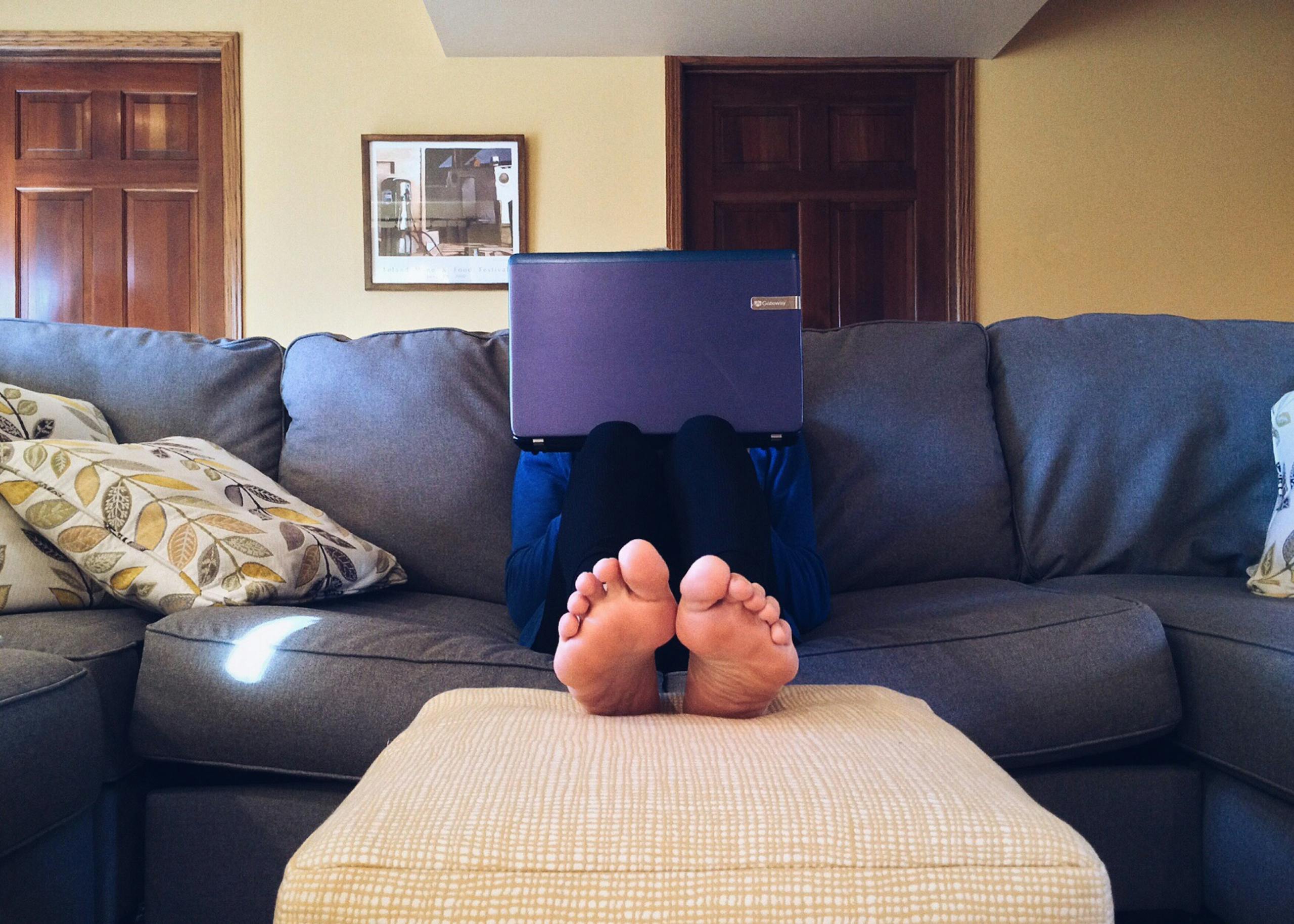
The right couch is a small but real example of this principle in action. The physical space where you spend your recovery hours should be chosen with the same intentionality you’d apply to any tool you use daily. Comfort isn’t indulgence. It’s infrastructure.
Does Digital Stimulation Count as Sensory Overload?
This is a question that comes up more and more, and the honest answer is yes. The nervous system doesn’t cleanly distinguish between physical and digital inputs. Scrolling through a high-stimulation feed, watching content that keeps the alert system engaged, receiving a constant stream of notifications, all of these add to the sensory load in ways that physical inputs do.
What makes digital stimulation particularly tricky is that it often feels like rest. You’re horizontal. You’re not talking to anyone. From the outside, you look like you’re relaxing. But the nervous system is still processing at high speed, still tracking social information, still responding to novelty cues designed to hold attention. It’s stimulation wearing the costume of downtime.
Many introverts find that text-based, low-stimulation online interaction is significantly easier to manage than video or high-volume social media. There’s something about the asynchronous, text-only format that allows for the kind of deliberate, paced engagement that suits the introvert’s natural processing style. You can read at your own speed. You can respond when you’re ready. The input doesn’t arrive faster than you can handle it.
When I was running the agency, I noticed that my most effective thinking happened in the spaces between inputs, not during them. The best creative solutions I contributed to client work came on walks, in the shower, in the quiet hour before anyone else arrived at the office. My brain needed the absence of incoming information to do its best work with the information it already had. That’s not a productivity hack. It’s just how a certain kind of mind operates, and it’s worth building a home environment that honors it.
As Psychology Today has noted in writing about introvert cognition, introverts tend to process information more thoroughly before responding, which means they need more uninterrupted time with their own thoughts. An environment saturated with digital inputs works directly against that need.
What Role Do Objects and Gifts Play in a Sensory-Supportive Home?
There’s a meaningful difference between objects that add to sensory load and objects that reduce it. A home full of things that require maintenance, that visually compete for attention, or that carry unresolved emotional weight (the project you never finished, the hobby you feel guilty about abandoning) is a home that costs you something every day.
On the other side, there are objects that genuinely contribute to sensory comfort. A weighted blanket. A quality pair of noise-canceling headphones. A lamp with warm, adjustable light. A stack of books you actually want to read. These aren’t frivolous purchases. They’re investments in the quality of your recovery time.
This is why I find the idea of thoughtful gifts for homebodies genuinely interesting rather than clichéd. When someone who understands your sensory needs gives you something that makes your home environment quieter or more comfortable, it’s a form of being seen. It communicates that your need for restorative space is real and worth supporting, not something to be gently teased out of.
A well-considered homebody gift guide operates on the same principle. The best items on those lists tend to share a quality: they reduce friction between the person and their rest. They don’t demand anything. They offer something.
Books occupy a specific category here. Reading is one of the few activities that provides genuine mental engagement without triggering the same alert-state response as screens. A good homebody book, chosen for its ability to slow the mind down rather than speed it up, is one of the most effective sensory-regulation tools available. There’s a reason so many introverts and highly sensitive people list reading as their primary form of recovery. It’s not escapism. It’s regulation.
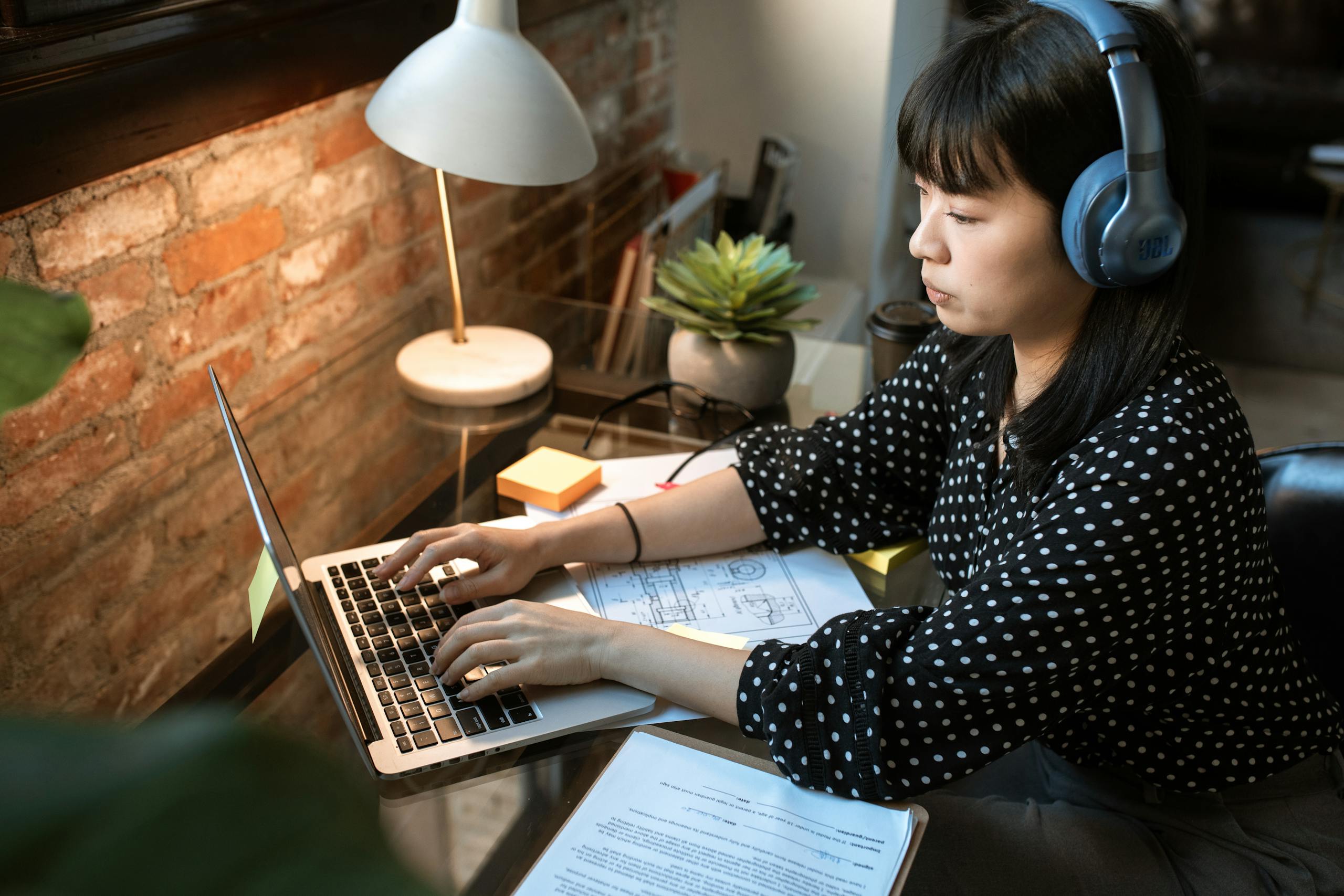
How Does Sensory Overload Affect Relationships and Social Energy at Home?
One of the more complicated dimensions of sensory overload is how it intersects with the people you share your space with. When you’re already depleted from external inputs, your capacity for interpersonal engagement drops significantly. This isn’t a character flaw. It’s a resource problem. You don’t have less love for the people in your home. You have less available bandwidth.
The misread here is common and painful. A partner who experiences your withdrawal as rejection is responding to behavior that looks like emotional unavailability, without understanding the sensory context behind it. From your side, you’re not withdrawing from them. You’re retreating from the accumulated load of the day, and they happen to be in the space where you’re trying to do that.
A Psychology Today framework on introvert-extrovert conflict resolution addresses this dynamic directly, noting that the core issue is often a mismatch in understanding what the introvert’s withdrawal means, rather than any genuine relational problem. The solution is almost always communication that happens outside the moment of conflict, when both people have enough capacity to hear each other clearly.
What helped me most in my own household was naming the pattern before it became a problem. Explaining that when I come home quiet, it’s not distance. It’s processing. Giving the people I live with a framework for understanding what they’re observing, rather than leaving them to fill in the gap with their own interpretation. It didn’t require a long conversation. It just required honesty about how I’m wired.
There’s also a broader point here about the social function of home for introverts. Home isn’t just where you sleep. It’s where you reconstitute yourself. And that process requires a certain amount of genuine solitude, not just physical aloneness, but the psychological experience of not being observed, not being needed, not being on. When that space is consistently interrupted, the recovery doesn’t happen, and the deficit compounds.
Is There a Longer-Term Cost to Ignoring Sensory Overload?
Chronic overstimulation without adequate recovery has real downstream effects. Sustained activation of the stress response system takes a measurable toll on both cognitive function and physical health. As research published in Frontiers in Psychology has examined in the context of sensory processing and emotional regulation, the capacity to regulate emotional responses is significantly reduced under conditions of chronic overstimulation. You’re not just tired. Your ability to manage your reactions, make clear decisions, and maintain perspective is genuinely compromised.
I saw this play out in myself during the years when I was trying to perform extroversion at work and then coming home to a space that didn’t offer real recovery. My decision-making in the agency suffered. My patience with my team was thinner than it should have been. My creative thinking, which is normally one of my strongest assets as an INTJ, went flat. At the time I attributed it to the stress of running a growing business. Looking back, a significant part of it was simply that I was never fully recovering between rounds.
The connection between sensory environment and cognitive performance is worth taking seriously. A growing body of psychological research points to the home environment as a significant variable in long-term wellbeing, not just comfort. The space you return to daily either supports or undermines your capacity to function at your best.
For introverts and highly sensitive people, this isn’t abstract. It’s the difference between showing up to life with something in reserve and showing up already running on empty. The home environment is where that reserve gets built or depleted. It’s worth treating it accordingly.
Where Do You Start If Your Home Doesn’t Feel Restorative Right Now?
Start with the smallest possible change that addresses the most significant drain. Not a renovation. Not a complete declutter. One thing.
For some people that’s a lamp. For others it’s a pair of headphones. For others it’s finally clearing the kitchen counter that has been accumulating objects for two years. The specific change matters less than the principle behind it: you are allowed to shape your environment to support your nervous system, and doing so is not self-indulgence. It’s maintenance.
Pay attention to what you reach for when you’re depleted. That instinct is information. If you immediately go to a specific corner of your home, that corner is already doing something right. If you find yourself avoiding a particular room, something in that room is adding to your load. Follow those signals rather than overriding them.
Be honest with the people in your life about what you’re doing and why. Framing it as health rather than preference tends to reduce friction. Most people, once they understand that sensory overload is a real physiological phenomenon and not a personality quirk, are more willing to accommodate it than you might expect.
And give yourself permission to take this seriously. The cultural narrative around needing a lot of sensory input to be engaged, productive, and socially present is built for a different kind of nervous system. Yours processes the world at a different depth and speed, and that requires a different kind of environment to function well. That’s not a limitation. It’s a specification.
There’s much more to explore on this topic across the full Introvert Home Environment hub, from specific room-by-room strategies to the broader philosophy of building a space that genuinely fits who you are.
About the Author
Keith Lacy is an introvert who’s learned to embrace his true self later in life. After 20 years in advertising and marketing leadership, including running agencies and managing Fortune 500 accounts, Keith now channels his experience into helping fellow introverts understand their strengths and build fulfilling careers. As an INTJ, he brings analytical depth and authentic perspective to every article, drawing from both professional expertise and personal growth.
Frequently Asked Questions
What is sensory overload and why do introverts experience it more intensely?
Sensory overload occurs when the nervous system receives more input than it can comfortably process, leading to feelings of irritability, fatigue, difficulty concentrating, and a strong need to withdraw. Introverts, and especially those who are also highly sensitive people, tend to process sensory and emotional information more deeply than average, which means each input carries more cognitive weight. This isn’t a dysfunction. It’s a different processing style that requires more deliberate management of the sensory environment, particularly at home where recovery is supposed to happen.
How can I tell if my home is contributing to sensory overload rather than relieving it?
The clearest signal is how you feel after spending time at home. If you regularly feel tired but not rested, irritable without a clear cause, or reluctant to spend time in certain rooms, your home environment may be adding to your sensory load rather than reducing it. Common culprits include harsh overhead lighting, visual clutter, ambient noise from neighbors or appliances, and spaces that feel disorganized or unfinished. An honest room-by-room audit, paying attention to what each space costs you rather than what it looks like, is the most practical starting point.
Does screen time at home count as sensory overload?
Yes. Digital stimulation activates many of the same alert-state responses as physical sensory inputs. Social media feeds, streaming content, and notification-heavy devices keep the nervous system in a processing mode that looks like rest from the outside but doesn’t function as rest internally. Many introverts and highly sensitive people find that deliberately limiting screen exposure in the evening, and replacing it with lower-stimulation activities like reading, significantly improves how rested they feel the following day.
What are the most effective changes for reducing sensory overload at home?
The highest-impact changes tend to fall into three categories: sound management (rugs, soft furnishings, white noise machines, noise-canceling headphones), lighting adjustments (replacing harsh overhead lights with warm lamps, adding dimmers, reducing screen brightness in the evening), and visual simplification (clearing surfaces, reducing clutter, creating at least one area with minimal visual input). Creating a consistent decompression zone, a specific corner or room with a reliably calm sensory profile, is one of the most effective long-term strategies because the nervous system learns to associate that space with safety and rest.
How do I explain my sensory needs to people I live with?
Frame sensory overload as a physiological reality rather than a preference or mood. Explaining that your nervous system genuinely processes input at higher intensity, and that recovery requires genuine quiet rather than just physical rest, tends to land better than describing it as simply needing space. Have the conversation at a calm moment rather than in the middle of a depleted state, when your communication capacity is already reduced. Being specific about what helps (lower lighting in the evening, a quiet hour after work before social engagement) gives the people you live with concrete ways to support you rather than leaving them to guess.