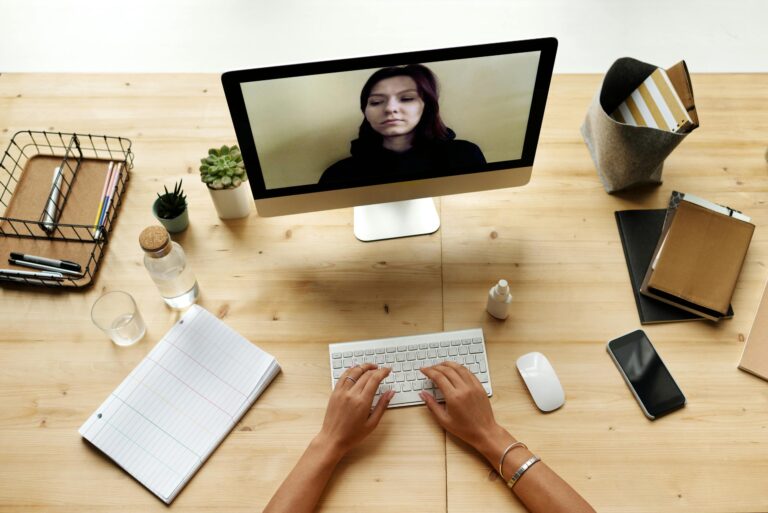

Becoming a homebody isn’t something that happens all at once. It’s a quiet accumulation of choices, each one small enough to dismiss, until one day you look around and realize you’ve built a life that actually fits you. For me, that realization arrived somewhere between my third declined dinner invitation in a row and the moment I caught myself genuinely excited to spend a Saturday reorganizing my reading corner.
Becoming a homebody, at its core, means gradually choosing the sanctuary of your own space over the pull of social obligation. It’s not withdrawal. It’s not depression. It’s the slow recognition that home isn’t where you go when there’s nothing else to do. Home is where you do your best living.
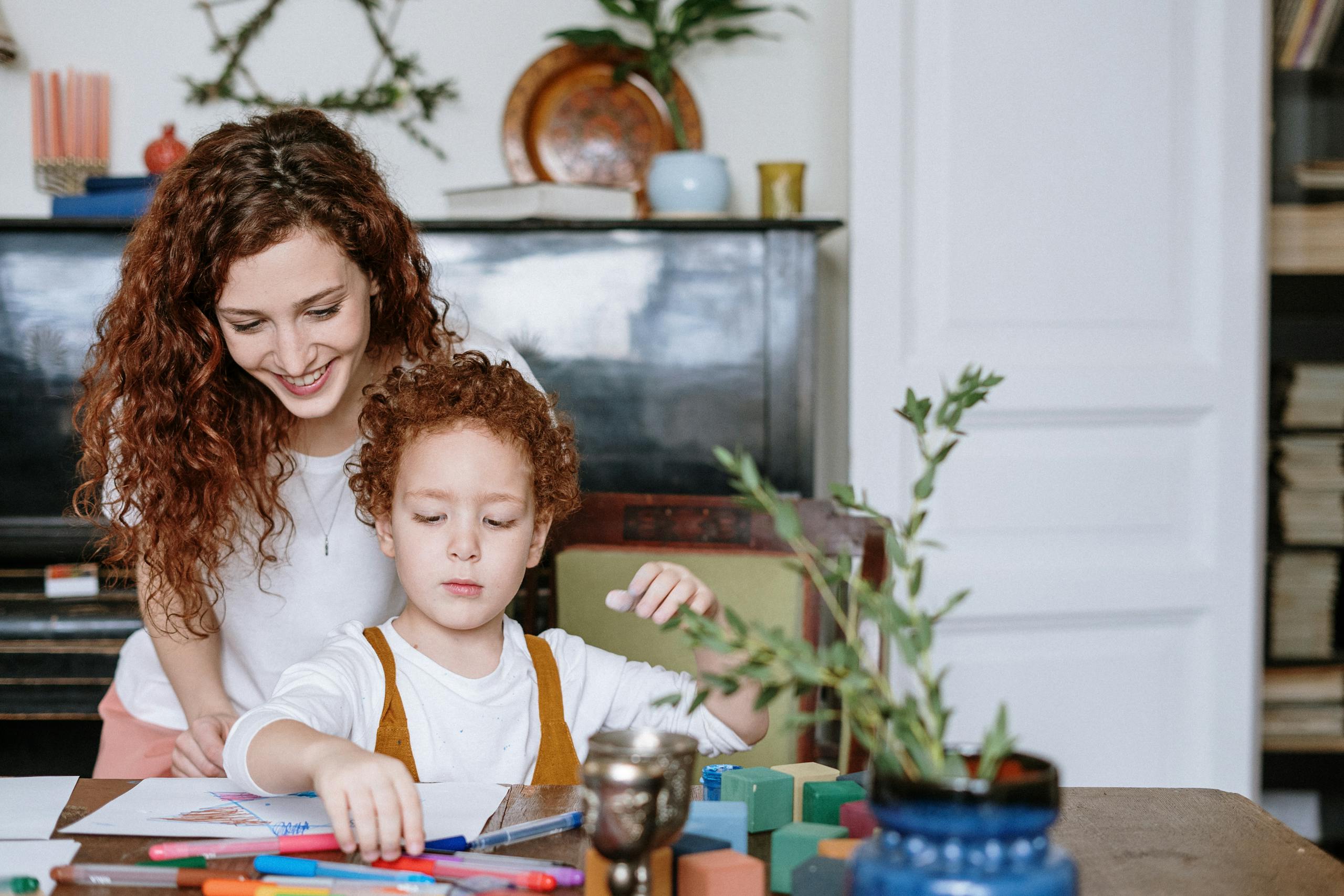
There’s a lot more to explore about why introverts and homebodies tend to overlap so naturally. Our Introvert Home Environment hub covers the full range of how introverts create, protect, and thrive in their personal spaces. What I want to talk about here is the process itself, the becoming, which I think is the part nobody talks about honestly enough.
What Does “Becoming” Actually Look Like?
Most articles about homebody life skip straight to the destination. They describe the aesthetic, the cozy rituals, the perfectly curated space. What they leave out is the messier middle part, the years of conditioning you have to quietly undo before any of that feels natural.
What’s your personality type?
Take our free 40-question assessment and get a detailed personality profile with dimension breakdowns, context analysis, and personalised insights.
Discover Your Type8-12 minutes · 40 questions · Free
For me, the conditioning ran deep. Twenty years in advertising meant my identity was built around presence. You showed up at the client dinner. You worked the room at the industry event. You were visible, accessible, perpetually available. I ran agencies where the culture rewarded people who seemed energized by constant contact, and I spent a long time performing that energy even when it cost me something I couldn’t quite name at the time.
As an INTJ, I was always better at systems than socializing, better at preparing for a meeting than improvising through one. But I’d learned to mask that effectively enough that most clients never saw the version of me that needed two hours alone after every major presentation just to feel functional again. The becoming a homebody process, for me, started with admitting that version of me was the real one.
It didn’t happen through any single dramatic decision. It happened through small permissions I started giving myself. Saying no to the after-work drinks and not manufacturing an excuse. Choosing a quiet evening at home over a networking event I’d have forgotten within a week. Noticing that I came back from solo weekends feeling restored in a way that group vacations never managed.
Why Does the Pull Toward Home Get Stronger Over Time?
Something shifts as you get older and more honest with yourself. The tolerance for noise, for performance, for spaces that demand something from you the moment you walk in, it narrows. Not because you’ve become antisocial or broken, but because you’ve gotten better at recognizing the cost.
I remember a specific stretch during my agency years when I was managing accounts for two Fortune 500 clients simultaneously, both with demanding stakeholder cultures that required near-constant availability. My calendar was a solid block of other people’s priorities. I ate lunch at my desk because it was the only hour nobody could schedule over. I came home most nights so depleted that I’d sit on the couch for an hour before I could even hold a conversation.
That couch wasn’t laziness. It was necessity. And looking back, I understand now that what I was doing in those quiet hours was processing, filtering, restoring. My mind works that way. It takes everything in during the day and needs uninterrupted time to sort through it all. The home wasn’t just shelter. It was the only place where my nervous system could actually exhale.
There’s something worth noting here about how overstimulation accumulates differently for people wired the way I am. It doesn’t always announce itself loudly. It builds in layers, a meeting that ran long, a phone call that required too much emotional management, a commute full of noise, until by evening the smallest request feels enormous. The pull toward home gets stronger over time because experience teaches you what it actually costs to ignore it.

A piece published in Psychology Today touches on why introverts tend to find shallow social interaction draining rather than energizing, and why depth matters more than frequency in the connections we seek. That framing resonated with me. When home becomes the place where depth lives, of course you want to spend more time there.
Is Becoming a Homebody a Retreat or an Arrival?
This is the question I’ve turned over more than any other. Because from the outside, it can look like retreat. You stop going out as much. You decline more. You invest in your home space in ways that signal you intend to spend serious time there. People who don’t understand the introvert wiring tend to read that as giving up.
From the inside, it feels like the opposite. It feels like finally arriving somewhere you should have been all along.
When I left agency life and shifted toward writing and creating content on my own terms, the first thing I noticed was how much better my thinking got. Not because I’d suddenly become smarter, but because I’d removed the constant interruption that had been fragmenting my attention for two decades. My home office became the place where my actual mind showed up, the one that could hold a complex idea for more than twenty minutes without someone needing something.
That version of me had always existed. It just needed the right environment to operate in.
I’ve noticed similar patterns in how highly sensitive people describe their relationship with their spaces. The principles behind HSP minimalism speak directly to this: when you’re wired to absorb more from your environment, you need your environment to ask less of you. Becoming a homebody, for many people, is the practical expression of that same instinct.
How Do You Build a Home That Supports the Life You’re Choosing?
There’s a difference between being home a lot and actually inhabiting your space intentionally. One is circumstance. The other is a practice.
When I started taking my homebody tendencies seriously rather than apologizing for them, I began paying attention to what my space actually needed to support the way I live. Not what looked good in photographs. Not what a designer would approve of. What made me feel settled, focused, and at ease in my own skin.
For me, that meant a dedicated reading space that was genuinely comfortable, not decorative. It meant a desk setup that served long thinking sessions rather than quick task completion. It meant reducing visual clutter in the rooms where I spent the most time, because I’d noticed that cluttered spaces made my thinking feel cluttered too. The research on environmental psychology supports this intuition, and a paper in PubMed Central explores how physical environments shape cognitive and emotional states in measurable ways.
One of the most underrated investments I made was in my couch. I know that sounds almost absurdly mundane, but bear with me. Understanding what you actually need from a homebody couch is more intentional than it sounds. It’s not just furniture. For someone who processes the day through quiet evenings at home, it’s the anchor of the whole space. Getting that right changed how I felt about being home in a way I didn’t fully anticipate.

The broader point is that becoming a homebody isn’t passive. It’s a set of active choices about what your space should do for you. Every object in your home either supports the life you want to live or it doesn’t. That’s a framework I started applying slowly, and it changed the texture of being home entirely.
What About Connection? Do Homebodies Just Disappear?
One of the assumptions I had to work through was that choosing home more often meant choosing isolation. That’s not how it played out.
What changed was the quality and format of my connections, not the depth of them. I became more intentional about who I spent energy on and how. I found that written communication, whether that was email, long-form messages, or online conversations, suited me far better than the ambient social contact that most extroverted culture treats as a baseline requirement.
There’s a real community in digital spaces for people who prefer connecting from home. Chat rooms for introverts are one example of how people are finding genuine connection on their own terms, without the performance overhead that in-person socializing often demands. I’ve had conversations in text-based formats that went far deeper than anything that happened at an industry cocktail party.
The connections I maintained through my transition away from agency life were the ones built on substance rather than proximity. The colleagues who actually cared about ideas rather than just face time. The friendships that could survive a month of quiet and pick up exactly where they left off. Those relationships didn’t require me to be somewhere I didn’t want to be. They required me to be present and genuine when I did show up, which is something I could actually deliver.
There’s also something worth acknowledging about the relationship between social anxiety and introversion that often gets conflated in these conversations. A piece from PubMed Central examines the distinction between introversion as a stable personality trait and social anxiety as a clinical condition. They overlap for some people, but they’re not the same thing. Choosing home isn’t always about fear. Sometimes it’s just preference, and preference deserves the same respect.
What Does a Homebody Life Actually Feel Like From the Inside?
People who haven’t experienced it tend to imagine it as a kind of deprivation. A life of missing out. What it actually feels like, at least from where I’m standing, is abundance of a particular kind.
There’s a richness to slow mornings that I genuinely didn’t have access to when my schedule was built around other people’s expectations. There’s a quality of attention available when you’re not perpetually overstimulated that makes reading, thinking, and creating feel different. Deeper. More satisfying. I finish books now. I follow ideas to their ends. I cook actual meals instead of eating whatever was fastest between obligations.
I’ve also become more deliberate about what I bring into my space. The things I choose to have around me matter more when you spend real time with them. A homebody book that genuinely speaks to this way of living can be a companion in a way that a book you read in stolen minutes never quite manages to be. The same goes for the objects, tools, and small comforts that make a space feel lived-in rather than just occupied.
When people in my life ask what they can do to support or celebrate this version of me, I’ve gotten better at being honest about what actually matters. Not another invitation to somewhere loud. Not a gift card to a restaurant I’ll feel obligated to use. The gifts that resonate for homebodies tend to be the ones that make home better, more comfortable, more suited to the way we actually live. That’s not a small thing. That’s someone saying: I see how you live, and I support it.

How Do You Handle the Guilt That Comes With Choosing Home?
Guilt was the last thing I had to work through, and honestly it took the longest. Even after I’d intellectually accepted that my homebody tendencies were valid, I’d still feel a low-grade unease when I turned down something I “should” have wanted to attend. A launch event. A reunion. A casual hangout that would have cost me the entire next morning to recover from.
What helped was separating obligation from genuine desire. A lot of what I’d been doing socially for years wasn’t connection. It was maintenance. It was showing up because not showing up felt like a statement I wasn’t ready to make. Once I got honest about that distinction, the guilt started losing its grip.
There’s also something worth naming about how much of that guilt is externally sourced. The cultural script around productivity and sociability is persistent and loud. Busyness is still treated as virtue in most of the professional and social circles I’ve moved through. Choosing quiet, choosing home, choosing fewer obligations can feel like going against a current that everyone else seems to be swimming with effortlessly.
Except they’re not. A lot of people are performing that ease. A research perspective from Frontiers in Psychology looks at how people’s stated social preferences often diverge from their actual behavior under social pressure, which is a polite academic way of saying that plenty of extroverted-seeming people are also exhausted and would rather be home. They just haven’t given themselves permission yet.
The guilt fades when you stop treating your preferences as a problem requiring justification. You don’t owe anyone an explanation for how you restore yourself.
What Are the Gifts You Give Yourself When You Lean Into This?
There’s a version of becoming a homebody that’s reactive, built entirely around avoiding things. That’s not what I’m describing, and it’s not what I’d encourage.
The version worth choosing is proactive. It’s about building something rather than escaping something. And what you build, over time, is a life that fits the actual shape of who you are.
My thinking got sharper when I stopped fragmenting it across too many social demands. My creative work improved because I had uninterrupted time to go deep on ideas. My relationships, the ones that mattered, got better because I was bringing more of myself to them rather than whatever was left over after performing extroversion all week.
I sleep better. I eat better. I have a clearer sense of what I actually think about things, as opposed to what I reflexively said to fill conversational space. These aren’t small gifts. They compound over time in ways that are hard to quantify but impossible to miss once you’ve experienced them.
If you’re in the process of becoming a homebody and you want to make your space genuinely reflect that, the homebody gift guide is worth a look. Not just for ideas to share with others, but as a way of thinking about what you’d actually choose for yourself if you stopped editing your preferences to seem more acceptable.

Becoming a homebody, at its best, is an act of self-knowledge. You’re saying: I’ve paid attention to what depletes me and what restores me, and I’m choosing to build my life around that information. That’s not a small thing. That’s actually one of the more courageous choices an adult can make in a culture that rewards the opposite.
There’s more on building the right environment for the way you’re wired throughout the Introvert Home Environment hub, where we cover everything from space design to daily rhythms to the social patterns that tend to work best for people who live this way.
About the Author
Keith Lacy is an introvert who’s learned to embrace his true self later in life. After 20 years in advertising and marketing leadership, including running agencies and managing Fortune 500 accounts, Keith now channels his experience into helping fellow introverts understand their strengths and build fulfilling careers. As an INTJ, he brings analytical depth and authentic perspective to every article, drawing from both professional expertise and personal growth.
Frequently Asked Questions
Is becoming a homebody a sign of depression or social anxiety?
Not necessarily. Preferring home isn’t the same as avoiding life out of fear or low mood. Introversion is a stable personality trait, not a symptom, and many people genuinely find home environments more restorative and fulfilling than constant social activity. That said, if your preference for staying home is accompanied by persistent low mood, loss of interest in things you used to enjoy, or significant distress, it’s worth speaking with a mental health professional. The distinction matters: one is a lifestyle preference, the other may need support.
Can you be a homebody and still have meaningful relationships?
Absolutely. Homebodies often have fewer but deeper relationships, which suits the introvert preference for depth over breadth. Meaningful connection doesn’t require high frequency or large gatherings. Many homebodies maintain rich relationships through written communication, one-on-one time, and digital connection. What changes is the format, not the quality or genuineness of the bonds.
How do you handle social pressure when you’re becoming a homebody?
The pressure is real, and it tends to come from people who genuinely don’t understand the introvert experience. What helps most is separating obligation from desire clearly in your own mind first. Once you’re confident in your own reasoning, you don’t need to defend it at length. A simple, warm decline is enough. You don’t owe anyone a detailed explanation for how you choose to spend your time and energy.
What’s the difference between being a homebody and being a recluse?
A homebody chooses home as a preferred environment while still engaging with the world on their own terms. A recluse avoids human contact almost entirely. Most homebodies have active relationships, careers, and social lives. They simply structure those things around their need for solitude and restoration rather than performing availability they don’t feel. The preference is selective, not total.
How do you make your home actually support a homebody lifestyle?
Start by paying attention to what depletes you and what restores you in your current space. Reduce visual clutter in the areas where you spend the most time. Invest in comfort in a deliberate way, whether that’s a reading chair, good lighting, or a couch that genuinely supports how you use it. Create zones for different kinds of restoration: active thinking, passive rest, creative work. The goal is a space that does real work for you, not one that looks a certain way for visitors.