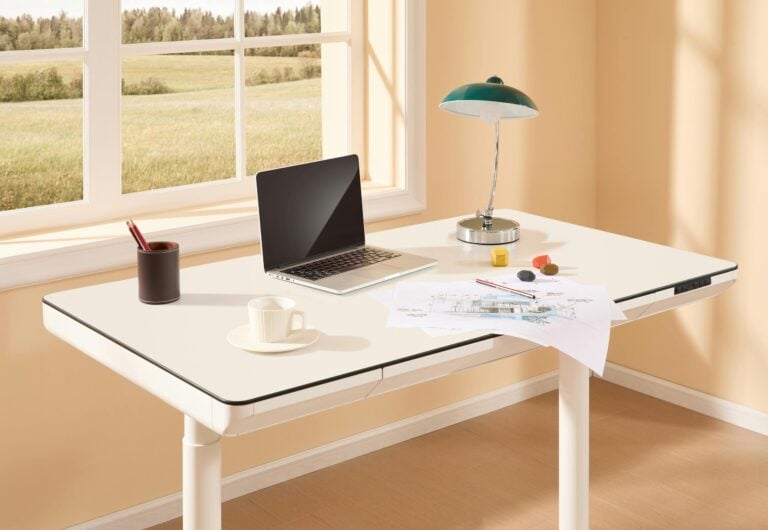

A homebody is someone who genuinely prefers spending time at home over going out, and who finds real comfort, meaning, and restoration in their personal space. It’s not a personality flaw, a sign of social anxiety, or something to apologize for. It’s simply how some people are wired.
There’s a difference between being a homebody and being isolated. Homebodies choose home. They find that their richest experiences often happen within four familiar walls, with good lighting, the right book, and nobody expecting them to perform.
My relationship with being a homebody took years to make sense to me. Running advertising agencies meant I was expected to be everywhere: client dinners, industry events, pitch meetings, team retreats. I showed up. I performed. And then I came home and felt something settle in my chest that I couldn’t name for a long time. Eventually I understood it. Home wasn’t where I recovered from life. It was where I actually lived it.
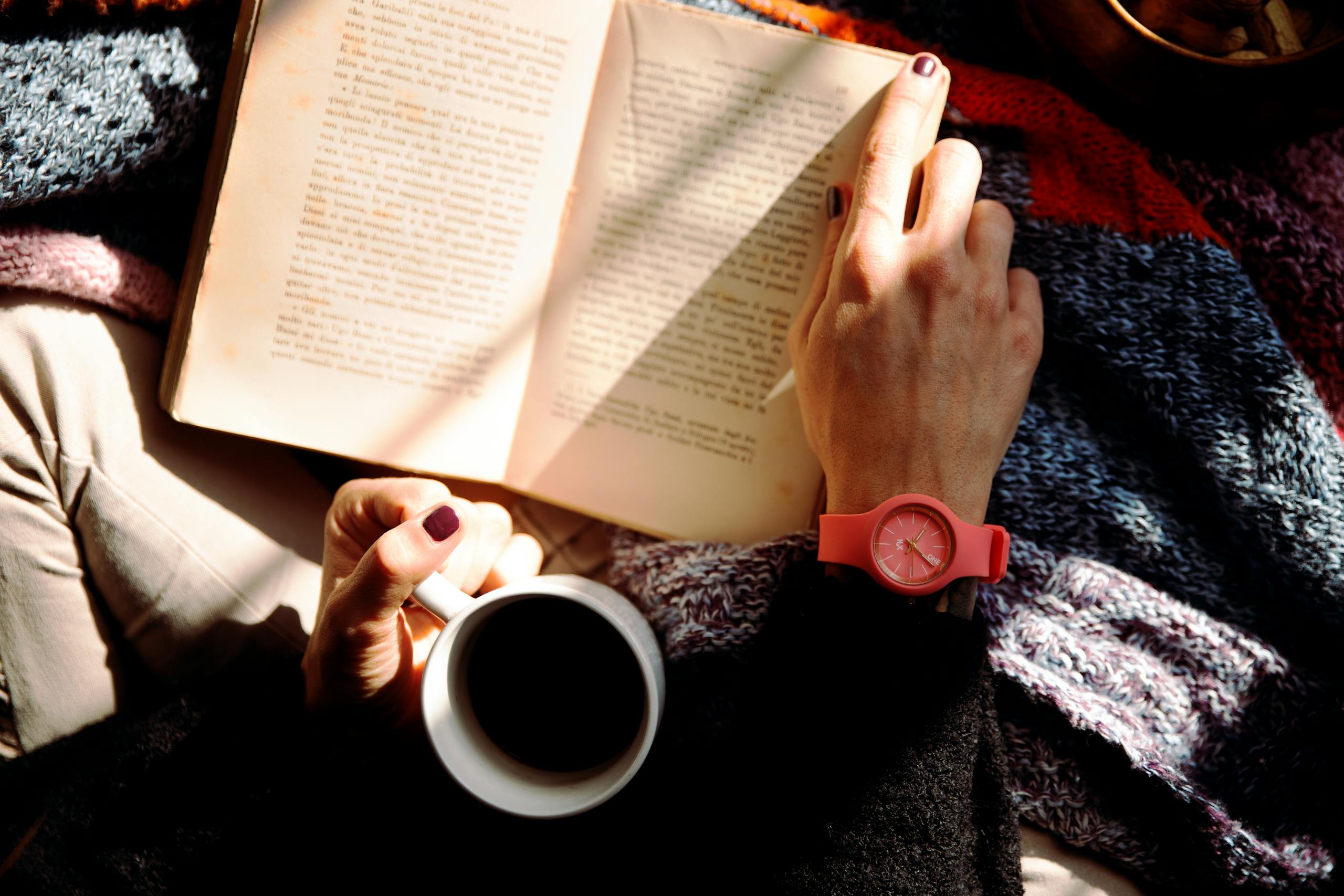
If you’re exploring what it means to be a homebody, or trying to understand why home feels like your natural habitat, you’re in the right place. Our Introvert Home Environment hub covers the full range of how introverts and homebodies relate to their personal spaces, from designing environments that support deep focus to understanding why certain people simply thrive at home more than anywhere else.
What Does It Actually Mean to Be a Homebody?
Being a homebody means that home is your preferred environment, not your fallback option. Most people treat home as the place between things. Homebodies treat it as the destination.
What’s your personality type?
Take our free 40-question assessment and get a detailed personality profile with dimension breakdowns, context analysis, and personalised insights.
Discover Your Type8-12 minutes · 40 questions · Free
That distinction matters more than it sounds. When home is just a stopover, you furnish it minimally, you tolerate it, you scroll through it. When home is where you genuinely want to be, you invest in it differently. You notice the quality of the light in the afternoon. You care about what the couch feels like after a long week. You build rituals around the space because the space earns them.
A homebody finds genuine pleasure in domestic life. Cooking a slow meal on a Sunday. Rearranging a bookshelf. Watching rain from a window with something warm in hand. These aren’t consolation prizes for missing a party. They’re the actual point.
One thing I’ve noticed in myself, and in a lot of the introverts I hear from through this site, is that being a homebody isn’t about fear of the outside world. It’s about having a clear sense of where your energy comes from. Mine comes from quiet. From depth. From environments I can control and shape. The outside world has its moments, but it rarely feeds me the way a good evening at home does.
For people who are also highly sensitive, the pull toward home is often even stronger. Sensory overload is real, and a well-arranged home offers a kind of protection that no coffee shop or open-plan office can match. If that resonates with you, the ideas in HSP minimalism and simplifying for sensitive souls might speak directly to how you experience your space.
Are Homebodies and Introverts the Same Thing?
Not exactly, though there’s significant overlap. Introversion is about how you process energy. Introverts recharge in solitude and find extended social interaction draining. Being a homebody is about preference for environment. You can be an extrovert who loves hosting people at home and still qualify as a homebody. You can be an introvert who travels constantly and feels most alive on the road.
That said, the Venn diagram has a large center. Many introverts are homebodies because home offers exactly what introversion requires: low stimulation, personal control, and the freedom to be fully yourself without social performance. The two traits reinforce each other naturally.
As an INTJ, I’m wired for internal processing. My best thinking happens in quiet. My most productive hours happen alone. Social environments, even enjoyable ones, require a kind of cognitive overhead that I don’t experience at home. So for me, being a homebody isn’t separate from being an introvert. It’s the practical expression of it.
What I’ve found interesting over the years is that some of the most socially skilled people I worked with in advertising were also homebodies. They could read a room, charm a client, hold a meeting. But ask them where they’d rather be on a Saturday and the answer was always home. The social performance was something they could do. Home was something they needed.
What Makes Someone a Homebody Rather Than Just Someone Who Stays Home?
There’s a meaningful difference between someone who stays home because they have nowhere to go and someone who stays home because home is genuinely where they want to be. The first is circumstantial. The second is dispositional.
A true homebody doesn’t stay in because they’re avoiding something. They stay in because they’re drawn toward something. There’s a positive pull, not just a negative push. The evening at home isn’t a retreat from failure. It’s a chosen experience with its own pleasures, textures, and rewards.
That positive pull often shows up in how homebodies relate to their physical space. They tend to invest in it, not necessarily with money, but with attention. The homebody couch isn’t just furniture. It’s a considered choice about how you want your most restorative hours to feel. Homebodies often have strong opinions about their space because their space actually matters to them in ways that other people’s spaces don’t.
I think about this in terms of intentionality. When I finally stopped trying to be the agency leader who was always available, always out, always on, I started making real choices about my home environment. I bought a chair I actually loved sitting in. I set up a reading corner. I stopped treating my home like a hotel between work trips and started treating it like somewhere worth designing. That shift was the difference between tolerating home and genuinely living there.
Psychological wellbeing research consistently points to the importance of having spaces where you feel safe and in control. For homebodies, the home isn’t just shelter. It functions as a kind of psychological anchor, a place where identity feels stable and pressure feels manageable. A study published in PubMed Central examining environment and wellbeing found meaningful connections between personal space and psychological restoration, which aligns with what many homebodies describe intuitively about why home matters so much to them.
How Does Being a Homebody Show Up in Daily Life?
It shows up in small choices that accumulate into a distinct way of living. A homebody plans their week around evenings at home rather than treating evenings at home as what happens when nothing better comes up. They have rituals. They have preferences. They have a relationship with their space that feels personal and specific.
Some common patterns I’ve noticed, in myself and in others who identify this way:
Homebodies tend to be good at being alone without being lonely. Solitude feels full rather than empty. There’s always something to do, something to think about, something to enjoy. The silence isn’t uncomfortable. It’s the point.
They often have rich inner lives that don’t require external stimulation to sustain. Reading, writing, cooking, creating, thinking, these are sufficient. The outside world provides material for that inner life, but it doesn’t need to be the venue for it.
They tend to be selective about social connection. When they do engage socially, they often prefer depth over breadth. A long dinner with one person they trust over a crowded party with twenty people they barely know. Psychology Today’s exploration of why deeper conversations matter captures something that most homebodies understand instinctively: meaningful connection doesn’t require volume.
They also tend to maintain connection in ways that suit their temperament. Online spaces, text conversations, small group gatherings at home. If you’ve ever found yourself preferring a quiet chat online to a noisy bar, you might appreciate why chat rooms designed for introverts became such a natural fit for people with this wiring. Digital connection lets you engage on your terms, from the environment you’ve chosen.
Is Being a Homebody Healthy?
Yes, with some nuance. Choosing home as your preferred environment is a completely valid and healthy way to live. The idea that a healthy person must constantly seek external stimulation, social activity, and novelty is a cultural assumption, not a psychological fact.
What matters is the quality of your life within your chosen environment. A homebody who has meaningful relationships, engages in activities that matter to them, maintains physical health, and feels genuine satisfaction with their days is living well. The location of that life, home rather than a packed social calendar, doesn’t change that assessment.
Where it becomes worth examining is if home starts to feel like a hiding place rather than a chosen space. If you’re staying in because the outside world feels overwhelming in ways that are growing rather than stable, that’s worth paying attention to. Avoidance and preference look similar from the outside but feel very different from the inside. One contracts your world over time. The other simply defines where your world is centered.
I spent a period in my late thirties where I genuinely couldn’t tell the difference in myself. The agency was demanding, I was burning out, and home started to feel like the only safe place in a way that was more anxious than peaceful. That was different from the homebody contentment I feel now. The difference was that the anxiety version of staying home still felt like deprivation. The genuine homebody version feels like abundance.
Emerging research on introversion and wellbeing suggests that the mismatch between personality and environment, rather than introversion itself, tends to be the source of distress. When introverts and homebodies are forced to operate constantly in environments that drain them, the cost is real. Research published in PubMed Central examining personality and stress responses points to how environment-personality fit shapes wellbeing outcomes, which is worth understanding if you’ve ever felt guilty about preferring home.
What Do Homebodies Actually Enjoy?
The range is wider than people assume. Being a homebody doesn’t mean being passive or disengaged from life. It means finding the most engaging version of life within a domestic setting.
Reading is probably the most universal homebody pleasure. Not just light reading, but the kind of sustained, absorbed reading that requires uninterrupted time and a comfortable space. A homebody book isn’t just something to pass the time. It’s a full experience, something you sink into, think about afterward, and return to in your mind for days.
Cooking, gardening, crafting, writing, watching films with genuine attention rather than as background noise. Home-based creative work. Long baths. Slow mornings. Evening rituals that feel earned. These are the textures of a homebody’s life, and they’re rich in ways that a packed social calendar rarely is.
There’s also something worth naming about the pleasure of giving and receiving things that suit a homebody’s life. When someone who really knows you gives you something that honors how you actually live, it lands differently. A thoughtful gift chosen specifically for a homebody communicates something important: I see you, I understand what you value, and I’m not trying to pull you out of your life. I’m adding to it.
On the other side, if you’re shopping for someone who loves their home life, a well-considered homebody gift guide can help you find something that genuinely fits how they live rather than defaulting to experiences that assume everyone wants to be out in the world.

How Do You Know If You’re a Homebody or Just Going Through a Quiet Phase?
Phases are real. Everyone goes through periods of wanting less social contact, especially after major life changes, high-stress seasons, or significant loss. The distinction worth making is whether the preference for home persists across different life conditions or only appears under specific circumstances.
A homebody disposition tends to be consistent. You preferred quiet evenings as a teenager. You chose home over parties in your twenties when you had every reason to be out. You feel a genuine sense of rightness when you settle into your space, not just relief that the social obligation is over.
A temporary quiet phase tends to have a different quality. There’s often more flatness to it, less of the active pleasure that homebodies describe and more of a withdrawal from things that used to feel good. That distinction matters, and it’s worth being honest with yourself about which one you’re experiencing.
My own clarity came from noticing what I actually felt when I was home versus when I was out. Not what I thought I should feel, but what I actually felt. At home, I felt present, engaged, like myself. At most social events, I felt like I was running a performance. That gap was the information I needed. The performance could be done well. Home was where I didn’t have to perform at all.
Personality frameworks like the Big Five, which includes the dimension of extraversion versus introversion, tend to show stability over time in adults. Your baseline doesn’t shift dramatically based on circumstances. So if you’ve felt this way across multiple seasons of life, that’s meaningful data about who you are rather than a temporary state you’ll eventually grow out of.
A recent paper in Frontiers in Psychology examining personality stability across adulthood reinforces what many introverts and homebodies already sense: these traits don’t disappear with the right circumstances. They’re part of how you’re built.
What Does Embracing Your Homebody Nature Actually Change?
Quite a lot, as it turns out. When you stop treating your preference for home as something to overcome and start treating it as something to build on, the quality of your daily life shifts significantly.
You stop wasting energy on social obligations that drain you without giving anything back. You get more selective and more honest about what you actually want from your time. You invest in your home environment with intention rather than guilt. And you stop carrying the low-grade shame that comes from believing you’re doing life wrong because you’d rather be home.
That shame is worth examining directly. It comes from a cultural story that equates a full life with a full calendar. It assumes that the good stuff happens out there, and that people who prefer in here are missing it. That story doesn’t hold up under scrutiny. Some of the most engaged, creative, and deeply satisfied people I’ve known over my career were homebodies. They weren’t missing the good stuff. They’d just located it somewhere different.
When I stopped apologizing for wanting to be home, I became better at the parts of my work that required being out. The client dinners, the presentations, the industry events. They became things I could do with full presence because I wasn’t also carrying resentment about how much of my time they consumed. I’d protected enough of my home time that the outside time felt sustainable rather than suffocating.
There’s a broader point here about how we structure our lives around our actual nature rather than an idealized version of who we think we should be. Understanding yourself clearly, including understanding that you’re a homebody and that this is a legitimate way to be, is one of the more useful things you can do for your own wellbeing. It removes the internal conflict that wastes so much energy.

There’s much more to explore on this topic. Our complete Introvert Home Environment hub brings together everything we’ve written about how introverts and homebodies can build spaces and routines that genuinely support the way they’re wired.
About the Author
Keith Lacy is an introvert who’s learned to embrace his true self later in life. After 20 years in advertising and marketing leadership, including running agencies and managing Fortune 500 accounts, Keith now channels his experience into helping fellow introverts understand their strengths and build fulfilling careers. As an INTJ, he brings analytical depth and authentic perspective to every article, drawing from both professional expertise and personal growth.
Frequently Asked Questions
What is a homebody, exactly?
A homebody is someone who genuinely prefers spending time at home and finds their most meaningful, restorative experiences in their personal space. It’s a disposition, not a circumstance. Homebodies don’t stay in because they have nothing better to do. They stay in because home is, for them, the better option.
Is being a homebody the same as being an introvert?
They’re related but not identical. Introversion describes how you process social energy, while being a homebody describes your preferred environment. Many introverts are homebodies because home provides the low-stimulation, high-control setting that suits their wiring. Yet some extroverts also identify as homebodies, particularly those who prefer hosting at home to going out. The overlap is significant, but the concepts are distinct.
Is it unhealthy to be a homebody?
No. Preferring home is a healthy and valid way to live. What matters is whether your home-centered life includes meaningful connection, activities that matter to you, and genuine satisfaction. The concern worth watching for is if staying home starts to feel like avoidance of things that used to feel good, which can signal something worth addressing. Preference and avoidance feel different from the inside, even when they look similar from the outside.
How do I know if I’m actually a homebody or just going through a quiet phase?
A homebody disposition tends to be consistent across different life seasons. If you’ve preferred home over social outings since you were young, if the feeling persists regardless of what’s happening in your external life, and if being home feels genuinely full rather than flat, those are signs of a stable preference rather than a temporary withdrawal. Quiet phases tend to have more of a gray quality, less active pleasure and more withdrawal from things that usually feel good.
What do homebodies actually do at home?
More than people assume. Reading, cooking, creative work, watching films with genuine attention, writing, gardening, crafting, thinking. Homebodies tend to have rich inner lives and domestic rituals that give their home time real texture and meaning. They’re not just waiting for something better to come along. Home is the something better they’ve already chosen.