
When extroverts become homebodies, it rarely happens all at once. Something shifts, quietly and gradually, and a person who once needed the crowd starts finding more meaning in the calm. It’s not a personality transplant. It’s a recalibration, and it’s more common than most people expect.
Extroversion and introversion exist on a spectrum, not as fixed destinations. Life circumstances, aging, burnout, loss, or simply a growing self-awareness can all nudge someone who once thrived on social energy toward something quieter and more inward. Watching that shift happen in people around me, and occasionally in myself, has been one of the more fascinating parts of paying attention to how personality actually works in real life.
Our Introvert Home Environment hub explores how people across the personality spectrum create spaces that restore rather than drain them. This article adds a specific layer to that conversation: what happens when someone who identified as an extrovert starts gravitating toward home, and what that experience actually feels like from the inside.
What Does It Mean When an Extrovert Starts Preferring Home?
Extroverts, by most definitions, gain energy from external stimulation. Social interaction, busy environments, and the hum of activity tend to fill them up rather than drain them. So when an extrovert starts turning down invitations, spending more evenings at home, and genuinely enjoying solitude, it can feel disorienting, even to the person experiencing it.
What’s your personality type?
Take our free 40-question assessment and get a detailed personality profile with dimension breakdowns, context analysis, and personalised insights.
Discover Your Type8-12 minutes · 40 questions · Free
I’ve watched this happen with people I worked alongside in advertising. One of my former creative directors was the most naturally gregarious person I’d ever managed. He was the one who organized every team outing, who thrived in brainstorms because the group energy fed his thinking, who seemed to genuinely love the chaos of pitch season. Then, somewhere around his mid-forties, something changed. He started closing his office door. He’d skip the group lunches. He told me once, almost apologetically, that he’d spent an entire weekend at home and it had been the best two days he could remember.
He wasn’t depressed. He wasn’t burned out, at least not in any clinical sense. He was recalibrating. And the more I’ve paid attention over the years, the more I’ve seen this pattern repeat itself.
Personality research generally treats introversion and extroversion as relatively stable traits, but that doesn’t mean they’re immune to change. Life context matters enormously. A person who thrived on social stimulation at twenty-five may find that same stimulation exhausting at forty-five, not because their core wiring changed, but because their relationship to energy, meaning, and rest has evolved. Some researchers frame this as a shift in what psychologists call “social motivation,” the underlying drive to seek out or avoid social interaction, which can fluctuate based on life stage, stress load, and accumulated experience.
What makes this particularly interesting is that the shift often comes with confusion and even shame. Extroverts who start preferring home don’t always have language for what’s happening. They may assume something is wrong with them, that they’ve become antisocial or withdrawn in a way that signals a problem. In reality, they may simply be discovering a dimension of themselves that was always there, waiting for the right conditions to surface.
Is This a Personality Change or Something Else?
One of the most common questions I hear around this topic is whether an extrovert can actually become an introvert. The short answer is: not exactly, but the longer answer is more interesting.
Most personality frameworks treat introversion and extroversion as tendencies rather than fixed states. The MBTI, for instance, places people on a spectrum, and many people score closer to the middle than to either extreme. Someone who tests as a moderate extrovert may have significant introverted tendencies that simply haven’t had room to express themselves, especially if their career or social environment has always rewarded outward-facing behavior.
I spent most of my agency career performing extroversion. Not faking it exactly, but stretching toward it because the environment demanded it. Client dinners, new business pitches, industry conferences, team-building events. I understood that visibility was currency in that world. What I didn’t fully understand until much later was how much energy I was spending on maintenance, on keeping up the appearance of someone who was energized by all of it, when really I was running on reserves.
Some of the extroverts I’ve watched shift toward homebodiness were doing something similar in reverse. They’d spent years performing their extroversion, leaning into it, building identities around it. When life gave them permission to slow down, whether through a career change, a relationship shift, or simply getting older, what emerged wasn’t a new personality. It was a fuller one.
There’s also a physiological dimension worth acknowledging. Neurological research on arousal and personality has long suggested that introverts and extroverts differ in their baseline cortical arousal, with introverts generally requiring less external stimulation to feel alert and comfortable. As people age, their sensory processing and stress response systems change. Some extroverts find that their tolerance for high-stimulation environments decreases naturally over time, not because they’ve become introverts, but because their nervous system is asking for something different.

What Triggers the Shift Toward Home?
From everything I’ve observed, both in my own life and in the lives of people I’ve worked with closely, the shift rarely has a single cause. It tends to be a convergence of factors, each one nudging a person a little further inward until staying home stops feeling like settling and starts feeling like preference.
Burnout is one of the most common triggers. Years of high-stimulation environments, whether in demanding careers, active social circles, or both, can erode the extrovert’s natural enthusiasm for outward engagement. What once felt energizing starts feeling like obligation. The social calendar that used to fill them up starts feeling like a series of performances. Home becomes the only place where the performance stops.
Major life transitions play a significant role too. Becoming a parent, losing a parent, ending a long relationship, or moving through a serious illness all tend to redirect a person’s attention inward. These experiences ask existential questions that loud, busy environments aren’t well-suited to answer. Many extroverts discover, sometimes to their own surprise, that the quiet of home is where they can actually think.
The pandemic accelerated this for a lot of people. Extroverts who were forced into extended periods of home-based living discovered something unexpected: they didn’t hate it as much as they thought they would. Some found rhythms they’d never had access to before. Some discovered hobbies, reading habits, or domestic pleasures that had always been available to them but never prioritized. A number of people I stayed in contact with during that period told me they came out of it genuinely changed in how they thought about home, not as a place to return to between social engagements, but as a place worth investing in on its own terms.
There’s also what I’d call the depth-seeking shift. Psychology Today has written thoughtfully about the human need for deeper, more meaningful connection over surface-level social contact. Some extroverts reach a point where the quantity of social interaction they’ve been maintaining stops satisfying them. They want fewer, more meaningful connections. Home, with its smaller scale and more intimate possibilities, starts to feel like the right container for that.
One of my account managers went through exactly this. She had been the social hub of our agency for years, the person who organized everything and seemed to genuinely love the constant motion. Then she hit her late thirties and started talking about wanting “real conversations” instead of “networking.” She didn’t stop being an extrovert, but she started being much more selective about where she put her social energy. Her home became the place where she hosted small dinners instead of attending large parties. The shift wasn’t away from people. It was toward depth.
How Does the Homebody Identity Fit Someone Who Was Never Supposed to Want It?
One of the more complicated parts of this shift is the identity piece. Extroverts often build significant parts of their self-concept around their social nature. Being the fun one, the connector, the person who’s always up for something. When that starts to change, there can be a real sense of loss, not just of the activity, but of who they understood themselves to be.
I’ve seen this play out as a kind of quiet grief. The person doesn’t want to go out as much anymore, but they also feel guilty about it, as if they’re letting down some earlier version of themselves. They worry that their friends will think something is wrong. They wonder if they’re becoming boring, or worse, becoming someone they used to feel sorry for.
What helps, in my observation, is finding a frame that doesn’t require abandoning the old identity entirely. Being a homebody doesn’t mean you’ve stopped being social. It means you’ve become more intentional about it. The extrovert who used to say yes to everything and now says yes to a few carefully chosen things isn’t less themselves. They’re more themselves, in a way that took time and experience to develop.
There’s also something worth saying about the physical space of home and what it starts to mean when someone begins genuinely valuing it. Extroverts who’ve spent years treating home as a pit stop often find themselves suddenly interested in making it a real place. They start thinking about comfort, about atmosphere, about what it feels like to spend a long evening there. If you’ve ever found yourself drawn to reading about what it means to build a life centered around home, you’ll recognize this instinct immediately. It’s the moment home stops being a backdrop and starts being a destination.

That investment in home as a meaningful space often extends to the physical environment itself. Someone who never cared about throw pillows or good lighting suddenly cares very much. They start noticing what makes a room feel right. They start curating rather than just occupying. The principles of HSP minimalism resonate with people going through this shift even when they don’t identify as highly sensitive, because the underlying impulse is the same: creating an environment that supports rather than overwhelms.
What Do Extroverted Homebodies Actually Do With Their Time?
One of the assumptions people make about homebodies is that they’re passive, that staying home means doing nothing, or at least nothing interesting. That’s not what I’ve observed. What changes isn’t the level of engagement, it’s the direction of it.
Extroverts who shift toward home often bring their natural enthusiasm and energy with them. They don’t become sedentary or withdrawn. They redirect. The person who used to channel their energy into social events starts channeling it into cooking elaborate meals, building something in the garage, developing a serious reading habit, or creating a home environment that genuinely reflects who they are.
The homebody relationship with comfort and rest is also worth taking seriously here. For people who’ve spent years running at high speed, learning to actually rest without guilt is a genuine skill. It doesn’t come naturally to high-energy extroverts who’ve been conditioned to equate stillness with laziness. Discovering that a long evening on the couch with a good book or a film can be genuinely restorative rather than just idle, that’s a real shift in how a person relates to their own energy.
Social connection doesn’t disappear either. It transforms. Many extroverted homebodies maintain rich social lives, but on their own terms and in their preferred formats. They host rather than attend. They choose one meaningful dinner over four forgettable parties. Some find that online connection offers a form of social engagement that suits their evolved preferences, allowing them to connect with people who share their specific interests without the energy overhead of large in-person gatherings.
What I find most striking is how often extroverted homebodies describe their home lives as more creative than their previous social ones. Without the constant outward motion, they have space to actually make things. To think. To develop ideas that never had room to breathe when every evening was spoken for.
How Do Relationships Change When an Extrovert Becomes a Homebody?
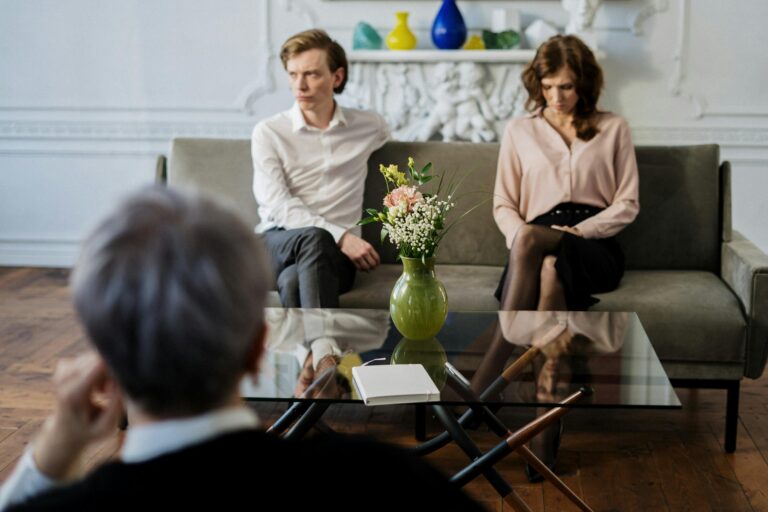
This is where things can get genuinely complicated. Relationships built around shared extroverted activity, the couple that always had people over, the friend group that met every Friday without fail, can feel the strain when one person starts wanting something different.
Partners who are themselves extroverts may feel confused or even rejected by the shift. Friends may interpret declining invitations as a sign of something wrong in the friendship. Family members may worry. The social signals that extroverts have always used to communicate care and connection, showing up, being present in crowds, participating enthusiastically, start to change, and not everyone around them knows how to read the new ones.
I’ve seen this create real friction. One of my former colleagues went through a significant shift in his mid-forties, moving away from the constant client entertaining and industry events that had defined his social life for two decades. His wife, who’d built her own social network partly around their shared outward-facing lifestyle, struggled with it. It took real conversation to work through, not because either of them was wrong, but because they were operating from different assumptions about what their life together was supposed to look like.
What tends to help in these situations is treating the shift as something to communicate about rather than something to hide or apologize for. Frameworks for introvert-extrovert conflict resolution are useful here, even when the person in question doesn’t fully identify as an introvert, because the underlying dynamic is similar: two people with different energy needs trying to build a shared life that works for both of them.
There’s also something worth noting about the quality of relationships that survive this shift. The friendships that hold tend to be the ones that were never entirely dependent on shared activity. The people who stay close are the ones who actually know you, not just the social version of you. In that sense, becoming a homebody can function as a kind of filter, clarifying which connections are genuinely meaningful and which were always more about proximity and habit than real affinity.
What Can Introverts Learn From Watching Extroverts Make This Shift?
As an INTJ who spent years observing extroverts from the outside, sometimes with envy, sometimes with confusion, I find this particular phenomenon genuinely instructive. Watching extroverts discover what introverts have always known, that home can be a rich and meaningful place, that solitude is a resource rather than a deprivation, that depth beats breadth in the long run, offers a kind of validation that’s hard to articulate but easy to feel.
It also complicates the easy narrative that introversion is a limitation and extroversion is the default mode of human flourishing. When extroverts start choosing home, it suggests that the homebody way of life isn’t a consolation prize for people who can’t handle social engagement. It’s a legitimate choice that people arrive at through experience, reflection, and a growing understanding of what actually sustains them.
There’s something else here too. Extroverts making this shift often do it with a kind of intentionality that’s worth admiring. They’re not retreating by default the way some introverts do. They’re actively choosing. They’re building home lives with the same energy and enthusiasm they once brought to their social lives. The result can be extraordinary: homes that are genuinely welcoming, domestic lives that are genuinely rich, and a relationship to solitude that’s chosen rather than merely tolerated.
Thinking about what makes a home feel like a true sanctuary, whether you’re an introvert by nature or someone who’s arrived there by a different path, often leads to the same questions. What does this space need to feel like? What belongs here and what doesn’t? The things that make a home feel right often reflect a person’s deepest values, the ones that don’t always show up in their public-facing life but matter enormously in the private one.
And when you’re thinking about the people in your life who are going through this shift, whether they’re extroverts discovering home or lifelong homebodies finally being seen for who they are, the act of acknowledging their chosen life matters. A thoughtful homebody gift guide isn’t just a shopping list. It’s a form of recognition, a way of saying: I see how you live, and I think it’s worth celebrating.
Is There a Loss That Comes With This Shift?
Honesty requires acknowledging this: yes, sometimes there is.
Not every extrovert who shifts toward home does so freely or joyfully. Some arrive there through loss, through grief, through social rejection, or through circumstances that removed the social options they once had. For these people, the homebody life may be more complicated, a mix of genuine discovery and genuine mourning.
There’s a meaningful difference between choosing home and retreating to it. The first is an act of self-knowledge. The second can be a symptom of something that deserves attention. Isolation that comes from depression, anxiety, or social withdrawal rooted in pain is different from solitude that comes from preference and self-understanding. Both can look similar from the outside, but they feel very different from the inside.
What I’ve observed is that the healthiest versions of this shift involve maintaining some connection even while reducing it. Not every invitation declined, not every relationship allowed to fade, not every social instinct suppressed. success doesn’t mean become a hermit. It’s to become more deliberate. Social connection remains a meaningful contributor to wellbeing across personality types, and that doesn’t change just because someone starts preferring smaller, quieter versions of it.
The extrovert who becomes a homebody and thrives is usually the one who brings their relational capacity with them, who still invests in people, still seeks connection, still shows up for the relationships that matter. They’ve just changed the format. They’ve traded breadth for depth, volume for meaning, motion for presence.

What draws people toward home, regardless of where they started on the personality spectrum, is something worth paying attention to. The full range of that conversation, from how introverts design their spaces to how homebodies of all kinds find meaning in domestic life, is something we explore across the Introvert Home Environment hub, and there’s far more there worth reading.
About the Author
Keith Lacy is an introvert who’s learned to embrace his true self later in life. After 20 years in advertising and marketing leadership, including running agencies and managing Fortune 500 accounts, Keith now channels his experience into helping fellow introverts understand their strengths and build fulfilling careers. As an INTJ, he brings analytical depth and authentic perspective to every article, drawing from both professional expertise and personal growth.
Frequently Asked Questions
Can a true extrovert really become a homebody?
Yes, though it’s more accurate to say they can develop strong homebody tendencies rather than fully changing their core personality. Extroversion and introversion exist on a spectrum, and life circumstances, aging, burnout, or a shift in values can all move someone toward preferring home-centered living. Many extroverts who become homebodies don’t stop being social, they simply become more selective about when, where, and with whom they engage.
What usually triggers an extrovert to start preferring home?
Common triggers include burnout from years of high-stimulation environments, major life transitions such as parenthood or loss, a growing desire for deeper rather than broader social connection, and natural changes in how the nervous system processes stimulation over time. For many people, the shift happens gradually and without a single identifiable cause, more of a slow reorientation than a sudden change.
Is it a problem if an extrovert starts wanting to stay home more?
Not inherently. A preference for home-centered living is a valid lifestyle choice, not a symptom of something wrong. That said, it’s worth distinguishing between choosing home freely and retreating to it as a response to depression, anxiety, or social pain. If the shift feels like withdrawal from life rather than investment in a different kind of life, that’s worth paying attention to and possibly discussing with a professional.
How do relationships typically change when an extrovert becomes a homebody?
Relationships often go through a sorting process. Friendships and partnerships that were built primarily around shared outward-facing activity may feel the strain, while connections rooted in genuine affinity tend to deepen. Open communication about the shift helps significantly, especially with partners or close friends who may interpret the change as rejection. Many extroverted homebodies find their relationships become more meaningful even as they become fewer in number.
What does a fulfilling home life look like for an extrovert going through this shift?
It tends to involve redirecting rather than suppressing their natural energy. Extroverted homebodies often become enthusiastic home cooks, hosts of intimate gatherings, dedicated hobbyists, or creative makers. They typically maintain social connection but in smaller, more intentional formats. The home itself often becomes a meaningful project, a space they invest in and curate rather than simply inhabit. The shift is less about doing less and more about doing differently.