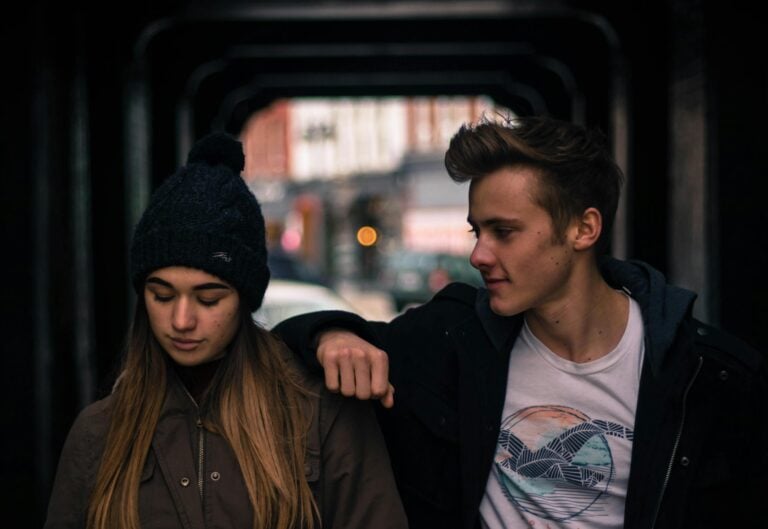

Yes, introverts are attractive, and often more so than they realize. What draws people toward introverts isn’t a single quality but a constellation of traits: presence, genuine attention, and a kind of quiet confidence that stands out precisely because it doesn’t demand to be noticed. The attraction isn’t accidental. It’s rooted in how introverts actually show up in relationships.
I spent over two decades running advertising agencies, pitching Fortune 500 brands, and managing rooms full of creative personalities. For most of that time, I believed attraction, whether professional or personal, belonged to the loudest voice. The one who commanded attention. The one who filled every silence. That belief cost me more than I care to admit, in missed connections, misread signals, and a persistent sense that I was somehow doing relationships wrong. What I eventually figured out is that the qualities I’d been quietly apologizing for were the same ones that made people want to stick around.

If you’ve ever wondered whether your introversion makes you less appealing in romantic or social contexts, you’re asking a question worth sitting with carefully. Our Introvert Dating and Attraction hub covers the full landscape of how introverts form connections, but this particular angle, the raw question of attractiveness itself, deserves its own honest examination.
What Does Attraction Actually Respond To?
Most conversations about attractiveness default to surface qualities: looks, charisma, social ease. But anyone who has been in a relationship longer than six months knows those aren’t what sustain connection. What people are actually drawn to, when you strip away the noise, is a feeling. The feeling of being seen. Of being in the presence of someone who is genuinely there with you, not performing, not managing impressions, not scanning the room for someone more interesting.
What’s your personality type?
Take our free 40-question assessment and get a detailed personality profile with dimension breakdowns, context analysis, and personalised insights.
Discover Your Type8-12 minutes · 40 questions · Free
Introverts, by their nature, tend to create that feeling. Not because they’re trying to be magnetic. Because they’re wired to pay close attention. My mind has always worked that way. In client meetings, I was the one who remembered what someone had mentioned offhandedly three weeks earlier. In conversations, I caught the slight shift in tone that signaled something had landed wrong. I didn’t do this strategically. It’s simply how I process the world, layer by layer, detail by detail.
That quality, call it attentiveness, presence, or simply the habit of actually listening, registers as attractive to people even when they can’t name why. There’s something in being fully received by another person that feels rare enough to notice. And in a culture saturated with distraction, it is rare.
Personality psychology research published in PMC (PubMed Central) has examined how attentiveness and responsiveness function as core components of interpersonal attraction, particularly in longer-term relationship formation. The findings align with what many people describe anecdotally: feeling truly heard by someone is one of the most compelling relational experiences a person can have.
Does the Way Introverts Process Emotion Change How They’re Perceived?
There’s a particular kind of emotional processing that happens quietly, below the surface, that I’ve come to recognize as one of the more underrated aspects of introvert attractiveness. It’s not emotional suppression, and it’s not emotional avoidance. It’s something more like emotional deliberateness. Introverts tend to feel things fully before they respond to them, which means when they do respond, there’s usually something real there.
I’ve managed teams of highly sensitive creatives throughout my agency years, and I learned to distinguish between people who processed quickly and loudly and those who processed slowly and deeply. The latter group, many of them introverts, often produced the most considered feedback, the most resonant creative work, and the most meaningful conversations. Their emotional responses had weight because those responses had been thought through.
In romantic contexts, this translates into something partners often describe as emotional maturity. It’s not that introverts don’t feel intensely. Understanding how introverts experience and express love feelings reveals a depth that often surprises people who assumed quietness meant emotional flatness. The opposite is usually true. The feelings are there. They’re just filtered through a longer internal process before they surface.

That deliberateness can be disorienting for people who expect immediate emotional reciprocation. But for those who stay long enough to experience it, the depth that eventually comes through tends to be worth the wait. Many partners of introverts describe a gradual revelation quality to the relationship, the sense that there’s always another layer to find. That quality sustains interest in ways that immediate emotional expressiveness sometimes can’t.
How Does Introvert Presence Work Differently in Social Settings?
One of the more counterintuitive things I’ve observed about introvert attractiveness is how it operates in group settings. Conventional wisdom says the person holding the room’s attention is the most attractive person in it. My experience suggests otherwise.
At industry events throughout my agency years, I watched how people clustered. The loudest presenter attracted initial attention, yes. But the person who stood slightly apart, who listened more than they spoke, who responded with something specific and considered when they did engage, that person tended to draw a different kind of interest. A more sustained kind. People would seek them out specifically. They’d remember the conversation afterward.
There’s a concept in social psychology around what’s sometimes called “earned attention,” the idea that attention which has to be sought out feels more valuable than attention which is freely broadcast. Introverts often operate in that register without realizing it. Their selectivity about when and with whom they engage creates a natural scarcity that functions, whether intentionally or not, as a form of social pull.
A piece from Psychology Today on romantic introverts captures this well, describing how introverts tend to create meaningful one-on-one connections even in group settings, which often registers as more intimate and memorable than broader social performance.
Selective attention is a form of respect. And people feel it.
Is There Something Attractive About How Introverts Commit?
Introverts don’t enter relationships casually. This isn’t a universal rule, but it reflects a common pattern: because social interaction costs energy, introverts tend to be more deliberate about where they invest it. When an introvert chooses to spend significant time with someone, that choice carries weight. It means something. Partners often sense this, even if they can’t articulate it precisely.
The patterns that emerge when introverts fall in love tend to be distinctive. Looking at relationship patterns in introverts who fall in love reveals a common thread: gradual but deep investment, loyalty that builds over time, and a preference for quality of connection over quantity of social interaction. For the right partner, those patterns feel like exactly what they’ve been looking for.
I can speak to this personally. My own closest relationships, the ones that have lasted and deepened, have always been ones where I chose the person deliberately. Not out of convenience or social momentum, but because something about them specifically warranted my full attention. That kind of intentionality tends to be felt on the other side. It communicates value in a way that’s hard to fake and harder to ignore.

There’s also something worth noting about how introverts show affection once they’re committed. It’s rarely grand gestures. More often it’s consistency, remembering the small things, creating space for the other person’s inner world, being genuinely present rather than performatively attentive. Exploring how introverts express love through their unique love language shows how these quieter expressions of care can be among the most sustaining forms of affection in a long-term relationship.
What Happens When Two Introverts Find Each Other?
There’s a particular kind of chemistry that can develop between two introverts, and it’s worth understanding both its appeal and its complexity. When two people who share an orientation toward depth, quiet, and internal processing find each other, the initial connection can feel almost startlingly easy. No pressure to perform. No need to explain why you’d rather have dinner at home than attend the party. A mutual fluency in silence that most people never experience.
I’ve seen this dynamic play out among colleagues and friends over the years. Two introverts in a room together often create a quality of interaction that’s noticeably different from mixed-type conversations. Slower, more considered, with longer pauses that neither person feels compelled to fill. It can look from the outside like nothing much is happening. From the inside, it often feels like everything is happening.
That said, these relationships have their own particular challenges. The dynamics that emerge when two introverts fall in love include some patterns worth being aware of, particularly around the tendency to withdraw simultaneously when either partner is stressed, which can create distance precisely when connection is most needed.
The 16Personalities piece on introvert-introvert relationship dynamics addresses some of these specific risks, particularly the way two introverts can inadvertently create a relationship that’s deeply comfortable but gradually less engaged with the outside world. Awareness of that tendency goes a long way toward preventing it.
Does High Sensitivity Amplify Introvert Attractiveness?
A significant portion of introverts also identify as highly sensitive people, and this overlap adds another dimension to the question of attractiveness. High sensitivity, as a trait, involves deeper processing of sensory and emotional information, a heightened responsiveness to subtlety, and a tendency to be profoundly affected by beauty, meaning, and connection. Those qualities, when present in a romantic partner, can be extraordinary.
I’ve managed several highly sensitive creatives over the years, and what struck me consistently was their capacity to inhabit experiences fully. They weren’t just present in a room. They were absorbing it. That quality translated into work of unusual resonance, and it translated equally into relationships of unusual depth. Partners of highly sensitive introverts often describe feeling more fully met than they’ve felt in other relationships.
Of course, sensitivity also brings complexity. If you’re in a relationship with someone who processes deeply and feels intensely, knowing how to approach conflict thoughtfully matters enormously. The way highly sensitive people handle disagreements is distinct from the norm, and understanding that distinction can be the difference between a conflict that deepens trust and one that erodes it.
For those considering or already in a relationship with a highly sensitive introvert, the complete dating guide for HSP relationships offers a thorough look at what those partnerships require and what they offer in return. The short version: they require more care. They also tend to offer more depth.

A relevant piece of context here: personality research published through PubMed Central examining personality traits and relationship satisfaction points to emotional responsiveness as one of the stronger predictors of long-term relationship quality. Sensitivity, when it’s channeled into attentiveness and care rather than reactivity, functions as a genuine relational asset.
What Do Introverts Bring to Attraction That’s Hard to Replicate?
There’s a quality I’ve noticed in the most compelling people I’ve encountered across two decades of professional relationships, and it’s one that introverts tend to have in abundance: the sense that what they say has been considered. That their words weren’t generated to fill space or manage impressions. That when they tell you something, they mean it.
In advertising, we spent enormous resources trying to manufacture authenticity for brands. It was always the hardest thing to create because it can’t actually be manufactured. People feel it or they don’t. Introverts, who tend to speak less and mean more, often project a kind of credibility that registers as deeply attractive precisely because it doesn’t seem engineered.
There’s also the matter of how introverts handle the early stages of attraction, which tends to differ meaningfully from extroverted courtship patterns. Rather than broadcasting interest widely and adjusting based on response, introverts typically move more slowly, more deliberately, and with more intention. That pace can be misread as disinterest, but for people who’ve experienced it from the inside, it often feels like being carefully chosen rather than casually pursued.
The Psychology Today guide to dating an introvert addresses this directly, noting that introverts’ slower approach to romantic interest often reflects genuine investment rather than ambivalence. Understanding that distinction can prevent a lot of unnecessary confusion in the early stages of a relationship.
One more thing worth naming: introverts tend to be genuinely interesting. Not in a performed way, but in the way that comes from spending significant time with your own thoughts, developing real interests, and forming actual opinions rather than simply adopting the views of whoever is most socially influential. That intellectual independence is attractive. It creates the conditions for conversations that go somewhere, and for a relationship that continues to reveal new dimensions over time.
Some people find that quality in online contexts before they find it in person. The question of whether digital spaces favor introvert strengths is worth exploring. Truity’s examination of introverts and online dating makes a compelling case that the written, asynchronous nature of digital communication often plays to introvert strengths, giving them space to express themselves thoughtfully rather than competing in real-time social performance.
Are There Introvert Qualities That Get Misread as Unattractive?
Honest answer: yes. And it’s worth addressing them directly rather than pretending introversion is universally legible as attractive from the first moment.
Introvert reserve is frequently misread as coldness, disinterest, or arrogance. The person who doesn’t immediately warm up, who takes time to open, who doesn’t mirror the energy of a room, can register as standoffish to people who haven’t yet experienced what lies beneath the surface. This is a real challenge, and I don’t think it serves anyone to minimize it.
Early in my career, I was told more than once that I came across as aloof in networking settings. What was actually happening was that I was processing, observing, trying to find a genuine point of connection rather than manufacturing small talk. From the outside, it probably looked like I wasn’t interested. The gap between internal experience and external perception is one of the more persistent challenges introverts face in early social encounters.
There are also some persistent myths about introversion that complicate how introverts are perceived romantically. Healthline’s breakdown of introvert and extrovert myths is worth reading for anyone who has internalized the idea that introversion means social inability or emotional unavailability. Those conflations are common and consequential, and clearing them up changes how introverts see themselves as potential partners.

The qualities that can be misread as unattractive in introverts, reserve, selectivity, a preference for depth over breadth, tend to become their most attractive qualities once a relationship has enough context to interpret them correctly. The challenge is the gap between first impression and full understanding. Closing that gap requires some intentionality about how you signal warmth and interest, even when your default mode is observation rather than expression.
What helped me was recognizing that warmth and quietness aren’t opposites. You can be reserved and still make eye contact. You can be selective and still ask a question that shows you’ve been paying attention. Small signals of genuine interest, offered with the specificity that introverts are naturally capable of, go a long way toward bridging that first-impression gap.
There’s a broader conversation worth having about all of this, one that goes beyond any single article. If you’re an introvert working through how your personality shapes your approach to dating and connection, the full range of resources in our Introvert Dating and Attraction hub offers a more complete picture of what introvert relationships actually look like across their different stages and forms.
About the Author
Keith Lacy is an introvert who’s learned to embrace his true self later in life. After 20 years in advertising and marketing leadership, including running agencies and managing Fortune 500 accounts, Keith now channels his experience into helping fellow introverts understand their strengths and build fulfilling careers. As an INTJ, he brings analytical depth and authentic perspective to every article, drawing from both professional expertise and personal growth.
Frequently Asked Questions
Are introverts naturally attractive to other people?
Many people find introverts deeply attractive, often without being able to immediately identify why. The qualities that tend to drive this response include genuine attentiveness, emotional depth, and the sense that an introvert’s words and choices carry real intention behind them. These traits become more visible over time, which is why introvert attractiveness often grows the longer someone knows them.
Do introverts struggle with dating because of their personality?
Introverts can face specific challenges in dating, particularly in the early stages where social performance and quick rapport-building are often expected. Reserve can be misread as disinterest, and a preference for depth can make small talk feel genuinely difficult. That said, these challenges are manageable with self-awareness, and the same qualities that create early friction often become the foundation of exceptionally strong long-term relationships.
What makes introverts different as romantic partners?
Introverts tend to be deliberate in their romantic choices, deeply loyal once committed, and capable of a quality of presence and attention that many partners describe as rare. They often express affection through consistent, specific acts of care rather than grand gestures, and they tend to invest significantly in understanding their partner’s inner world. For people who value depth and reliability over social excitement, introvert partners are often exactly what they were looking for.
Can introverts be confident and attractive at the same time?
Absolutely. Introvert confidence tends to look different from extrovert confidence, but it’s no less real. Where extrovert confidence often expresses itself through social dominance and high-energy presence, introvert confidence tends to show up as groundedness, clarity of opinion, and comfort with silence. These qualities register as attractive to many people, particularly those who find performative confidence exhausting or hollow.
How do introverts show attraction to someone they’re interested in?
Introverts typically show attraction through specific, attentive behaviors rather than broad social signals. They remember details. They ask follow-up questions about things mentioned in previous conversations. They make time and space for the person they’re interested in, even when social interaction generally costs them energy. If an introvert is consistently seeking you out and giving you their focused attention, that’s a meaningful signal, even if it doesn’t come with obvious fanfare.