

Two introverts can absolutely make a good couple, and in many ways, they can build something remarkably strong together. Shared values around solitude, depth, and meaningful connection create a natural foundation that many couples spend years trying to build. That said, like any pairing, this one comes with its own particular challenges worth understanding before you assume compatibility is automatic.
What makes the introvert-introvert pairing so interesting is that the strengths are obvious on the surface, but the friction points are subtle. Two people who both prefer quiet evenings, who both need time to process before responding, who both find small talk genuinely exhausting. Sounds ideal, right? It mostly is. But “mostly” is worth examining honestly.
There’s a lot more to explore around how introverts experience attraction and partnership. Our Introvert Dating and Attraction hub covers the full landscape of what it means to date and connect as someone who processes the world from the inside out. This article focuses on one specific and genuinely fascinating question: what happens when two of us find each other?

What Do Two Introverts Actually Have in Common?
Shared temperament is not the same as shared personality. That distinction matters more than most people realize when they start imagining what an introvert-introvert relationship looks like in practice.
What’s your personality type?
Take our free 40-question assessment and get a detailed personality profile with dimension breakdowns, context analysis, and personalised insights.
Discover Your Type8-12 minutes · 40 questions · Free
Two introverts share something foundational: they both recharge through solitude rather than social engagement. That single alignment removes an enormous source of tension that many couples quietly battle for years. The partner who wants to stay home on Friday night doesn’t have to feel guilty. The partner who needs an hour of silence after work doesn’t have to explain themselves. There’s an unspoken understanding that solitude is not rejection.
During my agency years, I watched this dynamic play out in reverse constantly. Several of my most talented account managers were introverts married to extroverts, and the exhaustion wasn’t just from the job. It was from coming home to someone who wanted to debrief the entire day out loud, host dinner parties on weekends, and fill every quiet moment with stimulation. One of them told me once that her marriage felt like a second shift. That stuck with me.
Two introverts generally don’t create that particular kind of friction. They tend to share preferences around how evenings should feel, what weekends are for, and how much social obligation is reasonable. That alignment is genuinely valuable, and it shouldn’t be underestimated.
Beyond the energy management question, two introverts often share a preference for depth over breadth in conversation. They’re likely to talk about ideas, feelings, and meaning rather than gossip or surface-level updates. That shared appetite for substance creates the kind of connection that shapes how introverts fall in love and form lasting bonds, often slowly, carefully, and with real intention.
Where Does the Tension Actually Come From?
Here’s where I want to be genuinely honest, because I think a lot of content about introvert couples glosses over the real challenges in favor of feel-good reassurance.
The first challenge is that two introverts can easily create a comfortable bubble that slowly becomes a limitation. When neither partner pushes for new experiences, new friendships, or new environments, the relationship can stagnate without either person fully noticing. It doesn’t feel like stagnation at first. It feels like comfort. But comfort and growth are not always pointing in the same direction.
As an INTJ, I’ve always been comfortable in my own head. My inner world is genuinely rich, and I can spend long stretches of time there without feeling deprived. But I’ve also noticed, both in my own life and in watching introverted colleagues, that this comfort with internal experience can quietly become avoidance. Two introverts together can accidentally reinforce each other’s tendency to withdraw rather than engage, to think rather than act, to plan rather than commit.
The second challenge involves conflict. Two introverts often handle disagreement by retreating inward, which can leave issues unresolved for far longer than is healthy. Neither person wants to initiate the difficult conversation. Both are processing privately. The silence that usually signals safety in this relationship can start to signal something else entirely, and it becomes hard to tell the difference.
This is particularly true when one or both partners also identify as highly sensitive. The intersection of high sensitivity and conflict avoidance creates a specific pattern where unspoken tension accumulates until it becomes genuinely difficult to address without someone feeling overwhelmed.
The third challenge is that introversion is not a monolith. Two introverts can have very different internal architectures. An INTJ and an INFP, for example, share the introversion preference but process the world in fundamentally different ways. The INTJ prioritizes structure, strategy, and competence. The INFP prioritizes values, authenticity, and emotional resonance. I’ve managed INFPs on creative teams, and the friction between their approach and mine was real even when we genuinely respected each other. In a romantic relationship, those differences don’t disappear because you both prefer staying in on Saturday.

How Do Two Introverts Show Love Without Saying Much?
One of the most beautiful things about an introvert-introvert couple is how naturally they often communicate affection through action rather than declaration. Neither partner is waiting for grand gestures or constant verbal reassurance. Both tend to read meaning into the smaller signals, the cup of tea made without being asked, the book left on the nightstand because you thought they’d love it, the comfortable silence shared on a Sunday afternoon.
Understanding how introverts express affection is genuinely useful here, because the love languages that resonate most with introverted people tend to be acts of service and quality time, not necessarily words of affirmation or physical touch (though those matter too, of course). When both partners share that orientation, there’s less room for the painful mismatch where one person expresses love loudly and the other expresses it quietly, and neither feels fully seen.
What I’ve found in my own experience is that the most meaningful moments in close relationships rarely involve much talking at all. There’s a kind of attunement that develops between two people who both pay close attention, who both notice the details, who both prefer to observe before reacting. Two introverts in a good relationship often develop an almost uncanny ability to read each other, not through conversation, but through presence.
That said, this attunement requires active cultivation. It doesn’t happen automatically just because you’re both quiet people. It requires the willingness to actually share what’s happening internally, even when every instinct says to keep processing privately. Two introverts can be deeply attuned or deeply disconnected, and the difference lies in whether they’ve built the habit of translating their inner experience into something the other person can access.
What Does the Research Actually Suggest About Introvert Pairings?
Personality compatibility in relationships is genuinely complex, and anyone who tells you there’s a simple formula is oversimplifying. That said, there are some useful frameworks worth considering.
Similarity in personality traits tends to support relationship satisfaction in certain domains, particularly around lifestyle preferences and energy management. Two people who both prefer low-stimulation environments are less likely to argue about how to spend their free time. That’s not a trivial advantage.
At the same time, personality research on relationship outcomes consistently points to factors beyond simple trait similarity. Emotional regulation, communication quality, and shared values tend to predict long-term satisfaction more reliably than whether two people score similarly on introversion scales. Two introverts with poor communication habits and misaligned values will struggle. Two introverts who’ve done the work of understanding themselves and each other can build something genuinely exceptional.
There’s also the question of what introversion actually means in the context of a relationship. Many common assumptions about introverts conflate introversion with shyness, social anxiety, or emotional unavailability. None of those are accurate. Introversion is about energy, not ability. Two introverts are perfectly capable of warmth, expressiveness, and deep emotional connection. They just tend to access those qualities in different contexts than extroverts do.
The potential pitfalls of introvert-introvert pairings worth watching for include social isolation, decision paralysis when neither partner wants to take the lead, and the tendency to intellectualize emotional problems rather than feeling through them. These aren’t inevitable, but they’re worth naming clearly.
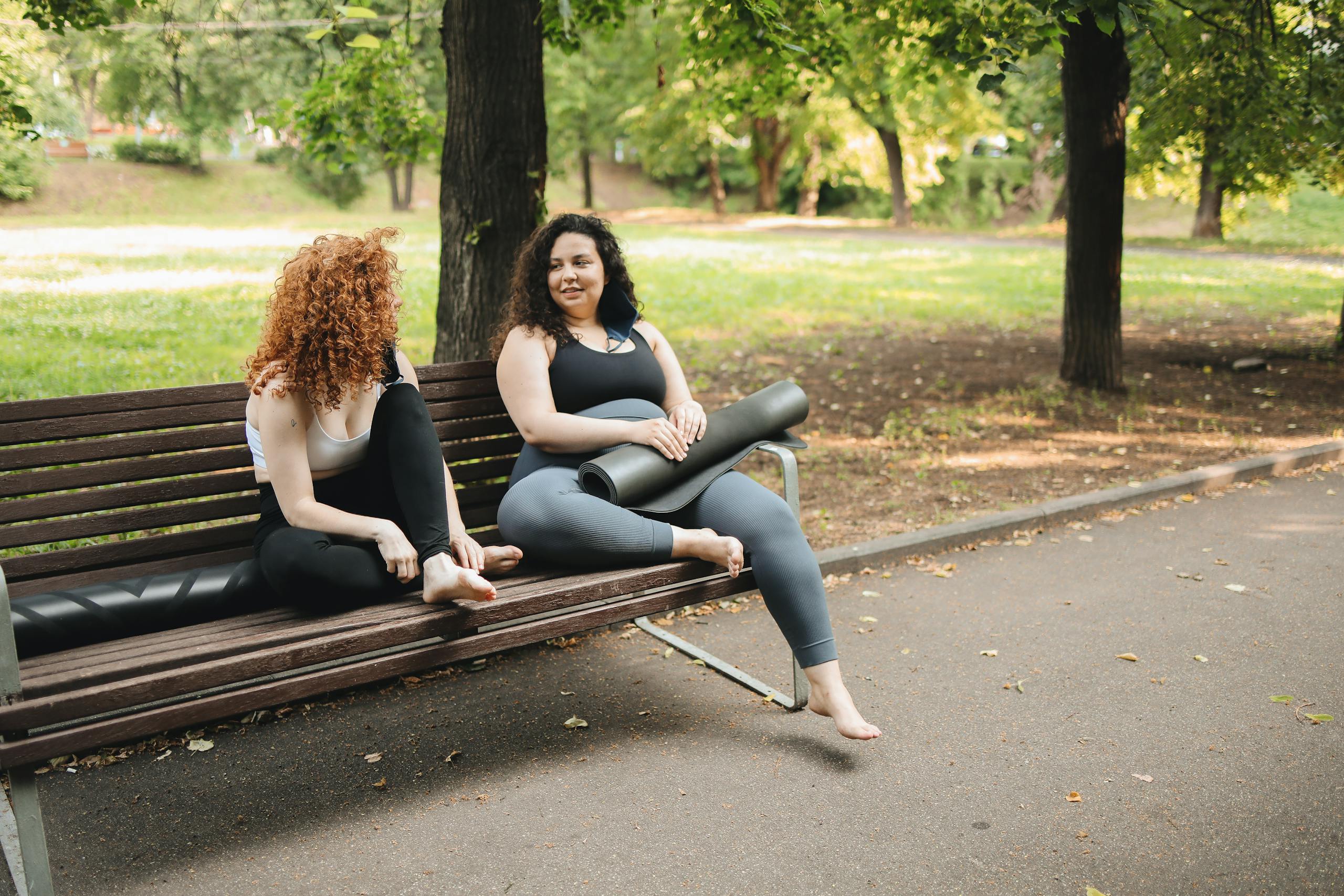
Do Two Introverts Risk Becoming Too Isolated Together?
This is the question I hear most often, and it deserves a direct answer: yes, it’s a real risk, and no, it’s not inevitable.
Two introverts who both prefer small gatherings over large parties, who both find most social obligations draining, who both feel most at ease at home, can very easily construct a life that looks rich from the inside but is quietly shrinking from the outside. The social world contracts. Friendships fade from neglect rather than conflict. Years pass, and the couple realizes they’ve become each other’s only real source of connection.
That’s not inherently catastrophic, but it creates fragility. When one person is the other’s entire social world, the relationship carries a weight it wasn’t designed to bear. Every mood shift becomes significant. Every period of distance feels threatening. The relationship that was supposed to be a refuge becomes a pressure cooker.
I saw this pattern in a senior creative director I worked with for several years, a deeply introverted man who was brilliant at his work and utterly devoted to his equally introverted wife. They had built a beautiful, self-contained life together. But when his wife went through a serious health crisis, he had no one else to lean on. The isolation that had felt like protection became something much harder to carry.
The antidote isn’t forcing yourselves to become social butterflies. It’s being intentional about maintaining a small but real network of connections outside the relationship. Two introverts don’t need many friends. They need a few real ones, and they need to protect those friendships with the same care they bring to everything else.
There’s also something worth noting about how introverts process love and emotional experience in ways that can make external connection feel less urgent than it actually is. When the inner world is rich and the relationship feels fulfilling, the outside world can seem optional. It rarely is.
How Does High Sensitivity Change the Dynamic?
Not all introverts are highly sensitive people, but there’s meaningful overlap between the two populations. When one or both partners in an introvert couple also carries the HSP trait, the relationship gains both additional depth and additional complexity.
Highly sensitive people process experience more deeply, feel emotions more intensely, and are more easily overwhelmed by stimulation. In a relationship between two HSPs, or between an HSP and a non-HSP introvert, the emotional texture of daily life is richer and more demanding. Small things carry more weight. Misunderstandings land harder. The need for emotional safety is more acute.
If you’re in a relationship where high sensitivity is part of the picture, the complete guide to HSP relationships is worth reading carefully. The dynamics are real and specific, and understanding them makes a meaningful difference in how you approach everything from daily routines to conflict resolution.
What I’ve noticed in my own life is that high sensitivity, when it shows up in people I’m close to, creates a kind of emotional richness that I genuinely value, even as an INTJ who tends to lead with analysis rather than feeling. The HSPs I’ve worked with most closely over the years, and the ones I’ve been close to personally, have a quality of presence and attunement that I find genuinely compelling. In a romantic relationship, that quality can be extraordinary. It requires care, but it rewards care in kind.

What Makes an Introvert-Introvert Relationship Genuinely Thrive?
After thinking about this carefully, both from my own experience and from watching others, I’ve come to believe that the introvert-introvert relationship thrives when both people bring a specific combination of self-awareness and intentionality to the partnership.
Self-awareness means knowing your own patterns well enough to name them. Knowing that you tend to withdraw when stressed, rather than reach out. Knowing that your silence can be misread as indifference. Knowing that your preference for processing privately can leave your partner feeling excluded from your inner life. Two introverts who know themselves well are far better equipped to build something real together than two introverts who are still operating on autopilot.
Intentionality means choosing to do the things that don’t come naturally, not constantly, but consistently. Choosing to initiate the difficult conversation rather than waiting for the other person to do it. Choosing to maintain friendships outside the relationship even when it feels easier not to. Choosing to bring your partner into your inner world rather than assuming they already know what’s happening there.
The specific patterns that emerge when two introverts build a relationship together are worth understanding in detail, because they’re genuinely different from the patterns in mixed-temperament couples. The rhythms of communication, the way conflict develops and resolves, the particular texture of intimacy between two people who both live largely in their inner worlds. These patterns aren’t better or worse than other relationship dynamics. They’re specific, and specificity is useful.
One thing I’d add from personal experience: two introverts who share intellectual curiosity have a particular advantage. When both partners are genuinely interested in ideas, in understanding the world more deeply, in exploring meaning rather than just managing logistics, the relationship has a renewable source of engagement. Conversations don’t run dry. There’s always something worth thinking about together. That shared orientation toward depth creates a kind of companionship that I find genuinely sustaining.
There’s also the matter of how each person’s introversion expresses itself. Being a romantic introvert comes with its own particular qualities, including a tendency toward deep loyalty, a preference for meaningful gestures over frequent ones, and a capacity for the kind of sustained attention that makes a partner feel genuinely known. Two romantic introverts together can create a relationship of remarkable depth and loyalty. The challenge is making sure that depth doesn’t become insularity.
Practical Considerations for Introvert Couples
Beyond the conceptual, there are some genuinely practical things that introvert couples tend to benefit from thinking about explicitly.
Alone time within the relationship is the first one. Two introverts living together still need individual solitude, not just shared quiet. There’s a difference between being alone together and being actually alone. Both matter. Couples who figure out how to give each other genuine individual space, without it feeling like withdrawal or rejection, tend to maintain energy and connection far better than those who assume that shared introversion automatically solves the solitude question.
Decision-making is the second. Two introverts often share a tendency to research thoroughly before deciding, to consider multiple angles, to want more information before committing. This can be genuinely useful, but it can also create paralysis around decisions that don’t actually require that level of analysis. Figuring out who takes the lead on different types of decisions, and building in some mechanism for actually from here, saves a surprising amount of friction.
Social planning is the third. Two introverts left to their own devices will often default to declining invitations, which is fine in isolation but can become a pattern that erodes the social connections both people actually need. Being intentional about which social commitments to maintain, and treating them as genuine priorities rather than optional extras, makes a real difference over time.
Understanding how personality traits interact with relationship quality over time is worth taking seriously. The early stages of a relationship often feel effortless when two people are well-matched in temperament. The real test comes later, when life adds complexity and the easy alignment of the early days has to be actively maintained rather than simply enjoyed.
Finally, there’s the question of how this couple presents to the outside world. Dating as an introvert already involves managing other people’s expectations and misunderstandings. Two introverts together can sometimes feel like they’re constantly explaining themselves to a world that defaults to assuming something is wrong if you’d rather stay home. Having a shared language for your preferences, and a shared willingness to hold your ground about them, makes that navigation considerably easier.

So, Can Two Introverts Make a Good Couple?
Yes. Genuinely, yes. With some honest caveats.
The introvert-introvert pairing has real structural advantages that shouldn’t be dismissed. Shared energy management, aligned lifestyle preferences, mutual appreciation for depth and quiet, and a natural understanding of each other’s need for solitude. These are not small things. They’re the foundation of daily life together, and when they’re aligned, the relationship has a quality of ease that many couples spend years trying to build.
The challenges are real too. The risk of isolation, the tendency toward conflict avoidance, the possibility of stagnation when neither partner pushes for growth. These don’t resolve themselves automatically just because both people are introverts. They require attention and intention.
What I believe, having spent years observing both myself and the people around me, is that the most important variable in any relationship isn’t temperament. It’s whether both people are genuinely committed to knowing themselves and each other, and to doing the work that intimacy actually requires. Two introverts who bring that commitment to each other can build something extraordinary. Two introverts who assume shared temperament is enough may find that comfort quietly becomes complacency.
The quiet life two introverts build together can be one of the richest kinds of partnership there is. It just requires the same thing every good relationship requires: showing up honestly, even when that’s harder than staying silent.
There’s much more to explore about how introverts connect, attract, and build lasting partnerships. Our complete Introvert Dating and Attraction resource covers the full range of experiences that shape how introverted people approach love and relationships.
About the Author
Keith Lacy is an introvert who’s learned to embrace his true self later in life. After 20 years in advertising and marketing leadership, including running agencies and managing Fortune 500 accounts, Keith now channels his experience into helping fellow introverts understand their strengths and build fulfilling careers. As an INTJ, he brings analytical depth and authentic perspective to every article, drawing from both professional expertise and personal growth.
Frequently Asked Questions
Are two introverts compatible in a long-term relationship?
Two introverts can be highly compatible in a long-term relationship, particularly because they tend to share aligned preferences around energy, lifestyle, and the kind of depth they want from connection. Shared introversion removes a significant source of tension that many couples experience around social obligations and the need for quiet time. That said, compatibility depends on more than temperament. Communication quality, emotional self-awareness, and shared values matter at least as much as personality type. Two introverts who’ve done the work of understanding themselves and each other have strong foundations to build on.
What are the biggest challenges for two introverts in a relationship?
The most common challenges for introvert couples include social isolation (when the relationship becomes the primary or only source of connection for both people), conflict avoidance (when both partners prefer to process privately rather than address tension directly), and the risk of stagnation when neither person naturally pushes for new experiences or growth. There’s also the reality that introversion varies significantly across personality types, so two introverts can still have quite different communication styles, emotional needs, and approaches to daily life that require genuine attention and compromise.
Do two introverts need alone time even from each other?
Yes, absolutely. Shared introversion doesn’t eliminate the need for individual solitude. There’s an important distinction between being quiet together and being genuinely alone, and both matter for introverted people. Two introverts living together still need space that belongs to each of them individually, time to recharge without the presence of even a beloved partner. Couples who figure out how to give each other that space, and who understand that needing it isn’t a sign of something wrong, tend to maintain their energy and connection far more sustainably over time.
Can two introverts have a passionate, emotionally rich relationship?
Yes, and often a deeply passionate one. Introverts tend to feel things intensely even when they express those feelings quietly. Two introverts together often build a relationship with remarkable emotional depth, sustained attention to each other, and a quality of intimacy that comes from genuinely knowing and being known by another person. The passion in an introvert-introvert relationship may not look loud or demonstrative from the outside, but it can be profoundly real. what matters is making sure that depth of feeling gets expressed rather than assumed, since both partners may be inclined to feel deeply without always saying so.
How do two introverts handle conflict differently than other couples?
Two introverts often handle conflict by retreating inward to process before engaging, which can mean that disagreements take longer to surface and resolve. Both partners may prefer to think through their feelings privately before discussing them, which can be productive but can also leave issues unaddressed for too long. The silence that usually signals safety in an introvert relationship can start to signal avoidance instead, and it becomes important for both people to build the habit of initiating difficult conversations rather than waiting for the other person to do it. When both partners understand this tendency in themselves, they can create agreements about how to address tension before it accumulates.