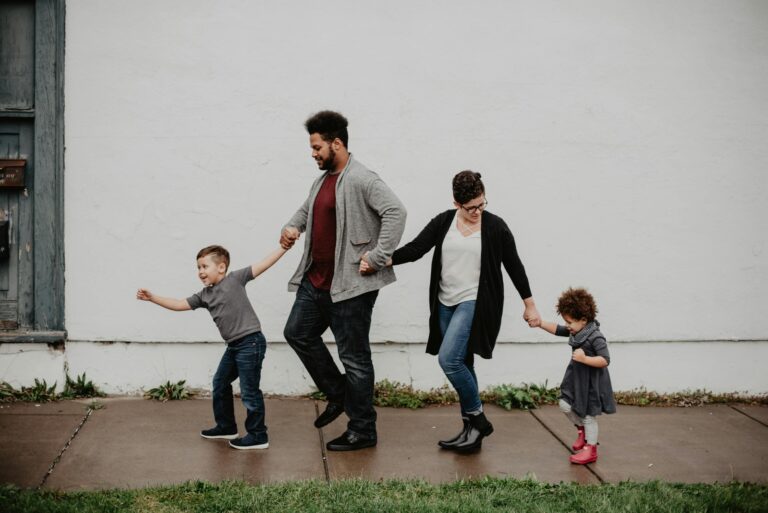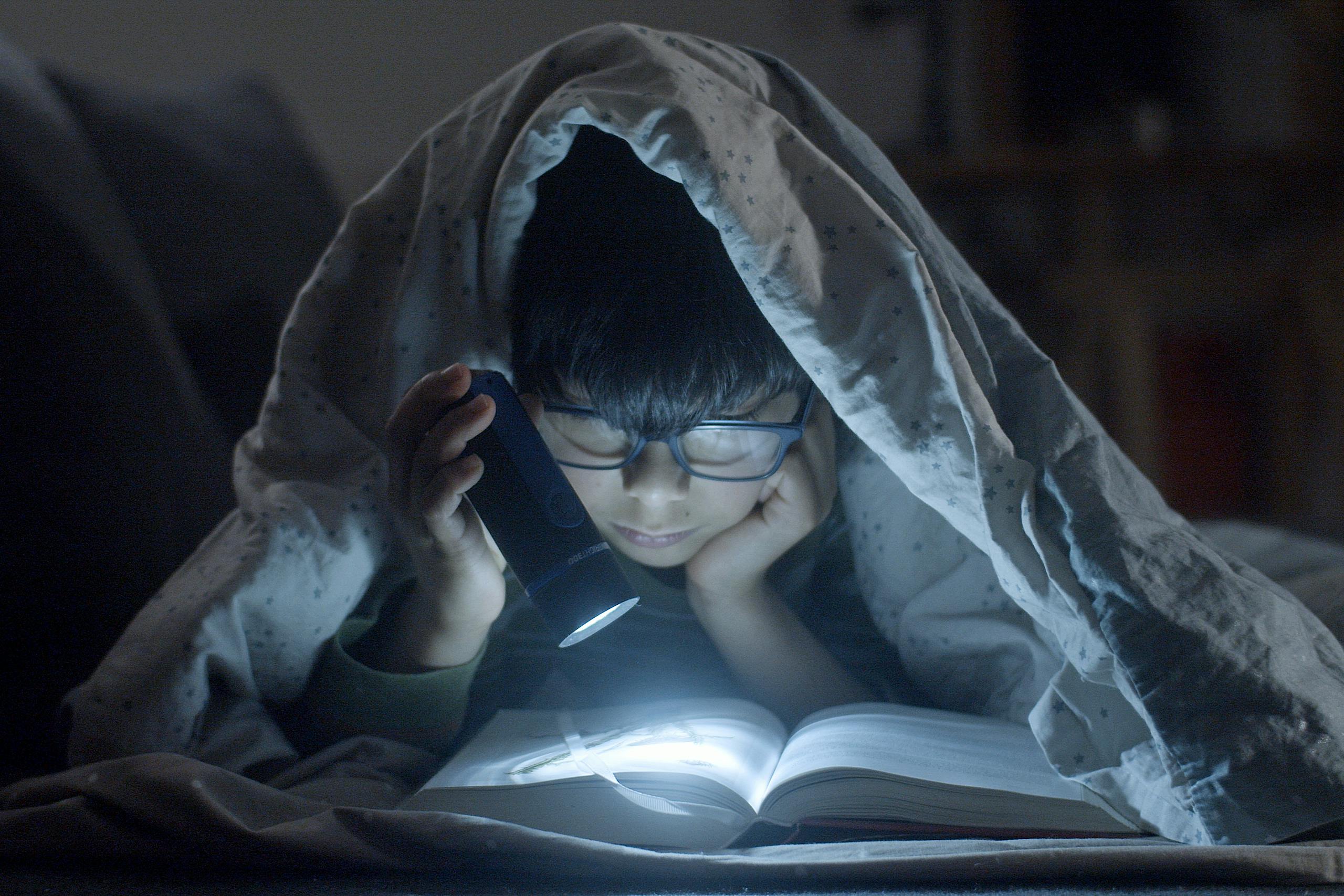

Childhood attachment style YouTube content has exploded in recent years, and for good reason: attachment theory offers one of the most clarifying frameworks for understanding why we love the way we do. Your early caregiving experiences shaped a set of internal expectations about closeness, safety, and emotional availability, and those patterns tend to show up in your adult relationships whether you recognize them or not.
That said, not everything circulating in short-form video content gets the nuance right. Some of it is genuinely helpful. Some of it oversimplifies in ways that can leave you feeling labeled, stuck, or misunderstood. This article is about sorting through both, with particular attention to how introverts experience attachment dynamics and what the research-grounded picture actually looks like.
Our Introvert Dating and Attraction hub covers the full emotional landscape of how introverts connect romantically, and attachment style sits at the center of much of that territory. Understanding where your relational patterns came from is one of the most useful things you can do before, during, or after a significant relationship.

What Is Childhood Attachment Style, and Why Does It Follow You Into Adulthood?
Attachment theory was originally developed to explain how infants bond with their primary caregivers. When a caregiver responds consistently, warmly, and reliably to a child’s needs, that child develops what researchers call a secure base: an internal sense that the world is safe enough, that closeness is available, and that distress can be soothed. When caregiving is inconsistent, emotionally distant, frightening, or absent, children adapt by developing strategies to manage that gap.
What’s your personality type?
Take our free 40-question assessment and get a detailed personality profile with dimension breakdowns, context analysis, and personalised insights.
Discover Your Type8-12 minutes · 40 questions · Free
Those adaptive strategies are what we now call attachment styles. In adulthood, they look like this: securely attached people tend to feel comfortable with both intimacy and independence. Anxiously attached people have a hyperactivated attachment system, meaning they monitor relationships closely and can feel flooded by fear of abandonment. Dismissive-avoidant people learned early to suppress emotional needs and often present as fiercely self-sufficient. Fearful-avoidant people, sometimes called disorganized, carry both high anxiety and high avoidance, wanting closeness while simultaneously fearing it.
What YouTube often gets wrong is the implied permanence. Your childhood attachment style is not a life sentence. Significant relationships, therapy modalities like Emotionally Focused Therapy and EMDR, and deliberate self-awareness can all shift attachment orientation across a lifespan. The concept of “earned secure” attachment is well-documented in the clinical literature: people who began with insecure attachment patterns can develop genuinely secure functioning through corrective experiences. That possibility matters, and it should be part of any honest conversation about this topic.
I came to attachment theory relatively late, somewhere in my mid-forties, after spending two decades running advertising agencies and wondering why certain professional and personal dynamics kept repeating themselves. As an INTJ, I’m wired to analyze systems, and once I encountered attachment theory properly, I saw it everywhere: in how I managed conflict with clients, in how I responded when a team member pulled away, in the particular kind of exhaustion I felt after emotionally demanding negotiations. The framework didn’t explain everything, but it explained enough to be genuinely useful.
Why Do Introverts Gravitate Toward Attachment Theory Content on YouTube?
There’s something about the format that suits the introvert’s natural processing style. A well-made video on attachment theory lets you sit with complex psychological material at your own pace, pause, rewind, and reflect without the pressure of a live conversation. You can absorb the framework privately, test it against your own experience, and decide what resonates before you ever discuss it with anyone.
Introverts also tend toward internal processing as a default mode. My mind has always worked by taking in information, running it through multiple interpretive layers, and arriving at conclusions that feel grounded rather than reactive. Attachment theory rewards exactly that kind of engagement. It’s not a quick-fix system. It asks you to sit with uncomfortable patterns, trace them back to their origins, and hold the complexity of how early experience shapes present behavior.
One thing worth noting clearly: introversion and avoidant attachment are not the same thing, and conflating them is one of the more common errors in popular content. An introvert may be securely attached, genuinely comfortable with closeness, while still needing significant time alone to recharge. Avoidant attachment is about emotional defense, about having learned that depending on others is unsafe. Introversion is about energy. They can co-occur, but they’re independent dimensions. The National Institutes of Health has explored how infant temperament relates to adult introversion, and the picture is more nuanced than most social media content suggests.
Understanding how introverts actually fall in love, including how attachment patterns shape that experience, is something I’ve written about extensively. The piece on when introverts fall in love and the relationship patterns that emerge explores how the introvert’s characteristic depth and selectivity interact with their underlying attachment orientation in ways that aren’t always obvious from the outside.

What Does Secure Attachment Actually Look Like in Practice?
Secure attachment gets romanticized in YouTube content in ways that can make it feel unattainable or even boring. The reality is more grounded. Securely attached people still have conflicts, misunderstandings, and difficult seasons in relationships. What they tend to have is better access to their own emotional states, more confidence that the relationship can survive disagreement, and a lower baseline of threat perception when a partner needs space or expresses frustration.
In practice, secure attachment looks like being able to say “I felt hurt by that” without catastrophizing about what it means for the relationship. It looks like tolerating a partner’s bad mood without immediately assuming it’s about you. It looks like reaching for connection when you’re distressed rather than either clinging desperately or withdrawing completely.
One of my most instructive professional experiences came during a particularly difficult client review at the agency. We’d delivered a campaign that missed the mark, and the client’s feedback was sharp. I watched two of my account managers respond in completely different ways: one became visibly anxious, over-explaining and seeking reassurance in real time, while the other went quiet and slightly cold, processing internally but appearing disengaged. Neither response was wrong exactly, but both created friction. The account manager who handled it most effectively acknowledged the feedback directly, asked clarifying questions, and proposed a path forward without either collapsing or shutting down. That, I later realized, was secure functioning under pressure.
Highly sensitive introverts often bring particular depth to emotional attunement in relationships, and that sensitivity intersects with attachment in interesting ways. The complete dating guide for HSP relationships addresses how heightened emotional sensitivity affects attachment dynamics and what that means for building genuinely secure connection.
How Does Anxious Attachment Show Up for Introverts, and What Gets Misread?
Anxious attachment in introverts often looks different from the cultural stereotype. The hyperactivated attachment system, the constant monitoring for signs of withdrawal or rejection, doesn’t always express itself through obvious clinginess. For introverts, it can look like excessive rumination after a conversation, replaying interactions to find evidence of disapproval, or withdrawing preemptively to avoid the pain of being left.
That preemptive withdrawal is particularly easy to misread. From the outside, an anxiously attached introvert who pulls back to protect themselves can look dismissive-avoidant. The internal experience is completely different: there’s significant emotional activation, genuine fear of abandonment, and a nervous system response that’s driving the behavior. It’s not a character flaw or a choice. It’s a nervous system that learned, early on, that closeness comes with risk.
The emotional experience of anxious attachment in introverts also tends to be processed internally in ways that partners don’t always see. Where an anxiously attached extrovert might verbalize their fear in real time, an anxiously attached introvert is more likely to carry it quietly, sometimes for days, before it surfaces in conversation or behavior. That delay can create its own set of misunderstandings. Understanding how introverts experience and express love feelings helps clarify why this internal processing style isn’t emotional unavailability, even when it can look that way from the outside.
The American Psychological Association’s resources on trauma are worth consulting here, because many anxious attachment patterns have roots in early experiences that carry a traumatic quality, not necessarily acute trauma, but chronic misattunement, unpredictability, or emotional unavailability in caregiving. That context matters for how healing happens.

What Does Dismissive-Avoidant Attachment Actually Feel Like From the Inside?
YouTube content on dismissive-avoidant attachment tends to portray these individuals as emotionally cold, unfeeling, or deliberately withholding. That characterization misses something important. Dismissive-avoidant people don’t lack feelings. They suppress and deactivate emotional responses as a learned defense strategy. The feelings exist, but they’re blocked at a largely unconscious level.
Physiological studies have shown that dismissive-avoidant individuals show internal arousal responses comparable to securely attached people when exposed to attachment-related stress, even when their outward behavior appears calm and unaffected. The deactivation is a coping mechanism, not an absence of emotion. That distinction matters enormously for how partners interpret behavior and for how dismissive-avoidant people understand themselves.
For introverts who lean dismissive-avoidant, the self-sufficiency that attachment theory identifies as defensive can look indistinguishable from the healthy independence that introversion naturally produces. Sorting out which is which requires honest reflection. Do you value solitude because it genuinely restores you, or do you seek it partly to avoid the vulnerability of emotional closeness? The answer is often some of both, and that’s worth sitting with rather than resolving too quickly.
I managed a senior creative director at the agency who I now recognize as likely dismissive-avoidant. Brilliant, self-contained, and genuinely excellent at his work. He was also almost impossible to give feedback to, not because he became defensive, but because he went completely flat. No reaction. You’d finish a difficult conversation and have no idea whether anything had landed. His team found it disorienting. What I understand now is that the flatness wasn’t indifference. It was a system that had learned to protect itself by going quiet under emotional pressure.
Introverts with dismissive-avoidant patterns often express care through action rather than words, and understanding that dynamic is central to relationship success. The piece on how introverts show affection through their love language explores exactly this territory, including how to recognize care that doesn’t announce itself.
Can Two Anxiously Attached Introverts Build a Healthy Relationship?
Two introverts in a relationship bring a particular set of dynamics that aren’t always covered well in general attachment content. When both partners share anxious attachment patterns, there’s potential for deep mutual understanding, but also for cycles of mutual reassurance-seeking that can become exhausting and destabilizing.
The positive side is real: two anxiously attached introverts often share a high tolerance for emotional depth, a commitment to processing things thoroughly, and a genuine desire for closeness. They’re less likely to dismiss each other’s concerns as excessive. The challenge comes when both partners are activated simultaneously. Without at least one person able to access a more regulated state, conflict can escalate quickly or conversations can spiral into mutual anxiety rather than resolution.
What makes this dynamic workable is shared awareness of the pattern. When both partners can name what’s happening, “I think we’re both activated right now, can we take twenty minutes and come back to this,” the cycle can be interrupted before it compounds. When two introverts fall in love, the relationship patterns that emerge have their own particular texture, and attachment style is one of the most significant variables shaping that texture.
Conflict, in particular, tends to be handled differently by introverts, and for those with anxious attachment, disagreements carry heightened emotional weight. Working through conflict peacefully when you’re highly sensitive offers practical tools that apply equally well to anxiously attached introverts who want to handle disagreements without either escalating or shutting down.
Clinical research, including work published through PubMed Central on attachment and relationship outcomes, supports the idea that attachment style concordance between partners matters less than mutual awareness and the capacity for co-regulation. Two insecurely attached people who understand their patterns and work with them consciously can build genuinely satisfying relationships.

What Should You Actually Do With What You Learn From YouTube About Attachment?
YouTube attachment content, at its best, gives you language for patterns you’ve always sensed but couldn’t articulate. That naming function is genuinely valuable. There’s something clarifying about finally having a framework for why you’ve always felt vaguely anxious in relationships, or why closeness has historically felt threatening rather than comforting.
At its worst, though, the same content can lead to over-identification with a label, using attachment style as an explanation that becomes an excuse, or diagnosing partners in ways that flatten their complexity. “He’s just avoidant” can become a way of avoiding the harder work of understanding a specific person in a specific relationship.
A few things that actually help, beyond consuming content:
Formal assessment is more reliable than self-report quizzes. Online attachment quizzes are rough indicators at best. Formal assessment uses tools like the Adult Attachment Interview or the Experiences in Close Relationships scale, both of which are designed to surface patterns that self-report alone might miss, particularly for dismissive-avoidant individuals who may not recognize their own defensive strategies. If you’re serious about understanding your attachment orientation, working with a therapist trained in attachment-based approaches is worth considering.
Therapy modalities that work well for attachment include Emotionally Focused Therapy, schema therapy, and EMDR. Each approaches the underlying patterns differently, but all have meaningful evidence behind them for shifting attachment orientation over time. Psychology Today’s resources on family dynamics offer a solid starting point for understanding how early family experience shapes adult relational patterns and what professional support looks like.
Corrective relationship experiences also matter. A consistently responsive, trustworthy partner can gradually shift an insecure attachment orientation toward something more secure, not through grand gestures, but through repeated small moments of reliability and emotional availability. This is slow work, and it’s not a substitute for individual growth, but it’s real.
What I’ve found personally, as someone who spent years intellectualizing emotional patterns before actually feeling them, is that the most useful thing attachment theory did for me was make the invisible visible. I could see the system I was operating inside. Seeing it didn’t automatically change it, but it made change possible in a way it hadn’t been before. That’s what good YouTube content on this topic can offer, and it’s worth being clear-eyed about both the value and the limits of that offering.
The broader research on attachment and adult relationships consistently points toward one finding that popular content often underemphasizes: the capacity for reflection about your own attachment history is itself a marker of earned security. You don’t have to have had a perfect childhood to develop secure functioning. You have to be able to think about your childhood with some coherence and compassion.
How Does Knowing Your Attachment Style Change How You Approach Relationships?
Awareness without application is just interesting information. The real shift happens when you start using attachment awareness in real time, in actual relationships, during actual moments of activation.
For anxiously attached introverts, that might look like noticing the urge to seek reassurance and pausing to ask whether the reassurance you need is something your partner can provide or something you need to develop internally. It might look like communicating your fear directly rather than letting it drive behavior that your partner experiences as confusing or demanding.
For dismissive-avoidant introverts, it might look like noticing the pull toward emotional shutdown and choosing, deliberately, to stay present for a few more minutes of difficult conversation. It might look like naming your discomfort with closeness to a partner who would otherwise experience your withdrawal as rejection.
For fearful-avoidant introverts, the work is often about tolerating the contradiction: wanting closeness and fearing it simultaneously, without having to resolve that tension by either pursuing or fleeing. Sitting with ambivalence, rather than acting it out, is often where growth happens.
What all of this requires is a willingness to be seen, which is genuinely difficult for many introverts regardless of attachment style. The internal world is rich and carefully tended. Allowing someone else access to it, especially in moments of vulnerability, asks something significant. But that willingness is also where the most meaningful connection tends to live. The piece on how introverts experience love and find their way through it speaks directly to that particular kind of courage.
Family systems, including the broader context of how your family of origin functioned, also shape attachment in ways that go beyond the primary caregiver relationship. Psychology Today’s exploration of blended family dynamics is one window into how complex family structures can create layered attachment experiences that don’t fit neatly into any single category.

There’s much more to explore about how introverts connect, protect themselves, and build lasting relationships. The full Introvert Dating and Attraction hub brings together everything from first-date dynamics to long-term partnership, all through the lens of what actually works for people wired the way we are.
About the Author
Keith Lacy is an introvert who’s learned to embrace his true self later in life. After 20 years in advertising and marketing leadership, including running agencies and managing Fortune 500 accounts, Keith now channels his experience into helping fellow introverts understand their strengths and build fulfilling careers. As an INTJ, he brings analytical depth and authentic perspective to every article, drawing from both professional expertise and personal growth.
Frequently Asked Questions
Can your childhood attachment style change as an adult?
Yes, and this is one of the most important things to understand about attachment theory. Attachment styles are not fixed traits. Through therapy (particularly Emotionally Focused Therapy, schema therapy, and EMDR), corrective relationship experiences, and sustained self-awareness, people can shift from insecure to what researchers call “earned secure” attachment. The capacity to reflect coherently on your own attachment history is itself a meaningful step toward more secure functioning.
Are introverts more likely to be avoidantly attached?
No. Introversion and avoidant attachment are independent dimensions. An introvert may be securely attached, genuinely comfortable with intimacy, while still needing substantial time alone to recharge. Avoidant attachment is a defensive strategy rooted in early caregiving experiences, not a preference for solitude. The two can co-occur, but one does not cause or predict the other.
How accurate are online attachment style quizzes?
Online quizzes are rough indicators at best. They can point you in a useful direction, but they have real limitations, particularly for dismissive-avoidant individuals who may not recognize their own defensive patterns in self-report questions. Formal assessment uses tools like the Adult Attachment Interview or the Experiences in Close Relationships scale, both of which are designed to surface patterns that self-report alone can miss. A therapist trained in attachment-based approaches can offer far more accurate and useful assessment.
Can an anxious-avoidant couple build a healthy relationship?
Yes, though it takes mutual awareness and often professional support. The anxious-avoidant dynamic is common and can be genuinely challenging because each partner’s default response tends to activate the other’s defenses. The anxious partner’s pursuit triggers the avoidant partner’s withdrawal, which triggers more pursuit, and so on. With shared understanding of the pattern and tools for interrupting it, many couples with this dynamic develop genuinely secure functioning over time.
Does secure attachment mean a relationship will have no problems?
No. Securely attached people still experience conflict, misunderstanding, and difficult periods in relationships. What secure attachment provides is better access to emotional regulation, more confidence that the relationship can survive disagreement, and a lower baseline of threat perception when a partner needs space or expresses frustration. It’s a set of better tools for handling difficulty, not immunity from it.