

Children develop attachment styles in response to how their earliest caregivers respond to their needs, and those patterns don’t simply disappear when childhood ends. The current picture of children with attachment styles is more nuanced than many people realize: while early attachment shapes relational tendencies, it is not a life sentence. Secure, anxious, avoidant, and fearful-avoidant patterns established in childhood influence how adults connect, trust, and love, but they can shift meaningfully through relationships, self-awareness, and support.
What strikes me most about attachment theory, after years of reflection and some hard-won personal insight, is how quietly these patterns operate. You don’t walk around thinking “I have an anxious attachment style.” You just notice that you check your phone obsessively after sending a vulnerable message, or that you feel inexplicably irritated when someone gets too close. The wiring runs deep, and it starts early.
Much of what I’ve explored on the Introvert Dating and Attraction hub connects directly to attachment, because so many of the patterns introverts experience in relationships trace back to these early blueprints. Understanding where those blueprints come from changes how you read your own behavior and the behavior of people you care about.

What Do Attachment Styles Actually Look Like in Children?
Attachment theory, developed by John Bowlby and expanded through Mary Ainsworth’s landmark research, describes how children form emotional bonds with their primary caregivers. Ainsworth’s “Strange Situation” studies in the 1970s identified distinct patterns in how children responded to separation and reunion with caregivers, and those patterns mapped onto what we now call the four attachment styles.
What’s your personality type?
Take our free 40-question assessment and get a detailed personality profile with dimension breakdowns, context analysis, and personalised insights.
Discover Your Type8-12 minutes · 40 questions · Free
A securely attached child uses their caregiver as a safe base. They explore freely, get upset when the caregiver leaves, and recover quickly when they return. They’ve learned that their distress will be met with comfort, so they trust the process. Anxiously attached children, sometimes called preoccupied or ambivalent, tend to cling intensely, become highly distressed during separation, and struggle to settle even after the caregiver returns. Their caregiving environment was inconsistent enough that they learned to amplify their signals to get a response.
Avoidantly attached children show a different pattern. They appear relatively unbothered by separation and don’t seek comfort when the caregiver returns. It can look like independence, but what’s actually happening is a learned suppression of attachment needs. These children discovered that expressing distress didn’t reliably produce comfort, so they stopped expressing it outwardly. The feelings don’t disappear; they go underground.
Fearful-avoidant or disorganized attachment, the fourth pattern, tends to emerge in children who experienced their caregiver as both a source of comfort and a source of fear. The caregiver was supposed to be the solution to distress, but was also the cause of it. That creates a fundamental conflict with no resolution, and children in this situation often show confused, contradictory behaviors during reunion. They might approach, freeze, then retreat, or display odd, dissociative-looking behavior. This pattern is associated with environments involving trauma, abuse, or severe neglect, though the American Psychological Association notes that trauma responses in childhood are complex and varied.
How Do These Patterns Carry Into Adult Relationships?
One of the most important things to understand about childhood attachment is that continuity into adulthood is real but not deterministic. Early patterns create internal working models, essentially mental templates for how relationships work and whether you are worthy of care. Those templates influence perception, expectation, and behavior in adult relationships. But they are models, not facts, and models can be revised.
That said, the influence is significant. Adults who developed secure attachment as children tend to approach relationships with a baseline of trust. They’re generally comfortable with both closeness and independence. They can communicate needs without excessive anxiety, and they tend to recover from conflict more effectively. Secure attachment doesn’t mean a conflict-free relationship. It means having better tools for working through difficulty when it arises.
Adults with anxious-preoccupied patterns, often rooted in inconsistent early caregiving, tend to have a hyperactivated attachment system. Their nervous systems are tuned to detect any signal of potential abandonment or rejection. This isn’t a character flaw or neediness in the dismissive sense. It’s a survival strategy that was adaptive in childhood and became maladaptive in adult relationships. Understanding this distinction matters enormously, both for the person experiencing it and for their partners. I’ve written more about this in the context of how introverts experience and process love feelings, where the intersection of introversion and anxious attachment creates a particularly complex internal landscape.
Dismissive-avoidant adults often appear self-sufficient to the point of seeming emotionally unavailable. They tend to minimize the importance of relationships and may genuinely believe they don’t need close connection, or at least that’s the story their internal model tells them. What physiological studies have shown is that avoidants actually do respond internally to attachment-relevant situations; their bodies register the same arousal. They’ve simply learned to deactivate that response before it reaches conscious awareness. That gap between internal experience and external presentation is one of the most misunderstood aspects of avoidant attachment.

Fearful-avoidant adults, sometimes called disorganized in adult attachment literature, carry both high anxiety and high avoidance. They want closeness and fear it simultaneously. Relationships feel simultaneously necessary and dangerous. It’s worth being clear here: fearful-avoidant attachment is not the same as borderline personality disorder, though there is some overlap in presentation. They are distinct constructs, and conflating them does a disservice to everyone involved.
Why Do Some Children Develop One Style and Not Another?
Attachment style formation isn’t purely about parental behavior. It’s an interaction between caregiver responsiveness and the child’s own temperament and nervous system. The National Institutes of Health has noted that infant temperament has lasting effects on personality, including introversion in adulthood. That same temperamental sensitivity likely influences how children process caregiving experiences and what attachment patterns they develop.
A child with a highly sensitive nervous system may develop anxious attachment in a caregiving environment that would produce secure attachment in a less sensitive child. Conversely, a child with a more reactive temperament might push a caregiver toward inconsistent responses, creating a feedback loop that shapes attachment. None of this assigns blame. It describes a complex, bidirectional system.
Cultural context also plays a role. What counts as responsive caregiving varies across cultures, and attachment research has primarily been conducted in Western, individualistic contexts. The patterns are real and cross-cultural, but their expression and what’s considered normative varies. Family dynamics, as Psychology Today explores in depth, encompass a wide range of relational patterns that shape child development in ways that extend well beyond any single framework.
Siblings can develop different attachment styles within the same family. Birth order, spacing, parental stress at different life stages, and individual temperament all contribute. Two children raised in the same home can have fundamentally different relational experiences of that home.
Can Attachment Styles Actually Change?
This is where I want to push back against the fatalistic framing that sometimes surrounds attachment theory. Yes, early patterns are powerful. No, they are not permanent. The concept of “earned secure attachment” is well-documented in the research: adults who had insecure childhoods can develop secure attachment functioning through meaningful relationships, therapy, and sustained self-reflection. The path isn’t easy, but it’s real.
Therapeutic modalities that have shown particular effectiveness include Emotionally Focused Therapy, schema therapy, and EMDR for those whose attachment disruptions are linked to trauma. These approaches work at the level of the nervous system and the internal working model, not just at the level of cognitive insight. Knowing intellectually that you have anxious attachment doesn’t automatically calm the nervous system when your partner doesn’t text back for three hours. The work goes deeper than understanding.
Corrective relationship experiences also matter enormously. A consistently responsive partner, a trustworthy therapist, a stable friendship, these can all function as attachment figures in adulthood and gradually revise the internal model. This is one reason why how introverts fall in love and form relationship patterns is such a meaningful topic. For introverts who are also working with insecure attachment, the process of allowing someone in is genuinely significant work.
I think about this in terms of what I’ve observed in my own development. As an INTJ, I’ve always had strong independent functioning, and for a long time I confused that with not needing deep connection. Running agencies meant I was constantly in rooms full of people, managing teams, presenting to Fortune 500 clients, projecting confidence. What I didn’t fully acknowledge until much later was how much of that self-sufficiency was genuine preference and how much was armor. The distinction matters.
What Happens When Insecure Attachment Meets Introversion?
One of the most important clarifications I want to make here is that introversion and avoidant attachment are not the same thing. They’re independent dimensions. An introvert can be securely attached, warmly connected, and deeply relational while still needing significant solitude to function well. Avoidant attachment is about emotional defense, about keeping people at a distance to prevent the pain of disappointment or engulfment. Introversion is about energy management and processing style.
That said, the two can coexist, and when they do, they can amplify each other in ways that are worth understanding. A dismissive-avoidant introvert has both a genuine need for solitude and a defensive deactivation of attachment needs. From the outside, and sometimes from the inside, these can be almost impossible to distinguish. “I just need space” might be a true statement about introvert energy, or it might be an avoidant withdrawal, or it might be both at once.
Anxiously attached introverts face a different complexity. They have a deep need for connection and an equally deep need for solitude, and these can feel like they’re in direct conflict. They want closeness but can also feel overwhelmed by too much social contact. They worry about abandonment but also need partners who respect their need for alone time without interpreting it as rejection. This is genuinely difficult terrain, and it’s one reason why understanding how introverts show love and affection is so valuable. The expression of love in an introvert with anxious attachment may look very different from the anxious expressions we typically associate with that style.
Highly sensitive people, who overlap significantly with the introvert population, have their own particular relationship with attachment. Sensory and emotional sensitivity means that relational ruptures land harder, that conflict is more physiologically costly, and that the need for a felt sense of safety in relationships is more acute. The intersection of HSP traits and attachment patterns deserves its own careful attention. If you identify as a highly sensitive person, the complete HSP relationships and dating guide offers a thorough look at how sensitivity shapes every aspect of romantic connection.
How Attachment Patterns Show Up in Introvert-Introvert Relationships
Two introverts in a relationship can create something genuinely beautiful: a shared understanding of solitude, parallel processing, and the value of quiet. They can also create an environment where avoidant patterns go unchallenged for a very long time, because both partners are comfortable with distance and neither is pushing for more closeness than the other is comfortable providing.
I’ve thought about this a lot in the context of what I’ve seen in my own circles. During my agency years, I worked closely with a creative director who was also an introvert, and we had an extraordinarily productive professional relationship built on mutual respect for each other’s need for uninterrupted thinking time. But I noticed that we never really talked about anything personal. We’d work together for months on major campaigns, and I genuinely didn’t know basic things about his life. At the time I called it professionalism. Looking back, I wonder if we were both just very comfortable with the distance.
In romantic relationships, two introverts with avoidant patterns can drift into a comfortable parallel existence that slowly drains the emotional connection from the relationship. Neither person is being intentionally distant; they’re both doing what feels natural and safe. The patterns that emerge when two introverts fall in love include both the genuine strengths of shared understanding and the specific risks of mutual withdrawal going unaddressed.
Conflict is another area where attachment patterns intersect with introversion in significant ways. Introverts often need time to process before they can engage productively with conflict, which is a legitimate processing style, not avoidance. Yet for a partner with anxious attachment, that processing pause can feel like abandonment or stonewalling. The timing mismatch alone can escalate conflicts that might otherwise resolve easily. Understanding how to handle disagreements in ways that honor both processing needs and attachment needs is genuinely complex work, and it’s something the guide to HSP conflict and peaceful disagreement addresses with real depth.

What Does Healthy Attachment Development Look Like for Children Today?
The current state of attachment research emphasizes that secure attachment is built through thousands of small moments of attunement, not through perfect parenting. Caregivers don’t need to get it right every time. They need to repair when they get it wrong. The repair process is actually essential: children learn through rupture and repair that relationships can survive difficulty, that disconnection isn’t permanent, and that their distress will eventually be met.
Modern understanding also recognizes that children can have different attachment relationships with different caregivers. A child might be securely attached to one parent and anxiously attached to another. The quality of each individual relationship matters, and secure attachment with even one consistent caregiver provides meaningful protection against the effects of insecurity elsewhere.
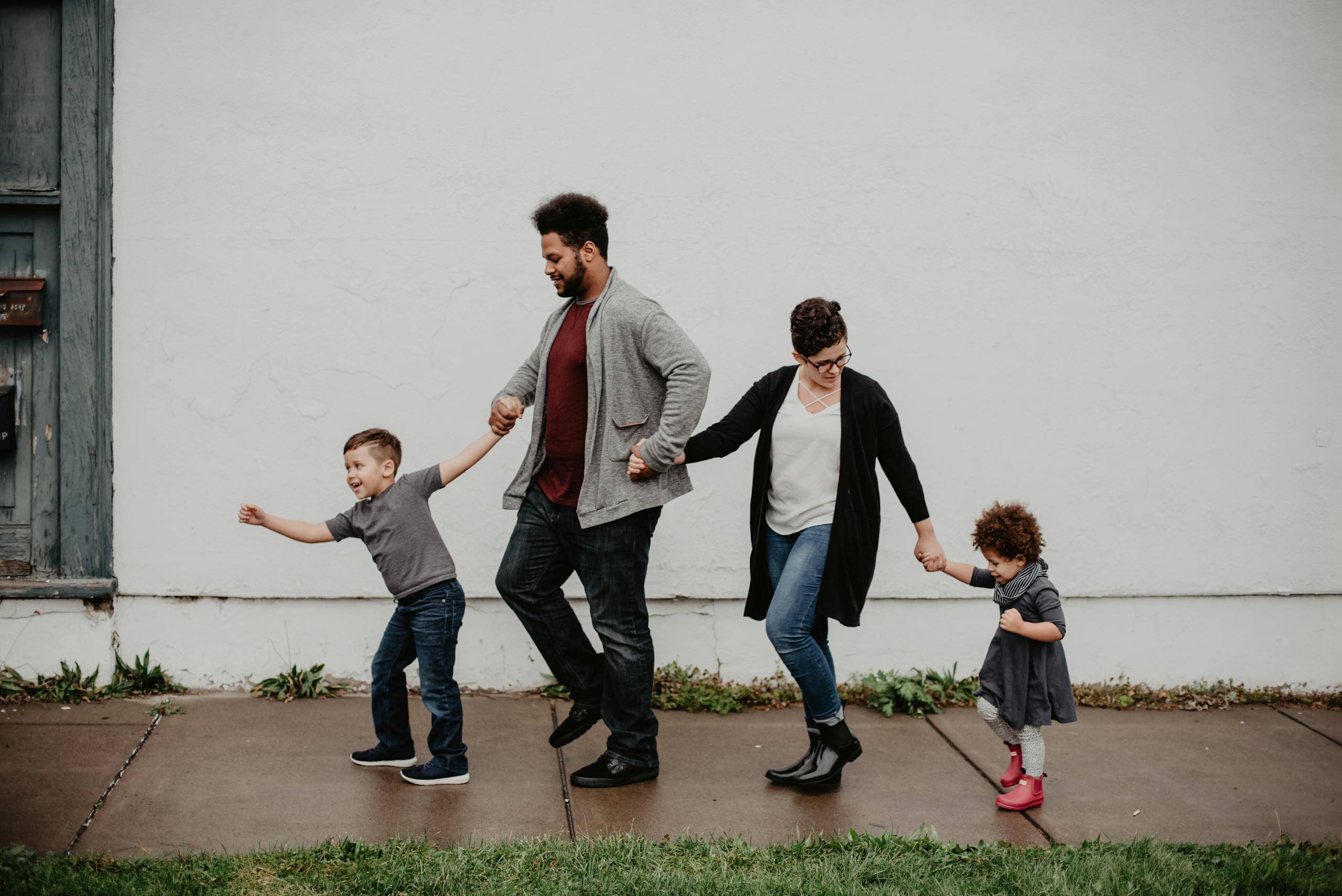
Contemporary family structures add complexity to attachment development. Blended families, single-parent households, families with multiple caregivers, and families shaped by divorce or loss all create different attachment landscapes. The particular dynamics of blended families introduce attachment challenges that are distinct from nuclear family patterns, including questions of loyalty, new attachment figures, and the renegotiation of relational safety.
What the current evidence consistently supports is that responsiveness, consistency, and emotional availability are the core ingredients of secure attachment. These qualities aren’t contingent on family structure or economic status, though chronic stress and adversity do make them harder to sustain. A parent who is genuinely present, who notices and responds to their child’s emotional signals, and who repairs after moments of disconnection is building the foundation for secure attachment regardless of the specific circumstances of their family.
The published evidence base on this is substantial. A widely cited paper in PubMed Central examining early attachment and developmental outcomes underscores the long-term significance of early relational patterns while also supporting the capacity for change across development. A separate PubMed Central review of attachment interventions documents meaningful outcomes from targeted support programs for families at risk of insecure attachment formation.
Recognizing Your Own Attachment Patterns as an Adult
One of the honest challenges with attachment self-assessment is that our blind spots are built into the system. Dismissive-avoidant individuals often don’t recognize their own avoidance because it feels like healthy independence. Anxiously attached people sometimes interpret their hypervigilance as simply caring deeply. Our internal working models feel like reality, not like a model we built in childhood based on limited data.
Online attachment quizzes can point you in a useful direction, but they have real limitations. The gold-standard assessment tools are the Adult Attachment Interview, which analyzes the coherence of your narrative about childhood experiences, and the Experiences in Close Relationships scale, a validated self-report measure. If you’re doing serious work on attachment, these are worth seeking out through a therapist or counselor rather than relying on a ten-question quiz.
What I’ve found more useful than any formal assessment is paying attention to patterns across relationships over time. What consistently triggers you? What does your body do when someone you care about seems distant? What happens in you when a relationship feels too close? The patterns are there if you’re willing to look at them honestly, and as an INTJ, I’ll tell you that the analytical capacity we bring to everything else is genuinely useful here, as long as we’re willing to turn it inward rather than using it to explain away what we find.
I spent years in agency leadership becoming very skilled at reading other people’s emotional states and using that information strategically. Client presentations, team dynamics, difficult conversations with partners, I was good at the interpersonal chess. What I was less good at was applying that same observational skill to my own relational patterns. That gap between external acuity and internal awareness is something I suspect many introverts and many INTJs in particular will recognize.

Moving From Awareness to Actual Change
Awareness is the starting point, not the destination. Knowing that you have anxious attachment doesn’t stop the 2 AM spiral when your partner seems withdrawn. Knowing that you tend toward avoidance doesn’t automatically make vulnerability feel safe. The gap between intellectual understanding and nervous system change is real, and it requires more than reading articles, including this one.
What does work is a combination of things. Consistent therapeutic support, especially with a therapist who understands attachment, gives you a corrective relational experience in the therapy relationship itself while also building tools for your other relationships. Honest communication with partners about your patterns, done at a time when you’re not in the middle of activation, creates shared understanding that makes conflict less destabilizing. And self-compassion, which I know sounds like a platitude but genuinely isn’t, changes the relationship you have with your own patterns. You can observe your anxious checking behavior with curiosity rather than shame, and that shift in relationship to the pattern is itself part of how it changes.
success doesn’t mean become a different person. It’s to have more choices. When your attachment system activates, you want to have enough space between the trigger and the response to choose how you want to show up, rather than being entirely run by a pattern that was written in childhood. That space is what earned secure attachment actually looks like in practice. It’s not the absence of activation. It’s the presence of choice.
If you’re exploring how all of this connects to your dating life and relationships as an introvert, there’s much more to explore in the Introvert Dating and Attraction hub, where the full range of introvert relational experience gets the depth it deserves.
About the Author
Keith Lacy is an introvert who’s learned to embrace his true self later in life. After 20 years in advertising and marketing leadership, including running agencies and managing Fortune 500 accounts, Keith now channels his experience into helping fellow introverts understand their strengths and build fulfilling careers. As an INTJ, he brings analytical depth and authentic perspective to every article, drawing from both professional expertise and personal growth.
Frequently Asked Questions
Do children’s attachment styles automatically become their adult attachment styles?
Not automatically. There is meaningful continuity between childhood and adult attachment patterns, because early experiences shape internal working models that influence how we approach relationships throughout life. Yet significant life events, meaningful relationships, and therapeutic work can all shift attachment orientation. The concept of earned secure attachment, well-documented in the psychological literature, describes adults who had insecure childhoods but developed secure attachment functioning through later experience. Childhood attachment is an important starting point, not a fixed destination.
Are introverts more likely to have avoidant attachment?
No. Introversion and avoidant attachment are independent dimensions. Introverts have a genuine need for solitude to manage energy, but that’s a processing preference, not an emotional defense. An introvert can be securely attached, warmly connected, and deeply relational while still needing significant alone time. Avoidant attachment is about suppressing attachment needs as a defense against anticipated disappointment or engulfment. The two can coexist, but one does not predict the other. Many introverts are securely attached, and many extroverts have avoidant patterns.
Can anxious-avoidant relationships actually work?
Yes, they can. Anxious-avoidant pairings are genuinely challenging because the anxious partner’s need for closeness tends to trigger the avoidant partner’s withdrawal, which in turn escalates the anxious partner’s distress, creating a painful cycle. But many couples with this dynamic develop secure functioning over time through mutual awareness, honest communication about their patterns, and often professional support. The work requires both partners to understand their own patterns and take responsibility for their own activation rather than simply reacting to each other. It’s demanding, but it’s not impossible.
What’s the difference between fearful-avoidant attachment and borderline personality disorder?
They are distinct constructs that share some surface similarities. Fearful-avoidant attachment (also called disorganized attachment) describes a relational pattern characterized by both high anxiety and high avoidance, wanting closeness while fearing it. Borderline personality disorder is a clinical diagnosis involving a broader pattern of emotional dysregulation, identity instability, and interpersonal difficulty. There is some overlap in presentation, and some people with BPD do have fearful-avoidant attachment patterns. Yet not all fearful-avoidant individuals have BPD, and not all people with BPD are fearful-avoidant. Conflating them leads to misunderstanding of both.
How can I tell if my introvert need for space is healthy or avoidant?
The honest answer is that it’s often both, and distinguishing them requires genuine self-examination. Healthy introvert solitude is about energy restoration and processing. You want the space, you use it productively, and you return to connection feeling genuinely replenished and glad to reconnect. Avoidant withdrawal is about emotional defense. The space feels necessary not because you’re tired but because closeness feels threatening or overwhelming in a relational sense. You might notice that the need for distance intensifies specifically when a relationship deepens, or when a partner expresses needs, or after moments of genuine vulnerability. That specificity, the connection to emotional threat rather than simply to energy depletion, is often a useful indicator.