
Being okay with alone time as a couple means recognizing that solitude within a relationship is not a sign of disconnection, but a healthy expression of individual needs. When partners, especially introverted ones, carve out genuine space for themselves, they return to the relationship more present, more grounded, and more capable of real intimacy. The challenge is learning to communicate that need clearly enough that your partner hears it as care, not withdrawal.
My partner and I figured this out the hard way. Early on, she would interpret my quiet Saturday mornings as emotional distance. I was sitting in the same room, coffee in hand, reading. She was wondering what she’d done wrong. Nothing had gone wrong. My nervous system simply needed to decompress after a week of client presentations, agency politics, and the relentless performance of being “on.” But I hadn’t told her that. I assumed she understood. She didn’t. Most people don’t, until you explain it.

That gap between what introverts experience internally and what their partners perceive externally sits at the heart of so many relationship tensions. If you’ve ever felt guilty for wanting quiet time, or if you’ve ever watched your partner retreat into themselves and felt vaguely rejected, this conversation matters. A lot of what I explore at Ordinary Introvert’s Introvert Dating and Attraction hub comes back to this exact friction, the space between how introverts love and how that love gets interpreted by the people closest to them.
Why Do Introverts Need Alone Time Even When They’re Happy in a Relationship?
There’s a persistent misconception that needing solitude signals dissatisfaction. If you loved your partner enough, the thinking goes, you’d want to be around them constantly. That logic sounds romantic. It’s also deeply flawed, and for introverts, it creates a particularly exhausting bind.
What’s your personality type?
Take our free 40-question assessment and get a detailed personality profile with dimension breakdowns, context analysis, and personalised insights.
Discover Your Type8-12 minutes · 40 questions · Free
Introversion, at its neurological core, is about how a person’s nervous system responds to stimulation. Introverts process more deeply and are more easily overstimulated than their extroverted counterparts. After sustained social interaction, even enjoyable interaction with someone they love, introverts need time to process and restore. This isn’t a preference in the way that preferring chocolate to vanilla is a preference. It’s closer to a biological necessity.
I ran advertising agencies for over two decades. My weeks were a relentless stream of client calls, team meetings, creative reviews, and new business pitches. By Thursday of most weeks, I could feel my internal reserves draining. The extroverts on my team seemed to gain energy from those same interactions. I watched them leave Friday afternoon staff meetings practically buzzing. I left those same meetings needing forty minutes of silence before I could think clearly again. Neither response was wrong. They were just different operating systems running on different fuel.
That same dynamic plays out in romantic relationships. An introvert who has spent a full week interacting with the world, with colleagues, clients, neighbors, and yes, even their beloved partner, arrives at the weekend needing to refuel. Wanting a few hours alone on a Saturday morning doesn’t mean the relationship is failing. It means the introvert is doing exactly what they need to do to show up fully the rest of the time.
What I’ve found, both in my own relationship and in conversations with readers, is that understanding this distinction changes everything. When partners stop interpreting alone time as rejection and start seeing it as maintenance, the whole dynamic softens. You can read more about how these patterns show up in the early stages of connection in this piece on when introverts fall in love and the relationship patterns that emerge.
What Does Healthy Solitude Actually Look Like in a Relationship?
Healthy solitude in a relationship isn’t absence. It’s presence of a different kind. There’s a meaningful difference between retreating because you’re overwhelmed and avoiding because you’re emotionally checked out. One is restorative. The other is a warning sign. Getting clear on which is which matters enormously.
Healthy alone time tends to have a few recognizable qualities. It’s communicated, not just taken. It has some predictability, so your partner isn’t left wondering when or if you’ll resurface. And it ends with you genuinely returning, not just physically occupying the same space while still mentally absent.

One thing that helped my partner and me was developing what I’d call a rhythm of return. I’d take my quiet morning hours, she’d have her own time for whatever she needed, and we’d reconnect at a predictable point in the day. Not a rigid schedule, more like a loose architecture. Sunday mornings were mine. Sunday afternoons were ours. That structure gave her something to hold onto, and it gave me the freedom to actually rest during my solitude instead of spending it anxiously wondering if she was upset.
There’s also something worth naming about the quality of solitude itself. Time alone that’s genuinely restorative looks different from time alone that’s actually avoidance dressed up as introversion. Scrolling mindlessly for three hours isn’t the same as taking a long walk, working on something creative, or simply sitting quietly with your own thoughts. The former tends to leave you more depleted. The latter actually fills you back up.
A piece worth reading on this topic comes from Berkeley’s Greater Good Science Center, which explores how solitude can actually deepen creativity and emotional clarity. That finding resonates with my own experience. Some of my clearest thinking about client strategy, relationship dynamics, and what I actually wanted from my life happened during solitary walks or quiet mornings. Solitude isn’t emptiness. It’s a different kind of fullness.
How Do You Communicate the Need for Space Without Hurting Your Partner?
Communication is where most couples stumble on this issue, and honestly, it’s where I stumbled for years. The problem isn’t that introverts can’t communicate. It’s that the need for alone time can feel so fundamental, so obvious from the inside, that articulating it feels almost absurd. Of course I need quiet time. Why would I need to explain that?
Your partner needs to hear it, though. Especially if they’re more extroverted, or even if they’re introverted but process their needs differently. Assumptions are expensive in relationships.
A few things have worked well in practice. First, separate the request from the moment of need. Don’t wait until you’re already overstimulated and desperate for quiet to announce that you need space. That timing almost guarantees it will land badly. Have the conversation when you’re both calm, connected, and not in the middle of something. Explain what alone time does for you, not just that you want it.
Second, be specific about what you need and for how long. “I need some time alone this weekend” is vague enough to feel threatening. “I’d love a couple of quiet hours Sunday morning, and then I want to spend the afternoon with you” is concrete and reassuring. It gives your partner a timeline and signals that you’re coming back.
Third, and this one took me a long time to understand: express appreciation when your partner gives you that space. It costs them something, especially if they’re wired differently. Acknowledging that their generosity matters goes a long way toward making them feel like a willing participant rather than someone who’s just tolerating your needs.
The way introverts experience and express their emotions in relationships often moves more slowly than their partners expect. That’s not coldness. It’s depth. If this dynamic feels familiar, understanding how introverts process love feelings can add a useful layer of context to these conversations.
What Happens When Both Partners Are Introverted?
You might assume that two introverts would have no problem here. Both people need space. Problem solved. In practice, it’s a bit more layered than that.
When both partners are introverted, the dynamic shifts in interesting ways. The shared understanding of needing solitude can create a beautiful ease, a relationship where quiet is comfortable and no one feels pressured to perform sociability at home. That’s genuinely wonderful. At the same time, two introverts can sometimes drift into parallel solitude without ever really connecting. They’re both in the same house, both getting their alone time, and somehow both ending the day feeling a little isolated.

The challenge for introverted couples isn’t usually too much togetherness. It’s making sure that solitude doesn’t quietly replace intimacy. Two people who are both comfortable with silence can sometimes mistake comfortable coexistence for genuine connection. Those are related but different things.
What tends to help is building in intentional connection points, not manufactured ones, but moments where you’re genuinely present with each other rather than just nearby. A shared meal with phones put away. A walk where you actually talk. A specific evening each week that’s designated for being together rather than being in proximity.
There’s a whole conversation worth having about the particular strengths and blind spots of introvert-introvert pairings. When two introverts fall in love, the relationship patterns that emerge are genuinely distinct from mixed-type pairings, and understanding those patterns can help you build more intentionally.
How Does Sensitivity Factor Into the Need for Alone Time?
Not every introvert is highly sensitive, and not every highly sensitive person is introverted, but there’s significant overlap between the two. Many people who identify strongly with needing alone time are also processing the world at a greater depth of emotional and sensory detail than those around them. That depth is a gift. It’s also exhausting in ways that can be hard to explain to someone who doesn’t share it.
Over the years, I managed several people I’d now recognize as highly sensitive. One creative director in particular, a woman who produced some of the most emotionally resonant work I’d ever seen come out of my agency, would need to leave the office entirely after a difficult client meeting. Not for long. An hour, maybe. But she’d come back visibly different, more settled, more herself. At the time, I didn’t fully understand what she was doing. Now I recognize it as a necessary recalibration.
In romantic relationships, high sensitivity adds another layer to the alone time conversation. HSPs often need solitude not just to decompress from social interaction, but to process the emotional texture of the relationship itself. A difficult conversation, even a resolved one, can leave a sensitive person needing quiet time to fully integrate what happened. That’s not avoidance. It’s processing.
Partners of highly sensitive people benefit enormously from understanding this. The complete dating guide for HSP relationships covers this territory in depth, including how to build a relationship structure that honors sensitivity without making it the center of every interaction.
There’s also a specific challenge around conflict for sensitive people. After a disagreement, the need for alone time can spike dramatically, and partners can misread that retreat as stonewalling or emotional shutdown. Understanding how to handle those moments is its own skill set, one covered well in this guide to HSP conflict and working through disagreements peacefully.
What Role Does Alone Time Play in How Introverts Show Love?
Here’s something that took me years to articulate clearly: for many introverts, the way they show love is deeply connected to the quality of presence they bring to shared time. And that quality of presence is directly tied to how well they’ve been able to restore themselves through solitude.
When I’m depleted, I’m physically present but emotionally absent. My partner gets a version of me that’s going through the motions. When I’ve had the solitude I need, I’m genuinely there. I notice things. I ask better questions. I’m more patient, more curious, more warm. The alone time isn’t a subtraction from our relationship. It’s what makes my best self available to it.
Introverts tend to express love through actions that require deep attention: remembering small details, creating thoughtful gestures, being fully present during conversations rather than half-listening while mentally composing their next sentence. Those expressions of love aren’t possible when the introvert is running on empty. Solitude is, in a real sense, how introverts prepare to love well.
This connects to something broader about how introverts communicate affection, which often looks quieter and more specific than the grand gestures popular culture tends to celebrate. How introverts show affection through their love language is worth exploring if you’ve ever wondered why your introverted partner’s expressions of care feel different from what you expected, but no less real.

How Do You Build a Relationship Structure That Honors Both Partners’ Needs?
Every couple has to build their own version of this. There’s no universal blueprint. What works for one pair will feel suffocating or too loose for another. But there are some principles that tend to hold across different relationship configurations.
Start with an honest inventory of what each person actually needs. Not what sounds reasonable, not what you think you should need, but what genuinely restores you and what genuinely depletes you. This requires some self-knowledge that many people, introverts included, haven’t fully developed. It’s worth developing it.
From there, look for structural solutions rather than case-by-case negotiations. Case-by-case negotiations are exhausting and put the introvert in the position of repeatedly justifying their needs. Structural solutions, like designated quiet mornings, separate hobby time built into the weekly rhythm, or an understanding that one partner will handle social obligations solo sometimes, remove the need for constant renegotiation.
One thing worth noting from the mental health literature is that social connection and solitude aren’t opposites. They’re both necessary for wellbeing. The CDC’s work on social connectedness highlights how both isolation and overstimulation carry real costs. A relationship structure that honors alone time isn’t choosing solitude over connection. It’s creating the conditions where genuine connection becomes possible.
I also want to name something that doesn’t get said enough: your partner’s willingness to honor your need for alone time is a form of love. It requires trust, flexibility, and a certain generosity of interpretation. When someone gives you that, it deserves acknowledgment. Not just once, but regularly. Gratitude for the space you’re given is part of what makes that space sustainable over time.
What If Your Partner Struggles to Accept Your Need for Solitude?
Some partners struggle with this, and it’s worth being honest about why. Sometimes the resistance comes from their own attachment style. Someone with anxious attachment may interpret any withdrawal as abandonment, regardless of how clearly it’s communicated. That’s not a character flaw. It’s a wound that shows up as a pattern, and it deserves compassion even as you hold your own boundaries.
Other times, the resistance comes from a genuine mismatch in social needs. An extroverted partner who genuinely refuels through togetherness isn’t wrong for wanting more connection. You’re not wrong for needing more solitude. What you’re dealing with is a difference that requires negotiation, not a problem with a clean solution.
A few things tend to help in these situations. Consistency matters more than explanation. If your partner sees, over time, that your alone time genuinely makes you a better, more present partner, the evidence accumulates. Trust builds through repeated experience, not through a single convincing conversation.
It also helps to make sure your partner has their own sources of fulfillment that don’t depend entirely on you. An extroverted partner who has rich friendships, hobbies, and social outlets will feel your quiet Saturday morning very differently than one who has organized their entire social world around you. Encouraging your partner’s independence isn’t selfishness. It’s building a relationship that doesn’t collapse under the weight of unmet needs.
Some couples find it useful to work with a therapist on this, particularly if the pattern has calcified into resentment on both sides. There’s no shame in that. Psychology Today’s guidance on dating introverts offers some useful framing for partners who are working to understand what they’re handling.
What I’ve observed, both personally and in the stories readers share with me, is that the couples who get this right tend to have one thing in common: they’ve stopped treating alone time as a problem to solve and started treating it as a feature of the relationship to design around. That shift in framing changes everything.
Can Alone Time Actually Strengthen a Relationship?
Yes. Genuinely, yes. And not just for the introvert.
There’s something that happens when two people give each other real space within a relationship. You remain individuals. You maintain your own inner lives, your own perspectives, your own sources of meaning. And when you come back together, you bring something to share rather than just circling each other’s familiar orbits.
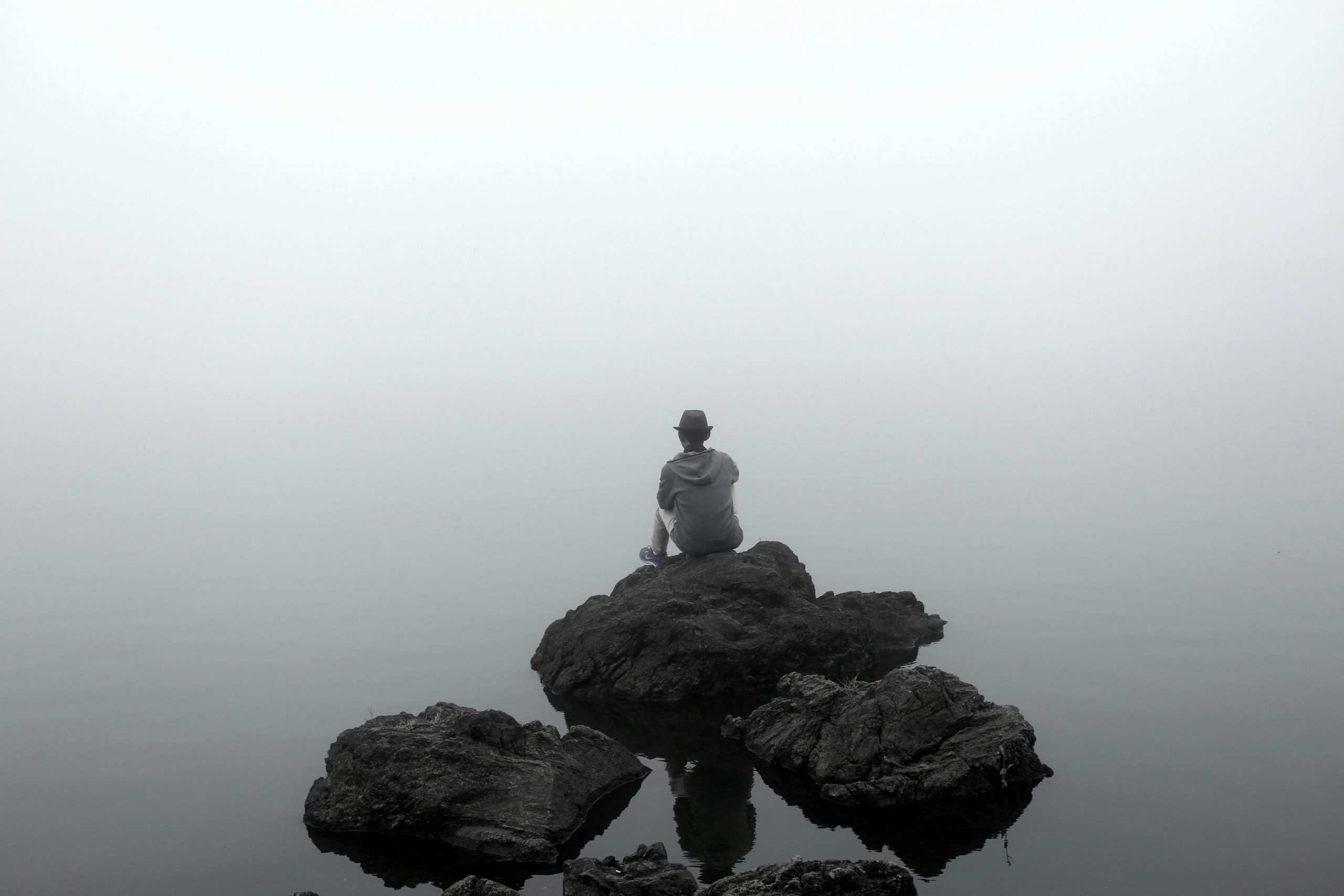
Some of the most connected moments in my own relationship have come after periods of genuine solitude. I come back with something to say. She comes back with something to share. We’re actually interested in each other rather than just accustomed to each other’s presence.
Psychological research on relationship satisfaction consistently points toward autonomy support, one partner’s genuine encouragement of the other’s independence, as a meaningful predictor of long-term relationship quality. Research published through PubMed Central on autonomy and relationship wellbeing explores how this dynamic plays out over time. The findings align with what many couples discover experientially: space, handled well, brings people closer rather than pushing them apart.
There’s also something worth noting about how solitude affects the quality of attention introverts bring to their relationships. An introvert who has had genuine restorative time is capable of a depth of presence that can feel extraordinary to their partner. Full attention, without distraction or depletion, is one of the most intimate things one person can offer another. Solitude is what makes that possible.
The introvert’s capacity for depth, for noticing what others miss, for sitting with complexity rather than rushing toward resolution, is exactly what makes them remarkable partners when they’re operating from a full tank. The relationship doesn’t suffer from their need for solitude. It’s built on it.
There’s a broader conversation happening in psychology about what makes introverts distinctive in romantic relationships, and it goes well beyond alone time. Psychology Today’s piece on the signs of a romantic introvert captures some of that texture well. And if you’re interested in the neuroscience behind why introverts process experience differently, this PubMed Central research on introversion and neural processing offers a useful foundation.
Relationships between introverts and their partners are navigated across a whole spectrum of contexts, not just the alone time question. Our complete Introvert Dating and Attraction hub covers everything from first impressions to long-term partnership, with the same honest, grounded perspective we try to bring to everything here.
About the Author
Keith Lacy is an introvert who’s learned to embrace his true self later in life. After 20 years in advertising and marketing leadership, including running agencies and managing Fortune 500 accounts, Keith now channels his experience into helping fellow introverts understand their strengths and build fulfilling careers. As an INTJ, he brings analytical depth and authentic perspective to every article, drawing from both professional expertise and personal growth.
Frequently Asked Questions
Is it normal to need alone time even when you’re in a happy relationship?
Completely normal, and particularly common among introverts. Needing solitude isn’t a sign that something is wrong with the relationship. It reflects how introverts restore their energy after sustained social interaction, even enjoyable interaction. The happiness of a relationship and the need for alone time aren’t in conflict. For many introverts, regular solitude is what makes them capable of being fully present and genuinely loving when they are with their partner.
How do I explain my need for alone time without making my partner feel rejected?
Have the conversation when you’re both calm and connected, not in the moment when you’re already depleted. Be specific about what you need and for how long, and make clear that you’re coming back. Framing matters enormously: “I need a couple of quiet hours this morning and then I want to spend the afternoon with you” lands very differently than a vague retreat with no explanation. Express genuine appreciation when your partner gives you that space. Over time, consistency does more than explanation. When your partner sees that your alone time makes you a better, more present partner, trust builds naturally.
What if my partner is extroverted and doesn’t understand why I need space?
An extroverted partner genuinely refuels through togetherness, so your need for solitude can feel counterintuitive to them. Help them understand the neurological basis: introverts process stimulation more deeply and need quiet time to restore, not because they’re unhappy, but because of how their nervous system works. Encourage your partner to maintain their own social outlets and friendships so they’re not relying entirely on you for their social energy. When they see that your alone time produces a more present, engaged version of you, the evidence tends to shift their perspective more effectively than any single conversation.
Can two introverts in a relationship have too much alone time?
Yes, and it’s a real pattern worth watching for. Two introverts can drift into comfortable parallel solitude where they’re both getting their alone time but neither is getting genuine connection. Coexisting peacefully in the same space is not the same as being emotionally present with each other. Introverted couples benefit from building intentional connection points into their shared life, specific times when they’re genuinely engaging rather than simply occupying the same room. The goal isn’t manufactured togetherness. It’s making sure that solitude doesn’t quietly replace intimacy.
How does alone time affect the quality of an introvert’s presence in a relationship?
Significantly and directly. An introvert who has had genuine restorative solitude brings a quality of attention and presence to their relationship that is difficult to replicate when they’re depleted. The depth of focus, the capacity to notice small details, the patience for real conversation, these qualities are available when the introvert has had time to restore. Without adequate alone time, an introvert may be physically present but emotionally absent, going through the motions rather than genuinely connecting. Solitude isn’t a withdrawal from the relationship. It’s the preparation that makes real intimacy possible.