
Lacey Phillips, founder of To Be Magnetic, describes anxious attachment as a nervous system in a constant state of alarm, scanning for signs of abandonment even when none exist. Her framework centers on the idea that people with an anxiously attached style have a hyperactivated attachment system, one that generates fear-driven behaviors not out of weakness or neediness, but out of deep, unresolved fear. That reframe matters enormously, especially for introverts who often layer shame on top of an already painful pattern.
If you recognize yourself in that description, you’re not broken. Your nervous system learned to respond this way. And it can learn something different.
Much of what I explore here connects to a broader set of questions about how introverts experience love, attraction, and connection. Our Introvert Dating and Attraction hub covers those patterns in depth, but anxious attachment adds a specific layer worth examining on its own terms.
What Is the Lacey Phillips Approach to Anxious Attachment?
Lacey Phillips built her To Be Magnetic methodology on a blend of neuroscience, shadow work, and attachment theory. Her take on anxious attachment is grounded in the idea that our earliest relational experiences wire us to expect either safety or threat in close relationships. When those early experiences included inconsistency, emotional unavailability, or unpredictability, the brain adapts by staying on high alert. That alertness becomes the default setting.
What’s your personality type?
Take our free 40-question assessment and get a detailed personality profile with dimension breakdowns, context analysis, and personalised insights.
Discover Your Type8-12 minutes · 40 questions · Free
What makes her framework distinctive is the emphasis on subconscious reprogramming rather than behavioral management. Most conventional advice tells anxiously attached people to simply do less, text less, need less. Phillips argues that trying to suppress the behavior without addressing the underlying belief system is like turning down the volume on a smoke alarm rather than putting out the fire.
Her approach asks people to examine the core beliefs driving the anxiety. Things like “I am too much,” “I will always be abandoned,” or “I am only lovable when I perform.” Those beliefs, she argues, are what keep people magnetized to emotionally unavailable partners and stuck in cycles that confirm their worst fears about themselves.
From an attachment science perspective, this aligns with what researchers in the field describe as the anxious-preoccupied style: high anxiety, low avoidance. People with this profile desperately want closeness and fear it will be taken away. Their behavior, the constant reassurance-seeking, the hypervigilance to a partner’s mood, the difficulty tolerating ambiguity, is a nervous system response. Not a character flaw.
Why Do Introverts Sometimes Struggle More with Anxious Attachment?
There’s a misconception worth addressing directly: introversion and anxious attachment are not the same thing, and one does not cause the other. An introvert can be securely attached, comfortably enjoying both solitude and deep intimacy. A highly extroverted person can be profoundly anxiously attached. These are independent dimensions of personality and relational patterning.
That said, there are ways introversion can interact with anxious attachment in particular ways that are worth understanding.
As an INTJ, I process everything internally before it surfaces externally. That internal processing, which I genuinely value, can sometimes delay the moment when I recognize what I’m actually feeling. I’ve watched this dynamic play out in colleagues and clients over the years too. An anxiously attached introvert may spend enormous amounts of internal energy analyzing a partner’s behavior, replaying a conversation, cataloguing micro-signals, without ever surfacing that anxiety in conversation. The result is a kind of silent suffering that can go unaddressed for a long time.
There’s also the matter of how introverts tend to process love feelings. Because many introverts hold their emotions close and reveal them slowly, an anxiously attached introvert may interpret a partner’s natural emotional restraint as withdrawal, triggering the alarm system even when nothing is actually wrong. The mismatch between internal experience and external expression can become its own source of relational turbulence.

I managed a creative director at one of my agencies who was an introvert and, looking back, showed clear signs of anxious attachment in how she related to client feedback. Every revision request felt like a personal rejection. Every silence from a client after a presentation sent her into a spiral of self-doubt. She was extraordinarily talented, but her nervous system was constantly interpreting ambiguity as threat. We eventually had a real conversation about it, and she told me she’d been told her whole career that she was “too sensitive.” That framing had made everything worse, not better.
What Are the Core Signs of Anxious Attachment in Relationships?
Lacey Phillips describes a constellation of behaviors that show up when someone’s attachment system is chronically activated. These aren’t signs of a flawed person. They are signs of a nervous system doing exactly what it was trained to do.
Hypervigilance to emotional cues. People with anxious attachment become extraordinarily attuned to shifts in a partner’s tone, body language, or responsiveness. A shorter text than usual can feel like a seismic event. This isn’t imagination. The brain is genuinely scanning for threat signals, and it’s very good at finding them, even when they aren’t there.
Reassurance-seeking that never fully satisfies. Even when a partner offers reassurance, the relief tends to be temporary. The anxious attachment system requires ongoing confirmation of safety. This is exhausting for both people in the relationship.
Difficulty tolerating space or silence. When a partner needs time alone, the anxiously attached person often interprets that need as a sign of diminishing interest. This is particularly relevant in introvert relationships, where solitude is a genuine need rather than a relational signal.
Protest behaviors. These include things like picking fights to get a reaction, becoming cold or withdrawn to test whether a partner will pursue, or escalating emotionally when feeling disconnected. These behaviors often push partners away, confirming the original fear of abandonment.
Attraction to unavailability. Phillips places significant emphasis on this pattern. People with anxious attachment often find themselves drawn to emotionally unavailable partners, not because they enjoy suffering, but because unavailability feels familiar. The nervous system recognizes the pattern from childhood and mistakes familiarity for connection.
Understanding how introverts fall in love is useful context here, because introverts often move slowly and deliberately in relationships. For an anxiously attached introvert, that slow pace can become a minefield of misinterpretation, reading caution as disinterest, or depth as distance.
How Does the Anxious-Avoidant Dynamic Play Out for Introverts?
One of the most discussed patterns in attachment theory is the anxious-avoidant pairing. An anxiously attached person and a dismissive-avoidant person often find themselves in a push-pull dynamic that can feel both intensely alive and genuinely painful.
A note on accuracy here: dismissive-avoidant people are not emotionally empty. Physiological research in this area shows that avoidants often have significant internal emotional arousal even when they appear calm or detached. The avoidance is a defense strategy, a way of deactivating the attachment system to avoid vulnerability. The feelings are present. They’re just suppressed.
For the anxiously attached person, this suppression reads as rejection. For the avoidant person, the anxious partner’s intensity reads as a threat to their autonomy. Both people are operating from fear, just expressing it in opposite directions.
This pairing can work. Many couples with this dynamic do develop more secure functioning over time, particularly with mutual awareness and professional support. The challenge is that without that awareness, each person’s coping strategy tends to activate the other’s worst fears.
Highly sensitive people often experience this dynamic with particular intensity. If you identify as an HSP, the complete HSP relationships guide offers a thorough look at how sensitivity shapes relational patterns, including how anxious attachment and high sensitivity can overlap and amplify each other.

During my agency years, I noticed this pattern play out in professional relationships too, not just romantic ones. The anxious-avoidant dynamic shows up in creative partnerships, in client relationships, in leadership teams. A team member who needed constant reassurance paired with a manager who communicated sparingly. The anxious person escalated. The avoidant manager withdrew further. Neither person was malicious. Both were operating from their nervous system’s default setting.
What Does Lacey Phillips Recommend for Healing Anxious Attachment?
Phillips’ To Be Magnetic approach centers on what she calls “deep imaginings,” a form of guided visualization designed to create new neural pathways by rehearsing emotionally safe experiences. The underlying premise is that the brain can be reprogrammed through consistent, emotionally resonant practice, not just intellectual understanding.
Her framework also emphasizes what she calls “expanders,” real people in your life who demonstrate that what you want is actually possible. Seeing someone model secure, loving relationships can begin to shift the subconscious belief that such relationships aren’t available to you.
Beyond her specific methodology, the broader therapeutic landscape offers well-validated approaches for anxious attachment. Emotionally Focused Therapy (EFT) works directly with attachment patterns in couples. Schema therapy addresses the core beliefs that drive anxious behavior. EMDR can be effective when anxious attachment is connected to early relational trauma. The evidence base for attachment change through therapy is solid, and the concept of “earned secure” attachment, developing a secure style through corrective experiences even without a secure childhood, is well-documented in the field.
What I find compelling about the Phillips framework, and what resonates with my own INTJ way of processing, is the emphasis on working at the level of belief rather than behavior. Behavioral management alone tends to feel like suppression. Addressing the underlying story, the “I am too much” or “I will be left,” gets closer to actual change.
One practical dimension that often gets overlooked: anxiously attached people frequently don’t know how they actually show love, because so much of their relational energy goes into managing fear. Getting clear on your own love language as an introvert can be a grounding exercise, a way of reconnecting with how you genuinely express affection rather than just how you manage anxiety.
Can Anxious Attachment Actually Change?
Yes. This is one of the most important things to understand, and it’s a point where popular culture often gets it wrong.
Attachment styles are not fixed personality traits. They are relational patterns that developed in response to early experiences, and they can shift. The research on adult attachment is clear that significant life events, therapeutic relationships, and conscious self-development can all move someone toward more secure functioning. Childhood attachment patterns show continuity across the lifespan, but that continuity is not deterministic. People change.
The process isn’t quick or linear. Healing anxious attachment involves tolerating discomfort that feels unbearable at first, sitting with uncertainty rather than immediately seeking reassurance, allowing space in relationships without catastrophizing, and gradually building a new internal model of what relationships can be.
For introverts, there’s actually a natural asset here. The capacity for deep reflection, for sitting with internal experience rather than immediately acting on it, is something many introverts have developed over a lifetime. That reflective capacity, when directed toward understanding attachment patterns rather than ruminating on them, can become a genuine tool for change.
I’ve seen this in people I’ve worked with and managed over the years. One account director at my agency spent years in relationships that followed the same painful script. She was thoughtful enough to recognize the pattern, but for a long time she didn’t have the framework to understand why it kept happening. Once she did, and once she worked with a therapist who understood attachment, the change was real. Not overnight. Not without setbacks. But real.

A useful framework for understanding why change feels so hard: the anxious attachment system is, at its core, a threat-detection system that has been calibrated too sensitively. It’s doing its job. The work of healing involves recalibrating that system, teaching it that safety is possible, that ambiguity isn’t always danger, that someone needing space isn’t the same as someone leaving. That recalibration takes time and repetition. It’s worth it.
For introverts in relationships with other introverts, the dynamics can be surprisingly complex. When two introverts fall in love, the shared need for space can be a strength, but it can also mean that an anxiously attached introvert receives less of the verbal reassurance they need, simply because their partner expresses affection differently.
How Does Anxious Attachment Affect Conflict in Relationships?
Conflict is where anxious attachment patterns tend to show up most visibly and most painfully. When disagreement arises, the anxiously attached nervous system often interprets conflict as a precursor to abandonment. The emotional stakes feel existential even when the actual disagreement is minor.
This produces a few predictable responses. Some anxiously attached people become highly activated during conflict, escalating emotionally in an attempt to force resolution and restore connection. Others collapse into people-pleasing, abandoning their own position to prevent the relationship from feeling threatened. Both responses tend to leave the underlying issue unresolved.
For highly sensitive people, this dynamic is even more charged. The intersection of HSP traits and relationship conflict deserves its own attention, because the combination of sensory and emotional sensitivity with an anxious attachment style creates a particularly intense experience of disagreement.
What tends to help is developing what attachment researchers call “affect regulation,” the ability to manage emotional intensity without either suppressing it or being overwhelmed by it. For anxiously attached people, this often means learning to identify the moment when the attachment alarm activates during conflict, and pausing before responding from that activated state.
Practically speaking, this might look like naming what’s happening: “I notice I’m feeling afraid right now, not just angry.” That naming creates a small but meaningful distance between the feeling and the behavior. It’s not about performing calm. It’s about creating enough space to respond rather than react.
One thing I’ve noticed in my own life: as an INTJ, my default in conflict is to retreat into analysis. That can look like avoidance from the outside, even when internally I’m processing intensely. Understanding how that behavior lands for someone with anxious attachment, as potential confirmation of their fear of abandonment, changed how I communicated during difficult conversations. Not suppressing my need to process, but being more explicit about what was happening: “I need some time to think about this, and I’ll come back to it with you.” That small adjustment made a significant difference.
What Role Does Self-Worth Play in Anxious Attachment?
Phillips places self-worth at the center of her framework, and this is where her approach diverges most clearly from behavioral attachment coaching. Her argument is that anxious attachment is fundamentally a self-worth issue. When someone genuinely believes they are enough, they don’t need a partner’s constant validation to feel secure. The anxiety arises precisely because that belief in one’s own worth is shaky or absent.
This framing resonates with what I’ve observed in myself and others. The years I spent trying to perform extroversion in leadership roles weren’t just exhausting. They were a form of low self-worth in action, a belief that who I actually was wasn’t sufficient for the role. The relief that came from accepting my introversion wasn’t just about finding better strategies. It was about believing I was allowed to be the person I actually was.
Anxious attachment, viewed through this lens, is often a relational expression of that same dynamic. “I am not enough on my own, so I need this relationship to confirm my worth.” That belief makes any threat to the relationship feel like a threat to the self. No wonder the nervous system goes into alarm mode.
Building genuine self-worth isn’t a quick process, and it isn’t about affirmations alone. It involves accumulating evidence, through action, through honoring your own values, through showing up for yourself in the ways you want a partner to show up for you. Phillips’ framework emphasizes this, and it aligns with what more conventional therapeutic approaches also recommend: behavioral experiments that build a new internal narrative over time.
There’s a useful external perspective on the emotional complexity of introvert relationships from Psychology Today’s writing on dating as an introvert, which touches on how internal emotional worlds can be misread by partners who don’t understand introversion. That misreading can compound anxious attachment patterns significantly. Similarly, the romantic introvert profile from Psychology Today offers useful context on how introverts express love in ways that aren’t always legible to anxiously attached partners scanning for reassurance.
The attachment research literature, including work available through PubMed Central’s attachment studies, supports the view that internal working models of self and relationships are malleable across the lifespan. The story you carry about your own worth is not a fixed fact. It’s a hypothesis that can be tested and revised.
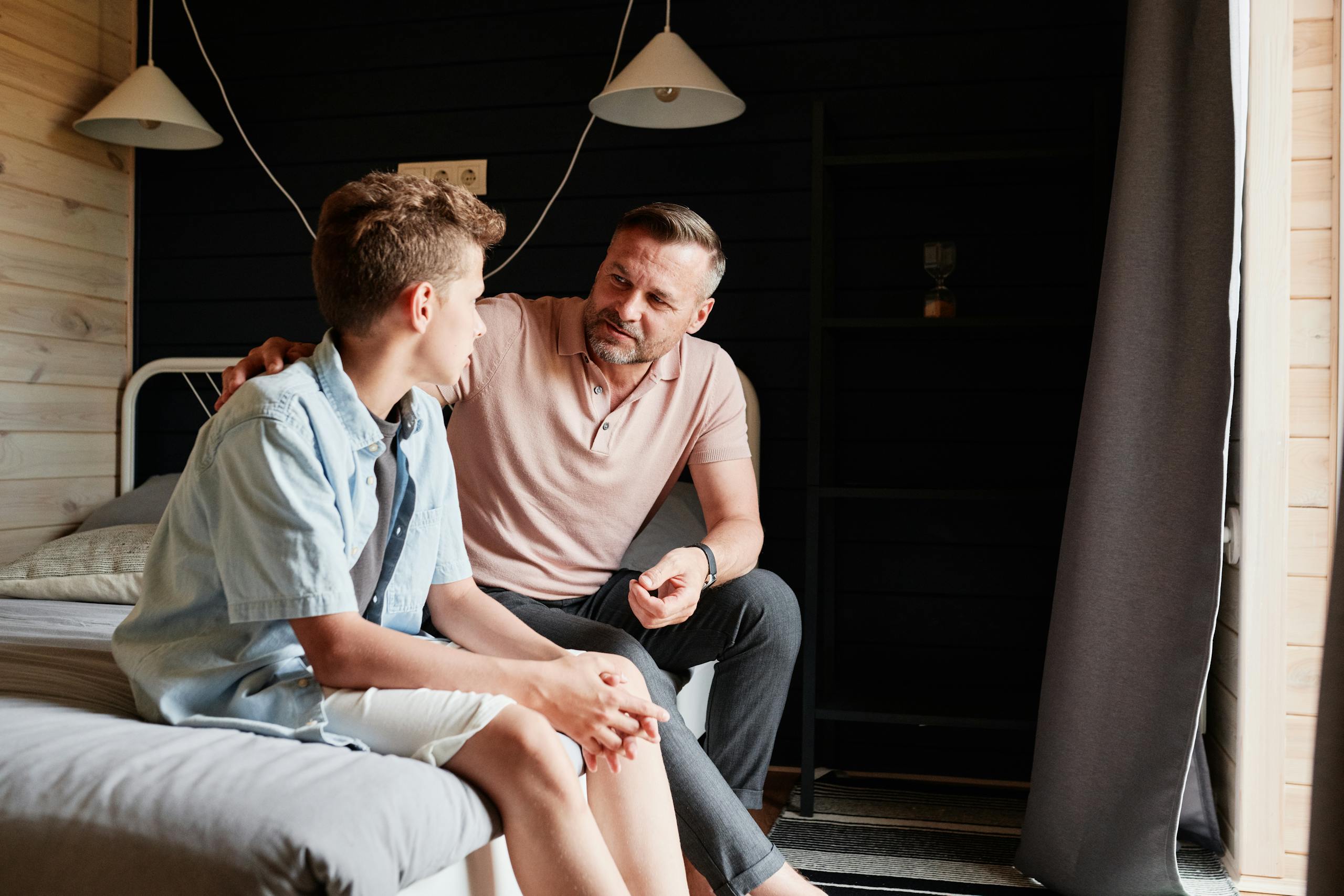
What makes the Phillips framework particularly interesting for introverts is that much of her work happens in quiet, internal space, through journaling, visualization, and reflection. That mode of working tends to suit introverts well. The inner work isn’t a detour from healing. For many introverts, it’s the most direct path.
Additional perspective on how attachment and introversion intersect in long-term partnerships is available through 16Personalities’ examination of introvert-introvert relationships, which explores how two internally focused people can inadvertently create the kind of ambiguity that activates anxious attachment. And for those wondering how online dating interacts with these patterns, Truity’s look at introverts and online dating raises some honest questions about whether digital communication helps or complicates anxious attachment dynamics.
One final note worth making explicit: attachment is one lens on relationships, and a valuable one, but it isn’t the only one. Communication skills, values alignment, life stressors, mental health, and many other factors all shape how relationships function. Anxious attachment can explain a great deal, but it doesn’t explain everything. Holding that complexity honestly tends to produce better outcomes than reducing all relational difficulty to a single framework.
More resources on introvert dating, attraction, and relational patterns are available in the complete Introvert Dating and Attraction hub, where this article sits alongside a broader exploration of how introverts experience and approach romantic connection.
About the Author
Keith Lacy is an introvert who’s learned to embrace his true self later in life. After 20 years in advertising and marketing leadership, including running agencies and managing Fortune 500 accounts, Keith now channels his experience into helping fellow introverts understand their strengths and build fulfilling careers. As an INTJ, he brings analytical depth and authentic perspective to every article, drawing from both professional expertise and personal growth.
Frequently Asked Questions
What is Lacey Phillips’ approach to anxious attachment?
Lacey Phillips, through her To Be Magnetic methodology, frames anxious attachment as a nervous system pattern rooted in subconscious beliefs about self-worth and lovability. Rather than focusing on behavioral management, her approach emphasizes reprogramming the underlying beliefs that drive anxious behavior, using tools like guided visualization, shadow work, and identifying “expanders,” real people who model the secure relationships you want. Her framework aligns with the attachment science view that anxious behavior is driven by a hyperactivated attachment system, not personal weakness.
Are introverts more likely to have anxious attachment?
No. Introversion and anxious attachment are independent of each other. An introvert can be securely attached, anxiously attached, dismissive-avoidant, or fearful-avoidant. Introversion describes how someone processes energy and information. Attachment style describes how someone relates to closeness and intimacy in relationships. That said, the two can interact in specific ways, particularly around how introverts’ natural emotional restraint can be misread by an anxiously attached partner, or how an anxiously attached introvert may process their fear silently rather than expressing it.
Can anxious attachment be healed?
Yes, attachment styles can and do change. The concept of “earned secure” attachment, developing a secure relational style through corrective experiences and therapeutic work even without a secure childhood, is well-documented. Approaches including Emotionally Focused Therapy, schema therapy, and EMDR have strong support for working with attachment patterns. The process takes time and isn’t linear, but the idea that you are permanently fixed in an anxious attachment style is not accurate. Consistent self-development, meaningful relationships, and professional support can all contribute to meaningful change.
What are the main signs of anxious attachment in a relationship?
Common signs include hypervigilance to a partner’s mood or responsiveness, a persistent need for reassurance that doesn’t stay satisfied for long, difficulty tolerating space or silence without interpreting it as rejection, protest behaviors like picking fights or withdrawing to test a partner’s response, and a pattern of being drawn to emotionally unavailable partners. These behaviors are driven by a nervous system that has been calibrated to expect abandonment, not by personal weakness or deliberate manipulation.
How does anxious attachment affect conflict for introverts?
For an anxiously attached introvert, conflict often feels existentially threatening rather than simply uncomfortable. The attachment system interprets disagreement as a potential precursor to abandonment, which can lead to either emotional escalation or conflict-avoidant people-pleasing. For introverts who also tend to process internally, conflict can produce a double bind: the need to retreat and think clashes with the anxious attachment need to resolve the threat immediately. Building affect regulation skills, learning to name what’s happening emotionally before responding, tends to be more effective than either suppressing the anxiety or acting from it.