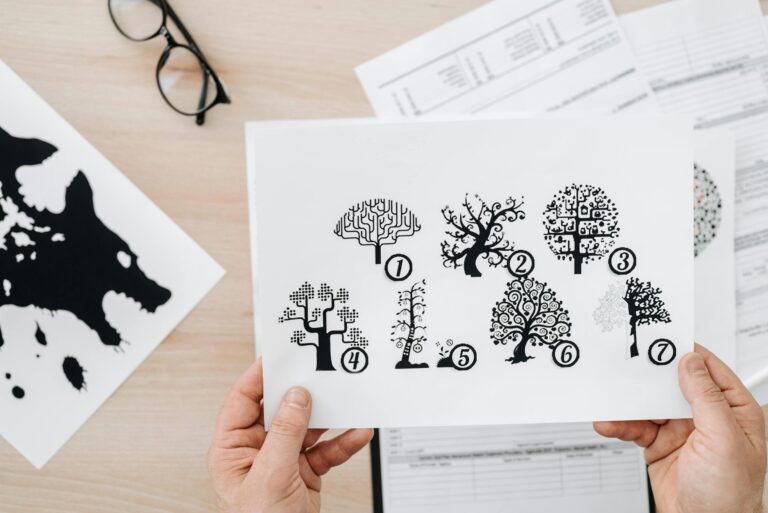

Love shyness in women is real, and it runs deeper than simple nervousness around dating. At its core, it describes a persistent, often painful pattern of emotional withdrawal from romantic connection, even when the desire for closeness is genuinely there. The good news, if you’re sitting with this right now, is that love shyness isn’t a permanent condition. It’s a learned response, and responses can change.
Many women who identify with love shyness are not broken or damaged. They’re often deeply sensitive, highly self-aware, and quietly longing for connection they haven’t yet felt safe enough to reach for. What they need isn’t a “cure” in the clinical sense. What they need is a path back to themselves.
If you’ve been wondering whether your quietness around romance is something to fix or something to understand, this article is for you. And if you’re an introvert trying to make sense of where shyness ends and introversion begins, that’s worth examining too. Our Introvert Dating and Attraction hub covers the full landscape of how introverts experience romantic connection, and this particular angle adds a layer that doesn’t get enough honest attention.

What Is Love Shyness, and Why Does It Hit Women Differently?
The term “love shyness” was originally developed by sociologist Brian Gilmartin in his research on men who experienced chronic, debilitating shyness specifically in romantic contexts. His early work focused almost entirely on men, which left women in a strange position. They were experiencing something similar, sometimes identical, but the framework wasn’t built for them.
What’s your personality type?
Take our free 40-question assessment and get a detailed personality profile with dimension breakdowns, context analysis, and personalised insights.
Discover Your Type8-12 minutes · 40 questions · Free
For women, love shyness tends to show up differently than it does for men, partly because of social conditioning. Women are often expected to be emotionally open, warm, and relationally available. When a woman is love shy, she may appear composed or even aloof on the surface, while internally she’s managing a constant low-grade anxiety about intimacy. She might want connection desperately, but the moment it gets close, something pulls her back.
I’ve watched this dynamic play out in professional settings, too. At one of my agencies, I had a senior account manager, a brilliant woman who could command a room during a client presentation, but became visibly uncomfortable the moment conversation turned personal. She had no trouble with professional vulnerability, sharing a campaign failure in a debrief, for example. But the moment someone tried to connect with her on a human level, she’d redirect the conversation with such smooth efficiency that most people never noticed the pattern. I noticed it because I recognized it. I’d done the same thing for years, just in different contexts.
Love shyness isn’t shyness about everything. It’s shyness specifically around romantic intimacy, and that specificity matters enormously when you’re trying to address it.
Is Love Shyness the Same as Introversion?
No, and conflating the two creates real problems for women trying to understand themselves. Introversion is a neurological orientation toward internal processing. It’s about where you get your energy, how you prefer to engage with the world, and how deeply you process experience. Shyness, including love shyness, is rooted in anxiety and fear of negative evaluation.
An introvert can be completely comfortable in romantic relationships. She may prefer fewer, deeper connections. She may need more alone time than her partner. She may express love in quieter, more deliberate ways. But she doesn’t feel paralyzed by the prospect of closeness itself.
A love-shy woman, introverted or not, feels something closer to dread when intimacy approaches. She may want it, even crave it, while simultaneously doing everything in her power to avoid it. That tension is exhausting, and it’s worth naming clearly.
As Healthline points out in their breakdown of introvert myths, introversion is frequently misread as social anxiety or shyness, when in reality the two are distinct and require different approaches. A woman who is introverted and love shy needs to understand both threads separately before she can address either effectively.
Understanding how introverts fall in love and the relationship patterns that emerge can help clarify whether what you’re experiencing is rooted in your natural wiring or in something more anxiety-based that’s worth working through.

Where Does Love Shyness Come From in Women?
Love shyness rarely appears out of nowhere. It typically has roots, and those roots are worth examining not because you need to excavate every painful memory, but because understanding the origin of a pattern gives you power over it.
Some of the most common contributors include early attachment experiences, particularly with caregivers who were emotionally unavailable, inconsistent, or critical. When a child learns that seeking closeness leads to rejection or disappointment, she adapts. She stops seeking. That adaptation can follow her into adulthood in ways that feel automatic and inexplicable.
Past romantic rejection also plays a significant role. A woman who experienced a devastating breakup, public humiliation, or emotional betrayal may develop a protective distance from future intimacy. It’s not irrational. It’s her nervous system doing its job. The problem is when that protection becomes a permanent wall rather than a temporary shield.
Highly sensitive women face an additional layer here. Research published in PubMed Central on sensory processing sensitivity indicates that people with high sensitivity process emotional experiences more intensely, which can make the stakes of romantic vulnerability feel significantly higher. If you feel everything more deeply, the risk of heartbreak isn’t just painful, it’s potentially overwhelming. Pulling back can feel like self-preservation.
For women handling the intersection of high sensitivity and love shyness, the HSP relationships dating guide offers a grounded, practical perspective on how sensitive people can approach romantic connection without losing themselves in the process.
Social messaging matters too. Women receive contradictory signals about romantic pursuit. They’re told to be open and warm, but not too eager. Confident, but not intimidating. Available, but not desperate. handling those contradictions while also managing internal anxiety about intimacy is genuinely hard work, and it’s no surprise that some women respond by withdrawing entirely.
How Does Love Shyness Actually Show Up in Daily Life?
Love shyness isn’t always visible from the outside, which is part of what makes it so isolating. A love-shy woman might appear confident, accomplished, and socially capable. She might have a full life, good friendships, a career she’s proud of. But in the specific territory of romantic connection, something freezes.
Common patterns include avoiding situations where romantic interest might be expressed or reciprocated. Changing the subject when conversations turn to relationships. Keeping potential partners at arm’s length by staying perpetually busy. Sabotaging connections that are going well, sometimes without fully understanding why. Finding reasons why each person who shows interest isn’t quite right.
There’s also a quieter internal version: the woman who longs for connection but tells herself she prefers being alone. Who watches others pair off and feels a complicated mix of relief and grief. Who has convinced herself that she simply isn’t built for romance, when the truth is that she’s afraid of it.
I’ve been honest on this site about my own avoidance patterns in professional contexts, the way I used to fill my calendar to avoid the discomfort of genuine human connection at work. Love shyness operates on a similar mechanism. Staying busy, staying guarded, staying just slightly out of reach. It feels like control. What it actually is, is distance.
Part of what makes this so complex is that love-shy women often have a rich emotional inner world. They feel things deeply. They think about relationships with great care and nuance. They just haven’t found a way to bring that inner life out into the open where someone else can meet it. Understanding how introverts experience and manage love feelings can shed light on why that gap between inner richness and outer expression feels so wide.

Can Love Shyness Actually Be Overcome, or Is It Just Part of Who You Are?
This is the question most women with love shyness are really asking, even when they phrase it differently. And the honest answer is: yes, it can change, but not through willpower alone, and not through forcing yourself to behave differently before you’ve addressed what’s underneath.
The approaches that tend to work share a few things in common. They start with self-awareness rather than behavioral change. They move at a pace that feels manageable rather than terrifying. And they treat love shyness as a pattern to be understood rather than a flaw to be eliminated.
Therapy, particularly approaches that work with attachment patterns and emotional regulation, has strong practical support among clinicians who work with relational anxiety. Cognitive behavioral approaches can help identify and challenge the automatic thoughts that reinforce avoidance. Somatic work can help women who carry their anxiety in their bodies rather than their minds. There’s no single path, but there are many effective ones.
PubMed Central research on social anxiety and relationship functioning points toward the value of gradual exposure combined with cognitive reframing, not as a rigid protocol, but as a general orientation. Small steps toward vulnerability, taken consistently, tend to build a different kind of evidence base in your nervous system. Evidence that closeness doesn’t always lead to pain.
What doesn’t work is the approach that treats love shyness as purely a social skills problem. Telling a love-shy woman to “just put herself out there” or “stop overthinking” is like telling someone with a fear of heights to simply look down. The anxiety isn’t located in a lack of knowledge about what to do. It’s located in the felt sense that doing it is dangerous.
Online dating, interestingly, has offered some love-shy women a lower-stakes entry point. The written format, the asynchronous pace, the ability to think before responding: these features align well with how many introverts and love-shy women prefer to communicate. Truity’s exploration of introverts and online dating examines both the advantages and the pitfalls of this approach, and it’s worth reading if you’re considering it.
What Role Does Vulnerability Play in Working Through Love Shyness?
Vulnerability is the word that love-shy women often react to most strongly, because it points directly at the thing that feels most threatening. Being seen. Being known. Letting someone close enough to potentially hurt you.
What I’ve come to understand, both from my own experience as an INTJ who spent years behind professional armor and from watching others work through similar patterns, is that vulnerability isn’t a single dramatic act. It’s a series of small, deliberate choices to be slightly more honest, slightly more present, slightly more open than you were yesterday.
Early in my agency career, I confused emotional distance with professionalism. I thought keeping people at arm’s length made me a better leader. What it actually did was limit the depth of every relationship I had, professional and personal. The shift came not from some sudden transformation, but from gradually learning that being known was survivable. That people didn’t necessarily use what you showed them against you. That connection, even imperfect connection, was worth the exposure.
For love-shy women, the same principle applies. Vulnerability doesn’t require a grand gesture. It might start with staying in a conversation about feelings a little longer than feels comfortable. Responding to a text without editing it seventeen times. Saying “I like spending time with you” out loud instead of just thinking it.
It also helps to understand how you naturally express affection, because love shyness doesn’t mean you don’t have love to give. It means you haven’t found a way to let it out that feels safe. Exploring how introverts show affection and what their love languages tend to look like can offer a useful framework for identifying your own natural expressions of care, even if verbal directness isn’t among them.
How Do Relationships Actually Work When Love Shyness Is Part of the Picture?
Love shyness doesn’t disappear the moment you enter a relationship. For many women, it intensifies. The closer someone gets, the more the protective instincts kick in. This can create confusing dynamics for both partners, particularly when the love-shy woman genuinely wants the relationship to work but keeps creating distance without fully understanding why.
Partners of love-shy women often describe a push-pull pattern. Moments of real warmth and connection followed by sudden withdrawal. Progress that seems to reverse overnight. A sense of never quite being let all the way in. This isn’t manipulation, it’s anxiety, but the effect on the relationship is real and worth addressing directly.
Communication is essential here, but it has to be communication that feels manageable rather than overwhelming. Many love-shy women do better with written expression, with time to process before responding, and with partners who can hold space without pushing. Psychology Today’s piece on romantic introverts touches on some of these communication dynamics in ways that resonate strongly with love-shy women, even those who identify as extroverts in other areas of life.
Two love-shy introverts in a relationship together face a particular dynamic worth noting. Both may be waiting for the other to initiate vulnerability. Both may interpret the other’s guardedness as disinterest. When two introverts fall in love, the relationship patterns that emerge can be beautiful and deeply compatible, but they require at least one person to take the first step toward openness, which is genuinely hard when both people are managing love shyness.
Conflict is another area where love shyness tends to surface in relationships. Love-shy women often avoid conflict not because they don’t have feelings about it, but because confrontation feels like a threat to the relationship itself. They may shut down, go silent, or agree to things they don’t actually agree with just to keep the peace. Understanding how highly sensitive people can handle conflict peacefully offers strategies that translate well to love-shy dynamics, particularly the emphasis on creating emotional safety before attempting resolution.
What Practical Steps Actually Help Women Move Through Love Shyness?
Practical steps matter, but they work best when they’re grounded in self-understanding rather than imposed from the outside. consider this tends to actually help, drawn from both the clinical literature and lived experience.
Start by getting honest with yourself about what specifically triggers your withdrawal. Is it physical closeness? Emotional vulnerability? Commitment? Conflict? The more precisely you can identify the trigger, the more targeted your response can be. Vague anxiety is harder to address than specific fear.
Build your tolerance for discomfort in small increments. This isn’t about forcing yourself into situations that feel genuinely unsafe. It’s about distinguishing between danger and discomfort, and gradually expanding your capacity to tolerate the latter. A conversation that feels slightly too personal. Accepting an invitation when your instinct is to decline. Staying present in a moment of closeness instead of mentally exiting.
Seek connection in lower-stakes environments first. Friendships, professional relationships, community groups: these can all serve as practice grounds for the kind of emotional honesty and presence that romantic relationships eventually require. Many women find that their love shyness eases considerably once they’ve built a solid foundation of trusted non-romantic relationships.
Psychology Today’s guidance on dating introverts offers perspective that applies broadly here, particularly the emphasis on respecting your own pace while still remaining open to connection. Rushing yourself rarely helps. Neither does using your own pace as a permanent excuse to avoid movement.
Work with a therapist if the patterns feel deeply entrenched. This isn’t a sign of weakness. It’s a recognition that some patterns have roots that benefit from professional support to address. Attachment-based therapy, in particular, has strong practical backing for relational anxiety of this kind.
Finally, be patient with yourself in a way that’s honest rather than permissive. There’s a difference between compassionate patience (“this takes time, and I’m making progress”) and avoidant patience (“I’ll work on this eventually”). Love shyness tends to persist when it’s never directly challenged. It eases when it’s met with consistent, gentle pressure toward openness.
The Loyola University dissertation on shyness and social functioning offers a useful academic lens on how shyness operates as a social construct and how individuals have successfully moved through it, worth reading if you want a deeper theoretical grounding for what you’re experiencing.
And if you’re wondering whether the dynamics of introvert-introvert relationships might be part of what you’re working through, that’s a question worth sitting with. Sometimes love shyness isn’t just about fear of intimacy in the abstract. It’s about the specific relational patterns that emerge when two deeply internal people try to build something together.

What Does from here Actually Look Like?
Overcoming love shyness isn’t a linear process, and it doesn’t end with some final arrival at fearlessness. What it looks like, in practice, is a gradual shift in your relationship with your own discomfort. You still feel the pull to withdraw. You just don’t always follow it.
I think about the version of myself from twenty years ago, the one who kept every meeting on-topic and every relationship carefully bounded. That version of me wasn’t broken. He was protecting himself with the tools he had. What changed over time wasn’t that I stopped feeling the pull toward distance. What changed was that I built enough evidence that closeness was survivable, even valuable, to override it more often.
For women working through love shyness, that evidence-building is the work. Every small act of vulnerability that doesn’t end in disaster adds to a different internal story. One that says: I can be known, and still be okay. I can want connection, and still be safe. I can let someone in, and still be myself.
That story, told consistently over time, is what actually changes the pattern. Not a cure in the clinical sense. A different relationship with yourself, and eventually, with someone else.
If you want to keep exploring how introverts experience romantic connection across its many dimensions, the full Introvert Dating and Attraction hub is a good place to spend some time.
About the Author
Keith Lacy is an introvert who’s learned to embrace his true self later in life. After 20 years in advertising and marketing leadership, including running agencies and managing Fortune 500 accounts, Keith now channels his experience into helping fellow introverts understand their strengths and build fulfilling careers. As an INTJ, he brings analytical depth and authentic perspective to every article, drawing from both professional expertise and personal growth.
Frequently Asked Questions
Is love shyness the same as being an introvert?
No. Introversion is a personality orientation about how you process energy and engage with the world. Love shyness is rooted in anxiety, specifically around romantic intimacy. An introvert can be fully comfortable in close relationships while still needing more alone time. A love-shy person, introverted or not, experiences something closer to dread or paralysis when romantic closeness approaches. The two can coexist, but they’re distinct and require different approaches to address.
What causes love shyness in women?
Love shyness in women typically develops from a combination of early attachment experiences, past romantic rejection or betrayal, high sensitivity to emotional pain, and social conditioning that sends contradictory messages about how women should engage romantically. It’s rarely caused by a single event. More often, it’s a pattern that builds gradually as a protective response to repeated experiences of emotional risk that didn’t feel safe.
Can love shyness be overcome without therapy?
For some women, yes. Self-awareness, gradual exposure to vulnerability in lower-stakes contexts, and consistent small steps toward openness can shift the pattern over time. That said, when love shyness is deeply entrenched or connected to significant past trauma, working with a therapist, particularly one familiar with attachment-based approaches, tends to produce more lasting change. There’s no single right path, but the most effective approaches share a common thread: they address what’s underneath the behavior, not just the behavior itself.
How does love shyness affect relationships once you’re in one?
Love shyness doesn’t automatically resolve when a relationship begins. Many love-shy women find that intimacy intensifies their protective instincts, creating push-pull dynamics where warmth and connection alternate with sudden withdrawal. Partners may experience this as confusing or hurtful. Open communication about the pattern, at whatever pace feels manageable, is essential. Love-shy women often do better with partners who can hold space without pushing, and with communication formats that allow for reflection before response.
What’s the difference between love shyness and avoidant attachment?
They overlap significantly, but they’re not identical. Avoidant attachment is a relational pattern rooted in early caregiving experiences, where a person learns to suppress emotional needs because closeness wasn’t reliably available or safe. Love shyness is a broader concept that includes avoidant patterns but also encompasses social anxiety specifically around romance, fear of rejection, and deep discomfort with romantic vulnerability. Many love-shy women do have avoidant attachment tendencies, and understanding both frameworks can offer a fuller picture of what’s happening and what might help.