

Attachment styles shape how we connect, pull away, and interpret love, and the Mel Robbins Podcast has brought this psychology into mainstream conversation in a way that genuinely helps people recognize their own patterns. At its core, attachment theory describes four orientations: secure, anxious-preoccupied, dismissive-avoidant, and fearful-avoidant, each rooted in early relational experiences and each influencing how we behave in adult relationships. For introverts especially, understanding these patterns can be the difference between relationships that drain you and ones that genuinely sustain you.

My own relationship history made a lot more sense once I understood attachment theory. As an INTJ who spent two decades in high-pressure advertising environments, I was wired to analyze systems and solve problems. But in my personal life, I kept running into the same emotional walls. Not because I didn’t care, but because I didn’t understand the invisible architecture underneath how I connected with people. Attachment theory gave me a framework that finally made the patterns legible.
If you’re exploring how your introversion intersects with your relationship patterns, the Introvert Dating and Attraction hub covers the full landscape of how introverts experience love, attraction, and partnership, and attachment styles are one of the most important pieces of that picture.
Why Did the Mel Robbins Podcast Resonate So Deeply With This Topic?
Mel Robbins has a gift for taking dense psychological concepts and making them feel personal and immediate. Her podcast episodes on attachment styles struck a chord with millions of listeners because she framed the content not as clinical diagnosis but as self-recognition. She wasn’t saying “here’s your label.” She was saying “here’s why you do what you do, and consider this you can do about it.”
What’s your personality type?
Take our free 40-question assessment and get a detailed personality profile with dimension breakdowns, context analysis, and personalised insights.
Discover Your Type8-12 minutes · 40 questions · Free
That framing matters. Attachment theory can feel threatening when it’s presented as a verdict on your character. Mel’s approach, drawing on conversations with therapists and relationship researchers, positioned it as a map rather than a sentence. You’re not broken. You developed a strategy for surviving relationships that once made sense, and now you’re learning whether that strategy still serves you.
What made her coverage particularly valuable was the emphasis on change. One of the most damaging misconceptions about attachment theory is the belief that your style is fixed. It isn’t. Attachment orientations can shift through therapy, through conscious relationship work, and through what researchers call “corrective relational experiences,” moments where someone responds to you in a way that rewires your expectations. The concept of “earned secure” attachment is well-documented: people who began with anxious or avoidant patterns and moved toward security through their own growth and the right relationships. Mel’s podcast made this point clearly, and it’s a point worth repeating.
What Are the Four Attachment Styles, Really?
Before going further, it’s worth grounding this in the actual framework, because popular media sometimes blurs the distinctions in ways that create confusion.
Secure attachment is characterized by low anxiety and low avoidance. Securely attached people are generally comfortable with closeness and also comfortable with independence. They don’t catastrophize when a partner needs space, and they don’t panic when intimacy deepens. Crucially, secure attachment doesn’t mean conflict-free relationships. Securely attached people still argue, still misunderstand each other, still face hard seasons. What they tend to have is a better toolkit for working through difficulty without the relationship itself feeling threatened.
Anxious-preoccupied attachment involves high anxiety and low avoidance. People with this orientation deeply want closeness but live with a persistent fear that it won’t last. Their attachment system is hyperactivated, meaning their nervous system reads ambiguity in a relationship as danger and responds accordingly. The behaviors that look like “neediness” from the outside are, underneath, a genuine fear of abandonment. This is not a character flaw. It’s a nervous system response shaped by experiences where connection felt unreliable.

Dismissive-avoidant attachment involves low anxiety and high avoidance. People with this pattern have learned to suppress emotional needs and maintain a strong sense of self-sufficiency. Here’s something the Mel Robbins Podcast covered well: dismissive-avoidants do have feelings. Physiological evidence suggests they experience internal arousal in emotionally charged situations even when they appear calm and detached. The suppression is a defense strategy, not an absence of emotion. Understanding this changed how I interpreted certain relationships in my own life.
Fearful-avoidant attachment (sometimes called disorganized) involves both high anxiety and high avoidance. People with this orientation want closeness and fear it simultaneously. They may experience relationships as a push-pull cycle, moving toward intimacy and then retreating when it gets too close. This is the most complex of the four patterns and often has roots in experiences where caregivers were both a source of comfort and a source of fear.
One important clarification: fearful-avoidant attachment is not the same as borderline personality disorder. There is some overlap and correlation, but they are different constructs. Not everyone with a fearful-avoidant pattern has BPD, and the reverse is equally true. Conflating them does a disservice to people trying to understand themselves.
How Does Introversion Interact With Attachment Style?
This is where I want to slow down, because the conflation of introversion and avoidant attachment is one of the most common misreadings I see in popular psychology content. They are independent dimensions.
An introvert may be securely attached, entirely comfortable with deep intimacy and also comfortable with solitude. Needing alone time to recharge is an energy management preference, not an emotional defense mechanism. Avoidant attachment, by contrast, is about using emotional distance to protect against vulnerability. The surface behaviors can look similar, but the internal experience and the underlying motivation are entirely different.
I’ve lived this distinction personally. As an INTJ, I genuinely need quiet time. I need space to process. After a long week running an agency, managing client relationships and creative teams and new business pitches, I needed to come home and decompress in silence. That wasn’t avoidance. That was energy recovery. The difference showed up in what I did once I’d recharged: I moved toward connection, not away from it.
Avoidant attachment looks different. It’s the pattern where closeness itself triggers discomfort, where vulnerability feels threatening regardless of energy levels, where emotional intimacy prompts withdrawal even when you’re rested and resourced. Introversion and avoidance can coexist in the same person, but one doesn’t cause the other.
Understanding this distinction matters enormously for introverts in relationships. When a partner misreads your need for solitude as emotional withdrawal, it creates a cycle of misunderstanding that can erode trust over time. Knowing your actual attachment style, separate from your introversion, gives you language to explain what’s actually happening. You can say, with clarity: “I need two hours to decompress, and then I genuinely want to connect with you. This isn’t distance. It’s how I refuel.”
The way introverts fall in love often reflects this same layered complexity. Understanding how attachment and introversion interact is central to what I explore in When Introverts Fall in Love: Relationship Patterns, which looks at how the introvert experience of love differs from the cultural scripts most of us grew up with.
What Does Anxious Attachment Actually Feel Like From the Inside?
One of the most valuable things the Mel Robbins Podcast did was give voice to the internal experience of anxious attachment, not just the external behavior. Because from the outside, anxious attachment can look demanding or irrational. From the inside, it feels like a constant low-grade alarm that you can’t turn off.
A partner takes longer than usual to respond to a text. To a securely attached person, this barely registers. To someone with an anxious attachment pattern, the nervous system immediately begins generating explanations: they’re pulling away, something is wrong, the relationship is in danger. The behavior that follows, the extra message, the need for reassurance, is an attempt to quiet that alarm. It’s not manipulation. It’s a nervous system trying to regulate itself with the tools it learned.
I managed a creative director at one of my agencies who I later came to understand had a strongly anxious attachment style. She was extraordinarily talented, and she was exhausting to work with in a particular way. Not because she was difficult, but because she needed constant reassurance about her standing on the team, about whether her work was valued, about whether she was secure in her role. At the time, I interpreted this as insecurity about her skills. Looking back through the lens of attachment theory, I understand it differently. Her attachment system was running in the background of every professional interaction, scanning for signs of rejection.
In romantic relationships, this pattern creates specific challenges. The anxious partner’s need for closeness can trigger the avoidant partner’s need for space, which increases the anxious partner’s alarm, which increases their pursuit, which increases the avoidant partner’s retreat. This is the anxious-avoidant cycle that Mel Robbins discussed at length, and it’s one of the most common and painful dynamics in relationships.
Importantly, this dynamic doesn’t mean the relationship is doomed. With mutual awareness, honest communication, and often professional support, couples with this dynamic can develop what therapists call “earned security.” Many couples with anxious-avoidant patterns do build stable, loving relationships over time. What it requires is both partners understanding their own patterns well enough to stop reacting automatically and start responding consciously.
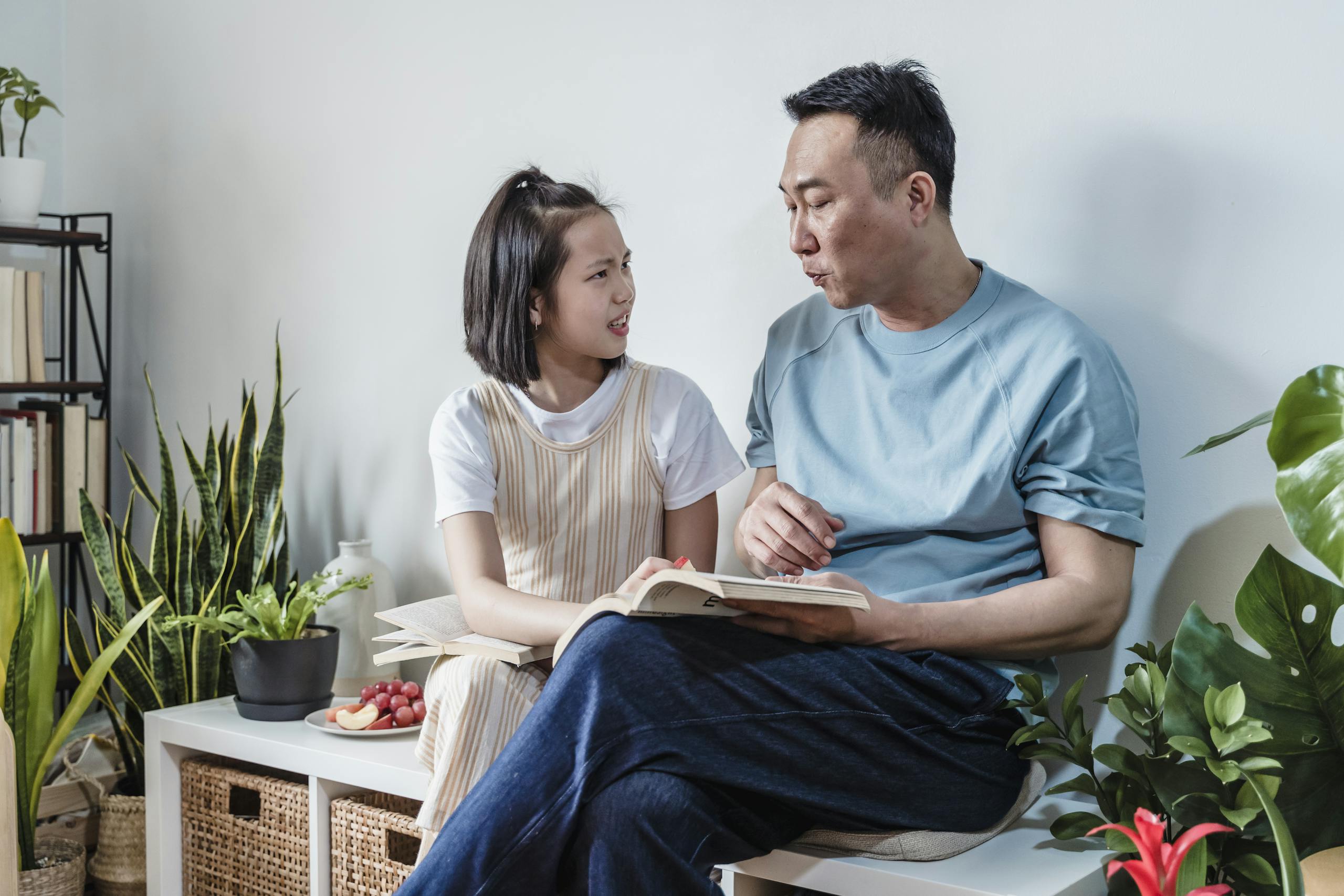
For introverts working through these dynamics, Introvert Love Feelings: Understanding and Navigation offers a grounded look at how introverts process romantic emotion and why the path to expressing those feelings is often more complex than it appears from the outside.
What Does Dismissive-Avoidant Attachment Look Like in Practice?
Dismissive-avoidant attachment is the pattern most commonly misread in popular culture. The person with this orientation often appears confident, self-sufficient, and unbothered. They may genuinely believe they don’t need close relationships. They may even pride themselves on their independence. And yet, underneath that self-presentation, there is often a suppressed emotional life that surfaces in unexpected moments.
The suppression is the key mechanism. Dismissive-avoidants learned, usually early in life, that expressing emotional needs led to disappointment or rejection. So they developed a strategy: minimize the needs, maximize self-reliance, keep emotional exposure low. This strategy is genuinely adaptive in certain environments. In a family system where emotional vulnerability wasn’t safe, it was the right move. In adult intimate relationships, it creates distance that can feel inexplicable to partners who want closeness.
One thing worth understanding: the dismissive-avoidant person is not cold or unfeeling. Their internal emotional experience is real. What’s different is the degree to which that experience is accessible to them and expressible to others. The deactivating strategies, changing the subject when things get emotional, focusing on practical matters during conflict, feeling inexplicably irritated when a partner wants to talk about feelings, are all ways the system manages emotional arousal by redirecting it.
For introverts who already process emotion internally and privately, the dismissive-avoidant pattern can be particularly easy to miss in yourself. The overlap in surface behavior, quiet, self-contained, not quick to share feelings, can make it hard to see where introversion ends and avoidance begins. The honest question to ask yourself is this: when someone I love gets emotionally close, do I feel warmth and connection, or do I feel a pull to create distance? One is introversion. The other is something worth exploring.
Introverts also express love differently than the cultural default, which can compound these misreadings. Introverts’ Love Language: How They Show Affection explores why introvert expressions of care often go unrecognized, and how understanding your own love language can bridge the gap between what you feel and what your partner actually receives.
Can Two Introverts With Different Attachment Styles Build a Healthy Relationship?
Absolutely, though the specific combination matters. Two securely attached introverts have a natural compatibility: they both appreciate depth, they both need space, and they both have the relational tools to work through conflict without catastrophizing. The challenge in this pairing is often external, the world misreading their quietness as coldness, or the relationship lacking the kind of social energy that keeps some couples feeling engaged.
Two anxiously attached introverts create a different dynamic. Both partners have hyperactivated attachment systems, and in moments of stress, both may be reaching for reassurance simultaneously, with neither feeling resourced enough to provide it. This can create cycles of mutual anxiety that escalate rather than resolve. It’s workable, but it requires both partners to develop individual regulation skills, not just co-regulation.
Two avoidantly attached introverts may build a relationship that looks stable from the outside but feels emotionally thin from the inside. Both partners are comfortable with distance, so conflict is rare, but so is genuine intimacy. The relationship can function well on a practical level while both people quietly hunger for a closeness neither quite knows how to initiate.
The most nuanced territory is when two introverts have different attachment styles. An anxious introvert paired with an avoidant introvert faces all the challenges of the anxious-avoidant dynamic, plus the additional complexity of both people needing significant alone time. The anxious partner may interpret the avoidant partner’s solitude as withdrawal, triggering pursuit, which the avoidant partner reads as intrusion, triggering further retreat. Without conscious awareness, this cycle can feel relentless.
There’s a rich exploration of these dynamics in When Two Introverts Fall in Love: Relationship Patterns, which examines both the natural compatibility and the specific friction points that arise when two inward-facing people build a life together.

What About Highly Sensitive People and Attachment Styles?
Many introverts are also highly sensitive people, and the intersection of high sensitivity with attachment patterns creates its own particular texture. HSPs process sensory and emotional information more deeply than average, which means relational dynamics land with more intensity. A dismissive response from a partner doesn’t just sting; it reverberates. A moment of genuine connection doesn’t just feel good; it feels profoundly nourishing.
For HSPs with anxious attachment, the combination can be particularly challenging. The depth of emotional processing amplifies the attachment system’s alarm signals. A slight shift in a partner’s tone becomes a significant data point that gets analyzed and re-analyzed. The nervous system, already finely tuned, runs hot in relational uncertainty.
For HSPs with avoidant attachment, the dynamic is more paradoxical. They feel everything deeply, and yet they’ve learned to suppress and deactivate those feelings as a protective strategy. This creates an internal split: a rich emotional life running beneath a surface that presents as calm and self-contained. The cost of that suppression is significant over time.
Understanding how high sensitivity shapes relationship experience is something I’ve found genuinely useful, both for myself and in understanding people I’ve worked with closely. The HSP Relationships: Complete Dating Guide addresses this intersection directly, covering how HSPs can build relationships that honor their sensitivity rather than requiring them to minimize it.
Conflict is where the combination of high sensitivity and insecure attachment becomes most visible. HSPs feel the emotional charge of disagreements intensely, and depending on their attachment pattern, they’ll either move toward that charge (anxious) or away from it (avoidant). Neither response, on its own, resolves the underlying tension. HSP Conflict: Handling Disagreements Peacefully offers practical approaches for HSPs who want to engage with conflict in ways that don’t leave them either overwhelmed or emotionally shut down.
How Do You Actually Start Shifting Your Attachment Style?
This is the question that matters most, and it’s where the Mel Robbins Podcast earns its keep. Awareness without a path forward is just a more articulate form of stuck. So what actually moves the needle?
Therapy is the most direct route, and certain modalities have particularly strong track records with attachment work. Emotionally Focused Therapy (EFT) was developed specifically to address attachment patterns in couples. Schema therapy works on the deeper belief structures that underlie attachment behavior. EMDR can process the early experiences that shaped the attachment system in the first place. These aren’t quick fixes, but they are genuine ones.
Outside of formal therapy, corrective relational experiences matter enormously. This means relationships, romantic or otherwise, where someone consistently responds to you in ways that contradict your attachment expectations. If you’re anxiously attached and your partner reliably shows up rather than withdrawing, your nervous system gradually updates its predictions. If you’re avoidantly attached and a partner creates enough safety that vulnerability doesn’t feel dangerous, the deactivating strategies slowly become less necessary.
Self-study is a legitimate starting point, though it has limits. Online quizzes are rough indicators at best. Formal assessment uses tools like the Adult Attachment Interview or the Experiences in Close Relationships scale, and even self-report has built-in limitations: avoidants in particular may not recognize their own patterns because the suppression operates below conscious awareness. That said, reading widely, listening to episodes like the ones Mel Robbins has produced, and developing a vocabulary for your own patterns is genuinely useful groundwork.
The work I did in my own life looked like this: I started noticing the moments when I created distance in relationships and asking myself honestly whether I was depleted and needed to recharge, or whether I was afraid of something and pulling back to protect myself. That distinction, which took me years to make clearly, changed how I showed up in my closest relationships. Not perfectly. Not all at once. But meaningfully.
One important caution: attachment is one lens, not the only lens. Relationship difficulties don’t always trace back to attachment patterns. Communication skills, values misalignment, life stressors, mental health conditions, and many other factors shape how relationships function. Attachment theory is a powerful framework, and it’s not a complete explanation for everything that goes wrong between people. Approaching it with that humility makes it more useful, not less.
For introverts, exploring the full range of introvert dating and relationship dynamics can help you see your attachment patterns in context alongside your personality, your energy needs, and the specific ways you experience love and connection.

What Does Secure Attachment Actually Look Like for an Introvert?
Secure attachment, for an introvert, doesn’t look like the extroverted version of togetherness. It doesn’t require constant contact or shared social calendars or effusive verbal reassurance. What it looks like is a relationship where both people trust the connection enough to honor their own rhythms without that trust eroding.
A securely attached introvert can say “I need a quiet evening alone” without it feeling like a relationship statement. Their partner can hear it the same way, as information about energy, not as a signal of emotional withdrawal. The relationship has enough accumulated trust that solitude doesn’t read as rejection.
Secure attachment also means that when conflict arises, you can engage with it without the relationship itself feeling at risk. You can disagree, feel hurt, express frustration, and still hold the underlying confidence that the relationship is intact. This is the quality that makes secure attachment so valuable, not the absence of difficulty, but the presence of a foundation solid enough to hold difficulty without collapsing.
I’ve seen this in the healthiest relationships I’ve observed over the years, both in my personal life and among the people I’ve worked with closely. There’s a particular quality of ease in those relationships, not the ease of no problems, but the ease of two people who trust each other enough to be honest. That trust is the product of secure attachment, and it’s accessible to introverts, HSPs, INTJs, and anyone else willing to do the work of understanding themselves and their patterns.
The peer-reviewed research on attachment and relationship outcomes consistently supports the significance of attachment security for long-term relationship satisfaction. And Psychology Today’s guidance on dating introverts reinforces that understanding an introvert’s relational needs is foundational to building something that lasts. Both sources point toward the same conclusion: self-knowledge, including attachment self-knowledge, is not a luxury. It’s the foundation of connection that actually works.
For those wanting to go deeper into the science, this research on attachment and emotional regulation offers a more technical look at how attachment patterns shape the way we process and manage emotional experience in close relationships. And Psychology Today’s piece on romantic introverts captures something true about how introverts experience romantic connection in ways that often go unrecognized.
It’s also worth noting that attachment patterns don’t exist in isolation from the broader personality picture. Healthline’s breakdown of introvert-extrovert myths addresses some of the same conflations that cause confusion in attachment conversations, particularly the tendency to read introvert traits as relational deficits rather than personality differences.
There’s more to explore across the full spectrum of introvert relationships, from first attraction through long-term partnership, in the complete Introvert Dating and Attraction hub, which brings together everything I’ve written on how introverts love, connect, and build lasting bonds.
About the Author
Keith Lacy is an introvert who’s learned to embrace his true self later in life. After 20 years in advertising and marketing leadership, including running agencies and managing Fortune 500 accounts, Keith now channels his experience into helping fellow introverts understand their strengths and build fulfilling careers. As an INTJ, he brings analytical depth and authentic perspective to every article, drawing from both professional expertise and personal growth.
Frequently Asked Questions
Are introverts more likely to be avoidantly attached?
No. Introversion and avoidant attachment are independent dimensions. An introvert may be securely attached, entirely comfortable with deep intimacy while also needing regular time alone to recharge. The need for solitude is an energy management preference rooted in how introverts process stimulation. Avoidant attachment is a relational defense strategy rooted in early experiences where emotional closeness felt unsafe or unreliable. The surface behaviors can resemble each other, but the internal experience and underlying motivation are quite different. An introvert who moves toward connection after recharging is demonstrating secure attachment, not avoidance.
Can your attachment style change over time?
Yes, attachment styles can shift meaningfully over the course of a life. The concept of “earned secure” attachment is well-supported in the clinical literature: people who began with anxious or avoidant patterns and developed secure functioning through therapy, personal growth, or corrective relational experiences. Modalities like Emotionally Focused Therapy, schema therapy, and EMDR have particularly strong track records with attachment work. Significant relationships can also shift attachment orientation over time when they consistently provide safety and reliability. Change is rarely fast or linear, but it is genuinely possible.
What is the Mel Robbins Podcast’s approach to attachment styles?
Mel Robbins has covered attachment styles across multiple podcast episodes, drawing on conversations with therapists and relationship researchers. Her approach emphasizes self-recognition over clinical diagnosis, presenting attachment theory as a framework for understanding your own relational patterns rather than a fixed label. She has been particularly clear about the capacity for change, highlighting earned secure attachment and the role of conscious relationship work in shifting ingrained patterns. Her coverage has been credited with bringing attachment theory to a much wider mainstream audience, helping people recognize their own dynamics in ways that feel personal and actionable rather than abstract.
Can an anxious-avoidant relationship actually work?
Yes, with mutual awareness, honest communication, and often professional support. The anxious-avoidant dynamic is one of the most common and most challenging relationship patterns, because each partner’s default response tends to activate the other’s fear. The anxious partner’s pursuit triggers the avoidant partner’s retreat, which triggers more pursuit. Without awareness, this cycle can feel relentless. With awareness, both partners can begin to interrupt the cycle: the anxious partner developing self-regulation skills so they’re not solely dependent on external reassurance, and the avoidant partner developing tolerance for closeness so they don’t reflexively create distance. Many couples with this dynamic do build stable, secure-functioning relationships over time.
How do I know if my need for alone time is introversion or avoidant attachment?
The most useful question to ask yourself is what happens after you’ve had the alone time you need. An introvert who has recharged typically moves toward connection, feeling genuinely ready and willing to engage with a partner. Avoidant attachment looks different: closeness itself triggers discomfort, so even when you’re rested and resourced, emotional intimacy prompts a pull toward distance. Another indicator is how you feel when a partner expresses emotional needs or vulnerability. If it feels intrusive or threatening regardless of your energy level, that’s worth exploring with a therapist. If it feels welcome once you’ve had time to recharge, that’s more consistent with introversion. These patterns can coexist in the same person, so honest self-reflection, and potentially professional guidance, is the clearest path to understanding your own particular combination.