
Relationship anxiety caused by social media is a growing pattern where constant digital comparison, ambiguous online signals, and the pressure to perform connection publicly erodes the trust and security that healthy relationships depend on. For introverts especially, whose emotional processing runs deep and whose need for authentic connection is non-negotiable, social media creates a uniquely corrosive kind of relational stress.
What makes this particularly hard to pin down is that the anxiety rarely announces itself clearly. It seeps in through small moments: a post your partner liked, a comment that felt too familiar, a story they watched but didn’t mention. Over time, those small moments accumulate into something that can genuinely destabilize a relationship that was otherwise solid.
I’ve watched this play out in my own life and in the lives of people I care about. And as someone who spent decades in advertising, building campaigns designed to trigger exactly the kind of emotional responses social media now amplifies, I have a particular view on how deliberately these platforms are engineered to keep us reactive, vigilant, and anxious.
If you’re an introvert trying to build meaningful romantic connections, our Introvert Dating and Attraction hub covers the full landscape of how introverts experience love, attraction, and partnership. Social media anxiety fits into that larger picture in ways that are worth examining closely.
Why Does Social Media Hit Introverts Differently in Relationships?
Introverts process information deeply. That’s not a cliché, it’s a fundamental aspect of how our nervous systems work. Where an extrovert might scroll past a partner’s Instagram like without giving it a second thought, an introvert often can’t help but notice, analyze, and assign meaning to it. We’re wired to read between the lines, to look for patterns, to interpret subtlety. In real-world relationships, that depth of attention is often a gift. On social media, it becomes a liability.
What’s your personality type?
Take our free 40-question assessment and get a detailed personality profile with dimension breakdowns, context analysis, and personalised insights.
Discover Your Type8-12 minutes · 40 questions · Free
During my agency years, I managed campaigns for brands that paid significant money to understand exactly how people process digital information. What I saw consistently was that emotionally sensitive individuals, people who pay close attention to nuance, were far more susceptible to the anxiety loops that social platforms create. The platforms reward engagement. Anxiety drives engagement. That’s not an accident.
When you’re already someone who notices everything, and you’re in a relationship where you care deeply, social media hands you an endless stream of ambiguous data to interpret. Who is that person commenting heart emojis? Why did they post that photo without mentioning it? Why are they suddenly active at 2 AM? None of these questions have clear answers. And for an introvert whose mind naturally reaches for meaning, the absence of clear answers doesn’t produce peace. It produces a loop.
There’s also the matter of how introverts experience social energy. Extroverts can use social media as a casual supplement to their social lives. Many introverts, especially those who find in-person socializing draining, can end up treating social media as a primary window into their partner’s world. That creates a dependency that’s emotionally risky. You’re reading your partner’s public-facing persona rather than the real person you share private space with, and those two things are never identical. Psychology Today has explored why socializing costs introverts more energy, and that same dynamic plays out online, where even passive scrolling can become emotionally exhausting when it involves people we love.
What Specific Social Media Behaviors Trigger Relationship Anxiety?
Not all social media use is equally damaging to relationships. There are specific patterns that tend to generate the most anxiety, and recognizing them is the first step toward changing your relationship with the platforms themselves.
Surveillance behavior is probably the most common. Checking a partner’s activity obsessively, noting who they follow, who comments, who views their stories, creates a false sense of intimacy while actually increasing emotional distance. You think you’re staying connected. In reality, you’re building a case file based on incomplete information, and your anxiety is the prosecutor.
Comparison is the second major driver. Social media presents relationships as performances. Couples post their best moments, their anniversary dinners, their coordinated vacation photos. When you’re sitting with ordinary Tuesday-night friction in your own relationship, those curated highlights from other couples can make your partnership feel inadequate by comparison. Published research in PMC has examined the link between social comparison behaviors and diminished relationship satisfaction, finding that passive consumption of others’ relationship content correlates with lower personal relationship quality over time.
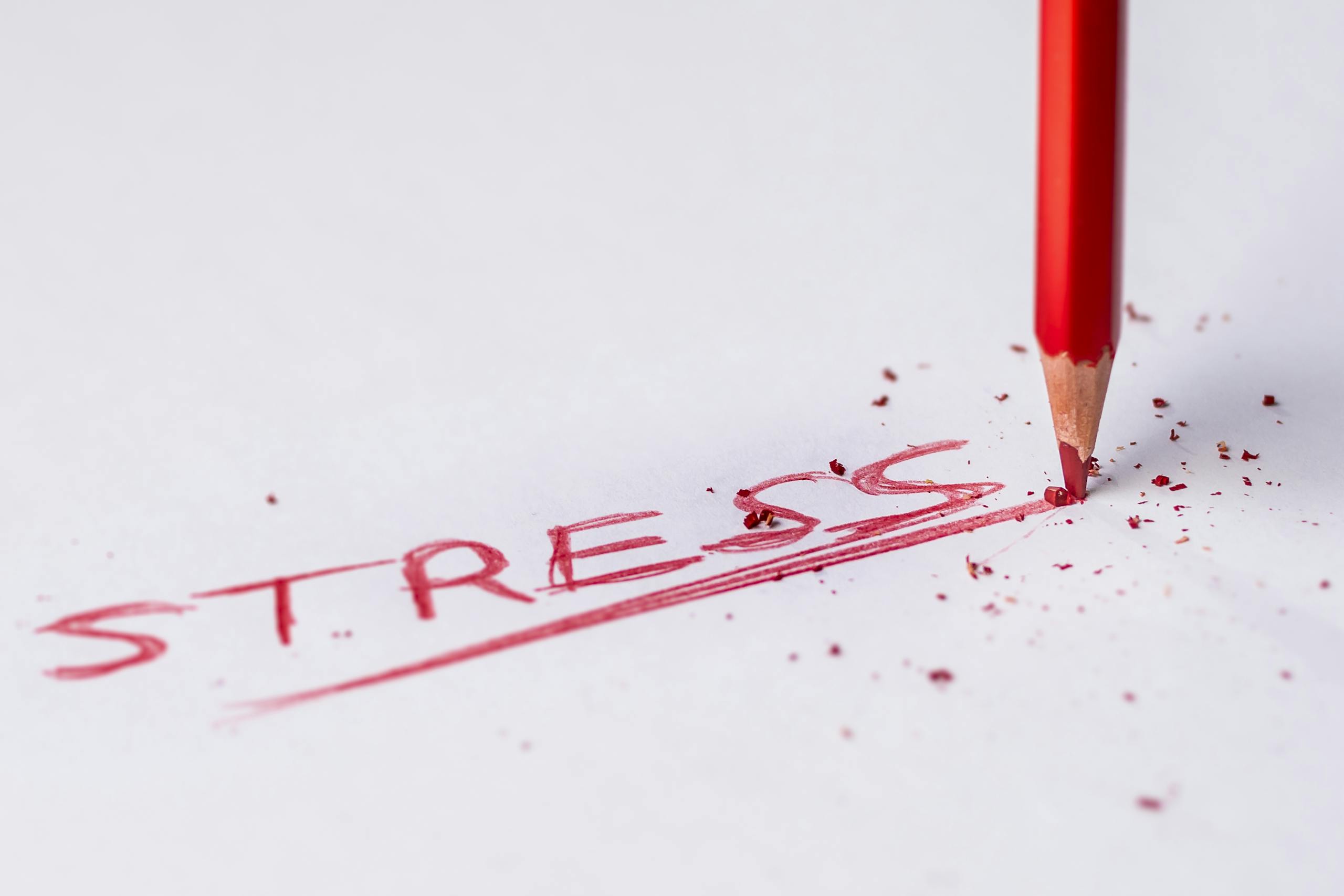
Ambiguous communication is a third trigger. When your partner texts you one-word responses but is clearly active on Instagram, your brain starts filling in the gaps. Most of the time, the gap-filling is inaccurate. They’re distracted, tired, or just scrolling mindlessly. But anxiety doesn’t wait for evidence before drawing conclusions.
Finally, there’s the pressure to perform your relationship publicly. Some couples feel an implicit expectation to post about each other, to tag, to share. When one partner is more private (often the introvert) and the other is more publicly expressive online, that mismatch can create genuine tension. The private partner feels pressured. The expressive partner feels unseen. Neither is wrong, but social media turns a simple personality difference into a visible, recurring conflict.
Understanding how introverts fall in love and the relationship patterns that follow helps explain why these social media triggers land so hard. Introverts invest deeply in relationships. When something threatens that investment, even something as seemingly trivial as a liked photo, the emotional response is proportional to the depth of the attachment, not the size of the trigger.
How Does the Introvert’s Inner World Amplify Digital Anxiety?
There’s a particular cruelty to how social media interacts with the introvert’s tendency toward internal processing. Most of us don’t immediately externalize our concerns. We sit with them. We turn them over. We build elaborate internal narratives before we ever say a word to our partner. In a pre-social-media world, there were natural limits to how much ambiguous data we could accumulate. Now the feed is endless, and so is the material for anxiety to work with.
I remember a period running one of my agencies when I was managing a particularly difficult client relationship alongside some genuine personal tension at home. My instinct was to go quiet internally and process before speaking. That’s how I’m built as an INTJ. But during that time, I also watched social media become the place where I was inadvertently gathering “evidence” about things I should have just talked about directly. The platform gave my analytical mind something to chew on instead of something to resolve. It felt like problem-solving. It wasn’t.
That internal amplification loop is something many introverts recognize. You notice something online. You don’t mention it immediately because you want to think it through first. While you’re thinking, you notice something else. Now you have two data points. Your mind connects them. By the time you’re ready to have a conversation, you’ve constructed a narrative your partner has no idea exists. And when you finally bring it up, it sounds disproportionate, because from their perspective, nothing has happened.
This is where understanding how introverts experience and express love feelings becomes genuinely useful. The depth of processing that makes introverts such thoughtful partners also makes them vulnerable to this kind of internal escalation. Recognizing the pattern doesn’t eliminate it, but it creates enough distance to interrupt it before it does real damage.
There’s also the question of highly sensitive introverts, who experience this amplification even more intensely. If you identify as an HSP (highly sensitive person) in addition to being introverted, the emotional weight of ambiguous social media signals can feel genuinely overwhelming. Our complete guide to HSP relationships addresses how that heightened sensitivity shapes every aspect of romantic partnership, including the digital dimensions.
What Does Relationship Anxiety Caused by Social Media Actually Feel Like?
Naming the experience matters. Anxiety has a way of feeling like reality rather than a response to reality, especially when you’re an introvert who trusts your own internal observations. So it’s worth being specific about what social media-driven relationship anxiety actually looks and feels like, separate from legitimate relational concerns.
It often starts with hypervigilance. You’re more attuned to your partner’s online activity than to their actual presence. You notice the timestamp on a message before you notice their tone. You know which accounts they’ve recently followed. You’re tracking patterns you never consciously decided to track.
From there, it typically moves into interpretation. Every ambiguous signal gets assigned a meaning, usually a negative one. A late-night active status becomes evidence of something. A comment from someone you don’t recognize becomes a threat. A photo they posted without telling you becomes a sign of emotional distance. The anxiety fills in the blanks with its own preferred narrative, which is rarely generous.
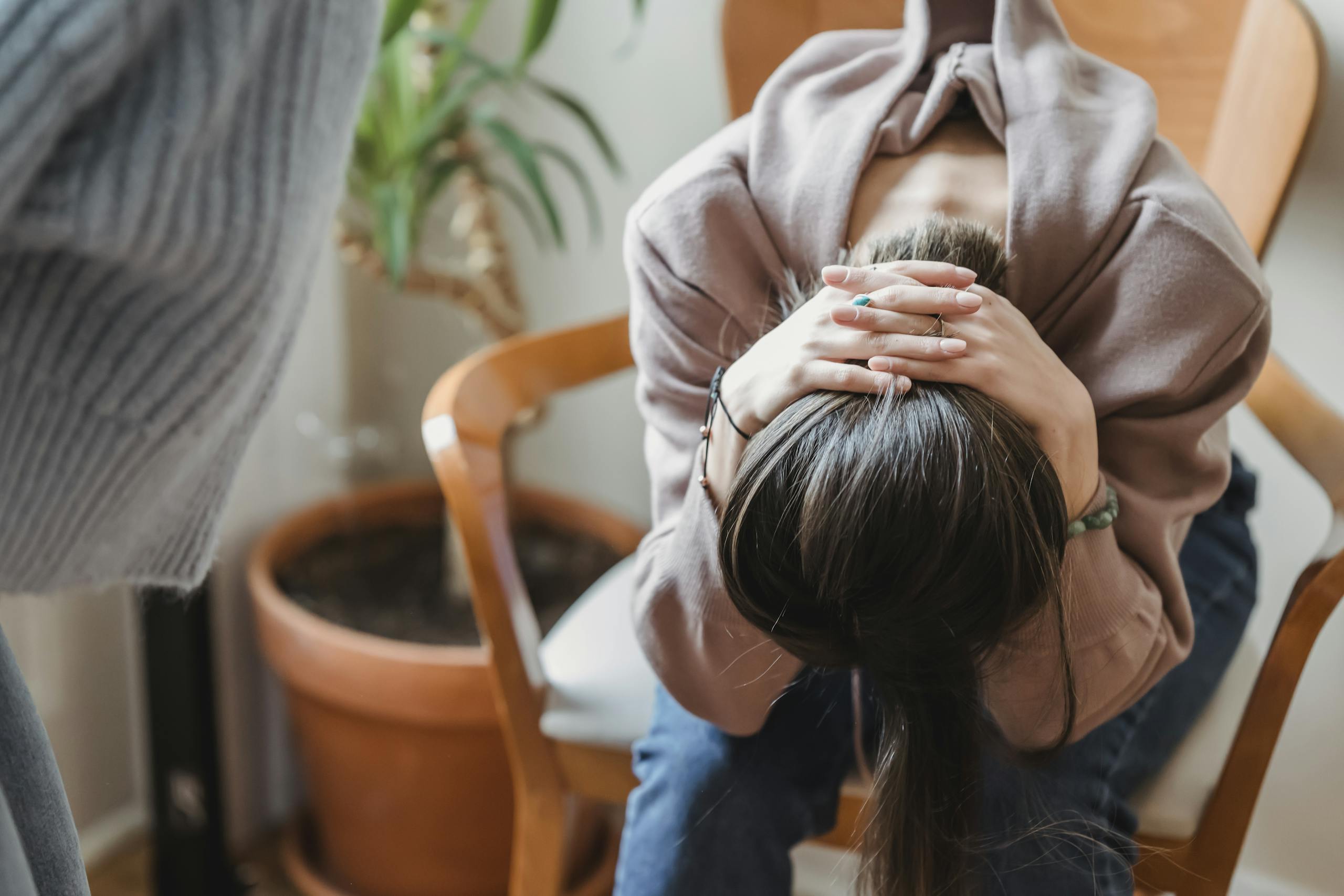
Then comes the withdrawal. Introverts under relational stress often pull inward. You become quieter, less available, more guarded. Your partner notices the shift but doesn’t know what caused it, because you haven’t told them what you’ve been processing. The distance grows. The anxiety interprets the distance as confirmation. The loop tightens.
What’s particularly difficult is distinguishing this anxiety from genuine intuition. Introverts often have strong gut instincts about people. Sometimes the concern is real. Sometimes the anxiety is manufacturing a concern out of digital noise. Learning to tell the difference requires slowing down the internal narrative and checking it against actual evidence from real-world interaction, not social media activity.
There’s a meaningful difference between social anxiety and introversion, and it’s worth being clear about that distinction. Healthline’s breakdown of introversion versus social anxiety offers a useful framework: introversion is a preference for less stimulation, while social anxiety involves fear-based avoidance. Social media can trigger anxiety in both introverts and those with social anxiety, but the mechanisms are somewhat different.
How Does Social Media Disrupt Introvert Communication Patterns in Relationships?
Introverts communicate differently than extroverts do. We tend to think before we speak. We prefer depth over frequency. We express care through actions and presence rather than constant verbal affirmation. These aren’t flaws. They’re a different communication architecture that works beautifully in relationships where both people understand it.
Social media disrupts that architecture in specific ways. Platforms are built around constant, low-stakes communication. Likes, reactions, quick comments, story replies. That kind of high-frequency, low-depth interaction is essentially the opposite of how introverts naturally connect. When a relationship starts to live primarily in that digital register, introverts often feel unseen even when they’re technically communicating constantly.
There’s also the issue of public versus private expression. Many introverts show love through private gestures, the kind that don’t translate to social media at all. A thoughtful text sent at the right moment. Remembering something your partner mentioned weeks ago and acting on it. Creating space for a conversation that needed to happen. Understanding how introverts express affection through their love language reveals how much of introvert love is invisible to public platforms, and how that invisibility can create friction when a partner measures love in posts and tags.
I had a client once, a major consumer brand, who wanted to measure the “authenticity” of their social media presence through engagement metrics. I spent a lot of time in those meetings trying to explain that the most meaningful brand relationships were often the quietest ones: repeat customers who never commented, loyal advocates who never posted, people who simply kept coming back. The metrics couldn’t see them. Social media has the same blind spot in relationships. The deepest connections often leave the smallest digital footprint.
When two introverts are in a relationship together, this dynamic can become even more nuanced. Neither partner may be particularly active on social media, which removes some of the surveillance triggers, but it can also mean that neither person is initiating the kind of explicit reassurance that might interrupt anxiety loops. Exploring what happens when two introverts fall in love shows both the strengths and the specific blind spots of that pairing, including how shared silence can sometimes mask unspoken tension.
What Does the Research Tell Us About Social Media and Relationship Health?
The evidence connecting social media use to relationship dissatisfaction has been building steadily. What’s interesting is that the mechanism isn’t always what people assume. It’s not simply that social media exposes people to temptation or creates opportunities for infidelity, though those concerns exist. The more pervasive damage is subtler: it’s the way platforms reshape attention, expectations, and emotional availability.
Passive social media consumption, scrolling without posting or engaging, is consistently associated with lower mood and higher social comparison. Research published in PMC has examined how online social comparison affects psychological wellbeing, finding that upward comparison (measuring yourself against people who appear to be doing better) reliably produces negative emotional outcomes. In relationships, that comparison extends to other couples, other partnerships, other versions of love that look more exciting or more stable than your own.
There’s also meaningful work on how social media affects attachment security. People with anxious attachment styles tend to use social media in ways that increase their anxiety: monitoring partners, seeking reassurance through likes and responses, interpreting digital silence as rejection. A PubMed study examining social media use and attachment patterns found correlations between anxious attachment and problematic social media behaviors in romantic relationships. For introverts who already process relational information deeply, an anxious attachment layer can make social media genuinely destabilizing.

Cognitive behavioral approaches offer some of the most practical tools for interrupting these patterns. Healthline’s overview of CBT for social anxiety outlines how identifying distorted thought patterns and testing them against reality can reduce the power anxiety has over behavior. The same techniques apply directly to social media-driven relationship anxiety: noticing the thought, questioning its basis, and choosing a response rather than reacting automatically.
What’s also worth noting is that social media anxiety in relationships often shares characteristics with more generalized anxiety patterns. A Springer journal article examining cognitive patterns in anxiety found that rumination and catastrophizing, two thought patterns that introverts are particularly prone to, significantly amplify the distress caused by ambiguous social information. The platform provides the ambiguity. The anxious mind provides the catastrophe.
How Can Introverts Protect Their Relationships From Social Media Anxiety?
Practical change in this area requires working on two levels simultaneously: your relationship with the platforms themselves, and your communication patterns with your partner.
On the platform level, the single most effective change most people can make is reducing passive consumption. Scrolling is where the comparison and surveillance happen. Active, intentional use, posting something you want to share, responding to a specific friend, checking in for a defined purpose, is far less damaging than open-ended browsing. Set a purpose before you open the app. When that purpose is complete, close it.
Muting or unfollowing accounts that consistently trigger comparison is not petty. It’s protective. You don’t owe your anxiety a front-row seat to content that feeds it. This includes, sometimes, accounts belonging to your partner’s ex, to people who comment frequently on your partner’s posts, or to couples whose relationship appears aspirationally perfect in ways yours doesn’t. The comparison isn’t fair to your relationship, and the content isn’t worth the cost.
On the communication level, the work is harder but more important. Introverts often need to make explicit what feels obvious internally. If something you saw online bothered you, saying “I noticed something and I want to talk about it, even though it might sound small” is infinitely more productive than letting it accumulate into a narrative. Your partner can’t respond to a story they don’t know is being told.
For highly sensitive introverts, conflict around social media can feel particularly charged. Approaches to HSP conflict that prioritize peaceful resolution are especially useful here, because success doesn’t mean win an argument about social media use. It’s to understand each other’s needs and find an approach that works for both of you.
Creating explicit agreements about social media in your relationship can feel awkward, but it’s often genuinely helpful. What are each person’s comfort levels with public posting about the relationship? Are there boundaries around following certain types of accounts? Is there an understanding about response times that prevents the anxiety of digital silence? These conversations feel uncomfortable precisely because social media has normalized behaviors that actually warrant discussion.
I spent years in advertising learning that the most powerful brand relationships were built on consistency and trust, not frequency of contact. The same principle applies to romantic relationships. A partner who shows up reliably, who communicates honestly, and who treats your concerns with respect is building something that no amount of social media activity can replicate or replace. The platforms are designed to make you forget that. Don’t let them.
When Does Social Media Anxiety Signal Something Deeper?
Not every instance of relationship anxiety caused by social media is purely about the platform. Sometimes the platform is revealing a real issue in the relationship that would exist regardless of social media. The question is how to tell the difference.
A useful test: if you removed social media entirely from the equation, would the concern still exist? If your anxiety is about a specific behavior your partner exhibits online, ask whether that behavior reflects something about how they treat you in real life. If the answer is yes, the issue is the relationship dynamic, not the platform. If the answer is no, the platform is generating anxiety that the relationship itself doesn’t warrant.
There’s also the question of whether the anxiety is new or longstanding. Social media anxiety that emerges suddenly, after a previously secure relationship, often points to a specific trigger worth examining. Anxiety that has always been present in your relationships, regardless of partner or platform, may point toward attachment patterns or personal anxiety tendencies that are worth exploring with a therapist.
Introverts who are highly attuned to relationship dynamics sometimes pick up on genuine shifts in a partner’s behavior through social media before they can articulate what’s changed in person. That intuition deserves respect, but it also deserves verification through direct conversation rather than digital surveillance. Your instincts are worth trusting. Your anxiety’s interpretations of ambiguous data are not.

Extrovert-introvert couples face a particular version of this challenge. What looks like problematic social media behavior to an introverted partner may simply be an extrovert’s natural tendency to process life publicly. Psychology Today’s exploration of why introverts and extroverts attract each other offers useful context for understanding how these different orientations can create genuine friction around digital behavior, even when neither person is doing anything wrong.
What I’ve come to believe, after years of observing my own patterns and those of people I’ve managed and mentored, is that relationship anxiety caused by social media is most dangerous when it stays silent. The platforms thrive on passive observation. Relationships thrive on active communication. Every time you choose conversation over surveillance, you’re working against the platform’s design and in favor of the actual relationship you’re trying to protect.
If you’re working through the broader experience of love and connection as an introvert, everything from attraction to long-term partnership, our Introvert Dating and Attraction hub brings together resources that speak directly to how introverts experience relationships at every stage.
About the Author
Keith Lacy is an introvert who’s learned to embrace his true self later in life. After 20 years in advertising and marketing leadership, including running agencies and managing Fortune 500 accounts, Keith now channels his experience into helping fellow introverts understand their strengths and build fulfilling careers. As an INTJ, he brings analytical depth and authentic perspective to every article, drawing from both professional expertise and personal growth.
Frequently Asked Questions
Does social media cause relationship anxiety in introverts more than extroverts?
Introverts tend to process information more deeply and assign greater meaning to subtle signals, which makes ambiguous social media data particularly fertile ground for anxiety. Where an extrovert might scroll past an ambiguous post without a second thought, an introvert often can’t help but analyze it. That said, social media-driven relationship anxiety isn’t exclusive to introverts. Anyone with anxious attachment tendencies, a habit of social comparison, or a partner whose online behavior feels opaque can experience it. Introversion simply amplifies the depth and duration of the processing that follows.
What are the most common social media behaviors that trigger relationship anxiety?
The most common triggers include monitoring a partner’s activity obsessively (checking timestamps, followers, who likes their posts), comparing your relationship to curated highlights from other couples, interpreting ambiguous digital signals negatively (read receipts, active statuses, story views), and feeling pressure to perform your relationship publicly when one or both partners prefers privacy. Each of these behaviors creates a feedback loop where anxiety generates more monitoring, which generates more ambiguous data, which generates more anxiety.
How do you tell the difference between social media anxiety and a legitimate relationship concern?
A useful starting point is asking whether the concern would exist without social media. If your partner’s online behavior reflects something that’s also present in how they treat you in person, such as emotional distance, dishonesty, or disrespect, the issue is real and worth addressing directly. If the concern exists only in the digital space and doesn’t match your actual lived experience of the relationship, it’s more likely that the platform is generating anxiety rather than revealing a genuine problem. Direct conversation with your partner is almost always more reliable than digital observation as a source of truth.
Can reducing social media use actually improve relationship quality?
For many people, yes. Reducing passive scrolling in particular tends to lower social comparison and reduce the amount of ambiguous data your mind has to process. Creating intentional boundaries around social media use, such as phone-free time with your partner, defined limits on checking apps, or agreements about what you share publicly about your relationship, can meaningfully reduce the anxiety that platforms generate. The improvement isn’t automatic, but removing the constant feed of ambiguous information gives your nervous system less to react to and your relationship more room to exist on its own terms.
What should an introvert do when social media anxiety is affecting their relationship?
The most important step is bringing it into conversation rather than processing it privately until it becomes a larger issue. Naming the anxiety to your partner, even if it feels small or irrational, allows them to respond rather than unknowingly confirm your worst interpretations through continued silence. Beyond communication, reducing passive social media consumption, muting accounts that trigger comparison, and working with a therapist who understands anxiety patterns can all help. If you identify as highly sensitive, approaches designed for HSP conflict resolution and emotional regulation are particularly worth exploring, since the intensity of the anxiety often matches the depth of your investment in the relationship.