
Apps like Coffee Meets Bagel work well for introverts because they limit daily matches, encourage thoughtful messaging, and remove the pressure of endless swiping. If you’ve found that model appealing and want more options built around the same philosophy, several platforms share that commitment to intentional, quality-focused dating, including Hinge, Once, Thursday, The League, and a handful of newer curated services that prioritize depth over volume.
My relationship with dating apps has always been complicated. Not because I’m awkward with technology, I spent two decades running advertising agencies where we built digital campaigns for some of the largest consumer brands in the world. I understood the mechanics of engagement loops, variable reward schedules, and the psychology behind swipe-based interfaces. That knowledge made mainstream dating apps feel almost clinical to me. I could see exactly what they were designed to do, and it wasn’t to help thoughtful people build meaningful connections. It was to keep users swiping.
As an INTJ, I process connection slowly and deliberately. I need time to think before I respond. I notice things in a person’s words that most people skim past. That’s not a flaw in how I’m wired, it’s actually one of the more useful qualities I bring to any relationship. But apps built around speed and volume work against that completely.

If that tension feels familiar, you’re in the right place. Our Introvert Dating and Attraction hub covers the full landscape of how introverts approach relationships, from first impressions to long-term compatibility. This article focuses specifically on the apps and platforms that respect the way introverts actually connect, slowly, deliberately, and with real intention.
Why Do Introverts Struggle With Mainstream Dating Apps?
Tinder, Bumble in its most gamified form, and similar swipe-heavy platforms are essentially built for extroverted engagement styles. They reward speed, volume, and surface-level presentation. You have roughly two seconds and a handful of photos to make an impression before someone moves on. That model favors people who are comfortable with high-frequency, low-depth interactions.
What’s your personality type?
Take our free 40-question assessment and get a detailed personality profile with dimension breakdowns, context analysis, and personalised insights.
Discover Your Type8-12 minutes · 40 questions · Free
Most introverts aren’t wired that way, and there’s solid psychological grounding for why. Research published in PubMed Central on personality and relationship formation suggests that individuals higher in introversion tend to form connections more deliberately and place greater value on relational depth over breadth. That’s not a limitation. It’s a different strategy for building something real.
What I observed during my agency years maps onto this perfectly. When I was hiring creative teams, the candidates who came in loud, charming, and quick with a pitch often burned out or produced shallow work. The quieter candidates, the ones who took a beat before answering, who asked follow-up questions instead of rushing to impress, those were often the people who built the most durable client relationships. They were slower to connect but deeper once they did.
Dating apps that work for introverts need to replicate that slower rhythm. They need to create space for reflection, limit the noise of too many simultaneous conversations, and reward the kind of thoughtful communication that actually builds attraction over time. Truity’s analysis of introverts and online dating makes a compelling case that digital platforms can actually favor introverts when they’re designed well, because writing gives introverts time to compose their thoughts in ways that real-time conversation doesn’t always allow.
What Makes Coffee Meets Bagel’s Model Work for Introverts?
Coffee Meets Bagel built its reputation on a simple but powerful idea: instead of giving you unlimited swipes, it sends you a small number of curated matches each day at noon. You like or pass, and if there’s mutual interest, a chat window opens with a limited time frame to start a conversation. The scarcity is intentional. It forces you to be more thoughtful about each person rather than treating matching like a numbers game.
For introverts, that structure removes a specific kind of cognitive overload. There’s no infinite scroll. There’s no pressure to be “on” all day managing dozens of simultaneous conversations. You get one moment, a defined set of options, and enough breathing room to actually consider each person.
The platform also prompts users with icebreaker questions, which is genuinely useful for people who find blank-slate openers stressful. I’ve watched introverted friends spend twenty minutes staring at a blank message box trying to figure out what to say to someone they found genuinely interesting. A prompt removes that paralysis and gets the conversation moving in a direction that feels natural.

Understanding how introverts actually fall for someone matters here too. The patterns are different from what most people expect. If you want to see how those patterns play out in real relationships, the piece on when introverts fall in love and the relationship patterns that follow does a thorough job of mapping that territory.
Which Apps Share Coffee Meets Bagel’s Philosophy?
Several platforms have built their product around similar principles. They vary in approach, but all of them push back against the swipe-everything model in meaningful ways.
Hinge: Designed to Be Deleted
Hinge’s tagline is “designed to be deleted,” which tells you something about its intent. Rather than swiping on photos, you respond to specific prompts on someone’s profile, a favorite book, a weird hobby, a photo that needs context. That small shift changes the entire dynamic of first contact. You’re not reacting to an image, you’re responding to a person’s actual thoughts and personality.
For introverts, this is significant. I’ve always found it much easier to engage with someone’s ideas than to manufacture enthusiasm based on appearance alone. When I can respond to something specific and real, the conversation starts with more substance. Hinge creates that entry point by design.
The platform also tracks which conversations lead to dates and adjusts its recommendations accordingly. It’s less about volume and more about compatibility signals. That’s a meaningful difference from apps that simply reward activity and time-on-platform.
Once: One Match Per Day
Once takes the scarcity model further than Coffee Meets Bagel. You get exactly one match per day, curated by a combination of algorithm and human review. That’s it. One person. You either connect or you don’t, and tomorrow brings someone new.
The forced focus is either liberating or maddening depending on your temperament. For introverts who feel overwhelmed by choice and overstimulated by too many simultaneous interactions, it can feel like a genuine relief. There’s no comparison shopping, no paralysis from having too many options. You simply consider one person with your full attention.
Once is more popular in Europe than in the United States, so your mileage will vary depending on location. But the concept is worth knowing about because it represents the extreme end of the quality-over-quantity spectrum.
The League: Selective by Design
The League built its brand around exclusivity, using LinkedIn data and an application process to curate its user base. That approach has attracted criticism for elitism, and some of it is fair. Still, the underlying appeal for certain introverts is real: a smaller, more intentional pool of people with similar professional backgrounds and ambitions tends to produce more relevant matches.
In my agency years, I noticed that the most productive client relationships developed between people who shared a baseline of professional context. You didn’t have to explain your world to each other. That same dynamic can apply to dating. When someone understands your professional life without extensive backstory, you can skip a layer of explanation and get to something more interesting faster.
The League also limits your daily exposure to matches, which keeps the experience from becoming overwhelming. It’s not for everyone, but for introverts who find large, chaotic platforms exhausting, the more controlled environment can feel worth the tradeoff.
Thursday: One Day, Real Stakes
Thursday operates on a completely different premise. The app is only active on Thursdays. You match, you talk, and ideally you meet that same day. The rest of the week, the app goes dark.
This one is counterintuitive for introverts at first glance. The pressure of same-day meetups sounds like an extrovert’s dream and an introvert’s nightmare. But there’s a different way to look at it. Thursday eliminates the limbo that many introverts find genuinely exhausting: the weeks-long texting phase that goes nowhere, the slow fade, the endless back-and-forth that never converts into an actual date. By compressing the timeline, it forces a decision and removes the ambiguity.
Some introverts actually do better with a clear structure and defined endpoint than with open-ended uncertainty. If you’re someone who finds prolonged ambiguity more draining than a brief intense social interaction, Thursday’s model might suit you better than it initially appears.
Bumble: Intentional Features Within a Larger Platform
Bumble isn’t a niche quality-focused app, but it has features that work well for introverts. Women message first in heterosexual matches, which removes a specific type of low-effort, high-volume outreach that can make inboxes feel chaotic. The 24-hour window to start a conversation creates urgency without being overwhelming. And Bumble’s profile prompts encourage more personality-driven introductions than a photo-only presentation.
Bumble also has a video date feature that lets you move to face-to-face conversation before committing to an in-person meeting. For introverts who want to get a genuine sense of someone before investing in a full evening out, that intermediate step can be genuinely valuable.

How Should Introverts Actually Use These Apps Differently?
Choosing the right platform matters, but how you use it matters just as much. Many introverts bring habits from other areas of their lives into dating apps in ways that work against them, not because they’re doing anything wrong, but because they’re applying the wrong framework.
One pattern I’ve seen repeatedly: introverts who are excellent observers and deep thinkers spend enormous amounts of time analyzing someone’s profile before ever sending a message. They read everything, cross-reference details, construct a mental model of the person. Then they either send a message so detailed and considered that it can feel intense to the recipient, or they talk themselves out of messaging at all because they’ve found some small inconsistency or uncertainty.
That’s the introvert’s analytical strength becoming a liability. A better approach is to respond to one specific thing that genuinely caught your attention and leave room for the other person to fill in the blanks. You don’t need to demonstrate everything you noticed. You need to start a conversation.
Psychology Today’s piece on romantic introverts points out that introverts often express interest through attention and thoughtfulness rather than overt enthusiasm. That’s genuinely attractive, but it needs to be legible. In a text-based medium, warmth has to be explicit enough to register. A message that’s intellectually interesting but emotionally neutral can read as indifferent even when it isn’t.
Part of building real connection through these platforms means being honest about how you communicate. Understanding your own introvert love language and how you naturally show affection can help you present yourself more authentically in your profile and in early conversations, rather than performing a version of enthusiasm that doesn’t come naturally.
What About Highly Sensitive People on Dating Apps?
Introversion and high sensitivity often overlap, but they’re not the same thing. Many highly sensitive people, or HSPs, find dating apps particularly taxing because the volume of emotional input, even from text-based interactions, can be genuinely depleting. Reading dozens of profiles, processing the emotional undertones of each message, managing the micro-disappointments of unmatched connections, all of that adds up in ways that non-HSPs often don’t register.
If that description fits you, the quality-focused apps aren’t just a preference, they’re closer to a necessity. The HSP relationships and dating guide covers this in depth, including how to pace yourself through the early stages of dating without burning out before you’ve had a chance to build something real.
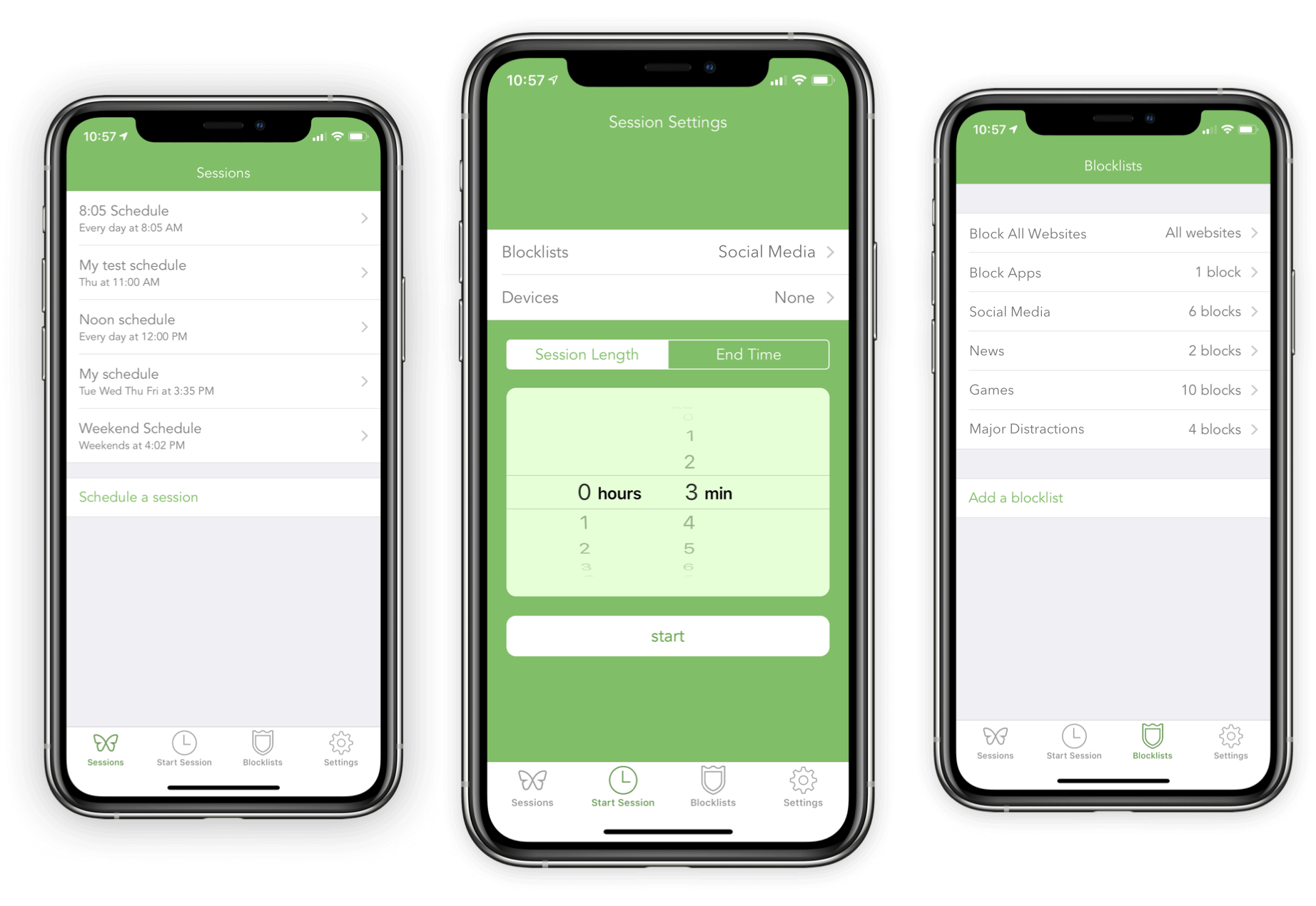
One practical adjustment that helps: treat your app time as a bounded activity rather than a background task. Many people check dating apps the same way they check social media, reflexively, constantly, in small fragments throughout the day. For HSPs especially, that pattern creates a low-grade emotional hum that’s exhausting without being productive. Setting a specific window, say thirty minutes in the evening, to review matches and compose messages tends to produce better conversations and better mental health outcomes than constant ambient engagement.
When conflicts or misunderstandings arise in early messaging, which they will, HSPs often feel them more acutely than the other person realizes. Knowing how to handle those moments with grace matters. The resource on HSP conflict and working through disagreements peacefully offers genuinely useful framing for those early-stage tensions that can otherwise derail something promising before it gets started.
What Happens When Two Introverts Find Each Other on These Apps?
There’s a particular dynamic that emerges when two introverts connect through a quality-focused app, and it’s worth understanding before you find yourself in it. Both people tend to be thoughtful communicators. Both are likely to take their time responding. Both may be cautious about expressing too much too soon. The result can be a conversation that feels meaningful and substantive but moves at a pace that makes it hard to tell whether there’s genuine romantic interest or just mutual intellectual appreciation.
I’ve watched this play out with people I know, two careful, perceptive people who were clearly interested in each other but communicated so deliberately that neither one could read the signal clearly. They both thought the other was being politely friendly. They were both actually quite interested. It took a mutual friend to point out what was obvious from the outside.
16Personalities’ analysis of introvert-introvert relationships identifies this exact pattern as one of the more common friction points: two people who are both excellent at deep connection but neither of whom wants to be the first to make the connection explicit. The piece on what happens when two introverts fall in love maps the specific relationship patterns that tend to emerge, including how these couples often build something unusually solid once they get past that initial ambiguity.
On a practical level: if you’re on one of these apps and you’ve had several genuinely good conversations with someone, it’s worth being a little more explicit about your interest than feels natural. Not performatively enthusiastic, just clear. Something like “I’ve really enjoyed talking with you, I’d like to meet in person” removes the ambiguity without requiring you to be someone you’re not.
Are There Offline Alternatives That Work on the Same Principles?
Apps are one channel, but they’re not the only one. Some introverts find that the quality-over-quantity principle translates even better to certain offline contexts, particularly ones built around shared interests rather than explicit dating intent.
Book clubs, small professional groups, continuing education classes, hobby-based meetups with consistent attendance, these all create the conditions that introverts thrive in: repeated exposure to the same people over time, a shared focus that removes the pressure of pure social performance, and natural conversation starters built into the activity itself.
In my agency years, some of the most meaningful professional relationships I built started not in formal networking events but in smaller, recurring contexts. A monthly creative roundtable. A client’s quarterly review meeting that always ran long and turned into dinner. The repetition created familiarity, and familiarity is where introverts genuinely excel. We get better with people over time, not worse.
Psychology Today’s guide to dating an introvert makes a point that’s worth internalizing: introverts often show their most attractive qualities not in the first impression but in the fifth or sixth interaction. Contexts that allow for that kind of gradual revelation play to introverts’ actual strengths in ways that first-date formats rarely do.
That’s also why the emotional dimension of introvert love tends to be misread early on. People assume quietness means disinterest. The piece on understanding and working through introvert love feelings does a good job of explaining why that misread happens and how to communicate more clearly without abandoning who you are.

What Should You Actually Look for in a Profile or Early Conversation?
When you’re on a quality-focused app and you have a limited number of matches to consider, the question of what to look for becomes more important than on a swipe-heavy platform. You’re not making a snap judgment, you’re making a considered one. That’s a different cognitive task.
A few things tend to signal genuine compatibility for introverts beyond surface-level interests:
How someone writes matters enormously. Not grammar policing, but the quality of attention in their words. Do they use specific details or generic ones? Do their answers to prompts reveal something real, or do they feel like they were designed to be universally appealing? Specificity is almost always a good sign. “I spent last Saturday reorganizing my record collection by release year and then second-guessing the whole system” tells you far more about a person than “I love music and trying new restaurants.”
How they respond to your first message also matters. Do they engage with what you actually said, or do they pivot immediately to their own agenda? Someone who genuinely reads your message and responds to its specific content is demonstrating a quality that matters enormously in a long-term partner: the ability to actually listen.
Pace compatibility is real and underrated. If you tend to send thoughtful, paragraph-length messages and someone responds with single sentences hours later, that’s not necessarily bad, but it’s information. Some people text differently than they talk. Others communicate the same way across all mediums. Paying attention to rhythm and responsiveness early on saves a lot of confusion later.
A study published in PubMed Central examining personality and relationship satisfaction found that communication style compatibility plays a meaningful role in long-term relationship quality, often more than shared interests alone. That’s worth keeping in mind when you’re evaluating early conversations. The topic matters less than the texture of how you talk about it.
And finally: watch for how someone handles the transition from app to in-person. Some people are genuinely different in person than they are in text. Introverts often present more warmly and more fully in conversation than in writing, because they can read the room, respond to nonverbal cues, and feel the actual presence of another person. Others are better in writing than in person. Neither is a character flaw, but knowing which you are, and being honest about it, helps set accurate expectations.
There’s a lot more to explore about how introverts build attraction and connection across different contexts. The Introvert Dating and Attraction hub pulls together the full picture, from first impressions to long-term relationship dynamics, all through the lens of how introverts actually work.
About the Author
Keith Lacy is an introvert who’s learned to embrace his true self later in life. After 20 years in advertising and marketing leadership, including running agencies and managing Fortune 500 accounts, Keith now channels his experience into helping fellow introverts understand their strengths and build fulfilling careers. As an INTJ, he brings analytical depth and authentic perspective to every article, drawing from both professional expertise and personal growth.
Frequently Asked Questions
What apps are most similar to Coffee Meets Bagel for introverts?
The closest alternatives are Hinge, Once, and The League. All three limit daily match volume, encourage more substantive profile presentation, and reward thoughtful communication over high-frequency swiping. Hinge’s prompt-based system is particularly well suited to introverts who prefer responding to something specific rather than opening a blank conversation from scratch.
Is online dating actually better for introverts than meeting people in person?
It depends on the platform and the individual. Text-based communication gives introverts time to compose their thoughts carefully, which can be a genuine advantage. That said, introverts often show their best qualities over repeated in-person interactions rather than in first impressions, so the ideal approach combines both: use apps to create the initial connection, then move to in-person contexts that allow for the gradual depth-building where introverts tend to excel.
How do introverts avoid burnout when using dating apps?
Treating app engagement as a bounded activity rather than a background task makes a significant difference. Set a specific window of time each day for checking matches and composing messages, rather than checking reflexively throughout the day. Limiting the number of active conversations at any one time also helps. Three or four meaningful exchanges are more sustainable and more productive than fifteen shallow ones.
Do highly sensitive people need different dating app strategies than introverts?
HSPs and introverts often benefit from the same quality-focused platforms, but HSPs may need to be more deliberate about pacing and emotional recovery between interactions. The emotional weight of reading profiles, managing early conversations, and processing the inevitable disappointments of dating can accumulate quickly for highly sensitive people. Quality-focused apps reduce that load by limiting volume, but HSPs also benefit from taking longer breaks between active dating periods rather than treating it as a continuous activity.
What’s the biggest mistake introverts make on dating apps?
Over-analyzing before reaching out. Introverts’ natural inclination to observe carefully and consider thoroughly before acting is a genuine strength in most contexts, but on dating apps it often translates to extended profile analysis followed by either a message that’s too detailed for an opener or no message at all. The better approach is to respond to one specific thing that genuinely caught your attention and let the conversation develop from there. You don’t need to demonstrate everything you noticed. You just need to start.