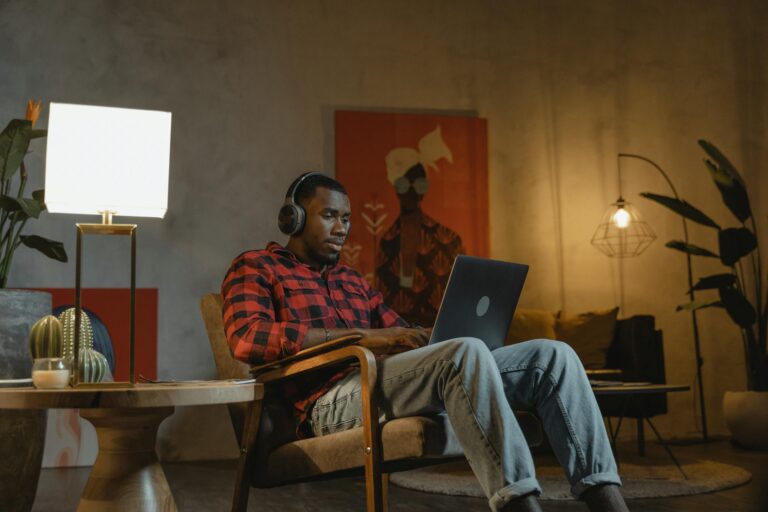

Many introverts genuinely enjoy playing video games with friends, and for a lot of us, it might actually be our preferred way to connect socially. Gaming offers structured interaction, a shared focus, and built-in pauses that make conversation feel natural rather than forced. It removes the pressure of performing socially while still creating real moments of laughter, teamwork, and connection.
That said, the answer isn’t one-size-fits-all. Some introverts thrive in cooperative online play. Others prefer solo gaming and find multiplayer exhausting. What matters is understanding why gaming works so well as a social format for introverted personalities, and how it fits into the broader picture of how we build and maintain friendships.

Friendship for introverts is a topic worth examining from many angles. If you want a broader look at how we build meaningful connections across different life stages and situations, our Introvert Friendships Hub covers everything from making friends in new cities to handling social anxiety and loneliness.
Why Does Gaming Feel So Natural as a Social Activity for Introverts?
There’s something I’ve noticed about myself over the years. Put me in a room full of people at a networking event, and I’m mentally calculating how long I need to stay before I can leave without it being rude. But sit me down with a friend in front of a shared screen, give us a problem to solve together, and I can be genuinely present for hours.
What’s your personality type?
Take our free 40-question assessment and get a detailed personality profile with dimension breakdowns, context analysis, and personalised insights.
Discover Your Type8-12 minutes · 40 questions · Free
Gaming provides what most social situations don’t: a third thing to focus on. When I was running my agency, I used to observe how my introverted team members performed in different meeting formats. The ones who went quiet in open brainstorming sessions came alive when we gave them a specific problem to work through. The task itself became a kind of social scaffolding. Gaming does exactly that.
Psychologists who study social interaction have noted that shared activities reduce what’s sometimes called the “performance pressure” of conversation. When two people are doing something together, the conversation that emerges feels organic rather than obligatory. There’s always something to comment on, react to, or laugh about, and silence between those moments doesn’t feel awkward because the game fills it.
For introverts, this is significant. Many of us don’t struggle with connection itself. We struggle with the unstructured, open-ended social formats that extroverts often find energizing. A dinner party where conversation can go anywhere feels like a lot of work. A co-op game where we’re both trying to figure out the same puzzle feels like play, even when we’re also catching up on each other’s lives.
Is Gaming With Friends Different From Gaming Alone?
Absolutely, and introverts tend to have strong feelings about which mode they prefer depending on the day, the person, and the game itself.
Solo gaming is restorative in the same way reading or a long walk is restorative. It’s time in your own head, following your own pace, with no social expectations attached. Many introverts treat solo gaming as a legitimate form of recharging, and they’re right to. The quiet absorption of a single-player game can feel genuinely replenishing after a long day of meetings or social obligations.
Gaming with friends is a different experience entirely. It’s social, but it’s social on terms that suit introverted wiring. You’re choosing who you play with, usually one or two people you already trust. You’re communicating with purpose, focused on shared goals. And you can step away when you need to without it feeling like you’re abandoning anyone.
One of my creative directors at the agency was an introvert who gamed online with a small group of friends every Friday night. He described it as the only social event he actually looked forward to each week. He wasn’t performing. He wasn’t managing impressions. He was just playing a game with people he liked, and the friendship happened naturally inside that structure. That stuck with me.
It’s worth noting that introverts who experience some social anxiety may find online gaming especially appealing. The physical distance removes a layer of vulnerability that face-to-face interaction carries. If you’re curious about how social anxiety and introversion overlap and differ, Healthline’s breakdown of introversion versus social anxiety is a clear and accurate resource.

Do Introverts Actually Prefer Gaming Over Other Ways of Socializing?
Prefer is a strong word, and I want to be honest about what that means. Introverts don’t universally love gaming, and plenty of us have no interest in it at all. What we do tend to share is a preference for social formats that feel purposeful, low-pressure, and bounded by some kind of structure.
Gaming happens to tick all those boxes. So does cooking together, hiking, watching a film, or working on a shared creative project. The common thread isn’t the activity itself. It’s the fact that something else is happening alongside the socializing, which takes the pressure off the interaction and lets connection emerge more naturally.
That said, gaming has a few specific qualities that make it particularly well-suited to introverted social preferences. It’s repeatable and reliable. You don’t have to plan an elaborate outing. You can connect with a friend across the country without leaving your house. The shared language of a game gives you something to talk about even when you haven’t spoken in weeks. And the format is inherently scalable, meaning you can play with one close friend or a small group, depending on how much social energy you have that day.
There’s also something worth acknowledging about loneliness. Introverts do get lonely, even when we look like we’re perfectly content on our own. Gaming with friends can be a meaningful antidote to that specific kind of loneliness, the kind that comes not from wanting to be around people in general, but from missing a particular kind of connection. If you’ve ever wondered whether introverts genuinely experience loneliness, the answer is yes, and this article on whether introverts get lonely explores that honestly.
What Makes Multiplayer Gaming Work So Well for Introverted Friendships?
Co-op and multiplayer gaming creates a specific social dynamic that suits how many introverts prefer to relate to others. There’s a shared mission. There’s a reason to communicate. And there’s a natural rhythm of engagement and quiet that doesn’t require anyone to constantly fill the silence with small talk.
Think about what happens in a cooperative game. You’re working toward a shared goal. You celebrate wins together. You problem-solve through setbacks. You develop a shorthand with each other over time. All of that is friendship-building, and it’s happening through action rather than through the kind of open-ended emotional disclosure that many introverts find exhausting in early or mid-level friendships.
Personality research has explored how introverts tend to build trust more gradually and prefer depth over breadth in their social connections. Gaming supports that kind of slow-build intimacy. You spend dozens of hours with someone in a shared virtual space before you ever have to talk about anything deeply personal, and by the time you do, the friendship has already taken root through all those shared experiences.
There’s also a community dimension that often gets overlooked. Gaming communities, even online ones, can create a genuine sense of belonging. Penn State research on online community and belonging has examined how shared digital culture, including gaming, contributes to real feelings of social connection. For introverts who find large in-person groups draining, an online community of a few trusted gaming friends can serve some of the same psychological functions.

How Does Gaming Fit Into the Broader Challenge of Maintaining Friendships as an Introvert?
One of the hardest parts of being an introverted adult is that friendships require ongoing effort, and that effort often takes forms that don’t come naturally to us. Spontaneous calls, group hangs, regular check-ins, all of it can feel like a lot when your social battery runs low quickly.
Gaming sidesteps a lot of that friction. A standing Friday night game session with a friend is easier to maintain than a vague intention to “get together sometime.” It’s scheduled. It has a built-in activity. And it creates a regular touchpoint that keeps the friendship alive without requiring either person to do the emotional labor of constantly initiating.
I learned this indirectly through my years running agencies. The relationships I maintained most consistently with colleagues and clients weren’t the ones built on lunches and phone calls. They were built around shared projects, recurring meetings, and regular collaboration. The structure did the relational work that I would have struggled to sustain through pure social initiative alone.
Gaming works the same way for friendships. It gives introverts a reliable container for connection that doesn’t depend on someone always being the one to reach out or plan something new.
Making friends as an adult is genuinely hard for most people, and especially so for introverts who don’t naturally gravitate toward large social environments. If you’re working through that challenge, this guide on making friends as an adult with social anxiety offers some grounded, practical thinking.
Are There Downsides to Gaming as a Primary Social Outlet for Introverts?
Honesty matters here, so yes, there are some real considerations worth thinking through.
Gaming can become a substitute for connection rather than a vehicle for it. If someone is using gaming to avoid the vulnerability that deeper friendships require, the activity stops serving the relationship and starts serving avoidance. There’s a difference between gaming with a friend because it’s a genuinely enjoyable way to spend time together, and gaming instead of having the harder conversations that would actually deepen the friendship.
There’s also the question of balance. Introverts who rely exclusively on gaming as their social outlet may find themselves disconnected from the kinds of in-person experiences that still matter for wellbeing. Face-to-face interaction carries a quality of presence that online connection, even warm and genuine online connection, doesn’t fully replicate. Research published in PubMed Central on social relationships and health consistently points to the importance of quality social bonds for long-term wellbeing, and that means nurturing those bonds across different contexts, not just digital ones.
For highly sensitive introverts, gaming environments can sometimes become overstimulating in their own right. Competitive multiplayer games in particular can carry a lot of social pressure, conflict, and noise that runs counter to the low-key connection most introverts are seeking. If you identify as a highly sensitive person, it’s worth being selective about the gaming environments you choose. The dynamics of HSP friendships and meaningful connection apply in gaming contexts too.
And for introverts who struggle with social anxiety more broadly, it’s worth being aware that avoidance, even comfortable avoidance, can reinforce anxiety over time. Cognitive behavioral approaches to social anxiety generally emphasize gradual exposure to social situations rather than avoidance of them, and that framework applies even when the avoidance feels pleasant.
What About Introverted Teenagers Who Game With Friends?
Gaming is particularly significant for introverted adolescents, who are often handling the social pressures of school while also figuring out who they are and where they belong. For many introverted teenagers, gaming with a small group of friends is the primary social context where they feel genuinely comfortable.
That’s not a problem to solve. It’s a strength to support. Gaming teaches collaboration, communication, persistence, and creative problem-solving. It creates friendships that often run deeper than casual school acquaintances because they’re built around genuine shared interest rather than proximity.
Parents sometimes worry when their introverted teenager seems to prefer gaming with one or two friends over larger social activities. In most cases, that preference reflects healthy self-knowledge rather than social withdrawal. The distinction to watch for is whether the teenager has meaningful connections and feels good about their social life, not whether those connections look the way parents expect them to look.
If you’re a parent trying to support an introverted teenager’s social development, this piece on helping your introverted teenager make friends offers some genuinely useful perspective.

Can Gaming Help Introverts Make New Friends, Not Just Maintain Old Ones?
Yes, and this is one of gaming’s underrated social gifts. Meeting new people through gaming is fundamentally different from meeting them at a party or a networking event. You’re introduced through a shared activity rather than through small talk. You learn something real about a person by playing alongside them before you ever have to have a personal conversation.
That’s a much more comfortable entry point for most introverts. You get to observe someone’s personality through how they play, how they handle frustration, whether they’re collaborative or competitive, how they communicate under pressure. By the time you’re having actual conversations, you already have a basis for connection that feels earned rather than manufactured.
Online gaming communities can function as a kind of social infrastructure for introverts who find traditional friend-making contexts difficult. Gaming guilds, Discord communities, and regular online groups create repeated exposure to the same people over time, which is exactly the condition under which introverts tend to form genuine connections. We don’t warm up quickly in one-off encounters. We build trust through repeated, low-pressure interactions, and gaming provides exactly that.
If you’re looking for other tools that support introverted friend-making, there are also apps specifically designed with quieter personalities in mind. This overview of apps for introverts to make friends covers some options worth exploring alongside gaming communities.
For introverts in dense urban environments, where the sheer volume of people can feel paradoxically isolating, gaming communities can offer a manageable social entry point. The experience of making friends in New York City as an introvert is a good example of how gaming and online communities can supplement in-person connection when traditional social environments feel overwhelming.
What Does the Research Actually Suggest About Introverts and Gaming?
There’s a growing body of work examining personality traits and gaming preferences, though it’s worth being careful about overstating what the evidence shows. What we can say with reasonable confidence is that introversion correlates with preferences for solo activities and for smaller, more intimate social contexts. Gaming can satisfy both of those preferences depending on how it’s played.
Some work in this area has examined how online gaming environments support social connection for people who find face-to-face interaction difficult. A PubMed Central study on internet use and social connection explored how online environments can support meaningful relationships, particularly for those who find in-person social contexts more demanding.
Separately, personality research has long established that introverts tend to prefer fewer, deeper relationships over large social networks. Recent work published on PubMed continues to examine how personality traits shape social preferences and wellbeing outcomes. The consistent finding is that quality of connection matters more than quantity, which aligns with why gaming with one or two close friends tends to feel more satisfying to introverts than large group socializing.
What I find most credible from my own experience is the observation that introverts don’t avoid connection. We seek it in forms that feel sustainable. Gaming, at its best, is one of those forms.

How to Make Gaming a Genuine Friendship Tool Rather Than an Escape
There’s a meaningful difference between gaming that deepens a friendship and gaming that substitutes for one. A few things tend to separate the two.
Be intentional about who you play with. Gaming with people you genuinely care about, even if the sessions are casual, reinforces real relationships. Playing anonymously with strangers for hours every night is a different activity with different social outcomes.
Let conversations happen organically. Some of the best friendship moments I’ve heard about from introverts happen during gaming sessions, not because of the game, but because the relaxed atmosphere created space for real talk. Don’t force it, but don’t avoid it either.
Mix gaming with other forms of connection over time. A friendship that lives entirely inside a game can feel thin when life gets complicated. The gaming relationship is a foundation, not a ceiling. Let it grow into something that can exist in other contexts too.
And pay attention to how you feel after gaming sessions. If you consistently feel connected and replenished, that’s a good sign the activity is serving your social needs well. If you consistently feel more isolated or more avoidant of other social contexts, that’s worth reflecting on honestly.
Running agencies for two decades taught me that the best working relationships I had weren’t the ones built on formal check-ins and performance reviews. They were built in the quieter moments, the shared problem-solving, the informal collaboration, the times when the task created a container for something more human to emerge. Gaming, for introverts, can work exactly that way.
There’s much more to explore about how introverts build and sustain friendships across different life contexts. Our complete Introvert Friendships Hub is a good place to continue that exploration.
About the Author
Keith Lacy is an introvert who’s learned to embrace his true self later in life. After 20 years in advertising and marketing leadership, including running agencies and managing Fortune 500 accounts, Keith now channels his experience into helping fellow introverts understand their strengths and build fulfilling careers. As an INTJ, he brings analytical depth and authentic perspective to every article, drawing from both professional expertise and personal growth.
Frequently Asked Questions
Do introverts prefer gaming with friends over other social activities?
Many introverts do find gaming with friends more comfortable than traditional social activities like parties or large group outings. Gaming provides a structured, activity-centered format that reduces the pressure of open-ended small talk while still creating genuine moments of connection. That said, preferences vary widely among introverts, and some have no interest in gaming at all. What most introverts share is a preference for purposeful, low-pressure social formats, and gaming happens to fit that description well.
Is online gaming a healthy way for introverts to maintain friendships?
Yes, when it’s used as a vehicle for genuine connection rather than a substitute for it. Regular gaming sessions with close friends create consistent touchpoints that keep relationships alive, especially when adult schedules make in-person meetups difficult. what matters is being intentional about who you play with and allowing real conversation to emerge alongside the gaming, rather than using the activity as a way to avoid deeper connection altogether.
Can introverts make new friends through gaming?
Absolutely. Gaming communities can be an excellent environment for introverts to meet new people because the shared activity does the social heavy lifting. You learn about someone through how they play before you ever need to have a personal conversation. Online gaming groups, guilds, and Discord communities create repeated low-pressure exposure to the same people over time, which is exactly the condition under which introverts tend to form genuine friendships.
Why do introverts find gaming less draining than parties or group events?
Gaming reduces what might be called the performance pressure of social interaction. When there’s a shared activity to focus on, conversation emerges naturally rather than being the sole purpose of the gathering. Introverts often find unstructured social situations, where the entire point is to talk and be “on,” more mentally demanding. Gaming gives everyone something to do together, which creates a more comfortable rhythm of engagement and quiet that suits introverted social wiring.
Are there risks to relying too heavily on gaming as a social outlet?
Yes, and it’s worth being honest about them. Gaming can become a form of avoidance if it’s used to sidestep the vulnerability that deeper friendships require. Exclusive reliance on online gaming can also mean missing out on the quality of presence that in-person connection provides. And for introverts with social anxiety, consistently choosing comfortable avoidance over gradual exposure can reinforce anxiety over time rather than reduce it. Gaming works best as one part of a broader social life, not as a replacement for it.