

Meetings can feel like a performance nobody signed up for, especially for introverted women who process deeply, speak deliberately, and often find their best thinking happens after the room has cleared. Making meetings friendlier for introverted women means rethinking the structures we’ve inherited, not asking quieter people to be louder, but building spaces where thoughtful voices are actually heard.
After two decades running advertising agencies, I watched brilliant women get passed over in meetings not because their ideas were weak, but because the format was working against them. That observation changed how I ran every meeting after.

If you’re an introverted woman who dreads Monday morning standups, or a manager trying to create more equitable meeting cultures, the insights in this article are for you. And if you’re exploring the broader landscape of how introverts connect and communicate, our Introvert Friendships Hub covers the full range of how quieter personalities build meaningful relationships, at work, in friendships, and everywhere in between.
Why Do Meetings Feel So Different for Introverted Women?
There’s a double bind that many introverted women describe, and I’ve watched it play out in conference rooms more times than I can count. Society still carries an expectation that women should be warm, expressive, and socially engaged. Introversion, with its preference for quiet, internal processing and measured responses, sits in direct tension with that expectation. The result is a kind of social math that introverted men rarely have to calculate: stay quiet and risk being seen as disengaged, speak up before you’re ready and risk saying something half-formed.
What’s your personality type?
Take our free 40-question assessment and get a detailed personality profile with dimension breakdowns, context analysis, and personalised insights.
Discover Your Type8-12 minutes · 40 questions · Free
I managed a senior account director at my agency, a deeply introverted woman who was, without question, the sharpest strategic thinker in any room she entered. In meetings, she’d sit back, listen carefully, and wait. Newer team members would fill the silence. By the time she spoke, the conversation had often moved on. Her ideas would surface later in emails, fully formed and far better than what had been discussed. But by then, someone else had already been credited with “driving the direction.”
That pattern isn’t a personal failing. It’s a structural one. Meetings, as most organizations run them, are optimized for extroverted processing: fast, verbal, spontaneous, and competitive. They reward whoever speaks first and loudest, not whoever thinks most clearly.
There’s also a social anxiety dimension worth acknowledging here. Some introverted women experience meeting anxiety that goes beyond typical introversion. The distinction between introversion and social anxiety matters because the strategies that help each are somewhat different, though there’s meaningful overlap. Introversion is a preference for quieter environments. Social anxiety involves fear of negative evaluation. Many introverted women experience both, and meetings can trigger both simultaneously.
What Happens to Introverted Women’s Ideas in Fast-Moving Discussions?
There’s a phenomenon I started calling “idea lag” during my agency years. It’s what happens when a thoughtful person’s contribution arrives a beat too late in a fast conversation. The idea is good, often excellent, but the room has moved on. The speaker gets a polite nod and the group continues in the direction the loudest voice already established.
Introverted women experience idea lag disproportionately. Part of this is neurological. People who prefer introversion tend to process information through longer neural pathways, meaning they’re pulling in more context, considering more angles, and filtering for more nuance before they speak. That’s a genuine cognitive strength. In a meeting format that rewards speed, it becomes invisible.
The social dynamics compound this. Meetings with mixed-gender groups still show patterns where women’s contributions are more frequently interrupted or talked over than men’s. Add introversion to that equation and the barriers multiply. An introverted woman who finally finds her opening and begins to speak may be cut off before she finishes her thought, which makes the next attempt even harder.
One of my INTJ habits that actually served me well in meetings was pre-loading. Before any significant meeting, I’d spend time alone organizing my thinking into three clear points. Not because I was anxious, but because I knew the format would punish rambling and reward clarity. That same strategy works powerfully for introverted women, but it shouldn’t be something individuals have to discover on their own. It should be built into how meetings are structured.
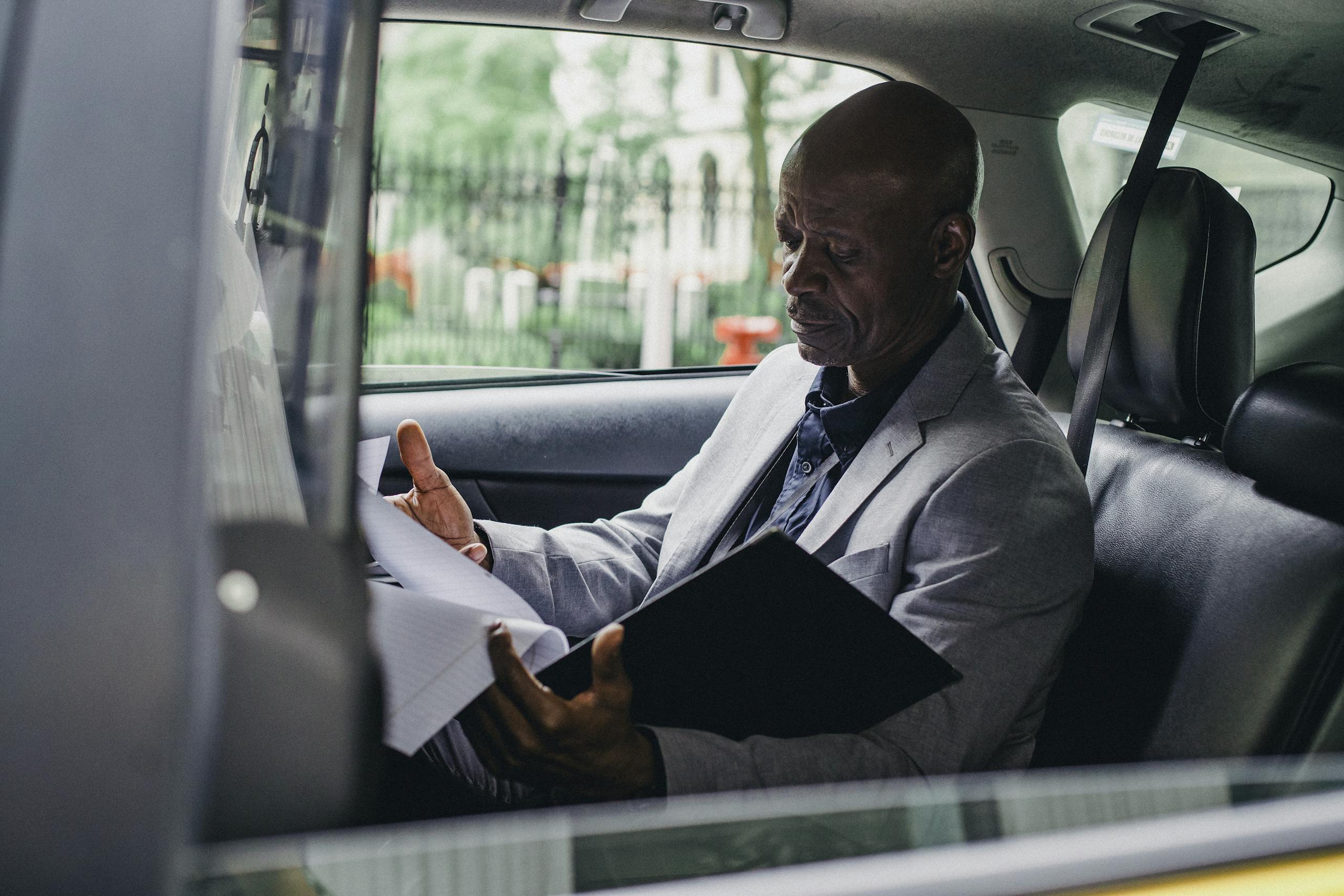
How Can Meeting Formats Be Redesigned to Include Quieter Voices?
The single most effective change I made to meetings at my agency cost nothing and took about thirty seconds to implement: I started sending agendas with specific discussion questions at least twenty-four hours in advance. That’s it. The quality of our meetings improved within a week.
What that small shift did was convert the meeting from a spontaneous verbal performance into a prepared conversation. Introverted team members, especially women, arrived having already processed their thinking. They weren’t generating ideas under pressure. They were sharing ideas they’d already refined. The playing field leveled noticeably.
Here are the structural changes that make the biggest difference:
Send Agendas With Real Questions, Not Just Topics
There’s a difference between “Q3 Campaign Review” as an agenda item and “What’s working in Q3 and what would you change if you could?” The first is a topic. The second is an invitation to think. Introverted women respond to genuine questions because they give the mind something concrete to work with before the meeting begins.
Build in Written Input Before or During the Meeting
Some of the most productive meetings I ran at the agency started with five minutes of silent writing. Everyone answered the same question on paper or in a shared document before anyone spoke aloud. This approach has a name in facilitation circles: brainwriting. It’s particularly effective because it separates idea generation from social performance. You’re not competing to be heard. You’re contributing to a pool of thinking that everyone can see.
The ideas that emerge from introverted participants in brainwriting sessions are often the most developed and the most original. They had time to think before they had to speak.
Rotate Who Speaks First
In most meetings, the same two or three people speak first, which anchors the group’s thinking around their framing. This is called anchoring bias, and it’s well-documented in group decision-making literature. One way to counter it is to deliberately rotate who opens a topic. When an introverted woman knows she’ll be asked to share her perspective at the start of a discussion, she can prepare for that. When she has to compete for airtime against faster talkers, she often doesn’t get the chance.
Create a “Parking Lot” for Ideas That Arrive Late
A simple visible space, whether a whiteboard section, a shared doc, or a Slack thread, where people can add thoughts after the meeting ends. This legitimizes the “I thought of something better on the drive home” experience that introverts know well. It also signals that the meeting isn’t the only place where contributions are valued.
What Role Does Psychological Safety Play for Introverted Women in Meetings?
Psychological safety, the belief that you can speak up without fear of humiliation or punishment, is foundational for anyone to contribute authentically in a group setting. For introverted women, it’s especially critical because the cost of speaking and being dismissed or talked over feels higher. Each negative experience reinforces the pattern of staying quiet.
There’s meaningful research on how social environments affect openness and participation. Work from PubMed Central examining social connection and emotional processing points to how much our sense of safety in a group shapes whether we’re willing to contribute at all. When that safety is absent, even the most capable people self-censor.
I’ve seen this up close. At one agency I ran, we had a creative director who was extraordinarily talented but almost silent in large group meetings. One-on-one, she was articulate, confident, and full of sharp observations. In a room of twelve people, she’d disappear. When I restructured our creative reviews to smaller groups of four or five, her participation transformed. Same person, same ideas. Different container.
Psychological safety for introverted women also means addressing the interruption problem directly. Leaders who allow introverted women to be consistently interrupted without intervening are, whether they intend to or not, teaching the room that those voices matter less. A simple “Let’s let Sarah finish” does more for meeting culture than an entire workshop on inclusion.

How Does the Social Drain of Meetings Affect Introverted Women’s Energy?
One thing that rarely gets discussed in workplace productivity conversations is the recovery cost of meetings for introverts. Every meeting, regardless of how well it goes, draws on social energy. For introverted women who are also managing the additional cognitive load of handling gender dynamics, that cost is higher.
I ran a period at my agency where we had what I called “meeting Mondays.” Every significant client and internal meeting was packed into Monday so the rest of the week could be for deep work. I thought I was being efficient. What I was actually doing was front-loading the week with the most socially draining activity possible and leaving my introverted team members depleted for the days that required their best thinking.
When I spread meetings more evenly and started building in thirty-minute buffers after long sessions, the quality of work that followed improved. People weren’t running from one draining conversation to the next. They had space to recover and refocus.
This connects to something broader about how introverts experience social connection and isolation. Many introverted women genuinely want to connect with colleagues. The question is whether the format serves that connection or exhausts the people it’s meant to include. If you’ve ever wondered whether the social drain you feel means something is wrong with you, it doesn’t. The piece on whether introverts get lonely explores this tension honestly, because wanting solitude and wanting connection aren’t mutually exclusive.
Practically, meeting-friendly schedules for introverts include: no back-to-back meetings without buffer time, protected blocks of uninterrupted work time each day, and the option to join some meetings asynchronously when live attendance isn’t essential.
What Can Introverted Women Do to Advocate for Themselves in Meetings?
Structural change is the most effective solution, but it requires someone with authority to implement it. While you’re waiting for that, or working toward it, there are approaches that help introverted women advocate for themselves without pretending to be someone they’re not.
Claim Your Space Before the Meeting Starts
Arrive a few minutes early and have brief one-on-one conversations with one or two people before the formal meeting begins. This does two things: it warms up your social processing so you’re not starting cold when the meeting opens, and it builds small relational threads that make speaking up in the group feel less exposed. You’re no longer speaking to strangers. You’re continuing a conversation.
Use the “Yes, and” Entry Point
One of the most effective ways to enter a fast-moving conversation is to build on something someone else just said. “Building on what Mara said about the timeline” gives you a legitimate entry point without requiring you to interrupt or compete. It also signals that you’ve been listening carefully, which is genuinely true and a real strength.
Follow Up in Writing After the Meeting
The follow-up email or Slack message after a meeting is underrated as a contribution channel. A well-crafted post-meeting note that synthesizes what was discussed, flags something that was missed, or adds a perspective that didn’t make it into the conversation can carry significant weight. Many introverted women are exceptional writers, and written communication is a format that rewards the kind of careful, layered thinking they naturally do.
This also connects to how introverted women build professional relationships more broadly. The same skills that make you thoughtful in a meeting, careful listening, considered responses, genuine curiosity, are the ones that make you someone people trust and want to work with over time. If you’ve struggled with social anxiety as a layer on top of introversion, the cognitive behavioral approaches used for social anxiety can help separate the fear of judgment from the natural preference for quieter engagement.
How Do Introverted Women Build Genuine Connection With Colleagues Outside Meetings?
Meetings are just one venue for professional relationship-building, and honestly, not the best one for introverts. The real connection often happens in the margins: a brief conversation after a session ends, a thoughtful reply to someone’s idea over email, a one-on-one lunch that goes somewhere real.
Many introverted women I’ve known, including several on my own teams, built their strongest professional relationships through consistent, low-key one-on-one interactions rather than group events. They weren’t antisocial. They were selective and intentional, which produced deeper trust than surface-level socializing ever could.
Some of the same dynamics that show up in professional settings also appear in personal friendship-building. If you’ve ever found yourself exhausted by large social gatherings but genuinely energized by a real conversation with one person, you’re not broken. You’re wired for depth. The piece on making friends as an adult with social anxiety addresses this honestly, including what to do when the anxiety of new social situations makes even the low-key approaches feel hard.
There’s also something worth naming about the particular loneliness that introverted women can feel in workplaces that celebrate extroverted norms. You can be surrounded by colleagues and still feel like you’re watching the party from outside the glass. That’s not a character flaw. It’s a signal that the environment isn’t designed for how you work best, and that’s worth changing.

What Can Leaders Do Right Now to Make Meetings More Inclusive?
If you lead meetings, you have more power to change the dynamic than anyone else in the room. The changes that matter most aren’t expensive or complicated. They require a shift in how you think about what a “good” meeting participant looks like.
Start by auditing who actually speaks in your meetings. Not who attends, who speaks. If the same three people account for eighty percent of the verbal contributions and you have a team of twelve, your meeting format is filtering out most of your team’s thinking. That’s an organizational problem, not a personality problem.
Some specific actions that move the needle:
Protect speaking turns. When someone is speaking and gets interrupted, redirect back to them. “I want to hear where Jana was going with that.” Do this consistently and the room learns that everyone’s contribution will be protected.
Normalize preparation time. Make it standard practice to share discussion questions before meetings, not as a nicety but as a professional norm. This signals that thoughtful preparation is valued over spontaneous performance.
Vary meeting formats. Not every meeting needs to be a live verbal discussion. Some decisions are better made through asynchronous input, written proposals, or small group conversations that feed into a larger meeting. Mixing formats gives different kinds of thinkers different opportunities to contribute at their best.
Check in privately. After a meeting where you noticed a quieter team member didn’t contribute much, a brief private check-in can reveal whether the format was the barrier. “I wanted to get your take on the direction we landed on” does more than any group invitation to speak up.
There’s a parallel here to how introverted people build friendships outside work. The same principle applies: create conditions where depth is possible rather than demanding performance. The way highly sensitive introverts approach connection, described well in the piece on HSP friendships and meaningful connections, offers a useful lens for understanding why environment matters so much to people who process deeply.
How Does the Introvert Experience in Meetings Connect to Broader Patterns of Connection?
Meetings are a microcosm of something larger: the challenge introverted women face in environments that weren’t designed with their communication style in mind. The same dynamics that play out in a conference room also show up in social gatherings, networking events, and even casual group chats.
Understanding this pattern is genuinely useful because it means the solutions that work in meetings often translate to other areas of life. Preparation, one-on-one connection, written communication, smaller groups, protected space for recovery: these aren’t just meeting strategies. They’re a framework for how introverted women can engage authentically across contexts.
I’ve watched introverted teenagers struggle with the same dynamics in classroom discussions that their parents face in boardrooms. The challenge of helping introverted teenagers make friends often comes down to the same core issue: the social formats available to them reward extroverted expression and penalize the quieter, more considered style that introverts naturally bring.
And in a world that’s increasingly digital, introverted women have more options than previous generations for finding formats that work for them. Some of the most meaningful professional and personal connections now happen through channels that favor thoughtful written communication over real-time verbal performance. The growth of apps designed for introverts to make friends reflects a broader recognition that connection doesn’t have to happen in the formats that exhaust quieter people.
Even geographically, the question of how to build genuine connection in environments that feel overwhelming, like the experience of making friends in New York City as an introvert, mirrors the challenge of finding your footing in a fast, loud meeting culture. The city, like the conference room, wasn’t built for quiet people. But quiet people find their way in both.
What’s encouraging is that the conversation is shifting. More organizations are recognizing that their meeting cultures are excluding significant portions of their talent. More leaders are asking how to create environments where different kinds of thinkers can contribute. And more introverted women are finding the language to name what they need, not as a complaint, but as a professional requirement.

The research on how group dynamics affect individual participation points to something important: when environments are structured to include diverse communication styles, the quality of collective thinking improves. A study examining group cognition and social processing found that the conditions under which people contribute matter enormously to what they contribute. Quieter participants in well-structured groups often produce the most novel and carefully reasoned ideas. The format was the variable, not the person.
There’s also emerging work on how personality traits interact with group communication patterns. Recent research on personality and social behavior continues to build the case that introversion is a communication style difference, not a deficit. The organizations that understand this distinction will build better teams. The ones that don’t will keep wondering why their quietest people aren’t contributing more.
My own experience as an INTJ leading large teams taught me that the people I had to work hardest to hear were often the ones with the most to say. The effort was always worth it. Every structural change I made to create space for quieter voices paid dividends in the quality of our work and the loyalty of the people doing it.
If you’re an introverted woman reading this, I want you to know something clearly: the discomfort you feel in meetings that weren’t designed for you is a reasonable response to an unreasonable situation. Your thinking style is not a problem to be fixed. It’s a resource that most organizations are currently wasting. The goal, for you and for the leaders around you, is to stop wasting it.
For more on how introverts build authentic connections across all areas of life, the full collection of resources in our Introvert Friendships Hub is a good place to keep exploring.
About the Author
Keith Lacy is an introvert who’s learned to embrace his true self later in life. After 20 years in advertising and marketing leadership, including running agencies and managing Fortune 500 accounts, Keith now channels his experience into helping fellow introverts understand their strengths and build fulfilling careers. As an INTJ, he brings analytical depth and authentic perspective to every article, drawing from both professional expertise and personal growth.
Frequently Asked Questions
Why do introverted women struggle more in meetings than introverted men?
Introverted women often face a compounded challenge in meetings. Social expectations around gender still push toward expressiveness and warmth, while introversion favors quiet, internal processing. When an introverted woman is measured and deliberate in a meeting, she may be perceived as disengaged or unconfident, a judgment that introverted men are less likely to receive for the same behavior. Add the well-documented pattern of women being interrupted more frequently in group discussions, and the barriers to contribution multiply. The issue is structural and cultural, not a reflection of capability or interest.
What is the single most effective change a meeting leader can make to include introverted women?
Sending a specific agenda with real discussion questions at least twenty-four hours before the meeting is the highest-impact, lowest-cost change available. It converts the meeting from a spontaneous verbal performance into a prepared conversation. Introverted women arrive having already processed their thinking, which means they can contribute their best ideas rather than generating ideas under social pressure. This single change consistently improves both the quality of contributions and the equity of participation across personality types.
Is it normal for introverted women to feel exhausted after meetings even when the meetings go well?
Yes, and it’s worth understanding why. Every social interaction draws on energy that introverts replenish through solitude and quiet. Meetings, even productive ones, require sustained social engagement, active listening, real-time verbal processing, and the management of group dynamics. For introverted women who are also monitoring gender dynamics in the room, the cognitive and emotional load is higher. Feeling tired after a meeting that went well isn’t a sign that something is wrong. It’s an accurate signal from your nervous system that you’ve spent energy and need time to recover.
How can an introverted woman speak up more in meetings without feeling like she’s performing?
A few approaches reduce the performance pressure significantly. Arriving early to have brief one-on-one conversations before the meeting starts warms up your social processing so you’re not starting cold. Using a “building on what was said” entry point gives you a natural way into the conversation without competing for airtime. Preparing two or three clear points in advance means you’re sharing refined thinking rather than generating ideas under pressure. And using post-meeting written follow-up as a legitimate contribution channel lets you add the ideas that arrived after the room cleared, which for introverts are often the best ones.
What meeting formats work best for introverted women?
Smaller groups of four to six people significantly reduce the social pressure of contribution compared to large group meetings. Formats that include written input before verbal discussion, such as brainwriting or pre-meeting shared documents, give introverted thinkers the chance to contribute in their strongest mode. Asynchronous meeting options, where participants can review a summary and respond in writing rather than attending live, work well for decisions that don’t require real-time collaboration. Rotating who speaks first on each topic prevents the same voices from anchoring every discussion. Any format that separates idea generation from social performance tends to produce better outcomes for introverted participants.