
Staying in isn’t a consolation prize. For introverts, it’s a deliberate, deeply satisfying choice that reflects how we’re wired to restore, connect, and thrive. These 41 reasons celebrate exactly that: the quiet joy of choosing home over the crowd, and why that choice deserves recognition rather than apology.
After two decades running advertising agencies, I spent a lot of years treating my preference for staying in as a professional liability. I’d drag myself to every client dinner, every industry mixer, every after-party I didn’t want to attend, convinced that presence equaled performance. What I eventually understood is that the hours I spent alone, processing and recharging, were the hours that actually made me good at my job. Staying in wasn’t laziness. It was maintenance.
If you’ve ever felt a wave of relief when plans got canceled, or found yourself genuinely excited about a quiet evening with no agenda, this list is for you. And if you’re raising introverted kids or parenting as an introvert yourself, the broader conversation around introvert family life runs deep in our Introvert Family Dynamics and Parenting hub, where we explore how personality shapes the way we live and love at home.
Why Do Introverts Actually Prefer Staying In?
Before we get to the list, it helps to understand what’s actually happening when an introvert chooses home over a social event. It’s not about shyness, misanthropy, or even social anxiety, though those can overlap for some people. At its core, introversion is about where your energy comes from. Extroverts gain energy from social interaction. Introverts spend it. That’s not a flaw. It’s a neurological reality that shapes how we process the world.
What’s your personality type?
Take our free 40-question assessment and get a detailed personality profile with dimension breakdowns, context analysis, and personalised insights.
Discover Your Type8-12 minutes · 40 questions · Free
The National Institutes of Health has noted that temperament traits observable in infancy, including sensitivity to stimulation and behavioral inhibition, can predict introversion in adulthood. In other words, many of us were wired this way from the beginning. Staying in isn’t a habit we developed out of fear. It’s an expression of who we genuinely are.
What that means practically is that the home environment, quiet, controllable, low-stimulation, is where introverts do their best thinking, their deepest feeling, and their most honest connecting. Every item on this list flows from that truth.
The 41 Reasons: A Celebration in Full
Reasons 1 Through 10: The Energy Economy
1. You wake up tomorrow without a social hangover. That drained, hollow feeling after a long evening of small talk is real. Staying in means you start the next day with your reserves intact.
2. You get to choose the noise level. Or the silence level. Either way, it’s yours to set.
3. Nobody needs anything from you right now. There’s a specific kind of exhaustion that comes from being “on” for hours. Staying in means you’re off the clock socially.
4. Your nervous system gets to settle. High-stimulation environments, loud music, overlapping conversations, bright lights, take a real toll. Home is where that settles.
5. You can think in full sentences. Not in the fragmented, reactive way conversation demands, but in the slow, layered way that actually produces good ideas.
6. Burnout recovery happens here. I’ve watched colleagues burn out spectacularly in this industry, and the ones who recovered fastest were the ones who gave themselves real permission to withdraw. Not just physically, but mentally. Home made that possible.
7. You can process emotions at your own pace. Introverts tend to process feelings internally and slowly. A quiet evening lets that happen without interruption or performance.
8. You’re not performing. No social role to play, no version of yourself to maintain for an audience. Just you, in your actual state.
9. Your creative mind comes alive. Some of my best campaign concepts came to me on Saturday evenings when I’d stayed in, not during brainstorming sessions at the office.
10. You remember what it feels like to be yourself. After days of adapting to other people’s energy and expectations, staying in is how you find your own baseline again.
Reasons 11 Through 20: The Quality of Quiet Connection
11. One-on-one conversation becomes possible. Introverts don’t avoid connection. We avoid shallow connection. Staying in with one person you actually want to talk to is deeply satisfying in a way a party never is.
12. You can go deep without a time limit. At a social event, conversations get interrupted, redirected, and cut short. At home, a single topic can breathe and expand.
13. Pets get your full attention. And they give it back without complication.
14. You can be genuinely present with your family. Not the distracted, depleted version that shows up after a long social evening, but actually present. As someone who spent years coming home from client events with nothing left to give, I know how much that difference matters. Understanding how personality shapes family life, including how introvert parents show up for their kids, is something I think about a lot. Parents who identify as highly sensitive will especially recognize this tension, and our piece on HSP parenting and raising children as a highly sensitive parent gets into exactly that dynamic.
15. You listen better. Without the noise and distraction of a social environment, introverts can give their full attention to the people they’re with.
16. Slow communication feels natural here. You don’t have to rush your thoughts, fill silence awkwardly, or compete for airtime. You can take your time.
17. Meaningful rituals become possible. A shared meal, a movie watched together, a long phone call with someone you love. These feel different at home than they do in a crowd.
18. You can be honest. Social environments often require a kind of performed positivity. At home, you can say what you actually mean.
19. Vulnerability doesn’t feel dangerous. Introverts tend to open up slowly and selectively. The home environment, familiar and safe, is where that openness actually happens.
20. You notice things. Details about the people you love, small changes in their mood or energy, things you’d miss entirely in a louder setting. Introverts are wired for this kind of observation, and staying in is where it pays off relationally.
Reasons 21 Through 30: The Inner Life
21. You can read without guilt. Not stolen minutes on your phone between conversations. Actual reading, for as long as you want.
22. Your inner monologue gets space. That ongoing internal commentary, the one that processes everything you’ve experienced, needs room to run. Staying in gives it that.
23. You can follow a thought all the way to the end. Interruption is the enemy of introvert thinking. Home is where thoughts get to complete themselves.
24. Curiosity gets fed. Whether that’s a documentary, a deep-dive article, a new recipe, or an old hobby, staying in is when introverts actually pursue the things they’re interested in.
25. You can sit with uncertainty. Not every question needs an immediate answer. Staying in allows the slow, patient kind of thinking that actually resolves hard problems.
26. Creativity has room to breathe. Some of the most interesting creative work I’ve seen from introverted team members came from the hours they spent alone, not the hours they spent in group ideation sessions.
27. You can be bored without panic. Boredom, for introverts, often precedes insight. The discomfort of having nothing to do is frequently the gateway to something genuinely interesting.
28. Your intuition sharpens. Constant external stimulation drowns out the quiet signal of intuitive knowing. Stillness amplifies it.
29. You can write. Journaling, letters, creative writing, professional thinking on paper. These all require a quality of quiet that staying in provides.
30. You get to decide what matters to you. Away from social pressure and other people’s priorities, your own values and preferences become clearer.
Reasons 31 Through 41: The Practical and the Profound
31. You save money without trying. Staying in is often free, or close to it. That’s not the main reason, but it’s a genuinely nice side effect.
32. Your sleep is better. Late nights out, especially in loud or stimulating environments, wreck introvert sleep quality. Staying in means going to bed when your body says to.
33. You eat what you actually want. No menu negotiation, no dietary compromise, no pretending you’re fine with the only vegetarian option.
34. You can dress exactly as comfortably as you want. This sounds small. It is not small.
35. You control the temperature. Again, small. Not small.
36. You don’t have to make small talk with strangers. Small talk isn’t inherently bad, but for introverts it’s effortful in a way that larger conversations aren’t. Staying in means you’re exempt.
37. You can leave whenever you want. Because you’re already home.
38. Your relationships with extroverts actually improve. When introverts show up to social events rested and recharged rather than depleted and obligated, they’re genuinely better company. Staying in when you need to is what makes showing up worthwhile when you choose to. The 16Personalities piece on introvert-introvert relationship dynamics makes an interesting point about how two introverts can sometimes fall into mutual withdrawal without meaning to, which is a real thing worth knowing about.
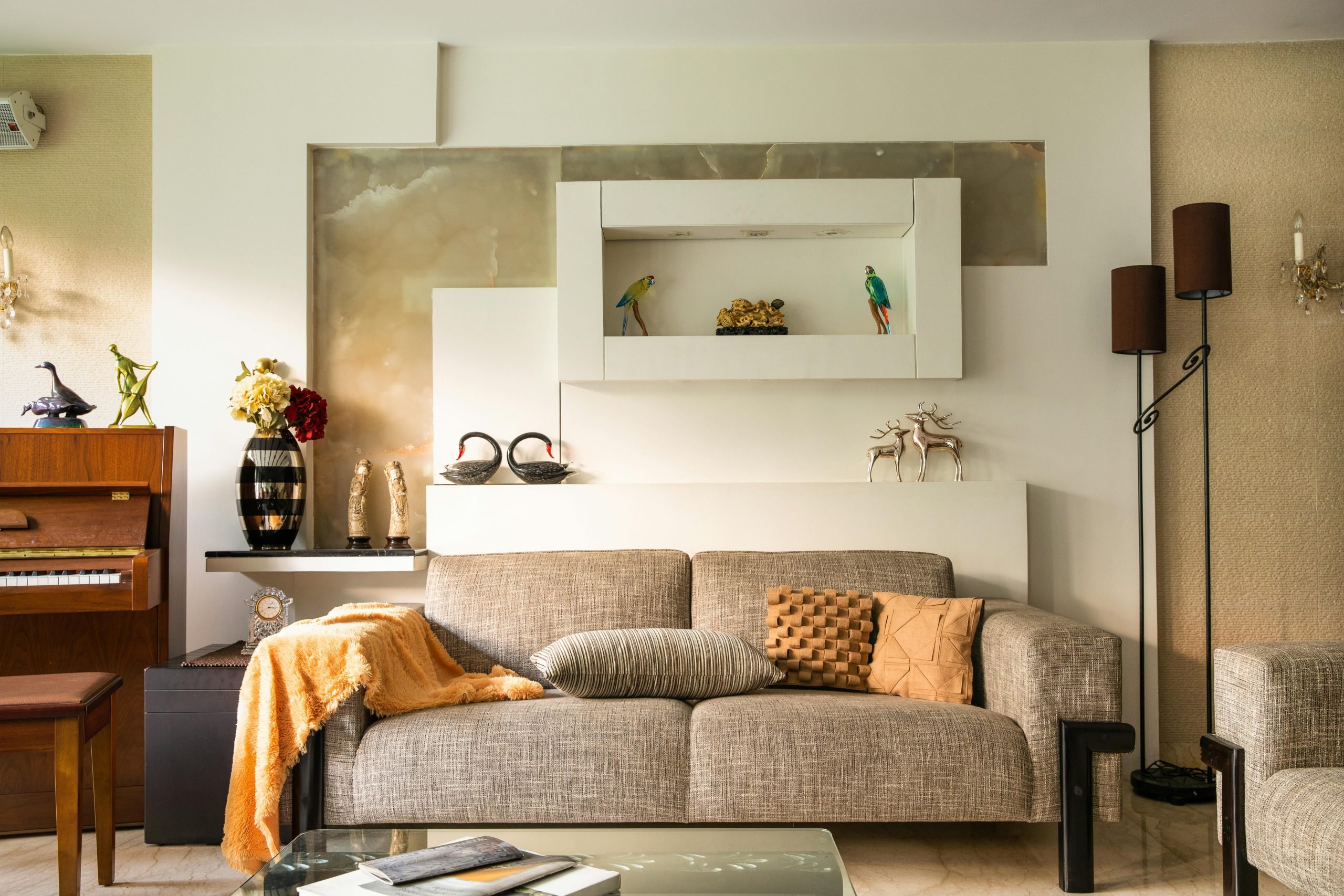
39. You build a home that actually reflects you. Introverts who spend time at home tend to invest in making that space genuinely comfortable and personal. That investment pays dividends every single day.
40. You model something valuable for introverted kids. Children who see a parent honor their own need for quiet and restoration learn that those needs are legitimate. That’s a gift that shapes how they understand themselves for the rest of their lives.
41. You stop apologizing for who you are. Every time you choose to stay in without guilt, without elaborate justification, without pretending you wish you’d gone out, you’re practicing something important. You’re treating your own nature as valid. That’s not a small thing. That’s, in many ways, the whole point.
What Does Personality Science Actually Say About This?
The introvert preference for low-stimulation environments isn’t a preference in the casual sense. It’s connected to how the nervous system responds to external input. Peer-reviewed work published in PubMed Central has examined the neurological basis for introversion, pointing to differences in how introverted and extroverted brains process dopamine and respond to arousal. Introverts tend to be more sensitive to stimulation, which means they reach their optimal arousal level faster and need less external input to feel engaged.
What that means practically is that staying in isn’t avoidance. It’s calibration. Introverts aren’t hiding from the world. They’re managing their relationship with it intelligently.
If you’re curious about where you fall on the introversion spectrum and how that connects to your broader personality, the Big Five Personality Traits test is worth taking. The Big Five model measures introversion and extroversion as one of five core dimensions, and it gives you a much more nuanced picture than a simple either/or label. It’s one of the most well-validated frameworks in personality psychology.
There’s also a meaningful difference between introversion and social anxiety, between choosing to stay in and feeling unable to go out. The American Psychological Association’s work on psychological distress and avoidance is useful context here. If staying in ever feels more like hiding than choosing, that distinction matters and is worth exploring with a professional.
How Does Staying In Shape Introvert Relationships?
One of the most persistent myths about introverts is that we don’t want relationships. What we actually want is relationships that don’t require us to be someone we’re not. Staying in is often where those relationships get built and sustained.
In my years running agencies, I managed teams of people with wildly different personality profiles. The extroverts on my team built relationships at happy hours and industry events. The introverts built them differently: over long one-on-one lunches, in quiet side conversations after meetings, through carefully written emails that said more than any quick exchange could. Neither approach was superior. They were just different architectures for the same thing.
At home, introverts often show up as remarkably attentive partners and parents precisely because they’re not performing. There’s no audience to manage, no social role to maintain. What’s left is genuine attention, and genuine attention is the foundation of real intimacy.
Psychology Today’s overview of family dynamics highlights how personality differences within families create both friction and richness. In families where one or more members are introverted, the home itself becomes a kind of negotiated territory: how much noise, how much activity, how much togetherness versus solitude. Getting that balance right matters enormously.
Something I find genuinely useful when thinking about how personality shows up in relationships is the Likeable Person test. It’s not about whether you’re socially skilled in the extroverted sense. It’s about the qualities that make people genuinely warm and trustworthy to others. Introverts often score well on those dimensions, even if they’d never guess it.
There’s also something worth naming about the way introverts communicate care. We tend to show up in quieter, more specific ways: remembering a detail someone mentioned weeks ago, noticing when someone is off before they’ve said anything, choosing the right moment for a real conversation rather than filling space with noise. These aren’t lesser expressions of care. They’re often more precise ones.
For anyone thinking about how introversion intersects with caregiving roles, whether that’s parenting, personal support work, or professional care, the Personal Care Assistant test offers an interesting lens on the qualities that make someone well-suited to attentive, empathetic support work. Many introverts find those roles deeply meaningful precisely because they draw on the same observational depth that makes staying in feel so natural.
When Staying In Becomes a Problem Worth Examining
Celebrating introversion doesn’t mean celebrating every form of withdrawal. There’s a difference between choosing solitude as a healthy practice and using it to avoid things that genuinely need to be faced. I’ve been honest with myself about that distinction over the years, and it’s worth naming here.
Introversion is a personality trait, not a protective mechanism. When staying in starts to feel like relief from something frightening rather than restoration from something depleting, that shift is worth paying attention to. Research published in PubMed Central examining personality and mental health outcomes suggests that while introversion itself isn’t a risk factor for psychological distress, the coping strategies introverts use can either support or undermine wellbeing over time.
If you’re ever uncertain whether your patterns of withdrawal are healthy or something more complicated, it can be worth exploring that honestly. The Borderline Personality Disorder test is one tool that can help distinguish between introvert traits and patterns that might reflect something deeper worth addressing with professional support. Self-knowledge is always worth pursuing, even when the answers are uncomfortable.
For most introverts, though, the issue runs in the opposite direction. We don’t stay in too much. We’ve spent years being told we should go out more, be more social, be more like the extroverts around us. The work isn’t learning to stay in less. It’s learning to stay in without shame.
What Staying In Looks Like When You’ve Fully Accepted It
There was a specific Friday night, maybe eight years into running my first agency, when I turned down a client dinner, went home, made pasta, and sat reading for three hours. No guilt. No checking my phone to see what I was missing. No internal argument about whether I should have gone.
That was new. For years before that, staying in had always come with a side of self-criticism. I’d be physically at home but mentally at the event I’d skipped, rehearsing the professional damage I was surely doing by not being there. The evening would end and I’d feel neither rested nor connected. Just guilty and tired.
What changed wasn’t my circumstances. It was my relationship with my own nature. Once I stopped treating introversion as a deficiency to be managed and started treating it as a design feature to be respected, staying in became genuinely restorative rather than just physically quiet.
That shift doesn’t happen all at once. It happens in small increments: one evening without apology, one declined invitation that doesn’t require elaborate justification, one Saturday morning where you’re genuinely glad you stayed home instead of going to the thing. Over time, those moments accumulate into something that feels like self-respect.
Personality type frameworks like the Truity overview of rare personality types are worth exploring if you’re still in the process of understanding how your wiring shapes your preferences. Knowing that your tendencies are shared by a recognizable category of people, that they have names and patterns and a body of understanding behind them, can be quietly validating in a way that’s hard to overstate.
Introverts who’ve done the work of accepting themselves tend to make better partners, better parents, and better colleagues. Not because they’ve learned to be more extroverted, but because they’ve stopped wasting energy fighting who they are. That energy goes somewhere more useful.
Whether you’re still building that self-acceptance or you’ve been living it for years, there’s more to explore about how introversion shapes the way we parent, connect, and build home life. Our complete Introvert Family Dynamics and Parenting hub covers the full landscape, from raising introverted children to handling family relationships as someone who needs more quiet than the people around you.
About the Author
Keith Lacy is an introvert who’s learned to embrace his true self later in life. After 20 years in advertising and marketing leadership, including running agencies and managing Fortune 500 accounts, Keith now channels his experience into helping fellow introverts understand their strengths and build fulfilling careers. As an INTJ, he brings analytical depth and authentic perspective to every article, drawing from both professional expertise and personal growth.
Frequently Asked Questions
Is preferring to stay in a sign of depression or social anxiety?
Not inherently. Introversion is a personality trait characterized by a preference for low-stimulation environments and a need to recharge through solitude. It’s distinct from depression, which involves persistent low mood and loss of interest, and from social anxiety, which involves fear-based avoidance of social situations. That said, these conditions can coexist with introversion, and if staying in feels driven by fear or dread rather than genuine preference, that distinction is worth exploring with a mental health professional.
How can introverts stay in without feeling guilty about it?
Guilt around staying in usually comes from internalizing the message that social participation equals value. Shifting that requires recognizing that solitude is a legitimate need, not a failure. Practical steps include being honest with yourself about what you actually need on a given evening, declining invitations without over-explaining, and noticing how much better you function when you honor your energy levels. Over time, those small acts of self-respect build into a genuine comfort with your own nature.
Do introverts actually enjoy staying in, or are they just avoiding social situations?
Most introverts genuinely enjoy their home time rather than simply tolerating it as an alternative to socializing. Activities like reading, creative work, cooking, deep conversation with a close friend or partner, and quiet reflection are intrinsically satisfying for introverts, not just acceptable substitutes for the real thing. The distinction matters: avoidance is motivated by wanting to escape something aversive, while introvert preference for home is motivated by genuine positive experience of solitude and low-stimulation environments.
How does staying in affect introvert relationships with extroverted partners or family members?
It creates real tension when not addressed openly. Extroverted partners may interpret a preference for staying in as disinterest or withdrawal, while introverts may feel pressured to socialize beyond their capacity. The most functional introvert-extrovert relationships tend to involve explicit conversations about energy needs, negotiated compromises around social schedules, and mutual respect for different recharging styles. Introverts who stay in when they need to tend to show up more fully when they do engage, which benefits the relationship overall.
Can staying in too much be unhealthy for introverts?
Yes, in certain circumstances. While solitude is genuinely restorative for introverts, complete social withdrawal over extended periods can contribute to loneliness, disconnection, and in some cases, worsening mental health. The goal isn’t maximum isolation but rather the right balance of solitude and connection for your specific needs. Most introverts function best with regular meaningful social contact, even if that contact is infrequent and carefully chosen. The quality of connection matters far more than the quantity.