
Aggressive shyness in children describes a pattern where deep social anxiety doesn’t produce quiet withdrawal but instead erupts as defiance, tantrums, or hostility. Rather than retreating inward, these children push outward, using anger as a shield against the vulnerability that social situations trigger. Understanding this pattern early can change everything about how parents and caregivers respond.
Most people expect shy children to be soft-spoken and hesitant. When a child instead shouts, hits, or refuses to cooperate in social settings, the shyness underneath often goes unrecognized. What looks like a behavior problem is frequently a fear response wearing a very convincing disguise.
As someone who spent two decades running advertising agencies, I’ve watched this dynamic play out in adults, too. Some of the most combative people I managed were deeply introverted individuals who had never found a healthier way to protect themselves in social environments. The roots of that pattern often go back a long way. Recognizing aggressive shyness in children is one of the most valuable things a parent can do, and it starts with understanding what’s actually happening beneath the surface.

If you’re working through questions like these as a parent or caregiver, our Introvert Family Dynamics and Parenting Hub covers the full range of how personality shapes family life, from temperament differences in early childhood to the long-term dynamics between introverted parents and their kids.
What Is Aggressive Shyness and How Does It Show Up in Children?
Shyness is a temperament trait rooted in heightened sensitivity to social evaluation. Children who are shy feel a strong pull toward caution when meeting new people or entering unfamiliar social settings. For most, that caution looks like clinging to a parent, going quiet, or hanging back at the edge of a group.
What’s your personality type?
Take our free 40-question assessment and get a detailed personality profile with dimension breakdowns, context analysis, and personalised insights.
Discover Your Type8-12 minutes · 40 questions · Free
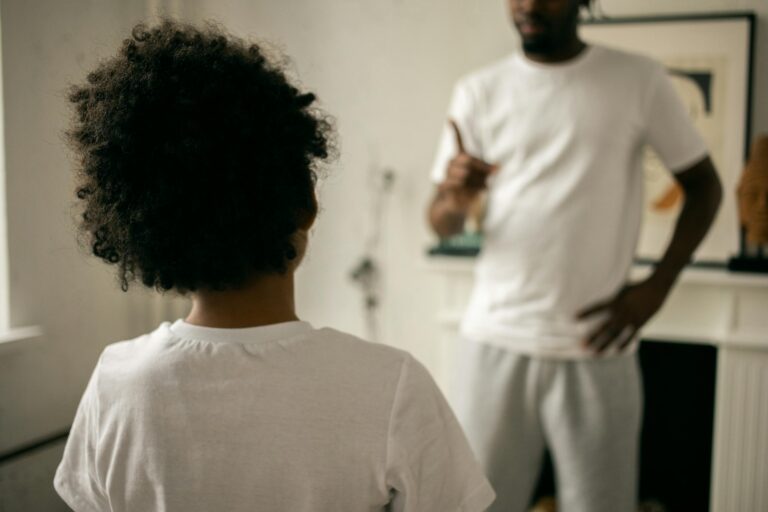
Aggressive shyness looks different on the outside, but the internal experience is similar. These children feel the same anxiety and social discomfort, but their nervous system responds with activation rather than inhibition. Instead of freezing or withdrawing, they fight. They might throw a tantrum before a birthday party, refuse to enter a classroom, shout at a peer who approaches them unexpectedly, or become physically aggressive when pushed into social contact they weren’t ready for.
The aggression isn’t about wanting conflict. It’s about creating distance. When a child feels overwhelmed by the exposure that social situations demand, aggression becomes a reliable tool for making people back away. It works, at least in the short term, which is why the pattern reinforces itself.
Some children also show this pattern through verbal aggression, saying cutting things, refusing to speak, or becoming sarcastic and dismissive when they feel socially cornered. The common thread is that the behavior creates a protective buffer between the child and the social situation triggering their anxiety.
The National Institutes of Health has documented that infant temperament, particularly behavioral inhibition, is a meaningful predictor of introversion in adulthood. Children with inhibited temperaments who don’t develop flexible coping strategies sometimes develop this aggressive-defensive pattern as a way of managing the social world on their own terms.
Why Do Some Shy Children Become Aggressive Instead of Withdrawn?
Not every shy child becomes aggressive in social situations. Several factors seem to shape whether a child moves toward withdrawal or toward aggression as their primary coping strategy.
Temperament plays a significant role. Children with higher baseline arousal and stronger emotional reactivity tend to express distress more intensely across the board. When shyness meets a temperament that processes emotion at high volume, the result is often explosive rather than quiet.
Past experience matters, too. A child who has been pushed repeatedly into social situations before they were ready, who has been mocked for being shy, or who has learned that adults don’t respond to softer signals of distress may escalate to aggression because it’s the only thing that actually works. If a quiet “I don’t want to go” gets ignored but a meltdown gets them out of the situation, the meltdown becomes the strategy.
I think about a creative director I managed early in my agency career. She was intensely introverted, and in her first year she would shut down completely in large meetings, going silent in ways that read as disengaged. By her third year, she’d replaced that silence with sharp, sometimes biting comments that cleared the room. She told me once that she’d learned the silence got her pushed harder, so she found a way to make people leave her alone. That’s aggressive shyness in adult form, and I’d bet it started somewhere in childhood.
Family dynamics also contribute. Children who grow up in households where emotional expression is either discouraged or modeled through conflict may not have the language or the examples they need to express social anxiety in more regulated ways. They work with what they have.

The Psychology Today overview of family dynamics captures something important here: the patterns children develop for managing stress are almost always shaped by the relational environment around them. Aggressive shyness rarely emerges in a vacuum.
How Can Parents Tell the Difference Between Aggression and Aggressive Shyness?
One of the most common mistakes parents make is treating the aggression as the primary issue rather than looking at what’s underneath it. That’s understandable. The aggression is visible, disruptive, and often embarrassing in public. The shyness driving it is invisible unless you know what to look for.
A few patterns can help distinguish aggressive shyness from other causes of aggressive behavior in children.
First, look at the context. Does the aggression cluster around social situations? Does it spike before school events, family gatherings, or playdates? Does it appear when the child is put on the spot, asked to perform, or pushed toward unfamiliar people? If the aggression is specifically tied to social exposure, that’s a meaningful signal.
Second, look at what happens after the aggression achieves its goal. If the child calms down once they’ve successfully avoided or exited the social situation, that tells you something about the function the behavior is serving. The aggression isn’t about dominance or cruelty; it’s about relief.
Third, consider whether the child shows genuine warmth and ease in familiar, low-pressure social settings. Many children with aggressive shyness are deeply affectionate and socially capable with people they trust. The aggression is reserved for situations where they feel exposed and evaluated, not for all social contact.
If you’ve ever taken a Big Five personality traits test, you’ll know that the dimension of neuroticism, which measures emotional reactivity and sensitivity to threat, varies widely across individuals. Children who score high on neuroticism and high on introversion are particularly prone to this pattern. The combination of social wariness and intense emotional response creates the conditions for aggressive shyness to take hold.
It’s also worth noting that aggressive shyness can look different across ages. In toddlers, it often shows up as biting, hitting, or screaming when approached by strangers. In school-age children, it might look like defiance, verbal hostility, or refusal to participate. In preteens, it can manifest as social withdrawal combined with sharp sarcasm or explosive reactions to perceived social pressure.
What Does Aggressive Shyness Feel Like From the Inside?
Children can’t always articulate what they’re experiencing, but adults who grew up with this pattern often describe it vividly in retrospect. The internal experience tends to involve a rapid escalation of anxiety in social situations, a feeling of being watched and evaluated, and a desperate need to create space before that exposure becomes unbearable.
As an INTJ, I process the world through a filter of internal analysis. I notice patterns, read rooms, and form assessments quietly. When I was younger, social situations where I felt suddenly exposed or evaluated triggered a kind of internal alarm that I didn’t have good language for. I didn’t become aggressive, but I understand the impulse to create distance. The difference between a child who goes quiet and one who lashes out is often just wiring and learned response, not the underlying experience.
What makes aggressive shyness particularly hard for children is that the aggression tends to make the social problem worse. Other children pull away. Adults become frustrated. The shy child ends up more isolated, which confirms their internal belief that social situations are dangerous and that they need to protect themselves more aggressively next time. It becomes a self-reinforcing cycle.
The American Psychological Association’s resources on trauma and stress responses are relevant here because chronic social anxiety in childhood can create lasting physiological patterns around threat detection. A child whose nervous system has learned to read social situations as dangerous will continue to respond accordingly until something interrupts that pattern.

Parents who are themselves highly sensitive or introverted may recognize this internal experience more readily than others. If you’re raising children while managing your own sensitivity, the article on HSP parenting and raising children as a highly sensitive parent speaks directly to that intersection and offers grounded perspective on how your own wiring shapes what you notice in your kids.
How Should Parents Respond to Aggressive Shyness in Their Children?
Responding well to aggressive shyness requires holding two things at once: validating the anxiety underneath while also not reinforcing the aggression as the only available tool. That’s a genuinely difficult balance, and most parents find it takes time and consistency to get right.
Start by naming what you observe without judgment. “You got really upset when we walked into the party. That happens sometimes when a place feels overwhelming.” Giving the child language for their internal experience is one of the most powerful things a parent can do. It reduces the pressure of the unexplained feeling and starts building the emotional vocabulary they need to eventually self-regulate.
Avoid forcing social situations as a solution. The instinct to push a shy child into more social contact, on the theory that exposure will reduce the fear, can backfire badly with children who are already using aggression to manage social anxiety. Forced exposure without support tends to increase arousal and entrench the defensive pattern. Gradual, supported, low-pressure social experiences work better.
Create predictability around social situations. Many children with aggressive shyness are reacting partly to the unpredictability of social environments. Knowing in advance who will be there, what will happen, and how long it will last reduces the threat level significantly. I’ve seen this work with introverted adults in professional settings, too. When I started briefing my team before large client presentations rather than springing the agenda on them, the quality of their contributions improved dramatically. Preparation is a form of respect for how introverted minds work.
Teach and model alternative responses. Children need to see that there are other ways to create space in overwhelming situations. Asking for a break, using a code word with a parent, stepping outside briefly, these are all strategies that serve the same function as aggression without the social cost. Practicing these in low-stakes situations helps them become available when anxiety spikes.
Some children benefit from working with a therapist who specializes in anxiety and social development. If the pattern is severe or causing significant distress, professional support can make a real difference. A good therapist will work with the child’s temperament rather than against it, building on strengths rather than trying to eliminate the introversion or sensitivity that underlies the behavior.
Does Aggressive Shyness Mean Something Is Wrong With My Child?
No. Aggressive shyness is a coping pattern, not a diagnosis. It develops when a child with a particular temperament encounters social demands they don’t yet have the tools to manage. That’s a developmental challenge, not a character flaw or a sign of serious pathology.
That said, it’s worth paying attention to whether the pattern is intensifying over time, whether it’s causing the child significant distress or social isolation, or whether it seems to be connected to something more complex going on emotionally. Sometimes what looks like aggressive shyness is part of a broader picture that benefits from professional evaluation.
If you’re trying to understand your child’s temperament more clearly, tools like the likeable person test can offer a starting point for thinking about the social and relational dimensions of personality. Understanding how your child naturally relates to others can help you calibrate your expectations and your support.
It’s also worth separating aggressive shyness from conditions that can look similar on the surface. Oppositional defiant disorder, sensory processing differences, and certain anxiety disorders can all produce behavior that resembles aggressive shyness. A pediatric psychologist or child therapist can help sort through what’s actually driving the pattern if you’re uncertain.
Some parents find it useful to reflect on their own personality and relational patterns when trying to understand their child. If you’ve ever wondered whether your own emotional responses are within typical range, resources like the borderline personality disorder test can be a useful reference point for understanding the spectrum of emotional reactivity in adults, which in turn can shed light on what you’re observing in your child.

How Does Aggressive Shyness Affect a Child’s Social Development Over Time?
Left unaddressed, aggressive shyness can create a narrowing social world. Other children learn to keep their distance. Teachers may label the child as difficult or defiant. The child internalizes the feedback that they are socially problematic, which deepens the anxiety and makes the defensive pattern more entrenched.
Over time, this can evolve into a pattern where the child, and later the adult, preemptively creates conflict or distance before social situations can become threatening. It’s a kind of social armor that becomes harder and harder to take off. I’ve managed people who operated this way, and the tragedy is that many of them were genuinely talented and deeply capable of connection. They’d just learned to protect themselves so thoroughly that the connection couldn’t get through.
The encouraging counterpoint is that children are remarkably responsive to the right support at the right time. When a parent or caregiver consistently communicates that the child’s anxiety is understandable, that they don’t have to face overwhelming situations alone, and that there are effective tools beyond aggression, the pattern can shift significantly.
Peer relationships are a crucial part of this. Finding even one or two social contexts where the child feels genuinely safe, whether that’s a small group activity, a one-on-one friendship, or a structured environment with clear expectations, can provide the foundation for broader social confidence. success doesn’t mean turn an introverted child into an extrovert. It’s to give them enough flexibility that their introversion doesn’t trap them.
A study published in PubMed Central examining childhood behavioral inhibition found that social outcomes in adulthood are significantly influenced by whether children develop effective emotional regulation strategies, not by whether they are shy or introverted in the first place. The temperament itself is not the problem. The coping strategies around it are what shape long-term outcomes.
What Role Do Schools and Caregivers Play in Supporting These Children?
Schools can make a significant difference, for better or worse, in how aggressive shyness develops. Teachers who respond to the aggression with punishment alone, without curiosity about what’s driving it, tend to escalate the pattern. The child learns that adults are another source of social threat, which makes the defensive behavior more intense.
Teachers who take the time to understand a child’s social anxiety, who offer predictable structures, who give the child some control over how they engage in group settings, and who respond to early signals of distress before they escalate, can interrupt the cycle in powerful ways. This requires a level of attunement that not every classroom environment supports, but it makes a real difference when it’s present.
Caregivers in after-school or childcare settings face similar dynamics. Children with aggressive shyness often struggle most during transitions, unstructured social time, and situations where the social rules are unclear. Providing more structure, more warning before transitions, and more explicit guidance about social expectations can reduce the frequency of aggressive episodes significantly.
For parents who work in caregiving or support roles professionally, the personal care assistant test online explores the relational and temperament qualities that shape how people support others. The same attunement that makes a good personal care assistant, patience, sensitivity to nonverbal cues, and the ability to read distress before it escalates, applies directly to supporting children with aggressive shyness.
Physical activity and movement-based environments can also help. Many children with high emotional reactivity and social anxiety find that physical engagement, whether through sports, dance, martial arts, or outdoor play, provides a regulated outlet for the arousal that would otherwise fuel aggressive episodes. The certified personal trainer test touches on how physical coaching intersects with emotional support, a dynamic that matters in youth fitness and activity settings where children with aggressive shyness may show up in ways that confuse instructors who don’t understand the underlying pattern.

What Can Parents Do to Protect Their Own Wellbeing While Supporting These Children?
Parenting a child with aggressive shyness is genuinely exhausting. The public episodes are mortifying. The constant vigilance required to anticipate and manage triggers is draining. And the emotional weight of watching your child struggle socially, especially if you recognize something of yourself in them, adds another layer entirely.
One of the most important things I’ve observed, both in my own experience and in watching others, is that self-awareness is not a luxury in this situation. It’s a necessity. If you’re an introverted parent who also struggled socially as a child, your child’s behavior will activate things in you that you may not expect. Old memories, old shame, old frustration. Knowing that those reactions are yours to manage, not your child’s responsibility to avoid triggering, is a significant piece of the work.
The research published in PubMed Central on intergenerational transmission of anxiety is relevant here. Parental anxiety, particularly social anxiety, can be transmitted to children through both genetic and environmental pathways. That’s not a reason for guilt. It’s a reason for awareness. Parents who are actively working on their own social anxiety tend to create environments that are more supportive for children handling the same terrain.
Finding community with other parents who understand this pattern also matters. The sense of isolation that comes from feeling like your child is the only one who behaves this way in social settings is real, and it’s inaccurate. Many families are working through exactly this dynamic, and connecting with others who get it reduces the shame that can otherwise compound an already difficult situation.
The Psychology Today resource on family dynamics offers useful framing for understanding how individual temperament differences ripple through the whole family system. When one child’s social anxiety is driving significant family stress, the whole system benefits from attention, not just the child at the center of it.
There’s more to explore on how introversion, temperament, and family dynamics intersect. Our Introvert Family Dynamics and Parenting Hub brings together articles on these themes from multiple angles, whether you’re a parent trying to understand your child, an adult reflecting on your own childhood, or someone working through how personality shapes the families we build.
About the Author
Keith Lacy is an introvert who’s learned to embrace his true self later in life. After 20 years in advertising and marketing leadership, including running agencies and managing Fortune 500 accounts, Keith now channels his experience into helping fellow introverts understand their strengths and build fulfilling careers. As an INTJ, he brings analytical depth and authentic perspective to every article, drawing from both professional expertise and personal growth.
Frequently Asked Questions
Is aggressive shyness the same as an anxiety disorder?
Aggressive shyness is a coping pattern, not a clinical diagnosis. It describes how some children with social anxiety express their distress through aggression rather than withdrawal. While it can overlap with anxiety disorders, not every child who shows aggressive shyness meets the criteria for a diagnosable condition. If the pattern is severe, persistent, or causing significant impairment, a professional evaluation can help clarify what’s driving it and what support would be most useful.
At what age does aggressive shyness typically appear?
The pattern can appear as early as toddlerhood, when children first encounter significant social demands outside the immediate family. It often becomes more visible during the preschool and early school years, when peer interaction becomes a regular part of daily life. Some children show the pattern primarily in early childhood and develop more flexible coping strategies as they mature. Others carry the pattern into adolescence and beyond without targeted support.
Can an introverted child outgrow aggressive shyness on their own?
Some children do develop more regulated responses over time, particularly if their environment provides consistent support and they have natural opportunities to build social confidence at their own pace. That said, the pattern doesn’t always resolve without some intentional support. Children who receive help developing alternative coping strategies tend to have better outcomes than those who are simply expected to grow out of it. The introversion itself doesn’t go away, but the aggressive response to social anxiety can shift significantly with the right support.
How do I explain aggressive shyness to my child’s teacher?
Start by framing the behavior in terms of its function rather than its appearance. Something like: “When my child gets aggressive in social situations, it’s usually a sign that they’re feeling overwhelmed and anxious, not that they’re trying to be defiant. They do better when they have some warning before transitions, when expectations are clear, and when they have a way to signal that they need a break.” Giving teachers specific, actionable information about what helps tends to be more effective than a general description of the problem.
Is aggressive shyness more common in introverted children?
Introverted children, particularly those with higher emotional reactivity, do appear more prone to this pattern because the combination of social wariness and intense emotional response creates the conditions for aggressive shyness to develop. That said, not all introverted children show this pattern, and it can appear in children across the temperament spectrum. What matters most is the combination of social anxiety and limited coping strategies, regardless of where a child falls on the introversion-extroversion continuum.