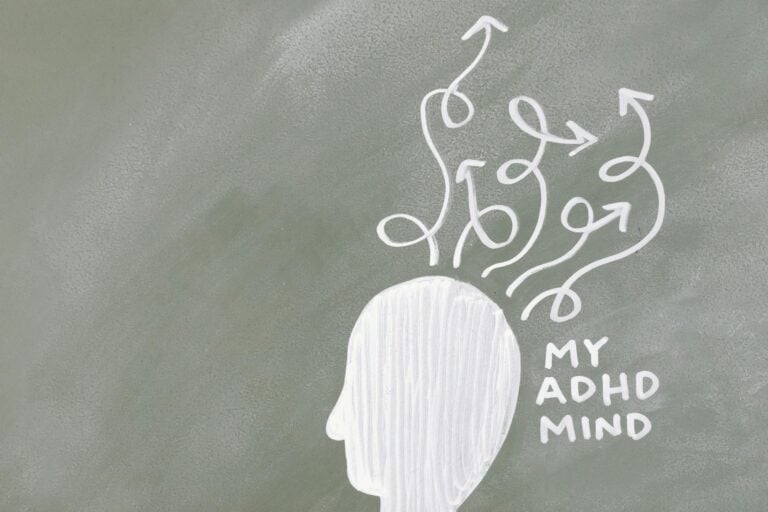

Art therapy in small group settings offers adolescents with social anxiety disorder a structured, low-pressure way to build social connection without the verbal demands that typically trigger anxiety. By channeling expression through creative materials rather than conversation alone, teens can engage with peers at their own pace, gradually building the tolerance for social interaction that traditional talk therapy sometimes struggles to reach. For many teenagers, the art itself becomes a bridge between isolation and belonging.
My own experience with social anxiety didn’t come with a clinical label. It came with a conference room full of people, a presentation I’d spent three days preparing, and a voice in my head insisting that everyone in that room could see straight through me. I was 34 years old, running an advertising agency, and convinced that my discomfort around groups meant something was fundamentally broken. It took years before I understood that anxiety and introversion aren’t the same thing, and that the tools for managing one don’t always work for the other. Watching clients’ teenage children struggle with social anxiety disorder later in my career, I started paying close attention to what actually helped them. Art therapy kept coming up.

If you’re a parent trying to figure out what your anxious teenager actually needs, or a professional looking for context on this particular approach, you’re in the right place. Our Introvert Family Dynamics and Parenting hub covers the full range of challenges that introverted and anxious young people face at home, and this article goes deeper into one specific intervention that’s showing real promise for teens with social anxiety disorder.
What Is Social Anxiety Disorder in Adolescents, and Why Does It Hit So Hard?
Social anxiety disorder is not shyness. It’s not introversion. It’s not just being nervous before a big presentation. For adolescents diagnosed with the condition, social situations trigger a level of fear that feels physically overwhelming, often including racing heart, nausea, difficulty breathing, and an intense conviction that others are watching and judging every move. The National Institute of Mental Health describes social anxiety disorder as a persistent fear of social or performance situations in which the person expects to feel embarrassed, judged, or rejected.
What’s your personality type?
Take our free 40-question assessment and get a detailed personality profile with dimension breakdowns, context analysis, and personalised insights.
Discover Your Type8-12 minutes · 40 questions · Free
Adolescence makes this worse by design. The teenage brain is wired for social comparison. Peer relationships carry enormous weight during these years, and the stakes of social failure feel existential in a way that adults often underestimate. A teenager with social anxiety disorder isn’t being dramatic when they refuse to eat in the cafeteria or skip class to avoid a group presentation. Their nervous system is registering a genuine threat.
What’s particularly difficult is that avoidance, which is the most natural response to anxiety, actually reinforces it over time. Every situation dodged sends a signal to the brain that the threat was real and the escape was necessary. Over months and years, the world gets smaller. Social connections thin out. Academic performance suffers. The isolation that feels like relief in the moment becomes its own source of suffering.
Cognitive behavioral therapy remains a well-established treatment for social anxiety disorder in adolescents, and Healthline’s overview of CBT for social anxiety outlines how the approach works to challenge distorted thinking and gradually reduce avoidance. Yet not every teenager responds to talk-based therapy, especially in the early stages when verbal disclosure itself feels threatening. That’s where art therapy, particularly in small group formats, offers something different.
How Does Art Therapy Work Differently From Talk Therapy for Anxious Teens?
Art therapy operates on a different channel. Where talk therapy asks a teenager to articulate their internal experience, art therapy invites them to externalize it through image, color, texture, and form. The creative process itself becomes a form of communication that doesn’t require finding the right words or maintaining eye contact or managing the social performance of a two-person conversation.
For a teenager whose anxiety centers on being watched and judged, there’s something genuinely relieving about having a legitimate reason to look down at a canvas instead of at other people. The art object becomes a third presence in the room, something to focus on, talk about, and share without the full weight of direct social exposure.

I think about this through my own lens as an INTJ. My mind has always processed experience internally first, filtering meaning through layers of observation before I’m ready to speak. Putting words to something before I’ve fully processed it feels genuinely uncomfortable, not just socially awkward. When I finally started journaling during a particularly demanding stretch running my second agency, I understood why some people need an intermediate step between inner experience and verbal expression. Art can be that step for teenagers who aren’t yet ready to talk about what they’re feeling.
There’s also a neurological dimension worth noting. Published research in PubMed Central has explored how creative engagement activates neural pathways associated with emotional processing and self-regulation, offering a physiological basis for why art-based interventions can support anxiety treatment beyond what talk therapy alone provides.
Art therapy also introduces what therapists call titrated exposure. The small group setting puts a socially anxious teenager in proximity to peers, which is inherently activating, but the structure of the creative task regulates how much direct social engagement is required at any given moment. Participation can expand gradually as comfort grows, which is far more sustainable than throwing an anxious adolescent into a standard group therapy circle and hoping for the best.
Why Small Groups Specifically? What Makes the Format Matter?
Group size is not incidental in this context. It’s a clinical variable. For adolescents with social anxiety disorder, a large group setting, even a therapeutic one, can reproduce the overwhelming social environment that triggers avoidance in the first place. A small group, typically three to six participants, changes the social math in ways that matter enormously.
Fewer people means fewer simultaneous social signals to track. It means less noise, less unpredictability, and a greater chance of forming genuine individual connections rather than disappearing into a crowd. For a teenager who has spent years feeling invisible or exposed in social situations, a small group offers something in between: enough social contact to practice, not so much that the system shuts down.
There’s a parallel in my agency experience that I return to often. When I had a team of 20 people in a room, the introverts on my staff went quiet. Their best thinking happened in writing, in one-on-ones, in small breakout groups where the social stakes felt manageable. The moment I started structuring our creative reviews differently, smaller groups, more structured formats, more written input before verbal discussion, the quality of contributions from quieter team members improved dramatically. The environment was shaping the output, not the capability.
The same principle applies to therapeutic settings. A small group art therapy session creates conditions where a socially anxious teenager can actually participate, rather than conditions that guarantee they’ll shut down. Over time, that participation becomes evidence against the anxiety’s central claim: that social situations are inherently dangerous and that the teenager is fundamentally unequipped to handle them.
For parents who are also highly sensitive themselves, the challenge of supporting an anxious teenager can feel especially layered. Our article on HSP parenting and raising children as a highly sensitive parent explores how your own nervous system affects the way you respond to your child’s distress, which is worth reading alongside this one.
What Does the Evidence Actually Say About Art Therapy for Teen Social Anxiety?
The evidence base for art therapy with adolescent social anxiety is growing, though it’s worth being honest about where it stands. This is not a field with decades of large-scale randomized controlled trials behind it. What exists is a meaningful body of clinical evidence, case studies, and smaller controlled research suggesting that art therapy, particularly in group formats, produces real benefits for anxiety, emotional regulation, and social functioning in young people.
A recent study indexed on PubMed examined art-based interventions in adolescent mental health contexts and found meaningful improvements in self-reported anxiety and social engagement among participants. The mechanisms appear to involve both the direct calming effect of creative engagement and the relational benefits of sharing creative work within a safe peer group.
Separately, research published in Springer’s cognitive behavioral literature has examined how group-based interventions for adolescent anxiety can be enhanced by incorporating non-verbal and expressive components, noting that the combination tends to improve engagement and reduce dropout rates compared to purely verbal formats.
What the evidence points toward is not that art therapy replaces evidence-based treatments like CBT, but that it can work alongside them, particularly for teenagers who struggle to engage with talk-based approaches. For some adolescents, art therapy may be the entry point that makes other therapeutic work possible.
It’s also worth noting that social anxiety disorder exists on a spectrum, and not every teenager who struggles socially meets the clinical threshold. If you’re trying to understand where your child falls, tools like the Big Five personality traits test can offer useful context about introversion, neuroticism, and social orientation, even though they’re not diagnostic instruments. Understanding personality dimensions can help parents separate introversion from anxiety, which is a genuinely important distinction.
What Actually Happens in an Art Therapy Small Group Session for Teens?
Parents often want to know what their teenager is actually walking into. The structure varies by therapist and setting, but a typical small group art therapy session for adolescents with social anxiety has recognizable elements worth describing.
Sessions usually begin with a brief check-in, often low-pressure, sometimes done in writing or through a simple visual prompt rather than verbal sharing. This reduces the social performance demand at the start of the session when anxiety is typically highest. The therapist might ask participants to choose a color that represents how they’re feeling, or to make a quick mark on paper before any discussion begins.
The creative work itself is typically structured around a theme or prompt that connects to the therapeutic goals of the group. Common themes include identity, belonging, fear, strength, and connection. The materials used, paint, clay, collage, drawing, are chosen deliberately. Clay, for instance, is particularly useful for teenagers who carry physical tension, because the tactile engagement provides a sensory anchor that can reduce physiological arousal.
Sharing finished or in-progress work is where the social component becomes most active. Teenagers are invited, not required, to talk about their work. The art object itself provides scaffolding for the conversation: instead of talking about themselves directly, they can talk about what they made, which feels meaningfully safer. Over time, the distance between the art and the self tends to shrink as trust in the group builds.
A skilled art therapist working with socially anxious adolescents will also pay close attention to group dynamics, watching for signs that a particular teenager is shutting down, and adjusting the structure to keep the session within a manageable range of activation. This is nuanced clinical work, not just supervised arts and crafts.
The qualities that make someone effective in this kind of caregiving role are worth thinking about carefully. If you’re exploring whether you or someone you know has the temperament for therapeutic support work, our personal care assistant test online can surface relevant traits around empathy, patience, and emotional attunement.
How Should Parents Support a Teenager Going Through Art Therapy?
One of the most important things parents can do is resist the urge to debrief. When a teenager comes home from a therapy session, the instinct to ask “How did it go? What did you make? Did you talk to anyone?” is understandable, but it can undermine the very thing the therapy is trying to build. Social anxiety often includes a strong component of self-monitoring and anticipated judgment. Parental questioning, even well-meaning questioning, can activate that same loop.

A better approach is to make space without filling it. Let your teenager share what they want to share, when they want to share it. Express interest in the art itself if they bring it home, rather than probing for details about the social experience. The message you want to send is that you trust the process and you trust them, not that you’re monitoring their progress.
It’s also worth examining your own relationship with social anxiety. Many parents of anxious teenagers recognize themselves in their child’s experience. The modeling you do around social situations, how you talk about them, whether you avoid them, how you recover from them, matters more than most parents realize. PubMed Central research on parental anxiety transmission has documented how parenting behaviors around anxiety can either buffer or amplify a child’s own anxious responses.
I watched this dynamic play out with a close colleague of mine during my agency years. She was a brilliant strategist, deeply introverted, and visibly anxious in large group settings. Her teenage daughter had been diagnosed with social anxiety disorder, and my colleague was simultaneously the most empathetic parent I’d ever seen and inadvertently one of the most accommodating. She removed every social obstacle from her daughter’s path, which felt like love and was, but it also prevented her daughter from building the tolerance she needed. Getting that balance right is genuinely hard.
If you’re uncertain about your own personality patterns and how they might be influencing your parenting approach, taking a likeable person test can sometimes surface useful insights about how others perceive your social style, which can be a starting point for reflection rather than a definitive answer.
What Should Parents Look for When Choosing an Art Therapy Program?
Not all art therapy is created equal, and not every program that uses the word “art” in its name is delivering clinical art therapy. This distinction matters for adolescents with a diagnosed anxiety disorder, who need a therapist with both mental health training and art therapy credentials, not just someone who runs creative workshops.
A registered art therapist (ATR) or board-certified art therapist (ATR-BC) has completed graduate-level training in both psychotherapy and art therapy practice. When evaluating a program for your teenager, asking about the therapist’s credentials is entirely appropriate. So is asking about their specific experience with adolescent social anxiety disorder, since this population has particular needs that differ from other anxiety presentations or age groups.
Group composition matters too. A small group that mixes teenagers with very different presentations, say, one teenager with severe social anxiety alongside others with primarily behavioral issues, may not serve anyone well. The best programs are thoughtful about who they place together, aiming for enough commonality that group members can relate to each other’s experience while maintaining enough diversity that the group doesn’t reinforce avoidance patterns collectively.
The physical setting also carries weight. A room that feels exposed, clinical, or chaotic is counterproductive for teenagers whose nervous systems are already on high alert. Good art therapy spaces tend to be warm, somewhat contained, and organized in ways that reduce unpredictability. These aren’t aesthetic preferences; they’re therapeutic conditions.
For parents who are also exploring their own mental health picture alongside their teenager’s, it can be helpful to have a clearer sense of your own personality landscape. Our borderline personality disorder test is one resource for adults trying to understand emotional patterns that might be affecting their relationships and parenting, though it’s not a substitute for professional evaluation.
When you’re evaluating a therapist’s fitness for working with anxious adolescents, the same qualities that make a good personal trainer matter in a different context: patience, the ability to calibrate challenge to capacity, and genuine investment in the person’s progress over time. Our certified personal trainer test explores some of these temperament qualities in an interesting parallel way.
What Does Progress Actually Look Like in Art Therapy for Socially Anxious Teens?
Progress in art therapy for adolescent social anxiety rarely looks like a straight line. It tends to look like a teenager who starts by sitting at the edge of the group and gradually moves closer. It looks like a teenager who initially refuses to share their work and eventually starts offering brief comments about it. It looks like someone who arrives each week with slightly less visible tension in their shoulders.
What parents often notice first is not a dramatic reduction in anxiety but a shift in their teenager’s relationship to social situations. The avoidance may begin to soften. The catastrophic predictions, “everyone will laugh at me,” “I’ll say something stupid,” may start to lose some of their grip. These are meaningful changes even when they’re hard to quantify.
The social connection that develops within a small art therapy group can also have effects that extend beyond the therapeutic setting. Knowing that there are other teenagers who struggle with similar fears, who also find groups overwhelming and social performance exhausting, can be genuinely relieving in a way that no amount of parental reassurance quite replicates. Psychology Today’s exploration of why socializing drains some people more than others touches on the neurological and emotional underpinnings of this experience, which can help teenagers understand themselves rather than simply judge themselves.
One thing I’d encourage parents to watch for is the difference between progress and performance. A teenager who appears to be doing fine in sessions but is white-knuckling through them without any actual shift in their internal experience isn’t progressing in a meaningful sense. A good art therapist will be tracking this distinction and adjusting accordingly. If you’re not getting regular updates on your teenager’s progress in terms that go beyond “they seem to be participating,” it’s worth asking more specific questions.
The Cornell research on brain chemistry differences between introverts and extroverts is a useful reminder that some of what looks like social anxiety is actually neurological wiring, not pathology. Helping a teenager understand their own nervous system, rather than simply trying to fix it, can be one of the most empowering things therapy accomplishes.
There’s more to explore on this topic and related ones in our Introvert Family Dynamics and Parenting hub, where we cover everything from highly sensitive parenting to personality testing within families.
About the Author
Keith Lacy is an introvert who’s learned to embrace his true self later in life. After 20 years in advertising and marketing leadership, including running agencies and managing Fortune 500 accounts, Keith now channels his experience into helping fellow introverts understand their strengths and build fulfilling careers. As an INTJ, he brings analytical depth and authentic perspective to every article, drawing from both professional expertise and personal growth.
Frequently Asked Questions
Is art therapy a replacement for CBT in treating adolescent social anxiety disorder?
Art therapy is generally considered a complementary approach rather than a replacement for cognitive behavioral therapy in treating adolescent social anxiety disorder. CBT has a strong evidence base for this condition and addresses the cognitive patterns that maintain anxiety over time. Art therapy can work alongside CBT by providing a less verbally demanding entry point for teenagers who struggle to engage with talk-based treatment, or by supporting emotional processing in ways that enhance the work being done in CBT. Many effective programs combine both approaches.
How do I know if my teenager’s social struggles are social anxiety disorder or introversion?
Introversion and social anxiety disorder are distinct, though they can coexist. Introversion is a personality orientation characterized by a preference for less stimulating environments and a need for solitude to recharge. Social anxiety disorder involves significant fear and distress in social situations, often with physical symptoms, and typically causes meaningful impairment in daily functioning, such as avoiding school, friendships, or activities the teenager would otherwise want to engage in. An introverted teenager who is content with a small number of close friendships and simply prefers quiet time is not necessarily anxious. A teenager who desperately wants social connection but is prevented from pursuing it by overwhelming fear is showing signs worth evaluating clinically.
What age range benefits most from small group art therapy for social anxiety?
Small group art therapy has been used effectively across a wide adolescent age range, generally from around 10 to 18 years old, with the specific approach adapted to developmental stage. Younger adolescents tend to benefit from more structured creative prompts and shorter sessions, while older teenagers can engage with more open-ended themes and longer processing discussions. The small group format tends to be particularly valuable during middle school and early high school years, when social hierarchies are most intense and the fear of peer judgment is typically at its peak.
How long does a typical art therapy program for teen social anxiety last?
Program length varies depending on the severity of the teenager’s anxiety, the therapeutic goals, and the specific setting. Many structured small group art therapy programs run for 8 to 16 weeks, meeting weekly for sessions of 60 to 90 minutes. Some teenagers benefit from an ongoing open group format that continues beyond an initial structured phase. Progress is typically reassessed at regular intervals, and the duration is adjusted based on how the teenager is responding. Parents should ask their teenager’s treatment team about specific timelines and what markers they’re using to evaluate progress.
Can art therapy help if my teenager says they’re not creative?
Yes. Art therapy is not about artistic talent or producing aesthetically impressive work. The therapeutic value comes from the process of engaging with materials and expressing internal experience, not from the quality of the finished product. Most art therapists who work with socially anxious adolescents are skilled at framing creative activities in ways that remove the performance pressure around “being good at art,” which is itself a form of social anxiety. Teenagers who initially resist art therapy because they don’t consider themselves creative often find that the low-stakes nature of the work is precisely what makes it accessible.