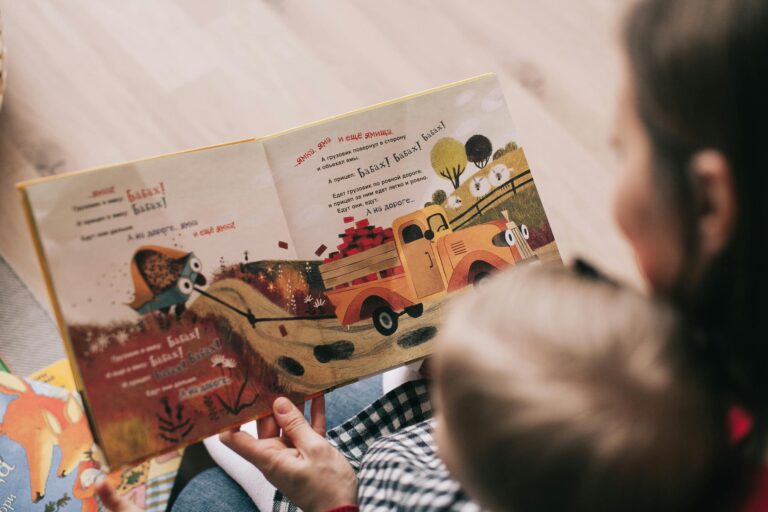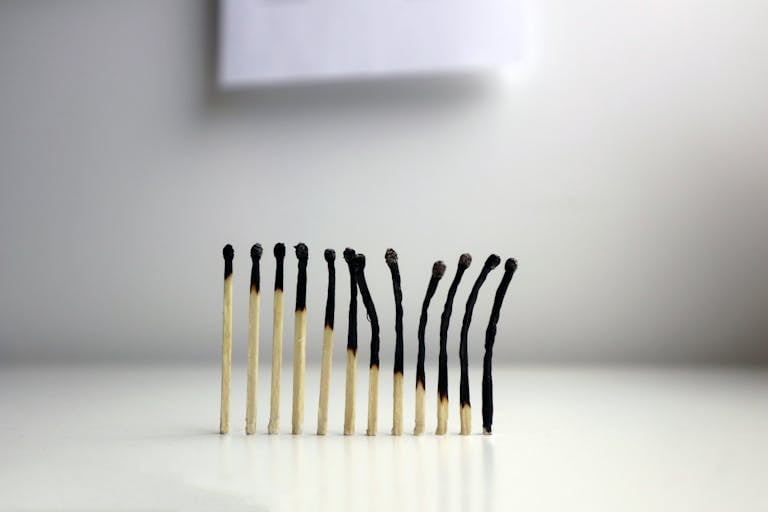

Do introverts have trouble being stay-at-home parents? The honest answer is: sometimes, yes, and that’s worth talking about openly. The relentless togetherness, the noise, the constant emotional availability that parenting small children demands can genuinely wear on someone who needs solitude to recharge. And yet, many of the qualities that define introverted people, including patience, depth of observation, calm presence, and meaningful one-on-one connection, make them exceptionally well-suited for the work of raising children at home.
The trouble isn’t that introverts can’t do it. The trouble is that nobody told them it would feel this specific kind of hard, and that the hard parts don’t mean they’re failing.

If you’re exploring what it means to parent as an introvert, or trying to understand the fuller picture of how personality shapes family life, our Introvert Family Dynamics & Parenting hub covers the landscape from multiple angles. This article focuses on one of the most specific and underexplored corners of that landscape: what it actually looks and feels like when an introverted person becomes the primary at-home parent.
What Makes Stay-at-Home Parenting Uniquely Challenging for Introverts?
I didn’t stay home with my kids full-time, but I’ve had enough seasons of intensive at-home presence, school breaks that stretched for weeks, remote work periods where the boundary between office and living room dissolved completely, to understand what it costs an introverted person to be “on” all day without a break. In my agency years, I could close my office door. I could take a client call and use it as structured alone time, even if it wasn’t truly solitary. At home with children, there is no door that stays closed.
What’s your personality type?
Take our free 40-question assessment and get a detailed personality profile with dimension breakdowns, context analysis, and personalised insights.
Discover Your Type8-12 minutes · 40 questions · Free
Stay-at-home parenting removes almost every structural buffer that introverts typically rely on to manage their energy. There’s no commute that functions as a decompression transition. There’s no lunch hour spent quietly at a desk. There’s no end-of-day ritual that signals the shift from social mode to recovery mode. The role is continuous, and the demands are unpredictable in a way that even the most chaotic client situation rarely matched.
Children, especially young ones, are relentlessly present. They ask questions in rapid succession. They need physical contact, emotional attunement, creative engagement, and logistical management all at once, often before 9 AM. For someone whose nervous system is wired to process deeply and quietly, that sustained external stimulation doesn’t just feel tiring. It can feel like a kind of erosion.
What makes it more complicated is that the exhaustion is invisible to most people around you. When I’d come home from a full day of client presentations and agency management, nobody questioned why I needed twenty minutes alone before dinner. That was legible fatigue. But an introverted stay-at-home parent who says “I’m depleted” after a day of caring for their own children often faces confusion or judgment, because the work doesn’t look like work from the outside.
Is the Problem Energy Drain or Something Deeper?
Energy drain is real, but it’s worth separating it from the other things that can make stay-at-home parenting feel difficult for introverts. Sometimes what looks like introvert exhaustion is actually something else entirely, including identity loss, isolation, or unmet needs that have nothing to do with personality type.
Adult social isolation is a genuine concern for stay-at-home parents of any personality type. The psychological research on family dynamics consistently points to the importance of adult connection and identity outside of the parenting role. Introverts sometimes assume they should be fine with less social contact, and they use their introversion as an explanation for why they don’t need a playgroup or a coffee with another adult. But there’s a meaningful difference between choosing solitude and being structurally cut off from adult conversation for weeks at a time.
I’ve seen this pattern in people I’ve worked with and known personally. An introverted parent withdraws from adult social structures because they feel depleted, but the withdrawal itself deepens the depletion. What they needed wasn’t less contact with other adults. They needed less noise, less performance, less small talk, and more of the kind of quiet, real conversation that actually restores them. Those are different things.
It’s also worth asking whether the difficulty is connected to sensory sensitivity rather than introversion alone. Some introverted parents are also highly sensitive people, and the overlap creates a particular kind of overwhelm. If you’re noticing that the sensory dimension of parenting, the noise, the chaos, the physical demands, feels especially acute, the perspective on HSP parenting and raising children as a highly sensitive parent might speak to what you’re experiencing more precisely than introversion alone does.

What Do Introverts Actually Bring to Full-Time Parenting?
consider this I’ve observed, both in my own parenting and in watching introverted people I respect raise their children: the qualities that make someone introverted often translate into genuine parenting strengths, even when those same qualities make the role exhausting.
Introverted parents tend to notice things. They pick up on the subtle shift in a child’s mood before it becomes a meltdown. They register the small detail, the hesitation before school, the change in appetite, the way a child goes quiet when something is bothering them. In my advertising work, I used to tell my team that the most valuable skill in a client meeting wasn’t talking. It was listening with enough attention to catch what the client wasn’t saying directly. That same skill, applied to a child, is profound.
Introverted parents also tend to create environments of calm. Children are extraordinarily sensitive to the emotional temperature of the adults around them. A parent who defaults to quiet, who doesn’t escalate, who processes before reacting, gives a child something genuinely valuable: a regulated adult in their presence. That’s not a small thing. The NIH has noted the relationship between infant temperament and adult introversion, which points to how early these patterns form and how much the caregiving environment shapes them.
There’s also the matter of depth. Introverted parents are often exceptional at the kind of engaged, one-on-one play and conversation that children crave. They may not want to host a neighborhood playdate every Saturday, but they’ll spend an hour building an elaborate block structure with their four-year-old and genuinely enjoy it. They’ll have real conversations with their kids, asking questions that go somewhere, listening to the answers with full attention. That quality of presence is something many children of introverted parents describe with real warmth when they’re older.
Understanding your own personality profile more precisely can help you see where your natural strengths lie as a parent. The Big Five Personality Traits test is particularly useful here because it measures dimensions like conscientiousness, openness, and agreeableness alongside introversion, giving you a more complete picture of what you naturally bring to caregiving situations.
How Do Introverted Stay-at-Home Parents Manage Their Energy?
Managing energy as a stay-at-home parent requires treating solitude as a genuine logistical need rather than a luxury. That reframe matters more than it might sound.
In my agency years, I eventually stopped apologizing for the way I worked. I stopped pretending I wanted an open-door policy. I built structure that protected my thinking time, and I was more effective for it. The same principle applies at home. An introverted parent who treats their need for quiet as an inconvenient personality quirk will constantly feel guilty for needing what they need. An introverted parent who treats it as a legitimate operating requirement will find ways to build it in systematically.
What does that look like practically? It varies by the age of the children and the structure of the household, but some patterns appear consistently. Nap time protected as genuine quiet time, not as a window to catch up on tasks. A consistent morning window before children wake, even thirty minutes of silence before the day begins. An agreement with a partner or co-parent about a weekly stretch of true alone time. Evening rituals that allow for decompression rather than more stimulation.
success doesn’t mean avoid your children. It’s to stop running on empty, because a depleted parent isn’t a better parent. They’re just a more exhausted one.
It’s also worth examining the relationship dynamics in the household. How an introverted stay-at-home parent relates to an extroverted spouse, for instance, shapes everything from how household labor gets divided to how conflict gets handled. The 16Personalities piece on introvert-introvert relationships raises interesting points about what happens when both partners are introverted and both need recovery time, which is a dynamic that stay-at-home parenting can intensify significantly.
Does Personality Type Predict Whether a Stay-at-Home Parent Will Struggle?
Not in any simple or deterministic way. Personality type is one variable among many, and it interacts with factors like the number and ages of children, access to support, financial stress, relationship quality, and a person’s own history with their caregiving environment growing up.
What personality type does predict is the specific texture of the struggle. An introverted stay-at-home parent is more likely to experience depletion from overstimulation than from loneliness, though as I noted earlier, the loneliness can sneak in through the back door. They’re more likely to find large group activities with other parents draining rather than restorative. They’re more likely to feel the weight of being “on” continuously, without the natural pauses that social interaction with other adults would provide.
An extroverted stay-at-home parent might struggle more with the isolation, the lack of adult stimulation, the absence of a workplace environment that gave them energy. The challenges are different, not ranked.
What’s worth noting is that some people who identify strongly as introverts are also carrying other things that shape their experience of caregiving. Anxiety, depression, past trauma, or certain personality patterns can all amplify the difficulty in ways that go beyond introversion. The American Psychological Association’s resources on trauma are a useful starting point for anyone wondering whether their caregiving struggles have roots that run deeper than personality type.
There’s also value in being honest with yourself about whether what you’re experiencing is introvert depletion or something that warrants more attention. Some people find it helpful to take a structured self-assessment as a starting point for that kind of reflection. The Borderline Personality Disorder test available on this site is one resource that can help you distinguish between personality-based patterns and experiences that might benefit from professional support.
What About the Social Expectations Around Stay-at-Home Parenting?
There’s a cultural script around stay-at-home parenting that doesn’t fit introverts particularly well. It often involves playgroups, school volunteer committees, neighborhood social networks, and a general expectation of cheerful, continuous social engagement. For an extroverted parent, those structures might genuinely energize them. For an introverted parent, they can feel like an additional job layered on top of an already demanding one.
I remember managing a creative director at my agency who was deeply introverted and brilliant at her work, but who struggled intensely with the expectation that she’d participate enthusiastically in every all-hands meeting and team social event. She wasn’t disengaged from her work. She was disengaged from the performance of engagement. Stay-at-home parenting carries its own version of that performance expectation, and it’s worth naming it clearly.
You don’t have to attend every playdate to be a good parent. You don’t have to volunteer for every school event to be invested in your child’s education. You don’t have to perform extroverted warmth at the school pickup line to be genuinely loving and present with your children. Separating what’s actually required from what’s culturally expected is one of the more freeing things an introverted stay-at-home parent can do.
That said, some degree of engagement with other parents does matter, not for social performance, but because your children benefit from friendships, and those friendships often require some parental coordination. Finding the format that works for you, one-on-one conversations rather than group gatherings, text-based coordination rather than phone calls, structured activities rather than open-ended socializing, makes it sustainable rather than something you dread.
It’s also worth considering how you come across in those limited social interactions you do have. An introverted parent who seems reserved or distracted at school events might be misread as unfriendly or uninterested, when in reality they’re simply processing quietly. Taking the Likeable Person test can offer some useful self-awareness about how you’re perceived socially and whether there are small adjustments that might help you connect more easily in the contexts where connection matters.

Can an Introvert Thrive as a Stay-at-Home Parent Long-Term?
Yes, genuinely. Not in spite of their introversion, but in many ways because of it. The capacity for deep attention, for calm regulation, for meaningful one-on-one connection, for creating a home environment that feels settled and thoughtful rather than chaotic, these are real gifts in the parenting context.
What makes it sustainable long-term is building a life structure that takes introversion seriously rather than treating it as an obstacle to work around. That means protecting solitude as a genuine need. It means being honest with a partner about what you require to function well. It means finding the social formats that restore rather than drain you. And it means releasing the guilt that comes from not matching the extroverted cultural ideal of what an enthusiastic, socially engaged parent looks like.
There’s something worth saying here about identity, too. Many stay-at-home parents, introverted or otherwise, find that the role can swallow the self if they’re not careful. For introverts, who often have a rich inner life and a strong sense of their own thoughts and values, maintaining some thread of personal identity outside of parenting is particularly important. That might look like a creative practice, a professional skill kept current, a small community of people who know you as something other than someone’s parent. The research on parental wellbeing consistently points to the importance of personal identity and autonomy as protective factors for long-term parenting satisfaction.
Some introverted stay-at-home parents also find that their skills translate naturally into caregiving-adjacent work they can do from home, tutoring, consulting, writing, coaching. Others find that taking a structured assessment helps them think about what they’d want to return to professionally when their children are older. The Personal Care Assistant test online is one example of a career-oriented assessment that can help clarify whether caregiving work aligns with your strengths in a professional context, not just a parenting one.
And for those who are thinking further ahead, about what comes after the full-time parenting years, it’s worth knowing that the discipline, patience, and organizational capacity that stay-at-home parenting builds are genuinely transferable. The Certified Personal Trainer test is another assessment worth exploring if you’re an introverted parent considering what kind of work might suit your strengths when you’re ready to re-enter or shift into a professional role, particularly if one-on-one coaching appeals to you more than group environments.
What Does the Research Actually Say About Introverts and Parenting?
The direct research on introversion and stay-at-home parenting specifically is limited. What exists tends to be embedded in broader work on parenting styles, temperament, and family dynamics rather than studies focused on this particular intersection.
What the broader literature does suggest is that parenting outcomes are shaped more by the quality of the parent-child relationship and the consistency of care than by the parent’s personality type. A thoughtful, present, emotionally attuned introverted parent has every advantage over a distracted or disengaged extroverted one, and vice versa. Personality type is a lens, not a verdict.
There’s also meaningful work on the relationship between parental wellbeing and child outcomes. When parents are chronically depleted, stressed, or emotionally unavailable because their own needs aren’t being met, it affects the children. This isn’t a reason to feel guilty. It’s a reason to take your own needs seriously. An introverted stay-at-home parent who insists on protecting their recovery time isn’t being selfish. They’re being strategic about what their children actually need from them, which is a present, regulated adult, not a martyr.
The research on parental stress and child development reinforces what many experienced parents already know intuitively: the emotional environment a parent creates matters enormously, and that environment is hard to sustain when the parent is running on empty.
Understanding the broader dynamics of introvert family life, including how personality shapes everything from parenting approaches to sibling relationships to how families handle conflict, is something I find genuinely worth exploring. Our Introvert Family Dynamics & Parenting hub brings together the full range of those conversations in one place.
About the Author
Keith Lacy is an introvert who’s learned to embrace his true self later in life. After 20 years in advertising and marketing leadership, including running agencies and managing Fortune 500 accounts, Keith now channels his experience into helping fellow introverts understand their strengths and build fulfilling careers. As an INTJ, he brings analytical depth and authentic perspective to every article, drawing from both professional expertise and personal growth.
Frequently Asked Questions
Do introverts struggle more than extroverts as stay-at-home parents?
Introverts and extroverts face different challenges in the stay-at-home parenting role rather than one group struggling more overall. Introverts are more likely to experience energy depletion from continuous social demands and sensory stimulation, while extroverts may struggle more with adult isolation and the lack of external stimulation. The key difference is in the type of difficulty, not the degree. With the right structure and self-awareness, introverted parents can thrive in the role and often bring genuine strengths including calm presence, deep observation, and meaningful one-on-one connection.
How can an introverted stay-at-home parent recharge without neglecting their children?
Recharging as an introverted stay-at-home parent requires treating solitude as a logistical need rather than a luxury. Practical approaches include protecting nap time as genuine quiet time, establishing a morning routine that includes time before children wake, negotiating regular solo time with a co-parent or partner, and finding low-stimulation activities that can be done alongside children rather than requiring constant active engagement. The goal is building recovery into the structure of the day rather than hoping it happens spontaneously.
Is it normal for an introverted parent to feel touched out or overstimulated?
Yes, and it’s more common among introverted parents than is often acknowledged. “Touched out” is a term many parents use to describe the feeling of physical and sensory overwhelm that comes from continuous physical contact and stimulation. Introverted parents, particularly those who are also highly sensitive, may experience this more acutely. It doesn’t indicate a lack of love for your children. It indicates that your nervous system has hit its capacity and needs recovery. Naming it clearly and building in physical space where possible helps significantly.
Do children benefit from having an introverted stay-at-home parent?
Children benefit from many of the qualities that introverted parents naturally bring to caregiving. These include attentiveness to subtle emotional cues, calm and regulated responses to stress, the ability to engage deeply in one-on-one play and conversation, and the creation of a home environment that tends toward thoughtfulness rather than chaos. Children raised by introverted parents often describe feeling genuinely heard and understood. The benefits are real, even when the challenges are also real.
When should an introverted stay-at-home parent seek outside support?
Seeking outside support is appropriate when the difficulty goes beyond typical introvert depletion. Signs that professional support might be helpful include persistent feelings of hopelessness or worthlessness, difficulty bonding with your children, significant anxiety or depression that doesn’t lift with rest, or a sense that your struggles have roots in your own history rather than the demands of the role itself. Introversion explains some of the challenge of stay-at-home parenting, but it doesn’t explain everything. Reaching out to a therapist or counselor is a sign of self-awareness, not weakness.