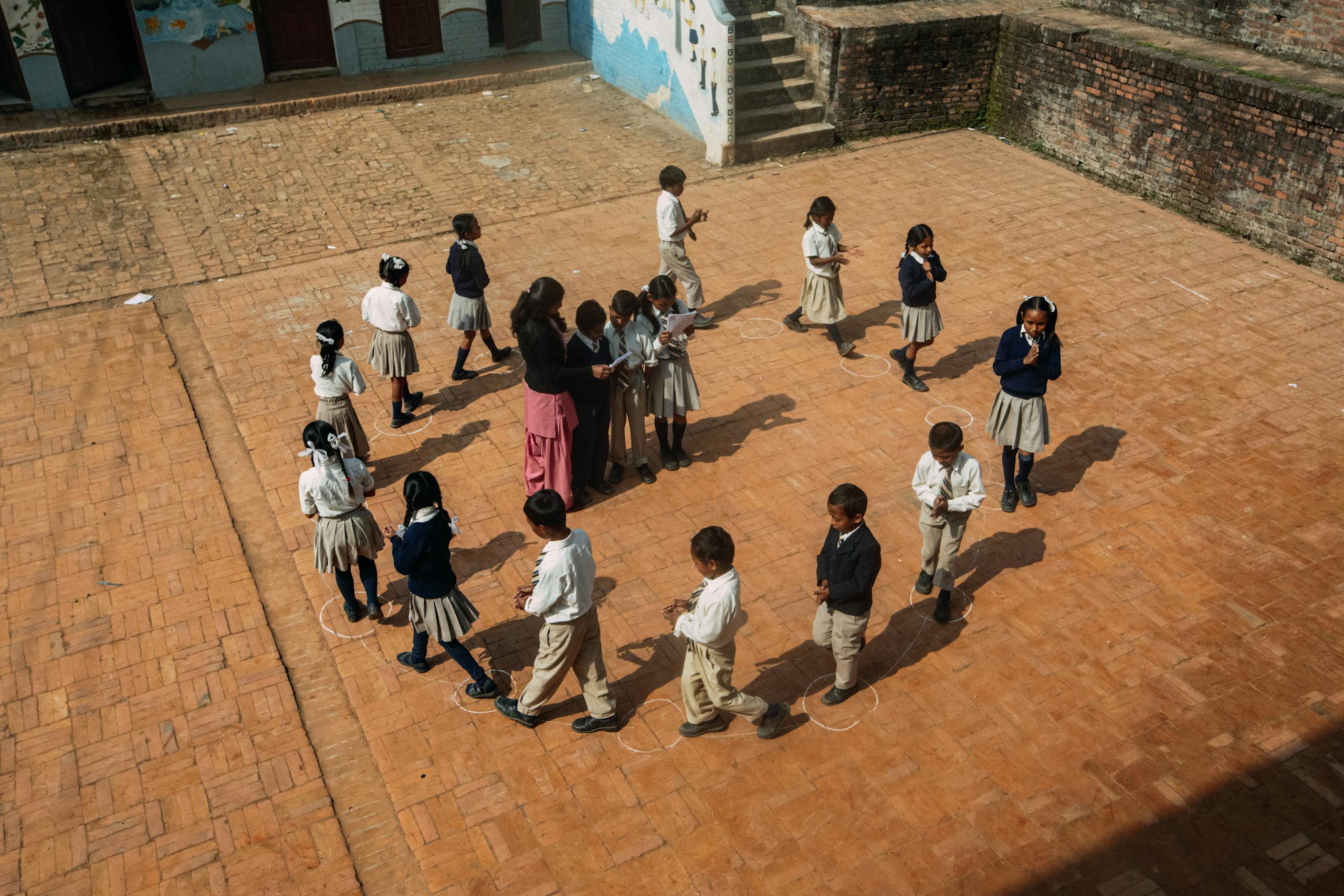

Helping a child with social anxiety at school means doing more than telling them to “just try harder” or “be brave.” It means understanding what their nervous system is actually experiencing, building practical strategies around their specific fears, and working with teachers and counselors to create an environment where they can genuinely participate rather than simply survive the day.
Social anxiety in children is not shyness with a fancy label. It sits closer to dread, the kind that makes a child’s stomach hurt on Sunday nights, that turns a simple class presentation into something that feels genuinely catastrophic. Parents who have watched their child white-knuckle their way through a school day know exactly what I mean.
As someone who spent decades in high-pressure environments, managing teams, pitching Fortune 500 clients, and running advertising agencies, I know something about the exhaustion of performing in social situations that feel misaligned with how you’re actually wired. I was not a socially anxious child, but I was an intensely internal one. And watching my own kids move through school years made me think a lot about what children with quieter, more inward temperaments actually need versus what most school environments are built to give them.

If your family is working through these dynamics, the Introvert Family Dynamics and Parenting hub covers a wide range of topics that intersect here, from raising sensitive children to understanding how personality shapes the way kids experience school, friendships, and home life. This article focuses specifically on the school environment and what actually moves the needle for anxious kids.
What Does Social Anxiety Actually Look Like in a School Setting?
Before you can help, you need to see clearly what you’re dealing with. Social anxiety in children often gets misread as defiance, laziness, or attitude. A child who refuses to go to school is not being dramatic. A child who freezes when called on in class is not unprepared. A child who eats lunch alone every day is not necessarily antisocial by choice.
What’s your personality type?
Take our free 40-question assessment and get a detailed personality profile with dimension breakdowns, context analysis, and personalised insights.
Discover Your Type8-12 minutes · 40 questions · Free
The fear at the center of social anxiety is evaluation. These children are intensely worried about being judged, embarrassed, or rejected. That fear activates a stress response that is physiologically real, not something they can simply reason their way out of. Their heart rate spikes. Their throat tightens. Their mind goes blank. What looks like avoidance from the outside is often the only coping strategy they have available in that moment.
Common signs to watch for include physical complaints before school, particularly stomachaches and headaches that conveniently resolve on weekends. Watch for extreme reluctance to participate in group work, avoidance of the cafeteria or other unstructured social spaces, difficulty making or keeping friends, and a tendency to rehearse social interactions obsessively before and after they happen. Some children become clingy with parents at drop-off well past the age when that’s typical. Others go quiet in ways that feel different from ordinary introversion.
That last distinction matters. Introversion and social anxiety are not the same thing, though they can coexist. An introverted child prefers quieter, less stimulating environments and recharges alone. A child with social anxiety feels fear in social situations. Some children are both introverted and socially anxious, which can make the picture harder to read. Understanding the difference shapes how you respond. You would not push an introverted child to become extroverted, but you also would not let a socially anxious child avoid all discomfort indefinitely.
Why School Is Particularly Hard for Socially Anxious Children
Schools are, structurally, one of the most socially demanding environments a child will ever inhabit. Think about what we ask children to do: perform in front of peers daily, eat in noisy cafeterias surrounded by social hierarchies in real time, transition between groups of people repeatedly, participate in group projects with no control over who they’re paired with, and handle all of this while also learning academic content.
For a child whose nervous system is already on high alert around social evaluation, that is an enormous amount to manage. Research published in PubMed Central has examined how anxiety affects academic performance and social development in children, and the picture is consistent: untreated anxiety creates a compounding effect where avoidance reinforces fear, which reinforces more avoidance.
I think about this in terms of something I watched happen with junior staff at my agencies. When someone new joined a team and felt anxious about speaking up in meetings, they would stay quiet. Staying quiet meant they got less feedback. Less feedback meant they developed less confidence. Less confidence meant they stayed quieter. The loop tightened over time. The same mechanism operates in children at school, and it starts much earlier than most parents realize.
There is also the question of temperament. Some children are born with nervous systems that are more reactive to social stimuli. If you are a highly sensitive parent yourself, you may recognize this pattern in your child. The article on HSP parenting and raising children as a highly sensitive parent goes deeper into what it means to parent a child who processes the world with more intensity, and how your own sensitivity shapes the dynamic.
How Do You Create Safety at Home That Transfers to School?
The home environment is where the work begins. Children with social anxiety need a base of psychological safety that is so reliable they can borrow from it when school gets hard. That sounds abstract, so let me make it concrete.
Psychological safety at home means a child knows that whatever happens at school, including embarrassing moments, social failures, and panic attacks in the hallway, will not be met with disappointment, frustration, or pressure to “get over it.” It means they can debrief without being fixed. It means they can say “I didn’t eat lunch with anyone today” without watching your face fall.
One of the harder things I have had to learn as an INTJ, someone who defaults to problem-solving and strategic thinking, is that children in distress usually need to feel heard before they can receive solutions. My instinct when someone brings me a problem is to analyze it and propose a response. That works well in a boardroom. It tends to shut children down. The moment I stopped jumping to “consider this you should do” and started sitting with “that sounds really hard,” conversations with my own kids changed entirely.
Practically, this means setting aside time after school that is low-pressure and unscheduled. Let the child decompress before asking questions. When you do ask, try open-ended prompts over direct ones. “What was the best part of today?” lands differently than “Did you talk to anyone at lunch?” The first invites; the second interrogates.
Validate the fear without validating the avoidance. There is a meaningful difference between “I understand that talking in front of the class feels scary” and “It’s okay if you skip the presentation.” The first builds connection. The second, over time, teaches a child that avoidance is the appropriate response to fear, which is the opposite of what helps.
What Practical Strategies Actually Help at School?
Once the home foundation is solid, you can start building specific strategies for the school environment itself. These fall into a few categories: preparation, accommodation, and gradual exposure.
Preparation reduces the unknown, which is a significant source of anxiety for these children. Walking through what a school day will look like, who they will sit with at lunch, what the classroom routine is, and what they can do if they feel overwhelmed gives them a mental map to hold onto. For younger children, this might mean a simple visual schedule. For older children, it might mean identifying one trusted adult in the building they can go to if things get hard.
Accommodation means working with the school to create reasonable adjustments that reduce unnecessary distress without eliminating all challenge. A teacher who knows a child struggles with cold-calling can give them advance notice before asking them to speak. A school counselor can create a check-in system that gives the child a point of contact during the day. A lunch aide can help facilitate seating for a child who struggles with the unstructured social chaos of the cafeteria. None of these accommodations remove the need for the child to grow. They simply reduce the noise so growth becomes possible.
Gradual exposure is the clinical backbone of effective social anxiety treatment. Cognitive behavioral therapy approaches, which are well-documented and widely used for childhood anxiety, center on helping children face feared situations in a structured, supported way rather than avoiding them. The idea is not to throw a child into the deep end. It is to build a ladder, starting with the least scary version of a feared situation and working up incrementally.
For a child terrified of speaking in class, the ladder might start with answering a question when only one other person is present, then a small group, then the full class. Each step builds evidence that the feared outcome, humiliation, rejection, catastrophic embarrassment, does not actually happen. Over time, the nervous system recalibrates.

How Do You Work With Teachers and School Staff Effectively?
Parents of anxious children often feel like they are fighting two battles simultaneously: one at home and one at school. Getting the school environment right requires building genuine partnerships with teachers and counselors, not just informing them of the problem and hoping for the best.
My years running agencies taught me something about how to have productive conversations with people who have different priorities than you do. Teachers are managing twenty-five or thirty students. Your child’s anxiety is your primary concern. Theirs is the functioning of the whole classroom. Approaching that conversation with curiosity rather than demands tends to go further.
Start by sharing specific observations rather than diagnoses. “My daughter shuts down completely when she’s called on without warning, and it takes her about an hour to recover afterward” is more actionable than “she has social anxiety.” Specific observations give teachers something concrete to work with. They also signal that you are a partner in solving this, not someone assigning blame.
Ask what the teacher has already noticed. Teachers often see things parents do not, and their observations can be genuinely useful. A teacher who has noticed that your child does fine in small group work but freezes in whole-class discussions has given you important information about where the anxiety is most activated.
If the anxiety is significantly affecting your child’s ability to participate in school, ask about a formal evaluation. Schools are required to assess children who may qualify for accommodations under Section 504 or an Individualized Education Program. A formal plan puts accommodations in writing and ensures they travel with the child from year to year and teacher to teacher.
Understanding your child’s broader personality profile can also help these conversations. Tools like the Big Five personality traits assessment can give parents and educators a shared language for discussing a child’s temperament, particularly traits like neuroticism and agreeableness, which are closely connected to how children experience social stress.
When Should You Bring in Professional Support?
There is a version of this where parental strategies and school accommodations are enough. And there is a version where they are not. Knowing the difference matters.
Professional support becomes important when the anxiety is significantly interfering with a child’s daily functioning, when avoidance is escalating rather than decreasing, when physical symptoms are frequent and intense, or when the child is expressing hopelessness about their ability to ever feel comfortable socially. At that point, working with a therapist who specializes in childhood anxiety is not a last resort. It is the appropriate next step.
Cognitive behavioral therapy has a strong track record with childhood social anxiety. Work published in Springer’s cognitive therapy journals continues to refine how CBT protocols are applied to children across different age groups and anxiety presentations. A skilled child therapist will use exposure-based work, cognitive restructuring, and skills training in ways that are developmentally appropriate and, ideally, fun enough that the child actually engages with them.
Some children also benefit from medication, particularly when anxiety is severe enough that it prevents engagement with therapy. That is a conversation to have with a pediatrician or child psychiatrist, not something to decide based on an article. The National Institute of Mental Health provides reliable information about childhood anxiety disorders and treatment options that can help parents go into those medical conversations better prepared.
One thing worth noting: children sometimes exhibit patterns that look like anxiety but have other roots. Mood dysregulation, attachment difficulties, and other factors can present similarly on the surface. If you are uncertain what you are dealing with, a comprehensive evaluation is more useful than trying to fit your child’s experience into a single framework. Tools like the borderline personality disorder screening resource exist to help adults understand emotional dysregulation patterns, and while they are not diagnostic tools for children, they can help parents recognize when what they are seeing goes beyond typical anxiety and warrants a fuller professional assessment.
What Role Do Friendships Play, and How Do You Support Them?
Socially anxious children often desperately want friends while simultaneously finding the process of making them overwhelming. That gap between wanting connection and fearing it is one of the most painful parts of their experience, and it is worth taking seriously.
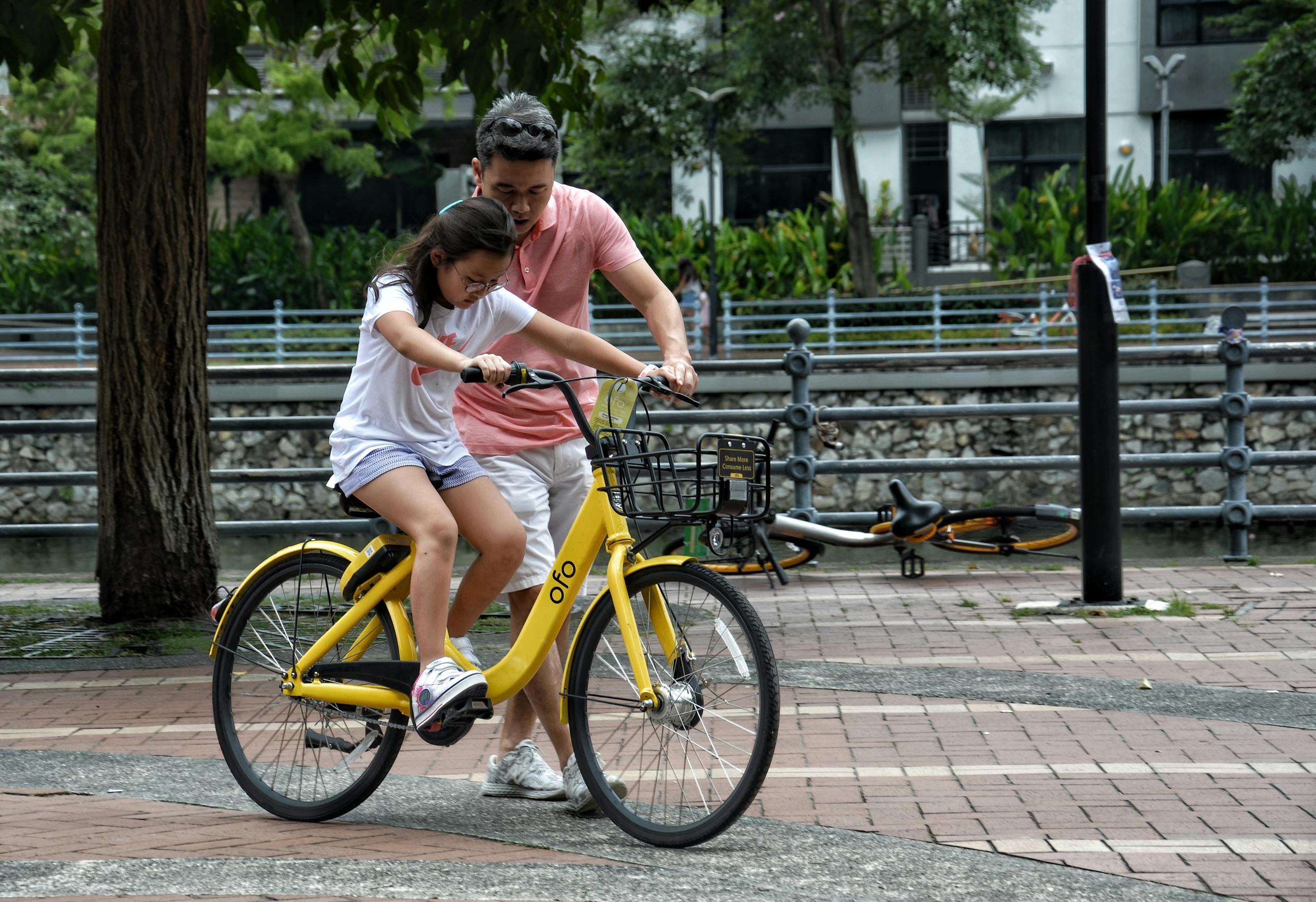
One of the most effective things parents can do is create low-pressure social opportunities outside of school. A one-on-one playdate in your home is categorically different from the social gauntlet of a school cafeteria. Your child is on familiar ground, the social dynamics are simpler, and you can facilitate without hovering. Over time, positive experiences in smaller social settings build the confidence that eventually transfers to larger ones.
Shared-interest activities are particularly valuable. A child who struggles to initiate conversation cold has a much easier time talking to another child who loves the same things they do. Drama clubs, chess clubs, coding groups, art classes, anything that brings children together around a common focus rather than forcing pure social performance tends to work better for anxious kids.
It is also worth thinking about what social skills your child might genuinely benefit from practicing. Not in a scripted, artificial way, but through natural conversation at home. Role-playing how to enter a conversation, how to ask a question to keep something going, how to handle it when someone says something unkind, these are skills that socially confident children often absorb through experience. Anxious children sometimes need them made explicit.
Children who feel genuinely likeable, who have internalized that they are worth knowing, tend to approach social situations with less dread. The likeable person assessment explores the qualities that make people naturally appealing to others, and while it is aimed at adults, the underlying principles, warmth, genuine interest in others, consistency, are things you can cultivate in children through how you model and reinforce behavior at home.
How Do You Avoid Making the Anxiety Worse?
Parents of anxious children often inadvertently make things harder, not because they are doing anything wrong, but because their instinct to protect their child runs directly against what the child needs to grow. Understanding where that line is can save a lot of pain on both sides.
Accommodation that goes too far is the most common trap. When a parent calls the school to resolve a conflict the child could have handled, or lets the child skip a difficult social event consistently, or answers for the child when someone asks them a direct question, they are sending a message the child absorbs immediately: you cannot handle this. Even when the intention is kindness, the effect is the opposite of empowering.
Reassurance-seeking is another pattern to watch. Anxious children often ask the same questions repeatedly: “Will anyone talk to me at lunch?” “What if I say something wrong?” “What if they laugh at me?” The natural parental response is to reassure them, of course they will have someone to sit with, of course it will be fine. That reassurance feels good in the moment and relieves anxiety temporarily. Yet it also reinforces the child’s sense that they need external confirmation before they can feel okay, which makes the anxiety stronger over time, not weaker.
A more effective response acknowledges the fear without promising a specific outcome. “I don’t know exactly what will happen, and I know that’s hard. I do know you’ve handled tough days before, and you’ll handle this one too.” That response validates the child’s experience while building their sense of their own resilience.
Modeling matters more than most parents realize. Children with anxious parents are more likely to develop anxiety themselves, partly through genetics and partly through observation. If your child watches you avoid difficult social situations, catastrophize minor setbacks, or seek excessive reassurance from others, they are learning that those are appropriate responses to uncertainty. Your own work on managing anxiety is not separate from theirs. It is connected to it.
Psychology Today’s coverage of social energy and introversion is worth reading for parents who are themselves introverted, because understanding your own social wiring helps you distinguish between what is your experience and what is your child’s. Those two things are related but not identical.
What Does Long-Term Progress Actually Look Like?
Parents often want to know when this gets better. The honest answer is that it varies considerably, and the goal is not the elimination of anxiety but the development of the ability to function despite it.
Children who receive good support, whether through therapy, family strategies, or school accommodations, tend to develop what clinicians call anxiety tolerance. They still feel nervous in social situations. They simply no longer believe that nervousness means something catastrophic is about to happen. They learn to act in spite of the discomfort rather than waiting for it to go away before they try.
That shift does not happen in a straight line. There will be weeks where everything seems better, followed by a regression triggered by a new school year, a change in friend groups, or a particularly bad social experience. Regression is not failure. It is part of the process, and knowing that in advance makes it less alarming when it happens.
Some children carry social anxiety into adulthood in a managed form. Recent research indexed in PubMed continues to examine the developmental trajectories of anxiety in young people, and the picture is nuanced: early intervention meaningfully improves outcomes, but later support is also valuable. It is never too late to start.
What I have seen in my own life, and in watching others handle careers and relationships with the kind of internal wiring that makes social performance exhausting, is that the people who do best are not the ones who became extroverted. They are the ones who built genuine self-knowledge, found environments that suited them, and developed the specific skills they needed without abandoning who they fundamentally are.
That is what you are building for your child. Not a different personality. A stronger version of the one they already have.
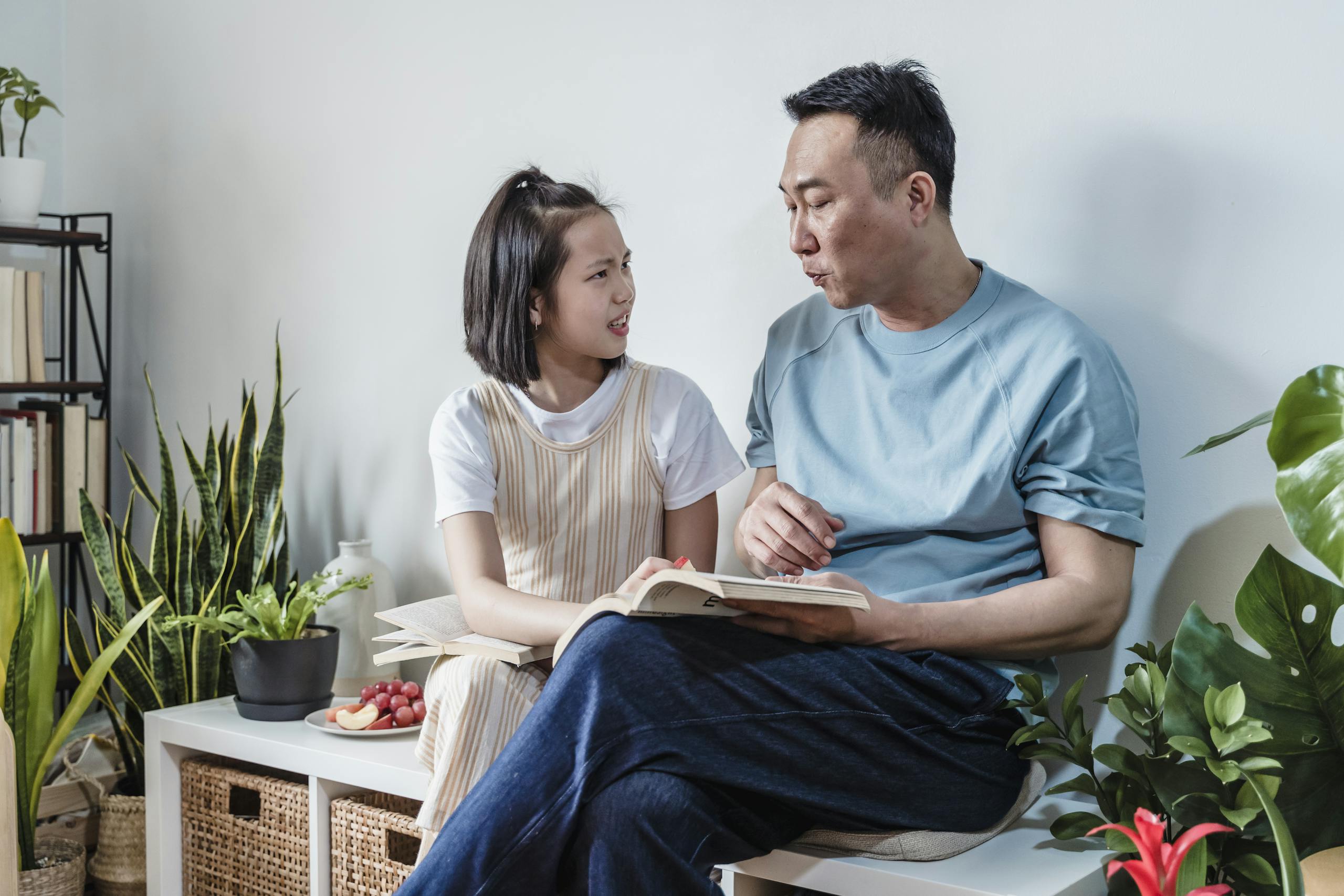
Supporting an anxious child through school is one of the most sustained acts of parenting there is. It requires patience, self-awareness, and a willingness to sit with discomfort rather than rushing to fix it. If you want to go further into the dynamics of raising children with introverted or sensitive temperaments, the full range of topics in the Introvert Family Dynamics and Parenting hub covers everything from communication patterns within families to how personality shapes the parent-child relationship at every stage.
Some parents who are supporting anxious children are also thinking about their own professional lives and how their personality shapes their effectiveness as caregivers and helpers. Resources like the personal care assistant aptitude tool and the certified personal trainer assessment are worth exploring if you are someone who finds meaning in supporting others and wants to understand more about how your temperament fits different helping roles. Understanding yourself more fully tends to make you a better support for the people in your care, including your children.
Your child is not broken. They are wired in a way that makes certain environments genuinely hard. With the right support, those same children often grow into some of the most thoughtful, perceptive, and deeply connected adults around. That is not a consolation prize. It is the actual outcome, when you give them what they need to get there.
About the Author
Keith Lacy is an introvert who’s learned to embrace his true self later in life. After 20 years in advertising and marketing leadership, including running agencies and managing Fortune 500 accounts, Keith now channels his experience into helping fellow introverts understand their strengths and build fulfilling careers. As an INTJ, he brings analytical depth and authentic perspective to every article, drawing from both professional expertise and personal growth.
Frequently Asked Questions
What is the difference between shyness and social anxiety in children?
Shyness is a temperament trait that makes children cautious and reserved in new social situations, but it typically fades as they warm up. Social anxiety is a persistent fear of social situations rooted in worry about negative evaluation. A shy child may hesitate before joining a group and then participate comfortably. A child with social anxiety may remain distressed throughout or avoid the situation entirely, and the fear does not diminish with familiarity in the way shyness does.
How do I talk to my child’s teacher about social anxiety without labeling my child?
Focus on specific, observable behaviors rather than diagnostic labels. Describe what you see at home and ask what the teacher has noticed at school. Frame the conversation as collaborative problem-solving. You might say something like, “She tends to shut down when she feels put on the spot, and I want to make sure we’re both working with that rather than against it.” Specific observations give teachers actionable information and signal that you are a partner in the process.
At what age can social anxiety in children be diagnosed?
Social anxiety disorder can be identified in children as young as five or six, though it becomes more clearly distinguishable from typical developmental shyness around school age. Clinicians look for persistent fear of social situations, significant distress, and functional impairment across settings. If you are concerned about your child, a pediatrician or child psychologist can conduct an appropriate evaluation and determine whether what you are seeing meets clinical criteria or falls within the range of typical temperament variation.
Should I let my child stay home from school when their anxiety is very high?
Occasional absences during acute distress are sometimes necessary, but allowing a child to avoid school regularly because of anxiety tends to make the problem worse over time. Avoidance relieves anxiety in the short term while strengthening it in the long term. Working with a therapist to develop a graduated return-to-school plan, rather than either forcing attendance or permitting ongoing avoidance, is usually the most effective approach when school refusal becomes a pattern.
Can social anxiety in children improve on its own without treatment?
Some children with mild social anxiety improve as they mature and accumulate positive social experiences. For children with moderate to severe anxiety, improvement without support is less likely, and the risk of the anxiety compounding over time is real. Early intervention, whether through therapy, school-based support, or structured parenting strategies, significantly improves the odds of a positive trajectory. Waiting to see if a child “grows out of it” is reasonable for mild cases but not advisable when anxiety is meaningfully interfering with daily functioning.