
ADHD and social anxiety accommodations address two conditions that frequently overlap, creating a compounded experience where attention dysregulation and fear of social judgment reinforce each other in ways that standard advice rarely accounts for. Effective accommodations recognize that these are distinct neurological and psychological realities requiring different strategies, even when they appear in the same person.
What makes this overlap so difficult to address is that the accommodations for one condition can sometimes aggravate the other. Structured environments help with ADHD but can feel socially exposing. Gradual social exposure helps with anxiety but requires the sustained attention and follow-through that ADHD makes genuinely hard to maintain. Getting this right means understanding both conditions clearly, not just managing symptoms in isolation.
If you’ve been sitting with both of these experiences, wondering why the usual frameworks never quite fit, you’re in the right place. Our Introvert Mental Health Hub covers the full terrain of mental health as it intersects with introversion, sensitivity, and neurodivergence, and this article goes deep into the specific accommodations that actually work when ADHD and social anxiety show up together.
What Does the ADHD and Social Anxiety Overlap Actually Look Like?
Running advertising agencies for over two decades gave me a front-row seat to how differently people’s brains work under social pressure. I managed teams of 30 to 60 people at various points, and I watched certain individuals struggle in ways that didn’t fit neatly into any category. One creative director I worked with would miss every deadline, lose track of conversations mid-sentence, and then freeze completely during client presentations, not from lack of talent but from something that looked like two separate storms hitting at once.
What’s your personality type?
Take our free 40-question assessment and get a detailed personality profile with dimension breakdowns, context analysis, and personalised insights.
Discover Your Type8-12 minutes · 40 questions · Free
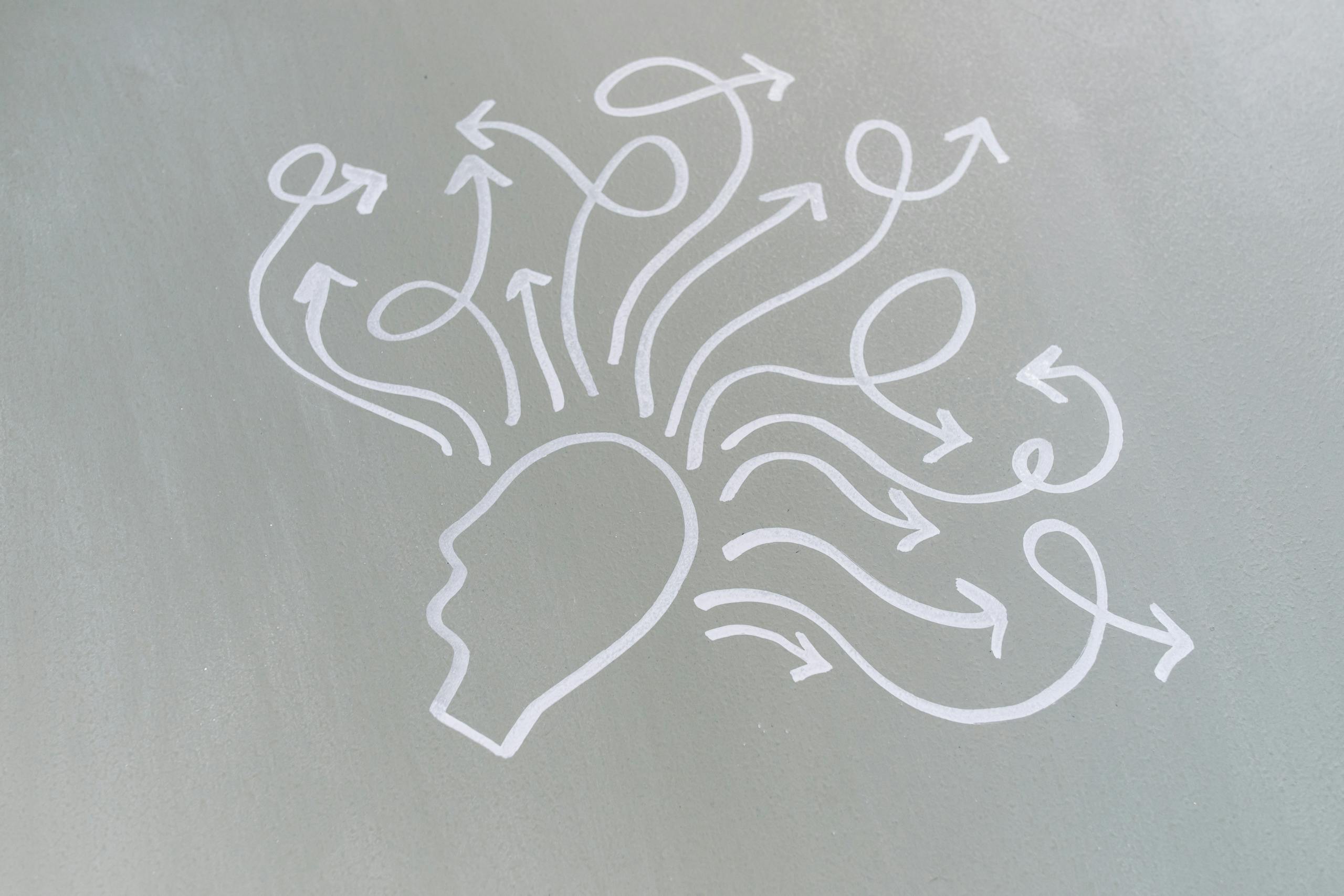
That’s the lived texture of the ADHD and social anxiety overlap. ADHD, which stands for Attention Deficit Hyperactivity Disorder, involves dysregulated attention rather than absent attention. The brain doesn’t fail to focus; it struggles to regulate where and when focus lands. Someone with ADHD might hyperfocus intensely on a project they find genuinely compelling, then completely lose the thread of a social conversation because the environment doesn’t provide the right kind of stimulation to hold their attention in place.
Social anxiety, by contrast, involves an intense and persistent fear of social situations where one might be judged, embarrassed, or evaluated negatively. The American Psychological Association describes anxiety disorders as involving excessive fear and anxiety and related behavioral disturbances, with the fear being out of proportion to the actual threat. When these two conditions coexist, the person is simultaneously struggling to maintain attention and regulate their behavior while also dreading how others are perceiving that struggle.
The cruelty of this combination is its self-reinforcing quality. ADHD symptoms, like interrupting, losing track of what someone said, or visibly zoning out, can trigger real social consequences. Those consequences feed the anxiety. The anxiety then consumes cognitive resources, making ADHD symptoms worse. Understanding this cycle is the foundation of any accommodation strategy worth following.
How Do ADHD Presentations Shape the Type of Social Anxiety Someone Experiences?
ADHD is not a single experience. The DSM-5 recognizes three presentations: ADHD Predominantly Inattentive (ADHD-PI), ADHD Predominantly Hyperactive-Impulsive (ADHD-PH), and ADHD Combined Presentation (ADHD-C). Each creates a different social profile, and the anxiety that develops tends to reflect those differences.
Someone with ADHD-PI often appears quiet and dreamy. They drift out of conversations, miss social cues because their attention was elsewhere, and frequently feel like they’re always catching up to what everyone else already understood. The anxiety that tends to develop here is often centered on appearing incompetent or disconnected, a fear that people will notice the mental absence and interpret it as disinterest or low intelligence. Girls and women are significantly underdiagnosed with this presentation, partly because the inattentive profile doesn’t match the cultural stereotype of ADHD as hyperactive and disruptive.
ADHD-PH presents differently. Restlessness, impulsivity, difficulty waiting, and a tendency to speak before thinking create a social footprint that’s hard to miss. The anxiety here often forms around the aftermath of impulsive moments: the comment that landed wrong, the interruption that annoyed someone, the inability to sit still during a meeting that everyone else seemed to manage fine. The person knows they’ve created friction; they just couldn’t stop it in real time.
ADHD-C combines both, and the social anxiety can be correspondingly complex. There’s the internal experience of mental drift alongside the external experience of visible restlessness, and both create social exposure in different ways. Accommodations need to address both channels simultaneously, which is why a one-size approach rarely holds.
Many highly sensitive people also experience this layered quality, where sensory and emotional information arrives so intensely that attention becomes hard to regulate. The experience of HSP overwhelm and sensory overload shares some surface similarities with ADHD attention dysregulation, though the underlying mechanisms are distinct. Recognizing the difference matters for choosing the right accommodations.

What Environmental Accommodations Actually Help When Both Conditions Are Present?
My agency years taught me something about environment that I wish I’d understood earlier in my career: the room you’re in shapes the brain you bring to it. I spent years sitting in open-plan offices, chaotic brainstorming sessions, and back-to-back client meetings, and I noticed that certain team members became visibly less functional as the day’s social density increased. At the time, I chalked it up to personality. Now I understand it was often a neurological response to environmental conditions that weren’t designed for their brains.
For someone managing both ADHD and social anxiety, environmental accommodations are often the most immediately impactful place to start. Reducing sensory chaos, like ambient noise, visual clutter, and unpredictable interruptions, directly supports attention regulation. It also lowers the cognitive load that anxiety adds to every social interaction, because there’s simply less incoming information to manage.
Noise-canceling headphones are frequently cited as a simple but meaningful tool, and the evidence behind them is practical rather than theoretical. When auditory input is reduced, many people with ADHD find it significantly easier to sustain focus on a single task or conversation. The social anxiety benefit is subtler: having a sensory buffer reduces the constant vigilance that anxious people maintain over their environment, which frees up mental resources for actual engagement.
Predictable social structures also matter more than most people realize. Knowing the agenda before a meeting, understanding who will be there, and having a clear sense of what’s expected reduces the anticipatory anxiety that can consume the hours before a social obligation. For someone with ADHD, predictability also reduces the executive function demands of figuring out what’s happening in real time, which is already taxing without the added weight of anxiety.
Written communication options are another underrated accommodation. Many people with ADHD and social anxiety find that email, messaging, or written follow-up allows them to express themselves more accurately than real-time conversation. They have time to organize their thoughts, review what they’ve written, and avoid the impulsive responses that ADHD can produce under pressure. The Harvard Health guidance on social anxiety notes that avoidance strategies can sometimes backfire by reinforcing fear, but written communication is different from avoidance. It’s a format shift, not a withdrawal.
How Do Therapeutic Approaches Need to Adapt for This Combination?
Cognitive Behavioral Therapy has strong support as a treatment for social anxiety. The core approach involves identifying distorted thoughts about social situations, testing those thoughts against reality, and gradually facing feared situations rather than avoiding them. For someone without ADHD, this framework can be applied fairly directly.
Add ADHD to the picture and several adaptations become necessary. Standard CBT homework, like journaling thought patterns or completing worksheets between sessions, requires the kind of consistent follow-through that ADHD genuinely impairs. A therapist who understands both conditions will build in structure: shorter, more frequent check-ins, visual reminders, and breaking tasks into smaller steps. The goal of the therapy doesn’t change, but the delivery has to account for how the ADHD brain actually functions.
Medication is another dimension worth addressing honestly. Stimulant medications for ADHD are well-studied, with decades of evidence behind them. They work by normalizing dopamine regulation in the brain, not by creating stimulation in the way they would in someone without ADHD. For some people, treating the ADHD with medication reduces the social friction that was feeding their anxiety, which makes the anxiety itself more manageable. For others, stimulants can temporarily increase anxiety as a side effect, which requires careful calibration with a prescribing physician.
The research available through PubMed Central on ADHD and comorbid anxiety reflects this complexity: treating one condition without considering the other often produces incomplete results. An integrated approach, where both conditions are part of the clinical picture, tends to produce better outcomes than addressing them sequentially.
Highly sensitive people who also experience anxiety often find that standard therapeutic timelines feel rushed. The experience of HSP anxiety and its coping strategies involves a depth of emotional processing that benefits from a slower, more reflective therapeutic pace. When ADHD is also present, the therapist is working with a brain that processes deeply but inconsistently, which requires a different kind of patience and flexibility.

What Workplace Accommodations Make the Biggest Difference?
Late in my agency career, I had a senior account manager who was brilliant with clients in one-on-one settings but fell apart in large group presentations. She’d lose her place in the deck, respond to questions with answers that didn’t quite connect, and visibly shrink under the attention of a conference room full of people. Her performance reviews were a tangle of contradictions: exceptional relationship skills, inconsistent delivery.
What I didn’t understand at the time was that she was likely managing something real at a neurological level, not a confidence problem that more practice would fix. Workplace accommodations exist precisely because some brains need different conditions to perform at the level they’re actually capable of, and the Americans with Disabilities Act provides legal grounding for requesting those conditions when ADHD and anxiety meet clinical thresholds.
Extended time for tasks and deadlines is one of the most commonly requested and granted accommodations for ADHD. The executive function demands of planning, initiating, and completing work are genuinely harder when attention regulation is impaired. Extended time doesn’t change the quality of the work; it changes whether the person has enough runway to produce it.
Flexible work arrangements, including remote work or hybrid options, reduce the social exposure that drives anxiety while also allowing the person to create an environment that supports their attention. Many people with ADHD find they’re significantly more productive when they control their own sensory environment, their own schedule, and the number of unplanned social interactions in their day.
Advanced notice for meetings and presentations is another accommodation that costs the organization almost nothing and matters enormously to the person receiving it. Knowing what’s coming allows time to prepare, organize thoughts, and reduce the anticipatory anxiety that otherwise consumes cognitive resources right when they’re most needed. Providing written agendas, sharing presentation materials in advance, and allowing the person to submit questions in writing before a meeting are all variations on this theme.
The Psychology Today discussion of introversion and social anxiety makes an important point about how these experiences are often conflated in workplace settings. Being quiet, preferring written communication, or needing preparation time gets misread as shyness or lack of confidence. When ADHD is also present, the behavior gets misread as disorganization or disengagement. Naming the actual conditions, at least to HR or a manager who can be trusted, often changes the entire dynamic.
How Does Rejection Sensitivity Fit Into the ADHD and Social Anxiety Picture?
One of the most underrecognized aspects of ADHD is what clinicians sometimes call rejection sensitive dysphoria: an intense emotional response to perceived criticism, failure, or rejection that feels completely overwhelming in the moment. This isn’t listed in the DSM as a formal criterion, but it’s widely reported by people with ADHD and recognized by many clinicians who work with the population.
For someone who already has social anxiety, this dimension of ADHD adds a layer of emotional intensity that standard anxiety frameworks don’t fully capture. Social anxiety involves fear of negative evaluation. Rejection sensitivity involves an almost physical reaction to it when it happens, or even when it’s only imagined. The combination means the person is both dreading rejection before it occurs and experiencing it with unusual intensity when it does.
The emotional processing involved in recovering from these experiences is significant. Many sensitive people, whether or not they have ADHD, find that deep emotional processing is simply how their system works. They don’t move through difficult feelings quickly; they move through them thoroughly. When rejection sensitivity amplifies the initial emotional hit, that processing takes longer and requires more deliberate support.
Accommodations for rejection sensitivity are less about changing the external environment and more about building internal resources. Cognitive defusion techniques from Acceptance and Commitment Therapy can help create distance from the immediate emotional reaction without suppressing it. Having a trusted person to debrief with after difficult social situations can reduce the rumination that often follows. And recognizing that the intensity of the reaction is neurological, not a character flaw, changes the internal narrative in ways that matter for long-term recovery.
The process of processing and healing from rejection is something many sensitive people have to learn deliberately, because their default response is to absorb the pain deeply rather than move through it. When ADHD is also part of the picture, the emotional dysregulation that comes with the territory makes this even more important to address directly.

What Role Does Perfectionism Play, and How Do You Accommodate Around It?
Perfectionism and ADHD seem like they shouldn’t coexist. The stereotype of ADHD is scattered, impulsive, unfinished. Perfectionism is the opposite: meticulous, exacting, never satisfied. Yet they appear together with striking frequency, and the combination is particularly painful.
What happens is this: the ADHD brain struggles with initiation, follow-through, and consistency. The perfectionist standards mean that anything less than excellent feels like failure. So the person can’t start because they’re afraid it won’t be good enough, and they can’t finish because they keep revising, and the gap between their internal standards and their actual output becomes a source of constant shame. That shame feeds directly into social anxiety, because every interaction becomes an opportunity for others to see the gap.
I watched this play out in creative departments more times than I can count. Talented writers and designers who would miss deadlines not because they didn’t care but because they couldn’t submit something they felt was unfinished. The work was often excellent by any external measure. Their internal measure was something else entirely.
The HSP perfectionism and high standards trap is worth examining alongside this, because many highly sensitive people share this pattern independent of ADHD. When the two overlap, the perfectionism tends to be more rigid and the self-criticism more intense. Accommodations here involve redefining what “done” means, building in explicit stopping points, and separating the quality of the work from the worth of the person doing it.
Practically, this might look like asking a manager to define “good enough” explicitly before a project begins. It might mean setting a timer and submitting when the timer goes off, regardless of how the work feels. It might mean working with a therapist specifically on the shame cycle that perfectionism and ADHD create together. None of these are quick fixes, but they address the actual mechanism rather than just the symptoms.
How Does Empathy Complicate Social Situations for Someone With Both Conditions?
Many people with ADHD are highly attuned to the emotional states of others, even when their attention regulation makes it hard to track the content of a conversation. They might miss what someone said while simultaneously picking up on the emotional undercurrent of how it was said. This creates a strange social experience: feeling emotionally connected to people while also frequently misunderstanding the literal exchange.
Social anxiety adds another layer to this. When you’re already scanning the room for signs of disapproval, heightened emotional sensitivity means you’re picking up on every micro-expression, every shift in tone, every moment of hesitation. Some of what you’re reading is real. Some of it is the anxiety generating threat signals where none exist. Distinguishing between them in real time is genuinely hard.
The experience of HSP empathy as a double-edged quality captures something important here. Emotional attunement is a genuine strength in many social and professional contexts. It becomes a liability when it’s combined with anxiety-driven hypervigilance, because the signal-to-noise ratio collapses. Everything feels equally significant, and the brain can’t sort what requires a response from what can be safely ignored.
Accommodations for this aspect of the experience tend to focus on creating deliberate distance from high-intensity social environments. Not permanent withdrawal, but intentional recovery time. After a meeting, a conference, or a difficult conversation, building in quiet time to process what actually happened, rather than what anxiety suggested was happening, helps recalibrate the emotional read. Journaling, walking, or simply sitting in silence for a few minutes can serve this function. The point is to interrupt the rumination loop before it solidifies into a distorted memory of the interaction.
The clinical literature on social anxiety and emotional processing supports the value of this kind of deliberate decompression. success doesn’t mean stop feeling; it’s to create enough space between the feeling and the interpretation that accuracy becomes possible.
What Self-Advocacy Strategies Work When Asking for Accommodations?
Asking for accommodations is itself a social act, which means it’s subject to all the anxiety that social acts produce. For someone with ADHD and social anxiety, the prospect of explaining their needs to an employer, a professor, or even a healthcare provider can feel so daunting that they avoid it entirely, which means the accommodations never arrive.
Preparing in writing before any conversation about accommodations is one of the most effective strategies available. Writing out what you need, why you need it, and how it will help your performance removes the real-time processing demands that make verbal advocacy so difficult. You can review what you’ve written, adjust it, and deliver it in a format that doesn’t require you to think on your feet while also managing anxiety.
Documentation matters in formal contexts. For workplace accommodations under the ADA, or academic accommodations under Section 504, having a formal diagnosis and a letter from a treating clinician carries weight that self-report alone doesn’t. Getting that documentation in place, even if it feels like a significant undertaking, is worth the investment because it changes the nature of the conversation from a personal request to a supported clinical recommendation.
The American Psychological Association’s resources on shyness and social anxiety are useful for understanding how these experiences are perceived externally, which matters when you’re trying to explain them to someone who doesn’t share them. People often assume that social anxiety is just shyness or that ADHD is just a preference for variety. Having language that accurately describes what’s happening, and why specific accommodations address specific functional impairments, makes the advocacy conversation significantly more productive.
One thing I’ve observed in my own experience as an INTJ who spent years masking introversion in extroverted environments: the most effective self-advocacy is specific and practical, not emotional. Saying “I need extended time because I process information more slowly under pressure” is more actionable than “I get overwhelmed in high-pressure situations.” The more concrete you can be about what you need and what it will produce, the easier it is for the other person to say yes.
How Do You Build a Daily Structure That Supports Both Conditions?
Structure is the accommodation that ADHD brains need most and that anxiety-prone brains resist most. The ADHD brain benefits from external scaffolding because its internal regulation is unreliable. The anxious brain resists structure because any commitment feels like a potential failure point. Finding a middle path requires designing structure that’s firm enough to provide support but flexible enough not to become another source of shame when it breaks down.
Time-blocking is a practical starting point. Rather than a to-do list, which requires the ADHD brain to generate its own sequence and prioritization throughout the day, time-blocking assigns specific tasks to specific windows. Social obligations, which require the most cognitive and emotional energy, belong in windows when that energy is highest, which is typically earlier in the day for most people. Recovery time gets scheduled deliberately, not treated as something that happens if there’s space left over.
Body doubling, a practice where someone with ADHD works in the presence of another person (in person or virtually), can reduce the initiation paralysis that combines with social anxiety in particularly frustrating ways. The presence of another person provides enough ambient social accountability to activate the ADHD brain’s attention without requiring active social engagement. Many people find they can work productively in a coffee shop or on a video call with a friend doing their own work, even if no conversation happens.
Planned decompression is non-negotiable. After any significant social engagement, the system needs time to return to baseline. For someone managing both ADHD and social anxiety, social interactions are more cognitively and emotionally expensive than they are for most people. Building recovery time into the schedule, treating it as an actual appointment rather than optional downtime, prevents the cumulative exhaustion that makes both conditions worse over time.
There’s a broader conversation worth having about how sensitive, introverted, and neurodivergent people can build mental health practices that actually fit their brains. Our Introvert Mental Health Hub is a good place to continue that conversation, with resources that address the full range of experiences that come with being wired differently in a world that wasn’t designed with you in mind.
About the Author
Keith Lacy is an introvert who’s learned to embrace his true self later in life. After 20 years in advertising and marketing leadership, including running agencies and managing Fortune 500 accounts, Keith now channels his experience into helping fellow introverts understand their strengths and build fulfilling careers. As an INTJ, he brings analytical depth and authentic perspective to every article, drawing from both professional expertise and personal growth.
Frequently Asked Questions
Can someone have both ADHD and social anxiety at the same time?
Yes. ADHD and social anxiety are distinct conditions with different underlying mechanisms, but they co-occur frequently. ADHD involves dysregulated attention and executive function. Social anxiety involves persistent fear of negative social evaluation. When both are present, they interact in ways that amplify each other: ADHD-related social missteps fuel anxiety, and anxiety consumes the cognitive resources that ADHD already strains. Effective treatment addresses both conditions as part of an integrated clinical picture rather than treating one and hoping the other resolves.
What are the most effective workplace accommodations for ADHD and social anxiety?
The most effective workplace accommodations tend to address both conditions simultaneously. Extended deadlines reduce the pressure that worsens both ADHD initiation difficulties and anxiety. Flexible or remote work arrangements reduce sensory overload and unplanned social exposure. Written communication options allow for more accurate self-expression without real-time processing demands. Advanced notice of meetings and presentations reduces anticipatory anxiety and gives the ADHD brain time to prepare. Quiet workspaces or noise-canceling tools support attention regulation. The best accommodations are specific to the individual’s presentation and work context.
Does treating ADHD with medication help social anxiety?
It depends on the individual. For some people, treating ADHD with stimulant medication reduces the social friction that was feeding their anxiety, making the anxiety more manageable as a secondary effect. For others, stimulants can temporarily increase anxiety as a side effect, which requires careful adjustment with a prescribing physician. Medication for ADHD should be considered as part of a comprehensive treatment plan that includes therapy and behavioral strategies, particularly when social anxiety is also present. A psychiatrist or prescribing clinician familiar with both conditions is the appropriate person to guide these decisions.
How is ADHD different from just being introverted or socially anxious?
Introversion is a personality trait describing where someone draws energy from: internal processing rather than external stimulation. Social anxiety is a clinical condition involving disproportionate fear of social evaluation. ADHD is a neurodevelopmental condition involving dysregulated attention, executive function, and often emotional regulation. They can overlap and coexist, but they’re not the same thing. An introvert may prefer solitude without experiencing anxiety about social situations. Someone with social anxiety may be extroverted in temperament but fear judgment. Someone with ADHD may struggle socially due to attention dysregulation without having anxiety as a clinical condition. Accurate identification matters because the accommodations and treatments differ.
What self-advocacy strategies work best when requesting accommodations?
Preparing written documentation before any accommodation conversation is one of the most effective strategies, particularly for people whose ADHD and anxiety make real-time verbal advocacy difficult. Being specific about what you need and how it addresses a functional impairment, rather than describing how you feel, tends to produce more actionable responses. In formal contexts like workplaces or academic institutions, having a clinical diagnosis and supporting documentation from a treating provider strengthens the request significantly. Practicing the conversation in writing, or with a trusted person beforehand, reduces the cognitive load of the actual exchange and helps ensure the most important points get communicated clearly.