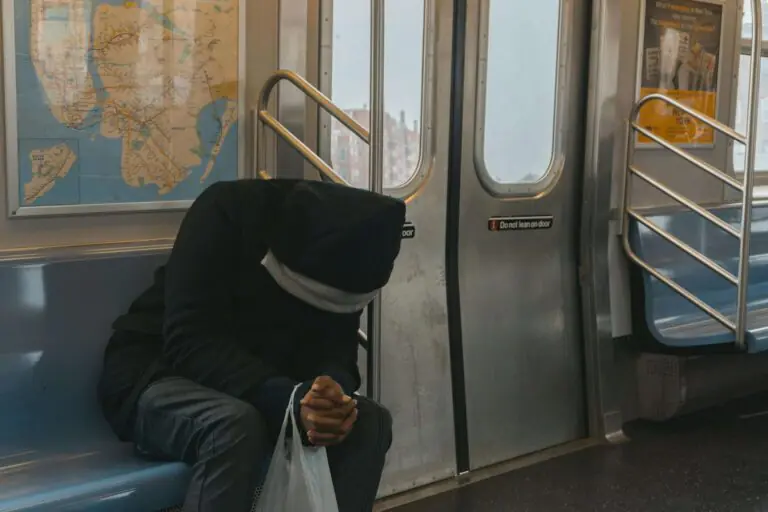

Alcohol doesn’t help social anxiety. It feels like it does in the moment, which is exactly what makes it so deceptive. That first drink quiets the noise, softens the edges of a crowded room, and makes small talk feel almost manageable. But the relief is borrowed, and the interest rate is steep.
If you’re an introvert or a highly sensitive person who has ever reached for a glass of wine before a networking event or a client dinner, you’re not weak or broken. You’re human, and you found something that seemed to work. What I want to talk about here is why it doesn’t actually work, and what the science of anxiety tells us about why sensitive people are particularly vulnerable to this trap.
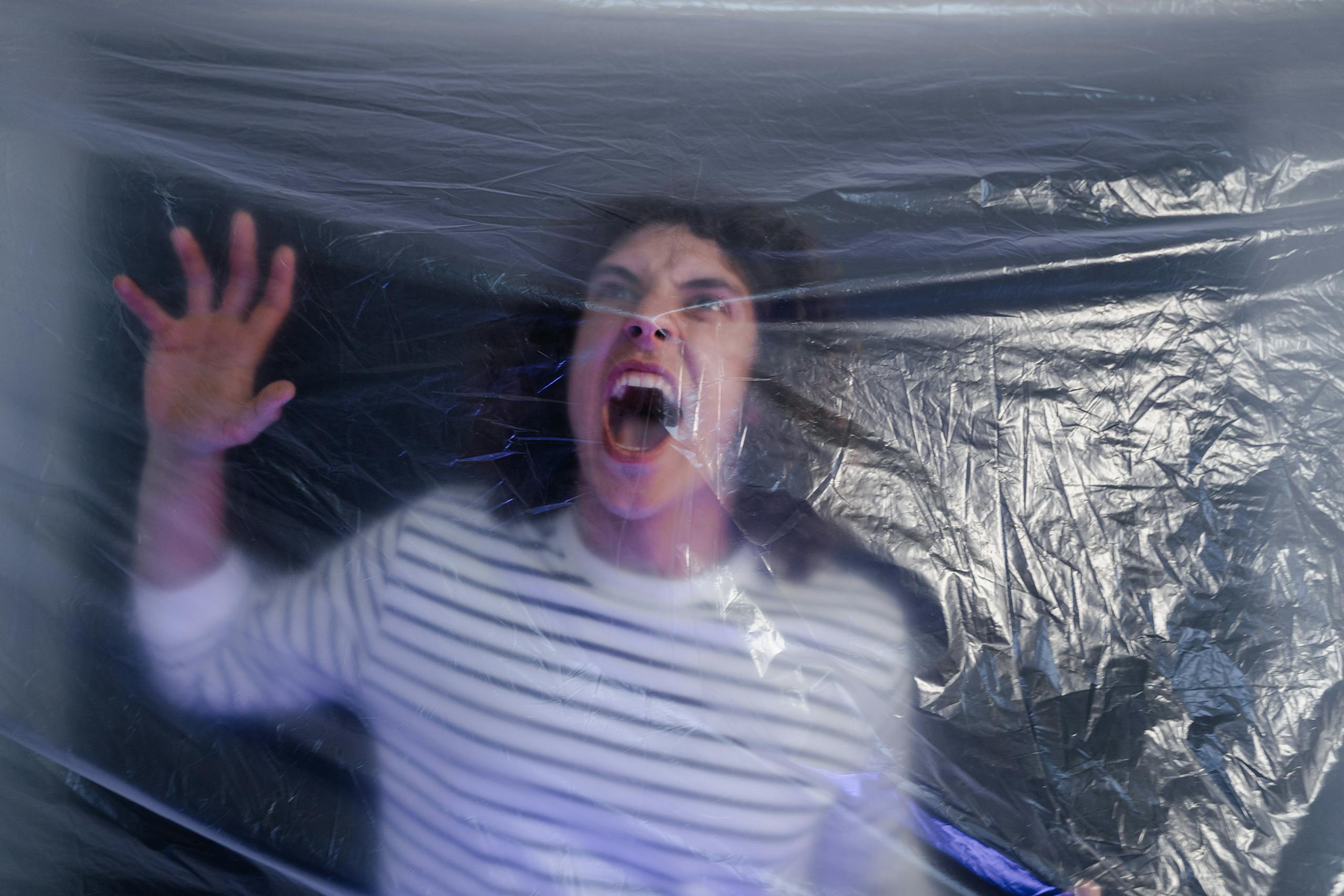
Social anxiety and introversion aren’t the same thing, though they often travel together. The distinction between introversion and social anxiety matters enormously when you’re trying to figure out what’s actually happening inside you. Introverts prefer depth over volume and need time alone to recharge. People with social anxiety fear judgment and evaluation in social situations, sometimes intensely. Many of us carry both, and that combination creates a particular kind of exhaustion that alcohol seems, temporarily, to soothe.
If you’re working through the emotional and psychological layers of what it means to be an introvert with anxiety, our Introvert Mental Health Hub covers the full range of these experiences, from sensory overwhelm to emotional processing to the particular weight of rejection sensitivity. This article adds a specific layer: why the thing that feels like help is quietly making things harder.
Why Does Alcohol Feel Like It Helps Social Anxiety?
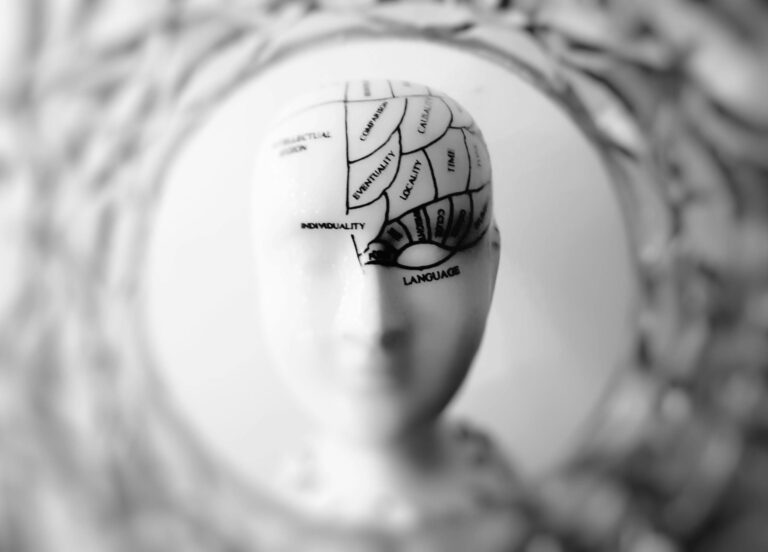
There’s a reason this pattern is so common. Alcohol is a central nervous system depressant, and one of the first things it depresses is the part of your brain responsible for self-monitoring and threat detection. For someone whose nervous system is already running hot in social situations, that feels like relief. The constant internal commentary quiets down. The hyperawareness of how you’re coming across softens. You stop scanning the room for signs that someone found you boring.
What’s your personality type?
Take our free 40-question assessment and get a detailed personality profile with dimension breakdowns, context analysis, and personalised insights.
Discover Your Type8-12 minutes · 40 questions · Free
I remember a period in my early agency years when I leaned on this more than I’d like to admit. Client dinners were a regular feature of the job, and I was often the person expected to hold the room, keep the conversation flowing, and project a kind of effortless confidence that didn’t come naturally to me. I’d have a drink before anyone arrived. Not to get drunk, just to take the edge off. And it worked, in the way that a painkiller works when you have a broken bone. The pain recedes. The bone is still broken.
What alcohol actually does is suppress the GABA system in your brain, which is your natural inhibition and anxiety regulation pathway. In the short term, that suppression feels like calm. But your brain is adaptive, and it notices the suppression. Over time, it compensates by becoming more reactive, not less. The anxiety that alcohol quiets on Friday night comes back louder on Saturday morning, and often louder in the next social situation you face without a drink in hand.
The American Psychological Association’s overview of anxiety disorders makes clear that avoidance, including chemical avoidance, reinforces anxiety rather than reducing it. Every time you use alcohol to get through a social situation, you’re teaching your nervous system that the situation was genuinely dangerous and that you needed external help to survive it. That’s the opposite of what builds resilience.
What Happens in the Brain When Alcohol Meets Anxiety?
The neurological picture here is worth understanding, because once you see it clearly, the temporary relief stops looking like relief and starts looking like a loan with compounding interest.
Alcohol increases dopamine in the short term, which is why the first drink often feels genuinely good rather than just numbing. It also suppresses glutamate, an excitatory neurotransmitter, which reduces the feeling of mental overstimulation that many introverts and sensitive people experience in crowded or high-stakes social environments. For someone who experiences what I’d describe as sensory and emotional overload in busy social settings, that suppression feels like breathing room.
But consider this the research on this actually shows. Published findings in peer-reviewed literature have documented the relationship between alcohol use and anxiety disorders, consistently finding that people who use alcohol to manage social anxiety are at significantly higher risk of developing alcohol dependence. The anxiety and the drinking feed each other in a cycle that tightens over time.
There’s also the rebound effect. As alcohol clears your system, your brain overcorrects for the suppression it just experienced. GABA activity drops below baseline. Glutamate surges. The result is often heightened anxiety, irritability, and sensitivity in the hours and days after drinking. For highly sensitive people, this rebound can be particularly pronounced. If you’ve ever felt mysteriously anxious or emotionally raw the morning after a social event where you drank, that’s not a coincidence or a character flaw. That’s neurochemistry.
Many people who identify as highly sensitive persons, or HSPs, are already prone to what Elaine Aron’s research describes as deeper processing of stimuli and stronger emotional responses. If you’re curious about how HSP overwhelm and sensory overload show up in daily life, that piece goes into the specific mechanics of why certain environments feel so much more intense for sensitive people. Add alcohol’s rebound effect to that baseline sensitivity, and you have a recipe for a very difficult 24 hours after any social event.
How Does Social Anxiety Become Dependent on Alcohol Over Time?
The progression from “a drink helps me relax at parties” to something more entrenched doesn’t usually feel dramatic from the inside. It feels like a reasonable accommodation to a real problem. You have social anxiety. Social situations are genuinely hard. Alcohol makes them more manageable. That logic holds up until it doesn’t.
What changes over time is the threshold. The amount that used to take the edge off no longer does. The situations that used to be manageable with one drink now seem to require two. And slowly, the situations you can handle without drinking at all start to shrink. A networking event becomes unthinkable without alcohol. Then a dinner with friends. Then a work meeting.
I watched this pattern unfold in someone I worked with closely during my agency years. A creative director on my team, someone genuinely brilliant and deeply sensitive, who had developed a habit of drinking before any client-facing meeting. It started as “just something that helps me perform.” Over about two years, it became something that was quietly restructuring his entire relationship with professional social situations. He wasn’t an alcoholic in any dramatic sense. He was someone whose anxiety had found a crutch, and the crutch had become load-bearing.
The Harvard Medical School’s guidance on social anxiety disorder specifically notes that self-medication with alcohol is one of the most common complicating factors in social anxiety, and one of the reasons the disorder often goes unrecognized for years. People manage it with alcohol and assume they’re fine, until the management becomes its own problem.
The anxiety-alcohol cycle is particularly insidious for sensitive people because sensitivity amplifies both ends of it. The social situations feel more intense, which makes the relief from alcohol feel more significant. And the rebound anxiety hits harder, which makes the next social situation feel even more daunting. Over time, your nervous system’s baseline for what counts as “manageable” keeps shifting in the wrong direction.
Why Are Introverts and Sensitive People Particularly Vulnerable?
Not everyone who drinks at social events has social anxiety, and not everyone with social anxiety drinks to cope. But there are specific features of the introvert and HSP experience that make this particular coping pattern more tempting and more harmful.
Sensitive people process social information more deeply than average. They notice subtleties in tone, facial expression, and group dynamics that others miss. That depth of processing is genuinely valuable, but in a high-stimulation social environment, it can become overwhelming. Alcohol’s suppressive effect on that processing feels like a gift. Suddenly you’re not tracking seventeen simultaneous emotional undercurrents in the room. You’re just having a conversation.
There’s also the empathy dimension. Many sensitive introverts carry a strong empathic response to the people around them, absorbing emotional states almost involuntarily. I’ve written about this elsewhere on the site, and if you want to understand the specific challenges of HSP empathy as a double-edged experience, that piece goes into the ways deep empathy can be both a gift and a source of genuine exhaustion. In a social setting, that empathic absorption can be relentless. Alcohol temporarily mutes it. The cost is that you’re also muting your own genuine presence in the interaction.
Perfectionism is another factor. Many introverts with social anxiety hold themselves to exacting standards in social situations. They replay conversations afterward, cataloguing every awkward moment. They anticipate judgment with a precision that feels like certainty. Alcohol quiets that internal critic, which feels like freedom. But it’s worth examining what’s driving the perfectionism in the first place. The connection between HSP perfectionism and high standards often runs deeper than simple self-criticism, and addressing it directly is far more effective than temporarily silencing it with a drink.
Then there’s the anxiety itself, which for sensitive people often has a physical dimension that’s hard to overstate. Tight chest, racing heart, the particular kind of hypervigilance that makes a room full of people feel like a room full of potential threats. The specific ways HSP anxiety manifests are worth understanding in detail, because the physical symptoms are real and they’re not imaginary, and they deserve real responses rather than chemical suppression.
What Does the Anxiety Feel Like Without Alcohol?
One of the most disorienting things about breaking a habit of using alcohol for social anxiety is confronting what the anxiety actually feels like without the buffer. For many people, the honest answer is: worse than they remembered, at least at first.
That’s not because sobriety makes anxiety worse in any permanent sense. It’s because the brain has been recalibrating around the alcohol, and it takes time to find its own equilibrium again. The anxiety that feels overwhelming in the early stages of changing this pattern is often the rebound effect working itself out, not a true picture of your baseline anxiety level.
What the anxiety actually feels like, for most sensitive introverts, is a combination of physical sensation and cognitive noise. The physical part includes things like heightened heart rate, muscle tension, a kind of buzzing alertness that makes it hard to settle. The cognitive part is the running commentary, the self-evaluation, the anticipation of judgment. Both are real. Both are also workable without alcohol, though it doesn’t feel that way when you’re in the middle of them.
Something I’ve found useful, and that I’ve shared with people I’ve mentored over the years, is recognizing that the physical sensations of anxiety and the physical sensations of excitement are nearly identical. Elevated heart rate, heightened alertness, physical tension. Your brain interprets these as anxiety because that’s the story it’s been telling. Changing the story, even slightly, changes the experience. This isn’t toxic positivity. It’s cognitive reframing, and it’s one of the evidence-based tools that actually works on social anxiety over time.
The emotional processing piece matters here too. Sensitive people often have a rich and complex inner life that processes experiences deeply and sometimes slowly. When something uncomfortable happens in a social situation, a perceived slight or an awkward exchange or a moment of feeling out of place, the emotional residue of that experience can linger long after the event itself. Understanding how HSP emotional processing works can help you work with that depth rather than against it, and it’s a far more sustainable approach than using alcohol to prevent the feelings from landing in the first place.
What Actually Works for Social Anxiety Instead?
This is where I want to be honest about something: the alternatives to alcohol for social anxiety are less immediately effective and more demanding. They require patience, practice, and a willingness to sit with discomfort that alcohol lets you sidestep. That’s a harder sell. But the results are real and they compound in the right direction rather than the wrong one.
Cognitive behavioral therapy, or CBT, has the strongest evidence base for social anxiety disorder. It works by identifying and challenging the thought patterns that fuel the anxiety, particularly the catastrophic predictions about how social situations will go and the harsh self-evaluations that follow them. The APA’s resources on shyness and social anxiety offer a useful starting point for understanding the distinction between normal social discomfort and clinical social anxiety, and when professional support is worth seeking.
Exposure work, done carefully and at your own pace, is another tool with solid backing. The principle is straightforward: anxiety decreases when you stay in the situation long enough for your nervous system to learn that the threat isn’t real. Alcohol short-circuits this process because it removes the anxiety before the learning can happen. Every time you use alcohol to get through a social situation, you prevent your nervous system from completing the cycle that would make the next situation easier.
Preparation is underrated as a tool for introverts specifically. I’ve always done better in social situations when I’ve thought through the context in advance. Who will be there, what the likely conversational territory will be, what I genuinely want to get out of the interaction. This isn’t social performance, it’s playing to an introvert strength. We process deeply. Giving that processing time to work before the event rather than suppressing it during the event changes the experience significantly.
Mindfulness practices, particularly breath-focused techniques, work on the physical dimension of anxiety in a way that’s genuinely useful in real-time social situations. A few slow, deliberate breaths activate the parasympathetic nervous system and reduce the physical arousal that anxiety produces. It’s not as immediately satisfying as a drink. But it’s available without a bar tab and without the morning-after consequences.
There’s also the question of rejection, which sits at the heart of social anxiety for many people. The fear isn’t really about the room being too loud or the conversation being too demanding. It’s about being found wanting, being excluded, being seen clearly and deemed not enough. That fear deserves direct attention. Working through how sensitive people experience and heal from rejection is one of the more meaningful investments you can make in your own social wellbeing, because it addresses the actual root rather than the symptom.
The clinical literature on social anxiety treatment consistently points toward approaches that build genuine coping capacity rather than bypassing discomfort. Medication, when appropriate and prescribed by a professional, can also play a legitimate role in reducing the baseline intensity of social anxiety. The difference between medication prescribed for a clinical condition and alcohol used for self-medication is significant: one is calibrated, monitored, and part of a broader treatment approach. The other is a variable that you’re managing alone, without professional guidance, and that tends to escalate over time.
How Do You Start Changing This Pattern?
Changing a coping pattern that’s been working, even imperfectly, requires both honesty and compassion. The honesty part is recognizing what the alcohol is actually doing: providing temporary relief while maintaining and gradually intensifying the underlying anxiety. The compassion part is acknowledging that you developed this pattern for a reason, and that reason made sense at the time.
Start with awareness before you try to change anything. Pay attention to when you reach for a drink in social contexts. What’s the trigger? What are you afraid of? What specifically does the drink seem to promise? Getting clear on the mechanics of your own pattern gives you something concrete to work with.
Then experiment with small changes rather than dramatic ones. If you always have two drinks at a work event, try one. Notice what the anxiety feels like with less suppression. Notice whether the social situation actually goes worse, or whether your prediction about how it would go was more catastrophic than the reality. This kind of incremental exposure is how you begin to recalibrate your nervous system’s threat assessment.
Build in recovery time. One of the things that makes social situations harder for introverts and sensitive people is the expectation that they should be able to move from intense social engagement directly to other demands. Scheduling quiet time after social events, time to decompress, reflect, and let your nervous system settle, reduces the overall cost of social participation and makes the next event feel less daunting.
And if the anxiety feels too significant to manage through incremental self-adjustment, please consider talking to a professional. Social anxiety disorder is a recognized clinical condition, and it responds well to treatment. There’s no version of this where white-knuckling through it alone is the optimal path.
There’s a fuller picture of the mental health landscape for introverts and sensitive people waiting for you in our Introvert Mental Health Hub, where we cover everything from anxiety and emotional processing to sensory overwhelm and rejection sensitivity. What I hope this article has done is make the specific case about alcohol clearly enough that the next time you reach for that pre-event glass, you have more information to work with than you did before.
About the Author
Keith Lacy is an introvert who’s learned to embrace his true self later in life. After 20 years in advertising and marketing leadership, including running agencies and managing Fortune 500 accounts, Keith now channels his experience into helping fellow introverts understand their strengths and build fulfilling careers. As an INTJ, he brings analytical depth and authentic perspective to every article, drawing from both professional expertise and personal growth.
Frequently Asked Questions
Does alcohol actually reduce social anxiety in the moment?
Yes, alcohol does reduce the subjective experience of social anxiety in the short term by suppressing the central nervous system and quieting the brain’s threat-detection processes. That’s why the pattern forms in the first place. The problem is that the relief is temporary, and the brain compensates for the suppression by becoming more reactive over time. Regular use of alcohol to manage social anxiety tends to increase baseline anxiety levels rather than reduce them, and it prevents the nervous system from developing genuine coping capacity through natural exposure to social situations.
Are introverts more likely to use alcohol for social anxiety?
Introversion and social anxiety are distinct but often co-occurring experiences, and people who carry both may be more likely to find alcohol appealing as a social lubricant. Sensitive introverts in particular, those who process social environments deeply and feel the stimulation of busy social settings intensely, may find the suppressive effect of alcohol especially attractive. That said, this is a pattern that appears across personality types, and introversion itself doesn’t cause alcohol dependence. The relevant factor is whether someone is using alcohol to manage anxiety rather than for social enjoyment.
What are the signs that alcohol use has crossed into problematic territory for social anxiety?
Some signs worth paying attention to include: feeling unable to attend social events without drinking first, needing more alcohol than before to achieve the same calming effect, feeling significantly more anxious in the days after drinking, avoiding social situations entirely rather than facing them without alcohol, and organizing social commitments around drinking opportunities. None of these signs indicate a moral failing. They indicate that the coping pattern has become self-reinforcing and that it’s worth seeking support from a mental health professional who understands both anxiety and substance use.
What are the most effective alternatives to alcohol for managing social anxiety?
Cognitive behavioral therapy has the strongest evidence base for social anxiety disorder and works by addressing the thought patterns that fuel the anxiety rather than suppressing the symptoms. Gradual exposure to social situations, done at a manageable pace, helps the nervous system learn that social environments aren’t genuinely threatening. Mindfulness and breath-focused techniques can reduce the physical intensity of anxiety in real time. Preparation and planning, a natural fit for introverts who process deeply, can reduce the cognitive load of social situations significantly. For more severe social anxiety, a psychiatrist or primary care physician can discuss whether medication might be an appropriate part of a broader treatment plan.
Can you recover from social anxiety without giving up alcohol entirely?
For some people, moderating alcohol use rather than eliminating it entirely may be a workable middle ground, particularly if the use is genuinely occasional and social rather than anxiety-driven. The more important question is whether alcohol is functioning as a coping mechanism for anxiety specifically. If it is, reducing or eliminating its use in anxiety-triggering situations is likely necessary for genuine progress on the anxiety itself. A therapist or counselor can help you assess your specific pattern and develop a realistic approach. The goal isn’t abstinence as a moral position. It’s removing the barrier that’s preventing your nervous system from building real resilience.